
Reviewed · HIDDEN-GEM TOURS
Tokyo: Custom Hidden Gems & Highlights Tour with Local Guide
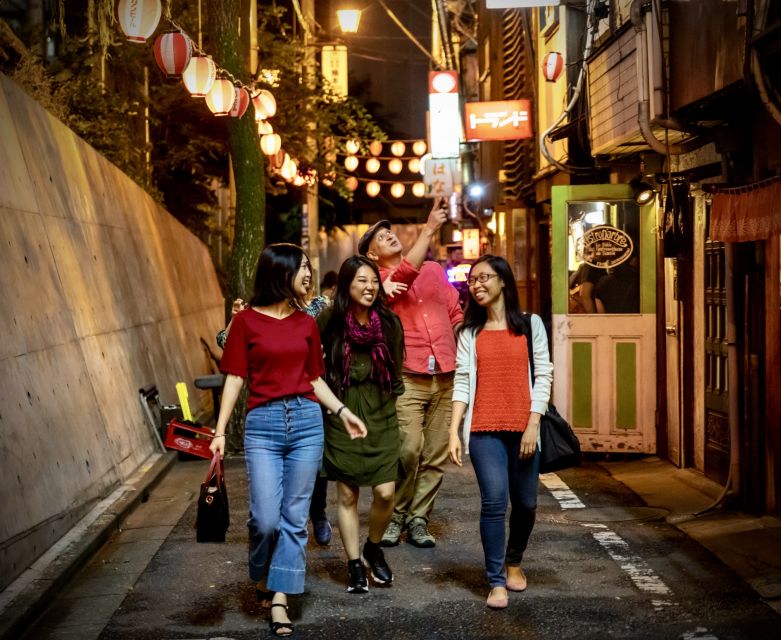
Tokyo makes more sense when someone helps you read the city block by block. This private walking tour can take you from old Yanaka lanes to anime shops, quiet shrines, street food, or a hidden teahouse, depending on what you care about. The itinerary is built around you, not around a fixed checklist.
I especially like the chance to learn practical city skills, such as using the subway, and the easy changes when your interests or the weather shift. I also like the local perspective: guides such as Kay have focused on anime and manga, while Martina has helped visitors understand Harajuku, its kawaii fashion, and the sharp contrast between Takeshita Street and nearby luxury shops. The main drawback is distance. Six or eight hours on foot can be tiring, and trains or taxis cost extra.
Key points at a glance
- A private route for your interests: Choose temples, gardens, anime, fashion, markets, food, history, or modern Tokyo.
- A local companion, not a fixed script: Your host can adjust stops, pace, and plans during the day.
- Useful subway help: Some hosts teach you how to buy tickets, read lines, use station exits, and get around later on your own.
- Flexible length: Book anywhere from 2 to 8 hours, which works for a short layover or a full first day.
- Real neighborhood variety: Possible areas include Yanaka, Asakusa, Harajuku, and other districts selected for your interests.
- Good value for orientation: At $64 per person, the tour can pay off if it saves lost time and helps you plan the rest of your stay.
A Tokyo tour that changes to fit you
This is not a sightseeing bus with a set order of stops. You start with a questionnaire about your interests and personality, then communicate with your host about a possible plan. That step matters in Tokyo, a city spread across many districts with very different moods.
You might ask for traditional Japan and spend time around temples, shrines, gardens, and old residential streets. You might prefer modern culture and head toward anime, manga, fashion, or quirky shops. You can also mix the two. A morning of historic lanes followed by pop culture and a local restaurant makes more sense here than trying to divide the city into neat categories.
The host can suggest an itinerary, but the plan is not locked in stone. If one neighborhood interests you more than expected, you can linger. If rain arrives, the route can change. One guide adjusted a day around wet weather, while another helped a family cover a long wish list at a sensible pace.
That flexibility is the heart of the experience. You are paying for a person who can respond to your needs, not simply for admission to a landmark.
Other quiet corners of Tokyo:
- 3h Tokyo E-Bike Tour: Hidden Gems, and Local Life with guide
★ 5.0 · 670 reviews - Tokyo: 3-hour Guided E-Bike Tour of the City’s Hidden Gems
★ 4.8 · 251 reviews - Kyoto Geisha Walking Tour: Gion District & Hidden Gems
★ 4.7 · 3,273 reviews
What a two-hour visit can realistically do
A two-hour booking is best for one compact area or one clear goal. Ask for Harajuku fashion, Asakusa temples, anime and manga, or a gentle walk through parks and shrines. Trying to cross Tokyo from one side to the other will waste much of that short appointment.
For a first visit, two hours can also be a useful orientation. Your host may show you how to buy train tickets, choose the right subway line, and find the correct station exit. Tokyo stations can be confusing, and learning the system early can make the rest of your trip less stressful.
A short session also suits a long layover. One visitor used a 12-hour stop to see sumo-related culture and less obvious sights with Daniela. Keep your route geographically tight, allow time for the return to your airport connection, and confirm the meeting plan carefully with your host.
How a longer day builds a fuller picture
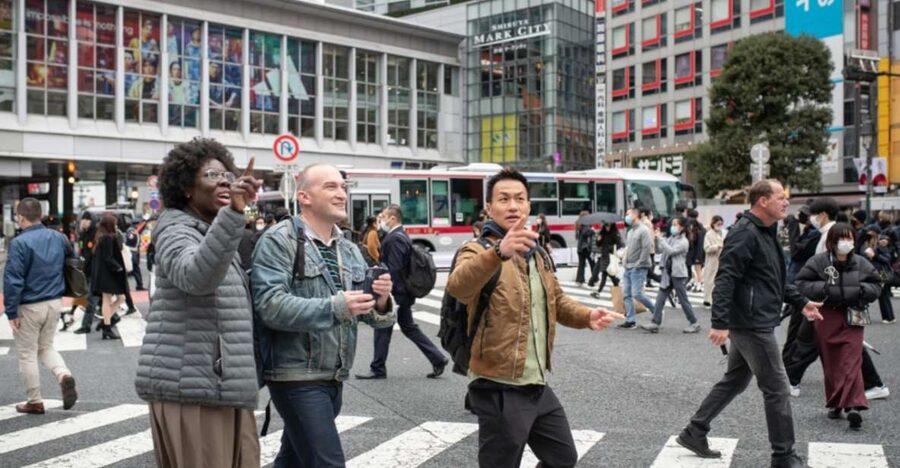
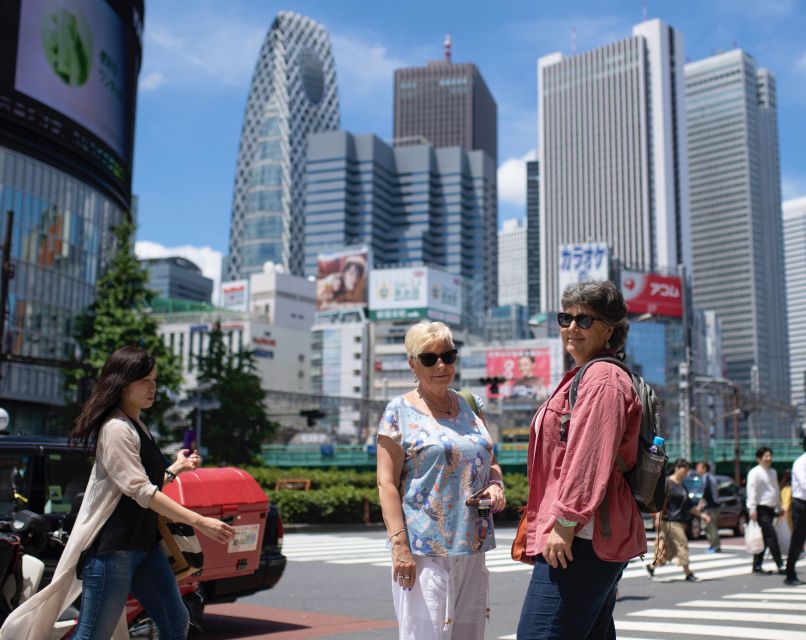
Four to six hours gives you room to connect two or three areas, especially if you are willing to use public transportation. You might begin with a historic neighborhood, stop at a shrine or garden, and then shift to modern shops or a food district. The exact mix depends on your questionnaire and conversation with the host.
Six hours can cover a lot, but do not confuse coverage with depth. One visitor found that six hours of walking was too much in rainy conditions and wished they had chosen four hours in one area. That is useful advice. Tokyo is enormous, and a shorter route with time to look around can be more enjoyable than racing between districts.
An eight-hour day works best if you want a broad introduction and are comfortable being on the move. You may see several neighborhoods, learn the train system, stop for food, and receive suggestions for the following days. Still, public transportation may be needed between areas, and those fares are not part of the $64 price.
Yanaka and the quieter side of old Tokyo
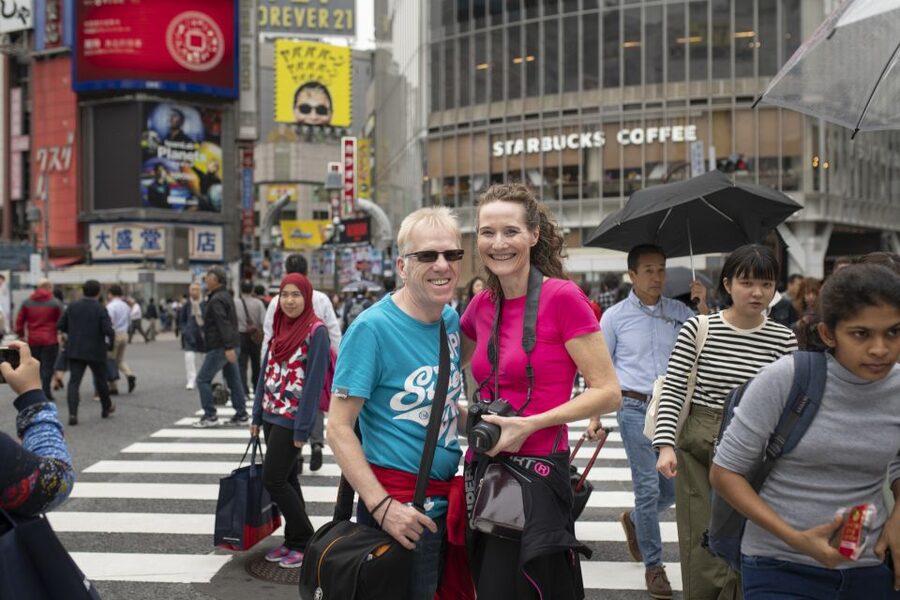
Yanaka is one of the possible choices for visitors who want a slower, more traditional feel. The appeal is not one single grand attraction. It is the chance to walk through older streets, small shops, temples, and residential corners while your host explains what you are seeing.
This kind of area suits you if you want to notice everyday details rather than collect famous photo spots. A local can point out the difference between a shrine and a temple, explain customs, and recommend a small stop that you would probably miss on your own.
The tradeoff is that Yanaka may not satisfy someone looking for Tokyo’s biggest neon scenes or major pop culture stores. Tell your host clearly if you want a strong contrast between old and new. The tour works best when you state your priorities before the day begins.
Same base, a different sort of day:
- Mt Fuji and Hakone 1-Day Bus Tour Return by Bullet Train
★ 5.0 · 26,383 reviews - 1-Day Tokyo Bus Tour
★ 5.0 · 14,250 reviews - Tokyo: TOKYO SKYTREE® Admission ticket
★ 4.5 · 11,192 reviews - Tokyo: teamLab Planets TOKYO Digital Art Museum Entry Ticket
★ 4.6 · 9,779 reviews
Asakusa as a practical starting point
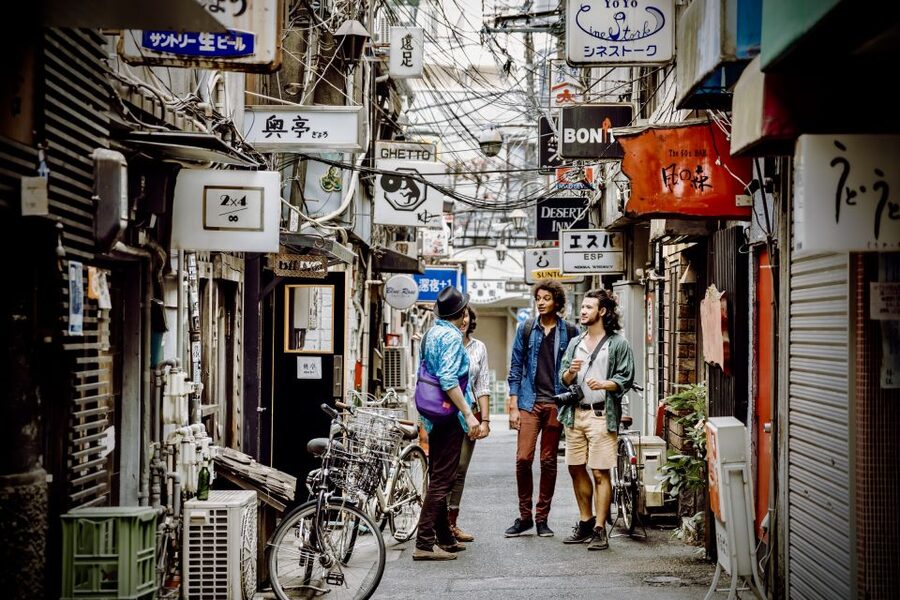
If hotel pickup is not arranged, the meeting point is the Asakusa Culture Tourist Information Center at 2-chōme-18-9 Kaminarimon, Taito City. That location puts you in one of Tokyo’s most recognizable traditional areas and gives the host an easy place to meet you.
Asakusa can suit a first-time visitor who wants temples, local customs, and a clear introduction to Tokyo. It can also be a launching point for a wider route, but your host should explain how much time will be spent walking locally and how much will go toward other districts.
The famous parts of Asakusa can be crowded, especially on a busy Sunday. A private host may help you move beyond the main approach and find smaller streets or nearby stops, but no guide can remove the crowds from a popular area. If you want a quieter experience, say so at the planning stage.
Harajuku, anime, and Tokyo’s modern character
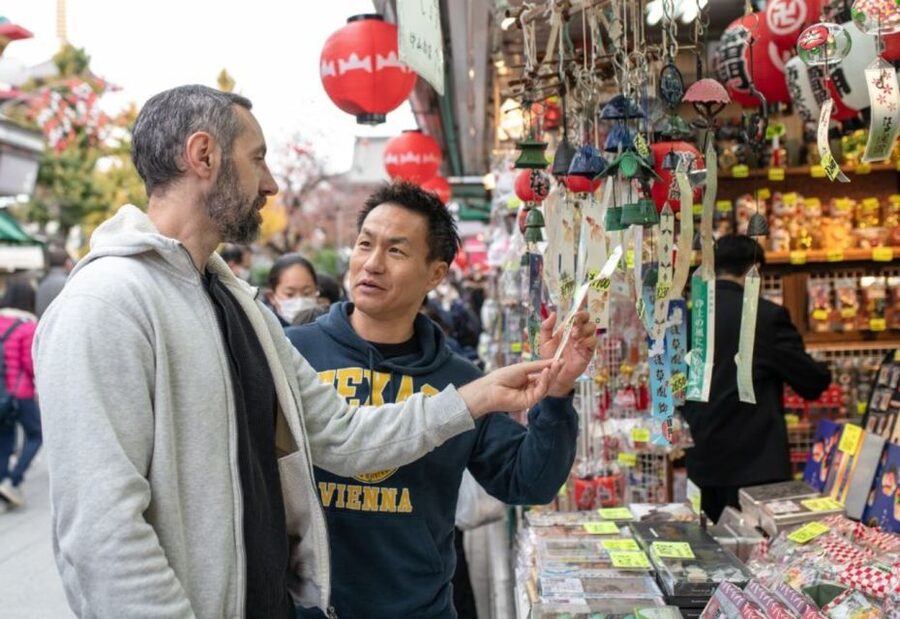
The tour is particularly useful when your interests are specific. Kay, for example, tailored a route around anime and manga. Martina helped a visitor explore Harajuku’s kawaii fashion, explained the local culture, and showed the contrast between the crowded Takeshita area and nearby luxury shops.
That contrast is one of Tokyo’s pleasures. A few minutes can take you from youthful fashion and colorful storefronts to polished architecture and high-end shopping. A host can give those changes some context instead of leaving you to see them as disconnected scenes.
If you love Japanese pop culture, put that near the top of your questionnaire. Say if you want shops, character goods, manga, fashion, or the wider social side of those districts. The more precise you are, the more useful the planning conversation becomes.
The same principle applies to food. Food and drinks are not included, but your host can suggest local eateries and may help you handle a language barrier. Daniela once helped with a sushi stop by explaining the order to the chef. That kind of assistance can be worth more than a generic restaurant list, especially if you are unsure how a small local place works.
Parks, gardens, shrines, and a slower pace
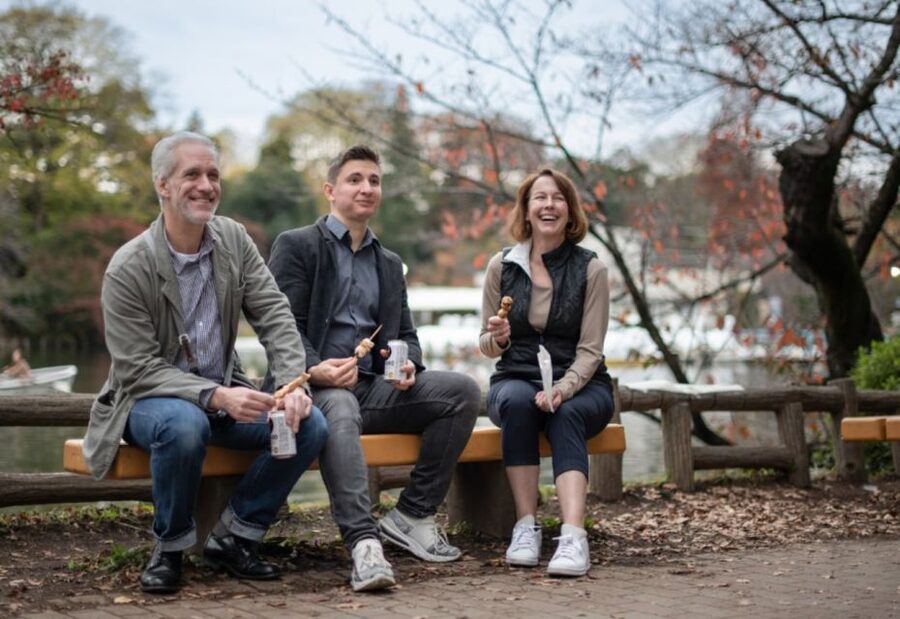
Not every Tokyo experience needs to be loud or crowded. One four-hour route focused on parks, gardens, temples, and an old Himalayan cedar. The guide finished the afternoon with a beer on the street, a simple local moment that fit the relaxed mood.
If you want nature, quiet, or photography, say that directly. The host may be able to build a route around green spaces and religious sites rather than major shopping areas. The experience is also suitable for travelers who want to understand local rituals and customs. One guide, Mike, focused on local rituals and cultural perspective during a customized day.
The limitation is seasonal and weather-related. Parks and gardens are less appealing in heavy rain, and some outdoor routes require more walking than an indoor plan. Your host can adjust the day, but you should bring practical shoes and avoid packing too many distant stops into a short booking.
Learning Tokyo instead of only looking at it
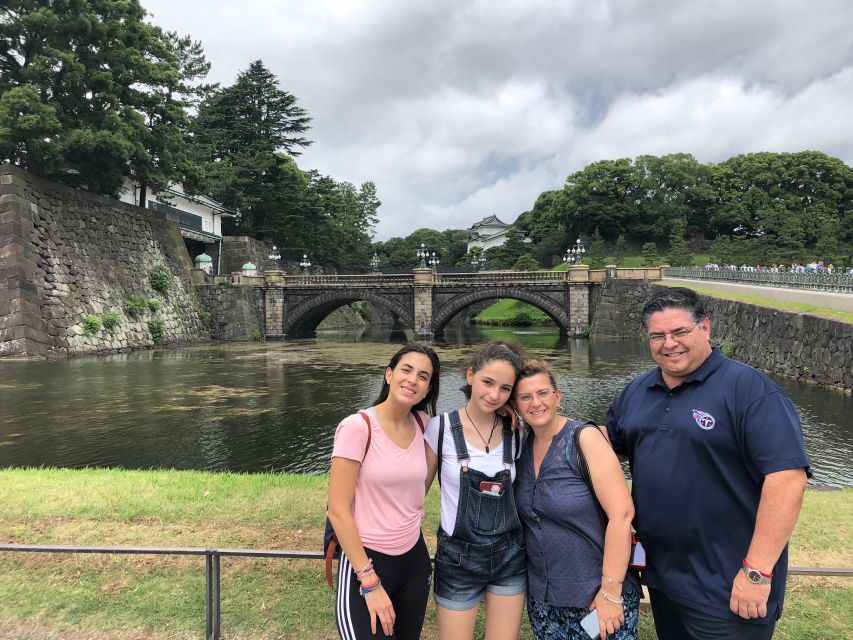
One of the strongest reasons to book this tour is the practical help. Tokyo is easier once you understand the subway, but the first attempt can be intimidating. Several hosts have helped visitors buy tickets, choose lines, read station exits, and find their way back to a hotel or meeting point.
That lesson continues to help after the tour ends. A landmark visit gives you memories of one place. A subway tutorial can save time for the next four days.
The host can also help you plan beyond the tour. Visitors have received suggestions for restaurants, evening plans, cherry blossom spots, and other cities in Japan. Ask for a short list of ideas at the end, especially if this is your first day in the country.
Do not expect a formal lecture. Hosts come from different backgrounds. Some are Japanese, while others are people who have lived in Tokyo for years. One visitor valued learning about Buddhism from a Colombian guide living in the city, while another appreciated an American-born host who built a route from scratch. That variety can make the cultural conversation more personal, though the experience may differ from host to host.
Price, timing, and what the $64 covers
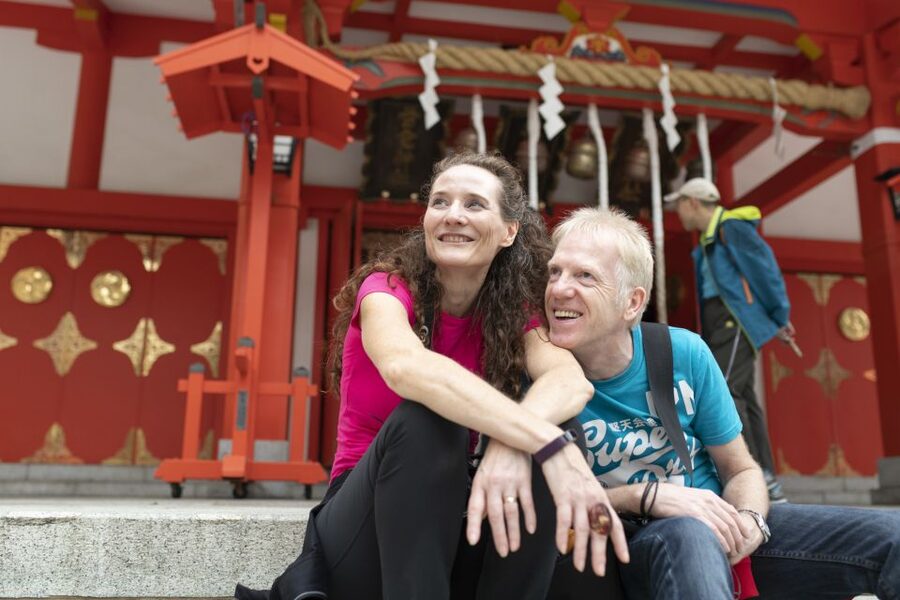
The listed price is $64 per person. For a private experience, that can be good value if you want a custom route, direct planning help, and an introduction to Tokyo that fits your pace. It is especially sensible for a first day, a short stay, a solo visit, or a family with several competing interests.
The price does not include food, drinks, attraction tickets, or transportation. Since this is a walking tour, you may still use trains or taxis between districts. Discuss the likely transport cost with your host after booking so the final budget is not a surprise.
The price is less attractive if you already know Tokyo well and only want a basic walk through one familiar area. It is also worth thinking about group size. The booking is for a private group, so you are not sharing the route with strangers, but the per-person cost rises for a solo visitor.
Choose two hours for one focused neighborhood, four hours for a balanced introduction, and six to eight hours only if you want a broad day and can handle plenty of walking. An eight-hour booking is not automatically better. In Tokyo, a well-planned short route can feel more relaxed and more personal.
Comfort, accessibility, and meeting arrangements
The tour is wheelchair accessible, but the route should be discussed in advance because this is a walking experience and may include public transportation. Ask your host to keep the itinerary compact and to avoid unnecessary transfers if mobility is a concern.
Hotel pickup can be arranged from a centrally located Tokyo hotel. Otherwise, meet at the Asakusa Culture Tourist Information Center. Confirm the exact start point, especially if you are staying outside central Tokyo.
English and Japanese are available. You will communicate directly with your host before the tour, which gives you a chance to explain food interests, walking limits, family needs, anime preferences, or the sights you have already seen.
Cancellation is flexible up to 24 hours before the start for a full refund, and you can reserve now and pay later. Those terms help if your Tokyo schedule is still changing.
Who should book this Tokyo experience
I would choose this tour for a first-time visitor who wants help making sense of Tokyo quickly. It is also a good fit for solo visitors, families, couples with different interests, and anyone who wants more than famous landmarks.
Pop culture fans should be specific about anime, manga, fashion, or character shops. Culture-focused visitors should ask for temples, shrines, gardens, rituals, and older neighborhoods. Food lovers should request restaurant advice and explain any dietary needs during planning.
I would be more cautious if you dislike walking, want a fully fixed sightseeing program, or expect all transport and meals to be included. You should also avoid an overstuffed itinerary. Tokyo rewards time spent in one neighborhood, not just a long list of pins on a map.
Should you book it?
Book it if you want Tokyo shaped around your interests and would value help with the subway, local customs, and neighborhood choices. The strongest part is the human flexibility: hosts such as Kay, Martina, Yohei, and others have built days around anime, Harajuku, temples, gardens, food, weather, and the visitor’s pace.
Choose the duration carefully. Two or four hours may give you a sharper experience than a tiring full day, while six to eight hours can work well for a broad first look. At $64 per person, it is a sensible buy when the advice and time saved will improve the rest of your trip.
FAQ
How long is the Tokyo custom walking tour?
You can choose a duration from 2 to 8 hours, depending on availability and the length you select when booking.
Is the tour private?
Yes. It is a private group experience with a local host.
Can I choose what to see?
Yes. You receive a pre-tour questionnaire about your interests and personality, then communicate with your host about a suggested itinerary. The plan can be adjusted during the day.
What kinds of interests can the host plan around?
The experience can be shaped around temples, shrines, markets, gardens, food, anime, manga, modern pop culture, fashion, neighborhood life, and other interests you discuss with your host.
Is hotel pickup available?
Hotel pickup can be arranged from any centrally located Tokyo hotel. You can also meet at the Asakusa Culture Tourist Information Center.
Are meals, entrance tickets, and transportation included?
No. Food, drinks, attraction tickets, and transportation costs are not included. Public transportation or local taxis may be used between sites at an additional cost.
Is the tour available in English?
Yes. Live guiding is available in English and Japanese.
Just added in Tokyo
- Nikko: Edo Wonderland Edomura Cultural Theme Park Ticket★ 4.3 · 205 reviews
- 《MEMBERS-ONLY-BAR-HOPPING》Discover Your Special Whiskey in Tokyo!★ 5.0 · 29 reviews
- Japanese Whisky Hunting《HIGH-QUALITY-ONLY》Rare Tasting Class★ 5.0 · 20 reviews
- Luxury Tokyo Sake, Cocktail, Whisky and Pairing Tour★ 5.0 · 18 reviews
- Wagyu & Sake Pairing in Shinjuku – Steak, Shabu-Shabu & More★ 5.0 · 112 reviews
- Small-Group Wagyu Beef and 7 Japanese Dishes Tokyo Cooking Class★ 5.0 · 190 reviews
- From Tokyo: Private Tour to Fuji/Hakone – Onsen, Art, Nature★ 5.0 · 116 reviews
- Tokyo: KABUKI Show at Kabukiza Theatre Admission Ticket★ 4.8 · 152 reviews
Hidden-Gem Tours, compared.
Kyoto Geisha Walking Tour: Gion District & Hidden Gems
Read our review →
Private Kyoto Tour with a Local, Highlights & Hidden Gems, Personalised
Read our review →

Hotspots & Hidden Gems Walking Tour Private or Group
Read our review →
Ultimate Osaka Walking Tour: Castle, Dotonbori & Hidden Gems
Read our review →
3h Tokyo E-Bike Tour: Hidden Gems, and Local Life with guide
Read our review →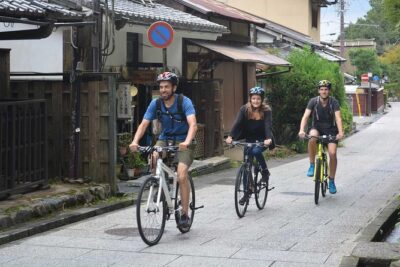
Arashiyama Bamboo Forest & Hidden Gems Bike Tour (Early Bird)
Read our review →
Private Osaka Walking Tour: Highlights & Hidden Gems
Read our review →Browse the lists this tour appears in