
Reviewed · RAMEN TOURS & WORKSHOPS
Tokyo: Easy Ramen Cooking Experience in Kabukicho, Shinjuku
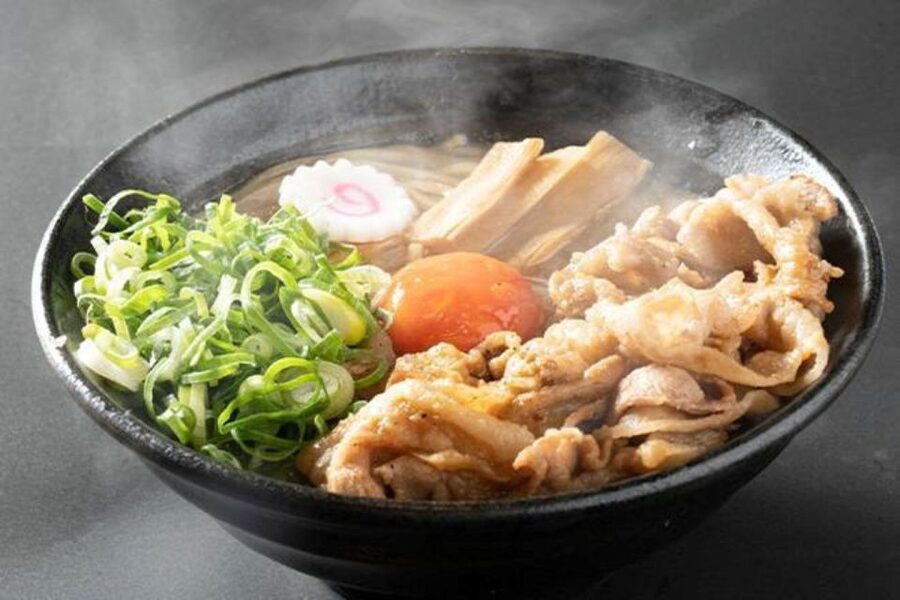
Ramen is usually something you order in a hurry. Here, you slow down and build the bowl yourself, choosing the soup, boiling the noodles, and arranging the toppings. I like the hands-on cooking and the fact that your meal is included. The small groups, often no more than six people, also give you time to ask about Japanese food and Tokyo.
The catch is that this is a shortened lesson, not a from-scratch ramen workshop. Proper noodles and soup can take many hours or several days, so the long preparation is explained rather than carried out. The broth contains pork, chicken, and beef, and the class is not suitable for vegans, vegetarians, or people with gluten intolerance.
Key points about the Shinjuku ramen class
- You cook and eat one bowl of ramen: Choose your soup, boil the noodles, add the ingredients, and sit down to enjoy the result.
- The class lasts about one hour: It fits neatly into a day of sightseeing around Kabukicho and Shinjuku.
- Groups can be very small: Some sessions have had only one to four participants, while the maximum group size is six.
- The setting is Shinjuku Ale: The class takes place upstairs in a quirky small bar near the Godzilla statue.
- The broth is not vegetarian: It contains pork, chicken, and beef, and the full recipe is kept secret.
- English support varies: Some instructors speak excellent English, while others may use a translation device.
What you actually do in one hour
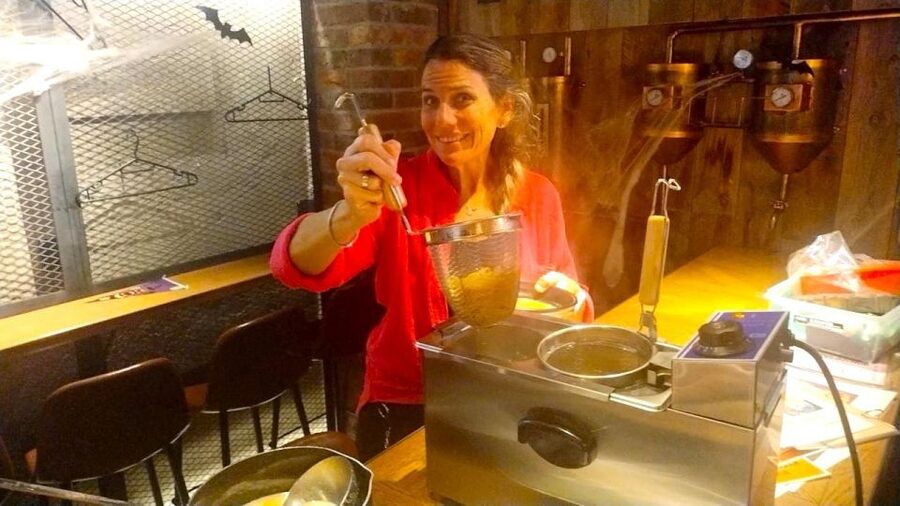
This experience gets to the food quickly, but it does not skip the useful context. Your guide first explains what goes into a bowl of ramen and how the dish developed as a staple of Japanese cooking. You learn that ramen is not simply noodles in soup. The broth, noodles, meat, egg, vegetables, and seasonings each affect the final balance.
The class also sets honest expectations. Traditional ramen preparation is slow. Soup and noodles may take many hours or several days, depending on the recipe. Since no one wants to wait until tomorrow for lunch, the class uses a shortened method that lets you prepare and eat your bowl within about an hour.
That distinction matters. You are not learning every industrial or restaurant technique from raw ingredients. You are learning how the parts fit together and how to assemble a satisfying bowl under guidance. For a first cooking class in Tokyo, I think that is a sensible trade.
Once the explanation is finished, you move into the cooking. You choose your soup, boil the noodles, and add the ingredients to your bowl. The instructors walk you through each stage, so you do not need strong cooking skills. One participant described the class as suitable even for someone who could barely cook, which is a fair description of the level.
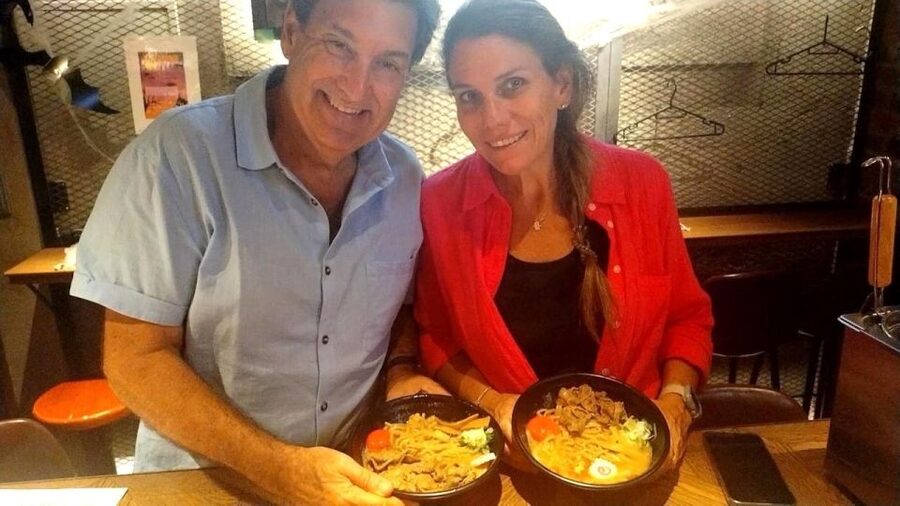
The final step is the best part: you eat the ramen you made. The class ends after the meal, so you get a proper lunch or dinner rather than a tiny sample. Several people found the bowl filling, and the meal gives the one-hour activity real value.
Other bowls worth queuing for in Tokyo:
- Eat and Drink Like a Local: Tokyo Ueno Food Tour-Taverns&Ramen
★ 5.0 · 957 reviews - Ramen & Gyoza Cooking Class in Tokyo with Local Supermarket Visit
★ 5.0 · 823 reviews - Tokyo: Ramen Tasting Tour with 6 Mini Bowls of Ramen
★ 4.9 · 432 reviews
Choosing soup, noodles, meat, and toppings
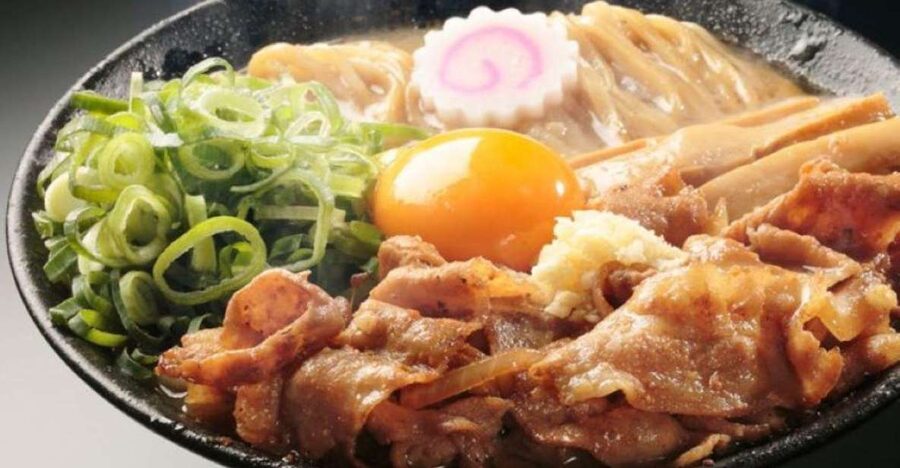
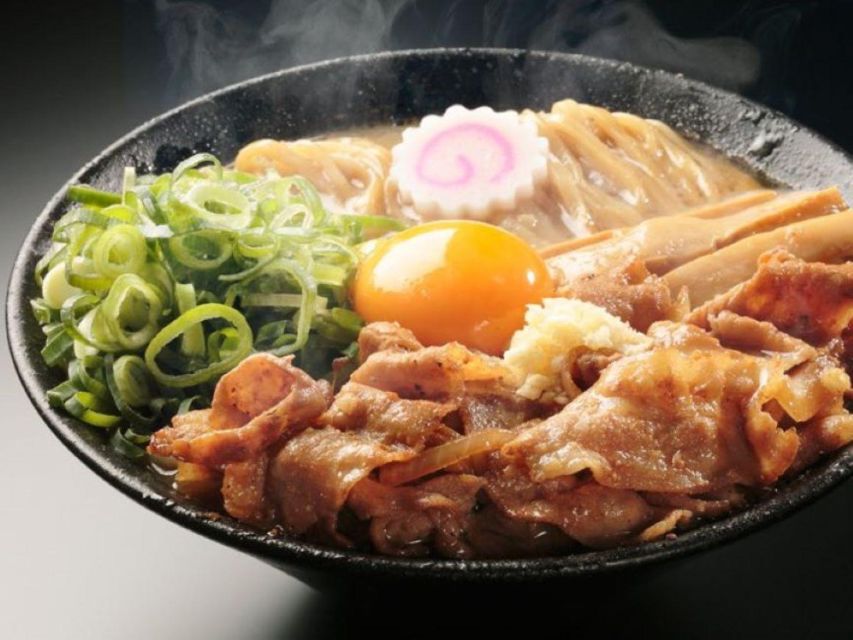
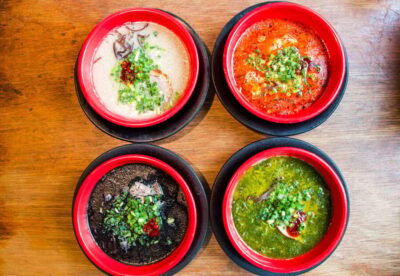
The class lets you customize the bowl to your taste. You select the soup, cook the noodles, and add ingredients such as pork, vegetables, and other toppings. The exact menu can vary, so do not expect a fully open-ended ramen bar where you can request any ingredient in Japan.
One useful point is the role of the soup. It is not a plain meat stew poured over noodles. The broth is a carefully prepared part of the dish, and the class explains how the soup base affects the flavor. Some people especially enjoyed making spicy ramen, while others liked learning how seasonings change the bowl.
The soup is prepared ahead of time because a proper broth takes too long for a one-hour class. That may disappoint you if your main goal is to simmer bones and build stock from the beginning. Still, the explanation helps you understand why ramen restaurants put so much care into the broth.
The recipe is secret, and staff cannot tell you exactly what is in it. The supplied information says it contains pork, chicken, and beef. If you avoid one of those meats, have an allergy, or need strict ingredient control, this is not the right class.
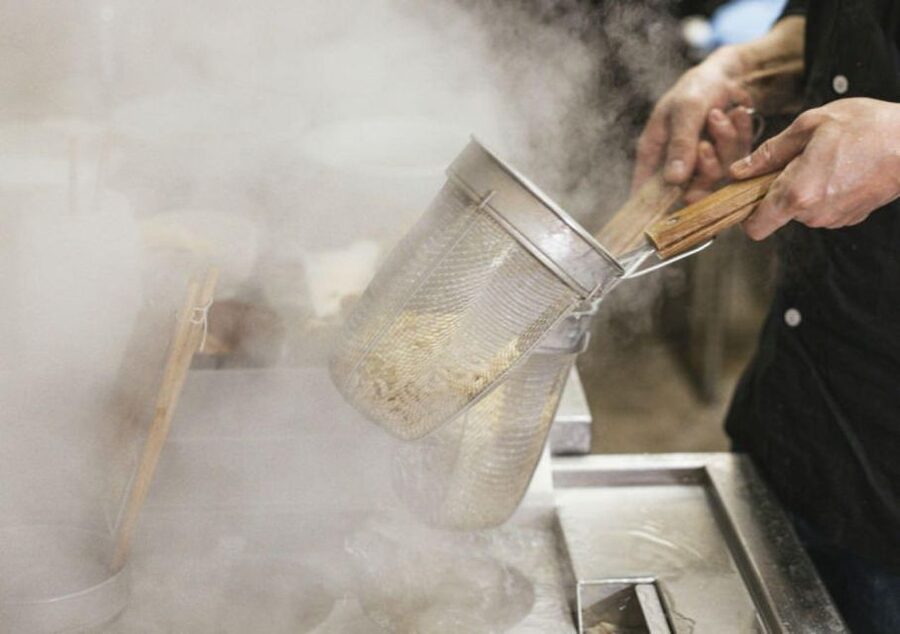
The noodles are one of the parts you actively prepare. Boiling them sounds simple, but timing affects texture. The instructor shows you the process, then helps you judge when the noodles are ready. That small act gives you a better feel for why ramen can taste so different from bowl to bowl.
The guides make the class work
The cooking itself is straightforward. The guide is what turns it into a worthwhile activity instead of a few instructions beside a stove.
Different sessions have been led by people including Tak, Mikhail, Hinata, Shuma, Nina, Chihiro, and Kai. Tak has helped participants reschedule after flight delays, met people at the building entrance, and assisted younger cooks through the steps. Mikhail has been praised for explaining techniques clearly and sharing useful advice about Tokyo. Hinata has carefully explained the difference between the full ramen process and this shorter version.
You should not assume every guide speaks fluent English. Some staff members speak very well, while others may use a translation machine. The practical result is usually manageable because the cooking steps are visual and hands-on, but complex questions may take a little patience.
The best sessions have a friendly, conversational feel. You can ask about Japanese dishes beyond sushi, get suggestions for places to see, and talk with the instructor while the food cooks. That makes the class useful for more than lunch. It gives you a casual chance to ask questions that may not come up during a restaurant meal.
The tone also suits mixed groups. Families with teenagers have enjoyed the class, and a 10-year-old was able to take part with help. However, children under four are not accepted, and anyone under 20 must follow Japan’s rules on alcohol. If an alcohol option is added to your booking, it is available only to people of legal drinking age.
A small bar above Kabukicho
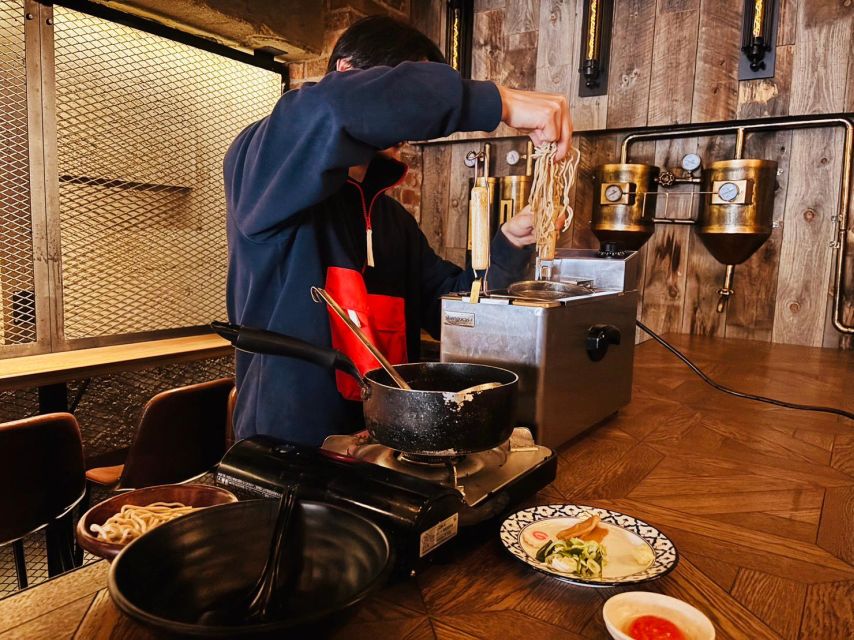
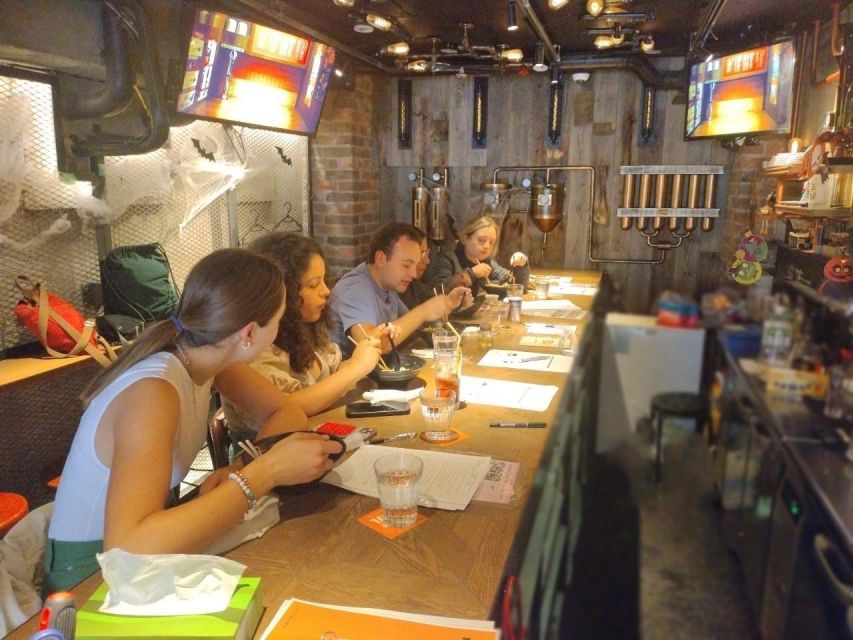
Shinjuku Ale sits in the middle of Kabukicho, one of Shinjuku’s most recognizable entertainment districts. The ramen class takes place on the second floor, in a compact bar with a quirky character. You may notice unusual decorations, a still, and bottles such as habushu behind the bar.
The location is handy for combining the class with sightseeing. The venue is close to the Godzilla statue, so you can make the ramen class part of a Kabukicho walk. One participant even heard Godzilla roar nearby. That gives the experience a very Shinjuku setting instead of placing it in a generic cooking studio.
There is no elevator, and you need to use the stairs to reach the second floor. Keep that in mind if stairs are difficult for you. The meeting point is Shinjuku Ale, and you should tell the staff when you arrive that you are there for the trial reservation.
Allow extra time to find the building. Shinjuku Station is large and confusing, and Kabukicho has plenty of signs, streets, and side roads competing for your attention. The official meeting point uses Google Plus Code WFQbgLjFTVA9bwdL7. I would not arrive at the last minute, especially if this is your first visit to the area.
Same base, a different sort of day:
- Mt Fuji and Hakone 1-Day Bus Tour Return by Bullet Train
★ 5.0 · 26,383 reviews - 1-Day Tokyo Bus Tour
★ 5.0 · 14,250 reviews - Tokyo: TOKYO SKYTREE® Admission ticket
★ 4.5 · 11,192 reviews - Tokyo: teamLab Planets TOKYO Digital Art Museum Entry Ticket
★ 4.6 · 9,779 reviews
Why the $29 price makes sense
At $29 per person, the class is priced like a modest meal with a short activity attached. You receive the ramen cooking lesson and the finished meal. For a one-hour experience in central Tokyo, that is a reasonable deal, especially if you value doing something rather than only ordering food.
The value comes from three parts. You get an introduction to ramen culture, you take part in the preparation, and you eat a filling bowl at the end. The instruction also gives you practical tips you can use when ordering ramen elsewhere in Japan.
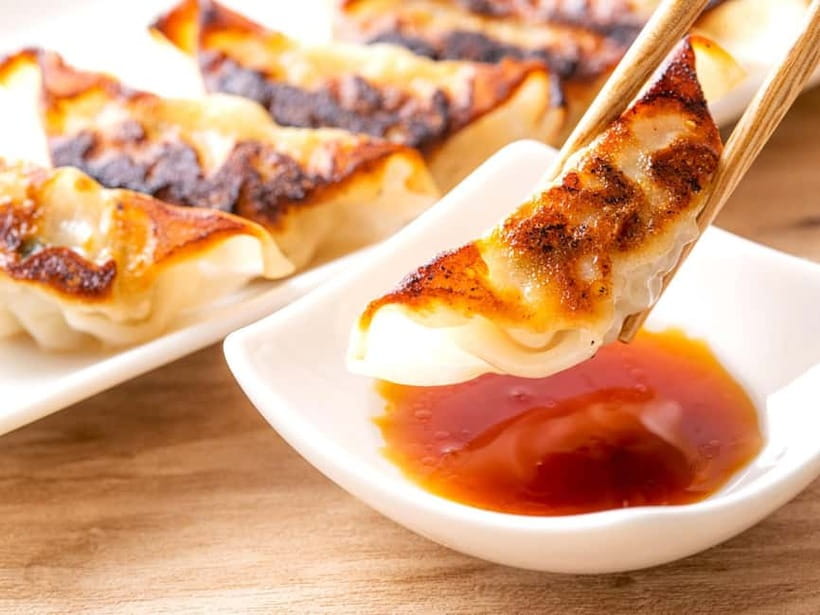
The basic price does not include bottled drinks, extra food, or transportation to Shinjuku Ale. Some bookings may offer add-ons such as gyoza and an alcoholic drink. One available option included five gyozas per person and a choice of drinks, but you should check the price before confirming if you are watching your budget.
That extra-cost point is worth taking seriously. The basic class is affordable, but the final bill can rise with add-ons. Ask what is included in your chosen option instead of assuming every food or drink shown at the venue is part of the $29 price.
Professional photos may also be offered for purchase after the session. They are not part of the included meal and class, so treat them as optional.
Who will enjoy this most

This is a good pick if you want a short, social activity between Shinjuku plans. It works well for first-time cooks, solo visitors, couples, families with older children, and anyone who wants a meal with a story attached.
I would especially recommend it to you if:
- You love ramen but know little about how it is prepared.
- You want a class that does not consume half a day.
- You prefer a small group to a large demonstration.
- You are staying near Shinjuku or already plan to visit Kabukicho.
- You enjoy asking local staff about food and Tokyo.
- You want to eat a full portion after cooking.
The class is less suitable if you are seeking a serious culinary course. You will not make every part of the ramen from raw ingredients, and the secret broth cannot be examined ingredient by ingredient. It also is not suitable for plant-based diets or gluten-free diets.
The atmosphere is casual rather than formal. You cook in a bar setting, not a polished school kitchen. That will appeal to you if you like a little character and local atmosphere. If you want spotless counters, a long chef-led lecture, and detailed recipe sheets, choose a more advanced cooking school.
Timing, language, and practical details
The activity takes about one hour. Check the available starting times when booking, since the schedule can change. The short format makes it easy to place before dinner, after a morning visit to another part of Tokyo, or between Kabukicho and nearby Shinjuku sights.
Bring an ID card. A copy is accepted. This requirement is easy to overlook, so keep the document accessible rather than buried in your luggage.
The class is available as a small group. A maximum of six creates the chance for direct help, and some sessions may be much smaller. A solo booking can sometimes feel almost private, while a full group gives the activity a more social feel.
English ability varies by staff member. The cooking is simple enough to follow with demonstrations, but if you have detailed dietary questions, ask before booking. The broth contains several meats, and the recipe is not disclosed.
Cancellation is flexible if your plans change. You can cancel up to 24 hours in advance for a full refund, and the reserve-now, pay-later option lets you hold a place without paying immediately. If a flight delay affects your arrival, contact the provider as soon as possible. Staff have sometimes worked hard to help late arrivals, but you should not count on a delayed start.
Is this ramen class worth booking?
I would book this experience if you want an easy introduction to ramen and a filling meal in central Shinjuku. The strongest points are the small groups, patient instruction, flexible customization, and the simple pleasure of eating a bowl you assembled yourself.
I would skip it if you need vegan, vegetarian, or gluten-free food, or if you want to make broth and noodles entirely from scratch. For most other visitors, $29 is a fair price for one hour of cooking, cultural context, and lunch or dinner in a memorable Kabukicho setting.
FAQ
How long does the Tokyo ramen cooking experience last?
The experience lasts about one hour, including the explanation, cooking, and meal.
Where does the ramen class take place?
It takes place at Shinjuku Ale in Kabukicho, Shinjuku. The class is on the second floor, and there is no elevator.
What do I cook during the class?
You choose your soup, boil the noodles, and add the ingredients and toppings to your ramen bowl. The full preparation of noodles and soup is explained but not carried out because it takes much longer than one hour.
Does the ramen contain meat?
Yes. The soup contains pork, chicken, and beef. The exact recipe is secret, so this class is not suitable for vegans, vegetarians, or people with gluten intolerance.
Do I need to speak Japanese?
No specific Japanese ability is stated as necessary. Some staff speak English, while others may use a translation machine. The class includes demonstrations and guided steps.
Can children join the ramen class?
Children under four are not accepted. Participants under 20 must be accompanied by a parent or guardian, and Japanese law prohibits alcohol for anyone under 20.
Just added in Tokyo
- Nikko: Edo Wonderland Edomura Cultural Theme Park Ticket★ 4.3 · 205 reviews
- 《MEMBERS-ONLY-BAR-HOPPING》Discover Your Special Whiskey in Tokyo!★ 5.0 · 29 reviews
- Japanese Whisky Hunting《HIGH-QUALITY-ONLY》Rare Tasting Class★ 5.0 · 20 reviews
- Luxury Tokyo Sake, Cocktail, Whisky and Pairing Tour★ 5.0 · 18 reviews
- Wagyu & Sake Pairing in Shinjuku – Steak, Shabu-Shabu & More★ 5.0 · 112 reviews
- Small-Group Wagyu Beef and 7 Japanese Dishes Tokyo Cooking Class★ 5.0 · 190 reviews
- Mt. Fuji, Hakone Private Tour from Tokyo – Onsen, Arts and Nature★ 5.0 · 79 reviews
- Tokyo Cyberpunk Street Photo Tour★ 5.0 · 165 reviews
Ramen Tours & Workshops, compared.

Ramen Cooking Class at Ramen Factory in Kyoto
Read our review →
Eat and Drink Like a Local: Tokyo Ueno Food Tour-Taverns&Ramen
Read our review →
Ramen & Gyoza Cooking Class in Tokyo with Local Supermarket Visit
Read our review →
Ramen Cooking Class at a Ramen Factory with Souvenir
Read our review →
Five Must-See Highlights Walking Tour & Ramen Lunch
Read our review →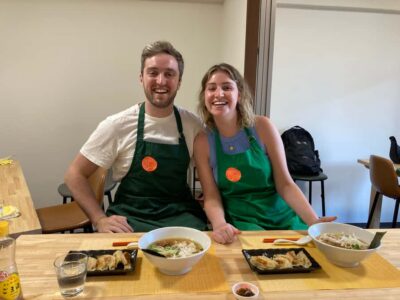
Browse the lists this tour appears in