
Reviewed · MOUNT FUJI DAY TRIPS
Tokyo: Mt. Fuji, Owakudani, Hakone Shrine, & Open-Air Museum
Owakudani is the star of this day out from Tokyo. Steam vents rise from a scarred volcanic valley, sulfur hangs in the air, and the ground reminds you that Japan’s mountains are still very much alive. The day then shifts from volcanic drama to lake views, shrine calm, and sculpture gardens.
I like the strong mix of nature and culture, especially the contrast between Owakudani and the thoughtful Hakone Open-Air Museum. I also like the practical value: transport, a guide, and admission tickets are included for $79. The main drawback is the long, weather-sensitive day. Heavy traffic, rain, or clouds can change the order of stops, and Mount Fuji may not appear at all.
Key points to know before booking
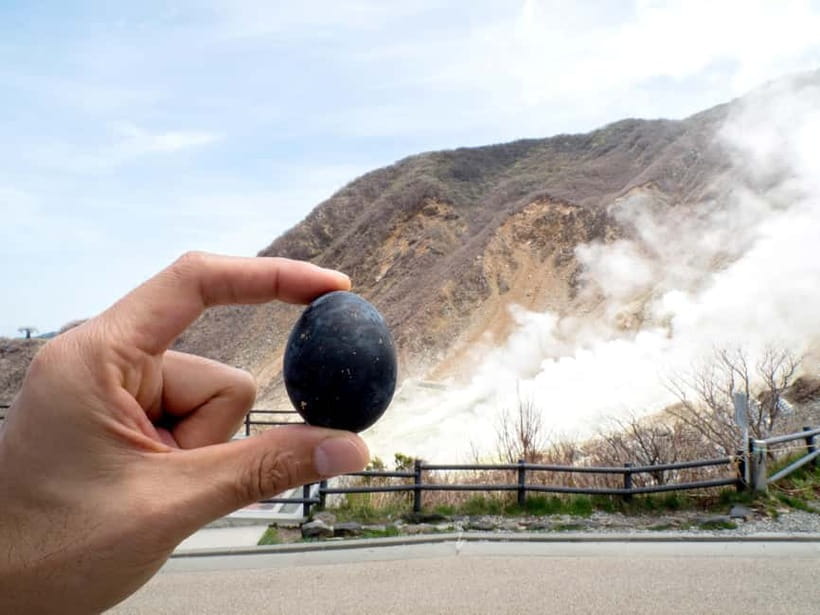
- Owakudani brings the most unusual scenery, with sulfurous springs, steam vents, and active volcanic ground.
- The Open-Air Museum is more than a quick photo stop, with outdoor sculpture gardens, Henry Moore and Joan Miró works, and a Picasso gallery.
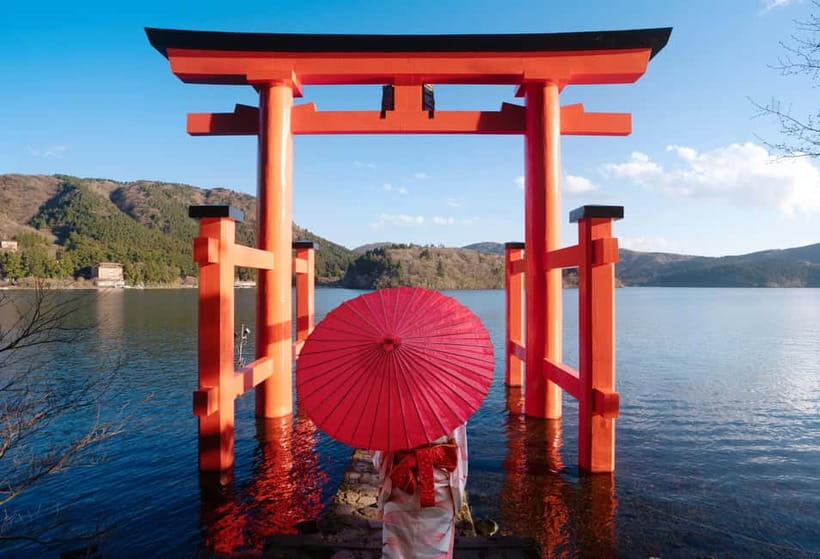
- Hakone Shrine and Lake Ashi provide a quieter pause, including the famous torii gate in the water.
- The route can change, especially during peak traffic or poor weather, so treat the schedule as flexible.
- Ropeway and Pirate Ship rides cost extra, but your guide can help arrange them when conditions permit.
- The $79 price is good for a full day of transport and admissions, though meals and optional rides are not covered.
Why Hakone makes a good break from Tokyo
Tokyo is thrilling, but it can also wear you down. Hakone offers a very different day without requiring you to plan a complicated rail, bus, and sightseeing route on your own. You trade city streets for mountains, Lake Ashi, steaming volcanic ground, and large-scale outdoor art.
The appeal is the variety. This is not a tour built around one viewpoint or one museum. In a single day, you can see a sacred shrine, a volcanic valley, a lake framed by wooded slopes, and sculpture spread across gardens.
That variety also explains the tour’s limits. Hakone is a large area, and traffic can be heavy. The vehicle cannot operate for more than 10 hours under Japanese law, so your guide may adjust the order or shorten the timing based on real-time conditions. You should join this tour ready for a well-filled day rather than a slow, unhurried stay in one place.
Other temples and shrines in Tokyo people book:
- Tokyo: Meiji Shrine, Asakusa, Skytree Bus Tour and Cruise
★ 4.7 · 1,986 reviews - Tokyo: Asakusa Walking Tour with Sensoji Temple Visit
★ 4.8 · 1,583 reviews - Nikko: Kegon Falls, Lake Chuzenji & Toshogu Temple
★ 4.6 · 1,577 reviews
Starting with art at the Hakone Open-Air Museum
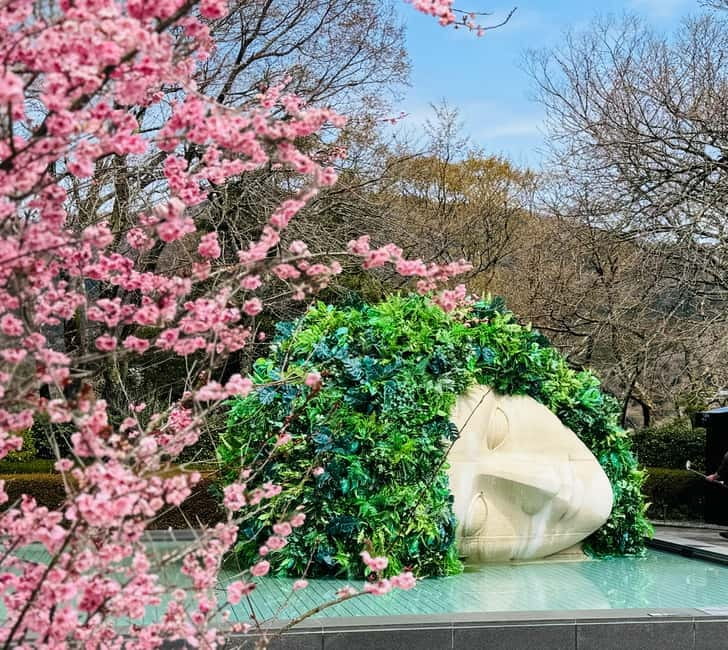
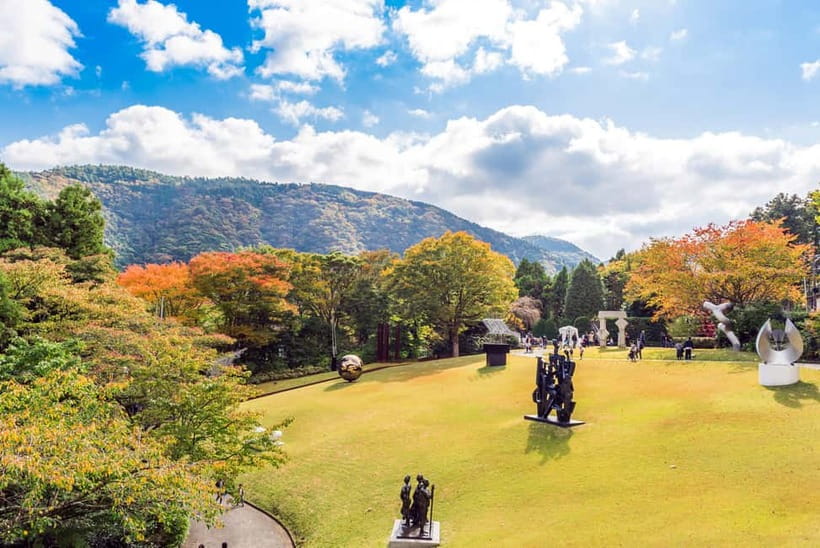
The Hakone Open-Air Museum gives the day a strong opening or closing point, depending on traffic and weather. Japan’s first open-air art museum places sculpture in gardens and outdoor spaces, so the mountain setting becomes part of the experience.
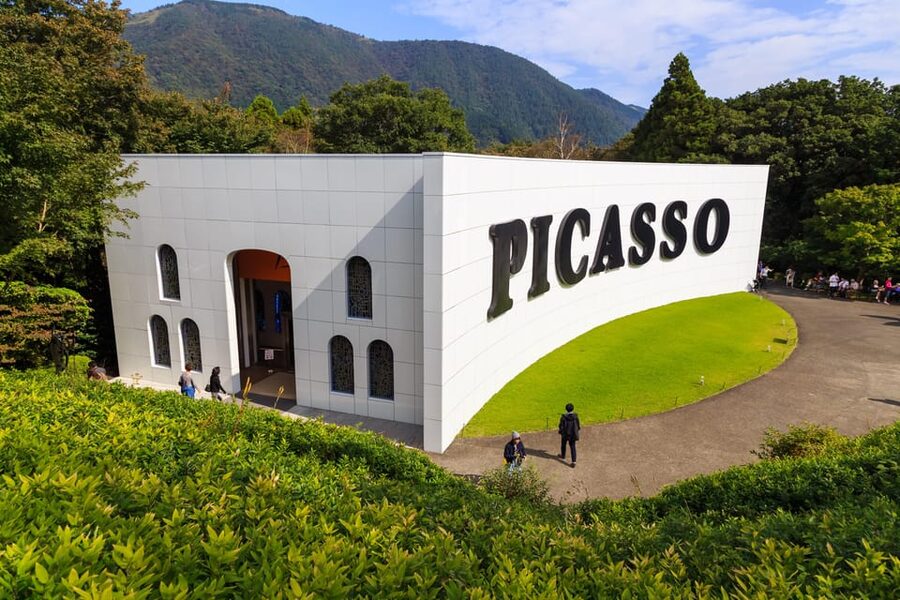
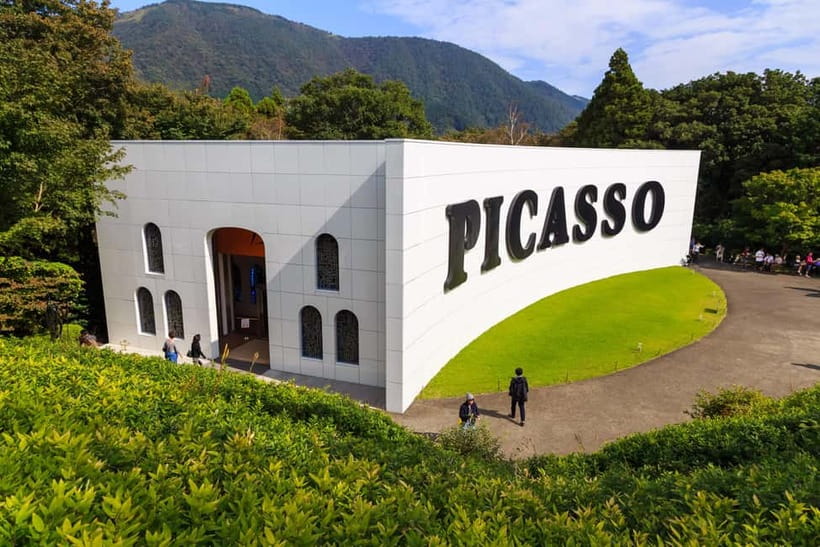
You can expect works by major artists including Henry Moore and Joan Miró. There is also a Picasso gallery, giving the museum an indoor focus when rain or cooler weather makes the outdoor paths less comfortable.
I like this stop because it does not demand that you already know much about modern art. A large sculpture in a garden is easy to approach. You can look closely, walk around it, and judge your own reaction without needing a long lecture. The gardens also give you room to slow down after the drive from Tokyo.
The interactive installations add another layer. They make the museum more appealing to families and to anyone who finds traditional galleries too formal. Still, art is personal. If you mainly want Mount Fuji views or volcanic scenery, the museum may feel like a longer stop than expected. If you enjoy design, sculpture, and outdoor spaces, it can be one of the day’s most rewarding parts.
Wear comfortable shoes here. You will be walking through outdoor areas, and the tour includes several stops where you will be on your feet.
Seeing Owakudani’s volcanic power
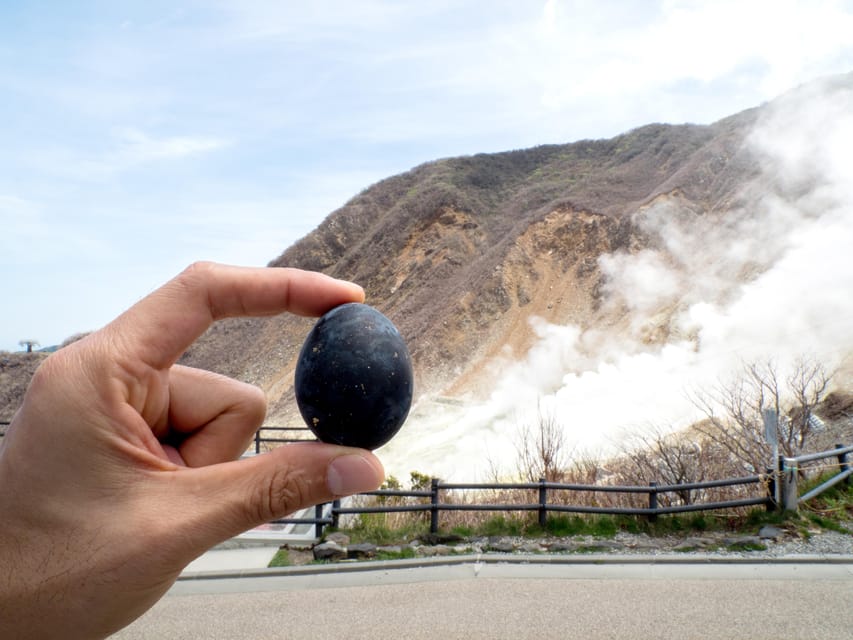
Owakudani is the most dramatic stop. This active volcanic valley was formed by volcanic activity and remains known for sulfurous hot springs and steam vents. The air can smell strongly of sulfur, which is part of the place’s character rather than a flaw.
You will see a rougher, more exposed side of Hakone here. Steam rises from the ground, and the valley’s geology is easy to observe. It is a useful reminder that Japan’s famous mountain scenery is not only pretty. It is also shaped by forces that are still working below the surface.
Weather and local conditions matter at Owakudani. Your guide may need to adjust the route if conditions affect access or transport. The tour information specifically notes that the Ropeway is optional and must be purchased separately. If it is operating and you want to use it, the guide can help you with the arrangements.
The Ropeway can add a memorable aerial view of the volcanic area, but it is not included in the $79 price. Do not assume it is part of the base tour. Ask your guide about current conditions and the extra ticket before committing.
Owakudani can also be busy, especially during peak periods. Your guide may move the order of the day to improve the timing. That flexibility matters. One guide, Icchi, reportedly changed the route during heavy rain and took the group to Hakone Shrine first. Another guide, Yuichi, altered the order to give the group a better chance of seeing Mount Fuji and Lake Ashi before the area became crowded.
Hakone Shrine and the torii at Lake Ashi
Hakone Shrine offers a change of mood. The shrine sits at the foot of Mount Hakone, surrounded by forest, with its well-known torii gate standing in the waters of Lake Ashi. The setting is peaceful and highly photogenic, but it can also be crowded, so timing makes a real difference.
This is the place to pause. You can take in the lake, the mountains, and the shrine’s calm setting after the rough ground and sulfur fumes of Owakudani. The famous torii is the main photo target, though you should be prepared for other people waiting to take their pictures.
Small cultural details can make the visit more rewarding. One guide, Icchi, explained that a five-yen coin is considered an auspicious offering. You may also find mineral water at the shrine area and can bring a bottle to fill, according to the practical advice shared during the trip. Bring a few five-yen coins if you enjoy taking part in local customs, but do not treat it as a requirement.
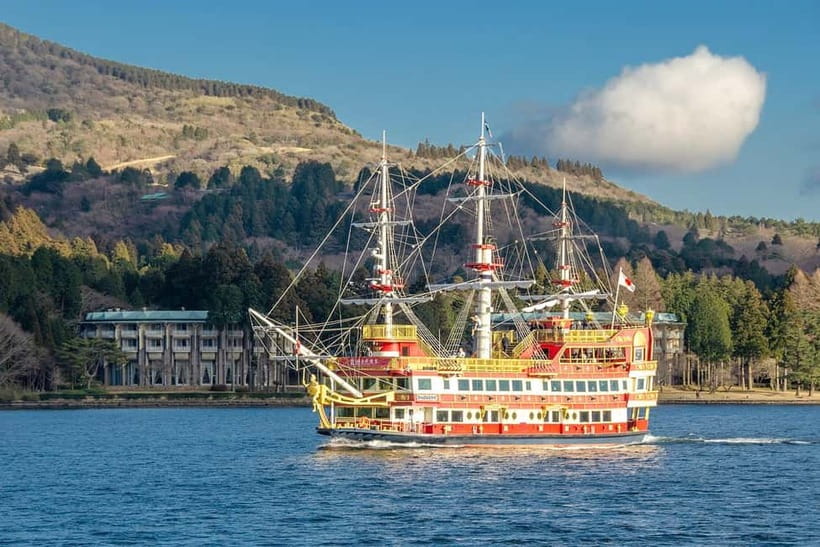
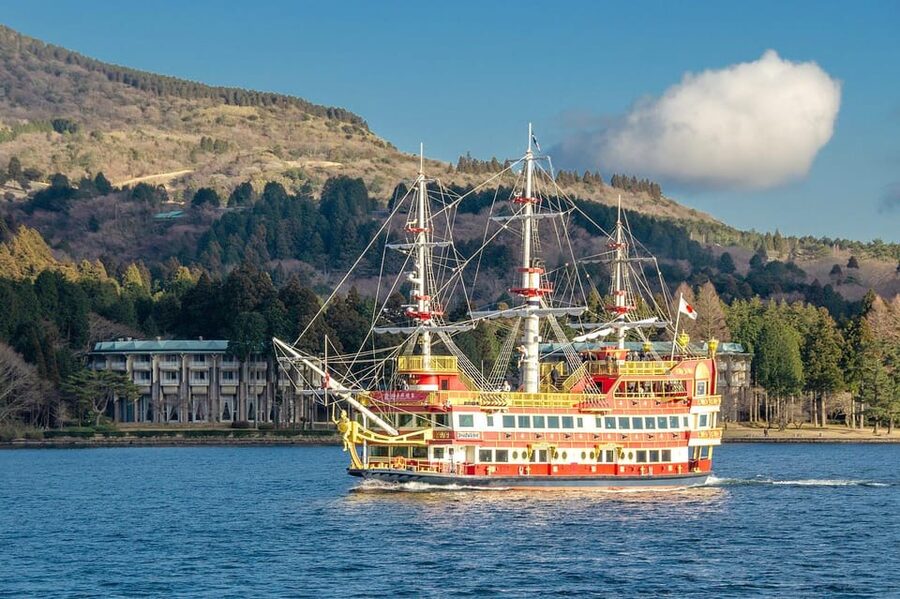
Lake Ashi is also the setting for the optional Pirate Ship. This is an extra ticket, not part of the listed price. The route and weather determine if it is available. One adjusted itinerary included a Pirate Ship crossing before the cable car to Owakudani, giving the group lake views and a chance to see Mount Fuji.
Do not book this tour solely for Fuji. The mountain can disappear behind cloud and rain, even when the rest of Hakone is worth seeing. One group missed the view on a cloudy day but still finished the day satisfied because the shrine, volcanic valley, and museum provided plenty to do.
Other days out to the mountain from Tokyo:
- Mt Fuji and Hakone 1-Day Bus Tour Return by Bullet Train
★ 5.0 · 26,383 reviews - Mt Fuji & Hakone Cruise, Drum Show Bullet Train 1 Day from Tokyo
★ 4.0 · 7,413 reviews - Tokyo Mt Fuji 5th St & Hakone Cruise Bus Tour w/Bullet Train
★ 4.4 · 5,024 reviews - From Tokyo: Mount Fuji Full-Day Sightseeing Trip
★ 4.5 · 4,970 reviews
Mount Fuji views depend on the sky
The title includes Mount Fuji, but no tour can guarantee a clear view. Cloud, rain, and haze can hide the mountain. In fact, guides may change the order to improve your chances, but that is not the same as promising a sighting.
The best attitude is to treat Fuji as a bonus. If the sky clears, you may get a memorable view around Lake Ashi or from another point along the route. If it stays gray, Hakone still gives you volcanic scenery, historic shrine grounds, a lake, and one of Japan’s most distinctive art museums.
A small origami Mount Fuji keepsake was given at the end of one trip when the real mountain could not be seen. That is a thoughtful touch, but it also underlines the point: weather controls the view. Pack a light rain layer and expect the guide to make practical decisions rather than follow a rigid timetable.
What the guide adds to the day
A guided tour earns its keep here through logistics. Hakone is easy to enjoy once you are there, but connecting the museum, Owakudani, Lake Ashi, and the shrine can become confusing when traffic or weather disrupts public transport.
The guide also provides a human pace to the day. Yuichi, Juna, and Icchi are among the guides named in the supplied information. Juna was praised for paying close attention to the group’s needs. Icchi was noted for safe driving through heavy rain and for making the route work better for a small group. Yuichi adjusted the day to improve the chance of seeing Mount Fuji and reach the shrine early.
The experience is not only about commentary. It is also about knowing when to move, when to reverse the route, and how to fit an optional ride into the day. You still get time to explore on your own, which is important at the museum and shrine. The best balance here is guided transport between stops with personal time once you arrive.
English and Korean are the available guide languages. Check the option you book carefully, since the meeting point may vary by selection.
Transport, group feel, and the long-day reality
The tour includes transportation, admission tickets, and an English or Korean-speaking guide. That makes it simpler than building the same route yourself, particularly if you are visiting Tokyo for a short time and want to see Hakone without changing hotels.
The group size may vary. One reported outing had only six people, creating a more personal feel and allowing the driver-guide to adjust the plan easily. You should not assume every departure will be that small, but the example shows how a compact group can benefit from flexible routing.
The day ends back at the meeting point. Since the exact starting point depends on the option booked, read the booking details closely before departure. Also remember that Japanese law limits vehicle operation to 10 hours. If traffic is severe, the guide may need to change the order or adjust the timing to stay within that limit.
Traffic is the biggest practical risk. Peak-season congestion can affect Hakone roads and attractions. The route may be reversed, with the shrine visited before Owakudani or the museum moved to another part of the day. That is sensible, but it means you should not plan a fixed dinner reservation immediately after the tour.
Food, clothing, and what to bring
Meals are not included. The advice to bring snacks or a light lunch is worth taking seriously because the schedule may not leave much time for a sit-down meal. Food stops are not guaranteed, and eating on the bus or at an attraction may be the most practical choice.
Wear comfortable shoes. The museum has outdoor paths, the shrine involves walking, and Owakudani can involve uneven or exposed areas. Weather in the mountains can differ from Tokyo, so a rain layer is sensible even if the morning looks clear.
Bring a water bottle, especially if you want to fill it at the shrine area. A few five-yen coins are useful for shrine offerings. If you are bringing a baby stroller, tell the operator in advance. Infants are free, but no seat is provided for them, so families should think carefully about the transport arrangement.
Is $79 good value?
At $79 per person, this tour offers solid value for a full Hakone day. Transportation, a guide, and admission tickets are included. You are paying for more than entry to individual sights. You are also paying to avoid piecing together several connections in a mountainous area where traffic and weather can quickly upset a self-planned route.
The price becomes less attractive if you want every optional feature. The Hakone Ropeway and Pirate Ship require separate payment, and meals are also your responsibility. If you add both rides and buy food along the way, your final cost will rise.
Still, the base price covers the main combination that makes the day worthwhile: the Open-Air Museum, Owakudani, Hakone Shrine, and the Lake Ashi area. For a first Hakone visit, I consider that a fair deal, especially if you value time and simple transport over complete independence.
Who should book this Hakone day tour?
I would recommend it to first-time visitors staying in Tokyo who want Hakone’s main sights without arranging several train, bus, and sightseeing connections. It also suits couples, families, and small groups who like variety and do not mind a full day on the road.
Art lovers should pay attention to the Open-Air Museum. Nature fans will get the most from Owakudani and Lake Ashi. People hoping for Mount Fuji should book with flexible expectations and accept that cloud may win.
You may prefer an independent visit if you want to spend half a day at one place, choose your own meal stops, or control every minute. This tour favors coverage and convenience. It gives you a broad taste of Hakone rather than a leisurely stay in one corner.
Should you book it?
Book this tour if you want a practical, well-filled escape from Tokyo with art, volcanic scenery, shrine grounds, and lake views in one day. The guides’ willingness to reverse the route, handle weather, and help with optional rides is a real benefit.
Skip it if a guaranteed Mount Fuji photograph is your main goal or if you dislike fixed group transport. The mountain may be hidden, traffic may alter the schedule, and the optional Ropeway and Pirate Ship cost extra.
For most first visits, the combination is strong. You get Hakone’s most varied sights, a guide to handle the moving parts, and a reasonable $79 starting price. Reserve with a flexible attitude, bring snacks and comfortable shoes, and let the weather decide how the day unfolds.
FAQ
What is included in the $79 tour price?
The price includes transportation, an English or Korean-speaking guide, and admission tickets for the included attractions.
Are meals included?
No. Meals are not included. Bringing snacks or a light lunch is recommended.
Is the Hakone Ropeway included?
No. The Hakone Ropeway is an optional activity and requires a separate ticket purchased on site.
Is the Hakone Pirate Ship included?
No. The Pirate Ship is optional and requires a separate ticket purchased on site.
Can I be guaranteed a view of Mount Fuji?
No. Mount Fuji views depend on weather and visibility. Cloud or rain may hide the mountain, and the guide may change the route to improve the chance of seeing it.
Can the itinerary change?
Yes. Traffic, weather, peak-season crowds, and local conditions can change the order of the stops. The guide may reverse the itinerary or make other adjustments.
What languages are available?
The tour offers English and Korean-speaking guides.
Is the tour suitable for infants?
Infants are free of charge, but no seat is available for an infant. Tell the operator in advance if you plan to bring a baby stroller.
What should I bring?
Bring comfortable shoes, snacks or a light lunch, and a water bottle. A few five-yen coins may be useful for an offering at Hakone Shrine.
More temples and shrines elsewhere in Japan
- Tokyo: Nikko Toshogu Shrine and Kegon Waterfall Tour
★ 4.5 · 1,266 reviews - Tokyo Panoramic 1 Day: Meiji Shrine, Asakusa, Odaiba and SKYTREE®
★ 4.5 · 1,222 reviews - Tokyo: Zen Meditation at a Private Temple with a Monk
★ 5.0 · 510 reviews - Mt. Fuji Heritage Tour: Traditional Villages, Lakes & Shrine
★ 4.5 · 509 reviews
More Hakone day trips from Tokyo
- Tokyo: Mt. Fuji Tour, Hakone Ropeway, Owakudani, Lake Ashi
★ 4.7 · 4,002 reviews - Private Tour to Mt. Fuji and Hakone (Fully Licenced Operator)
★ 5.0 · 1,910 reviews - Mt Fuji & Hakone Cruise, Drum Show Bus 1 Day from Tokyo
★ 4.0 · 1,287 reviews - From Tokyo: Mt. Fuji & Hakone Tour w/ Return by Bullet Train
★ 4.2 · 1,278 reviews
Just added in Tokyo
- The 10 Tastings of Tokyo With Locals: Private Street Food Tour★ 5.0 · 48 reviews
- Small Town in the Big City: Tasting Tokyo’s Kichijoji★ 5.0 · 195 reviews
- Small Town in the Big City: Tasting Tokyo’s Kichijoji★ 5.0 · 16 reviews
- EXCLUSIVE Tokyo Secret: Kichijoji Small-Group Food & Bar Hopping★ 5.0 · 29 reviews
- Explore Kichijoji: Walk Through One of Tokyo’s Beloved Districts★ 5.0 · 21 reviews
- :Tokyo,Shibuya/ Pro Photography in Kimono / English-Friendly★ 5.0 · 26 reviews
- 【R34】Tokyo:Private Daikoku tour in Modified R34★ 4.9 · 92 reviews
- Tokyo:Calligraphy &Make your original folding fan in Asakusa★ 5.0 · 62 reviews
Mount Fuji Day Trips, compared.
Mt Fuji and Hakone 1-Day Bus Tour Return by Bullet Train
Read our review →
Mt Fuji & Hakone Cruise, Drum Show Bullet Train 1 Day from Tokyo
Read our review →
Tokyo Mt Fuji 5th St & Hakone Cruise Bus Tour w/Bullet Train
Read our review →

Mt.Fuji,Kawaguchiko Oishi Park,Arakurayama Sengen Park
Read our review →
Mt Fuji Top 5 Spots Day Tour: Arakurayama Park,Oshino Hakkai
Read our review →
Private Tour to Mt. Fuji and Hakone (Fully Licenced Operator)
Read our review →
Mount Fuji Full-Day Private Tour from Tokyo (Customizable)
Read our review →Browse the lists this tour appears in