
Reviewed · RAMEN TOURS & WORKSHOPS
Tokyo: Ramen Tasting Tour with 6 Mini Bowls of Ramen
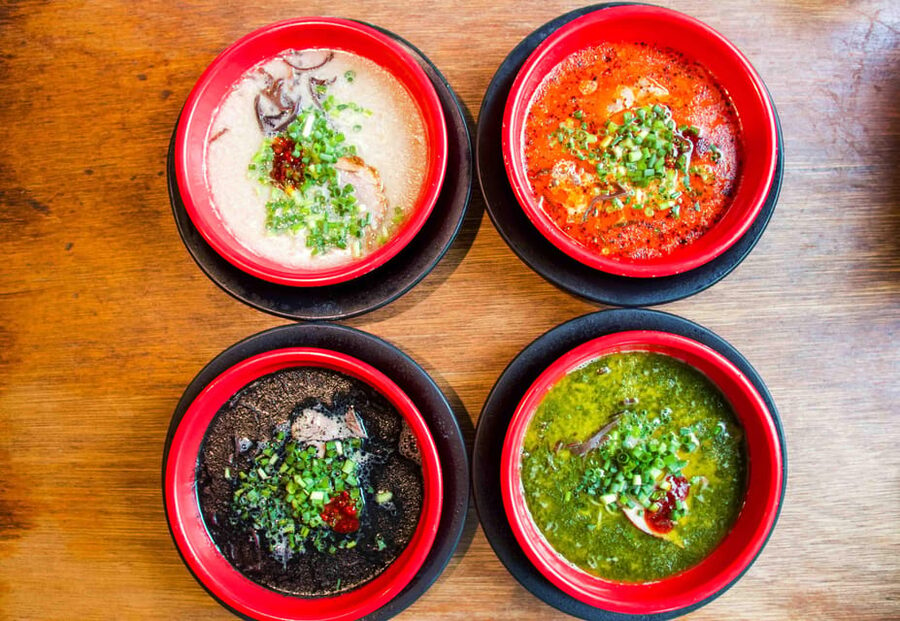
Six small bowls, three ramen shops, and three Tokyo neighborhoods make this more than a meal. You get a quick tour of Japan’s noodle culture, from familiar tonkotsu and miso to curry, tsukemen, squid ink, or pesto-style creations. I especially like the quarter-size bowls, since they let you compare styles without ordering six full meals.
I also like the small-group format, capped at eight people, and the visual lessons on a tablet or colorful slides. Guides including Sahori, Bunga, Makayla, and Daisy are praised for making the subject clear and fun. The main drawback is the price, $122 per person, plus any train fare, and you should be ready to walk about 3 kilometers while eating a lot.
Key points to know before you book
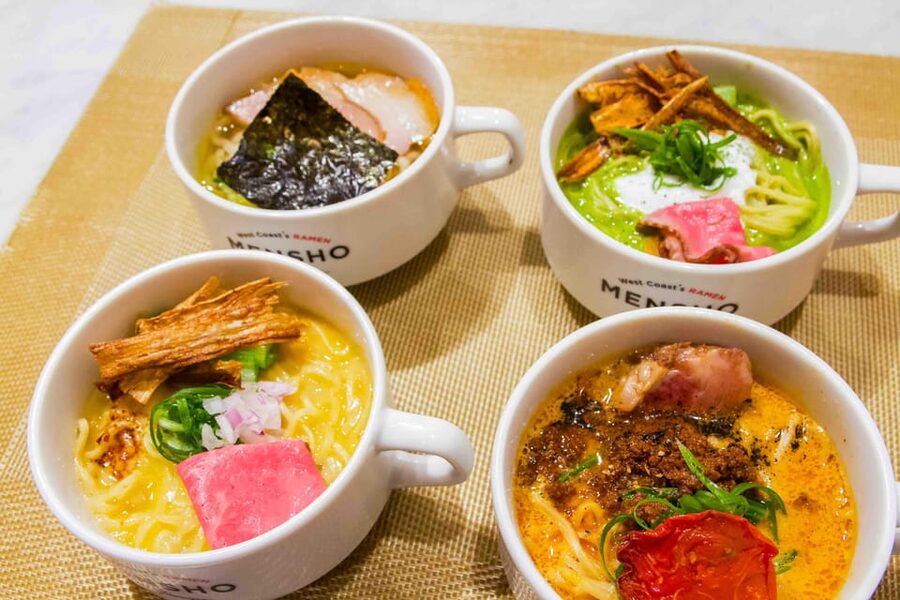
- Six choices from 11 or 12 ramen styles: You choose what to taste rather than receiving a fixed lineup.
- Three award-winning ramen shops: Each stop has its own style, so the meal feels like a comparison course.
- Different routes through Tokyo: Options may cover Shibuya, Shinjuku, or Ueno, with the exact meeting point depending on your booking.
- Mini bowls are tour-only portions: Each is about one-quarter the size of a normal ramen bowl.
- English guidance with useful food context: The presentation covers ramen origins, regional types, broth, noodles, and preparation.
- A serious amount of food and walking: The route covers roughly 3 kilometers, and many people find it wise to skip lunch.
Why six mini bowls work better than one large ramen meal
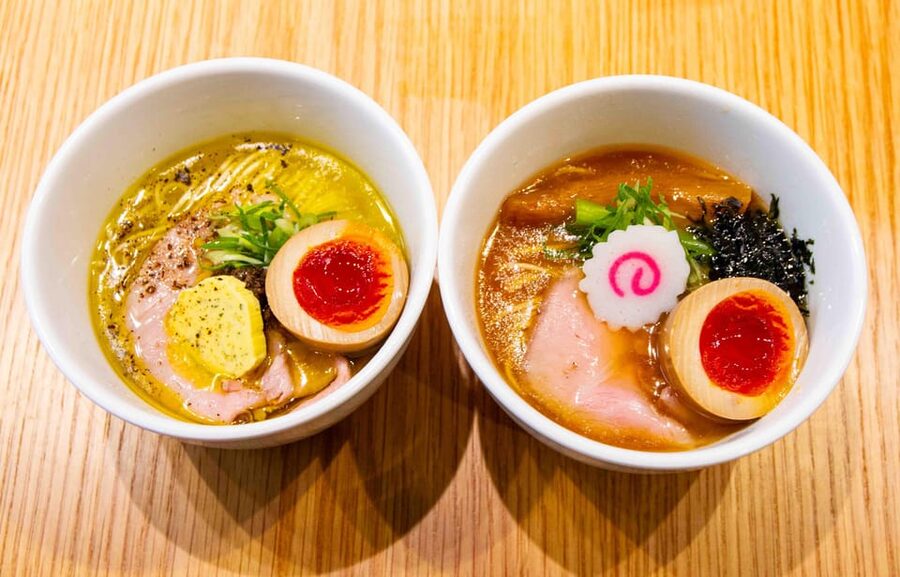
A normal Tokyo ramen shop gives you one bowl. That bowl may be excellent, but it tells you only one part of the story. Here, you can compare broth, noodle shape, toppings, seasoning, and preparation across six samples.
The portions are about one-quarter of a regular bowl. That sounds small, but six portions add up. Several people finish feeling very full, especially when the bowls are paired with walking between shops. I would treat this as a main meal, not a snack before dinner.
The best part is choice. You select six bowls from a list of 11 or 12, often choosing two at each shop. That gives you room to follow your own taste. If you love pork broth, you can explore tonkotsu. If you prefer something less familiar, you might choose curry, dipping ramen, squid ink, or another modern variation.
There is one important limitation. The selection is designed around comparison, not personal dietary needs. The standard ramen broths contain chicken, pork, and fish. Vegans and vegetarians should book the separate vegan and vegetarian ramen tasting tour instead.
Other bowls worth queuing for in Tokyo:
- Eat and Drink Like a Local: Tokyo Ueno Food Tour-Taverns&Ramen
★ 5.0 · 957 reviews - Ramen & Gyoza Cooking Class in Tokyo with Local Supermarket Visit
★ 5.0 · 823 reviews - Tokyo: Easy Ramen Cooking Experience in Kabukicho, Shinjuku
★ 4.6 · 321 reviews
The Shibuya route: Hokkaido, tonkotsu, and curry
The Shibuya route begins with classic Hokkaido ramen. Hokkaido is associated with hearty ramen styles, and this first bowl gives you a useful starting point. Expect a traditional approach before the later stops move into more modern combinations.
The second shop serves fusion tonkotsu, made with pork bone broth. Tonkotsu is one of the styles many people recognize from ramen shops outside Japan, but a tasting portion makes it easier to compare the broth with the other samples without letting one rich bowl dominate your meal.
The third stop features savory curry ramen. This is the sort of bowl that can reset your idea of what ramen is supposed to taste like. It still has noodles and broth, but the seasoning moves in a different direction from the classic salty, miso, or pork-based examples.
The Shibuya route also gives you a walking tour through one of Tokyo’s best-known districts. You start in Shibuya and finish in Ebisu, according to the tour information. That makes the route useful if you want food plus a look at the city between stops, but it also means you should wear comfortable shoes.
One guest described the Shibuya walk as a good addition to the ramen itself. Another noted that the guide arranged a taxi during heavy rain between stops. You should not count on a taxi as part of the standard tour, but the point is practical: weather can affect the walking portion, so bring suitable footwear and rain protection.
The Shinjuku route: Tokyo style, chicken broth, and a luxury finish
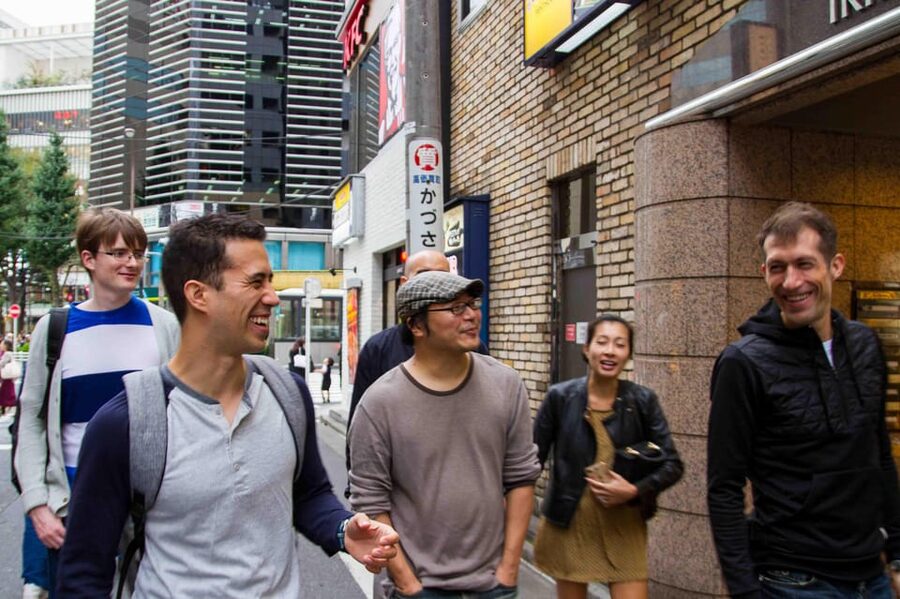
The Shinjuku route opens with classic Tokyo ramen. This gives you another traditional reference point, likely more restrained than the Hokkaido example on the Shibuya route.
Next comes modern tori paitan, a rich chicken ramen. The broth style offers a useful contrast with pork-based tonkotsu. If you think ramen differences are mostly about toppings, this is where the broth itself becomes the lesson.
The final shop serves a luxurious chicken or fish ramen. The exact choice may depend on the day and the shop selection, but the stop is intended to show how refined and varied modern ramen can become.
The Shinjuku route is a good fit if your Tokyo plans already center on Shinjuku. The tour information says the route may end in Shinjuku, while other versions start in Shibuya and finish in Ebisu. Check the option you book carefully, since the meeting point and route can change.
The Ueno route: Kyushu, dipping noodles, and modern Tokyo ramen
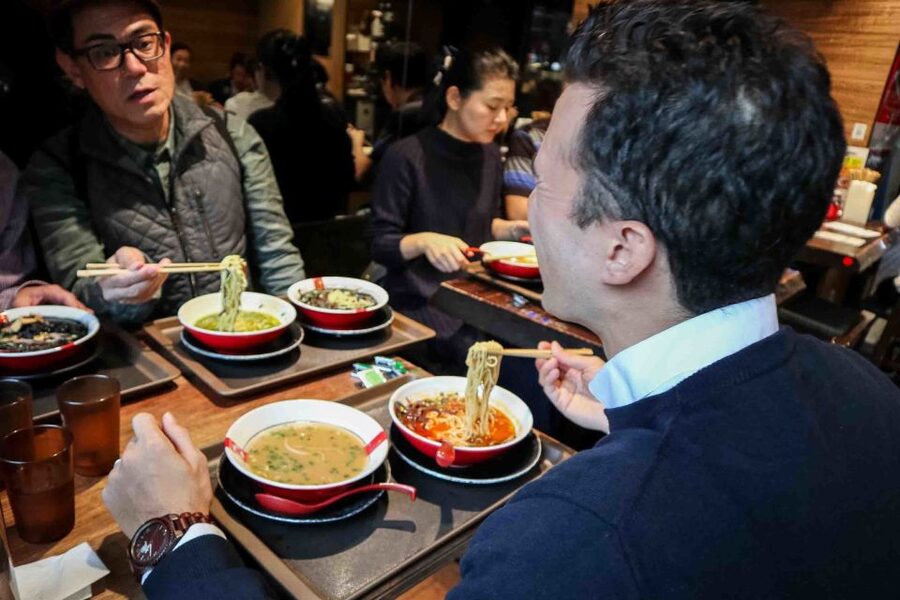
The Ueno route begins with classic Kyushu ramen. Kyushu is strongly associated with ramen traditions that differ from Tokyo styles, giving you another regional comparison early in the tour.
The second stop presents contemporary tsukemen, or dipping ramen. This is one of the most useful styles to try in a tasting format because it changes the eating method. Instead of noodles sitting in broth, you dip them into a concentrated sauce or soup. A small portion lets you understand the idea without committing to a full bowl.
The final stop is modern Tokyo ramen. It brings you back to the capital’s inventive side after the more traditional Kyushu sample and the separate dipping style.
The Ueno option may suit you if you plan to visit that part of Tokyo, but the available route depends on the date and booking choice. Since the tour information lists Shibuya, Shinjuku, and Ueno routes, confirm the exact starting area before building your day around it.
Same base, a different sort of day:
- Mt Fuji and Hakone 1-Day Bus Tour Return by Bullet Train
★ 5.0 · 26,383 reviews - 1-Day Tokyo Bus Tour
★ 5.0 · 14,250 reviews - Tokyo: TOKYO SKYTREE® Admission ticket
★ 4.5 · 11,192 reviews - Tokyo: teamLab Planets TOKYO Digital Art Museum Entry Ticket
★ 4.6 · 9,779 reviews
What the ramen lesson adds to the meal
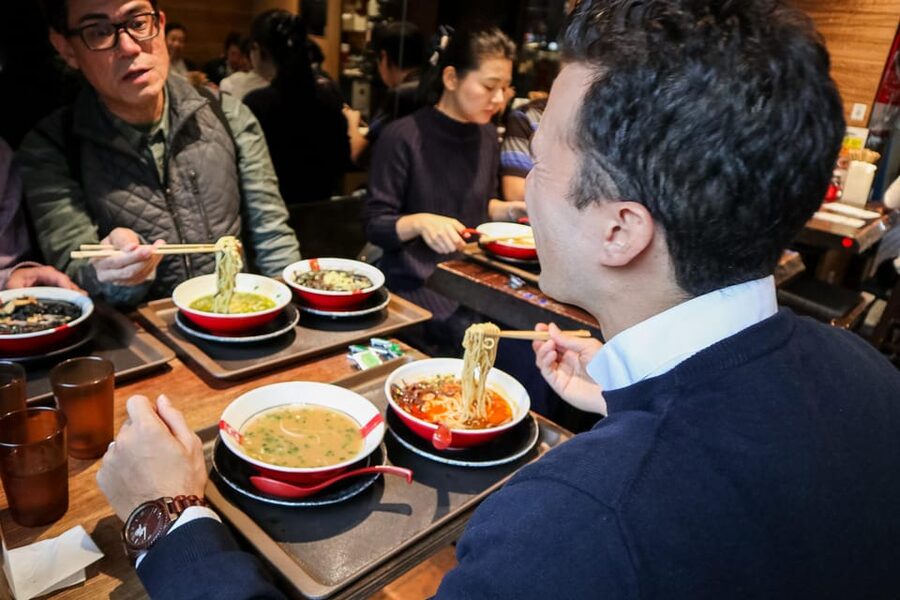
The food is the main attraction, but the teaching gives the tastings structure. Guides use colorful slides, handouts, or a tablet to explain how ramen came to Japan, how regional styles developed, and how different broths and noodles are prepared.
That visual approach helps because ramen terminology can become confusing fast. A guide can point out the difference between tonkotsu and tori paitan, explain tsukemen, and show why two bowls with similar toppings can taste completely different.
The guides also bring different personalities. Sahori is repeatedly praised for clear English, humor, and an easy manner. Bunga is known for strong ramen enthusiasm and for explaining regional styles, including unusual examples such as squid ink, curry, and pesto ramen. Makayla is praised for using an iPad presentation and explaining the subject patiently. Daisy is described as friendly and helpful with both ramen questions and wider Tokyo advice.
Guide assignments can change, so you should not book expecting one particular person. Still, the repeated pattern is useful: this tour depends heavily on the guide, and the company appears to place a strong emphasis on explaining the food rather than simply leading you from shop to shop.
Three shops, three neighborhoods, and the value of the route
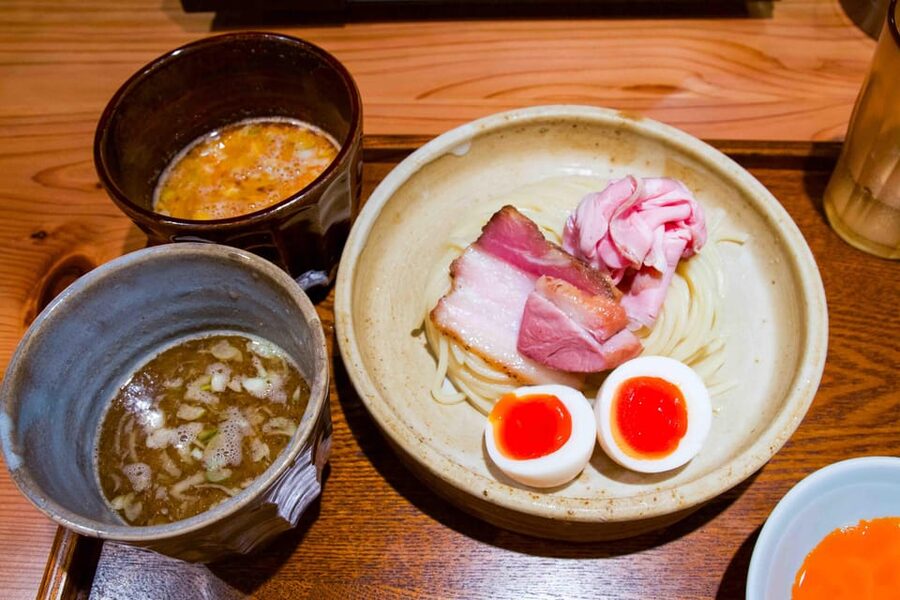
You are not just paying for six small portions. The tour also handles the research involved in finding contrasting ramen shops and linking them into a workable route.
The shops are described as award-winning, and the route is designed around distinct ramen styles rather than the easiest places to reach. That helps explain the walking and possible train use. A train ticket is not included if one is required, so bring a transit card or be prepared to pay separately.
The group size is limited to eight people. That is small enough for questions and conversation, but the experience can still feel social. You may be seated or moving through compact ramen shops where space is limited. The small bowls are only available through this tour, which is a practical advantage if you want to sample widely without ordering several full meals.
The neighborhood element matters too. Shibuya gives you a major Tokyo district, Shinjuku offers a different city setting, and Ueno provides another part of the capital. You are not spending three hours in one restaurant. The route gives you changing scenery and time for a little digestion between bowls.
Is $122 a fair price for a ramen tasting?
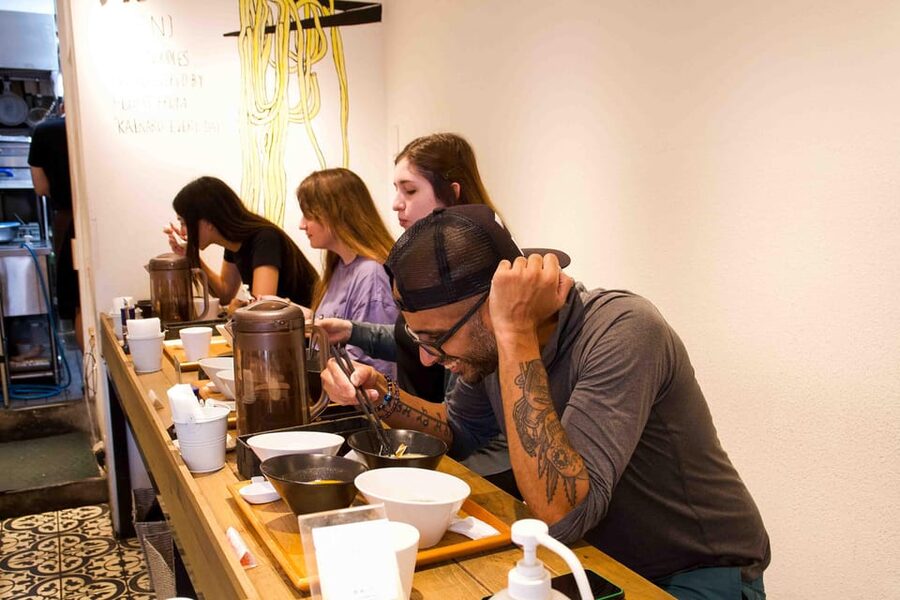
At $122 per person, this is expensive compared with eating ramen independently. Six regular meals would not be a sensible comparison because you would never need to order six full bowls, and ordinary ramen restaurants can be very affordable in Japan.
The better comparison is six tasting portions, three selected shops, an English-speaking guide, neighborhood walking, and the educational material. If you are serious about ramen, or if you want a food activity with context rather than a single meal, the price can make sense.
If you mainly want a cheap bowl of noodles, it does not. You could eat excellent ramen for far less and spend the rest of your budget on other Tokyo meals. The value here comes from variety, access to tour-only portions, and the guide’s ability to explain what you are tasting.
The tour includes one beverage. Train fare is extra when needed. These costs are small beside the booking price, but it is worth knowing that the $122 does not cover every possible expense.
How much walking and food should you expect?
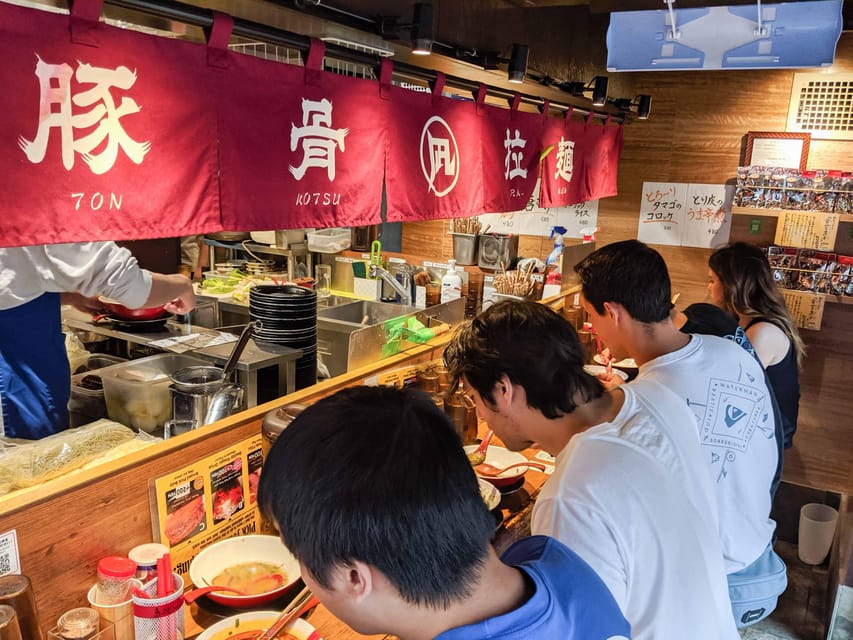
The tour lasts about three hours and covers roughly 3 kilometers. That is not a long walk for most active visitors, but eating six bowls along the way changes how the distance feels.
I would not schedule a large lunch beforehand. Several people find the six bowls more filling than expected, and one person could not finish the final bowl. The walking helps, but it does not turn this into a light meal.
Wear comfortable shoes and leave room in your schedule. The route may include a train ride, and the shops are in different neighborhoods or districts depending on the option. A rainy day can make the experience less comfortable, especially during the walks between stops.
The tour is suitable for families if children are willing to walk and try unfamiliar foods. A nine-year-old completed the experience successfully with a guide’s help, and children enjoyed choosing between the different bowls. Still, the amount of food and the 3-kilometer route may not suit every child.
Who will enjoy this Tokyo ramen experience most?
I would recommend it most strongly to people who already like ramen and want to understand the differences between styles. It also works well for first-time visitors who would struggle to choose between dozens of Tokyo ramen shops.
You will get the most from it if you enjoy asking questions, trying new flavors, and walking through the city. The tour is not only a tasting. It is a guided lesson in how broth, noodles, regional traditions, and modern experimentation fit together.
It is less suitable if you want a relaxed sit-down meal, dislike walking, or have strict dietary restrictions. The standard tour uses broths containing chicken, pork, and fish, so vegetarians and vegans need the separate tour.
I also think it makes sense early in your Tokyo visit. The guides share food suggestions and broader Tokyo tips, and the ramen lesson can help you make better choices at later meals. One person wished they had booked it earlier rather than on their final day.
Small details that improve the experience
Arrive hungry, but not so hungry that you rush through the first bowl. You will be tasting six styles, and the pleasure comes from noticing the differences.
Ask the guide to explain the noodles as well as the broth. One particularly memorable tasting introduced a new noodle type alongside Hokkaido ramen. Those small details are easy to miss if you focus only on toppings.
Do not assume the most familiar bowl will be your favorite. The tour may include unusual options such as curry, squid ink, or pesto, and several people discover that an unexpected style becomes the highlight.
If you want a particular route, pay attention to the option name when booking. The meeting point may vary, and the tour can start in Shibuya and end in Ebisu or follow a Shinjuku or Ueno route instead.
Cancellation is flexible up to 24 hours before the activity for a full refund, and you can reserve now and pay later. Those terms help if your Tokyo plans are still shifting.
Should you book the Tokyo ramen tasting tour?
Book it if you want six carefully chosen comparisons, an English guide, and a food experience that teaches you what you are eating. The small bowls are the clever part. They give you range without requiring six full meals, and the walking keeps the three-hour route from feeling like one long restaurant sitting.
Skip it if $122 feels too high for a meal, if you want only classic ramen, or if walking between shops sounds tiring. For everyone else, this is a strong choice for a food-focused Tokyo afternoon, especially early in your trip and especially if you are curious about more than tonkotsu.
FAQ
How many bowls of ramen do I get?
You get six mini bowls of ramen. Each bowl is about one-quarter the size of a standard ramen bowl.
Can I choose which ramen styles I try?
Yes. You choose six ramen bowls from a selection of 11 or 12 choices. The tour commonly allows you to select two types at each of the three shops.
How many ramen shops do I visit?
You visit three award-winning ramen shops, with each shop presenting a different ramen style.
Which Tokyo neighborhoods does the tour visit?
The available routes include Shibuya, Shinjuku, and Ueno. The exact neighborhood, meeting point, and ending point depend on the option booked.
How long does the tour last?
The tour lasts three hours and includes about 3 kilometers of walking.
Is transportation included?
Train tickets are not included if a train is required during the route.
Are the ramen broths vegetarian or vegan?
No. The standard tour broths contain chicken, pork, and fish. Vegans and vegetarians should book the separate vegan and vegetarian ramen tasting tour.
What language is the tour offered in?
The tour is offered in English with a live guide.
Just added in Tokyo
- Nikko: Edo Wonderland Edomura Cultural Theme Park Ticket★ 4.3 · 205 reviews
- 《MEMBERS-ONLY-BAR-HOPPING》Discover Your Special Whiskey in Tokyo!★ 5.0 · 29 reviews
- Japanese Whisky Hunting《HIGH-QUALITY-ONLY》Rare Tasting Class★ 5.0 · 20 reviews
- Luxury Tokyo Sake, Cocktail, Whisky and Pairing Tour★ 5.0 · 18 reviews
- Wagyu & Sake Pairing in Shinjuku – Steak, Shabu-Shabu & More★ 5.0 · 112 reviews
- Small-Group Wagyu Beef and 7 Japanese Dishes Tokyo Cooking Class★ 5.0 · 190 reviews
- Tokyo Cyberpunk Street Photo Tour★ 5.0 · 165 reviews
- From Tokyo: Private Tour to Fuji/Hakone – Onsen, Art, Nature★ 5.0 · 116 reviews
Ramen Tours & Workshops, compared.

Ramen Cooking Class at Ramen Factory in Kyoto
Read our review →
Eat and Drink Like a Local: Tokyo Ueno Food Tour-Taverns&Ramen
Read our review →
Ramen & Gyoza Cooking Class in Tokyo with Local Supermarket Visit
Read our review →
Ramen Cooking Class at a Ramen Factory with Souvenir
Read our review →
Five Must-See Highlights Walking Tour & Ramen Lunch
Read our review →
Easy Ramen Cooking Experience in Kabukicho, Shinjuku
Read our review →Browse the lists this tour appears in