
Reviewed · ARASHIYAMA & BAMBOO GROVE TOURS
Osaka/Kyoto: Arashiyama, Nara Park, Fushimi Shrine Tour
Arashiyama’s bamboo paths, Nara’s friendly deer, and Fushimi Inari’s endless red gates make this a big day of Japan’s most recognizable sights. I like that you can reach all three without changing trains, and I like the early start in Arashiyama, when the area is generally quieter. The tradeoff is clear: you spend a lot of the day on the bus, and each stop gives you only a short visit.
I also like the straightforward price of $51, which covers transport, tolls, parking, and fuel. Guides such as Levi and CC have provided helpful basic direction, but this is not a full lecture tour. The service is mainly in Chinese, with English, Japanese, and Korean support dependent on the arrangements made for your departure.
Key points at a glance
- Three major sights in one day: Visit Arashiyama, Nara Park, and Fushimi Inari without arranging several separate train journeys.
- Morning in Arashiyama: You have about two hours for the bamboo forest, Togetsukyo Bridge, and nearby streets.
- Deer at Nara Park: Allow roughly 80 to 90 minutes to see the deer and explore part of the park.
- Red gates at Fushimi Inari: The final stop gives you about 80 to 90 minutes among the torii gates.
- A bus-based bargain: At $51, the tour can save effort, but traffic and the long route between Osaka, Kyoto, and Nara reduce your free time.
- Strict meeting times: The bus cannot wait for late arrivals, so keep the pickup details and return times close at hand.
Three famous sights, one tightly packed day
This tour links places that are often visited separately. You begin in Osaka or Kyoto, ride to Arashiyama, continue to Nara, then return toward Kyoto for Fushimi Inari before ending in Kyoto or Osaka.
The published schedule begins around 8:00 in Osaka and 9:20 in Kyoto. Arashiyama is planned for about two hours, Nara for about 80 minutes to an hour and a half, and Fushimi Inari for about 80 to 90 minutes. You return to Kyoto around 17:00 and Osaka around 18:00, though traffic, weather, and group size can change those times.
I see this as a coverage tour. It is designed to help you see three major names in one day, not to give you a slow, detailed visit at each one. If your Japan trip is short, that coverage has real value. If you have several Kyoto days, public transport gives you more control and more time on foot.
Other temples and shrines in Osaka people book:
- Osaka: Minoh, Katsuoji Temple, & Minoh Falls Full-day Tour
★ 4.9 · 172 reviews - Full Day Kyoto Tour : Bamboo Forest, Golden Temple, Fushimi Inari
★ 5.0 · 84 reviews - Osaka Temple Cool Foot Bath & Matcha Experience〈45min〉
★ 4.9 · 82 reviews
Arashiyama’s bamboo and the Togetsukyo Bridge
Arashiyama is the gentlest start to the day. The bus arrives in the morning, when the bamboo forest paths may feel less crowded than later in the day. Your two hours are free time, so you can choose how to divide them rather than follow a fixed walking route.
The bamboo forest is the obvious draw. Tall green stalks rise on both sides of the path, creating one of Kyoto’s most recognizable scenes. You will not have time to explore every corner of Arashiyama, so keep your route simple and turn around when your return time requires it.
Togetsukyo Bridge gives you a different view. From here, you can look across the river toward the surrounding hills and see the seasonal changes that make Arashiyama popular throughout the year. The bridge is also a useful point for photographs and for getting your bearings before walking into the busier paths.
Because the visit is self-guided, I would decide in advance whether the bamboo forest or the bridge matters more to you. Trying to cover every nearby attraction can leave you rushing back to the bus. The tour does not include a full guided explanation of the area, so a little reading before departure will help you understand what you are seeing.
Nara Park and its free-roaming deer
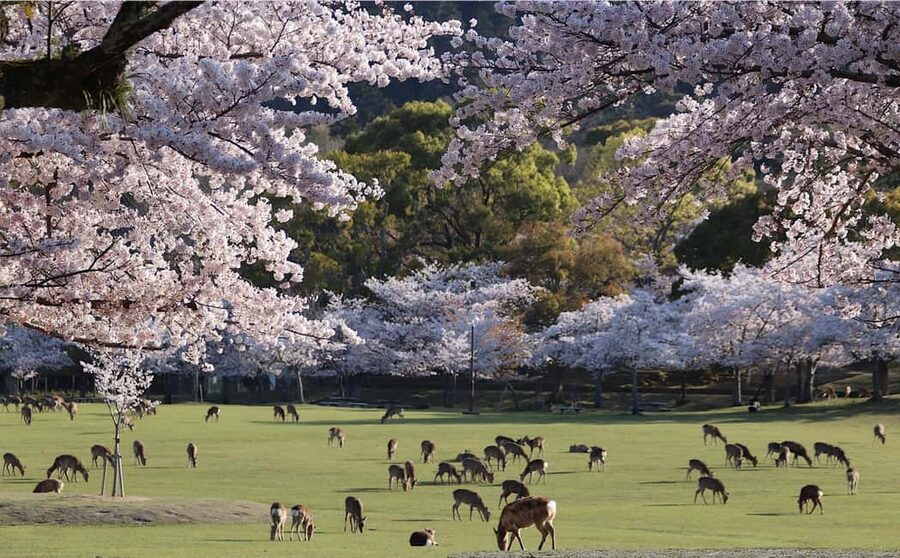
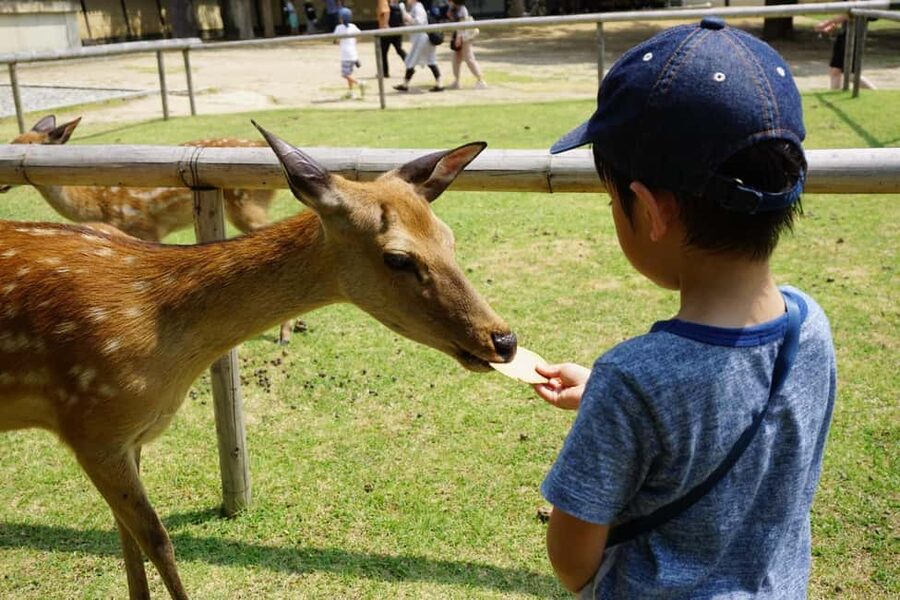
After Arashiyama, the bus continues to Nara. The stop is short, but Nara Park offers a very different experience from Kyoto’s shrine paths and bamboo groves. Here, more than 1,000 deer roam freely across a broad green area near Kasuga Taisha Shrine.
The deer are connected with the sacred traditions of Nara and have been protected as a national natural monument. Their association with the area reaches back more than 1,300 years. That context makes the stop more than a quick animal encounter. You are seeing one of Nara’s oldest living symbols in the same public park where people walk, take photographs, and visit religious sites.
With only about 80 to 90 minutes, you will need to stay close to the agreed meeting area. Nara Park is broad, so wandering without checking the time can create a stressful return to the bus. The schedule gives you enough time for a close look at the deer and a short walk, but not for a full visit to every major site.
The deer are accustomed to people, which makes photographs easy, but keep your attention on their behavior and on the group’s schedule. The tour does not include meals or drinks, so carry water and any small snack you need. Food is not allowed inside the vehicle, and you should plan to finish anything before boarding.
Fushimi Inari’s red torii path
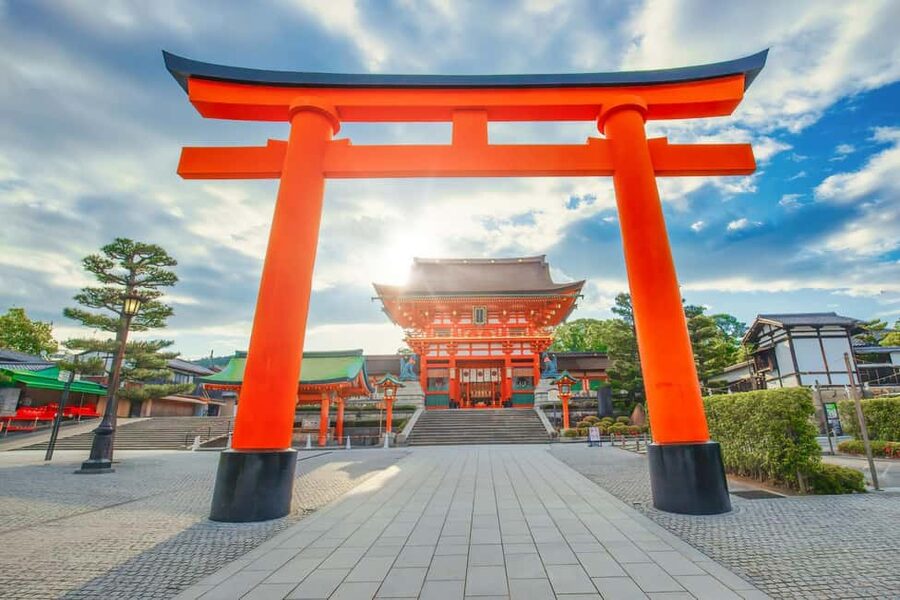
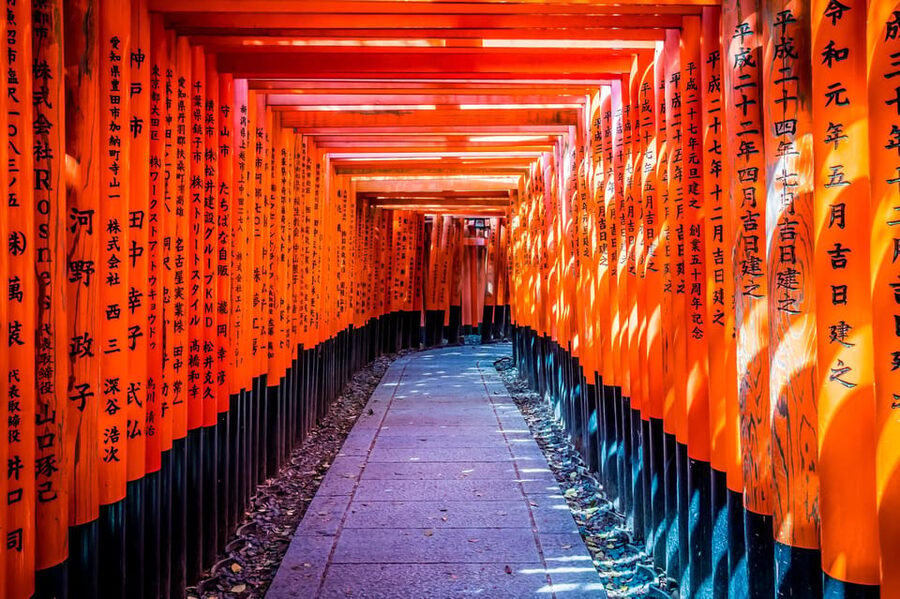
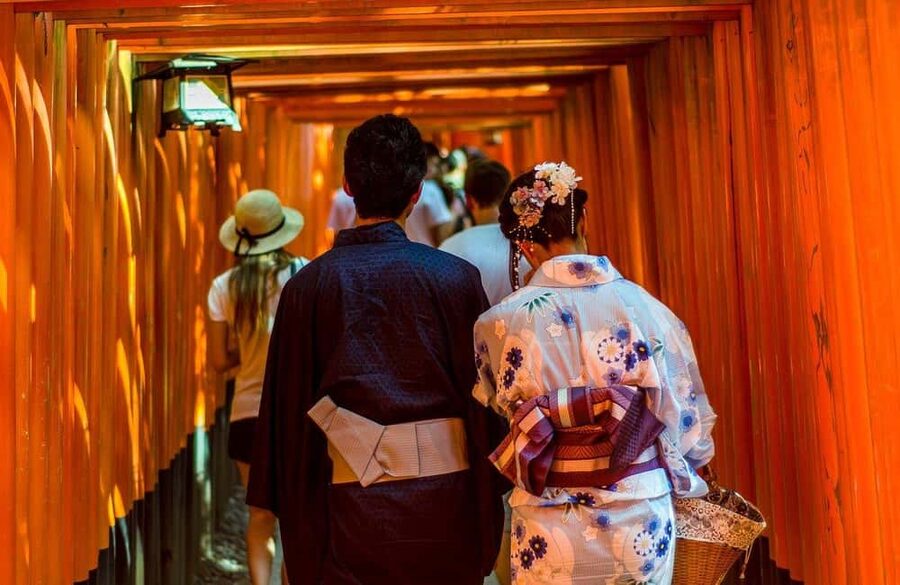
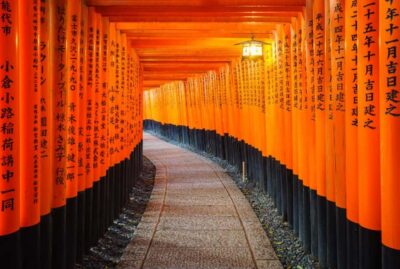
Fushimi Inari Taisha is the final major stop, and it is the most visually dramatic. The shrine is the headquarters of roughly 30,000 Inari shrines across Japan, and its torii gates climb into the wooded slopes of Mount Inari.
The famous red-orange gates form long corridors that seem to continue far beyond the first photograph. The full mountain route is extensive, but your 80 to 90 minutes is better suited to seeing the lower sections and walking as far as your return time allows. You do not need to reach the summit to understand why this place is so memorable.
The shrine dates its founding to 711, and the mountain itself is treated as sacred. That gives the visit a different tone from a simple photo stop. Even with crowds near the entrance, the gates lead you into a quieter, more enclosed setting as you walk upward.
Wear shoes suited to walking and keep your pace realistic. The tour schedule does not allow for a long climb, and returning late can leave the bus without you. I would spend a few minutes near the main shrine buildings, then follow the gates upward while keeping an eye on the time.
Other mornings on the western edge of Osaka:
- Kyoto: Immersive Arashiyama & Fushimi Inari by Private Car
★ 5.0 · 35 reviews - From Osaka: Kyoto, Nara, Fushimi Inari & Arashiyama Day Tour
★ 4.4 · 19 reviews - Osaka Temple :Warm Bamboo Oil Massage – Deep Restore〈90min〉
★ 5.0 · 14 reviews - Kyoto: Fushimi Inari, Kinkakuji, Bamboo Grove 1 Day Bus Tour
★ 4.8 · 4,316 reviews
What the $51 price really covers
At $51 per person, the value comes from convenience. The price includes the coach, toll fees, parking, fuel, and a host or guide service in Chinese, English, Japanese, or Korean when available. You avoid planning separate rail connections between Osaka, Kyoto, Nara, and the three sightseeing areas.
That convenience is strongest for someone who wants a simple structure. You meet the group, ride between stops, explore independently, and return to the same transport. Families and first-time visitors may appreciate not having to work out each connection, particularly on a day with several changes of area.
The cost becomes less attractive if you are comfortable with Japanese public transport. One practical weakness is the route itself: Osaka to Kyoto, then Nara, back toward Kyoto, and finally Osaka for those returning to Osaka. A large portion of the day can be spent in transit, especially in traffic. Public transport may be faster, cheaper, and more flexible for an independent visitor.
You are also paying for the vehicle and the ability to leave the planning to someone else, not for extended guided interpretation. The onboard commentary is basic, and in a small group the driver may also serve as the guide. That arrangement can work well for directions and timing, but it will not replace a specialist guide at each shrine or park.
Guides, language, and the level of help
The tour is mainly conducted in Chinese. English and Korean staff may be available if requested when you book, but language support is not guaranteed. Japanese is also listed among the available languages.
Some guide names connected with departures include Levi, CC, and HuaHua. The service you receive can depend on the assigned staff and the group format. Levi has been described as especially helpful with practical information, while CC has helped people find places to go and make the most of their free time.
Do not book this expecting constant commentary. The guide’s main jobs are usually gathering the group, explaining the basic plan, directing you to the stops, and keeping the day moving. You should prepare your own short notes about Arashiyama, Nara, and Fushimi Inari if historical detail matters to you.
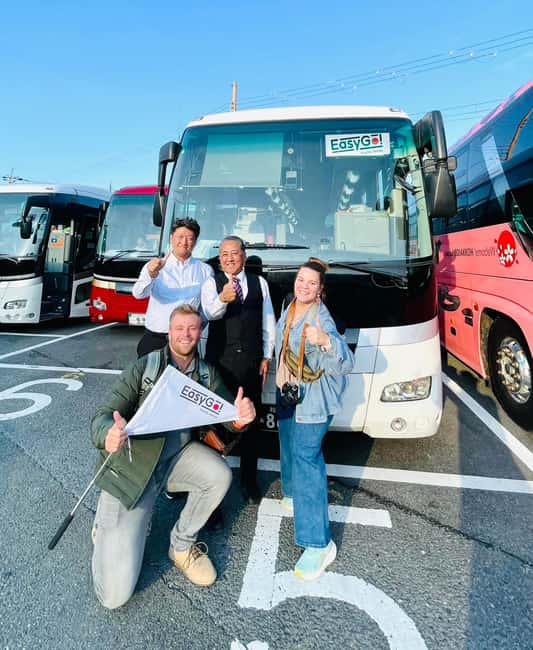
The pickup process also requires care. The guide may not contact you ahead of time. Go directly to the stated meeting point and look for staff wearing an EASY GO vest or holding an EASY GO flag. Pickup locations can be Kyoto Station’s Hachijo-guchi tourist bus area or the Dotonbori area in Osaka, depending on the option you choose.
Timing is the main risk
This is not a flexible hop-on, hop-off bus. The coach follows a group schedule, and it may leave without late arrivals. Check the exact departure time on your booking rather than relying only on a general start time, because the Osaka and Kyoto options differ.
One serious practical lesson is to arrive early. A missed departure can mean trying to reach the next stop alone, which is especially difficult with children or luggage. Keep the phone number and meeting instructions available, but do not assume a delayed arrival will be solved by the guide.
Traffic can change the order or length of the stops. Poor weather may also alter the schedule, and facilities can close or limit access. In severe weather or a natural disaster, the tour may be canceled. The group can also share transport with other international visitors, so the pace may not feel completely personal.
The return time is approximate rather than guaranteed. You may reach Kyoto around 17:00 and Osaka around 18:00 under normal conditions, but allow extra time before booking an evening meal, show, or train.
Who will get the most from this tour
I would choose this tour if you have limited time and want to see three major attractions without handling the transport yourself. It suits visitors who prefer a planned day, families who value a single vehicle, and anyone who wants an easy introduction to Kyoto and Nara.
It is also useful if the $51 price fits your budget and you value parking and direct transport. The inclusion of tolls, fuel, and parking means fewer small costs to manage during the day.
I would hesitate if you want long walks, detailed cultural explanations, or the freedom to change plans. Independent visitors who already understand the train system can give each site more time and avoid the Osaka to Kyoto backtracking.
The tour is wheelchair accessible, which is useful, but the actual amount of walking at each site still depends on your route and the conditions that day. Ask about the arrangements when booking if you need a particular level of assistance.
Should you book this Osaka and Kyoto day tour?
Book it if your priority is seeing the highlights efficiently, and accept that efficiency here means a long bus day and short self-guided visits. The strongest parts are the three-stop design, the included transport costs, the early Arashiyama arrival, and the low price.
Skip it if you can spare separate days for Kyoto and Nara or if you dislike strict departure times. In that case, public transport will likely give you more time and a better sense of each place.
For the best experience, arrive early, wear comfortable shoes, bring water, read a little about the sites beforehand, and set an alarm before every return to the coach. With those habits, this is a useful sampler of western Japan’s biggest sights, not a relaxed exploration of them.
FAQ
Where does the tour depart from?
The available meeting points are Kyoto Station’s Hachijo-guchi tourist bus area and 1-chōme-1-3 Dōtonbori in Osaka. The exact meeting point depends on the option you book.
How long does the tour last?
The advertised duration is 10 hours. The planned return is around 17:00 in Kyoto and 18:00 in Osaka, though traffic and weather can affect the timing.
Which places does the tour visit?
The tour visits Arashiyama, Nara Park, and Fushimi Inari Taisha. Visits are free time or self-guided rather than extended guided tours.
How much time is available at each stop?
Arashiyama is scheduled for about two hours. Nara Park receives about 80 minutes to an hour and a half, and Fushimi Inari receives about 80 to 90 minutes.
What languages are available?
Chinese is the main tour language. English, Japanese, and Korean support may be available, but language service is not guaranteed and depends on the arrangements for the departure.
Are meals included?
No. Meals and beverages are not included. Food is also not allowed inside the vehicle.
Is the tour wheelchair accessible?
Yes, the activity is listed as wheelchair accessible.
Can I cancel the booking?
You can cancel up to 24 hours in advance for a full refund. A reserve-now, pay-later option is also available.
More temples and shrines elsewhere in Japan
- Osaka: Mind & Spirit Balance Temple Reiki Healing
★ 5.0 · 41 reviews - Osaka: Minoh Waterfall & Katsuo-ji Temple Half-Day Tour
★ 4.7 · 27 reviews - Osaka Temple Head Spa &Matcha Facial – Refresh & Glow〈90min〉
★ 5.0 · 24 reviews - Osaka: Temple Tour and Traditional Calligraphy Lesson
★ 4.9 · 24 reviews
More Nara day trips from Osaka
- Ancient Capital Tour: Kyoto and Nara Highlights from Kyoto/Osaka
★ 4.5 · 332 reviews - From Osaka: Nara Private Tour with Meet-Up at Your Hotel
★ 5.0 · 49 reviews - From Osaka: Nara Deer & Kyoto Kiyomizudera Sightseeing Tour
★ 4.2 · 27 reviews - Osaka: Kyoto & Nara & Uji Historical and Scenic One-Day Tour
★ 4.7 · 21 reviews
Just added in Osaka
- Private arrival transfer from Kansai International airport to Kyoto City★ 5.0 · 32 reviews
- (Ticket Included) Explore Osaka Castle & Museum of History★ 4.8 · 21 reviews
- Hidden Osaka – Yukaku Red Light Tour & Culinary Adventure★ 4.8 · 96 reviews
- Osaka: Walking Tour and Top Highlights★ 4.8 · 104 reviews
- Pickleball in Osaka, Kobe & Kyoto with Locals!★ 4.7 · 80 reviews
- Osaka: Private Ceramic Painting Workshop★ 5.0 · 13 reviews
- Osaka:SUMO BEATS SHOWCASE: Taiko Drum and Wagyu burger!★ 4.2 · 37 reviews
- Eat Like a Local in Osaka – Private Custom Street Food Tour★ 4.3 · 33 reviews
Arashiyama & Bamboo Grove Tours, compared.
Osaka/Kyoto:Kinkakuji,Arashiyama,FushimiInariShrine,NaraPark
Read our review →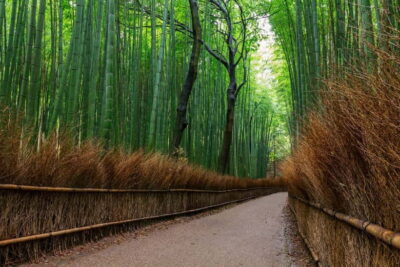
Kyoto/Osaka: Nara, Fushimi Inari Taisha, Arashiyama Bus Tour
Read our review →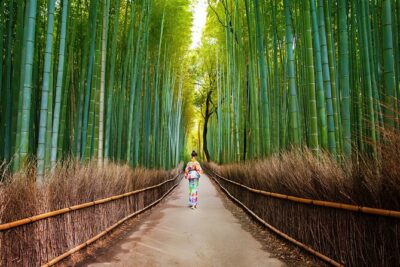
Kyoto Arashiyama Walking Tour: Bamboo, Monkeys, Gardens & Secrets
Read our review →
Arashiyama Bamboo, Temple, Monkeys, or Secret Sake Brewery
Read our review →
Arashiyama Bamboo Forest, Monkeys, Matcha & Temple Tour
Read our review →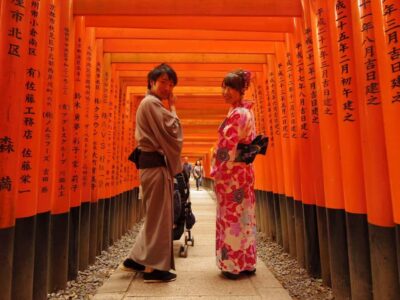
Osaka/Kyoto: Arashiyama, Nara & Fushimi Inari Shrine w/Lunch
Read our review →
Nijo, Kinkaku-ji, Arashiyama, Kiyomizu & Fushimi Inari
Read our review →
Kyoto Ghost Tour: Dark Tales, Urban Legends, Bamboo Forest Night
Read our review →Browse the lists this tour appears in