
Reviewed · SUMO EXPERIENCES
Tokyo: Sumo Morning Practice Viewing Tour at a Real Stable
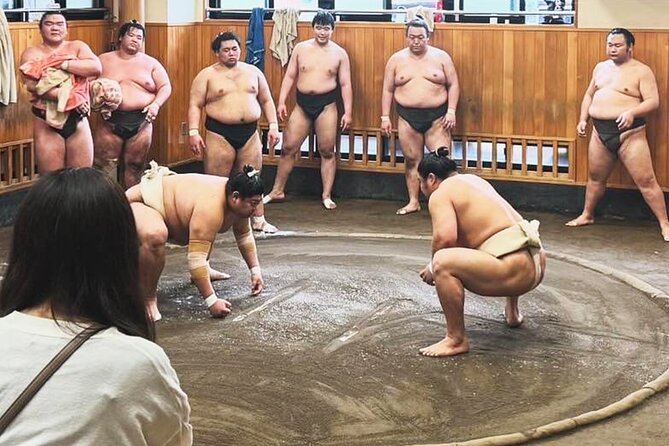
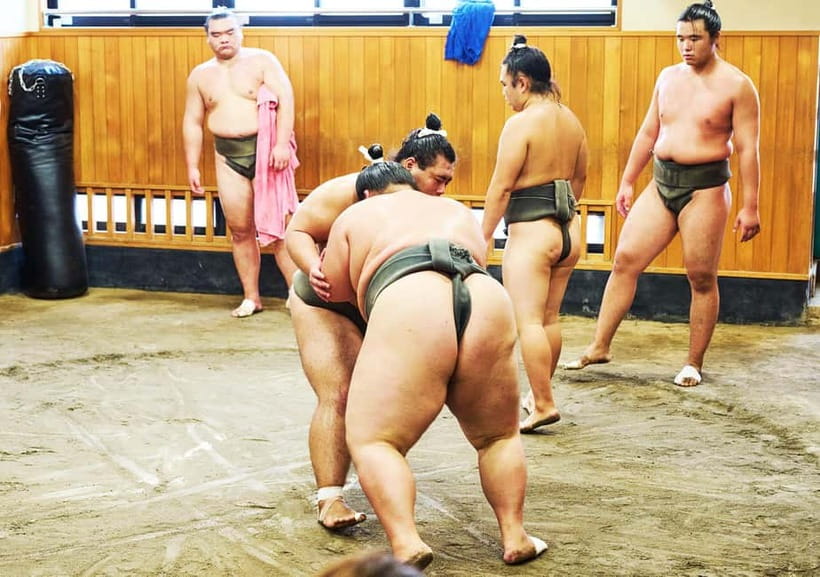
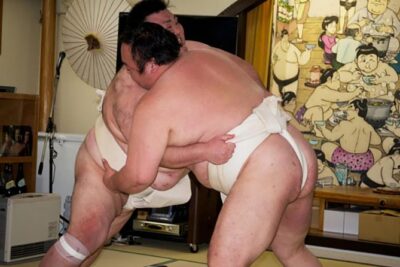
The wrestlers train only a few feet away, and there is no staged match or tourist show to soften the impact. You hear the slap of flesh, the heavy footwork, and the sharp calls of a real morning session. I especially like the close view from the side of the ring and the chance to understand the Shinto rituals before practice begins. Guides such as Mao and Yuki make the rules easier to follow.
The main drawback is the strict etiquette. You must stay seated and silent until practice ends, often around 9:00 to 10:00 AM. A late arrival may miss the stable entirely, and a slow member of the group can shorten everyone’s viewing time. Plan to reach Kiyosumi-Shirakawa Station at least 30 minutes early.
Key points at a glance
- Real working stable: Watch wrestlers train where they live, eat, and prepare for tournaments.
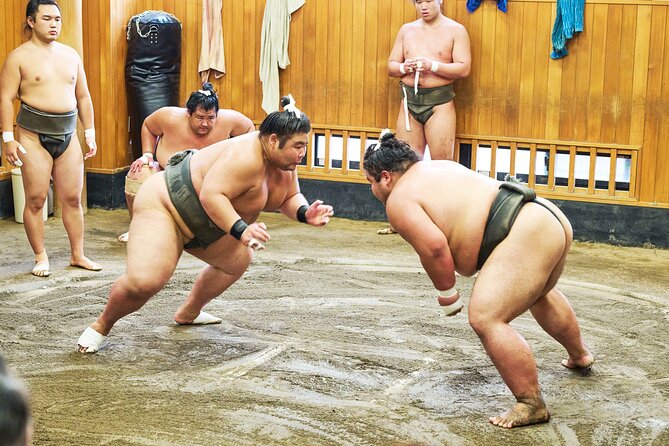
- Close-up action: Sit beside the ring and hear the force of each clash without a performance built for tourists.
- English explanations: Learn the rules, ranking system, rituals, and spiritual meaning from guides such as Mao, Yuki, Kawa, and Tomo.
- Quiet, formal setting: Phones must be silent, movement is restricted, and modest clothing is required.
- Small-group feel: Past sessions have had as few as 11 people, though group size can vary.
- Useful timing warning: You must remain until the practice ends, and there is no re-entry after leaving.
Why this Tokyo sumo morning feels different
Many cultural activities in Tokyo are polished for visitors. This one is valuable for the opposite reason. You enter a working sumo stable, or beya, during its serious morning practice. The wrestlers are not putting on a show for you. They train because this is their job, their discipline, and their path toward a higher rank.
That changes the mood from the moment you sit down. You are close enough to hear bodies strike the floor and the ring. The wrestlers do not pause to explain their movements, pose for photographs, or adjust the session for the audience. You watch them work while trying not to become part of the scene.
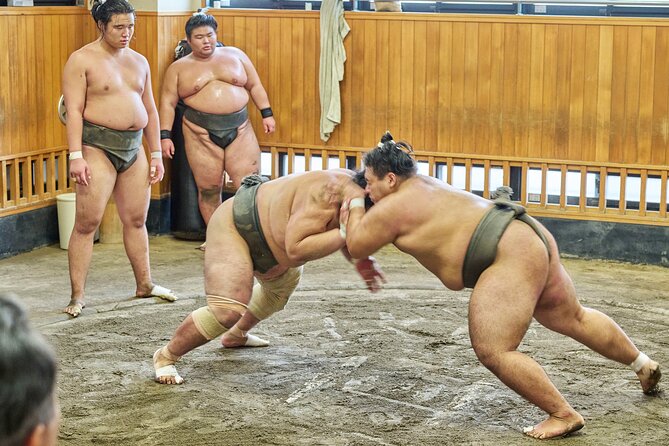
I like that honesty. Sumo can look slow on television, especially when two wrestlers face each other before the charge. From the edge of the ring, you see the speed and strength more clearly. A bout may be brief, but the preparation is demanding. Footwork, balance, pushing drills, throws, and repeated clashes all require control.
The experience also gives you a better sense of sumo as a religious and cultural tradition. Sumo is rooted in Shinto beliefs, and gestures such as stamping the feet and throwing salt carry meaning beyond sport. Your guide explains what you are seeing, so the ritual does not become a string of mysterious movements.
Other ways to see sumo in Tokyo:
- Tokyo: Sumo Show Experience with Chicken Hot Pot and a Photo
★ 4.8 · 6,678 reviews - Tokyo: Sumo Show and Dining Experience
★ 4.8 · 2,742 reviews - the SUMO show
★ 5.0 · 1,960 reviews
Meeting at Kiyosumi-Shirakawa Station
The tour begins at Kiyosumi-Shirakawa Station, Exit A1. You can reach the station on the Toei Oedo Line or the Hanzomon Line. Look for a guide holding a Local Guide Stars sign.
This sounds simple, but Tokyo station exits can consume time if you choose the wrong one or follow signs toward a different street. I would arrive at least 30 minutes before the stated meeting time. One late group has caused the stable visit to begin later and left less time for everyone else, so punctuality matters more than usual here.
After meeting your guide, the group may take a train to the stable. The final location is not guaranteed to be the same as the meeting point, so do not arrange a tight appointment immediately afterward. The full activity lasts about two hours, but the practice itself may run a little shorter or longer.
The district around the meeting point is connected with Tokyo’s historic sumo area, though the main attraction is the stable itself. This is not a sightseeing walk through a museum. The focus is getting you inside on time and preparing you to watch properly.
The guide’s introduction to sumo
Before entering the stable, your English-speaking guide sets the scene. Guides including Mao, Yuki, Kawa, and Tomo have explained the sport in clear, approachable English, with enough detail to make the practice understandable without turning the introduction into a lecture.
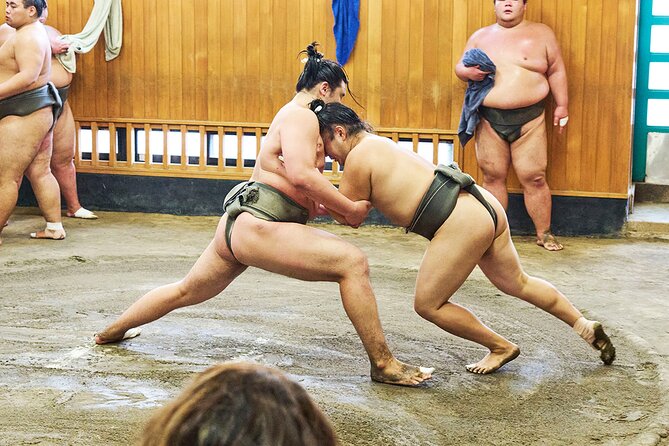
You learn how a match is won: a wrestler forces his opponent outside the circular ring, or makes any part of the opponent’s body other than the feet touch the ground. That basic rule is easy to grasp, but the guide adds the details that help you follow a training bout.
You also hear about the ranks and the tournaments that shape a wrestler’s ambitions. The men in the stable are working toward professional success, and the early practice is part of a long routine rather than a one-off event. If a highly ranked wrestler is present, the atmosphere can feel especially charged, but the tour does not promise that you will see a particular rank.
The best guides answer questions without flooding you with facts. Mao has been praised for being clear, patient, and well prepared. Yuki has helped explain both the sport and its traditions. Kawa and Tomo have also provided friendly introductions. Guide assignments can change, but the format remains focused on helping you watch with understanding.
Sitting beside the ring during practice
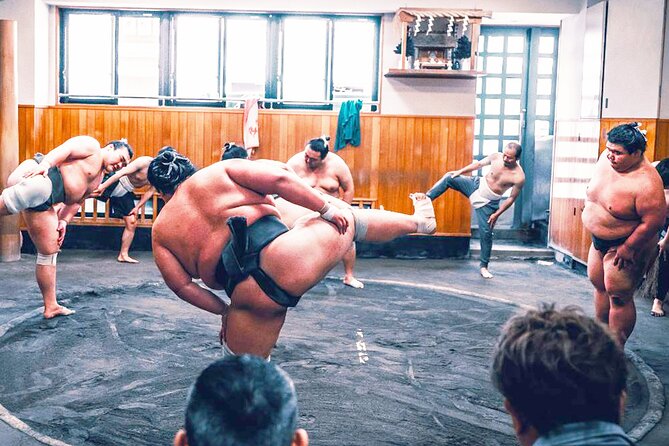
Once inside, you sit near the ring and remain there. This is the part that demands the most adjustment from visitors used to ordinary sightseeing. You cannot stand up, wander around, or chat while the wrestlers train. Your phone must be silent, and you should use the restroom before practice begins.
The silence is not a minor rule. It protects the wrestlers’ concentration and keeps the stable functioning as a workplace. It also improves your view. Without people shifting in front of you or taking calls, you can focus on the sequence of movements.
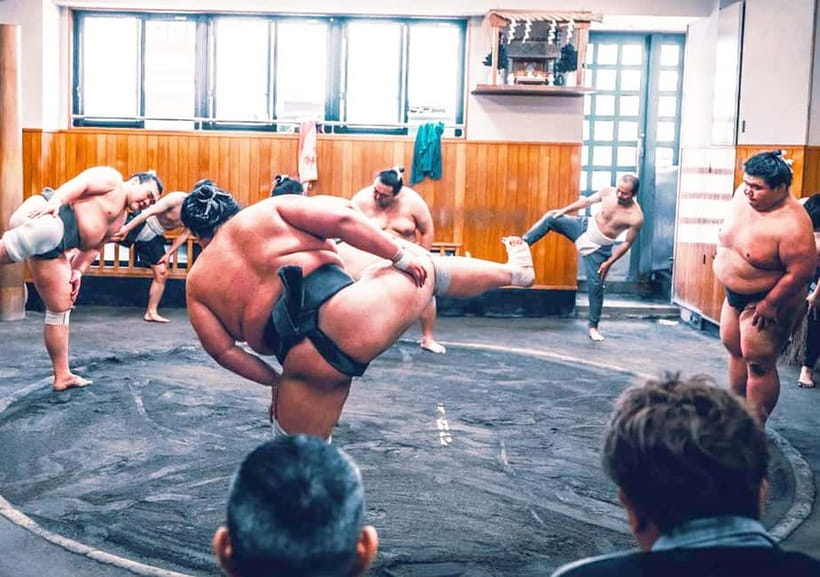
Expect a physical session. You may hear loud body slaps, feet hitting the floor, and the force of repeated contact. The wrestlers train hard and continue without acknowledging the audience. That can feel startling at first, then deeply respectful. You are seeing effort rather than entertainment.
The exact exercises and length of each section can vary. You may see wrestlers warming up, practicing pushes, repeating bouts, or working on balance and technique. The tour information does not promise a specific training sequence, so arrive ready to observe rather than expecting a fixed show.
The close distance is the strongest part of the experience. From the side of the ring, you can see the wrestlers’ flexibility and body control. The size of the men is obvious, but so are their timing and precision. A short bout can end almost instantly, yet the preparation behind it is visible in every stance and step.
Same base, a different sort of day:
- Mt Fuji and Hakone 1-Day Bus Tour Return by Bullet Train
★ 5.0 · 26,383 reviews - 1-Day Tokyo Bus Tour
★ 5.0 · 14,250 reviews - Tokyo: TOKYO SKYTREE® Admission ticket
★ 4.5 · 11,192 reviews - Tokyo: teamLab Planets TOKYO Digital Art Museum Entry Ticket
★ 4.6 · 9,779 reviews
The spiritual side of sumo
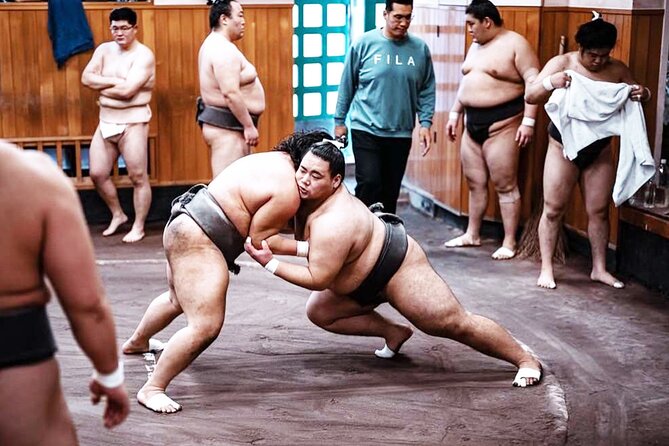
Sumo is not only about knocking an opponent out of the ring. Its rituals connect the sport with Shinto, Japan’s traditional religious practice. Your guide helps identify the gestures and explain why they matter.
Foot stamping, for instance, is not random warm-up movement. Ritual actions prepare the ring and mark the seriousness of the contest. Salt and other formal gestures also give the sport a ceremonial character. You do not need prior knowledge to appreciate this, but the explanations make the viewing much more rewarding.
I like this part because it keeps the morning from becoming a simple strength demonstration. Sumo combines athletic ability, discipline, rank, and religious symbolism. The training stable is where those elements meet in daily life.
The setting also shows the demanding lifestyle behind the public image of sumo. The wrestlers live and eat at the stable while dedicating themselves to the sport. You are not given a full tour of every part of that life, but watching the practice in its own setting offers a direct glimpse of it.
Speaking with the wrestlers after practice
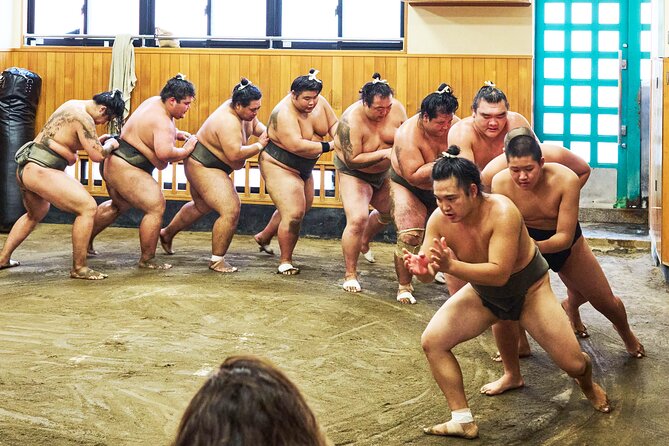
The opportunity to speak with wrestlers comes outside the training period. This distinction matters. During practice, you must remain quiet and avoid movement. Afterward, there may be a chance to ask questions or take photographs, depending on the circumstances and the stable’s schedule.
Some sessions have allowed photographs with the wrestlers. You should treat that as an opportunity rather than a guarantee. The stable remains a place of work, and the wrestlers’ schedule takes priority.
This contact adds a personal touch, but the main value is still the practice itself. The stable is not designed as a meet-and-greet venue. You are there first to observe respectfully, then to speak with the wrestlers if the timing permits.
What the two-hour schedule really requires
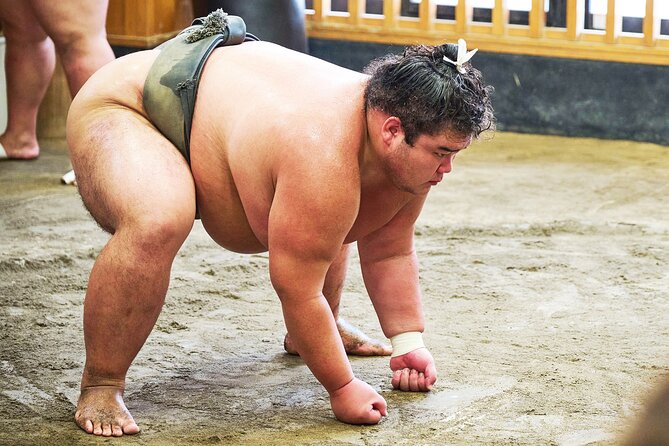
The advertised duration is two hours, but you should think of it as a fixed morning appointment rather than a flexible attraction. You must stay until practice ends, generally around 9:00 to 10:00 AM. Leaving early is not a good option, since there is no re-entry once you exit the stable.
The practice or tour may be slightly shorter or longer than expected. If you have a train reservation, restaurant booking, airport transfer, or other commitment afterward, tell the organizer in advance and allow plenty of extra time. The ending point may also differ from the station where you met.
The rule against leaving is understandable. The stable cannot have people coming and going while wrestlers train. Still, it means you should plan breakfast, coffee, and restroom stops before meeting the guide. Water is acceptable, but eating and drinking during the session are restricted apart from water.
Dress and behavior inside the stable
Dress modestly. This is a private workplace with strong traditions, not a casual viewing gallery. You should wear clothing that lets you sit quietly and respectfully for the full practice.
The key rules are simple:
- Keep your phone on silent.
- Do not talk during practice.
- Do not stand up or move around.
- Do not eat or drink, except for water.
- Stay until the practice has ended.
- Do not expect to re-enter after leaving.
The tour is not suitable for children under 11. Older children may still need to handle a quiet, stationary morning without becoming restless. If your group includes children or teenagers, explain the rules before you arrive.
These restrictions may sound severe, but they are part of what makes the viewing feel genuine. The session is not reshaped to suit an audience. You adapt to the stable.
Is $98 a fair price?
At $98 per person, this is not a cheap way to fill two hours in Tokyo. The price makes more sense when you consider what you are paying for: access to a real stable, an English-speaking guide, explanations of rules and rituals, and the chance to speak with wrestlers outside practice when possible.
A public sumo tournament offers a broader spectacle, but tournament tickets, timing, and seating can be difficult to arrange. This morning visit gives you something different: the working routine behind the tournament. You are paying for access and interpretation, not a long list of attractions.
The value is strongest if you care about Japanese culture, sport, ritual, or photography from a respectful distance. It is weaker if you need a flexible schedule, dislike sitting silently, or expect a polished performance with guaranteed wrestler interaction.
The reported score of 4.9 out of 5 from 32 bookings reflects how strongly the experience has landed with people who wanted authenticity and close viewing. I would still judge the price against your own interests. If sumo is just a passing curiosity, $98 may feel high. If you want a rare look at the sport’s daily discipline, it is easier to justify.
Who should book this experience?
I would recommend it to adults and children aged 11 or older who can follow formal rules. It suits anyone who wants a cultural experience that feels less packaged than a standard attraction.
It is especially good for:
- First-time visitors who want a clear introduction to sumo.
- Sports fans interested in training rather than only competition.
- People curious about Shinto ritual and Japanese tradition.
- Photographers who can accept that movement and phone use are restricted.
- Visitors staying in Tokyo long enough to protect a full morning for the activity.
I would hesitate to recommend it to anyone with a tight schedule after the tour. I would also think twice if you need frequent breaks, dislike silence, or want guaranteed photos and conversation with the wrestlers.
Should you book the sumo stable visit?
Book it if you want to see real training at close range, not a tourist performance. The strongest reasons are the side-of-the-ring position, the sound and force of the practice, and the guide’s explanation of why sumo is both sport and ritual.
Arrive early, use the restroom first, dress modestly, and keep your morning open beyond the stated two hours. If you can accept those rules, this is one of Tokyo’s more unusual cultural experiences. If you need freedom to come and go, choose a sumo tournament or museum instead.
FAQ
Where does the tour meet?
Meet your English-speaking guide at Kiyosumi-Shirakawa Station, Exit A1. Look for a guide holding a Local Guide Stars sign.
How do I reach Kiyosumi-Shirakawa Station?
You can reach the station using the Toei Oedo Line or the Hanzomon Line.
How long does the experience last?
The stated duration is two hours. The practice and tour may be slightly shorter or longer than expected.
What time does the practice usually end?
You must stay until the end of practice, which is generally around 9:00 to 10:00 AM.
Can I leave the stable early and return?
No. Once you leave the stable, re-entry is not possible.
Can I take photographs?
Photographs may be possible, including photographs with wrestlers in some circumstances. You must not stand, move around, or use your phone during practice, and phone use must be silent.
What should I wear?
Modest clothing is required because the stable is a place of work and training.
Is the tour suitable for children?
The tour is not suitable for children under 11 years old.
Is the tour conducted in English?
Yes. The tour includes a live English-speaking guide who explains sumo rules, rituals, traditions, and the tournament system.
Just added in Tokyo
- The 10 Tastings of Tokyo With Locals: Private Street Food Tour★ 5.0 · 48 reviews
- Small Town in the Big City: Tasting Tokyo’s Kichijoji★ 5.0 · 195 reviews
- Small Town in the Big City: Tasting Tokyo’s Kichijoji★ 5.0 · 16 reviews
- EXCLUSIVE Tokyo Secret: Kichijoji Small-Group Food & Bar Hopping★ 5.0 · 29 reviews
- Explore Kichijoji: Walk Through One of Tokyo’s Beloved Districts★ 5.0 · 21 reviews
- :Tokyo,Shibuya/ Pro Photography in Kimono / English-Friendly★ 5.0 · 26 reviews
- 【R34】Tokyo:Private Daikoku tour in Modified R34★ 4.9 · 92 reviews
- Tokyo:Calligraphy &Make your original folding fan in Asakusa★ 5.0 · 62 reviews
Sumo Experiences, compared.
Sumo Show Experience with Chicken Hot Pot and a Photo
Read our review →
Tokyo Shinjuku Sumo Show & Experience with Photo
Read our review →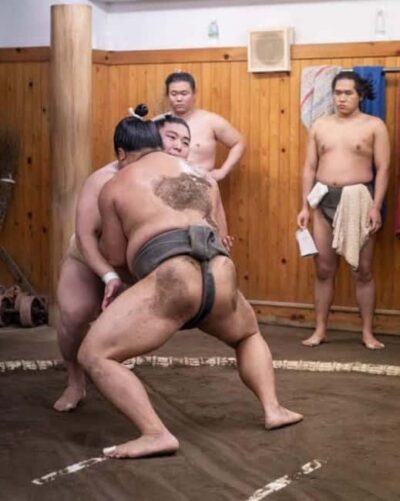
Sumo Show & Experience w/ Optional Kimono & Hot Pot
Read our review →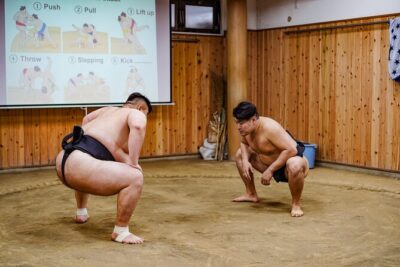
Authentic Sumo Experience in Tokyo: Enter the Sanctuary
Read our review →Browse the lists this tour appears in