
Reviewed · SUMO EXPERIENCES
Tokyo: Sumo Show and Dining Experience
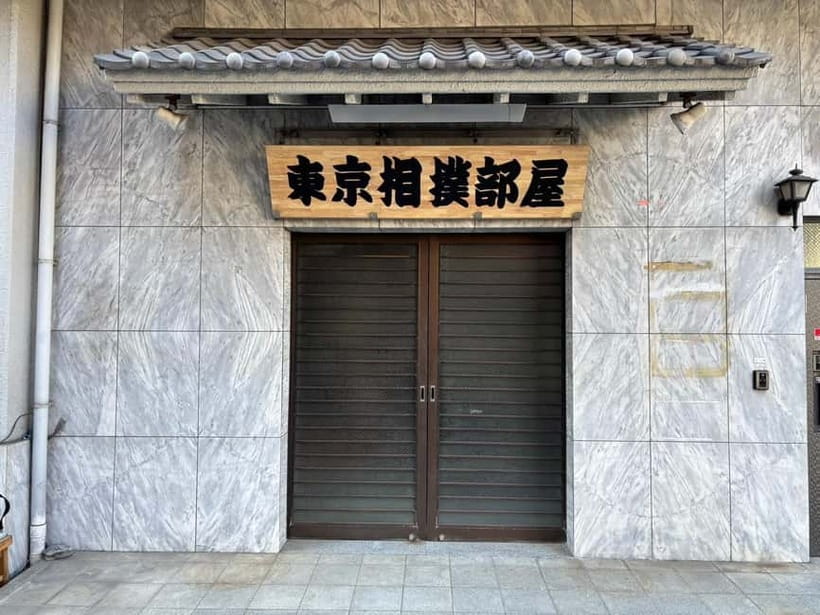
Tokyo Sumo Room brings you close enough to hear the stomp, clap, and thud of sumo without buying a ticket to a major tournament. Former Makuuchi wrestler Tokitsumi operates this small show restaurant in Kiyosumi-Shirakawa, where sumo demonstrations are mixed with a short lesson, comedy, and chances to step into the ring.
I like two things especially: the English presentation makes the sport easy to follow, and the audience participation turns a performance into something you remember. The Japanese meal, particularly the chanko-nabe-style food, adds real cultural context rather than serving as a separate dinner. The main thing to watch is the booking choice: the 3:00 PM show has no meal plan, and meal details can differ by selected option.
Key points to know before booking
- Former Makuuchi wrestler Tokitsumi runs the venue, giving the presentation a direct link to professional sumo.
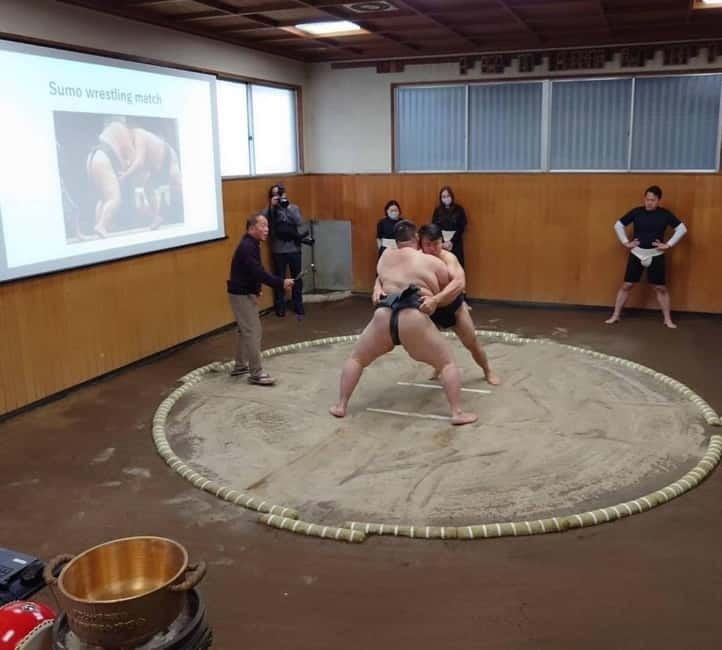
- You sit close to the action, with demonstrations, practice routines, and short bouts by former rikishi.
- Audience participation is a major part of the fun, and willing visitors may try sumo techniques or challenge a wrestler.
- The English-speaking host explains the rules and traditions, so you do not need prior knowledge of the sport.
- Chanko-nabe-inspired food fits the theme, with vegetarian choices available if requested.
- The 11:00 AM and 7:00 PM shows offer meal options, while the 3:00 PM show does not include a meal plan.
Getting to know sumo at Tokyo Sumo Room
Tokyo Sumo Room is in Kiyosumi-Shirakawa, a district that is easy to reach by public transport. It is not a huge arena or a formal tournament hall. That is part of its appeal. You enter a smaller setting where the wrestlers, host, and audience share the same room.
The venue is operated by Tokitsumi, a former Makuuchi wrestler. Makuuchi is the top division of professional sumo, so his connection to the sport gives the evening more substance than a generic stage show. You are not simply watching actors perform a themed routine. The program is built around people who have trained and competed in sumo.
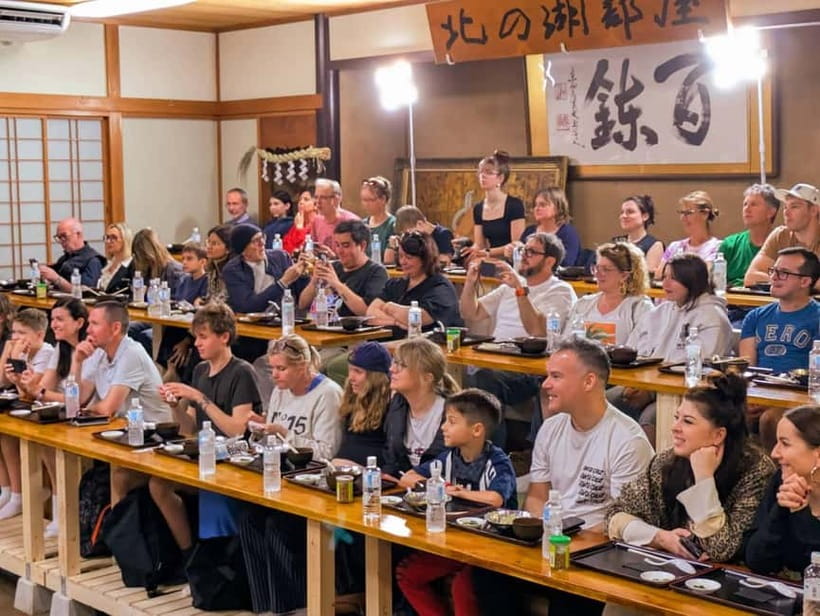
The experience usually lasts from 90 minutes to two hours. That range matters because the exact pace can change with the size of your group and the amount of audience participation. One reported evening had only eight people, while the room can accommodate more than 20. A smaller group may feel more personal, while a fuller session will likely have more energy and more people volunteering for activities.
The host speaks English, and the format is designed for first-time visitors. You do not need to know the names of the major tournaments, understand the ranking system, or have watched a bout before. The explanations give you enough background to recognize the purpose of each movement and ceremony.
Other ways to see sumo in Tokyo:
- Tokyo: Sumo Show Experience with Chicken Hot Pot and a Photo
★ 4.8 · 6,678 reviews - the SUMO show
★ 5.0 · 1,960 reviews - Tokyo Shinjuku Sumo Show & Experience with Photo
★ 5.0 · 1,750 reviews
The opening lesson explains more than the rules
The show begins with an introduction to sumo history, rules, and customs. This is important because sumo can look simple at first glance: two large athletes push, pull, and try to force one another out of a ring. The opening talk helps you see the balance, footwork, posture, timing, and ritual behind that apparent simplicity.
You learn why the wrestlers stamp and how their movements prepare the body. The presentation also explains the basic object of a bout, which is to force an opponent out of the ring or make part of the body other than the soles of the feet touch the ground. The host keeps the tone light, using humor to make the information easy to absorb.
I appreciate this part because it gives the demonstrations a purpose. You can watch the wrestlers practice and understand what they are showing you, rather than waiting for a simple strength contest. Sumo is a sport of power, but it is also about control and position.
The English presentation is one of the strongest practical features. Several activities in Japan offer cultural background through a quick translation, but here the whole program is built for an English-speaking audience. You can ask questions and follow the explanations without needing a guide beside you.
Practice routines show the athletic work behind sumo
After the introduction, the wrestlers demonstrate training movements and sumo techniques. You see the force involved in the sport at close range, but you also see repetition and discipline. The session helps explain why a professional wrestler needs much more than body size.
The former rikishi show practice movements before the bouts begin. This may include the stamping, pushing, and ring work that form part of sumo training. The demonstrations are short enough to keep the evening moving, yet clear enough for you to understand the physical demands.
This is also where the small venue helps. You are not watching from the far side of a stadium. The wrestlers are close, and the sound and movement are immediate. You can see the effort in their legs and shoulders. You may also notice that the wrestlers use humor between demonstrations, which keeps the atmosphere welcoming rather than solemn.
The program is not a full professional tournament. You should book it for access and explanation, not for a long series of official matches. The bouts are arranged for entertainment and instruction, with the host explaining what is happening as the show proceeds.
The bouts bring the power close to your table
The performance includes several competitions and demonstrations. One evening included three short competitions, followed by interaction with the audience. The precise number and order may vary, but the structure gives you a useful progression: first you learn, then you watch the techniques in action, and finally you may get a chance to try something yourself.
The wrestlers are former professionals, so even a playful bout shows a real difference in strength. This is where the show’s humor helps. You can enjoy the spectacle without pretending that an untrained visitor is going to defeat a sumo wrestler.
The wrestlers also make room for jokes and friendly exchanges. That light touch is valuable for families and mixed-age groups. Children can follow the physical action, while adults can listen for the cultural details and watch how the athletes move.
I would not expect a quiet, museum-style presentation. The host encourages laughter and participation. If you want a formal lecture with no audience involvement, this may feel too playful. If you want a cultural activity that keeps everyone engaged, the format works well.
Same base, a different sort of day:
- Mt Fuji and Hakone 1-Day Bus Tour Return by Bullet Train
★ 5.0 · 26,383 reviews - 1-Day Tokyo Bus Tour
★ 5.0 · 14,250 reviews - Tokyo: TOKYO SKYTREE® Admission ticket
★ 4.5 · 11,192 reviews - Tokyo: teamLab Planets TOKYO Digital Art Museum Entry Ticket
★ 4.6 · 9,779 reviews
Audience participation is the part you should not skip
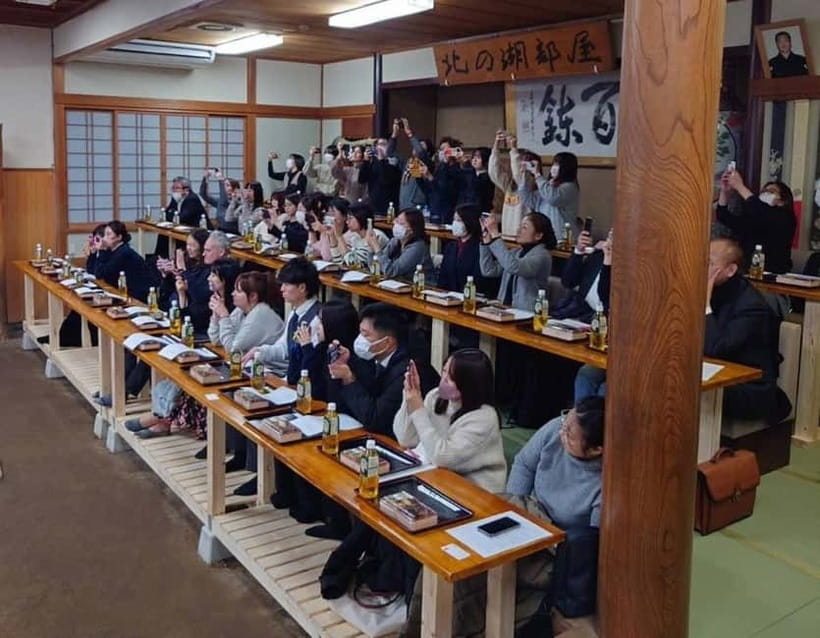
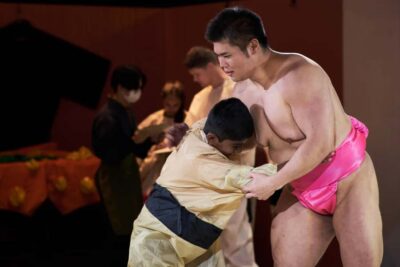
The strongest feature for many people is the chance to participate. Volunteers may practice sumo movements and enter the ring to face one of the wrestlers. The activity is presented as a safe, humorous challenge, but you should still follow the staff’s instructions and choose your level of involvement.
You do not have to wrestle. You can watch other participants and still enjoy the show. But if you are comfortable joining in, this is the moment that separates Tokyo Sumo Room from a standard demonstration.
The experience can include a sumo lesson followed by a match with one of the fighters. Participants have described the wrestlers as patient, funny, and encouraging, including with people who arrive alone. That matters if you are traveling by yourself and worry that the activity is aimed only at couples or families.
Families can also make good use of this part of the show. Children may prefer watching, while a parent or older child can volunteer. The room’s friendly approach means the activity does not need to become a serious athletic test.
Wear comfortable shoes. You may be invited to move, practice, or step into the ring, and formal footwear is not a good match for that. Bring a camera, but keep it ready for the right moments rather than trying to record the entire show.
The meal connects sumo to everyday food
The food is more than a convenient dinner during a performance. The menu includes Japanese dishes designed around the sumo theme, including food inspired by chanko-nabe, the hearty hot pot associated with sumo wrestlers.
Chanko-nabe is useful cultural context because food is central to a wrestler’s training and daily routine. A meal based on that tradition helps you understand the sport beyond the ring. It also gives the evening a natural rhythm: listen to the explanation, watch the action, and eat while the host continues the presentation.
The food has received especially strong praise, with chanko-nabe described as delicious and plentiful. Some meals allow additional servings, which can be a real advantage after a long day of sightseeing. Sake may also be available with the meal, although personal drinks and expenses are not included in the listed price.
Vegetarian options are available by request and can also be modified on the day. I would still mention your needs in advance, since food arrangements may depend on the chosen meal option.
Pay close attention when booking. The 11:00 AM and 7:00 PM shows have meal selections that include Japanese cuisine. The 3:00 PM show has no meal plan. There has also been confusion over the wording of some dinner options, so read the exact choice and confirm that a meal is included before assuming you will be served dinner.
How the $79 price works out
At $79 per person, this is not the cheapest way to spend an hour in Tokyo. The value depends on what you want from the activity.
You are paying for a guided cultural presentation, former professional wrestlers, a close-up show, audience participation, and, with the right option, a Japanese meal. Compared with a simple restaurant meal or a short museum visit, the price is higher. Compared with arranging a major sumo event, the cost is more manageable and the experience is easier to fit into a Tokyo itinerary.
I see the best value in the combination. A meal alone would not explain the sport, and a short performance alone might feel too brief. Here, the food, history, demonstrations, and participation support one another.
The price makes particular sense for families, first-time visitors, and anyone who wants one organized activity rather than several separate stops. A group of three generations can all take part at different levels. One person can ask questions, another can eat, and someone else can volunteer for the match.
If you are already attending a professional sumo tournament, this show offers something different rather than a replacement. A tournament gives you official competition and a larger sporting atmosphere. Tokyo Sumo Room gives you explanations, personal contact, and the chance to try the movements yourself.
Timing and planning for your Tokyo day
The activity is offered at different times, with the 11:00 AM, 3:00 PM, and 7:00 PM options described in the booking information. Choose based on your meal plans, not just your sightseeing schedule.
The 11:00 AM show may work well as a cultural start to the day, especially if you want the meal option included. The 3:00 PM time can fill a gap between major sights, but remember that no meal plan is available then. The 7:00 PM show is the natural choice if you want a dinner-and-show evening.
Allow enough time to reach Kiyosumi-Shirakawa by public transport. Transportation to and from the venue is not included. The venue is wheelchair accessible, and smoking is not allowed indoors.
Book ahead if this is important to your Tokyo plans. The room is not enormous, and available places can be limited, particularly for the evening meal sessions. Flexible booking is possible with the reserve-now, pay-later option, and cancellation is allowed up to 24 hours in advance for a full refund.
Who will enjoy this most
I would recommend Tokyo Sumo Room to anyone who wants a cultural activity with a clear entertainment side. It is particularly well suited to:
- First-time visitors to Japan who want an accessible introduction to sumo
- Families with children and mixed-age groups
- Solo visitors who want a friendly group activity
- People who enjoy food as part of a cultural experience
- Visitors who prefer participation to passive sightseeing
- Anyone curious about the daily work and physical skill behind sumo
You may want to choose another activity if you are looking for a full professional tournament, a long formal lecture, or a quiet meal. The show is lively, social, and interactive. The audience is part of the program, not just an audience sitting in silence.
Should you book Tokyo Sumo Room?
Yes, if you want to understand sumo while having fun. The best parts are the English explanations, the close view of former wrestlers, and the chance to enter the ring for a playful match. The food adds real value when you select a meal option, especially if you enjoy hot pot and Japanese comfort food.
Before paying, check the show time and meal inclusion carefully. Pick the 11:00 AM or 7:00 PM option if you want food, ask for vegetarian adjustments if needed, and wear comfortable shoes if you plan to participate.
For $79, this is a good choice for a memorable Tokyo evening, provided you value personal interaction more than a formal sporting event. I would book it for families, first-time sumo fans, and anyone who wants a generous serving of laughter with their Japanese culture.
FAQ
Where is Tokyo Sumo Room located?
Tokyo Sumo Room is located in Kiyosumi-Shirakawa in Tokyo, on Honshu. The venue is accessible by public transport.
How long does the sumo experience last?
The activity lasts approximately 90 minutes to two hours.
Is the presentation available in English?
Yes. The instructor and host provide the experience in English, including explanations of sumo history, rules, and traditions.
Is food included with every show?
No. Japanese cuisine is included with selected meal options for the 11:00 AM and 7:00 PM shows. The 3:00 PM show has no meal plan.
Are vegetarian meals available?
Yes. Vegetarian options can be requested, and the food can also be modified on the day of your visit.
Can I participate in the sumo activity?
Yes. Audience members may have the chance to practice sumo movements and challenge a wrestler. Participation is optional.
Is the venue wheelchair accessible?
Yes. Tokyo Sumo Room is wheelchair accessible. Smoking is not allowed indoors.
Just added in Tokyo
- Nikko: Edo Wonderland Edomura Cultural Theme Park Ticket★ 4.3 · 205 reviews
- 《MEMBERS-ONLY-BAR-HOPPING》Discover Your Special Whiskey in Tokyo!★ 5.0 · 29 reviews
- Japanese Whisky Hunting《HIGH-QUALITY-ONLY》Rare Tasting Class★ 5.0 · 20 reviews
- Luxury Tokyo Sake, Cocktail, Whisky and Pairing Tour★ 5.0 · 18 reviews
- Wagyu & Sake Pairing in Shinjuku – Steak, Shabu-Shabu & More★ 5.0 · 112 reviews
- Small-Group Wagyu Beef and 7 Japanese Dishes Tokyo Cooking Class★ 5.0 · 190 reviews
- From Tokyo: Private Tour to Fuji/Hakone – Onsen, Art, Nature★ 5.0 · 116 reviews
- Tokyo: KABUKI Show at Kabukiza Theatre Admission Ticket★ 4.8 · 152 reviews
Sumo Experiences, compared.
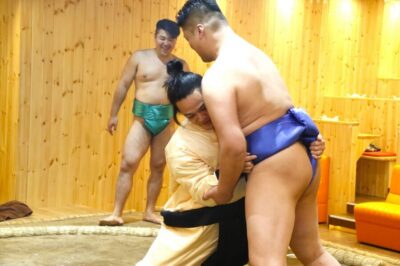
Sumo Show Experience with Chicken Hot Pot and a Photo
Read our review →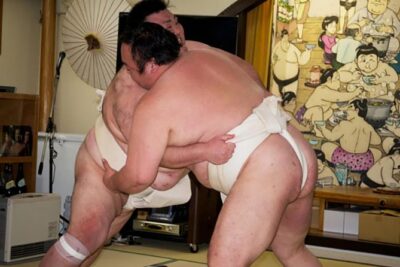
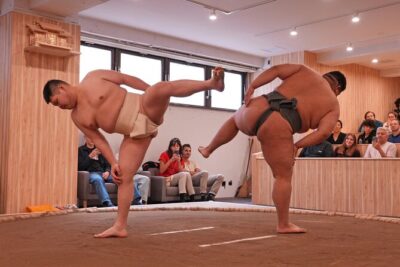
Tokyo Shinjuku Sumo Show & Experience with Photo
Read our review →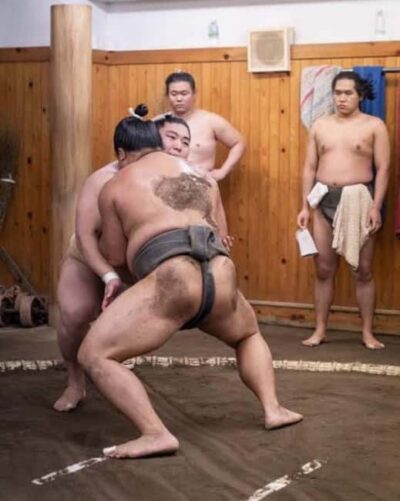
Sumo Show & Experience w/ Optional Kimono & Hot Pot
Read our review →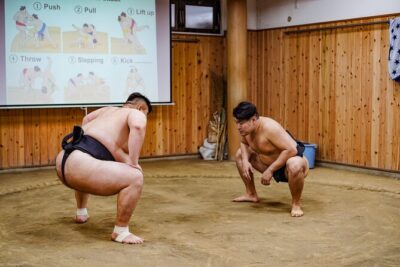
Authentic Sumo Experience in Tokyo: Enter the Sanctuary
Read our review →
Luxury Sumo Show Experience & Japanese cuisine & Drink
Read our review →Browse the lists this tour appears in