
Reviewed · SUMO EXPERIENCES
Tokyo: Sumo Morning Practice Viewing Tour
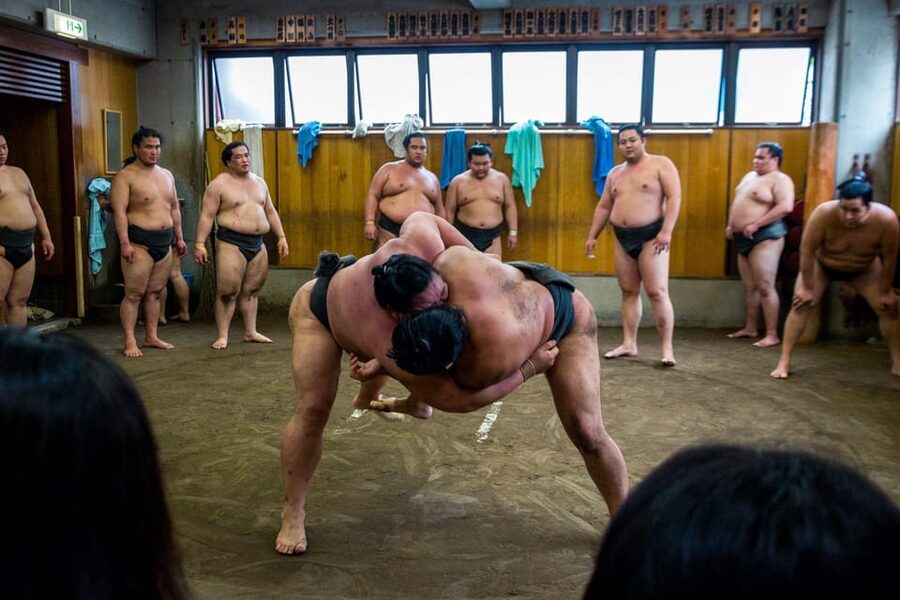
Entering a real sumo stable is the point of this Tokyo experience. You sit only a few feet from wrestlers as they train, not in a polished dinner show or a distant arena seat. The room stays quiet, the bouts can be startlingly loud, and the wrestlers work with a level of focus that makes this traditional sport feel like a demanding profession.
I like the close view and the way the English-speaking guides make a silent practice session understandable. Guides such as Yuko, Noriko, Kaz, and Oku-san explain the customs, identify the wrestlers, and pass written notes when talking would disturb the room. The main drawback is that you must sit still and remain quiet until practice ends, usually around 9:00 to 10:00 in the morning.
Key points to know before booking
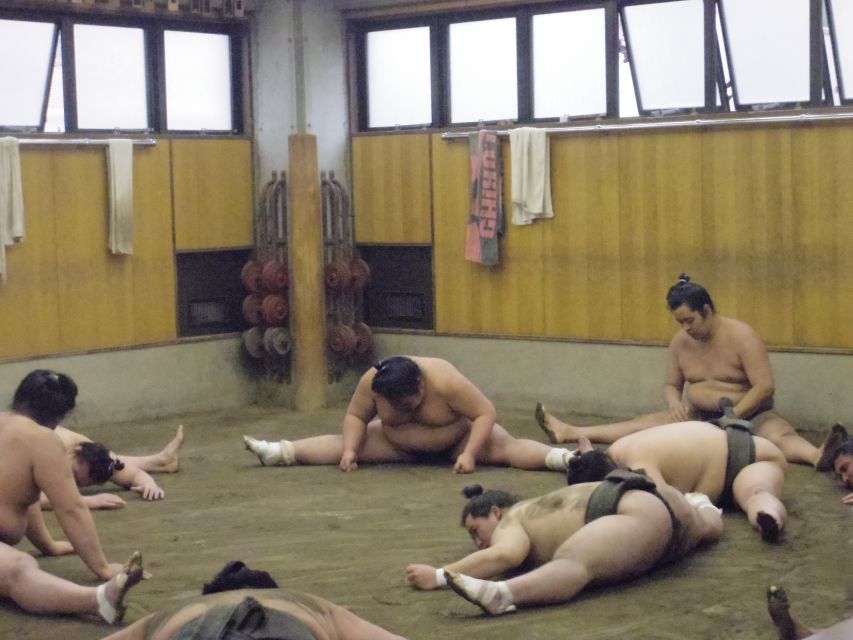
- You enter a working stable: This is where wrestlers live and train, not a performance space built for tourists.
- Practice lasts about 60 to 90 minutes: The session can run shorter or longer, so do not schedule a tight appointment afterward.
- Silence matters: You cannot stand, wander, eat, drink, use flash photography, or record video.
- The best seats go early: Arriving first can mean a front-row view, while a later arrival may put you at the side or behind another group.
- Photos are possible, not promised: Pictures with wrestlers depend on the day and the stable’s schedule.
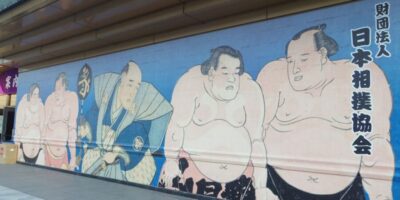
- Ryogoku adds context: You are in Tokyo’s sumo quarter, close to the National Sumo Arena and other stables.
Why a morning stable visit feels so different
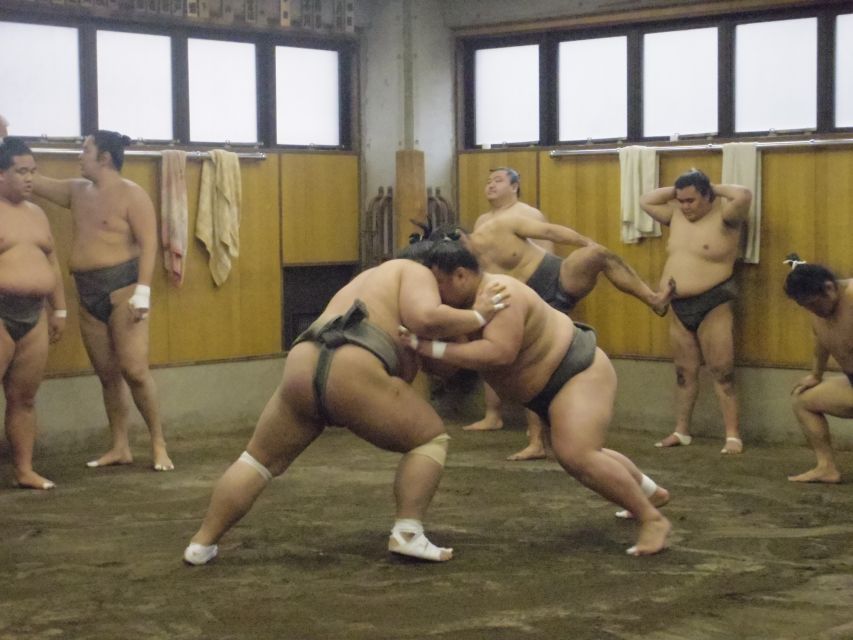
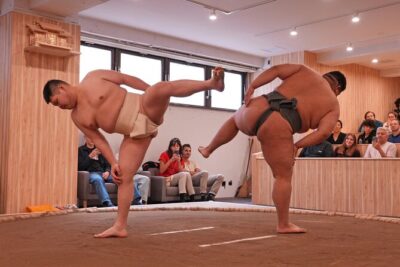
A professional sumo tournament gives you the drama of a formal contest. This visit gives you the work behind it: repeated drills, practice bouts, traditional movements, and long stretches of concentration. You see wrestlers prepare for tournaments held six times a year, often while a stable master or coach watches closely.
That difference matters. In a stadium, you may focus on the clash between two wrestlers. In the stable, you notice the small details: how a wrestler prepares his body, how carefully he sets himself before a bout, and how quickly a match can end. One reviewer described the average bout as lasting about 10 seconds, yet the preparation around it is serious and exact.
The experience also gives you a clearer sense of sumo as more than a large-person spectacle. Sumo is a traditional Japanese sport with roots in Shinto beliefs. The basic aim is simple: force an opponent out of the circular ring or make any part of his body, apart from the soles of his feet, touch the ground. The technique, timing, balance, and mental control are harder to appreciate until you watch practice from close range.
Other ways to see sumo in Tokyo:
- Tokyo: Sumo Show Experience with Chicken Hot Pot and a Photo
★ 4.8 · 6,678 reviews - Tokyo: Sumo Show and Dining Experience
★ 4.8 · 2,742 reviews - the SUMO show
★ 5.0 · 1,960 reviews
Meeting in Ryogoku, Tokyo’s sumo neighborhood
The meeting point depends on the option you book, so read the instructions carefully. Some groups walk to the stable, while others may take a train after meeting the guide. The stable itself is in Ryogoku, an area closely tied to sumo and home to the National Sumo Arena.
This setting adds something useful before you even sit down. You are not being taken across Tokyo to an isolated attraction. You are entering a district where sumo is part of the local identity. One guide even includes a short look at the surrounding area, and you may pass other stables on the way.
Allow extra time to find the meeting point. One person had trouble locating the exact spot and suggested that a clearer meeting-point photo would help. Arrive early anyway. It protects you from a rushed start and may improve your seat inside the stable.
The walk or short train ride also gives your guide time to explain what you are about to see. This is when guides such as Noriko, Yuko, Mako, and Kaz have been especially useful, covering the basic rules, etiquette, and history before the group enters the training room.
The first 15 minutes: rules before the action
After meeting, your guide explains the visit and takes you to the stable. This introduction is not filler. It prepares you for a room where the usual tourist habits do not apply.
You must dress modestly, silence your phone, and avoid hats and sunglasses. Food and drinks are not allowed. You cannot use flash photography or record video. During practice, you must remain seated and avoid moving around.
The no-video rule may disappoint you, especially if you want to share the sound of a bout later. Still, it serves a practical purpose. The stable is a place of work, and the wrestlers are not putting on a show for the group. Without phones raised and people shifting about, you can pay attention to the physical force and ritual in front of you.
Your guide may use written information during practice. At some stables, the guide quietly passes notes explaining the names of wrestlers, the drills, and what is happening in the ring. This works well because it adds context without turning the session into a running commentary.
One small issue is that the room must stay quiet, so spoken explanations can be difficult to hear during a loud bout. Written notes are often the better tool. If you have hearing concerns, sit close to your guide if possible and ask questions before practice begins.
Sixty to 90 minutes beside the wrestlers
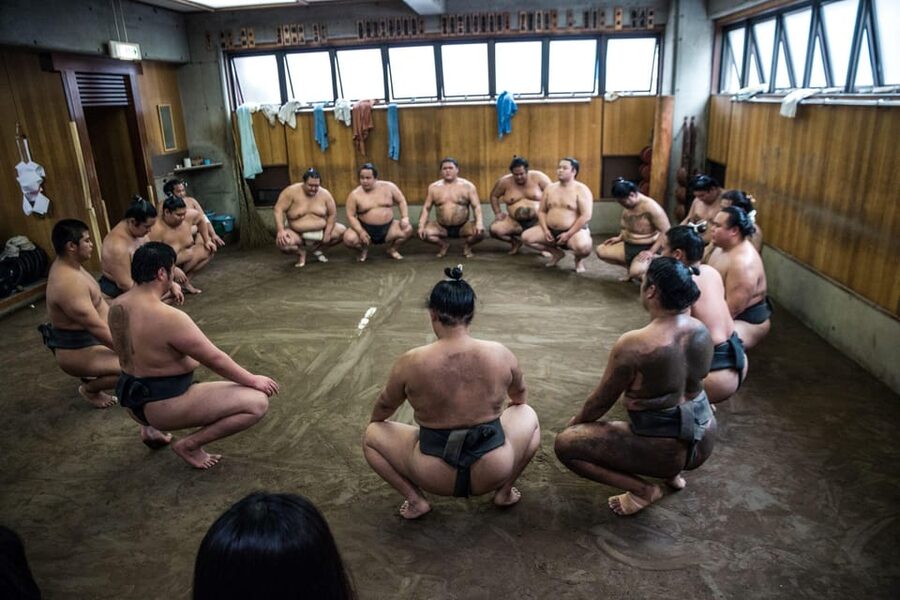
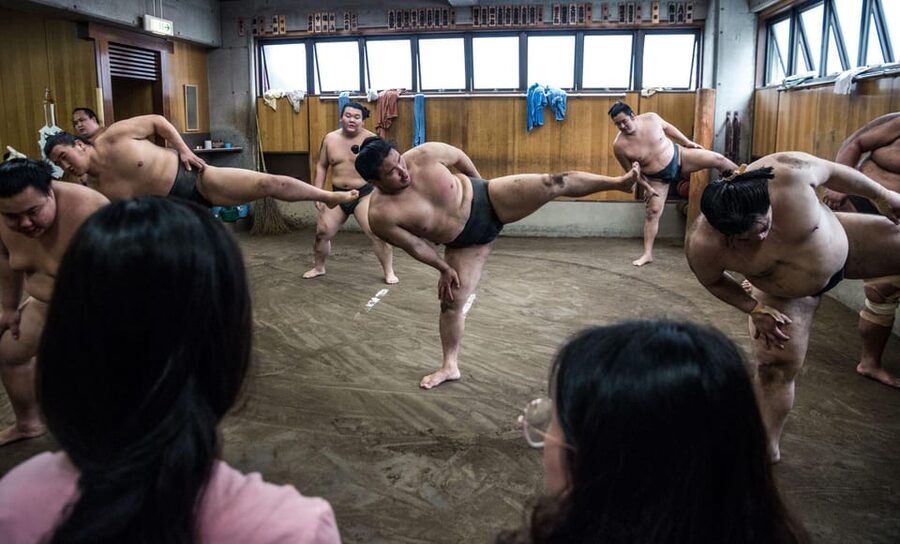
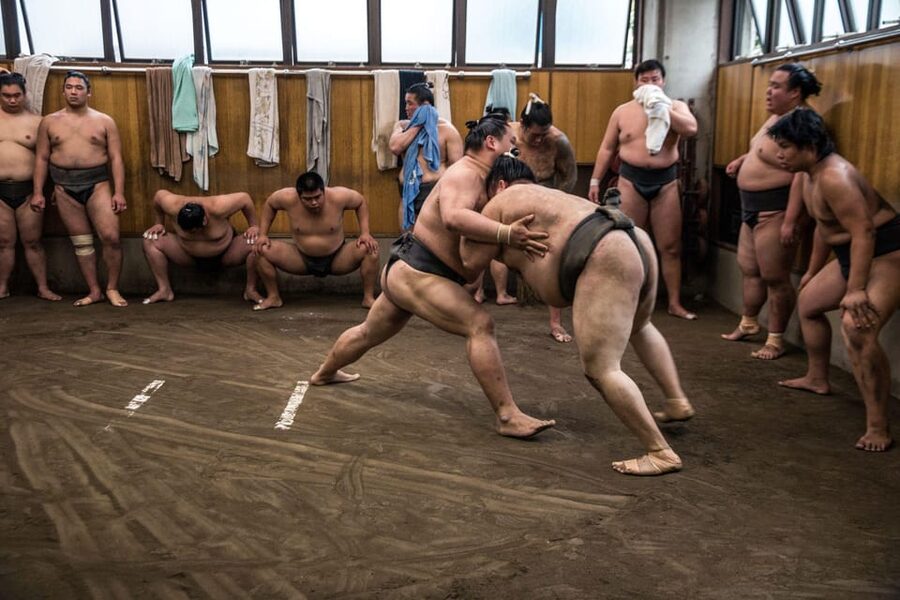
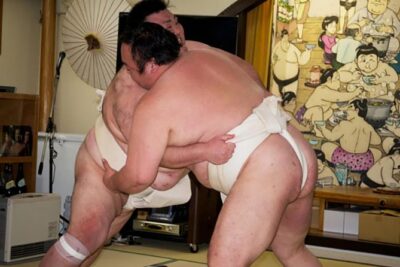
The central part of the visit is the morning practice. You watch the wrestlers train from close quarters, often just a few feet away. The precise routine can change from day to day, which is one reason the visit feels genuine rather than staged.
You might see warmups, repeated drills, technique work, and practice bouts. The wrestlers train with force. The sound of bodies hitting the floor and the sudden impact of a bout can make you flinch at first. After a few rounds, you begin to notice the control behind the power.
The session may include young wrestlers chasing higher ranks, more experienced competitors, and senior figures overseeing the work. Depending on the stable and the day, you might see well-known wrestlers. One particularly fortunate group watched former yokozuna Terunofuji preside over a group of rikishi and also saw wrestlers including Enho and Takerufuji training.
That kind of sighting is not guaranteed, so do not book this as a way to meet a particular wrestler. The value is the stable itself and the chance to watch its daily routine. The line-up, training length, and chance for a photograph can all change.
The session can feel repetitive if you need constant entertainment. That is not a flaw in the sport, but it is a real consideration for you. Sumo training involves repetition, discipline, and patience. If you can sit quietly and watch small changes in stance, timing, and technique, the hour passes quickly. If you need to move around or chat, this is a poor fit.
You must remain until practice ends. Once you leave the stable, you cannot re-enter. The stated finish is usually around 9:00 to 10:00 in the morning, but the practice can be a little shorter or longer. Keep your next activity flexible.
Same base, a different sort of day:
- Mt Fuji and Hakone 1-Day Bus Tour Return by Bullet Train
★ 5.0 · 26,383 reviews - 1-Day Tokyo Bus Tour
★ 5.0 · 14,250 reviews - Tokyo: TOKYO SKYTREE® Admission ticket
★ 4.5 · 11,192 reviews - Tokyo: teamLab Planets TOKYO Digital Art Museum Entry Ticket
★ 4.6 · 9,779 reviews
What the guide adds to a silent experience
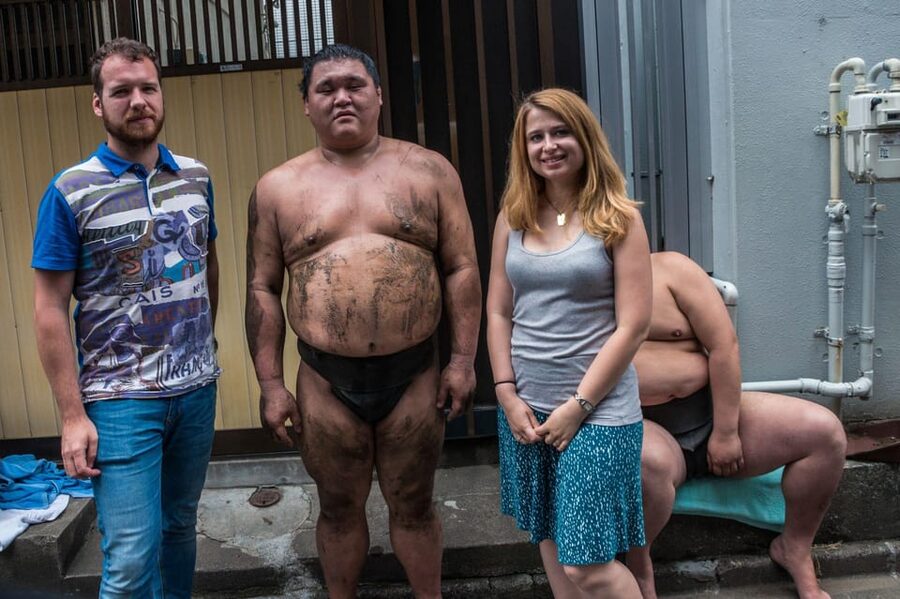
The guide is important here because the stable itself will not explain what you are seeing. The English-speaking guides are there to bridge that gap without taking over the room.
Yuko has been praised for clear audio guidance and quiet explanations. Noriko is noted for explaining the rules and customs before the group entered. Kaz answered questions and helped keep the visit organized, while Oku-san was praised for making sure the group stayed together and understood the rules on the way to the stable.
Other guides named by visitors include Mako, Taku, Nobu, Miwako, Daigo, and Tad. The individual style may differ, but the role is consistent: get you there safely, explain the etiquette, identify what you are watching, and answer questions at suitable moments.
I particularly like the use of explanation cards and written notes. They let you follow the practice while respecting the stable’s need for silence. A guide who talks constantly would spoil the mood. Here, the best guiding is often brief and well timed.
The guide can also explain the difference between what you see in training and what happens during a formal tournament. That background makes a later visit to the Ryogoku Arena more rewarding, if your schedule includes one. One visitor attended a tournament later the same day and found the stable visit helped make the competition easier to understand.
Photos, questions, and the end of the visit
After practice, there may be a chance to speak with the stable master, coach, or wrestlers. Some groups have been able to ask questions about daily life and the sport. In other cases, the available time may be short because the stable has work to do.
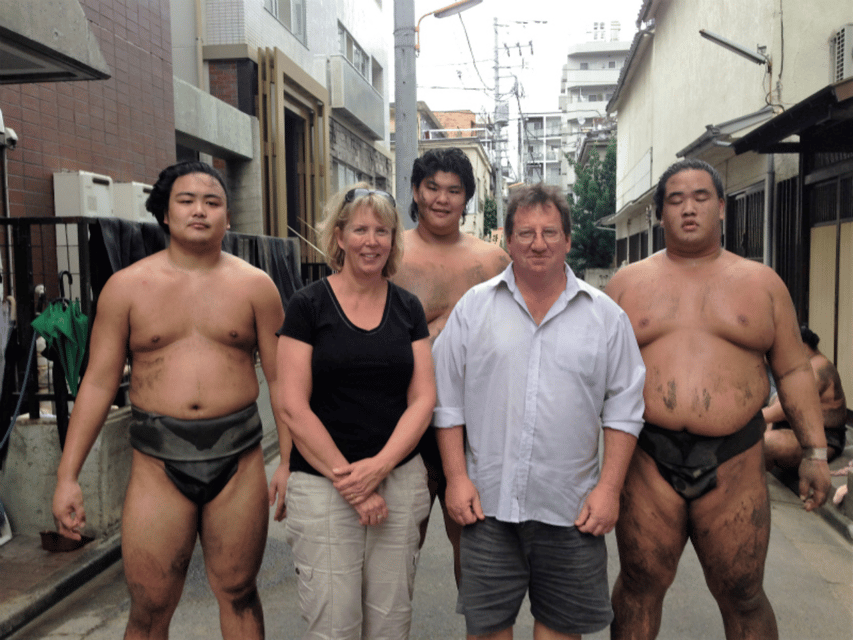
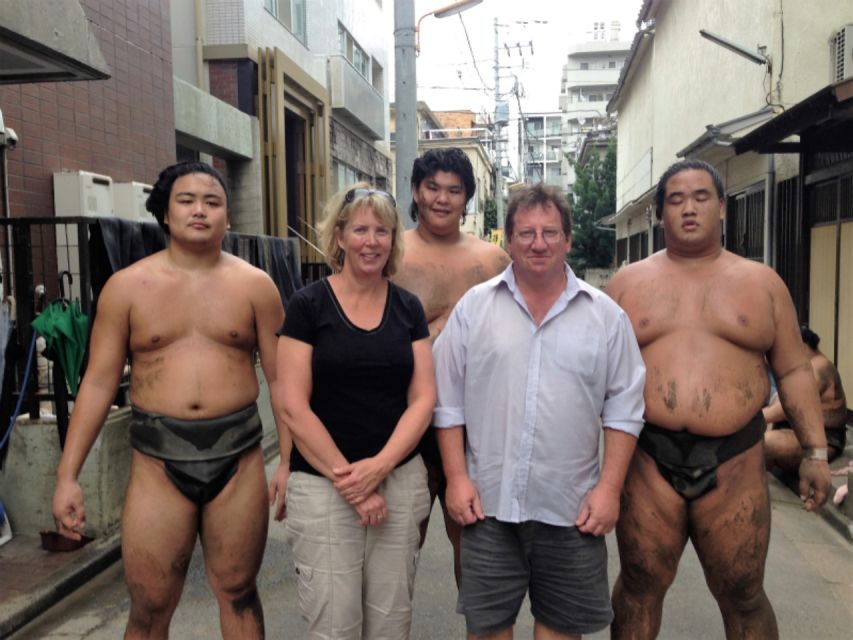
Photos with wrestlers may also be offered. This depends on the day, the stable’s schedule, and the wrestlers’ availability. Treat it as a welcome extra, not the main reason to book. You should also follow the guide’s directions and avoid turning the end of practice into a crowded photo session.
The stable owner or coach may welcome the group and answer questions. One former wrestler was described as especially helpful when explaining the sport. This human contact can make the visit more personal, but it is not promised in the same form for every departure.
At the end, the tour finishes rather than returning you to the original meeting point in every case. The ending location may differ, so check the details before planning lunch or a train connection. The good news is that you remain in or near Ryogoku, where you can continue exploring the sumo district and find sumo-focused restaurants.
Price, group size, and overall value
The cost is $81 per person. That is not a cheap morning activity, especially when the core viewing time lasts about an hour. You are paying for access to a place that is normally closed to the general public, along with a licensed guide who manages the etiquette, transport details, translation, and cultural explanation.
The value depends on what you want. If you simply want to see sumo, a tournament may give you more spectacle and a clearer competitive result. If you want to understand how wrestlers prepare and see the sport at close range, this stable visit offers something an arena ticket cannot.
Group size can vary. One day had only a single participant, while another group numbered around 30 people. Larger groups are organized, but seating becomes more important. A group that arrives before you may take the front row, leaving you farther to the side or in the second row. That affects photographs and sight lines.
Arriving early is the most useful practical tip. Several people who arrived first had front-row seats. Even then, seating is assigned according to the stable’s arrangement, so a front-row place is not guaranteed.
The tour also includes free cancellation up to 24 hours before the start and allows you to reserve now and pay later. Those terms help if your Tokyo schedule is still shifting, but the bigger issue is timing. Book a morning when you can remain flexible afterward.
Who will appreciate this experience most
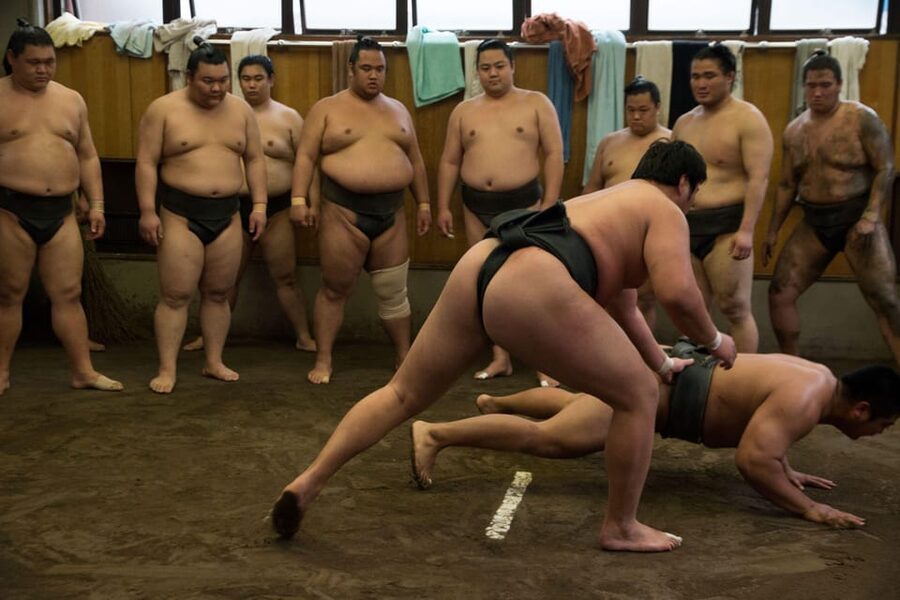
I would choose this for anyone curious about Japanese culture, martial arts, or the daily discipline behind a traditional sport. You do not need to understand sumo before arriving. The guide will cover the basic rules, and the physical action is easy to grasp.
It is also a good choice if tournament tickets are unavailable. The practice does not replace a formal competition, but it gives you a close look at the athletes and the customs surrounding them. If you later attend a tournament, you will have more context for the ceremonies, ranks, and brief bouts.
Fans of martial arts may especially enjoy the technical side. You can watch balance, footwork, timing, pushing, and attempts to break an opponent’s position. You also see the drills that happen around the live rounds.
This is not suitable for children under 11. It is also a poor choice for anyone with mobility limits, since you sit on the floor and must remain still for a long period. Even able-bodied adults should think about the seating. The experience requires respectful silence and patience.
What to wear and bring
Choose modest clothing. Leave hats, sunglasses, food, and drinks behind, and keep your phone on silent. You may bring a phone for permitted photos, but do not use flash and do not record video.
Wear something comfortable enough for floor seating, although the information provided does not specify the exact seating setup for every stable. The safest approach is to expect a firm, close-quarters viewing position and dress for quiet comfort rather than fashion.
Do not plan to eat during the visit. Have breakfast before meeting the guide, then explore Ryogoku afterward. The stable is a workplace, and following its rules is part of showing respect for the access you have been given.
Should you book the Tokyo sumo stable tour?
Book it if you want authentic access rather than a staged show and can sit quietly for 60 to 90 minutes. The close view, the sound of the bouts, the guide’s explanations, and the chance to see wrestlers preparing for major tournaments make this one of Tokyo’s more unusual morning activities.
Skip it if you need a flexible departure time, want to film everything, dislike floor seating, or expect a guaranteed photograph with a famous wrestler. The schedule can shift, the group may be larger than expected, and the most exciting wrestlers may not be training that day.
At $81, the experience asks you to value access and context over spectacle. For me, that is a fair trade when a tournament ticket is out of reach or when you want to see the working side of sumo. Arrive early, keep your afternoon open, and treat the stable as a place of work. Do that, and the visit can become one of the most memorable parts of your Tokyo schedule.
FAQ
How long does the sumo morning practice tour last?
The experience lasts about 90 minutes to two hours. The walk or train ride to the stable takes about 15 minutes, followed by approximately 60 to 90 minutes of morning practice. The session may finish earlier or later than expected.
Can I take photos or record video inside the stable?
Flash photography and video recording are not allowed. Photos with wrestlers may be possible after practice, depending on the day and the stable’s schedule.
Do I have to stay until the end of practice?
Yes. You must remain until practice finishes, usually around 9:00 to 10:00 in the morning. Once you leave the stable, you cannot re-enter.
Is the tour suitable for children?
No. The tour is not suitable for children under 11. Everyone must remain quiet and still during practice, so the experience is best for older children and adults who can follow those rules.
Where does the tour meet and finish?
The meeting point depends on the option booked. After meeting the guide, the group may take a train to the stable. The ending location may differ from the meeting point.
Can I cancel the tour if my plans change?
You can cancel up to 24 hours in advance for a full refund. You can also reserve the experience and pay later.
Just added in Tokyo
- Nikko: Edo Wonderland Edomura Cultural Theme Park Ticket★ 4.3 · 205 reviews
- 《MEMBERS-ONLY-BAR-HOPPING》Discover Your Special Whiskey in Tokyo!★ 5.0 · 29 reviews
- Japanese Whisky Hunting《HIGH-QUALITY-ONLY》Rare Tasting Class★ 5.0 · 20 reviews
- Luxury Tokyo Sake, Cocktail, Whisky and Pairing Tour★ 5.0 · 18 reviews
- Wagyu & Sake Pairing in Shinjuku – Steak, Shabu-Shabu & More★ 5.0 · 112 reviews
- Small-Group Wagyu Beef and 7 Japanese Dishes Tokyo Cooking Class★ 5.0 · 190 reviews
- Mt. Fuji & Hakone Cherry Blossom private One Day Tour★ 4.5 · 35 reviews
- Mt. Fuji, Hakone Private Tour from Tokyo – Onsen, Arts and Nature★ 5.0 · 79 reviews
Sumo Experiences, compared.
Sumo Show Experience with Chicken Hot Pot and a Photo
Read our review →
Tokyo Shinjuku Sumo Show & Experience with Photo
Read our review →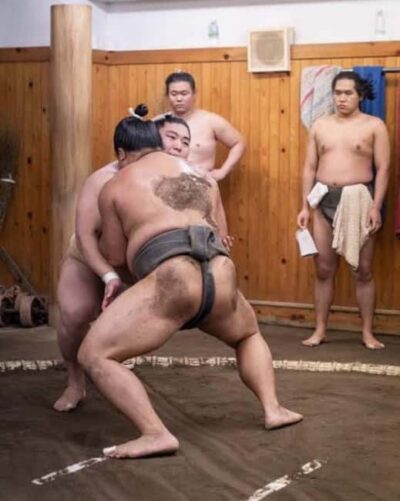
Sumo Show & Experience w/ Optional Kimono & Hot Pot
Read our review →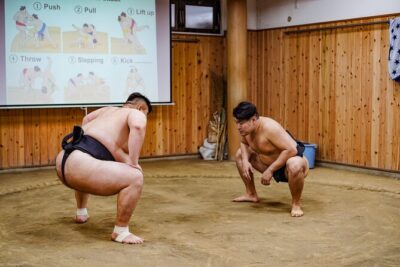
Authentic Sumo Experience in Tokyo: Enter the Sanctuary
Read our review →Browse the lists this tour appears in