
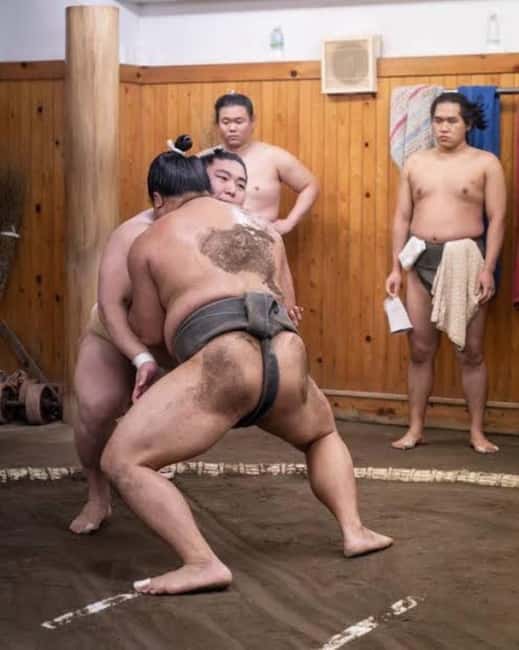
Reviewed · SUMO EXPERIENCES
Tokyo: Sumo Show and Experience in Shinjuku
The real fun here is not simply watching two large athletes push each other around. You learn why sumo begins with shiko foot stomping, salt throwing, careful rituals, and sudden bursts of force. Then you get the chance to step into the dohyo yourself, dressed in a traditional sumo outfit.
I like the clear English presentation, especially when hosts such as Paula, Dai, and Ari turn rules and rituals into something easy to follow. I also like the mix of demonstration, exhibition match, questions, and crowd participation. The main consideration is simple: this is not a tournament, so anyone expecting official competition may find it more theatrical than sporting.
Key points
- A 90-minute introduction to sumo: Learn the customs, rules, training, techniques, and fouls before watching live demonstrations and an exhibition match.
- English-speaking hosts: MCs including Paula, Dai, and Ari explain the action with humor and invite questions from the audience.
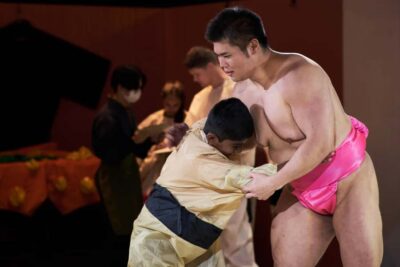
- A chance to enter the dohyo: Put on a traditional sumo outfit and challenge a professional wrestler in a controlled, playful encounter.
- Good for first-time sumo fans: The presentation helps you understand what to watch before attending a real professional tournament.
- Shinjuku location: Meet on the second floor of the Sekisaku Building, using the entrance facing the main door next to Daiso.
- $69 with water included: Food is not included, but the price covers the show, explanations, demonstrations, and participation opportunity.
What the Shinjuku sumo show is really like
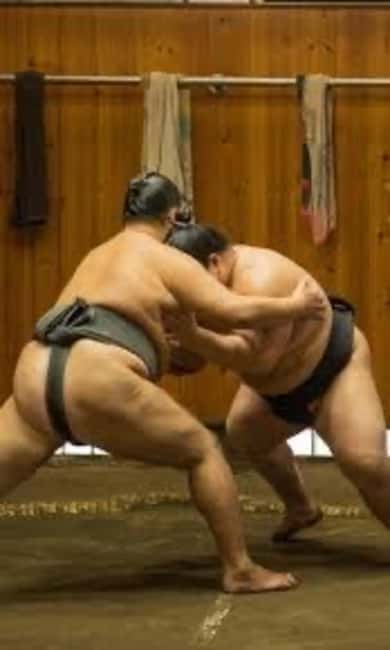
This experience gives you a friendly introduction to sumo in central Tokyo. It is built for people who want to understand the sport without committing to a full tournament day, hunting for tickets, or deciphering every ritual on their own.
The format combines teaching with live action. An English-speaking MC explains the roots and customs of sumo, introduces the wrestlers, and walks you through the rules. The rikishi then demonstrate techniques, training movements, and the formal gestures that make sumo feel quite different from ordinary wrestling.
The tone is lively rather than solemn. Hosts use humor, ask the audience questions, and keep the room involved. Paula is frequently singled out for her energy and comic timing, while Dai is praised for answering questions and making the sport easy to understand. Ari is another host associated with a strong connection to the audience.
You should expect a polished cultural show, not a formal sporting fixture. That distinction matters. The wrestlers are professionals, and the physical skill is real, but the matches are demonstrations and exhibition bouts. The program is designed to entertain and teach.
Other ways to see sumo in Tokyo:
- Tokyo: Sumo Show Experience with Chicken Hot Pot and a Photo
★ 4.8 · 6,678 reviews - Tokyo: Sumo Show and Dining Experience
★ 4.8 · 2,742 reviews - the SUMO show
★ 5.0 · 1,960 reviews
Getting to the Sekisaku Building in Shinjuku
The meeting point is on the second floor of the Sekisaku Building in Shinjuku. Use the entrance facing the main door next to Daiso. This detail is worth taking seriously because the building has a specific entry route, and arriving at the wrong side could waste the few minutes you need before the start.
Late arrival can be a problem. The show follows a fixed schedule, and the front desk may not admit you once the presentation is underway. I would arrive early enough to identify the building, find the correct entrance, and reach the second floor without rushing.
Shinjuku makes this a convenient addition to a day in central Tokyo. You can pair it with shopping, restaurants, or an evening walk in the district, but allow enough time to locate the building. The experience lasts 90 minutes, so it fits more easily into a busy itinerary than a full day at a professional sumo tournament.
The setting is also part of the appeal. You are not watching sumo from a distant arena seat. You are close enough to see the wrestlers prepare, interact with the host, and notice how much control is required for every movement.
The opening explanation: why sumo is more than size
The show begins by giving you the framework you need. If you know little about sumo, this part keeps the later action from becoming a blur of bodies and quick pushes.
You learn about the rituals surrounding a bout. The shiko foot stomp is explained, along with the salt throwing and other gestures that prepare the dohyo. These actions can look theatrical when you first see them, but the presentation gives them purpose and context.
The program also covers rules, techniques, fouls, and the discipline of the wrestlers. That is one of the strongest reasons to choose this experience before attending a professional tournament. Once you understand what is legal, what counts as a foul, and how a wrestler wins, a live match becomes easier to read.
I especially value the explanation of strategy. Sumo is not just a contest of body weight. Balance, timing, footwork, grip, mental control, and the ability to react in a split second all matter. The show makes that clearer than a quick internet explanation can.
The hosts also introduce Japanese phrases and cultural details. You do not need any previous knowledge, and the English commentary keeps the presentation accessible to an international audience.
Demonstrations that show the skill behind the sport
After the introduction, the wrestlers demonstrate different movements and techniques. This is where the show moves from lecture to physical proof.
You can see how a wrestler establishes balance, uses leverage, and tries to force an opponent out of the ring. The demonstrations slow the action down enough for the MC to explain what is happening, which is useful because a real bout can finish in seconds.
Training movements also receive attention. The famous foot stomping is not just a dramatic pre-match gesture. It shows the strength, flexibility, and discipline expected from a rikishi. The wrestlers make the physical demands look simple, but the demonstrations give you a better sense of the work behind them.
The presenters explain fouls as well. That small detail adds value because it shows that sumo has a precise rulebook beneath its simple objective. You begin to see the sport as a contest of position and technique, not merely force.
The wrestlers also answer questions. This personal contact is one of the parts that separates the event from watching a video or reading a museum display. You can ask about the movements or the sport, and the MC helps keep the exchange clear for the whole room.
Same base, a different sort of day:
- Mt Fuji and Hakone 1-Day Bus Tour Return by Bullet Train
★ 5.0 · 26,383 reviews - 1-Day Tokyo Bus Tour
★ 5.0 · 14,250 reviews - Tokyo: TOKYO SKYTREE® Admission ticket
★ 4.5 · 11,192 reviews - Tokyo: teamLab Planets TOKYO Digital Art Museum Entry Ticket
★ 4.6 · 9,779 reviews
Live sparring and the exhibition match
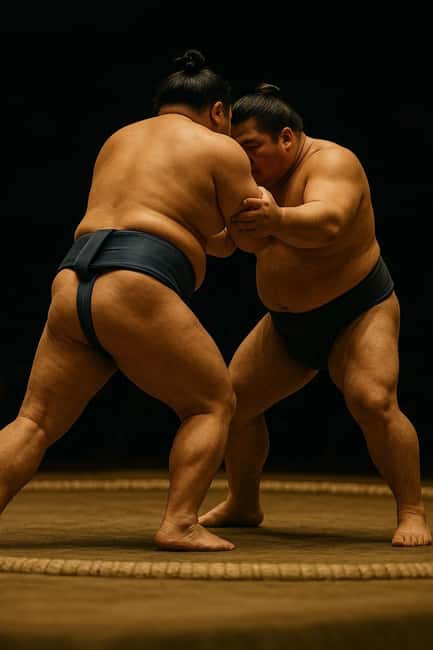
The demonstrations lead into live sparring and an exhibition match. Here, the pace changes. The power becomes immediate, and the sound of feet, bodies, and movement gives you a better sense of what sumo feels like at close range.
The bouts are arranged for the show, so do not mistake them for official tournament matches. Still, the wrestling itself is not a fake display of strength. You see professional rikishi using real techniques, managing their balance, and playing to the crowd without losing the physical character of the sport.
The contrast between explanation and action works well. First, the MC tells you what to watch. Then you see the wrestlers apply those ideas in the ring. That structure is particularly helpful if you have never seen sumo before.
Humor is part of the presentation. The wrestlers interact with the audience, and their personalities come through. That keeps younger children engaged, but it does not make the sport feel trivial. The show allows the athletes to be entertaining while still showing respect for their discipline.
If you want an official tournament atmosphere, this will not replace it. A tournament has formal competition, rankings, and a different sense of occasion. This event gives you something else: closeness, explanation, and a much better chance to understand what you are seeing.
Entering the dohyo in a sumo outfit
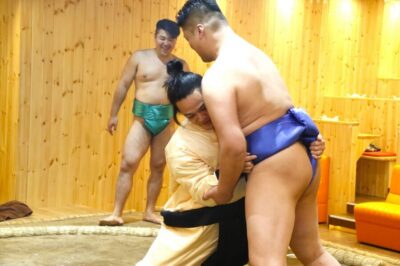
The most memorable section for many people is the audience participation. Volunteers are invited to wear a traditional sumo outfit and enter the dohyo to challenge one of the wrestlers.
You should expect the encounter to be playful and carefully managed. The scale difference makes the result fairly predictable, but that is part of the joke. The wrestlers are good sports, and the audience gets a funny, physical memory rather than a serious contest.
This is also the point where the show feels most personal. Instead of sitting back and watching professionals, you become part of the program. Families often appreciate this section because children can see the wrestlers up close, while adults get their own chance to join the fun.
Not everyone has to participate. The show includes audience involvement, but you can enjoy the demonstrations and matches from your seat if you prefer. The chance to enter the ring is an option, not the entire reason to book.
If you do volunteer, wear clothing that lets you move comfortably. The provided information does not set out a dress code, but a sumo challenge is easier when you are not worried about restrictive clothing.
Why the English MC matters
The English presentation is a major part of the value. Sumo has its own vocabulary, ceremony, and set of rules, and without explanation it can be difficult to tell one movement from another.
The hosts give the event its pace. Paula is described as especially confident, funny, and enthusiastic. Dai brings detailed answers and a strong grasp of the sport. Ari is praised for drawing people into the action. The host can vary by session, so you should not book based on one particular presenter alone, but the format is built around an English-speaking MC.
The best moments come when the host connects a ritual to what you are about to see. You learn the point of the shiko, then watch it performed. You hear how a match can be won, then see the wrestlers demonstrate the technique. This keeps the information practical rather than academic.
The audience interaction also helps if you arrive tired after walking around Tokyo. You can sit and listen at first, then gradually become involved through questions, laughter, and the volunteer contests.
What $69 includes, and what it does not
At $69 per person, this is not the cheapest cultural activity in Tokyo. The value depends on what you want from the experience.
You are paying for a 90-minute program with professional sumo matches, an English-speaking MC, live demonstrations, cultural explanation, and the chance to wear a traditional outfit and challenge a wrestler. Bottled water is included.
Food is not included. That is easy to manage in Shinjuku, where you can eat before or after the show, but do not arrive expecting a meal to be part of the ticket.
I consider the price reasonable if you want a compact, guided introduction with real audience participation. It is especially useful if you do not have time for a tournament or if you want to understand sumo before attending one.
The value is weaker if you only want to watch serious competition. In that case, save your money for a professional tournament ticket when one fits your schedule. The Shinjuku show is strongest as a cultural presentation and close-up encounter.
Free cancellation is available up to 24 hours before the activity, and you can reserve now and pay later. Those options help if your Tokyo plans are still shifting.
Who will enjoy this most
I would recommend this to first-time sumo viewers, families, and anyone who likes cultural activities with a social element. You receive enough explanation to follow the sport, but the show never asks you to sit through a dry lecture.
Children can enjoy the size, comedy, and physical contests. Adults may appreciate the explanation of discipline, rituals, and technique. The audience participation gives both groups something to remember.
It also suits people planning to attend a real tournament. The rules and customs can seem confusing at first, especially when a bout ends almost immediately. This program gives you useful background before you take a seat at the Kokugikan or another tournament venue.
Dedicated sumo fans may find less here than they already know. The event is introductory by design. You may still enjoy the close contact and the humor, but anyone seeking ranked matches or tournament drama should choose an official competition instead.
Practical tips for a smoother visit
Arrive early and use the correct entrance, the front door next to Daiso. Late entry may not be accepted because the event follows a strict schedule.
Plan to eat separately because food is not included. Bottled water is provided, and Shinjuku gives you plenty of options around the experience.
Keep your expectations clear. You are attending a show with real professional wrestlers, demonstrations, and exhibition matches. You are not attending a tournament.
If you want to participate, be ready for the possibility of entering the dohyo. If you would rather watch, you can enjoy the program without volunteering.
The score is listed at 4.8 from 1,001 reviews, which matches the strongest parts of the format: friendly staff, lively MCs, clear explanations, and wrestlers who engage directly with the audience. The one recurring limitation is also clear: people looking for official competition should choose a tournament instead.
Should you book the Shinjuku sumo experience?
Book it if you want a compact and entertaining introduction to sumo, especially if you are new to the sport or visiting Tokyo with children. The English explanations, live techniques, exhibition match, and chance to challenge a wrestler give you much more than a passive performance.
Skip it if you want a serious tournament atmosphere or formal ranked bouts. For most first-time visitors, though, the combination of education, humor, and close contact makes the $69 price worthwhile. It gives you the context to appreciate sumo, then lets you laugh when an audience volunteer discovers just how hard it is to move a professional wrestler.
FAQ
Where does the sumo experience take place?
The meeting point is on the second floor of the Sekisaku Building in Shinjuku, Tokyo.
Which entrance should I use?
Entry is permitted through the front of the building facing the main door next to Daiso.
How long does the experience last?
The activity lasts 90 minutes.
Is this a real sumo tournament?
No. The activity includes professional demonstrations, live sparring, and an exhibition match, but it is not a tournament.
Is the presentation in English?
Yes. An English-speaking MC leads the experience.
Can I challenge a sumo wrestler?
Yes. You have the opportunity to wear a traditional sumo outfit, enter the dohyo, and challenge a wrestler.
Is food included?
No. Food is not included, though bottled water is provided.
Just added in Tokyo
- 《MEMBERS-ONLY-BAR-HOPPING》Discover Your Special Whiskey in Tokyo!★ 5.0 · 29 reviews
- Japanese Whisky Hunting《HIGH-QUALITY-ONLY》Rare Tasting Class★ 5.0 · 20 reviews
- Luxury Tokyo Sake, Cocktail, Whisky and Pairing Tour★ 5.0 · 18 reviews
- Wagyu & Sake Pairing in Shinjuku – Steak, Shabu-Shabu & More★ 5.0 · 112 reviews
- Small-Group Wagyu Beef and 7 Japanese Dishes Tokyo Cooking Class★ 5.0 · 190 reviews
- Nikko: Edo Wonderland Edomura Cultural Theme Park Ticket★ 4.3 · 205 reviews
- From Tokyo: Private Tour to Fuji/Hakone – Onsen, Art, Nature★ 5.0 · 116 reviews
- Tokyo: KABUKI Show at Kabukiza Theatre Admission Ticket★ 4.8 · 152 reviews
Sumo Experiences, compared.
Sumo Show Experience with Chicken Hot Pot and a Photo
Read our review →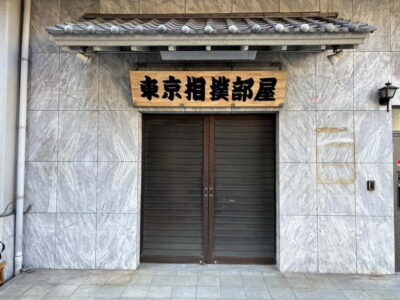
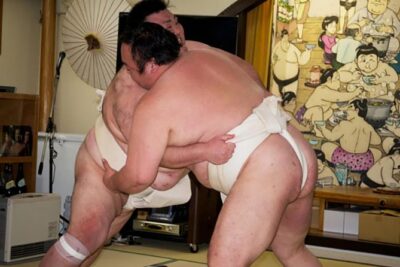
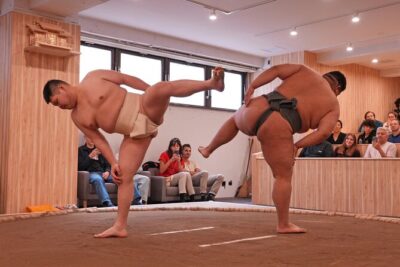
Tokyo Shinjuku Sumo Show & Experience with Photo
Read our review →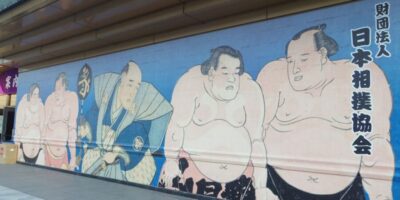
Sumo Show & Experience w/ Optional Kimono & Hot Pot
Read our review →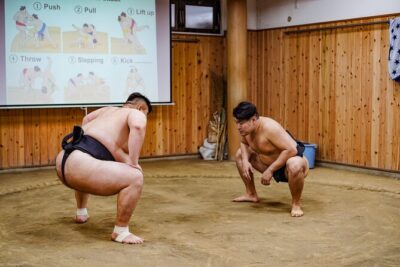
Authentic Sumo Experience in Tokyo: Enter the Sanctuary
Read our review →
Luxury Sumo Show Experience & Japanese cuisine & Drink
Read our review →Browse the lists this tour appears in