
Reviewed · WAGYU & KAISEKI DINING
Tokyo: Wagyu and 7 Japanese Dishes Cooking Class
Tokyo’s Cooking Sun class turns a prized ingredient, Wagyu beef, into the centerpiece of a full Japanese meal rather than a single expensive bite. In about three hours, you prepare eight dishes, from dashi-based soup and appetizers to sukiyaki and dessert, then sit down to eat what you made.
I especially like the small group of no more than eight and the practical teaching. You learn how to make dashi, the base of many Japanese dishes, and get useful advice on ingredients and substitutions for cooking at home. The one drawback is the location: the studio sits in a quiet residential building and can be tricky to find without preparing directions first.
Key points
- Eight dishes in one class: Make a complete meal with appetizers, soup, side dishes, Wagyu, and a Japanese sweet.
- Wagyu in sukiyaki: Cook tender beef in a classic Japanese hotpot-style dish.
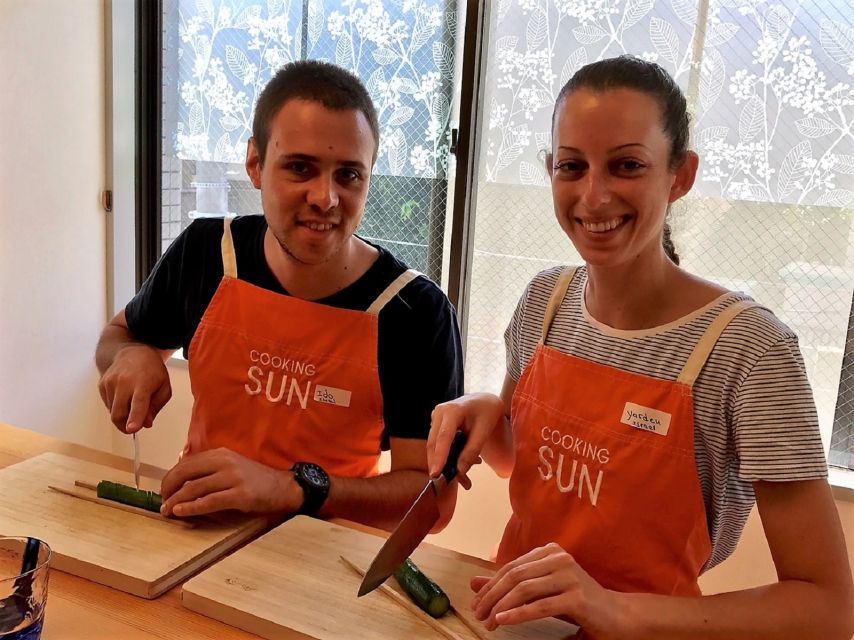
- Useful home cooking skills: Learn dashi, tamagoyaki, cucumber cutting, miso differences, and simple substitutions.
- English-speaking instruction: Teachers such as Yuki, Yuko, Kaori, Bifuka, and Aya have led classes with clear demonstrations and cultural explanations.
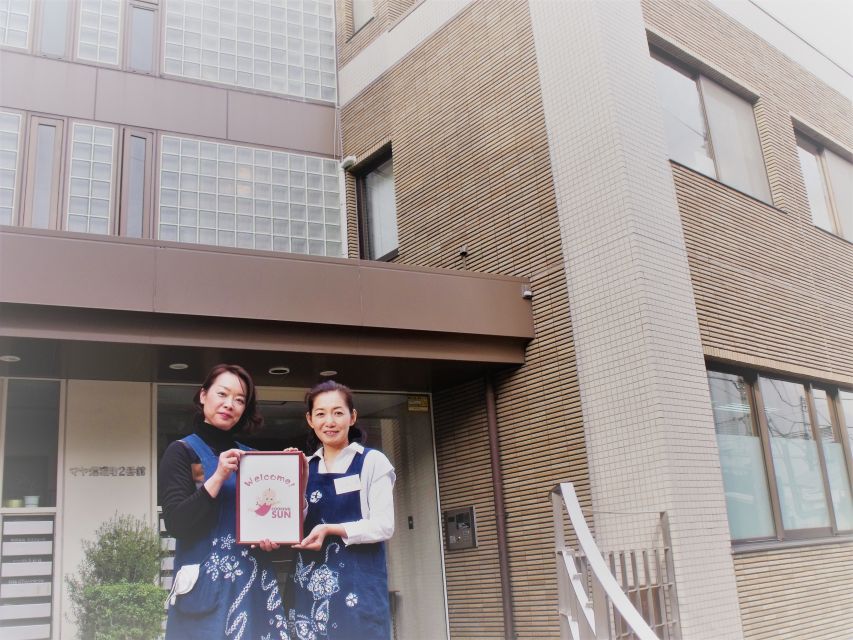
- Residential Tokyo setting: The studio is on the second floor of a beige building in Shinjuku, not in a tourist shopping district.
- Good value at $67: Ingredients, utensils, apron, towel, welcome tea, recipes, instruction, and the meal are included.
What you actually cook in three hours
This is not a sushi-only lesson, and that is part of its appeal. The menu introduces the everyday building blocks of Japanese food, with Wagyu providing the special-occasion centerpiece.
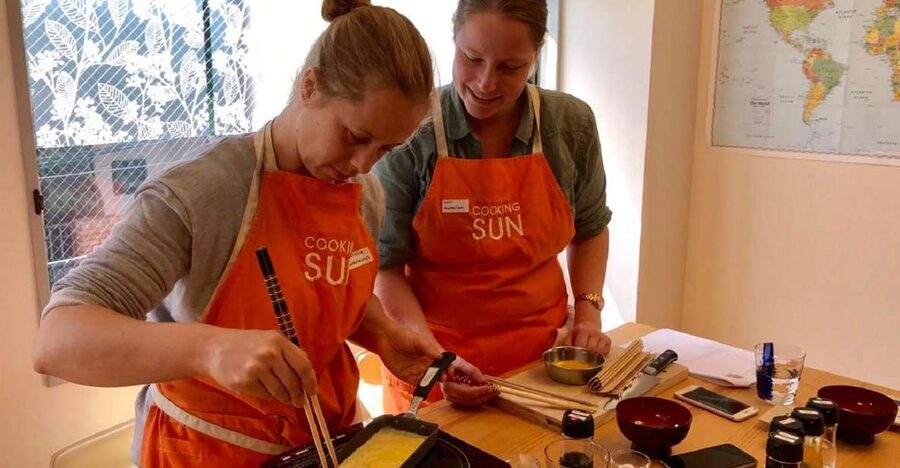
The exact order can vary, but the class has included seven types of dishes plus Wagyu, creating a full-course meal. You may prepare appetizers, soup made with dashi, meat and vegetable dishes, and Japanese sweets. One detailed menu included rolled egg omelet, homemade dashi for miso soup, accordion-cut cucumber salad, sesame potato salad, tofu filled with ground chicken, ginger, and edamame, sukiyaki Wagyu hotpot, and dorayaki made with rice flour.
That is a lot for one session, but the recipes are chosen for beginners. The instructors prepare parts of the work in advance, then give you plenty of hands-on tasks. You are not expected to manage eight complicated recipes alone while a teacher talks at the front.
The result is a useful balance. You learn techniques such as making stock, seasoning soup, shaping an omelet, preparing vegetables, and handling a hotpot. At the same time, the class keeps moving so the meal comes together within the allotted time.
Other long dinners in Tokyo:
- Tokyo Night Foodie Tour in Shinjuku – Seasonal Sushi, Wagyu Beef
★ 5.0 · 1,161 reviews - Small-Group Wagyu Beef and 7 Japanese Dishes Tokyo Cooking Class
★ 5.0 · 190 reviews - Wagyu & Sake Pairing in Shinjuku – Steak, Shabu-Shabu & More
★ 5.0 · 112 reviews
Why the Wagyu course is more than a beef tasting
Wagyu is the headline, but the class does not treat it as the whole lesson. You use it in sukiyaki, a dish built around thinly sliced beef, vegetables, and a sweet-savory sauce. This lets you understand how Japanese cooking uses high-quality meat without burying it under heavy seasoning.
The beef is cooked as part of the group meal, so you get to taste it alongside the other dishes you have prepared. That matters because the class is not simply a restaurant meal with a short demonstration attached. You see how the main ingredient fits into a broader Japanese menu.
Several class participants found the beef especially tender, and one detailed account compared it favorably with Wagyu served at a restaurant. I would still keep your expectations sensible: this is a cooking lesson priced at $67, not an elite Wagyu tasting. The value comes from the combination of premium beef, instruction, several recipes, and lunch.
Dashi, miso, and the everyday side of Japanese cooking
The best part of the class may be the food that is less famous than Wagyu. Dashi teaches you why Japanese soups can taste full and savory without being heavy. You also get a chance to compare white miso and red miso, a small lesson that can make Japanese menus easier to understand during the rest of your trip.
The instructors explain what the ingredients do and why they are used. You can ask about finding similar products outside Japan and about substitutions abroad. That advice gives the class lasting value, especially if you want to recreate the meal at home rather than leave the recipes in a suitcase.
The menu also covers familiar-looking foods in a distinctly Japanese style. Tamagoyaki is not just scrambled egg. Cucumber salad becomes a lesson in cutting and presentation. Potato salad takes on a sesame-seasoned character. These are approachable dishes, but they open a door into home cooking rather than focusing only on restaurant specialties.
Friendly teaching in a group of eight
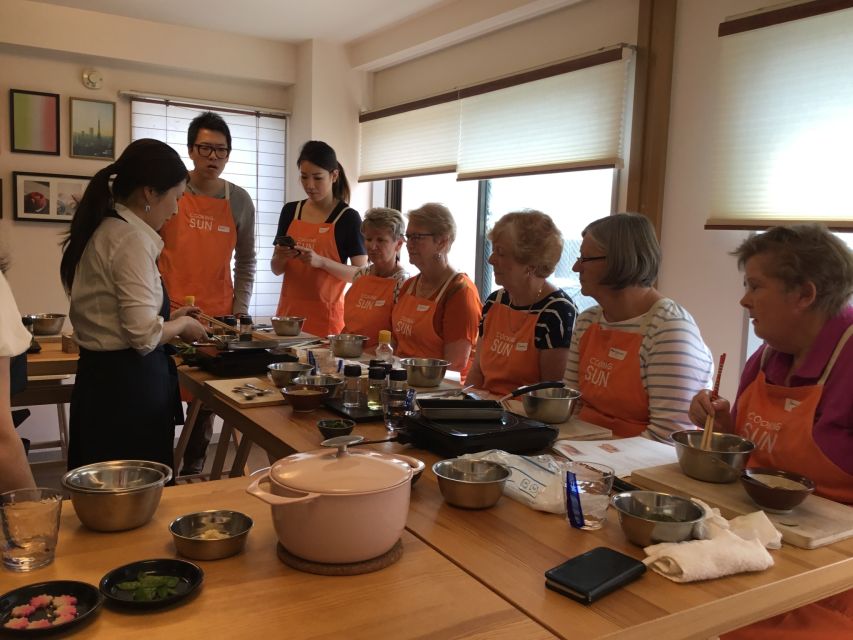
The class is limited to eight people, which is small enough for direct help without making the session feel private or formal. You work alongside other people, and the meal at the end gives the group a natural chance to talk.
English is the teaching language. Instructors have included Yuki, Yuko, Kaori, Bifuka, and Aya, depending on the session. The teaching style is step by step, with demonstrations followed by your own preparation. You should be able to follow along even if you have little experience in a kitchen.
The instructors also explain cultural details, including the background of dishes and ingredients. You might learn not just how to prepare a soup or omelet, but why a particular ingredient appears in the menu and how the dish fits into Japanese meals.
I like that the atmosphere sounds more like a friendly cooking school than a staged performance. The studio is described as clean, bright, and well equipped, with good knives, pans, tables, utensils, aprons, and towels. The team also handles preparation and cleanup, allowing you to spend your time cooking and eating rather than washing every dish.
More cooking in Tokyo:
- Ramen & Gyoza Cooking Class in Tokyo with Local Supermarket Visit
★ 5.0 · 823 reviews - Ramen and Sushi Cooking Class with Sake Pairing Set in Tokyo
★ 5.0 · 291 reviews - Tokyo Washoku 4-hour Cooking Class: From Market to Table
★ 5.0 · 253 reviews - Professional Ramen & Gyoza with Ramen Chef in a restaurant!
★ 5.0 · 223 reviews
The meal at the end is part of the lesson
After the cooking, you sit down and eat the dishes together. This is not an afterthought. It gives you a chance to see how the separate items work as a Japanese meal.
You can compare the flavors, notice the balance between soup, vegetables, meat, and sweets, and ask final questions while the food is fresh. The meal also makes the class a solid choice for a morning or midday activity. Start hungry enough to eat a substantial lunch, but not so hungry that you are distracted during the cooking.
The quantity may surprise you. A complete meal with eight components can be generous, especially if you are not used to eating several small dishes together. That is a pleasant problem, but you may want to plan a lighter meal afterward.
A residential corner of Shinjuku, not a tourist attraction
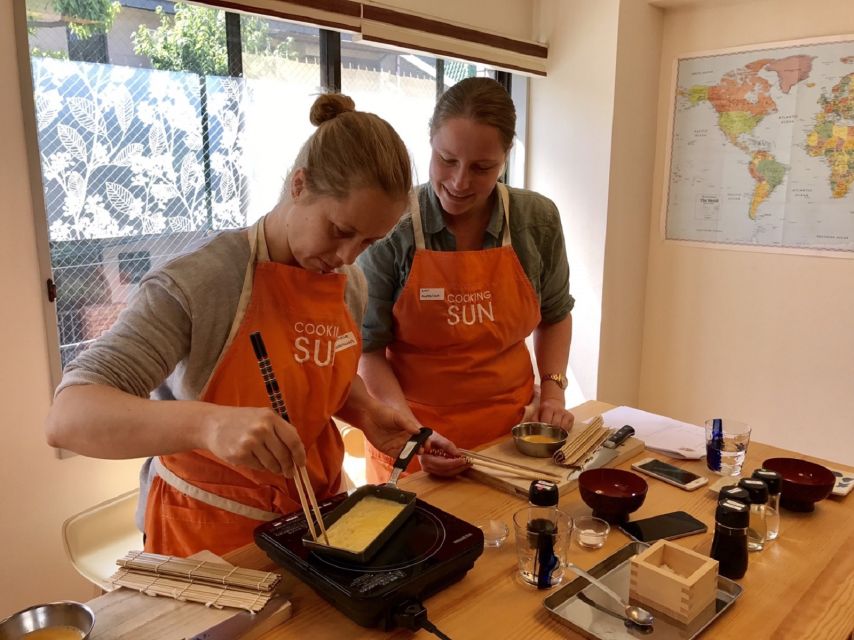
Cooking Sun Tokyo is at Shinanomachi 18-39 in Shinjuku-ku, in a residential area. You will not find a large shopfront or an obvious cooking-school sign. The studio is on the second floor of a beige residential building.
At the entrance are two doors. Use the door on the right, which leads to the studio, and press 314 on the intercom. If you have mobile data, search Google Maps for Cooking Sun Tokyo. If you do not have Wi-Fi, prepare the route before leaving your hotel and check the detailed directions in advance.
This setting is both a small plus and a practical nuisance. You see a quieter, ordinary part of Tokyo that many visitors would otherwise miss. On the other hand, you should not arrive at the last second while trying to locate an unmarked apartment building.
If you hire a private vehicle, do not have the driver wait in front of the building or on the neighborhood street. Use a nearby coin-operated parking lot for waiting. Public transportation or a taxi that drops you off briefly is the simpler plan, but the supplied information does not specify a particular station or route, so check your own map carefully.
Is $67 a fair price?
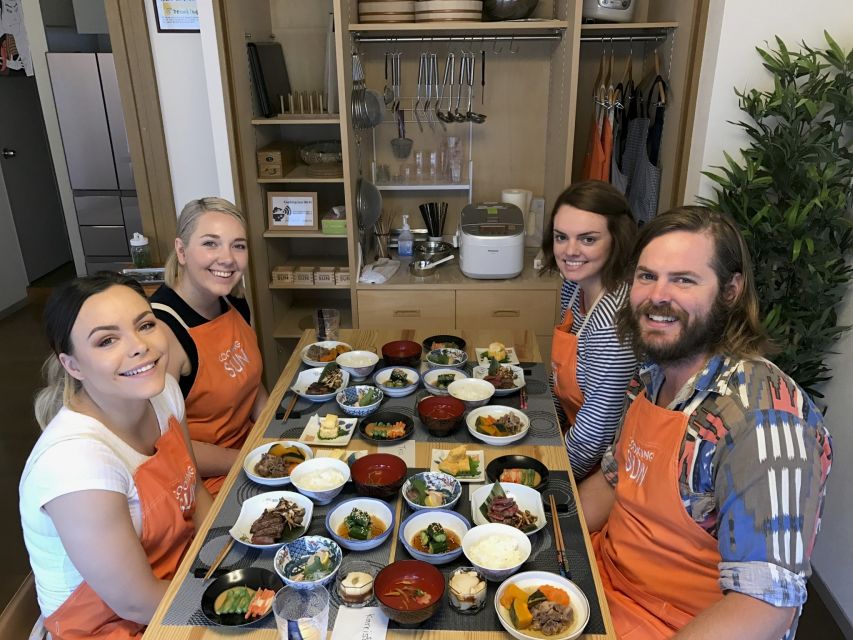
At $67 per person, the price is strong for what is included. You receive all ingredients and utensils, a welcome tea, apron and towel rental, English instruction, recipes, and a complete meal. You are also paying for a small group rather than a large demonstration.
The value is clearest if you care about skills. A Wagyu dish alone might be the main attraction, but the class also teaches soup stock, seasoning, preparation, presentation, and several recipes you can use again. The recipes and substitution tips help turn a pleasant holiday activity into something practical.
It is less compelling if you want a quick tasting or a polished restaurant experience. Much of the three hours involves chopping, mixing, cooking, waiting, and cleaning as a group. That is exactly the point of a cooking class, but it may feel slow if you prefer to be served.
Who should book this class?
I would recommend it to couples, solo visitors, families with older children, and anyone who likes food but does not consider themselves an expert cook. The instructions are designed for beginners, and the tasks are hands-on without being overly difficult.
It also suits people who do not eat fish. The Wagyu menu focuses on beef and other ingredients, and the course can be a useful option if you want Japanese food without booking a seafood-centered experience.
Families should note that one 11-year-old participant was able to take part and enjoyed the meal, but the activity is still a three-hour cooking session. Children who like preparing food should have fun. Children who need constant movement may find the pace demanding.
Solo visitors should feel comfortable booking. The small group gives you people to talk with, and the cooking itself provides an easy social setting without requiring you to arrive with a companion.
This is also a good first-day activity. Learning about dashi, miso, everyday dishes, and meal customs can help you understand restaurant menus during the rest of your time in Japan. You may start noticing ingredients and preparation methods that would otherwise pass by unnoticed.
Dietary requests and what to bring
Dietary substitutions are available for food allergies, gluten-free diets, religious restrictions, vegetarian preferences, and other needs. Tell the operator about your requirements when booking, not at the door. The earlier the kitchen knows, the easier it is to adjust the ingredients.
The class provides the food, tools, apron, towel, and welcome tea. You do not need to bring cooking equipment. You should bring your booking details and, most importantly, clear directions to the studio if you will not have mobile service.
Wear something comfortable for a kitchen setting. The supplied information does not list a formal dress code, so practical clothing is the sensible choice.
Cancellation is free up to 24 hours before the activity for a full refund, and you can reserve now and pay later. Starting times vary, so check availability for your chosen date.
My call: a worthwhile Tokyo food lesson
Book this class if you want more than a Wagyu sample. The strongest parts are the friendly English instruction, the range of dishes, the small group, and the practical lessons you can repeat at home. You leave with recipes, a better grasp of dashi and miso, and the satisfaction of eating a meal you helped make.
Skip it if you want a short, luxury-focused beef tasting or if you dislike structured kitchen work. For most food-minded visitors, though, $67 buys a well-rounded three hours in Tokyo, with enough cooking to feel involved and enough guidance to keep beginners comfortable.
FAQ
How long does the Wagyu and Japanese dishes cooking class last?
The activity lasts three hours. The hands-on cooking portion takes about two and a half hours, followed by time to eat the meal you prepared.
How many dishes do I make?
You prepare eight dishes in total, with Wagyu as the main highlight. The menu includes appetizers, dashi-based soup, meat and vegetable dishes, and a Japanese sweet.
Is the class taught in English?
Yes. The instructors teach in English and explain the cooking steps, ingredients, and cultural background of the dishes.
What is the maximum group size?
The class is limited to eight participants.
Is Wagyu included in the price?
Yes. Wagyu is included as part of the cooking menu, prepared in a sukiyaki-style hotpot dish.
Are ingredients and cooking equipment included?
Yes. Ingredients and utensils are included, along with apron and towel rental and a welcome tea.
Can dietary requirements be accommodated?
Yes. Substitutions can be made for allergies, gluten-free diets, religious dietary restrictions, vegetarian preferences, and other needs. You must provide this information when booking.
Where is the Cooking Sun Tokyo studio?
The studio is at Shinanomachi 18-39, Shinjuku-ku, Tokyo, in a residential building. It is on the second floor of a beige building. At the entrance, use the right-side door and press 314 on the intercom.
Can I cancel for a full refund?
Yes. You can cancel up to 24 hours in advance for a full refund. The activity also offers a reserve-now, pay-later option.
Just added in Tokyo
- Wagyu & Sake Pairing in Shinjuku – Steak, Shabu-Shabu & More★ 5.0 · 112 reviews
- Small-Group Wagyu Beef and 7 Japanese Dishes Tokyo Cooking Class★ 5.0 · 190 reviews
- Nikko: Edo Wonderland Edomura Cultural Theme Park Ticket★ 4.3 · 205 reviews
- 《MEMBERS-ONLY-BAR-HOPPING》Discover Your Special Whiskey in Tokyo!★ 5.0 · 29 reviews
- Japanese Whisky Hunting《HIGH-QUALITY-ONLY》Rare Tasting Class★ 5.0 · 20 reviews
- Luxury Tokyo Sake, Cocktail, Whisky and Pairing Tour★ 5.0 · 18 reviews
- From Tokyo: Private Tour to Fuji/Hakone – Onsen, Art, Nature★ 5.0 · 116 reviews
- Tokyo: KABUKI Show at Kabukiza Theatre Admission Ticket★ 4.8 · 152 reviews
Wagyu & Kaiseki Dining, compared.
Tokyo Night Foodie Tour in Shinjuku – Seasonal Sushi, Wagyu Beef
Read our review →
Small-Group Wagyu Beef and 7 Japanese Dishes Tokyo Cooking Class
Read our review →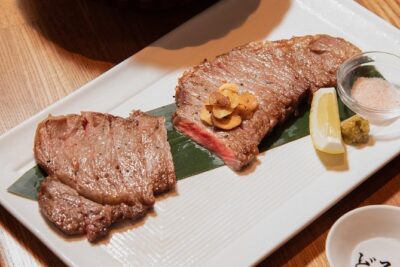
Wagyu & Sake Pairing in Shinjuku – Steak, Shabu-Shabu & More
Read our review →Browse the lists this tour appears in