
Reviewed · SUMO EXPERIENCES
Tokyo:Luxury Sumo Show Experience & Japanese cuisine & Drink
The best part of this two-hour Asakusa show is how quickly an unfamiliar sport becomes easy to follow. You see a geisha dance, learn the basic rituals and rules from a lively English and Japanese host, then watch retired wrestlers perform close to a real ring. I especially like the clear explanations and the chance to ask questions, plus the friendly sumo challenge that lets you test your courage without taking the sport too seriously.
The meal adds real value, particularly the A5 wagyu sukiyaki and chanko hot pot, and the staff make a strong effort with families, couples, and solo visitors. The main consideration is that this is polished entertainment, not a morning visit to an active sumo stable. Food may also arrive less hot than some diners expect, and the price feels best if you choose a seating level that matches your appetite for drinks and extras.
Key points to know before booking
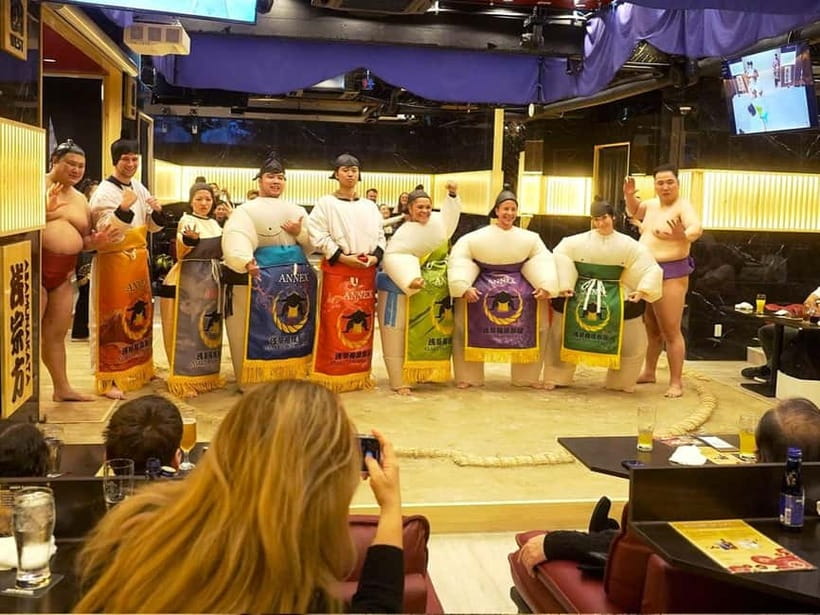
- A real ring sits in the center of the restaurant, putting the action close to every seating area.
- Live commentary in English and Japanese explains the rules, training moves, rituals, and comedy behind the bouts.
- The geisha dance opens the show, followed by a photo opportunity before the sumo program begins.
- A5 wagyu sukiyaki, chanko hot pot, and matcha dessert are included, with tempura added for Business and First Class.
- The sumo challenge is voluntary, but places may be assigned by lottery if many people want to participate.
- Seat choice matters: Standard includes one drink, Business includes unlimited drinks, and First Class adds front-row seats, premium Yamazaki whisky, and a happi coat souvenir.
Why this Asakusa sumo show works for first-time visitors
Sumo can look mysterious if you do not know what to watch for. The wrestlers stamp, throw salt, stare each other down, and sometimes spend more time preparing than fighting. That is part of the sport, but without context, the rituals can be hard to read.
This show gives you the basic tools first. The host explains the history, rules, training techniques, and meaning behind the pre-bout actions in English and Japanese. The tone is light, with plenty of humor, but the explanations help you notice the balance, footwork, force, and strategy once the bouts begin.
The format is made for visitors who want an introduction rather than a formal sporting event. You are not expected to know Japanese or understand the full structure of professional sumo. The host brings the room along, and the wrestlers demonstrate moves in a way that is easy to follow.
The setting also helps. The Asakusa Sumo Club Annex is the more intimate branch of the main Asakusa Sumo Club, with a private, comfortable feel and a ring in the middle of the restaurant. You are close enough to see the action clearly, even though the experience has a restaurant-show format rather than the scale of a major tournament.
Other ways to see sumo in Tokyo:
- Tokyo: Sumo Show Experience with Chicken Hot Pot and a Photo
★ 4.8 · 6,678 reviews - Tokyo: Sumo Show and Dining Experience
★ 4.8 · 2,742 reviews - the SUMO show
★ 5.0 · 1,960 reviews
From geisha dance to the first sumo lesson
The evening begins with a graceful Japanese dance performed by a geisha. This gives the show a change of pace before the louder, more comic sumo section. The dance is short enough not to dominate the program, but it adds a traditional Japanese performance that you would not get from a sumo demonstration alone.
Afterward, you can take a photo with the geisha before the main lesson starts. This is a useful moment for families and couples who want a formal picture, and staff are accustomed to helping with photographs.
The host then introduces sumo culture and the structure of the show. Named hosts such as Luke and Go have been praised for their strong English and easy crowd interaction. You can expect questions from the audience, explanations during the demonstrations, and a relaxed style rather than a lecture.
I like this order because it gives the evening some shape. You begin with ceremony, move into explanation, and then see the information put into action. You also have a chance to ask questions, so it is worth arriving with one or two things you want to understand, such as why wrestlers use salt or how a bout is won.
What the sumo bouts really show you
The wrestlers are retired sumo performers, and the show is designed for entertainment. That distinction matters. You are seeing trained performers demonstrate sumo techniques and stage bouts for an audience, not watching an official tournament or observing active wrestlers at a stable.
Still, the demonstrations give you a useful look at the physical side of the sport. You see training movements, holds, pushing techniques, and the explosive action of a bout at close range. The wrestlers also play to the room, so expect humor, exaggerated reactions, and plenty of interaction.
This is not a quiet cultural display. The appeal comes from the combination of information and laughter. The wrestlers are approachable, and the host keeps the pace moving so younger children do not have to sit through a long technical explanation.
The show also leaves room for questions. If you want more than the basic rules, use the question-and-answer time. Some visitors found this one of the most useful parts of the evening because it turns a prepared performance into a conversation.
The sumo challenge: fun, limited, and not guaranteed
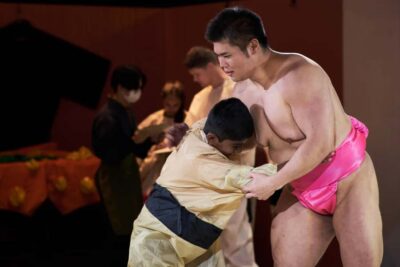
The chance to enter the ring is one of the most memorable parts of the experience. Volunteers can face a sumo wrestler in a friendly challenge, with the host guiding the activity so it remains safe and entertaining.
You do not need to be an athlete. The point is to feel the size and strength of the sport, then laugh at how difficult it is to move a trained wrestler. Children and teenagers can take part, and the challenge has been especially popular with families.
There is one important catch: the number of challengers is limited. If many people volunteer, names are selected by lottery. Do not book this experience assuming you will wrestle. Treat participation as a bonus, not a promised part of the ticket.
If you are selected, staff help with photographs and video. Solo visitors should not worry about being left without pictures, since staff can assist with the camera. Everyone else can still watch the challenge from the dining area and enjoy the comedy.
Same base, a different sort of day:
- Mt Fuji and Hakone 1-Day Bus Tour Return by Bullet Train
★ 5.0 · 26,383 reviews - 1-Day Tokyo Bus Tour
★ 5.0 · 14,250 reviews - Tokyo: TOKYO SKYTREE® Admission ticket
★ 4.5 · 11,192 reviews - Tokyo: teamLab Planets TOKYO Digital Art Museum Entry Ticket
★ 4.6 · 9,779 reviews
What comes to the table: wagyu, chanko, and matcha
The included meal is more substantial than a small snack served between performances. You receive a sukiyaki bento made with Japanese A5 rank wagyu beef, chanko-nabe hot pot, and a matcha dessert.
Sukiyaki brings thin slices of richly marbled beef cooked in a sweet-savory style. Chanko is closely linked with sumo wrestlers and is traditionally known as a hearty hot pot. Here, it gives you a warm, filling dish alongside the beef rather than leaving the meal dependent on one course.
Food quality is generally one of the strongest parts of the package, though expectations should stay practical. This is a meal served during a busy show, not a long restaurant tasting menu. One diner found the food needed to be hotter, so if temperature matters to you, eat as dishes arrive rather than waiting through a long part of the performance.
Business and First Class include tempura as an extra course. Standard seating includes the sukiyaki meal, chanko hot pot, and one complimentary drink. Matcha dessert is included across the meal offering.
Vegetarian and vegan meals can be arranged, but you must request them at least two days before the reservation date. A same-day request cannot be accommodated because the ingredients are prepared in advance. Gluten-free and halal meals are not available, although you may bring your own food if needed.
Choosing between Standard, Business, and First Class
Your seat category changes both the comfort and the value of the evening.
Standard table seats are the sensible choice if you mainly want the show and meal. You receive a clear view, the sukiyaki and chanko meal, matcha dessert, and one free drink. Additional drinks cost extra. At the listed price of $103 per person, confirm exactly which category your booking covers, since the inclusions differ by seat.
Business sofa seats make more sense if you plan to drink during the entire program. You receive sukiyaki, tempura, chanko hot pot, and unlimited drinks. The sofa seating gives you a more relaxed place to spend the two hours, and the unlimited drinks can improve the value for adults who want beer, sake, whisky, or soft drinks.
First Class front-row sofas put you closest to the ring. This package includes the same fuller meal, unlimited drinks, premium Japanese whisky such as Yamazaki, and an exclusive souvenir set with a happi coat. It is the right pick if front-row proximity, premium drinks, and keepsakes matter more than keeping the cost down.
I would not automatically pay for First Class just because the name sounds grand. The show is designed to be visible from the standard area. Choose it for the front-row atmosphere and extras, not because you need it to understand the performance.
The Business category may offer the most practical upgrade for some adults. Tempura and unlimited drinks add clear value, while the sofa seating helps during a meal-and-show format. Families may prefer Standard unless they want the larger meal or a more relaxed seat.
How the atmosphere suits families and solo visitors
This is one of the easier evening activities in Tokyo to share across age groups. Children can follow the humor and demonstrations even if they know nothing about sumo. The explanations are short and visual, and the audience is invited to respond rather than simply sit in silence.
Seven-year-olds and teenagers have taken part in the fun, and the ring challenge can become a highlight for a family. Younger children may need help staying focused during the meal and explanations, but the program has enough movement and comedy to hold attention better than a formal cultural lecture.
Couples get a ready-made evening with dinner, performance, photos, and drinks. Solo visitors also fit in well. The staff can help with photos, and the question-and-answer portions give you a natural way to join the room without needing a companion.
The room may seat you with other parties. That can make the experience feel social, but it also means the venue is not a private dinner for your own group. If you want quiet conversation or complete privacy, this is not the right setting.
Location, timing, and small practical concerns
The meeting point is along Asakusa Kokusai Street, next to Matsuya Restaurant. Pay close attention to the exact venue name because the Annex is separate from the popular main Asakusa Sumo Club. One visitor went to the wrong location first and was helped over to the Annex, but it is easier to check the address before setting out.
The show lasts two hours, with starting times varying by date. A late evening slot can work well after sightseeing in Asakusa. One useful idea is to arrive early enough to see nearby Asakusa streets or visit the temple area before the show, especially if you have booked a later time.
The venue is not wheelchair accessible because of stairs. It is also not suitable for babies under one year. If you have mobility concerns, contact the operator before booking rather than assuming the seating area is step-free.
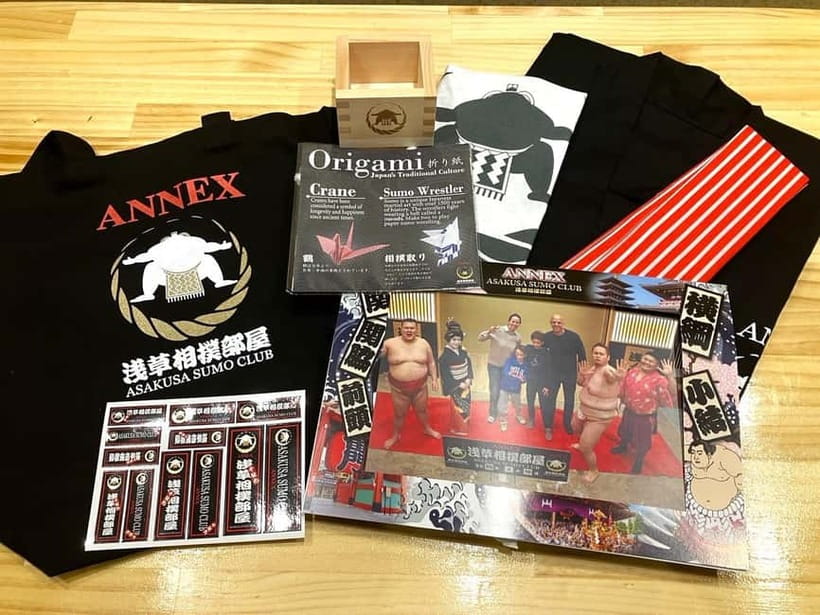
Souvenirs vary by season and seating category. All categories include some form of special gift, while First Class includes the more elaborate set with a happi coat. You also receive a printed commemorative photo with the wrestlers, which is a better keepsake than relying only on your phone.
Is $103 a fair price?
At $103 per person, the value depends on what you compare it with. You are not paying only for a meal or only for a performance. The package combines a bilingual cultural introduction, live sumo demonstrations, a geisha dance, dinner, drinks depending on the category, photos, and souvenirs.
Standard is easier to judge as a dinner show with one drink. Business and First Class need more careful thought because their value depends on how much you use the drinks, how much you care about tempura and front-row seating, and how important the souvenirs are to you.
The price may feel high if you want a serious look at professional sumo or a simple inexpensive meal. It becomes more reasonable if you want an easy, all-in-one evening that works for a mixed-age group and removes the language barrier.
I would also compare the cost with the time involved. Two hours is long enough to feel like a proper event but short enough to fit into a busy Tokyo schedule. You do not need to organize separate dinner, cultural entertainment, and a photo opportunity.
Who should book this experience
I would recommend it most strongly to first-time visitors who want to understand sumo without attending a tournament. It is also a good fit for families, couples, solo visitors, and anyone who prefers an interactive evening to a passive show.
Book it if you want:
- Clear English explanations of an unfamiliar sport
- A filling Japanese meal during the performance
- A friendly chance to ask questions and take photos
- Entertainment suitable for children and adults
- A cultural evening in Asakusa with several different elements
Think twice if you want to watch active wrestlers train in a serious stable setting. This show uses retired wrestlers and a playful format, so it is closer to a cultural dinner theater experience than an authentic morning practice.
Should you book the Asakusa Sumo Club Annex?
Yes, if your goal is a cheerful, accessible introduction to sumo with good food and plenty of interaction. The best features are the bilingual explanations, the close ring, the warm staff, the geisha dance, and the chance to take home photos and souvenirs.
Choose Standard for the basic experience, Business if unlimited drinks and sofa seating matter, and First Class only if you want the front row and premium extras. Request vegetarian or vegan food at least two days ahead, check the Annex location carefully, and remember that the ring challenge is decided by lottery.
For a serious training visit, choose another activity. For a well-organized evening that helps you understand sumo while giving you dinner and a few laughs, this is a strong choice in Asakusa.
FAQ
How long does the sumo show last?
The experience lasts two hours.
Where is the meeting point?
The meeting point is along Asakusa Kokusai Street, next to Matsuya Restaurant.
Is the commentary available in English?
Yes. Live commentary is provided in English and Japanese throughout the show.
What food is included?
The meal includes a Japanese A5 wagyu beef sukiyaki bento, chanko-nabe hot pot, and matcha dessert. Tempura is additionally included for Business and First Class seats.
Can I participate in the sumo challenge?
You may volunteer to enter the ring, but the number of challengers is limited. If too many people want to participate, the final participants are selected by lottery.
Are vegetarian or vegan meals available?
Yes, but you must request a vegetarian or vegan meal at least two days before the reservation date. Same-day requests cannot be accommodated.
Is the venue wheelchair accessible?
No. The venue has stairs and is not wheelchair accessible. It is also not suitable for babies under one year.
Just added in Tokyo
- Nikko: Edo Wonderland Edomura Cultural Theme Park Ticket★ 4.3 · 205 reviews
- 《MEMBERS-ONLY-BAR-HOPPING》Discover Your Special Whiskey in Tokyo!★ 5.0 · 29 reviews
- Japanese Whisky Hunting《HIGH-QUALITY-ONLY》Rare Tasting Class★ 5.0 · 20 reviews
- Luxury Tokyo Sake, Cocktail, Whisky and Pairing Tour★ 5.0 · 18 reviews
- Wagyu & Sake Pairing in Shinjuku – Steak, Shabu-Shabu & More★ 5.0 · 112 reviews
- Small-Group Wagyu Beef and 7 Japanese Dishes Tokyo Cooking Class★ 5.0 · 190 reviews
- Tokyo Cyberpunk Street Photo Tour★ 5.0 · 165 reviews
- From Tokyo: Private Tour to Fuji/Hakone – Onsen, Art, Nature★ 5.0 · 116 reviews
Sumo Experiences, compared.
Sumo Show Experience with Chicken Hot Pot and a Photo
Read our review →
Tokyo Shinjuku Sumo Show & Experience with Photo
Read our review →
Sumo Show & Experience w/ Optional Kimono & Hot Pot
Read our review →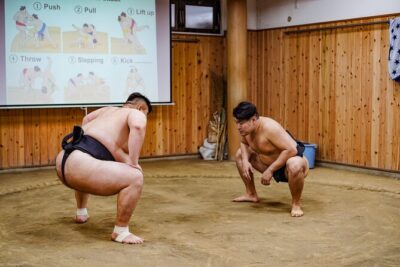
Authentic Sumo Experience in Tokyo: Enter the Sanctuary
Read our review →Browse the lists this tour appears in