
Reviewed · HIROSHIMA & MIYAJIMA DAY TRIPS
Hiroshima Peace (Heiwa) Walking Tour at World Heritage Sites
Hiroshima’s Peace Park is most powerful when someone helps you connect its monuments to real lives. This five-hour walk moves from the atomic bombing and its victims toward the city’s rebuilding, with a local guide such as Yuji, Kaori, Hiro, or Etsuko adding human detail that signs alone cannot provide.
I like the small group limit of eight, which gives you room to ask questions, and I like the thoughtful route from the museum to the Cenotaph, Children’s Peace Monument, Atomic Bomb Dome, and Orizuru Tower. Lunch and both main entrance fees are included, a useful touch at $94.84.
The main drawback is the pace and subject matter. You will walk for much of the day, and some museum displays are graphic. Crowding can also affect the museum visit, especially at busy times, and the main exhibit may require a long wait.
Key points to know before booking
- Five hours of serious history: The tour gives you time for the museum, memorials, city views, lunch, and conversation.
- A guide-led human perspective: Guides including Yuji, Hiro, Kaori, Etsuko, Yasue, and Tommy have been praised for clear explanations and personal warmth.
- Up to eight people: This is small enough for questions without the cost of a fully private tour.
- Orizuru Tower changes the view: Its panorama lets you see how modern Hiroshima grew around places tied to the bombing.
- Lunch and entry fees are included: That makes the price easier to judge, especially in a city where you may otherwise pay separately for the museum and tower.
- Walking is central: The tour is not a good fit if you have mobility problems, and hot weather can make the route demanding.
Hiroshima’s story begins with the people, not just the bomb
The usual mistake in Hiroshima is to treat the Peace Park as a checklist of famous structures. You photograph the Atomic Bomb Dome, enter the museum, and move on. This tour works better because it links those places in a clear order and gives you someone to explain what happened to the people of the city.
The focus is not only the attack on August 6, 1945. You also hear about the suffering that followed, the effects on later generations, and the long work of rebuilding daily life. That wider view matters. Hiroshima is not frozen in one terrible morning, and the tour makes room for its present-day identity.
The strongest guide reports come from people who explain difficult material with care. Yuji is repeatedly praised for his warmth and command of both Hiroshima’s past and Japanese culture. Hiro brings a local connection and a strong wish to teach for peace. Etsuko has been singled out for personal stories, empathy, and small gestures such as giving guests a paper-crane card.
Guide assignments can change, so you should not book on the assumption that one particular person will lead your group. Still, the range of praised guides suggests that MagicalTrip has built a solid training and selection process.
Other walking tours in Hiroshima people book:
- Hiroshima Historical Walking Tour – Why A-Bomb was Dropped
★ 4.8 · 893 reviews - Hiroshima City 4hr Private Walking Tour with Licensed Guide
★ 5.0 · 437 reviews - Hiroshima Walking Tour Why A Bomb was dropped to Hiroshima
★ 5.0 · 347 reviews
Peace Memorial Museum: the emotional center of the morning
The Hiroshima Peace Memorial Museum receives about an hour on the route. That is enough for a focused visit, but not enough to examine every display at length. I would treat the guide’s explanation as a frame for the museum, then spend your independent attention on the objects and accounts that affect you most.
Expect difficult material. Some exhibits contain graphic imagery, and the experience can be upsetting for young children or anyone who finds war museums especially hard. Tell your guide if you have concerns. A sensitive guide can help you decide how to handle the visit without turning the experience into a race through painful displays.
The museum is also where crowd levels matter most. At busy periods, you may have to wait for the principal exhibit, and one reported experience found that the wait could exceed an hour. That is an important limitation for anyone booking mainly to see one particular section.
The tour still has value during a crowded visit because your guide can explain the setting, answer questions, and connect the museum to the outdoor memorials. But if the museum is your only priority, consider visiting independently at another time as well. This five-hour experience includes more than the museum, and the schedule cannot control every queue.
The Cenotaph and Children’s Peace Monument
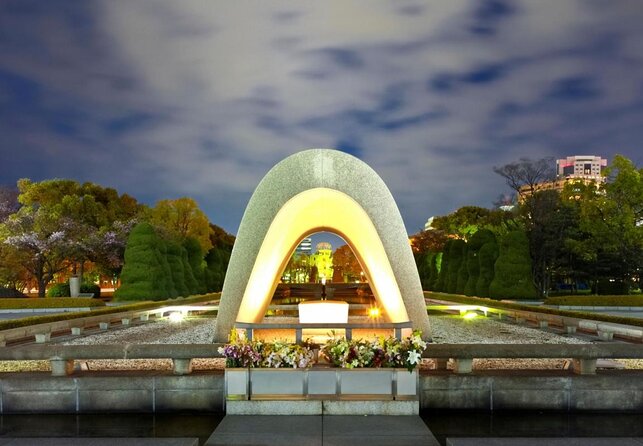
After the museum, the route pauses at the Hiroshima Peace City Monument, better known as the Cenotaph for the Atomic Bomb Victims. You get about five minutes here, so this is a short stop rather than a long lecture. Your guide explains the purpose of the monument and helps place it within the design of Peace Memorial Park.
The Children’s Peace Monument receives about ten minutes. Its meaning is tied to young victims and to the paper-crane tradition associated with peace. This is one of the places where a guide’s tone matters as much as the facts. The stop can feel simple at first, but the background gives it weight.
The time at each memorial may feel brief if you want to reflect alone. That is the trade-off of a group route: you gain structure and context, but you follow a shared schedule. I like that the tour does not linger only in the museum. Moving outside gives you a chance to process what you have seen while walking through the park.
Atomic Bomb Dome: seeing the physical evidence
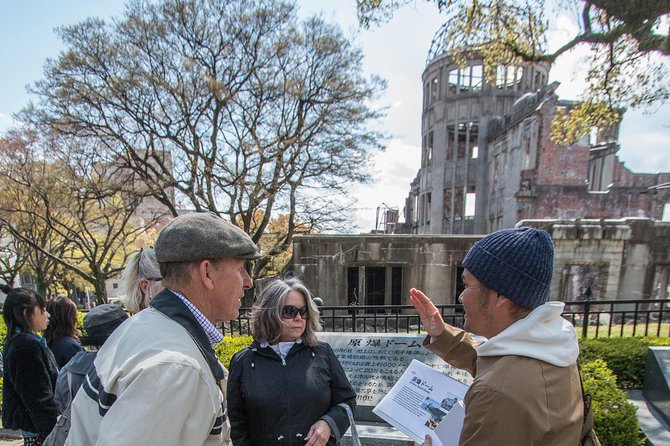
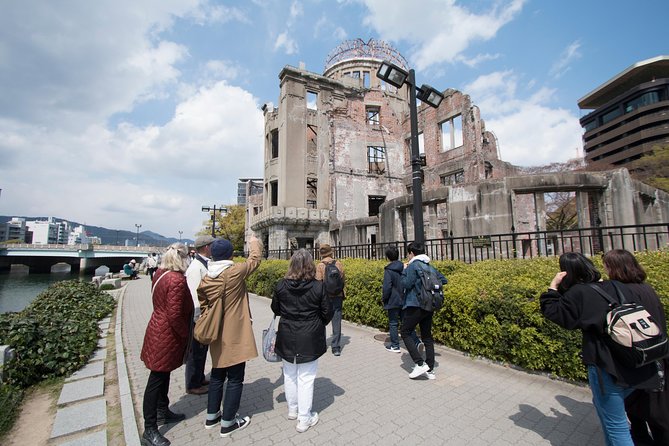
The Atomic Bomb Dome is one of Hiroshima’s most recognizable sites, but a photograph does not explain its force. Your guide describes the building’s connection to the bombing at 8:15 on August 6, 1945, and why it remains such an important reminder of war and peace.
The stop lasts around fifteen minutes. You view the structure from outside rather than treating it like an ordinary attraction. The damaged frame is stark, and its location near the river makes the contrast with present-day Hiroshima particularly clear.
This is also a good point to ask questions that may not occur to you while reading museum panels. Guides such as Yasue have been praised for answering carefully and adding context beyond the posted information. That is the real reason to choose a walking tour here. The buildings and monuments are accessible without a guide, but the connections between them are much harder to build on your own in a single morning.
Other long days west of Hiroshima:
- Peaceful Hiroshima & Miyajima UNESCO 1 Day Bus Tour
★ 5.0 · 5,309 reviews - Hiroshima: Hiroshima and Miyajima UNESCO Sites 1-Day Tour
★ 4.9 · 2,330 reviews - Hiroshima / Miyajima Full-day Private Tour with Government Licensed Guide
★ 5.0 · 1,298 reviews - Hiroshima in a Nutshell: Morning Bike Adventure
★ 5.0 · 524 reviews
Orizuru Tower brings the story into modern Hiroshima
The route finishes near Orizuru Tower, where you have lunch and access to the observatory. The tower offers a panoramic view of modern Hiroshima, creating a useful contrast with the museum and Dome. You can look across a living city rather than leaving with the impression that Hiroshima exists only as a memorial.
The tower stop is listed at about thirty minutes, including lunch. That is not a leisurely restaurant meal with unlimited time, but it gives you a pause after the heavier parts of the route. The included meal is often described as tasty, and one account praised a local restaurant setting and another mentioned a brewery and restaurant finish. The exact meal location or menu may vary, so think of lunch as part of the tour’s practical rhythm rather than a major food event.
You do not need to pay for the guide’s food or drinks. Additional food and drinks are extra. Dietary planning takes some care: gluten-free requests cannot be accommodated, vegetarian choices are limited, and allergy-free meals cannot be guaranteed because the food is prepared in kitchens outside MagicalTrip. Tell the company about allergies or dietary needs at least one day ahead, but understand that substitutions may not be possible.
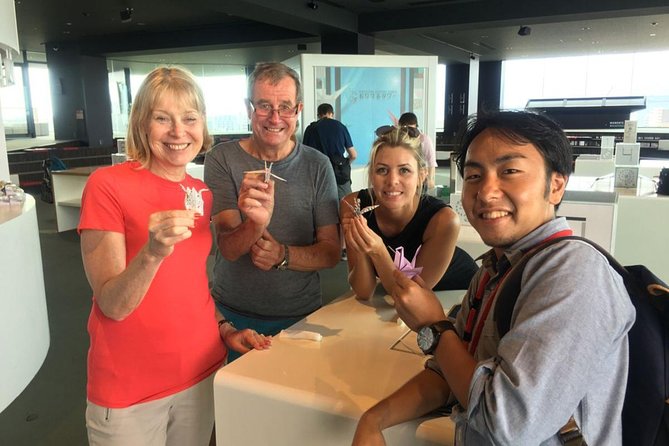
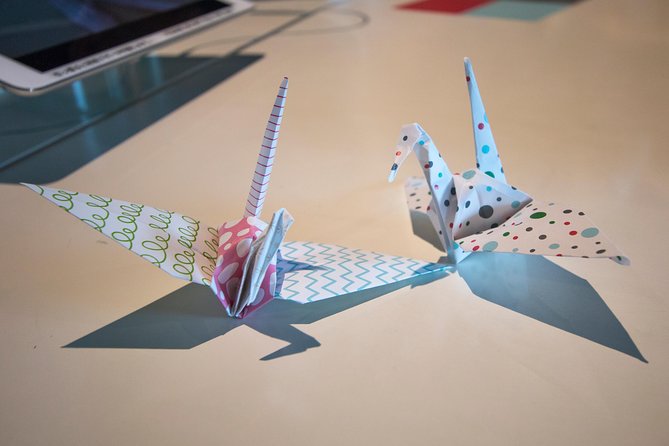
A paper crane activity or crane-related detail may also form part of the experience, depending on the guide and route. The crane is a fitting symbol here, but you should not assume a particular craft activity is guaranteed unless it is confirmed for your date.
Why a small group changes the experience
A maximum of eight people is one of the tour’s best features. You are not trying to hear a guide across a large crowd, and questions can be handled as they arise. That matters in Hiroshima because the most useful explanations often come from follow-up questions about family life, rebuilding, and the city today.
The group format also keeps the cost below a private tour while preserving some personal attention. The guide can take photos, help with navigation, and adjust explanations to the group’s interests. Several guide reports praise this combination of warmth, patience, and detailed history. One guide was credited with anticipating questions, while another helped guests move through different stops without confusion.
The compromise is flexibility. You cannot spend an extra hour at the museum or abandon the route when a particular exhibit catches your attention. If everyone in your party wants a private pace, or if someone walks slowly, a private tour may be the wiser choice.
Is $94.84 a fair price?
At $94.84 per person, this is not the cheapest way to see Peace Memorial Park. You can visit several outdoor monuments on your own for little or no cost, and public transport around central Hiroshima is manageable.
The price becomes easier to justify because it includes the Peace Memorial Museum, Orizuru Tower, lunch, a certified guide, and tour photos. You are paying for interpretation and organization as much as admission. The guide helps you fit the museum, memorials, Dome, tower, and meal into roughly five hours without spending your day working out the order.
I see the strongest value for first-time visitors who want historical context but do not want to handle the emotional and practical load alone. It is also useful if you have only one day in Hiroshima and want the main peace sites arranged efficiently.
If you already know the history well, prefer long independent museum visits, or are watching every yen, you may find the price harder to defend. In that case, visit the park and museum on your own, then choose a shorter guided experience only if you want local conversation.
Walking, weather, and practical limits
The meeting point is at MontbellJapan in Kamiyacho. The tour finishes near Orizuru Tower, close to the lunch restaurant and near Chishaku-in Temple. It is near public transportation, but the route itself is primarily on foot.
The company does not recommend this activity for people with mobility issues. Even though some descriptions call the walk easy and relaxed, five hours of moving between sites can be tiring. Wear comfortable shoes and plan around the season.
Hiroshima summers can be extremely hot and humid, with temperatures sometimes reaching 40°C. Bring water and a hat. Winter can also be cold, with lows listed as low as -5°C, so dress for the forecast rather than relying on the mild image many people have of Japan.
The tour requires good weather. If poor conditions force cancellation, you are offered another date or a full refund. For your own cancellation, you can receive a full refund if you cancel at least 24 hours before the start time. Last-minute changes are not accepted.
Who will get the most from this Hiroshima walk?
I would choose this tour if you want a guided introduction to Hiroshima’s peace sites, especially on a first visit. Families with older children may appreciate the clear route and short outdoor stops, but parents should consider the museum’s graphic material before booking.
It also suits visitors who care about personal stories and modern Hiroshima, not just military dates. The strongest guide experiences add everyday Japanese culture, local perspective, and the city’s rebuilding to the central history.
I would hesitate if you have limited mobility, strict dietary restrictions, or a strong need to explore the museum at your own pace. Vegetarians may find some options, but the company warns that choices are limited, and gluten-free meals are not available.
Should you book the Hiroshima Peace Walking Tour?
Book it if you want the major Hiroshima sites explained in a humane, well-organized half-day, and if lunch, entry fees, photos, and a small group matter to you. The high 5 out of 5 rating from 872 ratings and 99 percent recommendation point to a consistently strong experience, especially for guide quality.
Go in with realistic expectations. The museum may be crowded, the subject matter is painful, and the five-hour schedule will not suit everyone. But for a first visit, this tour gives you a respectful path through Hiroshima’s past and present, ending with a wider view of the city rather than leaving you only with its darkest moment.
FAQ
How long does the Hiroshima Peace Walking Tour last?
The tour lasts approximately five hours, including the Peace Memorial Museum, memorial sites, Atomic Bomb Dome, Orizuru Tower, and lunch.
What is included in the tour price?
The price includes entrance to the Hiroshima Peace Memorial Museum and Orizuru Tower, lunch, a MagicalTrip certified guide, and tour photos.
How many people can join the tour?
The activity has a maximum group size of eight travelers.
Is lunch included?
Yes, lunch is included. Additional food and drinks cost extra, and you do not need to pay for the guide’s food or drinks.
Can the tour accommodate gluten-free or allergy-free diets?
Gluten-free requests cannot be accommodated. Allergy-free meals and all dietary substitutions cannot be guaranteed, although you should provide dietary requests or allergy information at least one day before the tour.
Is the tour suitable for people with mobility issues?
The tour is not recommended for individuals with mobility issues. The company suggests booking a private tour if walking is difficult.
What should I bring in summer?
Bring water and a hat, and dress for hot, humid conditions. Hiroshima temperatures can reach 40°C in summer.
Can I cancel for a full refund?
You can cancel for a full refund at least 24 hours before the experience start time. Cancellations or changes made less than 24 hours beforehand are not accepted. If poor weather cancels the tour, you can choose another date or receive a full refund.
More walking tours elsewhere in Japan
- Miyajima Half-day Trip Historical Walking Tour
★ 5.0 · 284 reviews - Hiroshima: History of Hiroshima Group Walking Tour
★ 4.8 · 266 reviews - Hiroshima: Food and Culture Guided Walking Tour with Dinner
★ 4.9 · 212 reviews - Kyoto Geisha Walking Tour: Gion District & Hidden Gems
★ 4.7 · 3,273 reviews
More World Heritage sites near Hiroshima
- World Heritage Shirakawa-go and Experience Tours from Kanazawa
★ 5.0 · 4,049 reviews - World Heritage Kyoto & Nara Uji Authentic Matcha Experience
★ 5.0 · 1,573 reviews - Kanazawa: World Heritage Shirakawa-go Morning Guided Tour
★ 4.9 · 988 reviews - Kanazawa: World Heritage Shirakawa-go & Two Local Experience
★ 4.9 · 274 reviews
Just added in Hiroshima
- Hiroshima 3hr Peace Cycling Tour with Local Guide★ 5.0 · 131 reviews
- Day Trip to Hiroshima & Miyajima with Itsukushima Shrine★ 4.6 · 124 reviews
- Hiroshima: Best of Hiroshima Guided Bike Tour★ 4.9 · 89 reviews
- Hiroshima & Miyajima 6.5h Guided Tour – Dome, Park & Shrine★ 4.9 · 83 reviews
- Hiroshima: Food and Culture Guided Walking Tour with Dinner★ 4.9 · 212 reviews
- Hiroshima Local guided Hiking Tour&Open-air Tea Ceremony★ 5.0 · 213 reviews
- Hiroshima & Miyajima: Full-Day Private Tour & Licensed Guide★ 4.8 · 252 reviews
- Miyajima: Cultural Experience in Zen Temple★ 5.0 · 258 reviews
Hiroshima & Miyajima Day Trips, compared.
Peaceful Hiroshima & Miyajima UNESCO 1 Day Bus Tour
Read our review →
Hiroshima and Miyajima UNESCO Sites 1-Day Tour
Read our review →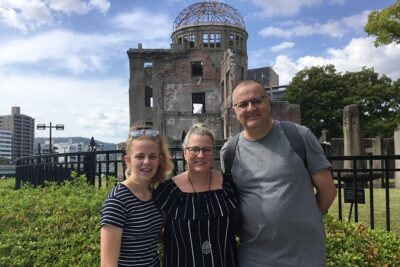
Hiroshima / Miyajima Full-day Private Tour with Government Licensed Guide
Read our review →
Osaka/Kyoto: Hiroshima Miyajima Bus Tour & Shinkansen Ticket
Read our review →
Hiroshima Historical Walking Tour – Why A-Bomb was Dropped
Read our review →
Hiroshima in a Nutshell: Morning Bike Adventure
Read our review →
Hiroshima City 4hr Private Walking Tour with Licensed Guide
Read our review →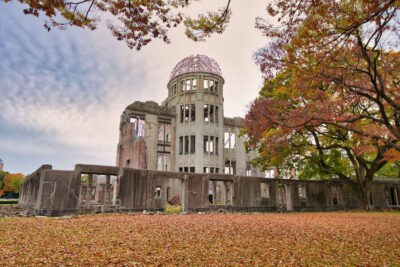
Browse the lists this tour appears in