
Reviewed · HIROSHIMA & MIYAJIMA DAY TRIPS
Hiroshima and Miyajima 1 Day Walking Tour
Miyajima and Hiroshima’s peace sites make a powerful pair: one offers a beautiful island setting and one of Japan’s most famous shrines, while the other asks you to confront the human cost of war. This private, eight-hour tour links both without making you work out the trains, bus, ferry, and city routes yourself.
I like the private format, which lets your guide adjust the pace and swap stops when needed. I also like the chance to hear personal connections from guides such as Aya and Miyuki, rather than simply reading plaques. The tradeoff is a long day on foot, with stairs and several hours of emotionally heavy material. Lunch is also on your own.
Key points to know before booking
- Miyajima and Hiroshima in one day: You see the island, shrine, Atomic Bomb Dome, Peace Memorial Park, and museum in roughly eight hours.
- Private guiding: Only your group takes part, so the route can be adjusted to your interests and walking pace.
- Transport is covered: The price includes local train and bus fares, plus the round-trip ferry between Hiroshima and Miyajima.
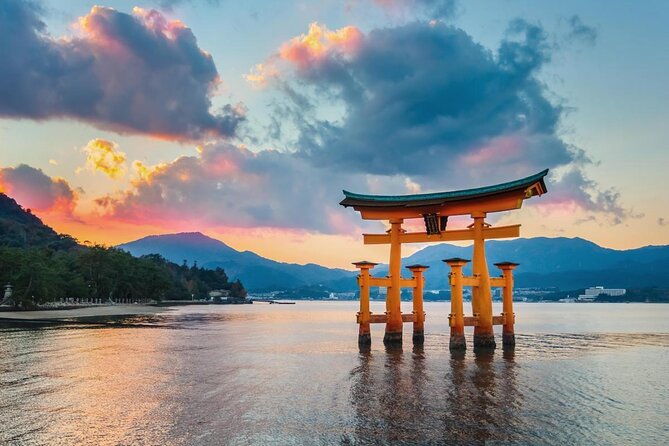
- The ferry adds real atmosphere: The crossing gives you a gradual approach to Miyajima and its famous torii gate.
- Expect serious walking: Stairs, station transfers, shrine grounds, and park paths make comfortable shoes essential.
- Lunch is not included: Your guide can help with food choices, but you pay for the meal yourself.
One day, two very different sides of Hiroshima
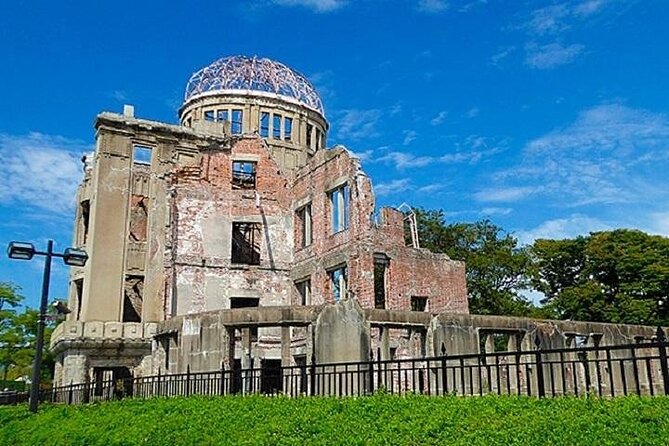
This tour works because it joins two experiences that should not be separated. Miyajima offers temples, water views, traditional sweets, and the graceful Itsukushima Shrine. Hiroshima’s center is quieter and more reflective, shaped by the Atomic Bomb Dome, the Peace Memorial Park, and the museum.
I like having both in one day because the contrast gives the city more meaning. You see Hiroshima not only as the site of a terrible event, but also as a living Japanese city with food, transport, local traditions, and a beautiful nearby island.
At $143.99 per person, the cost is easier to justify for a private group than for a solo visitor. You are paying for a guide, transport within Hiroshima, the ferry, shrine admission, and the convenience of having the day organized. You still need to cover lunch, and the price does not include every possible extra admission if you request an added stop.
The booking information says the tour is often reserved about 45 days ahead. That is useful to know if Hiroshima is part of a tightly planned Japan itinerary. Confirmation arrives within 48 hours, subject to availability.
Other walking tours in Hiroshima people book:
- Hiroshima Historical Walking Tour – Why A-Bomb was Dropped
★ 4.8 · 893 reviews - Hiroshima Peace (Heiwa) Walking Tour at World Heritage Sites
★ 5.0 · 872 reviews - Hiroshima City 4hr Private Walking Tour with Licensed Guide
★ 5.0 · 437 reviews
Miyajima begins with a ferry crossing
Miyajima is less than an hour from Hiroshima, and reaching it by ferry gives the day a pleasant change of pace. The round-trip ferry is included, along with local train and bus transport in Hiroshima, so you are not left to piece together each leg of the route.
The island is best known for its large torii gate, which appears to float at high tide. That famous view is only part of the appeal. The approach by water, the island paths, shrine buildings, and mountain setting make Miyajima feel separate from the city even though it is close by.
The scheduled time at Miyajima is about 90 minutes. That is enough for a useful introduction, but not enough for every corner of the island. If you want a long hike, extended shopping, or a slow visit to several temples, you may need a different plan.
This is where the private format helps. Your guide can explain the route, help you focus on the main sights, and respond to your interests. Several guides, including Sachi and Riona, have been praised for taking groups to less obvious places or helping with photographs and shopping. Those touches can make a short island visit feel less rushed.
Miyajima also gives you a chance to try local treats. Maple leaf-shaped cakes are a recurring highlight, and one guide even shared them with a group. You may want to leave room for a small snack rather than treating the island only as a photo stop.
Itsukushima Shrine and the floating torii
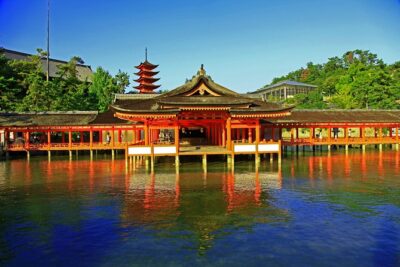
Itsukushima Shrine is the main reason Miyajima appears on so many Japan itineraries. The shrine is a World Heritage Site, and its buildings are closely tied to the water around the island. At high tide, the torii gate appears to sit offshore, creating the classic view associated with Miyajima.
The shrine admission is included. You have about an hour here, which gives you time to walk through the grounds and listen to an explanation of the site’s religious and cultural role.
I would not treat this as a quick photo stop. The shrine has more impact when you understand why the island itself is formally called Itsukushima, while Miyajima is the name most people use. A guide can give that setting context without forcing you to read every sign on your own.
Timing matters. The appearance of the torii depends on the tide, but the supplied tour details do not promise a particular tide level or viewing condition. Your guide can help you make the most of the visit, but you should not book this day expecting one exact postcard view at one exact moment.
The island visit also involves walking and may include stairs. The tour is described as a good fit for someone who is fairly fit, though one guide adjusted the pace for older members of a group. Tell the operator about mobility concerns or pace preferences in advance.
Hiroshima’s Atomic Bomb Dome changes the mood
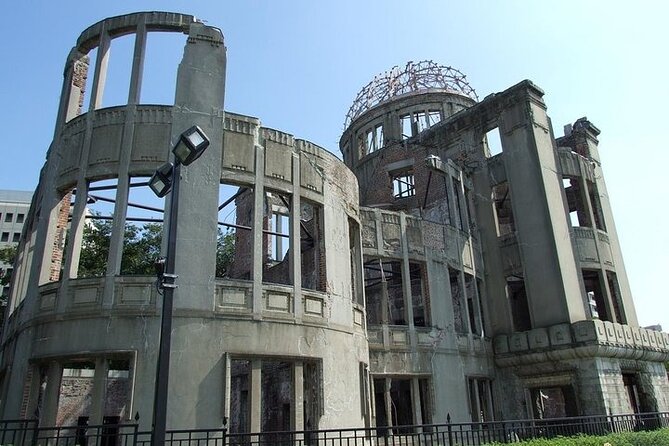
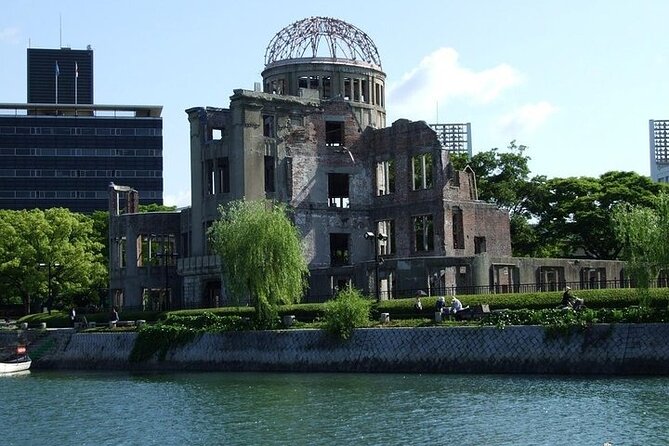
After Miyajima, the tour turns toward Hiroshima’s peace sites. The Atomic Bomb Dome is a short but powerful stop, scheduled for about 30 minutes. The building survived the 1945 atomic bombing in a damaged state and became a symbol of Hiroshima and prayers for world peace.
Thirty minutes may sound brief, but the Dome works as a place to pause rather than a site that requires a long indoor visit. Your guide can explain what happened and help you understand the building’s place in the city today.
This part of the tour can be sobering. That is not a flaw, but it is something to prepare for. The day moves from scenic island views to a site connected to enormous suffering, so the emotional shift is sharp.
Guides have made a strong difference here. Joe is described as especially passionate about the subject, while Miyuki has shared personal connections to Hiroshima that made the visit more touching for some groups. The exact guide is not guaranteed, but the experience is designed around an English-speaking local guide rather than an audio device or a self-guided route.
Other long days west of Hiroshima:
- Peaceful Hiroshima & Miyajima UNESCO 1 Day Bus Tour
★ 5.0 · 5,309 reviews - Hiroshima: Hiroshima and Miyajima UNESCO Sites 1-Day Tour
★ 4.9 · 2,330 reviews - Hiroshima / Miyajima Full-day Private Tour with Government Licensed Guide
★ 5.0 · 1,298 reviews - Hiroshima in a Nutshell: Morning Bike Adventure
★ 5.0 · 524 reviews
Peace Memorial Park gives the story room to breathe
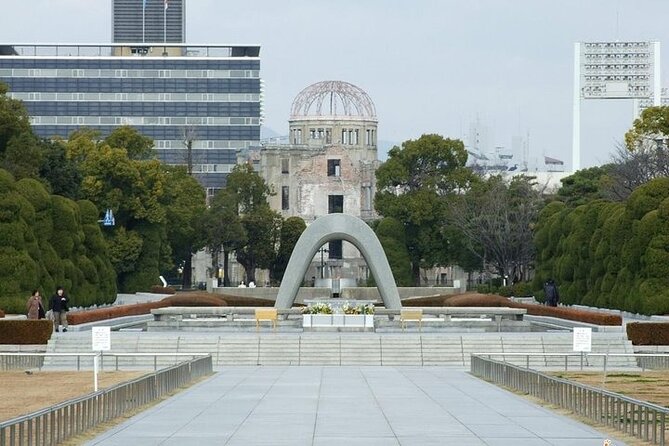
Peace Memorial Park covers more than 120,000 square meters and is scheduled for about an hour. Its open paths and memorials connect the Atomic Bomb Dome with the museum and other sites related to the bombing.
I like this part of the route because it prevents the visit from becoming a rushed march between buildings. You have time to stop, look around, and ask questions. A guide can also point out why certain memorials matter, which is easy to miss when you visit alone.
The park is not a place to speed through. Give yourself permission to be quiet. The tour’s private structure means you can ask for a slower pace or a moment to take in the setting without worrying about holding up a large group.
The walking here is generally straightforward, but it adds to the day’s total distance. Combined with Miyajima and the transport connections, this is not a light sightseeing outing. Comfortable shoes and water will make the day easier.
The Peace Memorial Museum needs careful attention
The Peace Memorial Museum is scheduled for about an hour, and admission is included. It is the largest of Hiroshima’s sites connected with the atomic bombing. The museum opened in 1955 and was designed by architect Tange Kenzo.
One hour lets you see the main displays, but it is not a leisurely museum visit. The subject matter is difficult, and some exhibits may be upsetting. You should plan your emotional energy as carefully as your walking time.
A guide can provide background before you enter and help place the displays in context afterward. Several groups found that the guide added much more than they would have received by visiting the sites alone. That is one of the strongest reasons to choose this tour instead of simply buying your own tickets.
The museum and park also make the day less flexible than a normal city walk. If your group has children, older relatives, or different comfort levels with difficult material, tell the operator ahead of time. The tour can be adjusted, but the museum is still a serious experience.
Guides are the main reason to choose this format
The guides are the variable that matters most. The tour may be led by Aya, Miyuki, Joe, Sachi, Riona, Hiro, Momoko, Azusa, Mei, Aki, Kiyoshi, or another member of the local team. You cannot assume you will receive a particular guide unless the operator confirms it.
The strongest guide reports share several themes: clear English, strong local knowledge, flexibility, and a personal connection to Hiroshima. Miyuki has been especially effective with both adults and teenagers. Aya has helped with food suggestions and sent photographs after the day. Joe has prepared detailed plans, adjusted routes for weather, and added cultural stops when time allowed.
That flexibility is not unlimited. The listed route takes about eight hours, and added places may require extra admission or transportation fees. Skipping a stop does not create a refund. Still, the ability to change the order, slow the pace, or replace a place is valuable in a private tour.
You should send requests in advance. If you want shopping, a certain food experience, a slower museum visit, or a specific interest in religious sites, the guide may be able to shape the day around it.
Transport and timing keep the day moving
The tour includes a local train, local bus, and ferry. Some groups also used metro or trams as the day changed, with the guide handling the route. This is practical in Hiroshima, where a poorly timed transfer can eat into your museum or island visit.
You must arrive at the meeting point on time. The meeting location is not specified in the supplied details, so confirm it before the day. One group was a few minutes late and the guide waited, but you should not rely on that happening.
The eight-hour schedule is full. The listed stops add up to about five hours, leaving the rest for transport, transitions, questions, and food. That is a sensible structure for seeing both Hiroshima and Miyajima, but it leaves limited room for a long lunch or unplanned wandering.
Weather can also affect the day. The experience requires good weather, and a cancellation for poor weather brings an alternative date or full refund. Otherwise, the booking is non-refundable and cannot be changed for personal reasons, so check your schedule carefully before paying.
Lunch and small extras need planning
Lunch is not included. This gives you freedom to choose, but it also means you should not assume every minute is covered. Your guide can suggest places, and one group enjoyed Hiroshima-style okonomiyaki at a restaurant with a view of Hiroshima Bay.
Food can be part of the day’s cultural value. Hiroshima okonomiyaki is a practical choice if you want a local specialty, while maple leaf cakes are a classic Miyajima snack. If you have dietary needs, tell the operator before the tour rather than waiting until lunchtime.
Shopping is another possible add-on. Guides have helped groups shop and find dinner options, but any extra tickets or transport requested by your group may cost more. Ask about added expenses before agreeing to a new stop.
Who should book this Hiroshima day tour?
I would choose this tour if you want both major sides of Hiroshima in one day and prefer a human guide to a map and audio guide. It is especially useful for first-time visitors, families, and groups with mixed interests, since the day can be adjusted.
It also suits people who value personal explanation. Hiroshima’s memorial sites deserve time and care, and a good guide can help you understand them without turning the visit into a list of dates.
I would think twice if you want a slow Miyajima day, a long mountain hike, or several hours of independent museum browsing. The route is broad rather than leisurely. You also need to be comfortable with stairs, walking, public transport, and emotionally difficult exhibits.
Should you book it?
Book this private tour if you have one full day and want Hiroshima’s essential sites handled by an English-speaking local guide. The included ferry and city transport add practical value, while the flexible route can make the day work for families, older relatives, or groups with specific interests.
Skip it if you prefer to set your own pace or want to spend most of the day on Miyajima alone. At $143.99 per person, the price makes the most sense when shared by a group that will use the guide’s planning, transport help, and local advice. For the right group, it is a focused and meaningful way to meet Hiroshima.
FAQ
How long does the tour last?
The tour lasts about eight hours.
Is this a private tour?
Yes. Only your group participates in the activity.
Which sites are included?
The route includes Miyajima, Itsukushima Shrine, the Atomic Bomb Dome, Hiroshima Peace Memorial Park, and the Hiroshima Peace Memorial Museum.
Is admission to Itsukushima Shrine included?
Yes. Admission to Itsukushima Shrine is included.
Is the ferry to Miyajima included?
Yes. The round-trip ferry between Hiroshima and Miyajima is included.
Is lunch included?
No. Lunch is not included, so you pay for your own meal.
Can the itinerary be changed?
Yes. You can request changes in advance, and the guide may also adjust the schedule on the tour day. Skipped stops are not refunded, and added stops may require extra admission or transportation fees.
More walking tours elsewhere in Japan
- Hiroshima Walking Tour Why A Bomb was dropped to Hiroshima
★ 5.0 · 347 reviews - Miyajima Half-day Trip Historical Walking Tour
★ 5.0 · 284 reviews - Hiroshima: History of Hiroshima Group Walking Tour
★ 4.8 · 266 reviews - Hiroshima: Food and Culture Guided Walking Tour with Dinner
★ 4.9 · 212 reviews
Just added in Hiroshima
- Iya Valley BROMPTON Slow Cycling Tour★ 5.0 · 28 reviews
- Iya Valley All Must-Sees Private Chauffeur Full-day Tour with a Driver★ 5.0 · 20 reviews
- Shore Excursion from Hiroshima Port : Private Tour in Hiroshima★ 5.0 · 17 reviews
- Hiroshima & Miyajima All-Inclusive Tour w/Licensed guide Pancho★ 5.0 · 54 reviews
- Okunoshima Rabbit Island Cycling Tour with Local Guide★ 4.5 · 17 reviews
- The Peace Memorial to Miyajima : Icons of Peace and Beauty★ 4.5 · 31 reviews
- Hiroshima Saijo Sake Tasting Tour with visit to 7 Breweries★ 5.0 · 104 reviews
- Hiroshima Private Tour with a Local – Highlights & Hidden Gems★ 4.5 · 24 reviews
Hiroshima & Miyajima Day Trips, compared.
Peaceful Hiroshima & Miyajima UNESCO 1 Day Bus Tour
Read our review →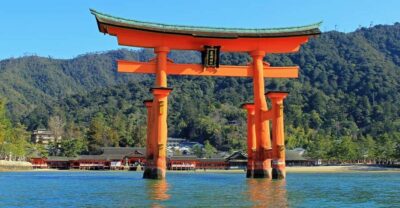
Hiroshima and Miyajima UNESCO Sites 1-Day Tour
Read our review →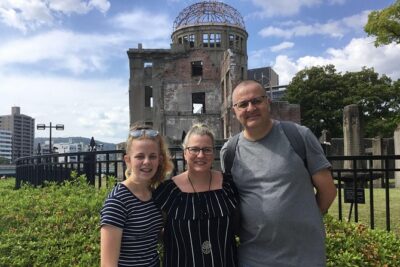
Hiroshima / Miyajima Full-day Private Tour with Government Licensed Guide
Read our review →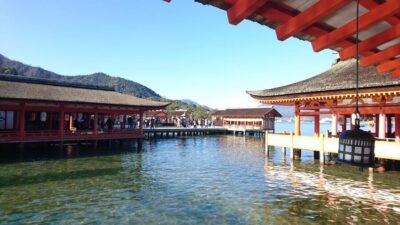
Osaka/Kyoto: Hiroshima Miyajima Bus Tour & Shinkansen Ticket
Read our review →
Hiroshima Historical Walking Tour – Why A-Bomb was Dropped
Read our review →
Hiroshima Peace (Heiwa) Walking Tour at World Heritage Sites
Read our review →
Hiroshima in a Nutshell: Morning Bike Adventure
Read our review →
Hiroshima City 4hr Private Walking Tour with Licensed Guide
Read our review →Browse the lists this tour appears in