
Reviewed · CALLIGRAPHY & CRAFT WORKSHOPS
Authentic Knife Making Experience at a Blacksmith in Kyoto
The real draw here is simple: you make a knife with hot steel and a hammer, rather than watching a craftsman do the work. You shape the blade, grind it, and help turn a plain billet into a useful Japanese keepsake. I especially like the small class size and the fact that Atelier NIN supplies the uniform, tools, and English guidance.
I also like that the finished knife is not just a display trinket. It is a compact, functional blade, usually about 13 to 15 centimeters, with a traditional iron handle. The main consideration is the physical work. Hammering and grinding take effort, and a little carelessness at the finishing stage can affect the final shape.
Key points
- Hammer hot steel yourself: About an hour can go into flattening and shaping the metal before the blade is cut to form.
- Keep the class personal: The maximum group size is six, so instructors can step in when your hammering or grinding needs correction.
- Take home a working knife: The standard knife is roughly 13 to 15 centimeters and uses a simple iron handle.
- Learn several stages: The class covers forging, grinding, sharpening, and polishing, not just a short demonstration.
- Plan your route carefully: Atelier NIN is at Yasenosecho in Kyoto’s Sakyo Ward, and the studio can be hard to find in the surrounding residential area.
- Allow for real physical effort: Hammering steel and working at a sanding belt are hands-on tasks, not a sit-back craft lesson.
Making a Knife Instead of Buying One
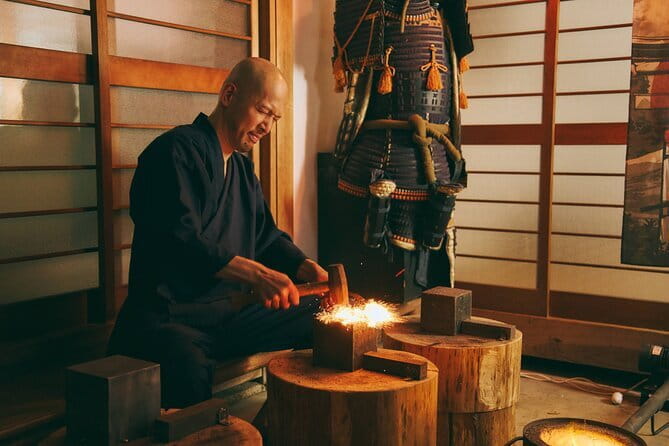
Kyoto is full of fine souvenirs, but most are already finished when you buy them. This workshop gives you a different kind of keepsake. You leave with an object that carries the marks of your own work, including the small imperfections that show it was made by hand.
The process follows the basic traditional method used for Japanese kitchen knives. You learn how the steel is forged, flattened, shaped, sharpened, and polished. For a first attempt, that is a lot of ground to cover in roughly three hours.
Atelier NIN keeps the project manageable by using a smaller blade. The knife is generally 13 to 15 centimeters long, although the exact size varies from person to person. A larger cooking knife would take more than five hours and cost more than $400, so this shorter format makes the craft possible within a Kyoto sightseeing day.
That choice is worth understanding before you book. You are not making a large chef’s knife in a full-day forge session. You are making a compact, simple knife that lets you experience the key stages without giving up half your day.
Other things to make with your hands in Kyoto:
- Kyoto : Chopsticks Making Workshop in Gion with Engraving Option
★ 5.0 · 958 reviews - Authentic knife making experience at a blacksmith in Kyoto
★ 4.8 · 350 reviews - Kyoto: Calligraphy class at Buddhist temple in city center
★ 5.0 · 167 reviews
Changing Into the Workshop Uniform
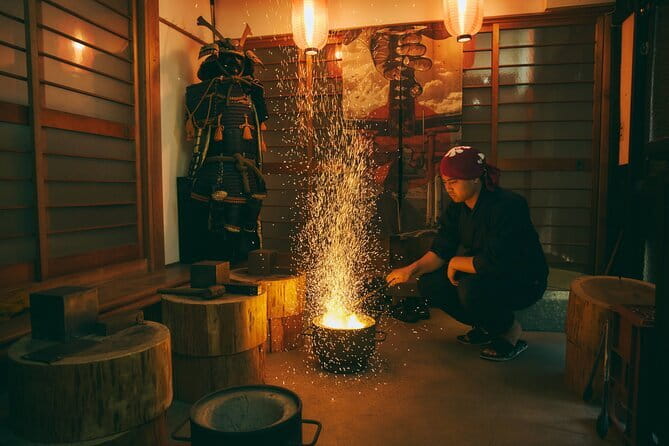
The session begins with a change into a traditional goldsmith-style outfit. This is more than a costume photo opportunity. It gives you suitable clothing for a hot, dirty workshop and saves you from packing protective clothes for the activity.
The uniform also helps set the mood. You are not standing in a modern classroom with a pre-cut craft kit. You are preparing to work with traditional tools and heated metal. The outfit is part of the ritual, and it makes the experience feel distinct from an ordinary souvenir-making class.
The studio provides the tool set as well. You do not need to bring materials or specialist equipment. That makes this a practical choice for a short stay in Kyoto, especially if you are traveling light.
Basic comfort still matters. The work is physical, and the studio setting may feel close and busy when several people are working at once. One account raised concern about bare feet and dropping a knife during grinding. Ask Atelier NIN in advance about footwear and safety arrangements if that is important to you.
The First Hour at the Forge
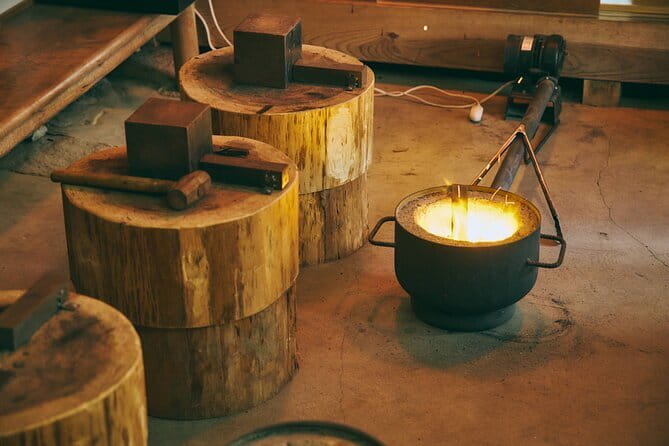
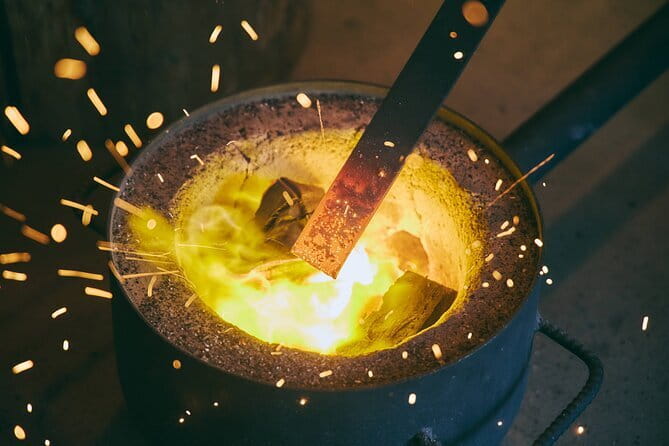
The forge is the heart of the experience. You learn how to handle the tools, then work the heated steel with a hammer to flatten and shape it. This is the part that feels most like traditional blacksmithing, and it is also the part that requires the most effort.
You should expect repeated hammer blows rather than one dramatic strike. The goal is to work the metal into a suitable form, and the instructors correct your technique as needed. Daiki is specifically praised for giving clear help without taking over, stepping in quietly when a beginner needs assistance.
That balance matters. If an instructor did all the work, you would leave with a nice knife but little sense of how it came together. Here, the point is to make you part of the process while keeping the work safe and productive.
Several people find the hammering strenuous. You need moderate physical fitness, and your arms may feel tired by the time the first stage is finished. I would not choose this for a relaxed afternoon when you want to stay perfectly clean and fresh. I would choose it if the effort is part of the appeal.
You may also select a preferred knife design or shape, within the options available at the studio. The final result can vary because each person works the metal differently. That variation is part of the charm, but it also means you should not expect a machine-perfect blade.
Grinding, Sharpening, and Polishing the Blade
After the forging stage, the rough piece becomes a knife. The staff cuts the preliminary blade shape, then you work on grinding and finishing. This stage takes patience because it is where the flat metal gains a cleaner profile and a usable edge.
Grinding is less theatrical than hammering, but it may be the trickier part for a beginner. You need to hold the blade at the proper angle while working against the sanding belt. Too much pressure or a poor angle can affect the edge and the symmetry of the knife.
Take your time here. If you are unsure, ask for another demonstration before continuing. The instructors are there to help, but some guidance may come only after they see you begin. One account found that more explanation about belt angles and finishing would have helped, so do not be shy about asking direct questions.
The staff handles some of the final sharpening and finishing work, according to the activity details and accounts of the class. That is sensible. A novice can learn the basic method while the instructors make sure the finished knife reaches a useful standard.
The result is a sharp, functional blade. Treat it as a real knife from the moment it is handed to you. It is not a blunt souvenir item, and its edge requires sensible handling when you pack it and take it home.
Same base, a different sort of day:
- PERFECT KYOTO 1-Day Bus Tour
★ 5.0 · 13,518 reviews - Kyoto: Fushimi Inari, Kinkakuji, Bamboo Grove 1 Day Bus Tour
★ 4.8 · 4,316 reviews - Kyoto: Tea Ceremony in a Traditional Tea House in Kiyomizu
★ 4.9 · 3,519 reviews - Kyoto Geisha Walking Tour: Gion District & Hidden Gems
★ 4.7 · 3,273 reviews
A Simple Iron Handle and Optional Wood
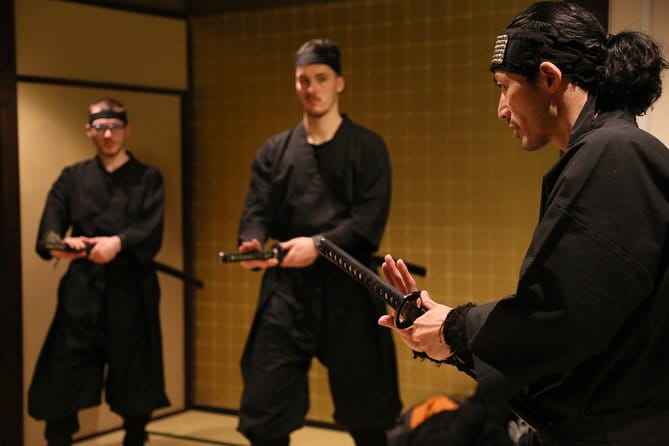
The standard knife uses a traditional, simple method with an iron handle rather than a wooden one. This gives the finished object a plain, workshop-made look. It also keeps the project within the shorter class format.
If you want a wooden handle, one account notes an optional handle for ¥5,000. The supplied details do not describe this as part of the standard price, so ask Atelier NIN about current availability, cost, and how the handle is fitted before you start.
That optional upgrade may appeal if you want a more polished kitchen tool. The standard iron handle is better suited to someone who wants the most direct version of the traditional process and does not mind a spare, practical finish.
The knife is wrapped and placed in a gift bag at the end. A small photo may also be provided as a memento. These touches are modest, but useful if you are buying the experience as a gift or want a clean way to carry the knife through the rest of your trip.
A Small Class With Helpful Instruction
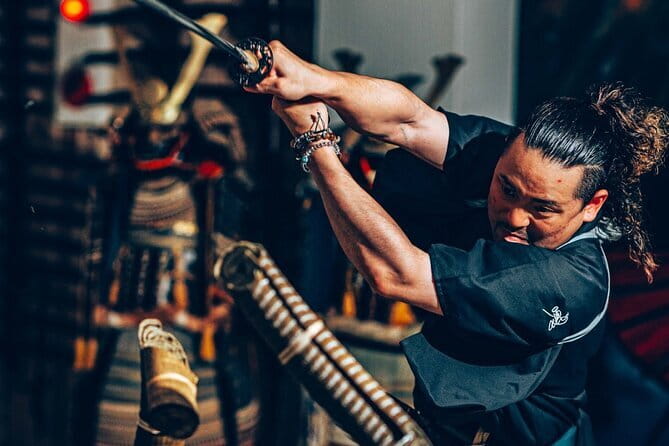
The maximum group size is six. That is a strong feature for a task involving hot steel, hammers, grinding belts, and sharp edges. You get more chances to ask questions, and the instructors can watch how you are handling the tools.
The staff’s English is sufficient for the practical instruction, and Daiki is named as one of the engaging teachers. The teaching style is hands-on rather than lecture-heavy. You receive a demonstration, try the technique yourself, and get corrections as you work.
This format suits complete beginners. You do not need previous blacksmithing experience, and you do not need to know how Japanese kitchen knives are made. It also suits people who have tried carpentry, metalwork, or cooking and want to see the connection between raw material and finished tool.
The close guidance has one possible downside. Your final knife may not look exactly as you imagined, especially if your grinding angle changes during the work. Instructors can improve the result, but they cannot erase every mark made during a genuine hands-on session.
Finding Atelier NIN in Yase

The studio is at 168-1 Yasenosecho in Kyoto’s Sakyo Ward. It is near public transportation, but the final approach can be confusing. The workshop sits within a residential area, and one account found the last part of the route difficult to navigate.
Build in extra time. If your phone signal disappears near the station, save directions before leaving central Kyoto and carry the exact address. A long walk may be involved, depending on your route and transport connection.
The activity information also lists Rurikoin as the stop associated with the experience. The meeting and return point, however, is Atelier NIN, so you should confirm the exact route and any planned stop details before setting out. Do not assume that a nearby sightseeing visit is included simply because it appears in the activity details.
Rurikoin is a useful area landmark for planning, but the knife class itself is the main event. If you want to visit the temple, check its opening arrangements separately and allow enough time for the workshop.
What $158.52 Gets You
At $158.52 per person, this is not a cheap craft class. The value comes from the amount of direct work packed into the session. You receive a uniform, an English guide, the tools, the raw material, instruction across several stages, and a finished knife to take home.
Compare it with a standard souvenir. A purchased knife may be more refined and may include a better handle, but it does not give you three hours of practical instruction or the memory of shaping the steel yourself. Compare it with a longer blacksmithing course, and the shorter Atelier NIN format may look more reasonable, especially if your Kyoto schedule is tight.
I think the price makes sense for someone who values the process as much as the object. It makes less sense if you only want the best Japanese kitchen knife for the lowest cost. In that case, shopping in a specialist kitchenware district may serve you better.
The class also limits itself to six people, which helps explain the cost. You are paying for materials, equipment, supervision, and a small-group setting rather than a large demonstration.
Who Will Enjoy This Most
This is a good choice for adults, couples, families with older children, and anyone interested in blacksmithing, cooking, Japanese tools, or traditional craft. A 13-year-old has completed the activity successfully, but the physical demands and sharp finished blade mean parents should decide if their child is ready.
It works especially well for a two-day Kyoto visit. One couple had only two days in the city and still considered the workshop time well spent. That makes sense if you want one activity that feels very different from temples, gardens, and food tours.
Chefs and serious home cooks may enjoy the connection between forging and kitchen tools. Beginners can enjoy it just as much because the process does not assume prior skill.
I would skip it if you dislike repetitive physical work, hot metal, or the possibility of a handmade result that is not perfectly even. I would also avoid booking it immediately before a formal dinner or a long day of polished sightseeing. You may leave tired, and the workshop is meant to be worked in.
Packing and Taking the Knife Home
Plan your return journey before booking. The blade can be sharp and may exceed airline carry-on rules, particularly depending on its final length and the rules of your departure airport.
One account specifically advised checking luggage when flying home. The safest approach is to ask the studio how the knife will be wrapped, then confirm your airline’s current baggage rules. Do not place an unprotected blade loose in a suitcase.
The finished knife is wrapped and placed in a gift bag, but you remain responsible for packing it correctly for the rest of your trip. If you are traveling with carry-on luggage only, this is an important issue to settle in advance.
Booking and Cancellation Details
The experience lasts about three hours, although the workshop description also refers to a two-and-a-half-hour format. Allow at least three hours in your day, plus time for transport and finding the studio.
Confirmation is provided when you book. Free cancellation is available up to 24 hours before the local start time. Changes or cancellations inside that 24-hour window are not accepted for a refund.
The activity returns you to the meeting point at Atelier NIN. Snacks and private transport are not included, so eat beforehand and plan your own route to and from Yase.
Should You Book This Kyoto Knife Workshop?
Book it if you want a real hands-on craft session, not a quick demonstration. The best parts are the hour of hammering, the chance to shape your own blade, the small group, and the useful knife you carry home.
Go in with realistic expectations. This is a compact knife made in a short workshop, not a full-size chef’s knife forged over a full day. The work can be tiring, the final grinding takes care, and the route to the studio needs planning.
For someone who wants a personal Kyoto souvenir with a story behind it, I think the $158.52 price is fair. Bring patience, wear or ask about suitable footwear, save your directions, and plan to check the knife on your flight home. If that sounds like part of the fun, Atelier NIN is an excellent fit.
FAQ
How long does the knife-making experience last?
The experience lasts approximately three hours. The workshop also describes the hands-on format as about two and a half hours, so allow at least three hours overall.
Where does the activity begin and end?
It begins and ends at Atelier NIN, 168-1 Yasenosecho, Sakyo Ward, Kyoto, 601-1254, Japan.
How many people can join the class?
The maximum group size is six people.
Is English guidance provided?
Yes. An English guide is included.
Do I need to bring tools or protective clothing?
No. A uniform and the set of tools used to make the knife are included.
What will I make?
You will make a handmade Japanese knife approximately 13 to 15 centimeters in size. The exact size can vary because it is handmade.
Does the knife have a wooden handle?
The standard knife uses a simple iron handle. A wooden handle may be available as an optional addition for ¥5,000, according to the activity details.
Is the finished knife sharp?
Yes. The finished knife is a proper functional knife, so handle and pack it carefully.
Is transportation included?
No. Private transportation is not included. The studio is near public transportation, but you must arrange your own route.
Can I cancel for a full refund?
Yes, if you cancel at least 24 hours before the experience start time. Cancellations or changes made less than 24 hours before the start time are not refunded.
Just added in Kyoto
- Private Cooking Class Udon in Kyoto Japan★ 5.0 · 23 reviews
- Your Private Vacation Photography Session In Kyoto★ 5.0 · 110 reviews
- Kyoto: Zen Meditation at a Private Temple with a Monk★ 5.0 · 25 reviews
- Private Pewter Sake Cup Experience with a Kyoto Artisan★ 5.0 · 31 reviews
- Kyoto Wagashi(Japanese sweets) Cooking Class near Fushimiinari★ 5.0 · 60 reviews
- Kyoto:Family-Friendly Kimono & Yukata Experience at WARGO★ 5.0 · 147 reviews
- Private Guided Traditional Buddhist Cooking in Japan★ 5.0 · 16 reviews
- Kyoto: Gion Geisha District & Sake-in-Hand Walking Tour★ 5.0 · 37 reviews
Calligraphy & Craft Workshops, compared.
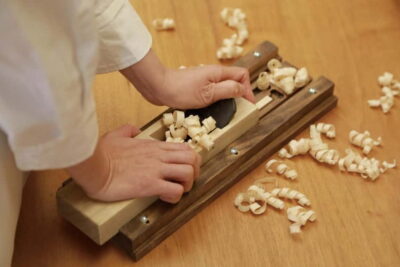
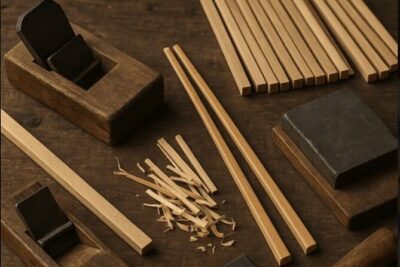
Chopsticks Making Workshop in Gion with Engraving Option
Read our review →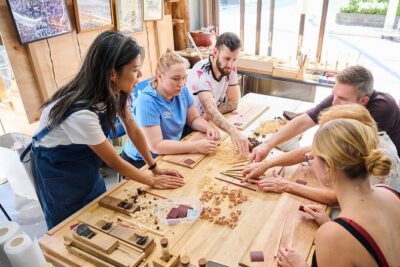


Matcha Making Experience with Mochi Sweets in Asakusa
Read our review →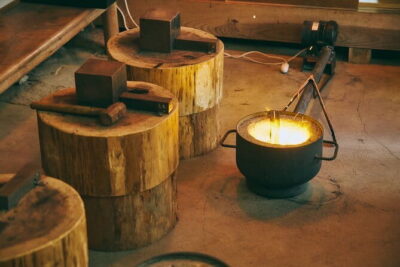
Authentic knife making experience at a blacksmith in Kyoto
Read our review →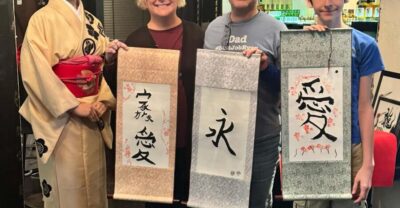
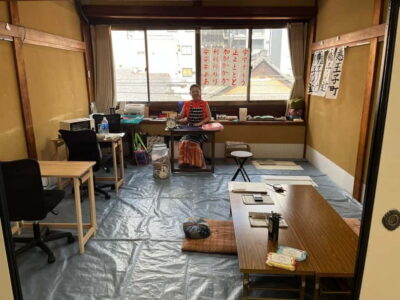
Calligraphy class at Buddhist temple in city center
Read our review →Browse the lists this tour appears in