
Reviewed · GEISHA & GION DISTRICT TOURS
Kyoto 5-Star Geisha Night Walk: Small-Group Authentic Experience
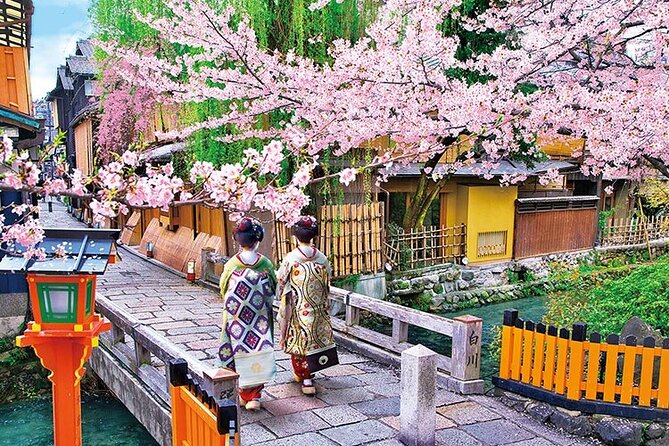
Gion after dark is the real hook here. With the daytime crowds thinning, Kyoto’s old lanes, wooden teahouses, shrines, and pagodas take on a quieter mood. Richard guides the walk with stories about geisha life, kimono, Shinto practice, Zen, architecture, and the changing face of Kyoto. I especially like the maximum of eight people and the route that links Gion with Higashiyama and Pontocho rather than stopping at one photogenic street.
I also like that this is more than a geisha-spotting stroll. The included Kyoto snack gives you a short break, and past groups have found Richard’s restaurant advice useful for the rest of their stay. The main consideration is the three-and-a-half-hour walk. There are steps and rougher paths, and the tour is not suited to anyone with walking problems.
At a glance
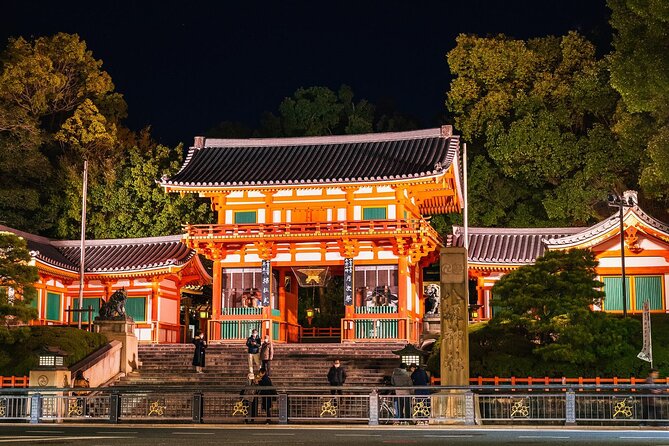
- Gion after dark: Walk Hanamikoji and nearby geisha streets when they are generally less crowded than during the day.
- Richard as guide: Expect clear explanations of geisha and maiko training, Japanese customs, Kyoto history, and Shinto and Zen traditions.
- A small group: The tour is limited to eight people, so questions and conversation are part of the experience.
- A broad evening route: The walk connects Gion, Yasui-Konpiragu, Yasaka Pagoda, Ninenzaka, Yasaka Shrine, and Pontocho.
- One included snack: You get a local Kyoto treat during a 30-minute pause on Nene-no-Michi.
- Useful first-night choice: The cultural background can help you understand temples, shrines, clothing, and neighborhoods during the rest of your Kyoto stay.
Why this Kyoto night walk works
Many Gion visits are built around a quick look at Hanamikoji Street, a few photographs, and a hopeful glance toward a passing maiko. This experience gives the district more context. You walk through the places where geisha work and train, then connect those streets to Kyoto’s religious sites, old neighborhoods, and evening entertainment quarter.
That wider view matters. Geisha culture can be easy to reduce to costumes and camera sightings. Richard explains the training, arts, clothing, work life, and traditions behind the image. His background bridging American and Japanese culture is useful for English-speaking visitors who want complex customs explained plainly.
The timing helps, too. The meeting point is at the Disney Store near Shijo-Kawaramachi at 5:20 pm. The route begins around the Kabuki theater, then moves toward Gion as the evening develops. You see the area in changing light, from late afternoon into the lantern-lit streets of night.
This is not a formal performance, and it does not include admission to a geisha entertainment house. It is a walking tour about the district and the culture connected to it. You may see geisha or maiko heading to work, as some groups have, but that is never something you should treat as guaranteed. The respectful approach is to listen, observe, and avoid turning working performers into a photo opportunity.
Other evenings in the old entertainment quarters of Kyoto:
- Kyoto Geisha Walking Tour: Gion District & Hidden Gems
★ 4.7 · 3,273 reviews - Kyoto: Gion Magical Night Walking Tour with Geisha Trivia
★ 4.9 · 2,393 reviews - Kyoto: Gion Geisha District Walking Tour – Stories of Geisha
★ 4.7 · 2,187 reviews
Hanamikoji Street and the working world of Gion
The first substantial stop is Hanamikoji Street, the best-known geisha street in Gion. The route includes the main street and smaller alleys, with explanations of the houses where geisha live, study, and work.
This is where the tour’s subject comes into focus. You learn about the distinction between geisha and maiko, the stages of training, and the arts associated with their profession. Kimono, presentation, music, dance, conversation, and etiquette all fit into the picture. Richard’s storytelling style is one of the strongest parts of the experience, particularly if you prefer cultural explanation to a list of dates.
Gion is still a working neighborhood, not a museum set. That makes the guide’s reminders about behavior important. Keep your voice down, do not block narrow lanes, and ask before photographing people. The evening setting makes the streets attractive, but the people who live and work there deserve priority over your camera.
The walk also passes Gion Corner, where geisha study and train. You will not be attending a class, but the stop helps explain why the district functions as both a historic quarter and a professional community.
Kabuki, Zen, and the layers beneath the streets
Near the start, Richard explains the Kabuki theater and this traditional form of Japanese entertainment. That short introduction adds useful context because Kyoto’s performing arts are not limited to geisha culture.
The route also passes by one of Kyoto’s oldest temples, where the guide discusses Zen. The exact value of this stop is less about entering a building and more about learning how religious ideas shaped the city’s spaces, gardens, architecture, and daily habits.
The tour does not turn every stop into a lengthy lecture. Instead, religious sites become part of the larger story. You see how Shinto shrines, Buddhist temples, traditional businesses, and entertainment streets sit close together in old Kyoto. For me, that connection is more useful than visiting each place as an isolated photo stop.
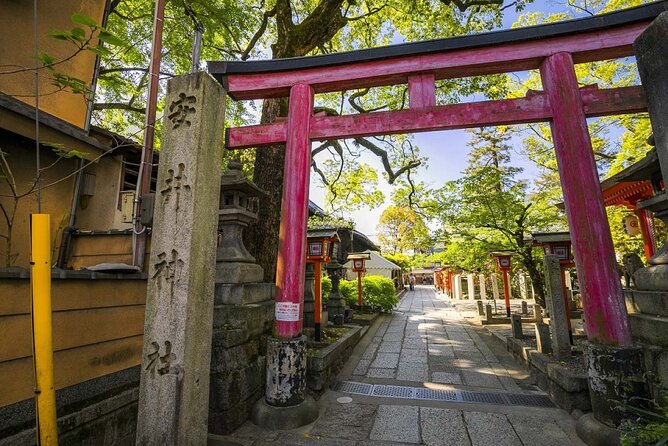
Yasui-Konpiragu and the meaning of a small shrine
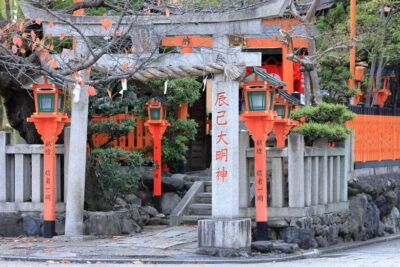
Yasui-Konpiragu is a smaller, more intimate shrine on the route. Richard explains ancient Shinto traditions here, giving you a chance to compare Shinto practice with the Zen ideas discussed earlier.
This is a good point in the evening for travelers who want cultural background without a crowded major attraction. The shrine is not the grandest place you will see, but its smaller scale makes it easier to pay attention to ritual details and the atmosphere of the site.
You should expect about 30 minutes here. As with the other outdoor stops, the experience depends on weather and the pace of the group. The tour requires good weather, and poor conditions can lead to a different date or a refund.
Same base, a different sort of day:
- PERFECT KYOTO 1-Day Bus Tour
★ 5.0 · 13,518 reviews - Kyoto: Fushimi Inari, Kinkakuji, Bamboo Grove 1 Day Bus Tour
★ 4.8 · 4,316 reviews - Kyoto: Tea Ceremony in a Traditional Tea House in Kiyomizu
★ 4.9 · 3,519 reviews - Kyoto: Tea Ceremony Ju-An at Jotokuji Temple
★ 4.9 · 3,207 reviews
Yasaka Pagoda and the old lanes of Higashiyama
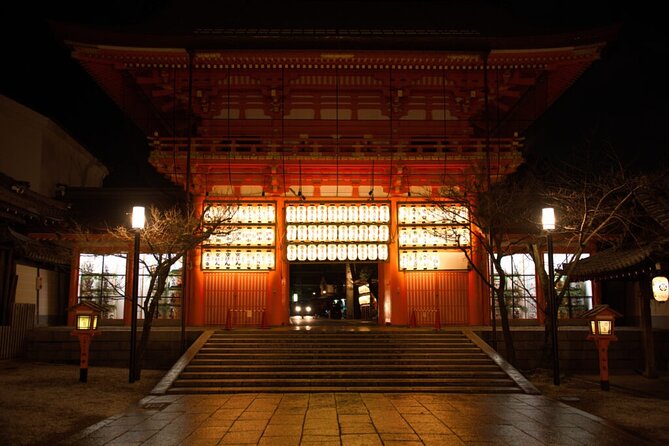
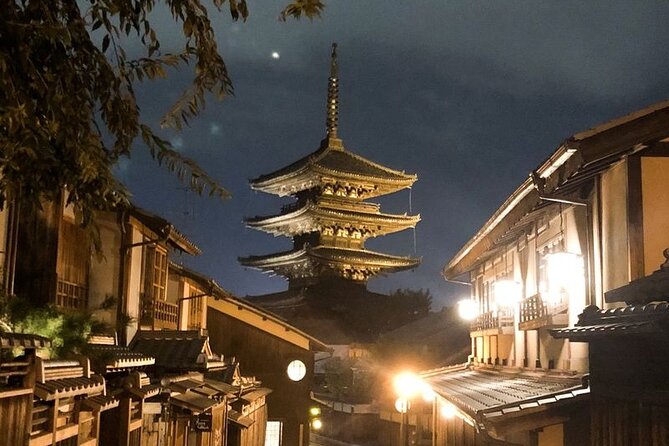
Hōkan-ji Temple, better known for its Yasaka Pagoda, is one of the evening’s strongest visual stops. The five-story pagoda rises above the traditional streets, and the surrounding historic area is especially appealing after dark.
The scheduled stop is short, around 15 minutes, so this is primarily a place to see, photograph, and hear the setting explained. Do not expect a long temple visit or an extended interior tour. The appeal is the view of the pagoda and the old streets around it.
From there, the walk continues through Ninenzaka. This sloping lane is one of Kyoto’s most recognizable historic streets, lined with traditional-looking buildings and shops. At night, the reduced traffic can make the route feel calmer than it does during the day.
There is a practical catch: Ninenzaka and nearby paths can include steps and uneven surfaces. The tour information specifically warns about steps and unpaved rocky paths, including for strollers. Wear shoes that you can walk in for several hours. This is not the time for delicate footwear.
Nene-no-Michi and the included Kyoto snack
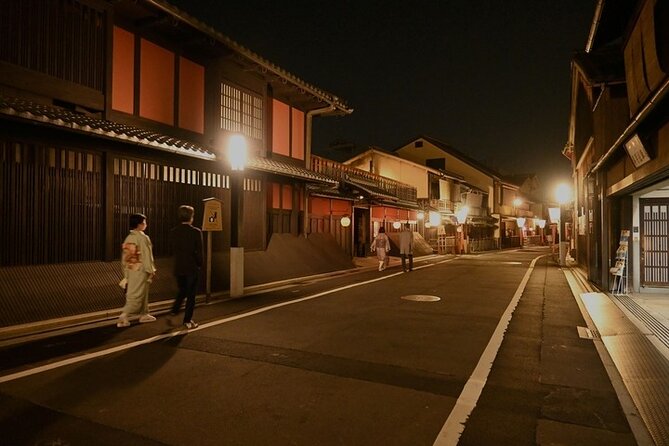
Nene-no-Michi brings a welcome pause. The plan allows about 30 minutes for a Kyoto snack, included in the tour price.
The exact snack is not specified, so do not book this expecting a full meal or a particular dessert. Think of it as a small local taste and a chance to rest your feet while Richard explains what you are eating. One past group found the traditional treat interesting even though it was not personally to everyone’s taste. That is a fair way to approach it: enjoy the chance to try something local, but keep your dinner plans.
This break also improves the rhythm of the walk. Three and a half hours on Kyoto pavement can catch up with you, especially after a full day of sightseeing. A seated or slower interval makes the rest of the route easier.
Richard also gives restaurant suggestions when asked. That can be especially useful because the tour ends near Pontocho, an area full of dining and nightlife choices. His advice is not part of a formal meal arrangement, but it can help you plan the evening afterward.
Yasaka Shrine after sunset
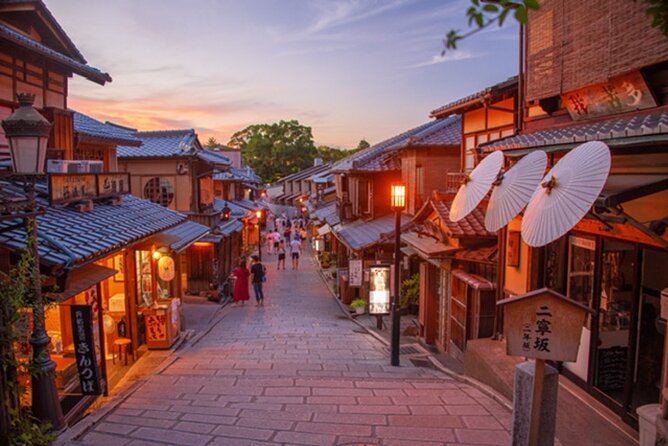
Yasaka Shrine is one of Japan’s major shrines and an important landmark at the eastern edge of central Kyoto. Richard points out features of the shrine and explains some of its place in Japanese religious life.
At night, the shrine offers a different experience from a daytime visit. Lanterns and open spaces create a calmer setting, though the shrine remains a functioning public place rather than a private attraction reserved for the group. You can listen, look around, and take photographs where appropriate.
The stop lasts about 30 minutes. That is enough for an explanation and a look around, but not enough to cover every building or custom. If you want an exhaustive study of Yasaka Shrine, plan a separate visit. On this tour, it works as one part of a larger route through eastern Kyoto.
Pontocho, where geisha tradition meets nightlife
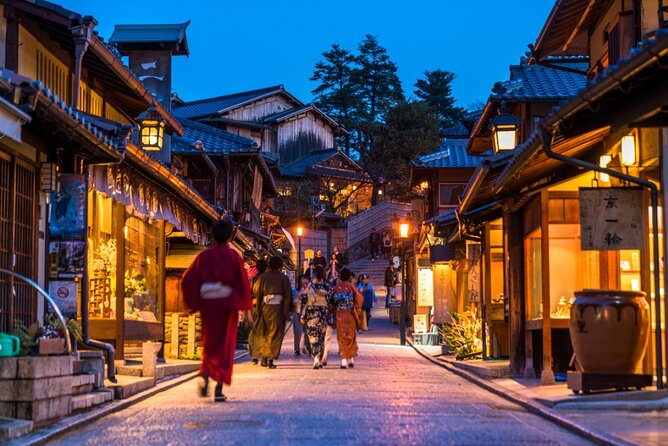
The walk finishes in Pontocho District at the Sanjo end of Pontocho alley. This narrow quarter mixes geisha houses, bars, and restaurants, making it a fitting final chapter.
Pontocho feels different from Gion. Gion is associated with broad historic streets, temple approaches, and famous geisha lanes. Pontocho is tighter, livelier, and more focused on evening dining and entertainment. The guide helps you understand how these districts relate while pointing out the less obvious geisha streets along the way.
The final half hour gives you time to take in the atmosphere without rushing from one landmark to the next. The official end point is Sanjo Ohashi Bridge, close to public transportation and convenient for continuing into central Kyoto.
Ending here is practical. You can return to your hotel, find dinner nearby, or continue exploring the nightlife quarter. Since the tour ends at about 8:50 pm if it runs to schedule, you still have options for the rest of the evening.
What Richard adds to the experience
The guide is the main reason to choose this walk over exploring Gion with a map. Richard explains subjects that can be difficult to understand from signs alone, including geisha training, kimono details, Japanese history, shrine customs, and the relationship between old traditions and modern life.
His style is described as engaging and easy to follow, with plenty of room for questions. He has also adjusted the pace and discussion to suit different groups. Families, couples, and small groups who enjoy conversation should find the format comfortable.
The strongest praise centers on the amount of explanation. People who expected a simple Gion walk received background on architecture, samurai history, Shinto beliefs, Kyoto artisans, and local life as well as geisha culture. That makes this a good choice if you want to understand what you are seeing, not merely pass through it.
The cultural bridge is useful, but I would still treat the experience as a guide-led interpretation rather than a complete academic study of geisha life. The subject is broad, and three and a half hours can only cover selected parts. The route favors a clear, approachable overview with real streets and landmarks around you.
Is $98 a fair price?
At $98 per person, this is not the cheapest way to walk through Gion. You can visit the streets and shrines on your own for little or no admission cost. The price is paying for Richard’s time, the small group, the organized route, the explanations, and the snack.
The value is strongest when you are new to Kyoto or want a cultural guide who can answer questions as you walk. A group capped at eight is a meaningful advantage. You are less likely to lose the guide in a crowd, and the discussion can be more personal than on a large bus or standard city tour.
The price is harder to justify if you mainly want photographs or if you already have a strong understanding of Kyoto’s geisha districts. Independent visitors can walk Hanamikoji, Ninenzaka, Yasaka Shrine, and Pontocho without paying a tour fee. You also need to remember that the snack is modest, not dinner, and that no geisha performance is included.
For many first-time visitors, the timing and route make the fee reasonable. You cover several major areas in one evening, get an introduction to Japanese customs, and finish in a useful location for dinner. If you would otherwise hire a private guide or spend hours piecing together the same story from guidebooks, the small-group format offers solid value.
Practical details before you book
The meeting point is the Disney Store at Shijo-Kawaramachi, near the northeast corner of Shijo Street and Kawaramachi Street. Arrive with enough time to find the exact corner and be ready for a 5:20 pm start.
The tour lasts approximately three hours and 30 minutes. You need comfortable walking shoes, water, and enough energy for steps, slopes, and uneven paths. Strollers may be used only with care because of the rough sections and stairs.
Most people can participate, but this is not suitable for anyone with walking difficulties. The route is outdoors and requires good weather. If weather cancels the experience, you are offered another date or a full refund.
Free cancellation is available up to 24 hours before the start time. Cancellations or changes within 24 hours are not refunded or accepted. Tips are not included, and the provider says gratuities are appreciated.
Who should book this Kyoto evening walk?
I would choose this tour if you are visiting Kyoto for the first time, want a clear introduction to geisha culture, or prefer a small group to a large sightseeing crowd. It also works well on your first night because Richard’s explanations and local suggestions can help shape the rest of your stay.
Families with older children may enjoy it, since the route mixes stories, photographs, shrines, and changing neighborhoods rather than relying on a single museum visit. It suits curious adults who want to ask questions and understand customs without sitting through a formal lecture.
I would skip it if you have limited mobility, dislike long walks, or want guaranteed access to a geisha performance. I would also think twice if your main aim is shopping, since the focus is cultural explanation and street walking rather than store visits.
Should you book it?
Book it if context matters as much as scenery. The best parts are Richard’s explanations, the small group, the after-dark timing, and the way the route connects Gion with Higashiyama and Pontocho.
Do not book it expecting a staged encounter with geisha or a full evening meal. You may see working performers, but the real product is an informed walk through Kyoto’s historic neighborhoods. At $98, it is a considered purchase, yet the combination of access to a well-planned route and a guide who can explain the culture makes it a strong choice for visitors who want more than attractive streets.
FAQ
Where does the tour begin?
The tour begins at the Disney Store near Shijo-Kawaramachi in Kyoto. The listed start time is 5:20 pm.
Where does the tour end?
The walk ends at Sanjo Ohashi Bridge, at the northern end of Pontocho alley.
How long is the experience?
The walking tour lasts approximately three hours and 30 minutes.
How many people can join?
The group has a maximum of eight travelers.
Is food included?
A local Kyoto snack is included during a break on Nene-no-Michi. Personal expenses and gratuities are not included.
Can I cancel for a full refund?
Yes. You can cancel at least 24 hours before the start time for a full refund. Cancellations or changes made less than 24 hours before the start time are not accepted or refunded.
Just added in Kyoto
- Private Cooking Class Udon in Kyoto Japan★ 5.0 · 23 reviews
- Your Private Vacation Photography Session In Kyoto★ 5.0 · 110 reviews
- Kyoto: Zen Meditation at a Private Temple with a Monk★ 5.0 · 25 reviews
- Private Pewter Sake Cup Experience with a Kyoto Artisan★ 5.0 · 31 reviews
- Kyoto Wagashi(Japanese sweets) Cooking Class near Fushimiinari★ 5.0 · 60 reviews
- Kyoto:Family-Friendly Kimono & Yukata Experience at WARGO★ 5.0 · 147 reviews
- Private Guided Traditional Buddhist Cooking in Japan★ 5.0 · 16 reviews
- Kyoto: Gion Geisha District & Sake-in-Hand Walking Tour★ 5.0 · 37 reviews
Geisha & Gion District Tours, compared.
Kyoto Geisha Walking Tour: Gion District & Hidden Gems
Read our review →
Gion Geisha District Walking Tour – Stories of Geisha
Read our review →
Best of Kyoto: Gion, Geisha, Pagodas & Cobblestones
Read our review →
Kyoto Night Foodie Tour in Gion (9+ dishes + 6 Sake tastings)
Read our review →
Kyoto Gion: 2-Hour Geisha Culture & History Walking Tour
Read our review →
Chopsticks Making Workshop in Gion with Engraving Option
Read our review →
Browse the lists this tour appears in