
Reviewed · CALLIGRAPHY & CRAFT WORKSHOPS
Calligraphy & Digital Art Workshop in Kyoto
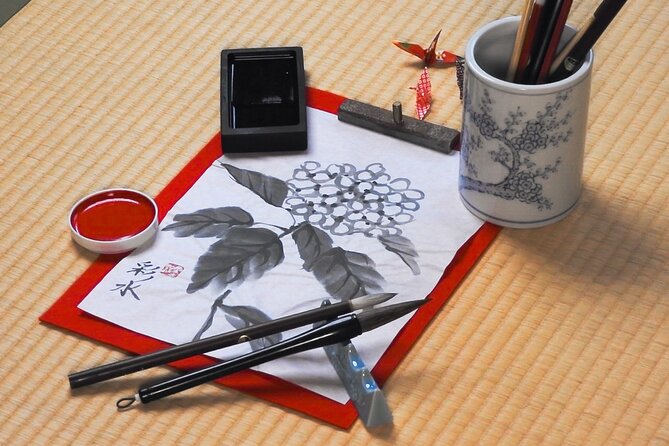
Japanese brushwork meets the iPad in this Kyoto workshop, where you first practice traditional calligraphy or suibokuga ink painting, then turn those ideas into digital art. The lesson also introduces etegami, Japanese picture letters that can become personal postcard-style artwork.
I like the clear split between paper and screen, since you get a real feel for brush control before trying a digital version. I also like the calm pace: tea, snacks, a break, and time for questions keep this from feeling like a rushed craft class.
The main consideration is the short length. At about 90 minutes, you will get a friendly introduction rather than a full art course, and the 3 p.m. start may take up a useful afternoon slot for sightseeing.
Key points to know before booking
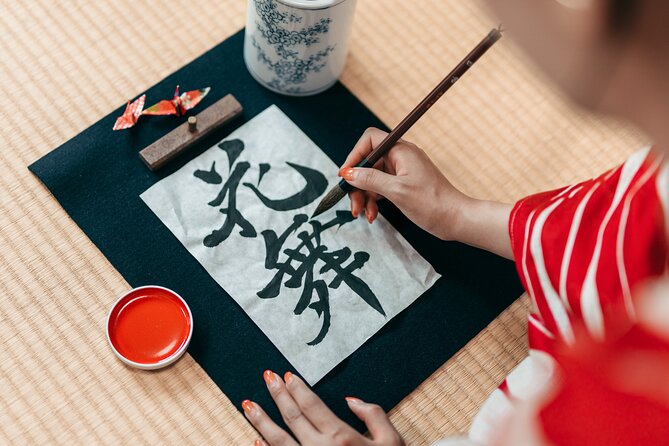
- Two art forms in one session: Practice traditional calligraphy or suibokuga, then create related work on an iPad.
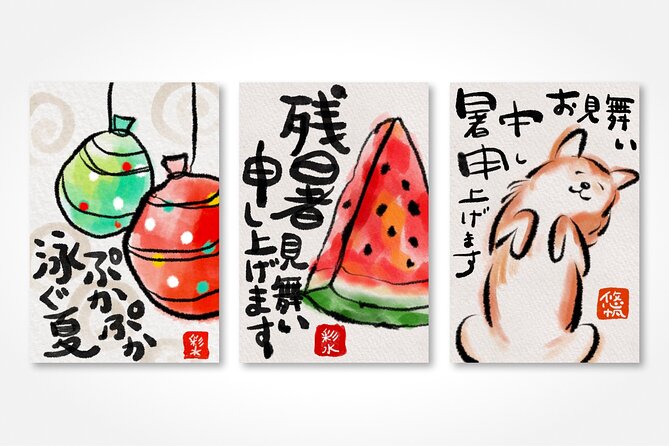
- Etegami adds a personal touch: Learn Japanese picture letters that can be made into postcard-style art.
- Led by Ami’s creative team: Ami studied digital art in the UK and runs the Studio Aya program.
- Tea and snacks are included: The 15-minute break gives you a quiet pause between the two art sessions.
- Private group format: Only your own group takes part, making the class suitable for couples and families.
- A compact Kyoto activity: The workshop lasts about 1.5 hours and begins at 3 p.m. at iPadmate kids47.
Why this Kyoto art class is different
Many Kyoto cultural activities focus on one traditional skill. This class gives you two versions of Japanese art in one sitting. You begin with brush, ink, and paper, then move to an iPad for a digital interpretation.
That change matters. Traditional calligraphy depends on pressure, speed, spacing, and the amount of ink on the brush. Digital art offers tools that paper cannot, but the first session helps you see why the original brush movements matter. You are not simply tapping a screen and adding a Japanese-style filter. You are learning the basic idea behind the marks first.
The workshop also includes etegami, often described as Japanese picture letters. The aim is not perfect lettering in the formal school sense. Instead, you create a small artwork that combines characters and imagery. That makes the session appealing if you want something more personal than a standard souvenir.
Studio Aya is run by Ami, who studied digital art in the United Kingdom. She is also known through the YouTube channel amity_sensei, which has more than 340,000 subscribers, and founded Japan’s first creative school in 2020, iPadmate kids. Her work centers on helping children and adults use the iPad for creative projects.
You should not expect a lecture about Ami’s career during the class. Her background matters because it explains the unusual blend of traditional Japanese art and tablet-based instruction. The workshop is built around creative practice, not just cultural explanation.
Other things to make with your hands in Kyoto:
- Kyoto : Chopsticks Making Workshop in Gion with Engraving Option
★ 5.0 · 958 reviews - Authentic knife making experience at a blacksmith in Kyoto
★ 4.8 · 350 reviews - Kyoto: Calligraphy class at Buddhist temple in city center
★ 5.0 · 167 reviews
The first 30 minutes: brush, ink, and Japanese form
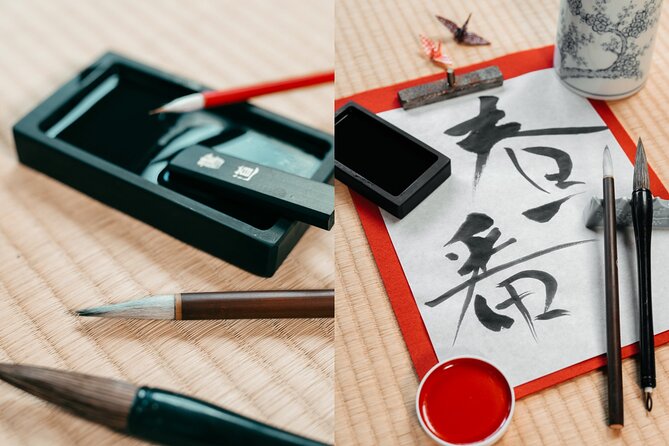
The session begins with greetings and an introduction to traditional calligraphy or suibokuga, Japanese ink painting. The exact choice may depend on the class arrangement, but both options focus on the same basic tools: brush, ink, paper, and deliberate movement.
If you choose calligraphy, you will work with Japanese characters and brush strokes. The early exercises help you understand how the brush behaves. A heavy stroke and a light stroke can change the feel of a character, while the beginning and ending of a line affect its shape.
Suibokuga brings a different emphasis. Rather than forming characters, you work with ink tones and brush movement to create an image. Black ink can appear dark and solid or pale and washed, depending on water and pressure. Even a short introduction can show you why restraint is important in this style.
The class also introduces the Zen approach associated with calligraphy. This is not presented as a long philosophical lesson. Instead, the idea comes through in the act of slowing down, paying attention to each stroke, and accepting that a handmade mark will not look perfectly uniform.
That is a useful contrast with digital drawing, where you can often undo a mistake. On paper, the mark remains. This can feel demanding if you are used to polished digital tools, but it is also part of the appeal. You get a small lesson in concentration and control.
The traditional section is likely to be the most meaningful part for anyone who has never held a calligraphy brush. It gives cultural context to the art without requiring you to commit to a long formal lesson. Families can also use this section to introduce children to kanji and Japanese writing in a hands-on way.
A 15-minute tea break keeps the pace comfortable
After the traditional practice, you take a 15-minute break. Japanese tea and snacks are included, so you do not need to arrange your own refreshment during the session.
This pause is practical as well as pleasant. Calligraphy asks for concentration, and younger participants may appreciate a chance to reset before the iPad portion. It also gives you time to look at what you have made and ask a quick question before moving on.
Do not book this expecting a full tea ceremony. The information describes free Japanese tea and snacks, not a formal ceremony with a set sequence of rituals. Think of it as a simple hospitality break inside an art lesson.
The break also helps divide the workshop into two clear halves. You first learn through physical materials, then return to the creative process with a screen. That structure keeps the activity varied, especially for children or anyone who is unsure about spending 90 minutes on one traditional craft.
The next 30 minutes: making calligraphy and etegami on an iPad
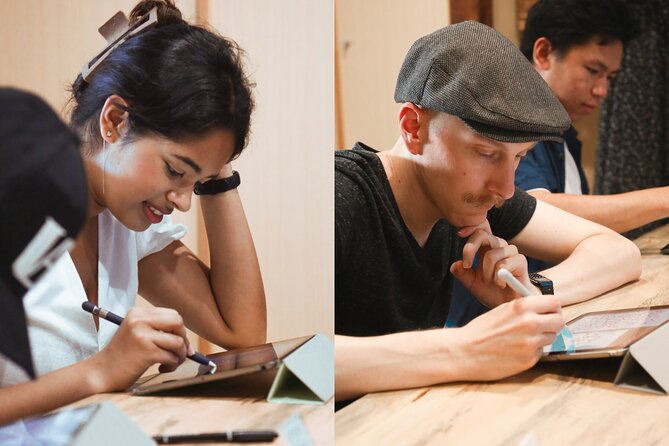
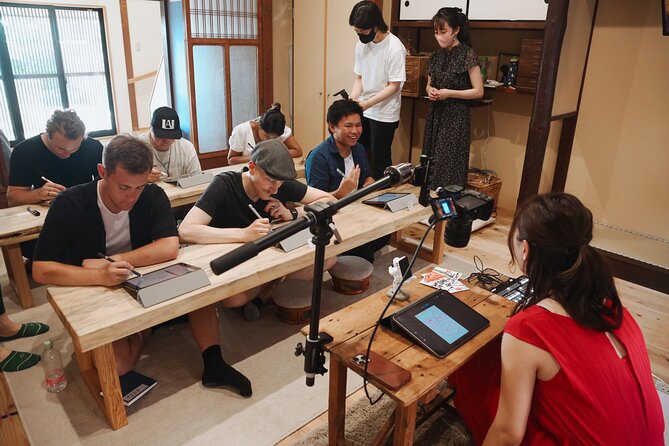
The digital art session lasts about 30 minutes. An iPad is provided, so you do not need to bring your own device for the workshop.
Here, you make digital calligraphy or suibokuga on the tablet. The point is not simply to copy what you did on paper. The digital version lets you explore how brush effects, lines, and composition can be handled on a screen.
This is where Ami’s background in digital art becomes especially relevant. The class connects a traditional Japanese visual language with a tool many people already use for notes, drawing, or everyday work. If you have only used an iPad for browsing and photos, the session offers a clear, guided introduction to its creative side.
The etegami activity gives the digital section a specific goal. You learn to draw Japanese picture letters, then use them to make a postcard-style piece. This kind of project can be easier to remember than a series of disconnected exercises because you finish with a small work of your own.
Families may find this especially useful. One child can focus on characters, another on the picture, and adults can experiment with layout or brush effects. The activity is not described as a competition, and the private format means your group can work at its own pace within the scheduled class.
Couples can also enjoy the contrast between traditional and digital methods. You might each choose a different character or image, then compare how your paper and iPad versions turn out. The digital format may also appeal to anyone who likes art but does not want to carry wet ink or paper supplies around Kyoto.
One limitation is that 30 minutes is not enough time to master digital calligraphy. You will receive an introduction and guided practice, not a full course in illustration software. If you already use an iPad regularly, you may want to ask questions during the final discussion so you can get more from the time.
Same base, a different sort of day:
- PERFECT KYOTO 1-Day Bus Tour
★ 5.0 · 13,518 reviews - Kyoto: Fushimi Inari, Kinkakuji, Bamboo Grove 1 Day Bus Tour
★ 4.8 · 4,316 reviews - Kyoto: Tea Ceremony in a Traditional Tea House in Kiyomizu
★ 4.9 · 3,519 reviews - Kyoto Geisha Walking Tour: Gion District & Hidden Gems
★ 4.7 · 3,273 reviews
The final 15 minutes: questions and a chance to connect the two styles
The workshop ends with about 15 minutes for questions. This is a useful part of the schedule because the class covers several ideas in a short period: calligraphy, ink painting, etegami, and digital drawing.
Use this time to ask about brush technique, the difference between paper and screen, or ways to continue practicing. The class information does not promise take-home materials beyond the work you create during the session, so you should ask if that matters to you.
The question period also gives you a chance to clarify the cultural side of etegami. Picture letters can be personal and playful, but the class places them within Japanese art practice rather than treating them as a generic drawing exercise.
Because the activity is private, your questions will not have to compete with a large public group. Only your own party participates. That is helpful if you are booking for a family with children or if you prefer a quieter setting.
What the private format means for your group
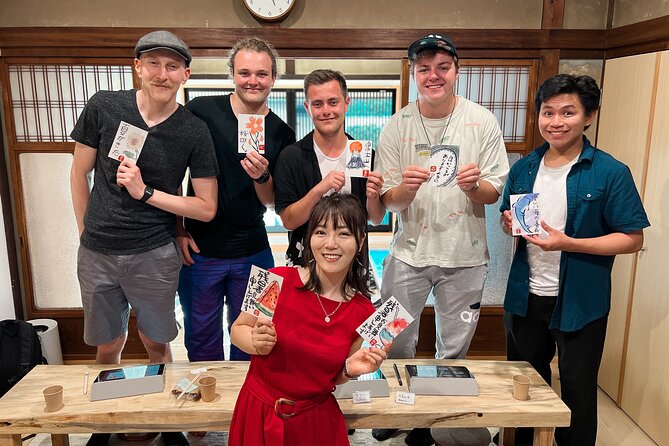
This is a private activity, not a shared class with strangers. That can change the value of the $72 price, especially for a couple or family that wants to learn together.
A private format usually gives your group more room to ask questions and work at different speeds, though the supplied details do not promise a fully customized itinerary. The total session still follows the rough structure of 30 minutes of traditional art, 15 minutes of break, 30 minutes of digital art, and 15 minutes of questions.
The format suits several types of visitors:
- Families: Children can try kanji, brushwork, and iPad art in one activity.
- Couples: You can share a quiet creative experience without needing advanced art skills.
- Solo visitors: The class offers a structured activity and direct contact with instructors.
- Art-minded visitors: You get a practical comparison between handmade and digital techniques.
- First-time cultural learners: You can try Japanese calligraphy without signing up for a long course.
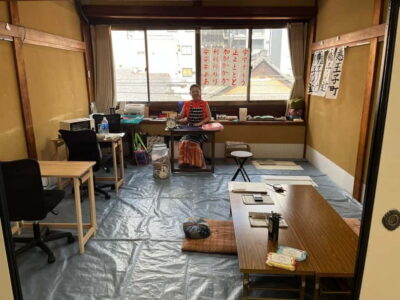
The class may be less suitable if you want a serious multi-day study of calligraphy, a formal tea ceremony, or a large sightseeing component. This is a focused studio workshop. Its appeal comes from making art, not from visiting several Kyoto landmarks.
Is $72 a fair price?
At $72, the value depends on what you want from a Kyoto activity. You are paying for about 90 minutes, instruction from a professional creative team, use of an iPad, traditional art practice, digital practice, and Japanese tea and snacks.
That is a reasonable package if you want a private, guided introduction to two related art forms. The iPad is important to the value because you do not need to own or bring one. You also avoid buying materials for a single short session.
The price is harder to justify if you only want a basic calligraphy lesson. In that case, half of the class may feel like a second activity you did not need. It makes the most sense for people interested in both Japanese tradition and digital creativity.
The private format strengthens the value for small groups. A family or couple can share the price across several people, while a solo visitor will need to decide how much a private art session fits the budget. The experience is not designed as a cheap drop-in craft stop. It is a compact lesson with specialist instruction and a modern angle.
Timing, meeting point, and practical details
The class begins at 3 p.m. at iPadmate kids47, located at 47 Daikokuyacho, Kamigyo Ward, Kyoto, postal code 602-8055. The activity ends back at the same meeting point.
The afternoon start can work well after a morning of sightseeing, but plan your day around it. The 90-minute duration is approximate, and the workshop includes a break and question time, so you should not treat the end as an exact minute for a tight dinner reservation.
The studio is near public transportation. Private transportation is not included, so you arrange your own way to the meeting point. A mobile ticket is available, and confirmation is provided at booking.
Most people can participate, and service animals are allowed. The available details do not describe specific accessibility equipment or the exact physical setup of the studio, so contact the provider ahead of time if you need particular arrangements.
Cancellation is free up to 24 hours before the 3 p.m. start time for a full refund. Changes or cancellations made less than 24 hours ahead are not accepted for a refund, with cut-off times based on local time.
The strongest reason to book
The best reason to book is the traditional-to-digital progression. You do not just watch someone demonstrate calligraphy, and you do not spend the entire class using a screen. You try the physical brushwork first, then see how the same visual ideas can work on an iPad.
I also like the family appeal. Children can learn about kanji, practice on paper, and create a digital postcard in one compact activity. Adults are not left with a simplified children’s craft, since the class also covers the Zen approach to brushwork and the principles behind suibokuga.
The class has a friendly, low-pressure feel built into its schedule. Tea, snacks, a private group, and time for questions make it easier to enjoy the process instead of worrying about producing perfect art.
The main reasons to think twice
The workshop is short, and that limits how far the instruction can go. You will not become skilled at calligraphy or digital illustration in one session. If you want a detailed study of Japanese characters or a long period of quiet brush practice, you may find the 30-minute sections too brief.
The 3 p.m. start also requires planning. It may fit neatly after lunch, but it can divide your afternoon and evening sightseeing. Check the meeting point and allow enough time to reach it using public transportation.
Finally, the experience is centered on the studio. You should book it for the activity itself, not because it includes Kyoto sightseeing, transportation, or a wider cultural tour.
Should you book the Studio Aya workshop?
Book this experience if you want a small-group Kyoto activity that connects traditional calligraphy, suibokuga, etegami, and iPad art. It is particularly well suited to families, couples, solo visitors who enjoy making things, and anyone curious about how Japanese brushwork translates to a digital screen.
I would choose it over a basic calligraphy class if the iPad element genuinely interests you. The tea break, private format, and friendly instruction add comfort, while the paper-first approach gives the digital work a stronger foundation.
Skip it if you want a long, formal lesson or if your Kyoto schedule cannot spare a 3 p.m. appointment. For everyone else, $72 buys a focused and unusual creative session, with enough traditional practice to feel connected to Japan and enough digital work to keep the class fresh.
FAQ
How long does the Calligraphy and Digital Art Workshop last?
The workshop lasts approximately 1.5 hours, including a 15-minute break.
What time does the workshop begin?
The listed start time is 3 p.m.
Where does the workshop take place?
It starts and ends at iPadmate kids47, 47 Daikokuyacho, Kamigyo Ward, Kyoto, 602-8055, Japan.
What will I learn during the workshop?
You will be introduced to traditional Japanese calligraphy or suibokuga ink painting, digital calligraphy, and etegami, the art of Japanese picture letters.
Is an iPad provided?
Yes. An iPad is included for the digital art session.
Are tea and snacks included?
Yes. Japanese tea and snacks are provided during the break.
Can I cancel for a full refund?
Yes, if you cancel at least 24 hours before the experience start time. Cancellations or changes made less than 24 hours before the start are not accepted for a refund.
Just added in Kyoto
- Private Cooking Class Udon in Kyoto Japan★ 5.0 · 23 reviews
- Your Private Vacation Photography Session In Kyoto★ 5.0 · 110 reviews
- Kyoto: Zen Meditation at a Private Temple with a Monk★ 5.0 · 25 reviews
- Private Pewter Sake Cup Experience with a Kyoto Artisan★ 5.0 · 31 reviews
- Kyoto Wagashi(Japanese sweets) Cooking Class near Fushimiinari★ 5.0 · 60 reviews
- Kyoto:Family-Friendly Kimono & Yukata Experience at WARGO★ 5.0 · 147 reviews
- Private Guided Traditional Buddhist Cooking in Japan★ 5.0 · 16 reviews
- Kyoto: Gion Geisha District & Sake-in-Hand Walking Tour★ 5.0 · 37 reviews
Calligraphy & Craft Workshops, compared.
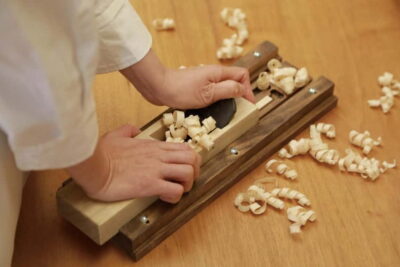
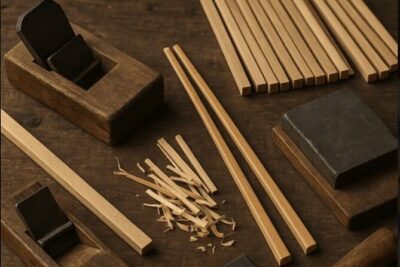
Chopsticks Making Workshop in Gion with Engraving Option
Read our review →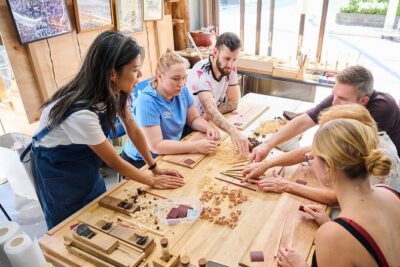


Matcha Making Experience with Mochi Sweets in Asakusa
Read our review →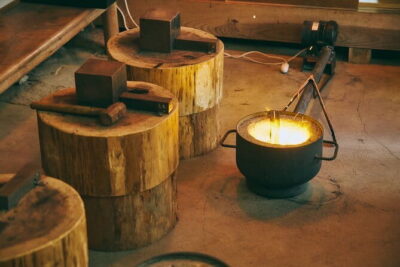
Authentic knife making experience at a blacksmith in Kyoto
Read our review →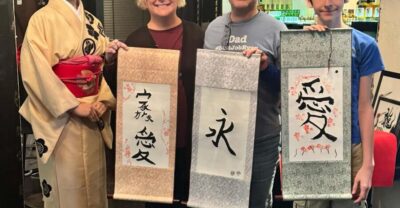
Calligraphy class at Buddhist temple in city center
Read our review →Browse the lists this tour appears in