
Reviewed · GEISHA & GION DISTRICT TOURS
Kyoto Gion Geisha District Walking Tour – The Stories of Geisha
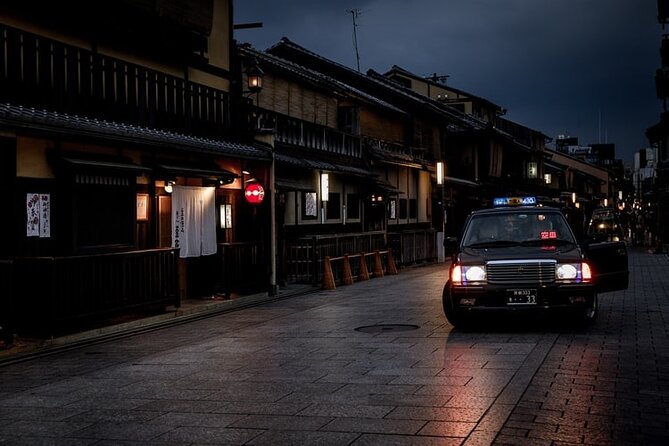
Gion changes after sunset. Lanterns glow, wooden teahouses look more mysterious, and geiko and maiko may be heading to evening appointments. This two-hour walking tour gives you the stories behind the district instead of leaving you to photograph its streets without context.
I like the small maximum of 15 people, which makes it easier to hear guides such as Ben, Shin, Deborah, Nami, and Kenji. I also like the focus on overlooked details, including buildings and customs that are easy to pass without knowing their purpose. The main drawback is simple: this is a walking tour in the open air, and winter evenings can be very cold.
Key points at a glance
- Gion after dark: See the district once the largest daytime crowds have thinned.
- Geisha culture explained: Learn about geiko, maiko, their training, work, clothing, and place in Kyoto’s entertainment districts.
- Small group format: The group is capped at 15, a useful size for questions and street-side explanations.
- Historic stops: The route includes the Izumo-no-Okuni Statue, Minamiza, Tatsumi Bridge, Hanamikoji Street, Gion Corner, and Yasaka Shrine.
- Good first-night choice: The walk introduces both Gion and wider Kyoto history in less than two hours.
- Low price, useful context: At $25 per person, the tour is a sensible way to put later sightseeing in Gion into perspective.
Why Gion makes more sense at night
Gion is one of Kyoto’s most photographed districts, but photographs do not explain much. You see narrow lanes, machiya facades, lanterns, and discreet entrances, yet the important details are often not obvious. A guide can explain what these buildings are used for, how the entertainment district developed, and why some streets require respectful behavior.
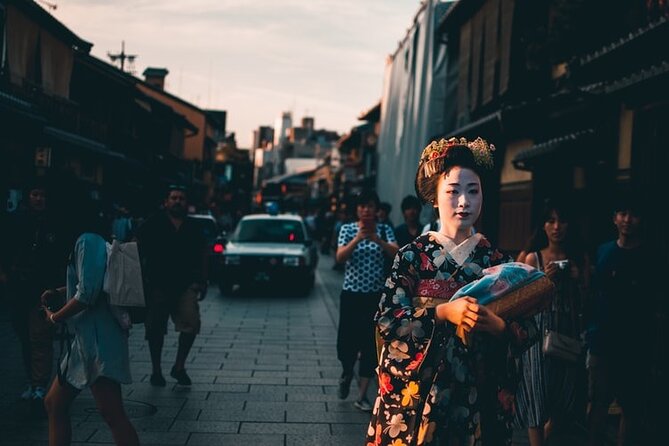
The evening timing is one of the tour’s strongest features. During the day, Gion can feel crowded and difficult to read. After dark, the atmosphere becomes quieter and more focused, even though the district remains an active part of Kyoto life. You may see geiko or maiko on their way to appointments, but sightings are not promised, and they should never be treated as performers available for photographs.
The subject is also more complicated than the popular image suggests. The walk helps separate geisha stereotypes from the real traditions of geiko and maiko, while placing them within Japanese theater, music, hospitality, and Kyoto’s former pleasure districts. Guides have covered both historic customs and present-day practice, which is more useful than a tour that treats geisha only as a costume photo opportunity.
Other walking tours in Kyoto people book:
- Kyoto Geisha Walking Tour: Gion District & Hidden Gems
★ 4.7 · 3,273 reviews - Kyoto: Gion Magical Night Walking Tour with Geisha Trivia
★ 4.9 · 2,393 reviews - Kyoto: Gion Geisha District Walking Tour – Stories of Geisha
★ 4.7 · 2,187 reviews
Meeting at Shijo and finishing near Yasaka Shrine
The tour begins outside Ben’s Cookies Kyoto Shijo at 89 Shinchō in Shimogyo Ward. That location puts you near the Shijo area, so check the map carefully and arrive with enough time to find the meeting point. The end is at Yasaka Shrine, at 625 Gionmachi Kitagawa in Higashiyama Ward.
This is a point-to-point walk rather than a round trip. That matters when you plan your evening. You can continue exploring Gion from Yasaka Shrine, visit nearby streets, or make your way onward by public transportation. The tour information confirms that it is close to public transportation, but it does not provide a return transfer, bottled water, or a hotel pickup.
The walking pace is manageable for most people, and most participants can take part. Still, two hours on foot means sensible shoes are worthwhile. In cold weather, wear a proper coat. One particularly useful bit of practical advice from the tour feedback is not to underestimate Kyoto at night in winter. A warm jacket can make the difference between enjoying the explanations and thinking mainly about your fingers.
Izumo-no-Okuni and the roots of performance
An early stop is the bronze statue of Izumo-no-Okuni, a figure linked to the beginnings of kabuki theater. The statue provides a strong opening because it connects Gion’s entertainment culture to a wider story about performance in Japan.
This is more than a quick photo stop. A guide can use Okuni’s story to explain how public performance developed and how Kyoto became associated with theater, music, dance, and hospitality. If you are new to Japanese cultural history, this context helps you understand why Gion is not simply a district where geisha happen to work.
The stop is free and listed for about 10 minutes. It is short enough to keep the walk moving, but long enough for an introduction to the artistic traditions that shaped the area. Look closely at the statue and listen for the link between early kabuki and the entertainment world that later grew around Gion.
Minamiza, Kyoto’s famous kabuki theater
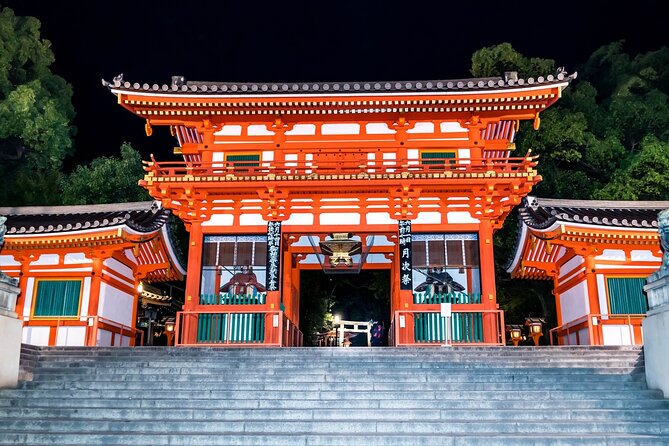
The route also includes Minamiza, a historic theater known for kabuki performances. Kabuki uses dramatic storytelling, elaborate costumes, stylized movement, and strong visual presentation. Even if you are not attending a performance, seeing the theater helps place geisha culture within a larger world of Japanese stage arts.
This is an important distinction. Geiko and maiko are not simply entertainers in the modern Western sense. Their work belongs to a formal tradition involving music, dance, conversation, hospitality, and years of training. Minamiza gives the guide a useful setting for explaining how performance traditions overlap without being identical.
The available itinerary does not specify a separate duration for this stop, so expect it to be part of the broader walking commentary rather than a long theater visit. There is no admission to a kabuki performance included. If you want to see a show, that would require a separate ticket and schedule.
Other evenings in the old entertainment quarters of Kyoto:
- Best of Kyoto: Gion, Geisha, Pagodas & Cobblestones
★ 4.9 · 2,058 reviews - Night Walk in Gion: Kyoto’s Geisha District
★ 4.5 · 2,003 reviews - Kyoto Night Foodie Tour in Gion (9+ dishes + 6 Sake tastings)
★ 5.0 · 1,762 reviews - Kyoto Gion: 2-Hour Geisha Culture & History Walking Tour
★ 5.0 · 1,186 reviews
Tatsumi Bridge and Gion Shinbashi
Tatsumi Bridge is one of the most attractive points along the walk. It sits in the Gion Shinbashi area, known for traditional streets, teahouses, and a strong connection to geisha culture. The bridge and surrounding lanes offer the sort of setting many people picture when they imagine old Kyoto.
The value here comes from the guide’s explanation of what you are seeing. A row of traditional-looking buildings can seem decorative until you learn how the district functions, what kind of business takes place behind its doors, and why some entrances appear deliberately discreet. Guides have pointed out plain buildings that carry real importance in geisha culture, details you could easily miss on your own.
The stop is listed for about 10 minutes. It is a good place for photographs, but be thoughtful with your camera. Gion is a working neighborhood, not an outdoor stage. Keep your distance from anyone heading to an appointment, avoid blocking narrow lanes, and follow your guide’s advice about photography.
Hanamikoji Street and the details you would miss
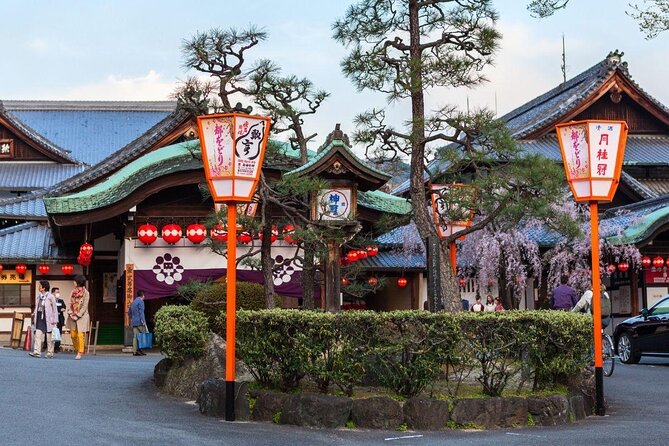
Hanamikoji Street is perhaps the best-known stretch of the route. Its traditional machiya houses, restaurants, and teahouses make it an obvious introduction to Gion. The street is photogenic, but its appearance can encourage a shallow reading of the district if you do not learn what lies behind the facades.
The guide’s role is especially useful here. You can learn how the street fits into Kyoto’s entertainment culture and how the buildings relate to the work of geiko and maiko. Several guides have been praised for explaining the difference between the two terms, the stages of training, and the changes that have taken place over time.
Hanamikoji is also where the tour’s evening timing matters most. The softer light and lanterns create a graceful setting, but the street can still be busy. Do not expect an empty film set. You are walking through an operating neighborhood with restaurants, residents, workers, and visitors sharing the same narrow space.
Gion Corner and the wider cultural picture
Gion Corner is a cultural center and performance venue that presents several traditional Japanese arts in a compact format. The walking tour does not include a performance ticket, but the location adds another useful reference point.
It shows that Kyoto’s traditional arts are not limited to the geisha districts. Music, dance, theater, and other forms of performance sit within a broader cultural system. If you have already booked a separate geisha performance or cultural show, the walking tour can make that event easier to understand.
One practical point is that the route may feel introductory rather than exhaustive. One person found the itinerary could use more content, and that is a fair consideration for anyone seeking a long, detailed lecture or an extended visit inside cultural venues. The tour’s strength is its balance of walking, explanation, and atmosphere, not a packed schedule of admissions.
Yasaka Shrine and the end of the walk
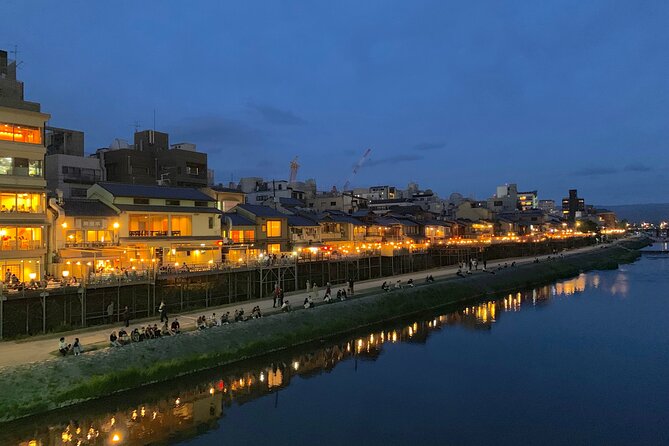
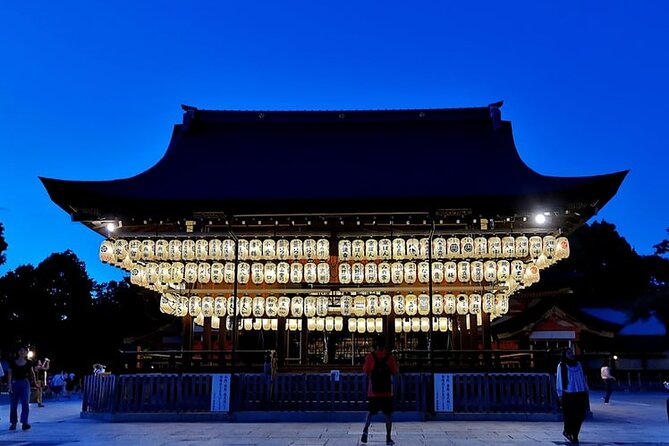
The tour finishes at Yasaka Shrine, also called Yasaka Jinja or Gion Shrine. This is one of Kyoto’s best-known Shinto shrines and an appropriate ending point because it connects Gion to religious life and local festivals.
The shrine gives you a different view of the neighborhood. Gion is associated internationally with geisha, but it also belongs to the wider life of Kyoto, where shrines, seasonal events, traditional arts, food, and local businesses overlap. Ending here helps prevent the walk from becoming a single-subject tour.
The listed stop is about 10 minutes and admission is free. Afterward, you are well placed to continue your evening in the Gion area. The tour does not include food or drinks, so plan any dinner or refreshments separately.
What the guides add to the walk
The strongest part of this tour is the guide-led explanation. Names associated with the experience include Ben, Shin, Deborah, Melanie, Manuel, Joy, Sakuri, Nami, Kenji, Adrian, Tommy, Manny, Ikari, and Nikki. Your guide will depend on the date, and the tour does not promise a particular person.
The most useful guides combine geisha history with wider Kyoto information. Ben, for example, has been noted for explaining the hidden codes of the flower towns and for showing Gion, Pontocho, and Kyoto by night. Deborah has been praised for linking the subject to related history, while Nami and Kenji have been singled out for friendly, clear explanations.
You should expect questions to be welcome. The small group cap helps here, especially when the guide stops beside an ordinary-looking building or explains a term that appears simple but has a more specific meaning. Families with teenagers can take part, and the format has worked for multigenerational groups because it is educational without being presented as a formal classroom lesson.
Guide quality can vary slightly from one departure to another, as it does with any tour using several guides. Still, the repeated pattern is clear: the experience depends less on entry tickets and more on the person leading the walk. If you enjoy asking questions, this is a better fit than if you prefer to explore silently at your own pace.
Is $25 good value?
At $25 per person, this is a reasonably priced introduction to Gion. You are paying for about two hours of guiding, all listed fees and taxes, and a route through several culturally important areas. There is no admission charge at the stated stops, so the real value lies in interpretation rather than included attractions.
I think the price works best for a first visit. Without a guide, you can walk Hanamikoji Street, cross Tatsumi Bridge, and reach Yasaka Shrine for free. What you cannot easily obtain on your own is a clear explanation of the district’s working traditions, the history of geiko and maiko, and the meaning behind buildings that look ordinary from the street.
The value is lower if you already know Gion well or have booked a longer geisha-focused cultural program. In that case, some material may overlap. It can still work as a short evening orientation, especially because the route introduces several parts of central Kyoto without taking up an entire night.
Weather, walking, and booking details
The tour requires good weather. If poor weather causes cancellation, you are offered another date or a full refund. You can cancel for a full refund up to 24 hours before the start time, but cancellations or changes made within 24 hours are not refunded or accepted.
The tour uses a mobile ticket, and confirmation is provided at booking. Service animals are allowed. Most people can participate, but remember that this is an outdoor walk with no bottled water included.
A few simple preparations make the evening easier:
- Wear comfortable shoes for two hours of walking.
- Bring a warm coat in winter.
- Carry water, since it is not supplied.
- Keep your mobile ticket available.
- Arrive at Ben’s Cookies Kyoto Shijo with time to spare.
- Treat geiko, maiko, residents, and businesses with courtesy.
Who should book this Gion walk?
I would choose this tour if you are visiting Kyoto for the first time and want a clear introduction to Gion before exploring it alone. It also suits anyone curious about geisha culture but unsure how to separate real tradition from tourist fantasy.
Families with older children and teenagers can get a lot from it, especially if they enjoy history and cultural questions. The short duration helps keep the evening manageable. It also works well at the start of a Kyoto stay, since the guide can give you useful context for later visits to Gion, Pontocho, theaters, shrines, and cultural performances.
I would think twice if you dislike walking outdoors at night, need a fully sheltered activity, or want guaranteed close-up encounters with geiko or maiko. This is a respectful district walk, not a private meeting or a performance. The itinerary can also feel light if you expect every minute to contain a formal attraction.
Should you book it?
Book this tour if you want context, atmosphere, and a modest price rather than a grand attraction with an admission ticket. The strongest reasons are the evening setting, the small group size, and the guides’ focus on explaining details that are easy to miss.
It is especially useful on your first Kyoto visit, or early in your stay. Bring warm clothes in cold weather, keep your expectations realistic about seeing geiko or maiko, and treat Gion as a living neighborhood. For $25 and two hours, it offers a practical way to understand one of Kyoto’s most famous districts before you return to explore it on your own.
FAQ
How much does the Kyoto Gion Geisha District Walking Tour cost?
The tour costs $25 per person.
How long does the tour last?
The walking tour lasts approximately two hours.
What time of day does the tour take place?
It is an evening walking tour after dark.
How large is the group?
The tour has a maximum of 15 participants.
Where does the tour start?
The meeting point is Ben’s Cookies Kyoto Shijo, 89 Shinchō, Shimogyo Ward, Kyoto, 600-8001, Japan.
Where does the tour end?
The tour ends at Yasaka Shrine, 625 Gionmachi Kitagawa, Higashiyama Ward, Kyoto, 605-0073, Japan.
Which places are included on the route?
The route includes the Izumo-no-Okuni Statue, Minamiza, Tatsumi Bridge, Hanamikoji Street, Gion Corner, and Yasaka Shrine.
Are admission fees included?
All fees and taxes are included. The listed stops have no admission charge. A separate kabuki or cultural performance ticket is not included.
Is bottled water provided?
No. Bottled water is not included, so you should bring your own.
What is the cancellation policy?
You can cancel up to 24 hours before the start time for a full refund. Cancellations or changes made less than 24 hours before the start time are not refunded. If poor weather forces cancellation, you are offered a different date or a full refund.
More walking tours elsewhere in Japan
- Nishiki Market Brunch Walking Tour (7 Tastings + Brunch)
★ 5.0 · 1,355 reviews - Kyoto Arashiyama Walking Tour: Bamboo, Monkeys, Gardens & Secrets
★ 5.0 · 1,216 reviews - Kyoto: Izakaya Bars Guided Walking Tour
★ 4.9 · 815 reviews - Kyoto Sake Brewery & Tasting Walking Tour
★ 5.0 · 623 reviews
Just added in Kyoto
- Kyoto: Private Photoshoot Service★ 5.0 · 158 reviews
- Kyoto Rickshaw Tour★ 5.0 · 210 reviews
- Izakaya Style Cooking Class★ 5.0 · 219 reviews
- Kyoto: Traditional Concert at Townhouse or Bathhouse★ 4.9 · 224 reviews
- Ninja 2-hour Hands-on Lesson by Japanese master in Kyoto -Medium★ 5.0 · 218 reviews
- Kyoto: Arashiyama Bamboo, Temple, Matcha, Monkeys & secret spots★ 5.0 · 219 reviews
- Kyoto: Gion & Pontocho Food Tour with 13 Dishes★ 4.9 · 235 reviews
- Kyoto: Afternoon Japanese Izakaya Cooking Class★ 4.9 · 241 reviews
Geisha & Gion District Tours, compared.
Kyoto Geisha Walking Tour: Gion District & Hidden Gems
Read our review →
Gion Geisha District Walking Tour – Stories of Geisha
Read our review →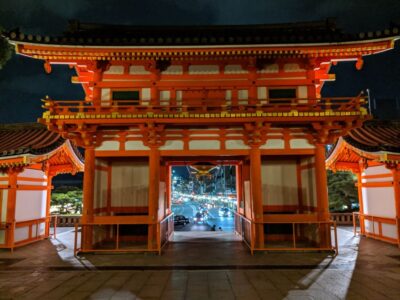
Best of Kyoto: Gion, Geisha, Pagodas & Cobblestones
Read our review →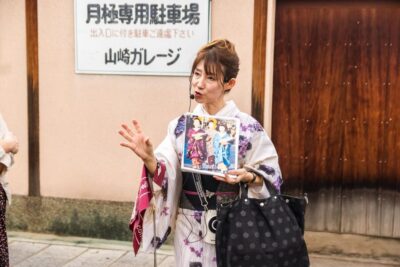
Kyoto Night Foodie Tour in Gion (9+ dishes + 6 Sake tastings)
Read our review →
Kyoto Gion: 2-Hour Geisha Culture & History Walking Tour
Read our review →
Chopsticks Making Workshop in Gion with Engraving Option
Read our review →
Browse the lists this tour appears in