
Reviewed · GEISHA & GION DISTRICT TOURS
The Art of Geisha: Exclusive Show & Gion Walking Tour
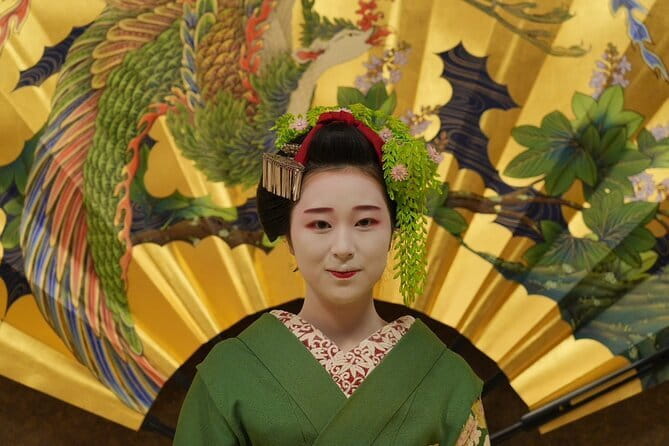
A maiko performance is the heart of this Kyoto experience. In Gion, you watch an apprentice geisha dance, learn about her demanding training, enjoy Japanese tea and snacks, and speak with her directly. This is not a street sighting or a quick photograph. It gives you a set time and place to meet one performer in a respectful setting.
I like the maximum six-person group, which keeps questions and conversation possible. I also like the chance to play a traditional Japanese game with the maiko, a small but memorable detail that turns a performance into a shared experience. The main consideration is the price: at $124.21 per person, this is a special-occasion outing, not a casual add-on.
The guide also matters here. Ai and Yoshino have been singled out for their friendly interpretation and understanding of Kyoto and maiko culture. The performance has been especially well received, with several participants describing the one-to-four maiko-to-guest setup as a rare level of access.
Key points at a glance
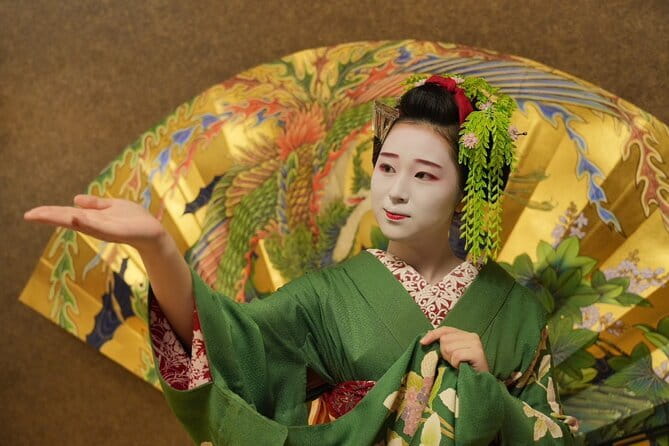
- A maiko performs traditional arts while you sit close enough to appreciate the details of her dance and dress.
- The group is limited to six people, making it easier to ask questions and take part in the conversation.
- Tea and Japanese snacks are included, adding a simple cultural ritual before or around the performance.
- You can play a traditional game with the maiko, rather than only watching from the sidelines.
- The Gion walk adds context, explaining the district and the difference between maiko and geiko.
- The 3 pm start fits neatly into a Kyoto afternoon, though the short duration means this is a focused encounter, not a full-day tour.
Meeting Gion at the Izumo-no-Okuni statue
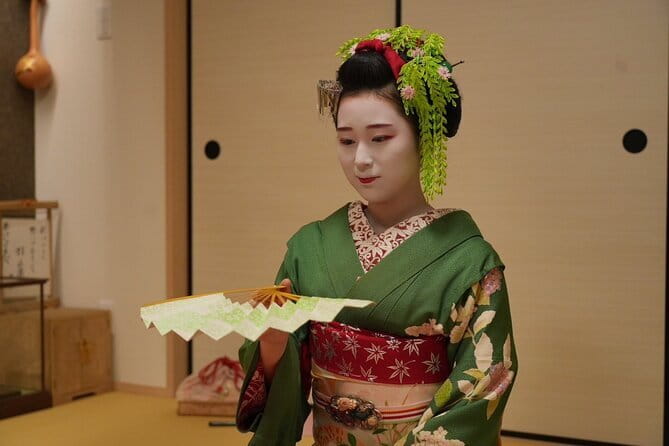
The experience begins at 3 pm beside the Statue of Izumo-no-Okuni in Kawabatacho, Higashiyama Ward. This is a useful starting point near public transportation, and an easy place to meet before entering the Gion area.
Your English-speaking guide introduces the district and explains the setting for the afternoon. That short walk matters because Gion can look like a collection of handsome lanes and traditional facades if you do not know what you are seeing. With context, the streets become connected to the work and customs of Kyoto’s geisha districts.
The walk is not the main event, and the information provided does not promise a long route or a large number of stops. Think of it as a brief orientation before the tea house and performance. If you want a full historical tour of Gion, you will need a separate walk. If you want enough background to understand the encounter with the maiko, this compact introduction should do the job.
The guide’s role is especially important at this point. Ai and Yoshino are named as guides who can explain the district and interpret the cultural details in English. That makes a difference when you want to ask about training, daily life, or the terms used for a maiko and geiko.
Other walking tours in Kyoto people book:
- Kyoto Geisha Walking Tour: Gion District & Hidden Gems
★ 4.7 · 3,273 reviews - Kyoto: Gion Magical Night Walking Tour with Geisha Trivia
★ 4.9 · 2,393 reviews - Kyoto: Gion Geisha District Walking Tour – Stories of Geisha
★ 4.7 · 2,187 reviews
What the maiko performance gives you
The central meeting is with a maiko, an apprentice geisha. She performs traditional arts for the small group, giving you a close view of the controlled movement, formal presentation, and discipline involved.
This is the part I would plan around. The experience is designed to show you a world that is usually private and difficult to encounter directly. You are not simply hoping to spot a maiko on a Gion street. You have a scheduled cultural presentation, followed by a chance to talk.
The show itself is relatively intimate. One account describes a group of four with one maiko, and the maximum group size is six. That ratio is one of the strongest reasons to consider this tour. You are less likely to feel like one face in a crowded audience, and there is a better chance to see the details of the performance.
Keep your expectations in the right place. This is an introductory encounter, not a full evening in an ochaya, the traditional entertainment house associated with geisha culture. The experience offers a performance, conversation, tea, snacks, and a game within roughly one to two hours. It gives you a window into the culture, not access to every part of it.
Tea, snacks, and a chance to ask questions
Japanese tea and snacks are included, giving the performance a calm social setting. These refreshments are not presented as a full meal, so I would eat beforehand if you need substantial food. Their value is cultural and practical: they create a natural pause and make the meeting feel like an exchange rather than a stage show.
The question period is one of the best features for curious visitors. You can ask the maiko about her work and training, while your guide helps with English interpretation and cultural context. Several parts of this experience point to the same advantage: you have time to ask questions instead of being hurried from one photo stop to the next.
This is also where a small group pays off. With six people or fewer, you can listen to other questions and still have a chance to ask your own. In a larger group, the conversation could become a formal presentation. Here, it has more room to feel personal.
The conversation should remain respectful. A maiko is a working performer, not a costumed prop. The setting gives you access, but it also calls for attention to the guide’s instructions and sensitivity toward the person sharing her art and profession.
The traditional game adds a playful turn
After the formal performance and discussion, you may get to join a traditional Japanese game with the maiko. This is a particularly good feature for families with older children, couples, and anyone who prefers participation to passive watching.
One participant described playing against the maiko and winning, which gives you a sense of the lighthearted mood this part can create. You should not book the tour expecting a competitive event, but the game breaks down the distance between performer and audience.
It also gives you a different view of the maiko’s personality. A dance shows training and control. A game allows for humor and quick interaction. That contrast helps make the encounter memorable without turning it into a loud or artificial show.
Participation is not the same as guaranteed individual time for everyone. The group can include up to six people, so the amount of direct interaction may depend on the size of your group and the flow of the afternoon. Still, the opportunity is built into the experience and is more engaging than simply taking photographs.
Other evenings in the old entertainment quarters of Kyoto:
- Best of Kyoto: Gion, Geisha, Pagodas & Cobblestones
★ 4.9 · 2,058 reviews - Night Walk in Gion: Kyoto’s Geisha District
★ 4.5 · 2,003 reviews - Kyoto Night Foodie Tour in Gion (9+ dishes + 6 Sake tastings)
★ 5.0 · 1,762 reviews - Kyoto Gion Geisha District Walking Tour – The Stories of Geisha
★ 5.0 · 1,441 reviews
Understanding maiko and geiko in Gion
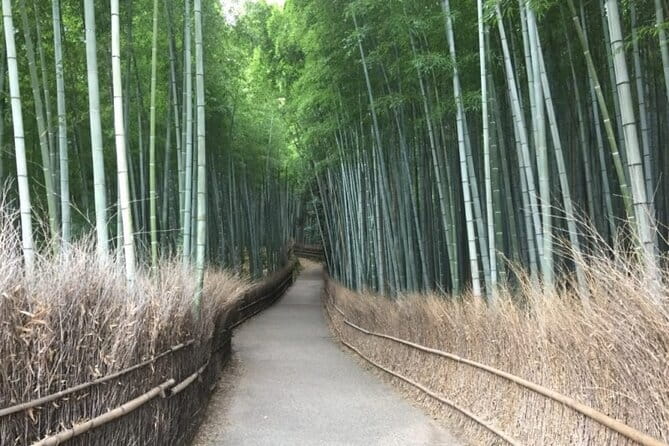
The tour focuses on the art and culture of geisha, but the performer you meet is a maiko, an apprentice geisha. The guides explain the distinction and the years of training involved. That background gives the performance more meaning.
A maiko’s dance is not just a decorative display. It reflects formal instruction in traditional arts and a demanding path toward becoming a geiko, the term commonly used for a fully trained geisha in Kyoto. The experience does not promise a long lecture, but it does give you a chance to ask about the process directly.
That personal link is valuable because geisha culture is often reduced to costumes and quick street photographs. Here, you hear about the work behind the appearance and see an art form presented by someone still in training. The result is more thoughtful than a simple photo opportunity.
The Gion walk also helps you understand why random geisha spotting is unreliable. The district may be familiar from films and photographs, but the people who work there are not performing for every passerby. This arranged meeting offers a more respectful way to learn.
How the timing works for a Kyoto afternoon
The advertised duration is approximately one to two hours, while the listed Gion portion is about one hour. I would allow at least two hours in your afternoon so you are not pressed by another reservation. The start time is fixed at 3 pm, and the experience ends at Hangesho, 535 Morishitacho, in Higashiyama Ward.
The afternoon timing works well if you have spent the morning at a temple, market, or museum. It also leaves the evening open for dinner in Gion or elsewhere in Kyoto. Since the tour is short, you can pair it with another nearby activity, but leave enough space for walking to the meeting point and finding the statue.
A mobile ticket makes check-in simple. Confirmation is provided at booking, and the meeting point is near public transportation. Even so, I would arrive early. The statue is a precise meeting place, and a few extra minutes help you locate it without rushing.
The end point is different from the start point, so notice that when planning your next stop. The supplied information gives the exact end address but does not specify a return transfer. You should be ready to continue on foot or use public transportation after the experience.
Is $124.21 a fair price?
At $124.21 per person, the cost is high for a one to two-hour activity. You are paying for more than a walk. The price includes the maiko show, Japanese tea and snacks, and an English-speaking guide, with a group capped at six.
I see the value if meeting a maiko is a top priority for your Kyoto visit. The small group, direct questions, and interactive game offer access that can be hard to arrange on your own. The experience also removes the uncertainty of trying to spot a maiko in Gion, where an encounter is never guaranteed.
The value is weaker if you mainly want to see traditional dance at the lowest possible cost. You can find less expensive cultural shows in Kyoto, though they may not include a small group, a personal conversation, or a game with the performer.
This is best treated as a special cultural appointment, not an ordinary sightseeing ticket. For a once-in-a-lifetime trip, the focused access may justify the expense. For a longer stay with a tight budget, compare it with your other planned performances and decide how much personal interaction matters to you.
Who will enjoy this most?
I would recommend this experience to adults and older children who are curious about Japanese performing arts, social customs, and the training behind geisha culture. The direct conversation makes it a good choice for people who enjoy asking questions and learning through personal contact.
It also suits couples and small groups who value a quiet, well-organized cultural activity. The maximum of six keeps the mood intimate, and the 3 pm start leaves room for other Kyoto plans.
Photography-focused visitors should be realistic. The main benefit is the performance and conversation, not a promise of unlimited posed photographs. The supplied details do not specify a photography policy, so follow the guide’s instructions and avoid assuming that every moment can be filmed.
Children under six cannot join. Families with older children should consider whether they can appreciate a short performance and behave appropriately in a formal cultural setting. The game may add appeal, but this is still an experience centered on conversation and traditional arts.
Practical details before you book
The tour is offered by GuideMe Japan and accepts mobile tickets. Confirmation arrives at the time of booking, and the activity is near public transportation. Most people can participate, but children aged six and under are not allowed.
The stated cancellation rule is generous if your plans are uncertain: cancel at least 24 hours before the 3 pm start for a full refund. Cancellations or changes made less than 24 hours before the local start time are not refunded or accepted.
No additional fees are listed as included, so check the final booking terms for anything outside the show, tea, snacks, and guide service. The experience is offered in English through the guide, with interpretation helping you communicate with the maiko.
Should you book the Gion maiko experience?
Book it if you want a direct, respectful introduction to geisha culture and are willing to pay for a small group. The strongest features are the maiko performance, the chance to ask questions, and the traditional game. Guides such as Ai and Yoshino add useful background to the Gion walk and help the conversation make sense.
Skip it if you want a long walking tour, a full meal, or a low-cost dance performance. The experience is short, focused, and priced for personal access.
For the right visitor, this can become one of the most memorable afternoons in Kyoto. You see the art, hear about the training, share tea and snacks, and take part in a small exchange rather than simply watching Gion from the street.
FAQ
How long does the Art of Geisha experience last?
The approximate duration is one to two hours. The Gion portion is listed as about one hour, including the district introduction and maiko experience.
Where does the tour begin?
It begins at the Statue of Izumo-no-Okuni in Kawabatacho, Higashiyama Ward, Kyoto. The start time is 3 pm.
Where does the experience end?
The listed end point is Hangesho, 535 Morishitacho, Higashiyama Ward, Kyoto.
What is included in the price?
The price includes a geisha show, Japanese tea and snacks, and an English-speaking tour guide.
How many people can join?
The activity has a maximum of six participants.
Can children under six join?
No. Children aged six and under cannot participate.
More walking tours elsewhere in Japan
- Nishiki Market Brunch Walking Tour (7 Tastings + Brunch)
★ 5.0 · 1,355 reviews - Kyoto Arashiyama Walking Tour: Bamboo, Monkeys, Gardens & Secrets
★ 5.0 · 1,216 reviews - Kyoto Gion: 2-Hour Geisha Culture & History Walking Tour
★ 5.0 · 1,186 reviews - Kyoto: Izakaya Bars Guided Walking Tour
★ 4.9 · 815 reviews
Just added in Kyoto
- Private Cooking Class Udon in Kyoto Japan★ 5.0 · 23 reviews
- Your Private Vacation Photography Session In Kyoto★ 5.0 · 110 reviews
- Kyoto: Zen Meditation at a Private Temple with a Monk★ 5.0 · 25 reviews
- Private Pewter Sake Cup Experience with a Kyoto Artisan★ 5.0 · 31 reviews
- Kyoto Wagashi(Japanese sweets) Cooking Class near Fushimiinari★ 5.0 · 60 reviews
- Kyoto:Family-Friendly Kimono & Yukata Experience at WARGO★ 5.0 · 147 reviews
- Private Guided Traditional Buddhist Cooking in Japan★ 5.0 · 16 reviews
- Kyoto: Gion Geisha District & Sake-in-Hand Walking Tour★ 5.0 · 37 reviews
Geisha & Gion District Tours, compared.
Kyoto Geisha Walking Tour: Gion District & Hidden Gems
Read our review →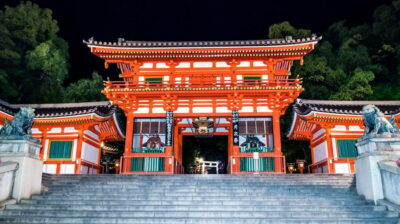
Gion Geisha District Walking Tour – Stories of Geisha
Read our review →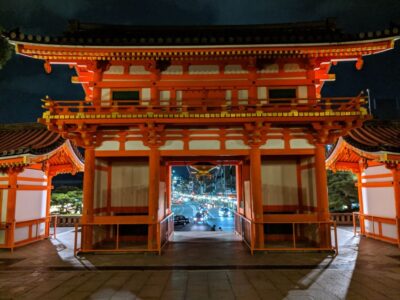
Best of Kyoto: Gion, Geisha, Pagodas & Cobblestones
Read our review →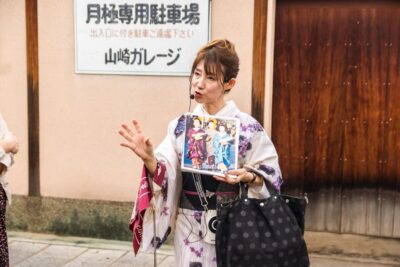
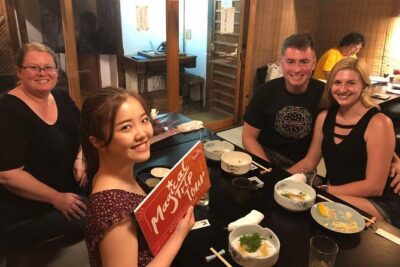
Kyoto Night Foodie Tour in Gion (9+ dishes + 6 Sake tastings)
Read our review →
Kyoto Gion: 2-Hour Geisha Culture & History Walking Tour
Read our review →
Chopsticks Making Workshop in Gion with Engraving Option
Read our review →
Browse the lists this tour appears in