
Reviewed · CALLIGRAPHY & CRAFT WORKSHOPS
Japanese Calligraphy – Shodo – Lesson (near Kyoto Station)
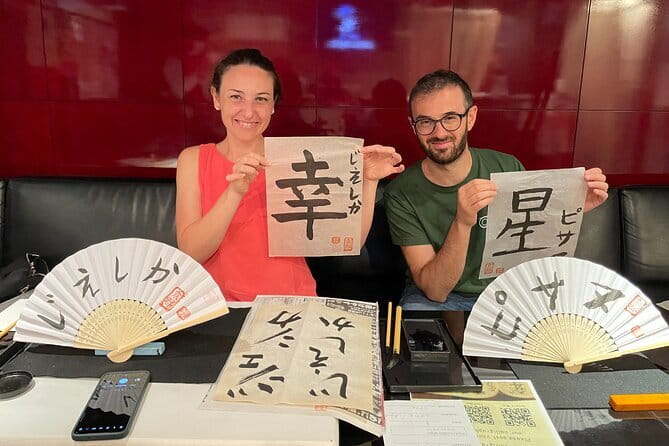
The most appealing part of this Kyoto activity is that you do not simply watch someone write beautiful Japanese characters. You hold the brush yourself, learn how ink behaves on washi paper, and leave with a piece of your own work. The class also turns your name into approximate Kanji, with meanings explained along the way.
I like the small group size, capped at 10, because an instructor can correct your brush angle and ink use. I also like that all materials are supplied, including brushes, ink, and paper, so you can fit this into a busy Kyoto day without shopping for equipment.
The main limitation is time. One hour is enough for a friendly introduction and several souvenirs, but not enough to master Shodo or explore Japanese calligraphy in great depth. You also need to find the meeting point at the MK Taxi stand near Kyoto Station, which can take a little care.
Key points to know before booking
- Practice comes before the souvenir: You learn brush handling and ink application before making your final pieces.
- Your name becomes a creative exercise: Staff suggest approximate Kanji for names and explain the meanings behind the characters.
- The class is capped at 10 people: This gives you a better chance to receive individual help.
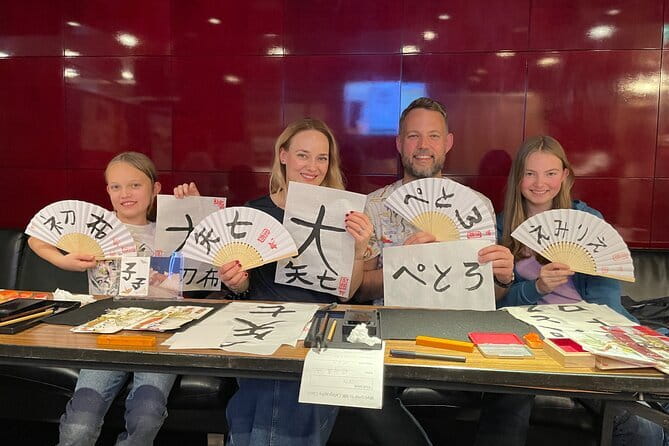
- Children can take part: The activity suits families, with practice and decorating tasks that work well for younger participants.
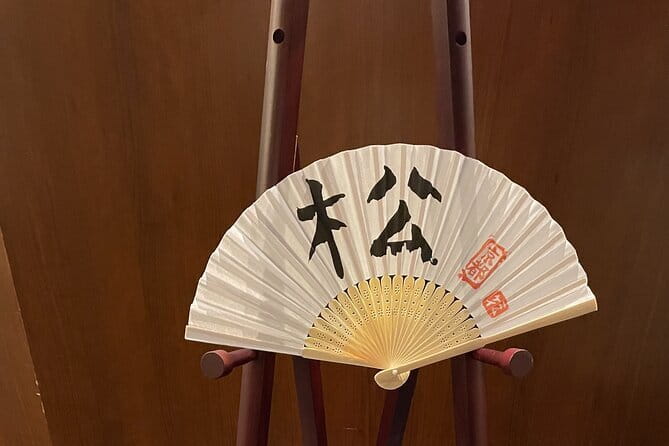
- You leave with handmade keepsakes: Finished calligraphy can be made into a scroll, and some sessions include decorated items such as fans or a photo frame.
- The location is close to Kyoto Station: Meet at the MK Taxi VIP Station at the Hachijo Exit, near the ibis Styles Kyoto Station.
Why this one-hour Shodo class works well in Kyoto
Kyoto offers no shortage of temples, gardens, and historic streets. After a few days of looking, walking, and taking photographs, I find that a seated activity can be a welcome change. This class gives you something to do with your hands, and the result is personal rather than mass-produced.
Shodo, the Japanese art of brush calligraphy, depends on simple tools: brush, ink, and paper. The simplicity can be deceptive. A slight change in pressure alters the width of a stroke, while too much ink can blur the character. In a short class, you will not become a calligrapher, but you can see why the craft demands patience and control.
The experience is aimed at beginners. You do not need to know Japanese, recognize Kanji, or bring any equipment. The teacher demonstrates how to hold and use the brush, how to apply ink, and how to make the first basic strokes. Staff then guide you through the characters rather than leaving you to copy a finished example on your own.
That last point matters. A book can show you the shape of a character, but it cannot tell you that your brush is too wet or that you are pressing too hard. Personal guidance makes this a better introduction than trying to learn from a printed diagram during your trip.
Other things to make with your hands in Kyoto:
- Kyoto : Chopsticks Making Workshop in Gion with Engraving Option
★ 5.0 · 958 reviews - Authentic knife making experience at a blacksmith in Kyoto
★ 4.8 · 350 reviews - Kyoto: Calligraphy class at Buddhist temple in city center
★ 5.0 · 167 reviews
Finding the MK Taxi meeting point near Kyoto Station
The class begins at the MK Taxi VIP Station at Kyoto Station’s Hachijo Exit. The listed address is at the ibis Styles Kyoto Station, 47 Higashikujo Kamitonodacho, Minami Ward, Kyoto 601-8002.
This is close to public transportation, which makes the class easy to add to a Kyoto itinerary. Still, allow a few extra minutes to locate the correct spot. The meeting area is associated with the MK taxi stand and Kyoto sightseeing reception, not a large, obvious calligraphy storefront. The most useful visual clue is the MK building or taxi stand near the station. One practical description places it diagonally across the street after leaving the station exit.
I would not arrive at the last second. Kyoto Station is large, and the Hachijo side can feel confusing if you are coming from the opposite end. Show your mobile ticket at the meeting point, then the activity begins and ends in the same area.
That return to the meeting point is handy. You can continue by train, return to your hotel, or plan lunch nearby without arranging another pickup.
Your first lesson: brush, ink, and washi paper
The opening part of the class covers the tools. You learn how to use the brush and how to apply ink to the washi paper. This is the practical foundation of the whole activity.
The brush is not used like a ballpoint pen. You vary pressure and angle as you move, and the amount of ink on the brush affects the final stroke. The instructor’s demonstration gives you a workable starting point before you begin practicing.
All brushes, ink, and washi paper are included in the $50.40 price. That saves you from buying supplies you may not use again, and it keeps the class simple for families. You arrive, sit down, and begin.
I especially like that practice is part of the session. You are not expected to produce a perfect character on the first attempt. The activity gives you several chances to get used to the brush before you make the pieces you want to take home.
The group limit of 10 is useful here. In a larger workshop, beginners could spend much of the lesson waiting for help. With a smaller class, you have a better chance to ask questions and receive a quick correction.
Writing basic Kanji, from One to Kyoto
After the introduction, you practice basic characters. The planned examples include Kanji for One, A, Forever, and Kyoto. These give you a range of shapes and strokes to try, while keeping the class accessible to people starting from zero.
Writing a character is more than tracing its outline. The sequence and direction of strokes affect the finished form. You get an early feel for how Japanese writing is built, even if your final result is uneven. That unevenness is part of the appeal: your souvenir shows that you made it by hand.
The Kyoto character is a particularly useful keepsake because it connects the activity to the place you are visiting. Forever also has an obvious souvenir appeal, especially if you want a character with a personal or symbolic meaning. The simpler examples help younger participants take part without needing to understand Japanese grammar.
The class is not presented as a formal language lesson. You will learn the meaning of selected characters, but the focus is brush technique and creative practice. If your main goal is to read Japanese signs or hold a conversation, this is not the right activity. If you want to understand a little more about how written Japanese looks and feels, it fits well.
Same base, a different sort of day:
- PERFECT KYOTO 1-Day Bus Tour
★ 5.0 · 13,518 reviews - Kyoto: Fushimi Inari, Kinkakuji, Bamboo Grove 1 Day Bus Tour
★ 4.8 · 4,316 reviews - Kyoto: Tea Ceremony in a Traditional Tea House in Kiyomizu
★ 4.9 · 3,519 reviews - Kyoto Geisha Walking Tour: Gion District & Hidden Gems
★ 4.7 · 3,273 reviews
Turning your name into approximate Kanji
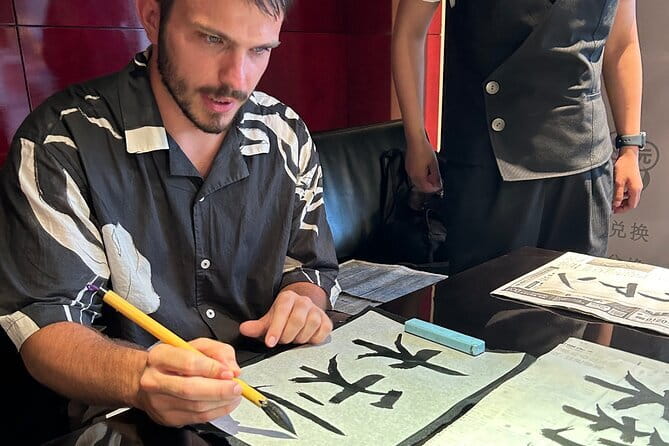
The most personal part comes when you write your own name in approximate Kanji. Staff help suggest characters based on sound, meaning, or both. This is a creative interpretation, not an official Japanese translation of your name.
For example, Brian may become 武礼安. The suggested meanings include martial ability or bravery for 武, politeness or gratitude for 礼, and peace for 安. Liz may become 梨図, using 梨 for pear and 図 for painting. These examples show why the result can be playful rather than exact.
I would treat this as a souvenir activity, not a linguistic certificate. A foreign name often has no direct Kanji equivalent, so the staff build a combination that approximates the sound and creates a pleasant meaning. The explanation is part of the fun, especially for children who enjoy discovering what their new characters represent.
You can also write a favorite word. Depending on the session, you may work with Kanji, Hiragana, or Katakana. Staff can guide you through the possible choices and their meanings, which makes this a good chance to ask simple questions about the writing systems.
The name exercise also gives the class a personal finish. You are not simply copying Kyoto from a model sheet. You are making something connected to your own trip.
Making a scroll and other take-home souvenirs
The finished calligraphy can be made into a scroll for you to take home. That gives the work a more finished appearance and protects it better than folding a wet sheet into your suitcase.
Some sessions also include additional creative items. Participants have decorated objects with calligraphy, and custom fans and a photo frame have been part of the activity described by past participants. These details may vary, so I would think of the scroll and finished paper as the core keepsake, with extra decorations depending on the class setup.
This is where the price makes more sense than it might at first glance. At $50.40 per person, you are paying for a one-hour guided activity, instruction, supplied materials, and handmade items to take away. It is not cheap for a short lesson, but it is more useful than a passive demonstration if you value participation and a personal souvenir.
For a family, the cost adds up quickly, so I would decide based on interest rather than trying to fill an hour. Children who like drawing, crafts, or making gifts are likely to get more from it than children who dislike sitting and practicing. Adults who want a calm, creative break from sightseeing may find the same value.
A family-friendly activity with real participation
The class works for adults and children. Younger participants can practice basic strokes, decorate items, and create their own name or favorite word. The staff are described as patient and friendly, and English communication is available well enough to explain the activity.
I would still prepare children for the fact that this is a lesson, not a fast craft table. The first part involves listening and learning how to handle the brush. The payoff comes after practice, when they can see a finished character or name on paper.
Families also benefit from the short duration. One hour is long enough to make something memorable without taking over the day. You can place it between sightseeing near Kyoto Station, shopping, or a train journey.
The small group limit helps here, too. A child who needs an extra explanation is less likely to disappear in a crowd. Staff can assist with brush use and help suggest Kanji characters that the child finds interesting.
What the staff add to the experience
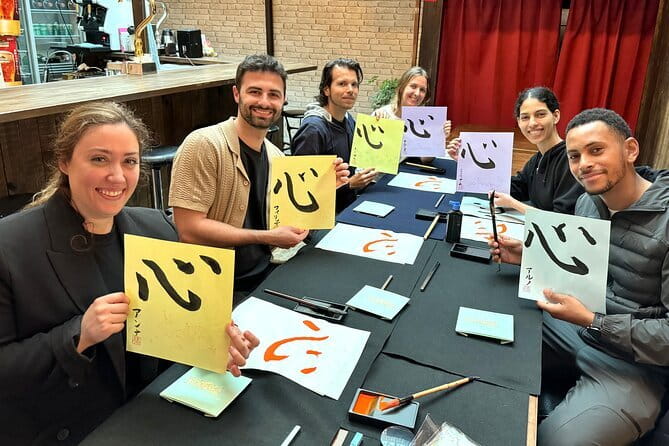
The quality of a beginner calligraphy class depends heavily on the instructor. The staff here guide you through the brush and ink basics, help with possible Kanji names, and explain meanings. Haruko is specifically noted as friendly, kind, and patient during the activity.
That personal help is more important than a long lecture. You want someone to show you how to make the stroke, then let you try it, rather than spend the entire hour listening to background information. The format here appears to keep the teaching practical.
English support is another advantage for international visitors. You can ask what a character means and why a particular Kanji might suit your name. The explanations will not turn the class into a full Japanese language course, but they make the creative choices easier to understand.
If you are hoping for advanced calligraphy instruction, set your expectations lower. This is a beginner workshop built around accessible practice and souvenirs. Its strength is approachability, not technical depth.
Timing, price, and the question of value
The class lasts about one hour and costs $50.40 per person. The group can have up to 10 participants, and the price includes use of the brushes, ink, and washi paper.
I see the price as fair for someone who wants a guided cultural activity with a physical result. You avoid buying supplies, the meeting point is near a major transport hub, and you get individual help in a small group. The take-home scroll adds value because it remains a reminder of Kyoto after the trip.
The calculation is less attractive if you only want to try calligraphy for a few minutes or if you already practice Shodo. Advanced students may find the lesson too basic, and the one-hour format leaves little room for detailed work on posture, stroke order, or different calligraphy styles.
The activity has a 4.9 rating from 37 reviews and a 100 percent recommendation rate, which supports the idea that it delivers what it promises: a friendly, accessible beginner session. I would still judge the value by your interests. A hands-on class suits you better than a short photo stop if you want to make something yourself.
Free cancellation is available if you cancel at least 24 hours before the local start time. Cancellations or changes made later are not refundable or accepted.
Who should book this Kyoto calligraphy class?
I would recommend it to first-time visitors who want a simple cultural activity without a full-day commitment. It also suits families, couples, solo visitors, and anyone looking for a personal souvenir rather than another shop-bought item.
It is especially useful near the end of a Kyoto stay. You can create a final keepsake with Kyoto characters or your own Kanji name, then continue to the station. It also works early in the trip if you want a calm introduction to Japanese writing before visiting temples and museums.
I would be more cautious if you need advanced instruction, a long historical lecture, or a very quiet private lesson. The class is small but not private, and the goal is a fun beginner experience. The exact extra decorating activities may vary, so book it for the calligraphy lesson and treat additional items as a bonus.
Should you book the one-hour Shodo lesson?
Book this class if you want to use a brush, learn a few basic Kanji, create a personal version of your name, and take home handmade work. The location near Kyoto Station, included materials, family-friendly format, and small group size make it easy to fit into a busy itinerary.
Skip it if you would rather spend your $50.40 on a longer class or if you already know Japanese calligraphy. For most beginners, though, this is a pleasant way to spend an hour, with enough instruction to make the activity feel meaningful and enough freedom to keep it light.
FAQ
How much does the Japanese calligraphy lesson cost?
The price is $50.40 per person.
How long does the activity last?
The lesson lasts approximately one hour.
Where do I meet the instructor?
Meet at the MK Taxi VIP Station Kyoto Station Hachijo Exit, at the taxi stand and Kyoto sightseeing reception near the ibis Styles Kyoto Station.
What materials are included?
The activity includes the use of brushes, ink, and washi paper.
How many people can join the class?
The maximum group size is 10 travelers.
Can children participate?
Yes. The activity is family-friendly, with activities available for children.
Can I cancel for a full refund?
Yes, if you cancel at least 24 hours before the local start time. Cancellations or changes made less than 24 hours before the start time are not accepted for a refund.
Just added in Kyoto
- Private Cooking Class Udon in Kyoto Japan★ 5.0 · 23 reviews
- Your Private Vacation Photography Session In Kyoto★ 5.0 · 110 reviews
- Kyoto: Zen Meditation at a Private Temple with a Monk★ 5.0 · 25 reviews
- Private Pewter Sake Cup Experience with a Kyoto Artisan★ 5.0 · 31 reviews
- Kyoto Wagashi(Japanese sweets) Cooking Class near Fushimiinari★ 5.0 · 60 reviews
- Kyoto:Family-Friendly Kimono & Yukata Experience at WARGO★ 5.0 · 147 reviews
- Private Guided Traditional Buddhist Cooking in Japan★ 5.0 · 16 reviews
- Kyoto: Gion Geisha District & Sake-in-Hand Walking Tour★ 5.0 · 37 reviews
Calligraphy & Craft Workshops, compared.
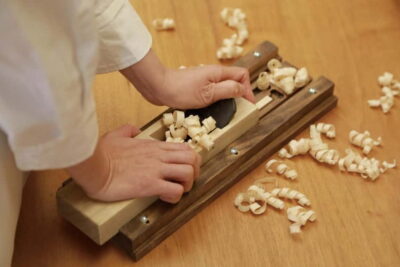
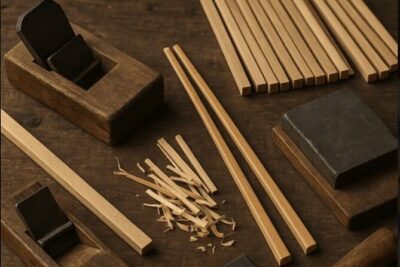
Chopsticks Making Workshop in Gion with Engraving Option
Read our review →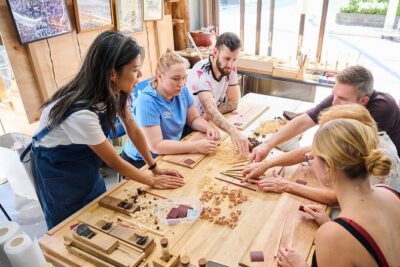


Matcha Making Experience with Mochi Sweets in Asakusa
Read our review →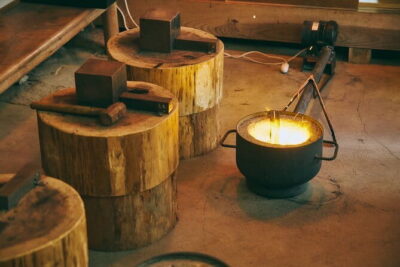
Authentic knife making experience at a blacksmith in Kyoto
Read our review →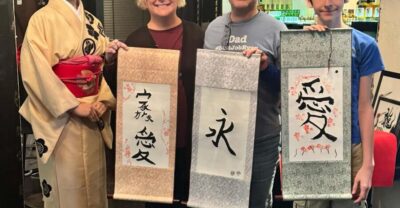
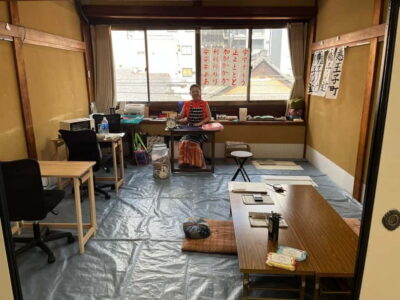
Calligraphy class at Buddhist temple in city center
Read our review →Browse the lists this tour appears in