
Reviewed · GEISHA & GION DISTRICT TOURS
Kyoto Nighttime All-Inclusive Eats and Streets, Gion and Beyond
Kyoto after dark is not just temples with the lights turned off. This three-hour walk connects Gion’s geiko culture with modern hostess clubs, narrow Pontocho lanes, and the everyday bars where you can try local food. The evening finishes with two restaurant stops and two included drinks, alcoholic or not.
I like the mix of street life and context, especially the explanation of why Kyoto uses the word geiko rather than geisha. I also like the small group size, which makes it easier to ask questions and handle dietary needs. The main drawback is that the food stops can vary, and a few diners have found one restaurant disappointing or smoky.
The night in five useful points
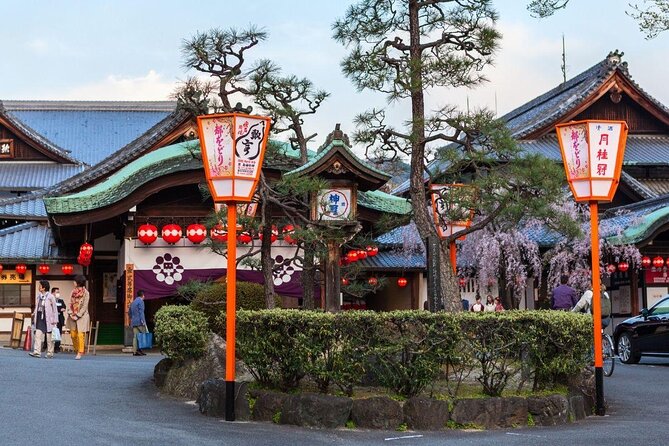
- Gion after sunset: Learn how geiko, maiko, Kabuki, and modern hostess clubs fit into Kyoto’s evening culture.
- Two local food stops: Try several regional dishes at small bars or restaurants, with one included drink at each.
- A walk across Kyoto’s nightlife districts: The route links Gion, Pontocho, Kiyamachi, and Kawaramachi.
- Small groups: The usual maximum is six people, with groups of up to eight accepted when booked together.
- Guides who shape the evening: Laura, Hugo, Jamie, Joshua, Maya, Lin, Bryan, and others have led this experience, with strong praise for their storytelling and flexibility.
- Teen-friendly but adult drinking rules apply: Everyone must be at least 13, and Japan’s legal drinking age is 20.
Starting beside Minamiza Theater at 6:30 p.m.
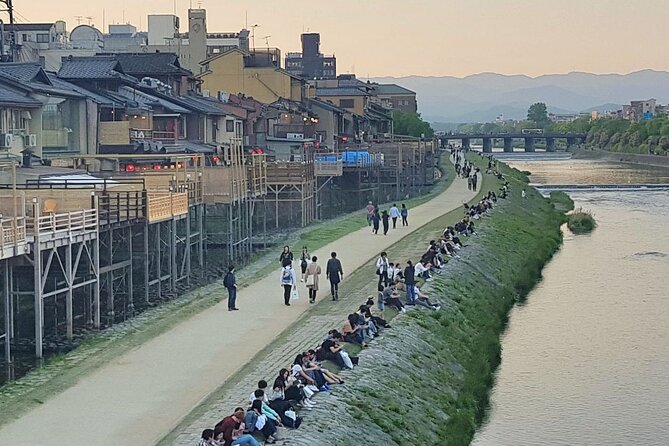
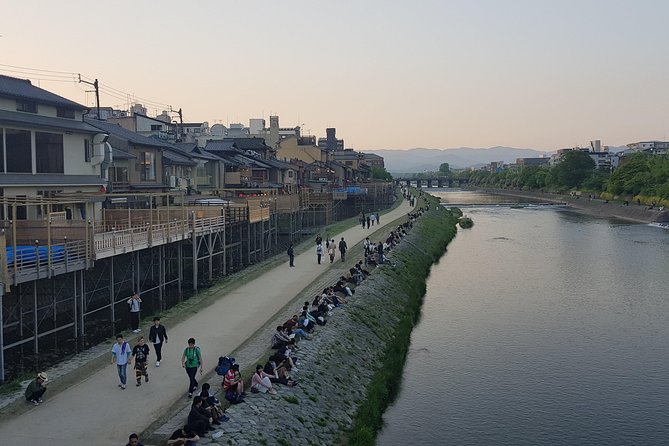
You meet at Minamiza Theater, beside the east end of Shijo Bridge and near Gion Shijo Station. This is a sensible starting point because you are already at one of Kyoto’s best gateways to evening entertainment. It is also close to public transportation, so getting there by train is straightforward.
The meeting area can be confusing at a busy hour. Several groups may gather around the theater, and it may not be obvious which guide is yours. Give yourself extra time, read your confirmation carefully, and look for the tour guide rather than assuming every group near the station is connected to this experience.
The tour begins with walking, not eating. That matters. You get some cultural bearings before sitting down at a restaurant, and the guide can explain what you are seeing instead of treating Gion as a backdrop for photographs.
The usual group limit is six people. That is a real advantage in narrow lanes and compact eateries, where a large crowd would feel clumsy. A private reservation for up to eight people may be accepted when the entire group is booked together.
Other evenings in the old entertainment quarters of Kyoto:
- Kyoto Geisha Walking Tour: Gion District & Hidden Gems
★ 4.7 · 3,273 reviews - Kyoto: Gion Magical Night Walking Tour with Geisha Trivia
★ 4.9 · 2,393 reviews - Kyoto: Gion Geisha District Walking Tour – Stories of Geisha
★ 4.7 · 2,187 reviews
Gion, geiko, maiko, and the business of nightlife
The first hour is an introduction to Gion and Kyoto’s nighttime economy. You learn about geiko and maiko, the training, performance, and hospitality traditions associated with them, and the difference between Kyoto’s term geiko and the more widely known word geisha.
This is useful because Gion is easy to misunderstand. The quiet wooden facades and carefully maintained lanes can look like a museum district, yet they remain connected to working entertainment businesses. The guide explains how the old system of evening hospitality has changed, including the rise of modern hostess clubs.
The subject is handled in a way that suits teenagers and adults. It is cultural and social, not a visit to an adult show or a sales pitch for nightlife venues. You will not be promised a geiko encounter, and you should not treat the district like a stage set. The best approach is to walk quietly, listen, and respect the privacy of people who live and work there.
A few guides add stops at Shinto shrines or Buddhist temples. That comparison can be especially helpful if Kyoto is your first stop in Japan. One guide may explain the difference between a shrine and a temple, while another may focus more on Kabuki or local entertainment customs. The exact emphasis depends on your guide.
This is one reason the guide matters so much. Laura has been praised for clear explanations and an upbeat manner. Hugo is known for mixing local knowledge with humor. Joshua has provided detailed cultural background and practical suggestions for the rest of a Kyoto stay. Jamie has been especially useful with food preferences and on-the-spot changes.
The first meal around 7:30 p.m.
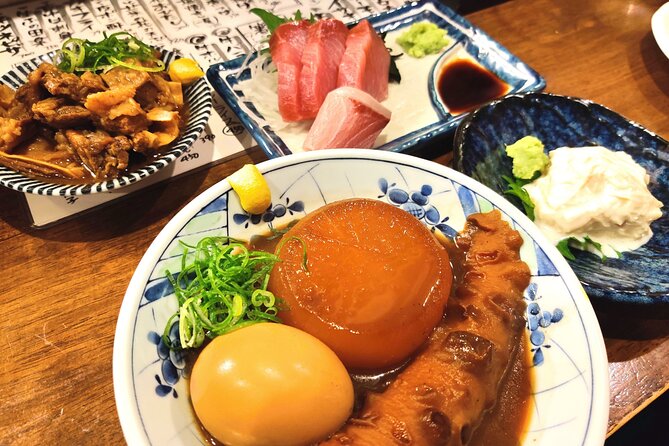
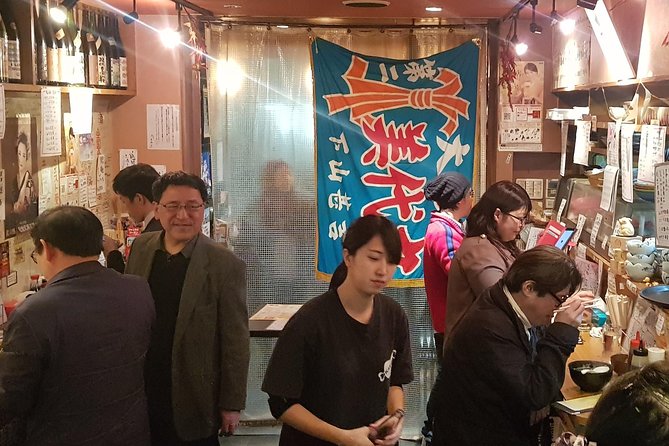
After roughly an hour on foot, you arrive at the first food stop. The format is informal, often a standing bar or small local restaurant. You can expect several regionally representative dishes rather than one large plate.
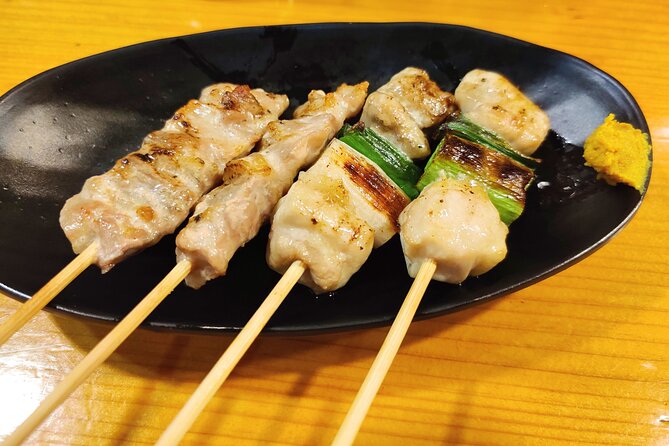
That style suits Kyoto. Small portions let you sample more than one flavor and see how an ordinary evening meal differs from a formal kaiseki dinner. You might try a selection of local dishes, then pair them with beer, sake, shochu, or a nonalcoholic drink.
One drink is included at this restaurant. Extra drinks are available for purchase, but they are not covered by the $119 price. Keep that in mind if you plan to make a long night of it.
The amount of food is intended to satisfy without leaving you uncomfortably full. For most people, the two food stops function as dinner. If you want a large, single-course meal, this is not the right format. If you like sampling and comparing, it works much better.
Dietary needs can be handled when provided in advance. Vegetarians are specifically accommodated, and the tour has also handled pescatarian and gluten-free requests. You should still give clear information at booking, since small Japanese restaurants may have limited substitutes and the guide needs time to arrange the right dishes.
The food is one area where expectations should stay realistic. Several dining choices have been described as excellent, unusual, and easy to miss without a local guide. A small number of diners have disliked a first stop, found the food below standard, or encountered a smoky room. Smoking is still permitted in some Japanese eating and drinking venues, so this experience is not ideal if you need a guaranteed smoke-free environment.
Pontocho and the Kamogawa after dinner
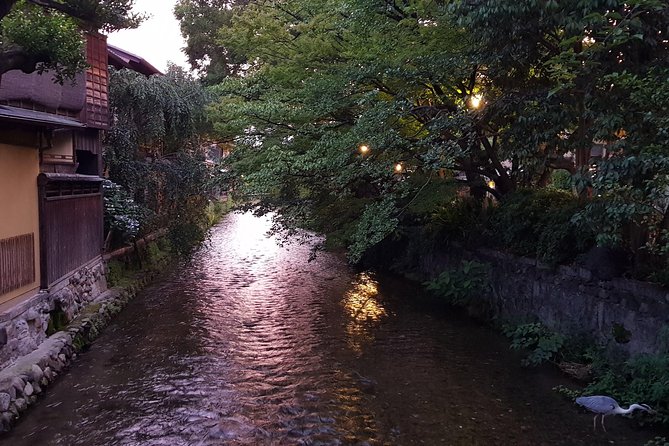
The route then crosses to the west side of the Kamogawa River and continues through Pontocho, Kiyamachi, and the Kawaramachi area. This is where the tour becomes a useful contrast between old Kyoto and present-day Kyoto.
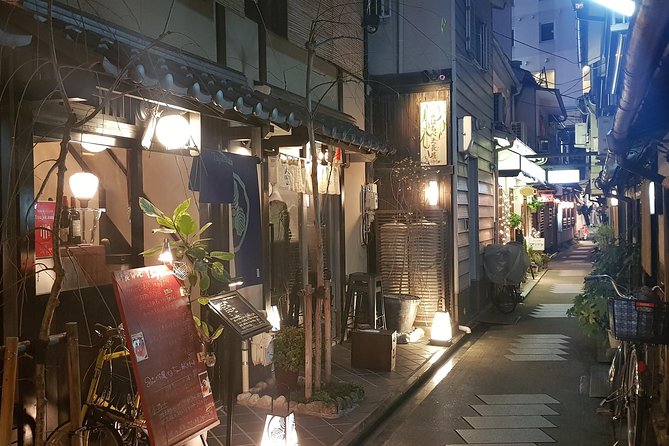
Pontocho is famous for its narrow lane, traditional facades, and restaurants tucked behind discreet entrances. The street is compact, atmospheric, and easy to miss if you do not know where to look. You do not need a long lecture here. A good guide simply points out how the lane works, why its appearance is protected, and how it differs from the broader commercial streets nearby.
A few blocks away, Kiyamachi and Kawaramachi feel younger and more casual. You see a different side of Kyoto, one tied to shopping, bars, restaurants, and night crowds. The contrast is the point: Kyoto protects old customs while also making room for modern nightlife.
The walking is not strenuous in a mountaineering sense, but it is more than a short transfer between restaurants. One diner specifically found there was a lot of walking, while still considering the food and guide worthwhile. Wear comfortable shoes and expect to be outside for much of the evening.
Photography can also be hit or miss. Gion is atmospheric at night, but darkness and narrow streets do not always produce good pictures. If your main goal is bright, postcard-style photography, visit the district during daylight as well. This tour is more about understanding the area than collecting perfect images.
Same base, a different sort of day:
- PERFECT KYOTO 1-Day Bus Tour
★ 5.0 · 13,518 reviews - Kyoto: Fushimi Inari, Kinkakuji, Bamboo Grove 1 Day Bus Tour
★ 4.8 · 4,316 reviews - Kyoto: Tea Ceremony in a Traditional Tea House in Kiyomizu
★ 4.9 · 3,519 reviews - Kyoto: Tea Ceremony Ju-An at Jotokuji Temple
★ 4.9 · 3,207 reviews
The second restaurant around 9 p.m.
The second stop provides another drink and more food. This may be a different type of restaurant from the first, giving you a broader sense of local dining rather than repeating the same format.
The included second drink can be alcoholic or nonalcoholic. Beer, sake, shochu, and other options may be available, but exact choices depend on the restaurant. Anyone under 20 must choose a nonalcoholic drink, since Japan’s minimum drinking age is 20.
The second meal is often the more substantial part of the evening, with several dishes shared among the group. Some people have enjoyed wagyu as part of the experience, including a case where the restaurant worked hard to source it after a same-day request. That does not mean wagyu is guaranteed every night, so treat it as a possible specialty rather than a fixed promise.
Restaurant seating can affect the mood. One group found a bar seat made conversation harder, even though the food was good. This is a fair tradeoff to understand before booking: small local venues can offer character and unusual food, but they may not have roomy tables designed for tour groups.
The guide’s role is important here. A strong guide orders a useful range of dishes, explains what arrives, checks dietary needs, and helps the group share comfortably. Maya has been especially praised for arranging varied food and helping with gluten-free choices. Lin and Bryan have also been noted for finding places that are difficult to locate independently.
What $119 buys you
At $119 per person, this is not a cheap dinner. You are paying for more than two restaurant visits, though. The price includes about three hours of guiding, a cultural walk, dinner at two establishments, and two drinks.
The value depends on how you usually eat in Kyoto. If you are comfortable ordering in Japanese, choosing unfamiliar restaurants, and finding small bars on your own, you may prefer to spend less independently. If you want a guide to handle the route, ordering, explanations, and dietary communication, the price becomes easier to justify.
The small group limit improves the value. Six people can fit into tiny venues without turning the experience into a parade. You also have a better chance to ask about geiko culture, shrine customs, food, and the neighborhoods you will visit later in your trip.
I would see this as a strong first or second night activity. It helps you understand where the nightlife districts are, gives you names of foods to seek out later, and removes some of the stress of entering an unfamiliar restaurant. It is less useful if you have already spent several evenings exploring Pontocho and local izakaya on your own.
The rating is 4.6 from 464 ratings, with 90 percent recommending the experience. That is a strong record, but it does not erase the variation caused by different guides, restaurants, weather, and group chemistry. The food stops are not fully fixed, so the evening you receive may not match another person’s menu.
The guides can make or break the evening
The strongest pattern is the quality of the guides. The best ones combine clear English, a friendly manner, local background, and the ability to adjust the night when a restaurant or dietary request calls for it.
Laura has been praised for her enthusiasm and explanations of geiko and maiko culture. Hugo has been described as funny, well informed, and good at making a mixed group feel comfortable. Joshua brings plenty of current and historical information, while Jamie has handled vegetarian and pescatarian needs without making the meal feel secondary.
Maya has helped with gluten-free dining and offered strong stories about the area. Bryan has led particularly personal walks for small groups, covering geiko, maiko, Kabuki, shrines, and temples. Lin and Rin have also been appreciated for combining food with local context.
No guide can control every part of the evening. A restaurant may be crowded, a bar may allow smoking, and a group may have different ideas about what makes a good meal. Still, a guide who knows the area can usually keep the evening moving and explain why a place was chosen.
Tipping is not customary in Japan. It is optional here, and only appropriate if you genuinely want to thank the guide for special effort.
Who should book this Kyoto night walk?
I would recommend it to first-time Kyoto visitors who have already seen the major daytime sights and want a more social evening. It is also a good fit if you are curious about geiko culture but want the subject presented through streets, history, and everyday dining rather than a staged performance.
Food-focused visitors should book if they enjoy variety, shared dishes, and small local venues. Vegetarians, pescatarians, and people with some dietary restrictions can be accommodated, provided the details are supplied early.
You should think twice if you want a fixed menu, guaranteed wagyu, silent temples, or polished restaurant seating. The walk is active, the venues are informal, and the exact food lineup can change. Smoky restaurants are possible, and Gion is dark enough at night that photography may disappoint.
The weather policy also matters. The experience requires good weather. If poor weather causes cancellation, you can choose another date or receive a full refund. For your own comfort, bring shoes suited to several hours on Kyoto streets.
Should you book it?
Book this tour if you want context, conversation, and small local food stops in one evening. The strongest value comes from the guide, not from the drinks alone. A good guide can show you how Gion, Pontocho, Kiyamachi, and Kawaramachi fit together while helping you order food you might otherwise pass by.
Skip it if you prefer to plan every restaurant yourself or if smoke, standing bars, and changing menus are serious concerns. For most first-time visitors, though, the combination of Gion stories, two included drinks, and a compact group makes $119 a reasonable price for a guided introduction to Kyoto after dark.
FAQ
Where does the tour begin?
It begins at Minamiza Theater, near Gion Shijo Station, at 6:30 p.m.
Where does the tour finish?
The tour ends at Kyoto-Kawaramachi Station at about 9:30 p.m.
How long does the experience last?
It lasts approximately three hours.
Are food and drinks included?
Dinner and two drinks are included, with one drink provided at each restaurant. Extra drinks can be purchased directly from the restaurants.
Can vegetarians join?
Yes. Vegetarians are accommodated, and other dietary requirements can also be considered when provided in advance.
What is the minimum age?
All participants must be at least 13 years old. The minimum drinking age in Japan is 20, so younger participants must choose nonalcoholic drinks.
Just added in Kyoto
- Kyoto: Private Photoshoot Service★ 5.0 · 158 reviews
- Kyoto Rickshaw Tour★ 5.0 · 210 reviews
- Izakaya Style Cooking Class★ 5.0 · 219 reviews
- Kyoto: Traditional Concert at Townhouse or Bathhouse★ 4.9 · 224 reviews
- Ninja 2-hour Hands-on Lesson by Japanese master in Kyoto -Medium★ 5.0 · 218 reviews
- Kyoto: Arashiyama Bamboo, Temple, Matcha, Monkeys & secret spots★ 5.0 · 219 reviews
- Kyoto Geisha District Walking Tour in Gion★ 5.0 · 232 reviews
- Kyoto: Gion & Pontocho Food Tour with 13 Dishes★ 4.9 · 235 reviews
Geisha & Gion District Tours, compared.
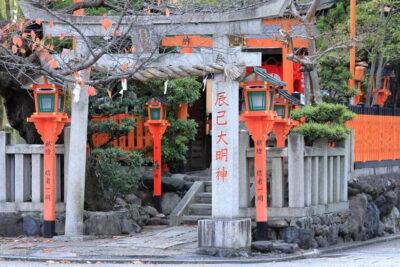
Kyoto Geisha Walking Tour: Gion District & Hidden Gems
Read our review →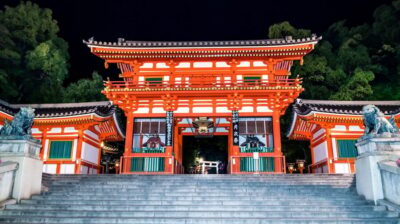
Gion Geisha District Walking Tour – Stories of Geisha
Read our review →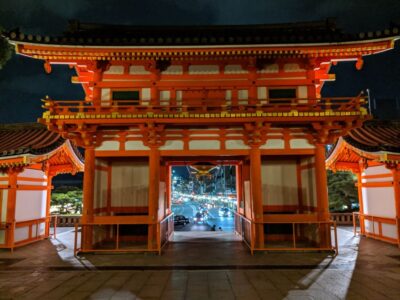
Best of Kyoto: Gion, Geisha, Pagodas & Cobblestones
Read our review →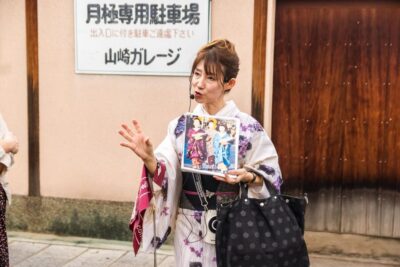
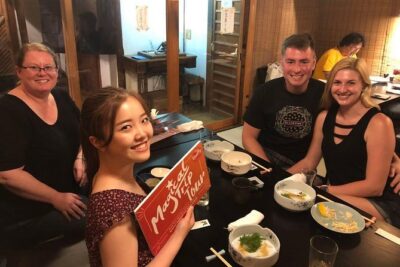
Kyoto Night Foodie Tour in Gion (9+ dishes + 6 Sake tastings)
Read our review →
Kyoto Gion: 2-Hour Geisha Culture & History Walking Tour
Read our review →
Chopsticks Making Workshop in Gion with Engraving Option
Read our review →
Browse the lists this tour appears in