
Reviewed · GEISHA & GION DISTRICT TOURS
Private Dinner with a Geisha
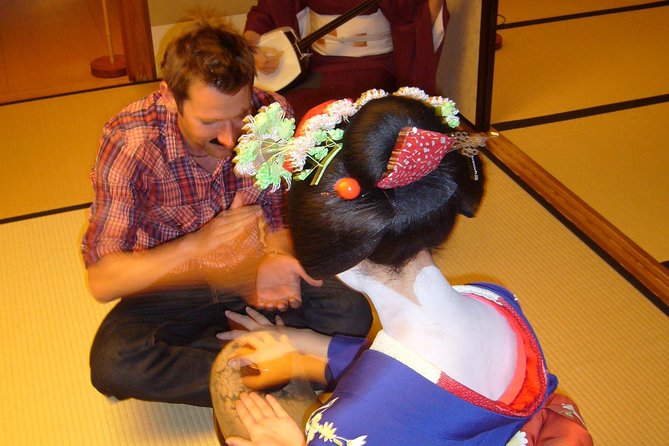
The rarest part of this Kyoto evening is not the dinner. It is sitting across from a geiko or maiko, asking about her training and daily life, then watching her perform in a private tea house or restaurant. The experience gives you a glimpse of a world that is usually closed to the public.
I especially like the guided walk through Gion before dinner and the careful translation that makes conversation possible. Guides such as Mia and Mie have been praised for making families, teenagers, and first-time visitors feel at ease. The main caution is the fixed traditional menu. It may be a poor fit for picky eaters, vegans, or anyone with dietary restrictions that have not been confirmed in advance.
Key points to know before booking
- Gion comes first: Begin with a roughly 45-minute walk past the district’s traditional houses and learn how geiko and maiko fit into Kyoto culture.
- The meeting is personal: You can ask questions about training, clothing, work, and daily life, with an English-speaking guide translating.
- Dinner varies by option: Choose a casual, half-kaiseki, full-kaiseki, or private tea house arrangement, depending on availability at checkout.
- Expect traditional entertainment: A geiko or maiko may dance, sing, play instruments, and lead simple games.
- Food needs careful thought: Kaiseki includes traditional seafood, vegetables, tempura, and other courses, and substitutions may not be possible.
- This is a serious cultural setting: Respectful behavior is required, and the operator reserves the right to refuse service for improper conduct.
Meeting a maiko in Kyoto’s Gion district
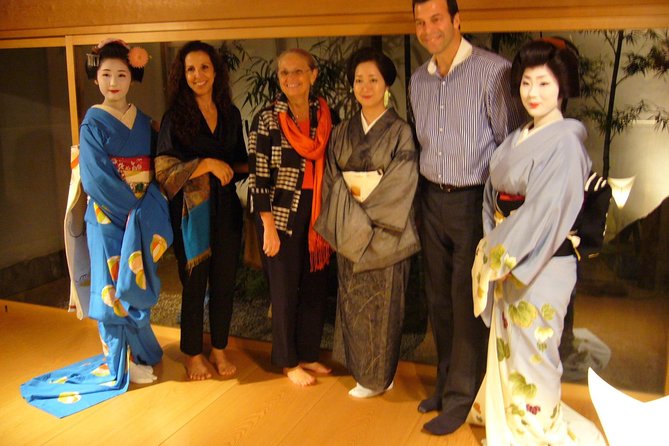
A private dinner with a geisha is one of Kyoto’s most unusual cultural evenings. In Kyoto, the preferred term for an established geisha is geiko, while a maiko is an apprentice. The distinction matters because the two roles involve different stages of training, appearance, and responsibilities.
You meet at 5 p.m. in front of the main gate of the Minamiza Kabuki Theatre, facing Shijo Street. This is a useful starting point because it puts you at the edge of Gion, close to public transportation and easy to identify. From there, your English-speaking guide leads you through the historic district.
The walking portion is more than a transfer to dinner. It gives you the basic cultural background you need before entering the private dining room. You learn about the geiko and maiko world, the traditional wooden houses, and the difference between public images of geisha and the actual profession.
That preparation makes the dinner more meaningful. Without it, you might notice only the elaborate kimono, white makeup, hairstyle, and formal manners. With a guide, you can ask better questions and understand why the evening is conducted with such care.
The walk lasts about 45 minutes for many groups, though the total experience is listed at roughly three to three and a half hours. Wear comfortable shoes. Gion’s lanes are pleasant for strolling, but the walking tour takes place before a long seated meal.
Other evenings in the old entertainment quarters of Kyoto:
- Kyoto Geisha Walking Tour: Gion District & Hidden Gems
★ 4.7 · 3,273 reviews - Kyoto: Gion Magical Night Walking Tour with Geisha Trivia
★ 4.9 · 2,393 reviews - Kyoto: Gion Geisha District Walking Tour – Stories of Geisha
★ 4.7 · 2,187 reviews
What happens inside the private dining room
After the walk, you continue to a Japanese restaurant or tea house. The setting depends on the option you select. Some arrangements use a restaurant with a private room, while the private tea house option offers a more exclusive format and includes drinks.
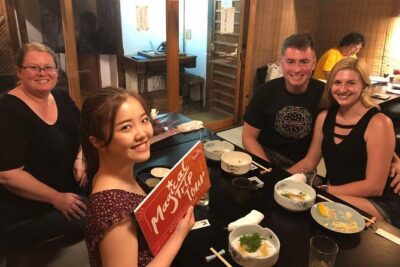
The geiko, maiko, or both join you during the meal. Your guide translates questions and answers, allowing you to talk about subjects that are difficult to cover through a standard stage performance. You might ask about the years of study, the process of becoming a geiko, traditional clothing, hairstyles, music, dance, and ordinary daily routines.
This conversational part is the heart of the experience. The performance is beautiful, but the direct exchange gives the evening its human quality. Several families have found the format comfortable for older children and teenagers, especially when the guide explains unfamiliar customs in plain English.
Guides are a major part of the evening. Mia has received particular praise for her humor, cultural background, and translation. Mie has also been described as warm, clear, and well prepared. One especially interesting guide had trained as a geiko but had not completed her training, giving her a personal understanding of the profession.
The exact geiko or maiko you meet is not guaranteed in advance. You may meet one performer, or in some cases more than one. The supplied information allows for a geiko, a maiko, or both, so you should treat the lineup as part of the evening’s variable nature.
Kaiseki dinner, from elegant courses to unfamiliar flavors
The meal is described as half or full kaiseki, depending on your selection. Kaiseki is a traditional Japanese multi-course meal, and Kyoto is especially associated with this style of cooking. Courses can include seafood, vegetables, tempura, and other carefully prepared dishes.
A full meal is not simply a large plate of familiar Japanese food. It arrives in several stages, often with small portions and different textures. That makes it a good match for adventurous eaters who want to try traditional Kyoto cuisine.
The dining experience has received mixed feedback, and you should take that seriously. Many people find the food delicious and beautifully presented. Others have found the menu too unfamiliar, especially when raw fish or seafood is involved. One person who did not usually eat raw fish became ill afterward, while another found the food barely edible.
The practical lesson is simple: do not book this mainly for a customizable dinner. The food is part of the cultural experience, but it is not designed like a flexible restaurant menu. Vegetarian, vegan, shellfish-free, and other dietary requests should be stated when booking. Even then, the information available here shows that substitutions may not always be handled successfully.
If you are selective about food, ask for confirmation before paying. The operator requests dietary information, but communication has not always been quick, and fixed menus have caused problems. If a member of your group cannot eat seafood or traditional Japanese dishes, the geiko meeting may still appeal, but the dinner portion could become frustrating.
The private tea house option includes sake and beer as well as the meal. Other options do not include drinks, though drinks may be available for purchase. Japan’s legal drinking age is 20, so younger members of your group should not expect alcoholic beverages.
Dance, music, and traditional games
During dinner, the geiko or maiko provides live entertainment. This can include traditional dance, singing, musical instruments, and simple games. The exact performance varies, but the experience is designed to show the social entertainment once associated with private tea houses.
The dance is often the visual high point. A maiko’s movements are controlled and precise, and the kimono adds weight and formality to every gesture. In a restaurant room, however, the space may be limited. One person found that the performer had little room to move and that the dance was brief.
That is an important expectation to set. This is not a full theater production with a large stage, professional lighting, and a long program. It is a private entertainment session in a dining setting. The intimacy is the advantage, but the room may restrict the performance.
Games help break the formality. A maiko may teach you a simple drinking game or another traditional pastime. These activities give you something to do together and can make the encounter less stiff, especially for families who feel nervous about asking questions.
Photography is part of the experience in some settings, and people have taken pictures during the evening. Still, you should follow your guide’s instructions and avoid treating the performer like a costumed photo prop. The setting is a professional cultural engagement, not a public meet-and-greet.
Same base, a different sort of day:
- PERFECT KYOTO 1-Day Bus Tour
★ 5.0 · 13,518 reviews - Kyoto: Fushimi Inari, Kinkakuji, Bamboo Grove 1 Day Bus Tour
★ 4.8 · 4,316 reviews - Kyoto: Tea Ceremony in a Traditional Tea House in Kiyomizu
★ 4.9 · 3,519 reviews - Kyoto: Tea Ceremony Ju-An at Jotokuji Temple
★ 4.9 · 3,207 reviews
Why the guide matters so much
The guide does more than lead you through Gion. The guide explains etiquette, translates the conversation, identifies the foods, and helps you understand what is happening in the room.
This is particularly useful because some geiko or maiko may speak little or no English. A guide can turn a silent visual encounter into a real exchange. You can ask about training, traditional dance, clothing, and personal interests instead of simply watching from a distance.
The best guides also set the tone. Mia has been praised for making a family feel immediately comfortable, including teenagers who might otherwise find the evening too formal. Other accounts describe guides who were funny, enthusiastic, and able to answer broad questions about Japanese history as well as geiko culture.
Large groups can make this harder. Some arrangements have included more than ten people, and one group found it difficult to hear the guide during the walk. The activity is described as private for your group, but the booking details and actual group arrangements can vary by option. Check the maximum size and whether other participants may be present before you commit.
If you have many questions, write down the most important ones before arriving. Once the performer enters, the evening can move quickly, and it is easy to become distracted by the setting, food, and performance.
Choosing between the dinner options
The exact choices appear at checkout, but the experience includes several formats. A casual dinner, half-kaiseki meal, full-kaiseki meal, and private tea house option may be available.
The casual option is likely the shortest and simplest format. One family used it with teenagers and a young child and still enjoyed the cultural introduction, dinner, and maiko visit. It may suit you if the geiko encounter matters more than an elaborate meal.
The half-kaiseki option offers a traditional meal without the full length of a complete kaiseki dinner. One account found the amount of food more than sufficient. This may be the sensible middle choice if you want the meal but do not want a long, formal dinner.
The full-kaiseki option is better for people who appreciate Japanese cuisine and want the complete multi-course format. It also requires more patience. One person felt the meal lasted about two hours too long, so consider your group’s attention span and comfort with long dinners.
The private tea house option costs more but includes drinks and a more exclusive setting. One family specifically felt the added expense was worthwhile. Since the listed price is $381.49 per person, this is a serious splurge, particularly for a family of four or five. The value depends on how much you care about privacy, conversation, and the tea house atmosphere.
Is $381.49 per person a fair price?
At $381.49 per person, this is not a bargain dinner. You are paying for more than food. The price covers the guide, the Gion walk, the translation, the geiko or maiko appearance, the private entertainment, and the unusual access to a traditional setting.
The value is strongest if this is a central reason for visiting Kyoto. Meeting a maiko face to face, asking questions, and watching her perform is difficult to arrange independently. A regular dinner and public dance show would cost less, but would not provide the same conversation.
The price is harder to justify if you mainly want a good meal. Food quality can vary according to your taste, dietary needs, and the restaurant selected. Some people describe the dinner as excellent, while others prefer to focus on the performer and guide rather than the cuisine.
Group discounts are available, which may help larger families. Bookings are often made about 38 days ahead, suggesting that you should not wait until the last minute if this is important to your schedule. Confirmation is sent within 48 hours, subject to availability.
The experience is nonrefundable and cannot be changed after booking. That makes it especially important to confirm your date, group size, dietary needs, and chosen dinner format before payment.
Who will enjoy this Kyoto evening most?
I would recommend this experience to you if you have a strong interest in Japanese culture and want personal contact rather than a quick photo opportunity. It suits couples, families with older children, and small private groups who are comfortable with formal dining and unfamiliar food.
It is also a good choice for anyone who wants context. The Gion walk helps you understand the neighborhood, while the guide’s translation turns the dinner into a conversation rather than a staged display.
You may want to skip it if you need a fully flexible menu, dislike seafood, avoid long meals, or want a large dance performance. It is also not ideal for anyone who expects casual behavior. The operator makes clear that respectful conduct is required, and service can be refused if traditions are not treated properly.
Children must be accompanied by an adult. Most people can participate, but the combination of walking, seated dining, formal manners, and late afternoon timing may not suit very young children. One family did bring a three-year-old, but the supplied details do not promise that every child will find the evening easy.
Practical advice for a smooth evening
Arrive at the Minamiza Kabuki Theatre meeting point a little early. The stated start time is 5 p.m., and the meeting point is in front of the main gate facing Shijo Street.
Tell the operator about dietary restrictions when booking, then seek confirmation if the restriction is important. Do not assume that a request for vegetarian or seafood-free food will automatically produce a suitable meal.
Wear comfortable but respectful clothing and shoes. You will walk through Gion before sitting down to dinner, and the experience has a formal cultural setting.
Prepare questions in advance. Good subjects include the difference between geiko and maiko, the training process, the dances being performed, kimono dressing, hairstyles, and daily routines. Personal questions should still be asked politely, with the guide helping you judge what is appropriate.
Keep your expectations realistic. You may receive one performer or more, and the performance may be short if the room is small or the maiko has another appointment. The strongest part of the experience is the combination of conversation, translation, and cultural setting.
FAQ
Where does the private dinner with a geisha begin?
The meeting point is in front of the main gate of the Minamiza Kabuki Theatre, facing Shijo Street, at 198 Nakanochō in Kyoto’s Higashiyama Ward. The stated start time is 5 p.m.
How long does the experience last?
The activity lasts approximately three and a half hours. The walking tour and party are also described as lasting about three hours, depending on the option selected.
Is dinner included?
Yes. Dinner is included, with a half or full kaiseki meal available depending on the option. Drinks are included only with the private tea house option. Other drinks may be available for purchase.
Will I meet a geiko, a maiko, or both?
The experience includes accompaniment by a geiko or maiko. Depending on the arrangement, you may meet one or both.
Can I request a special diet?
You should provide dietary requirements when booking. However, the meal may be a fixed traditional menu, and the available information does not guarantee that every request can be accommodated.
Is this a private tour?
It is described as a private activity with only your group participating. Group arrangements can vary by selected option, so confirm the group size before booking if privacy is important to you.
Should you book it?
Book this if you want a rare cultural meeting and are willing to treat the dinner as part of a formal Japanese tradition. The direct conversation, careful translation, Gion walk, and live performance make it far more personal than simply watching a geiko dance on a stage.
I would hesitate only if food restrictions, cost, or long formal meals are major concerns. For most suitable participants, the best reason to book is not the kaiseki alone. It is the chance to sit quietly, ask thoughtful questions, and see a living Kyoto tradition at close range.
Just added in Kyoto
- Private Cooking Class Udon in Kyoto Japan★ 5.0 · 23 reviews
- Your Private Vacation Photography Session In Kyoto★ 5.0 · 110 reviews
- Kyoto: Zen Meditation at a Private Temple with a Monk★ 5.0 · 25 reviews
- Private Pewter Sake Cup Experience with a Kyoto Artisan★ 5.0 · 31 reviews
- Kyoto Wagashi(Japanese sweets) Cooking Class near Fushimiinari★ 5.0 · 60 reviews
- Kyoto:Family-Friendly Kimono & Yukata Experience at WARGO★ 5.0 · 147 reviews
- Private Guided Traditional Buddhist Cooking in Japan★ 5.0 · 16 reviews
- Kyoto: Gion Geisha District & Sake-in-Hand Walking Tour★ 5.0 · 37 reviews
Geisha & Gion District Tours, compared.
Kyoto Geisha Walking Tour: Gion District & Hidden Gems
Read our review →
Gion Geisha District Walking Tour – Stories of Geisha
Read our review →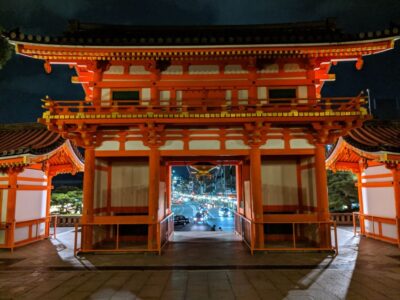
Best of Kyoto: Gion, Geisha, Pagodas & Cobblestones
Read our review →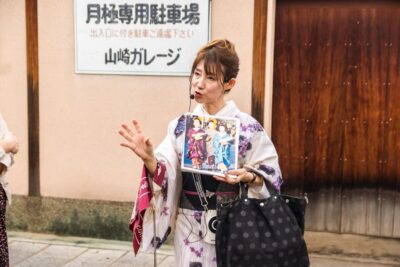
Kyoto Night Foodie Tour in Gion (9+ dishes + 6 Sake tastings)
Read our review →
Kyoto Gion: 2-Hour Geisha Culture & History Walking Tour
Read our review →
Chopsticks Making Workshop in Gion with Engraving Option
Read our review →
Browse the lists this tour appears in