
Reviewed · GEISHA & GION DISTRICT TOURS
1 Hour Geisha Show in Kyoto
A maiko performance is not a long stage show. It is a brief, precise display of dance, music, costume, and controlled movement, followed by a rare chance to speak with the performer. I like the close-up setting and the chance to ask real questions instead of simply watching from a distance. I also like the traditional game, which gives the hour a warm, human touch.
The main catch is value. At $79.59 per person, you are paying for access to a private cultural encounter, not for 60 minutes of nonstop dancing. The dances total about 10 minutes, so book this for the conversation and personal contact as much as for the performance.
Key points to know before booking
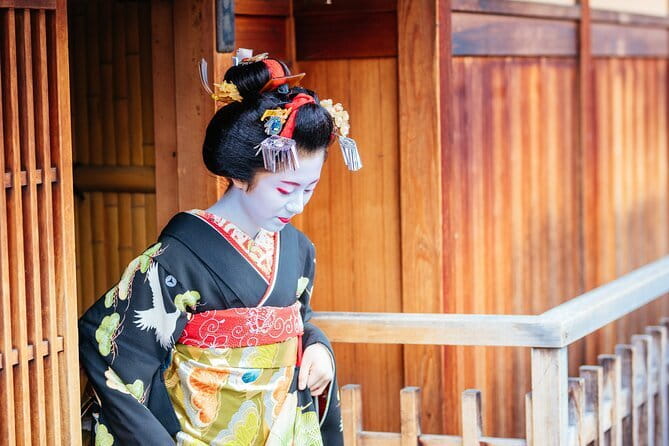
- Two short dances: The maiko performs about 10 minutes in total, with the rest of the time devoted to conversation, photos, and activities.
- Two possible venues: Choose between a traditional Kyo-Machiya tea house and a dedicated Gion theater. Check the venue photos before you pay.
- Friendly English support: Guides including Ai, Soichiro, Genki, and Chihiro have helped explain customs and translate questions.
- Small-group format: The maximum group size is 25, though some sessions feel smaller, especially in the tea house.
- A hands-on cultural hour: You can drink green tea, ask questions, take photos, and play a traditional Japanese game with the maiko.
- Kimono option available: If you book the kimono rental and hair set, you visit Kyoto Kimono Rental Mimosa before the show.
Meeting a maiko in Kyoto’s Kamishichiken district
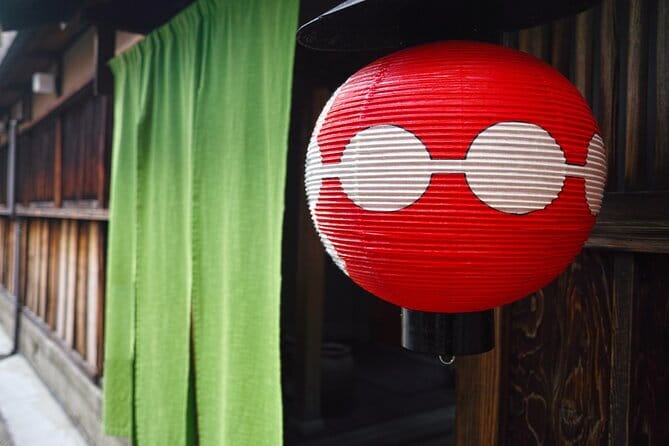
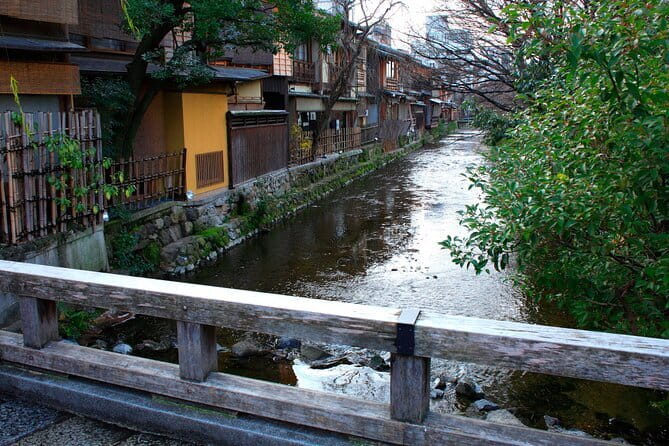
This experience takes place around Kamishichiken Street, one of Kyoto’s traditional entertainment districts. The setting matters. You are not simply watching a costumed stage performance in a modern hall. Depending on your choice, you may sit in an old-style Kyo-Machiya tea house or in a purpose-built theater in Gion.
A maiko is a young woman in training to become a geiko, the Kyoto term for a professional entertainer often called a geisha elsewhere in Japan. Her clothing, hairstyle, makeup, gestures, and dance all follow strict traditions. The show gives you a short look at that craft without pretending that a working maiko can perform continuously for an hour.
That short performance is worth understanding before you arrive. The two dances together last roughly 10 minutes. This is intentional. Maiko performances require concentration, formal movement, and elaborate dress, so the program protects the performer rather than stretching the dance into a longer tourist show.
Other evenings in the old entertainment quarters of Kyoto:
- Kyoto Geisha Walking Tour: Gion District & Hidden Gems
★ 4.7 · 3,273 reviews - Kyoto: Gion Magical Night Walking Tour with Geisha Trivia
★ 4.9 · 2,393 reviews - Kyoto: Gion Geisha District Walking Tour – Stories of Geisha
★ 4.7 · 2,187 reviews
What happens during the one-hour program
The hour usually begins with an introduction from your guide. Guides such as Soichiro, Ai, Genki, or Chihiro have been praised for their English, humor, and ability to keep the group involved. Their role is important because the maiko may speak Japanese, while the guide explains her answers and the cultural background.
You receive traditional Japanese green tea as part of the experience. Additional drinks and food are not included, so do not arrive expecting a full tea ceremony or a meal. The tea is a simple but useful way to begin the program and settle into the setting.
The maiko then performs two traditional dances. Pay attention to the small movements: the turn of a sleeve, the handling of a fan, a lowered gaze, and the careful placement of each step. The choreography may look restrained compared with a large theatrical production, but that is the point. This is an art of control and suggestion, not spectacle.
After the dances comes the part I find most useful for understanding the tradition: the question-and-answer session. You can ask about the maiko’s training, daily life, clothing, dances, and path into the profession. The exact subjects vary by day, and the guide translates when needed.
A photo session follows. You have opportunities to photograph the maiko and, depending on the arrangements, pose with her. Be respectful and follow the guide’s instructions. The maiko is there to share her art and answer questions, not to act as a prop.
The final activity is a traditional Japanese game. This is often the most relaxed part of the program, especially for families. Children may connect with the game more quickly than with the formal dance, while adults get to see how a small social custom fits into the broader culture.
The Kyo-Machiya tea house or Gion theater
The two venue choices create different moods. The tea house option takes place inside an authentic Kyo-Machiya, a traditional Kyoto townhouse. This setting gives you a quieter, more domestic sense of old Kyoto, with the building itself adding to the experience.
The tea house can also create seating issues. The performance area may be arranged around a central tea table, and not every seat offers the same view. If you care about seeing every movement clearly, arrive early and ask the guide where your seat will be. One seating arrangement placed a person in the middle of the table with a poor view of the dance, so this is worth raising before the performance begins.
The Gion theater option is more straightforward for viewing. A dedicated showhouse is designed around the performance, though it may feel less intimate than a private old townhouse. Look carefully at the booking photographs so you know which atmosphere matters more to you: traditional surroundings or a purpose-built viewing space.
Do not assume the two options are interchangeable. The setting changes the tone, the seating, and part of the value. If the building is a major reason you are booking, confirm your selected venue rather than relying on the general tour title.
Why the guide makes a real difference
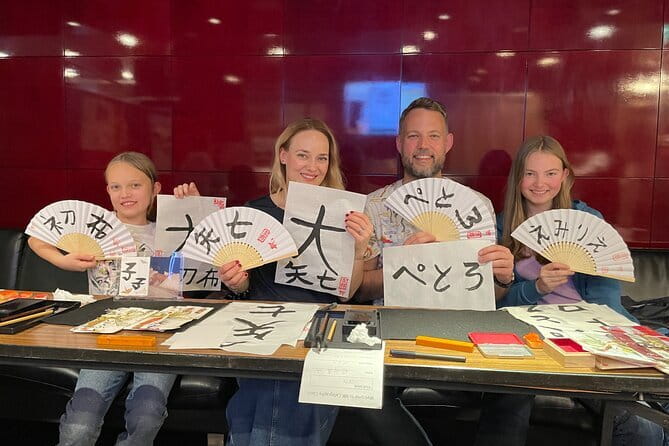
The maiko is the star, but the guide can make or break the hour. Cultural customs are easy to misunderstand when you are seeing them for the first time. A good guide explains what you are watching, translates questions clearly, and keeps the conversation from becoming stiff.
Soichiro has been especially well regarded for his friendly manner, calm delivery, and humor. Ai has been praised for making the group feel welcome and for translating smoothly. Genki has helped create a lively, interactive atmosphere, while Chihiro has been described as warm, well organized, and very clear about how to behave in the tea house.
The guide also sets expectations. You learn why the dances are short, how to approach the question period, and how to take photos politely. That preparation helps you enjoy the meeting without treating it like a casual celebrity encounter.
Some sessions may include an additional shrine visit, but that is not presented as a fixed part of every program. Consider it a possible extra rather than a promise when planning the rest of your day.
Same base, a different sort of day:
- PERFECT KYOTO 1-Day Bus Tour
★ 5.0 · 13,518 reviews - Kyoto: Fushimi Inari, Kinkakuji, Bamboo Grove 1 Day Bus Tour
★ 4.8 · 4,316 reviews - Kyoto: Tea Ceremony in a Traditional Tea House in Kiyomizu
★ 4.9 · 3,519 reviews - Kyoto: Tea Ceremony Ju-An at Jotokuji Temple
★ 4.9 · 3,207 reviews
Is one hour enough?
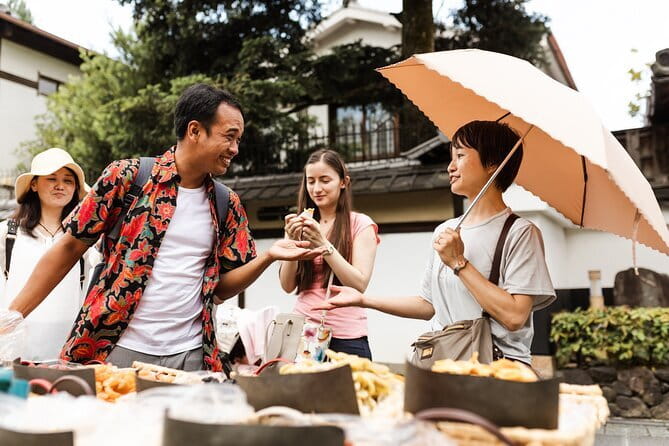
For the right purpose, yes. You get a performance, cultural explanation, Q&A, photographs, tea, and a game within about one hour to one hour and 30 minutes. The exact timing depends on the day and the pace of the group.
If you want a full evening of traditional entertainment, this is too short. The dances alone will not fill your expectations, especially at nearly $80. If you want an accessible introduction and a rare chance to meet a maiko in person, the compact format works well.
I suggest treating the dance as the centerpiece, not the entire product. The most valuable part is the combination of a live performance and direct conversation. You see the art, then learn about the person and the discipline behind it.
The price and what you are really paying for
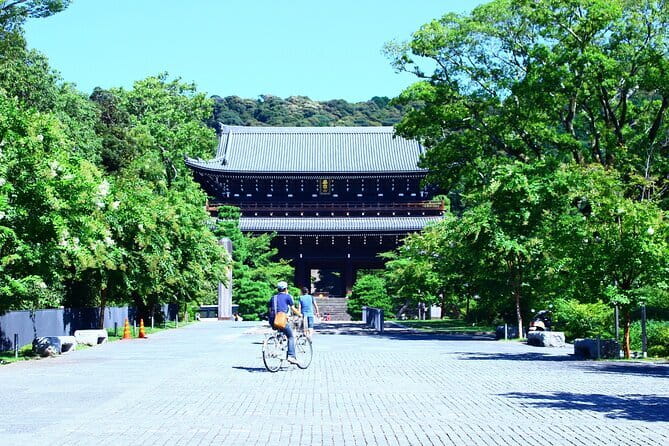
At $79.59, this is not a low-cost sightseeing stop. The included items are green tea, the one-hour maiko meeting, and a professional guide or translator. Food and extra drinks cost more, and there is no suggestion that the program includes transportation.
The price makes more sense if you value access. Kyoto’s maiko culture is not something you can reliably encounter by walking through Gion and hoping to see someone on the street. Here, the meeting is arranged, explained, and conducted in a private cultural setting.
Still, the cost can feel high for families or for anyone measuring value by minutes of dancing. Several comments praised the experience while also calling it expensive. That is a fair concern. I would book it as a special cultural activity, not as a conventional one-hour show.
Group discounts may help reduce the cost, and the maximum group size is 25. A smaller group can make the Q&A more satisfying, but the exact number in your session may vary.
The kimono rental and hair set option
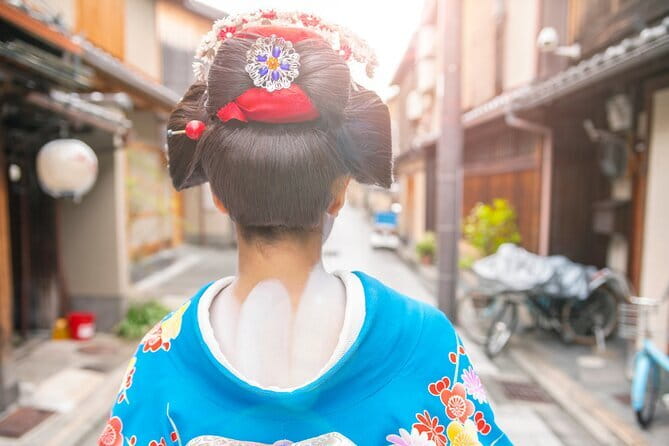
If you select the kimono rental and hair set, you must visit Kyoto Kimono Rental Mimosa before the show. The shop is at 362-2 Masuyacho in Kyoto’s Higashiyama Ward and is open daily from 8:00 to 18:00.
You go to the shop on your own, tell the staff you are with GuideMe Japan, and provide your name. No payment is required there because the rental and hair set are already included in the selected booking.
Allow enough time between the rental appointment and the maiko show. The supplied information does not provide a transfer service or a pickup option, so you are responsible for getting from the shop to the venue. A kimono can make your photos more memorable, but it also makes walking and timing less flexible. Choose this option for the visual experience, not because it adds more performance time.
Who will enjoy this experience most?
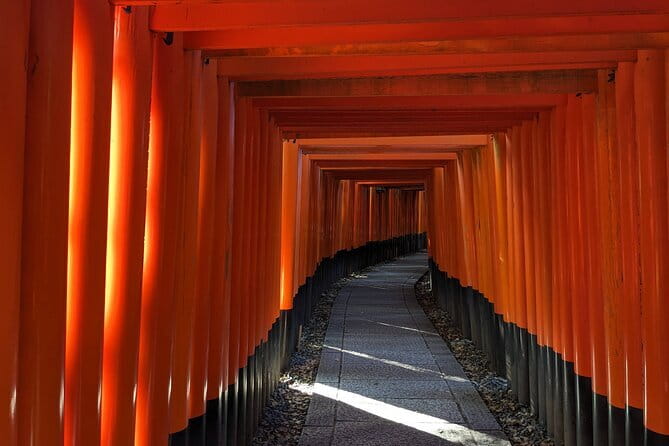
I would recommend it to anyone who wants cultural context rather than a quick photograph in a traditional district. First-time visitors to Japan can ask basic questions without feeling lost, while people with an interest in Japanese dance, costume, or Kyoto customs may appreciate the direct contact.
Families can also enjoy it. The dances are formal, but the game and photo session help younger children stay involved. The program has no stated age restriction, and most people can participate.
It suits couples and small groups looking for a memorable Kyoto evening, too. The tea house setting can feel calm after a day of temples and shopping. Just remember that seating may affect your view, especially in the townhouse venue.
I would be more cautious if your main goal is a long dance performance, a formal tea ceremony, or a meal. None of those is the central product. You receive green tea, but additional food and drinks are not included.
Practical advice for a smooth visit
Confirm the venue in your booking details and check the photographs before choosing between the tea house and theater. This small step can prevent disappointment, especially if you have strong preferences about seating or atmosphere.
Arrive early. One booking experienced a last-minute time change and strict instructions about being present 10 minutes before the revised start. The program later began late, but you should not count on that flexibility. Late entry rules may be enforced, and transport from a station or taxi arrangement is not included.
Bring questions. The Q&A is one of the strongest parts of the program, and you will get more from it if you think in advance about the maiko’s training, clothing, dance, or daily routine. The guide can translate, so you do not need Japanese-language ability.
Keep your expectations clear about photos. You should receive opportunities to photograph the maiko and take photos with her, but the exact flow can vary by day. Follow instructions about when to use your camera and where to stand.
The experience offers free cancellation if you cancel at least 24 hours before the local start time. Changes or cancellations inside that window are not accepted for a refund. You receive confirmation when booking, and a mobile ticket is available.
Should you book the 1 Hour Geisha Show?
Book it if you want an unusual, guided look at Kyoto’s maiko tradition and you value direct conversation more than a long stage show. The maiko’s dances are beautiful but brief. The Q&A, translation, photographs, game, and old-style setting are what turn the meeting into a fuller cultural experience.
I especially like this for a first visit to Kyoto, a family looking for something beyond temples, or anyone who wants a respectful introduction to geiko culture. The guide names and the quality of the translation can vary by session, but Ai, Soichiro, Genki, and Chihiro have all helped make the format accessible.
Skip it if $79.59 feels too high for a one-hour activity or if you expect nonstop entertainment. For everyone else, this is a rare chance to meet a maiko at close range, learn how the tradition works, and leave with a clearer sense of the discipline behind the makeup, costume, and graceful movements.
FAQ
How much does the 1 Hour Geisha Show in Kyoto cost?
The listed price is $79.59 per person. Group discounts are available.
How long does the experience last?
The experience lasts about one hour to one hour and 30 minutes. The maiko performs two dances totaling about 10 minutes, followed by explanations, questions, photographs, and a traditional game.
What is included in the booking?
The booking includes the maiko meeting and experience, traditional Japanese green tea, and a professional tour guide or translator.
Are food and additional drinks included?
No. Additional drinks and food are not included.
Where does the experience take place?
The activity is connected with Kamishichiken Street in Kyoto. You can choose between a traditional Kyo-Machiya tea house and a dedicated Gion theater. Check the venue photographs before booking.
How many people can join the group?
The maximum group size is 25 people.
Can I take photos with the maiko?
Yes. The program includes a photo session, with opportunities to take photos of and with the maiko. The exact arrangements may vary by day.
What should I do if I book the kimono rental and hair set?
Visit Kyoto Kimono Rental Mimosa at 362-2 Masuyacho, Higashiyama Ward, before the show. Tell the staff you are with GuideMe Japan and give your name. No payment is required at the shop for the included rental and hair set.
Can I cancel for a full refund?
Yes, if you cancel at least 24 hours before the experience’s local start time. Cancellations or changes made less than 24 hours before the start are not accepted for a refund.
Just added in Kyoto
- Kyoto: Private Photoshoot Service★ 5.0 · 158 reviews
- Kyoto Rickshaw Tour★ 5.0 · 210 reviews
- Izakaya Style Cooking Class★ 5.0 · 219 reviews
- Kyoto: Traditional Concert at Townhouse or Bathhouse★ 4.9 · 224 reviews
- Ninja 2-hour Hands-on Lesson by Japanese master in Kyoto -Medium★ 5.0 · 218 reviews
- Kyoto: Arashiyama Bamboo, Temple, Matcha, Monkeys & secret spots★ 5.0 · 219 reviews
- Kyoto Geisha District Walking Tour in Gion★ 5.0 · 232 reviews
- The right way to know Kyoto★ 5.0 · 257 reviews
Geisha & Gion District Tours, compared.
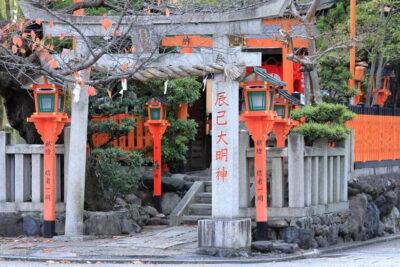
Kyoto Geisha Walking Tour: Gion District & Hidden Gems
Read our review →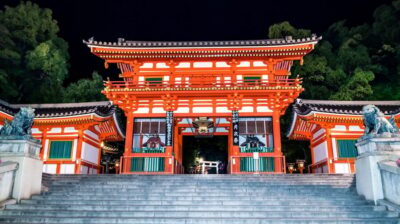
Gion Geisha District Walking Tour – Stories of Geisha
Read our review →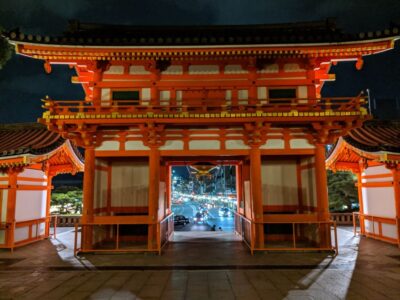
Best of Kyoto: Gion, Geisha, Pagodas & Cobblestones
Read our review →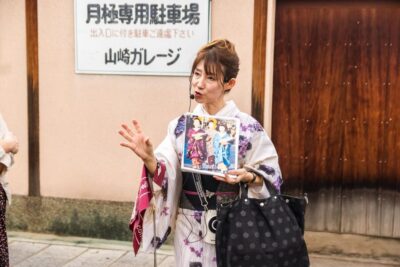
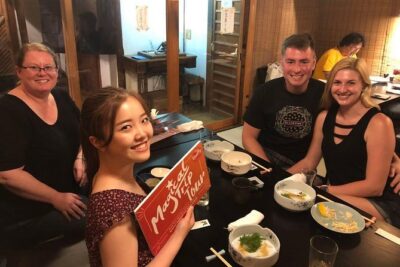
Kyoto Night Foodie Tour in Gion (9+ dishes + 6 Sake tastings)
Read our review →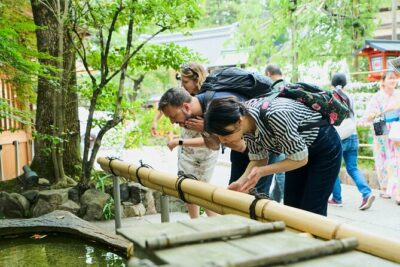
Kyoto Gion: 2-Hour Geisha Culture & History Walking Tour
Read our review →
Chopsticks Making Workshop in Gion with Engraving Option
Read our review →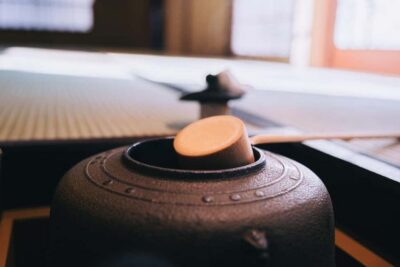
Browse the lists this tour appears in