
Reviewed · GEISHA & GION DISTRICT TOURS
Gion Walking Tour, Geisha Show and Japanese Game in Kyoto
The main attraction here is the close-up maiko performance. After an hour walking through Gion, you sit with tea and a Japanese snack, watch a graceful dance, ask questions about maiko and geiko life, and take part in a traditional fan game. With no more than six people, the meeting feels personal rather than staged for a crowd.
I like two things especially. First, guides such as Ai, Rin, Yoshino, and Soichiro bring the streets to life with local details, quieter lanes, temples, shops, and etiquette advice. Second, the question period and game turn a performance into a real exchange. The main consideration is the price, $108 per person, and the occasional stop at designated shops, which may not suit everyone.
Key points to know before booking
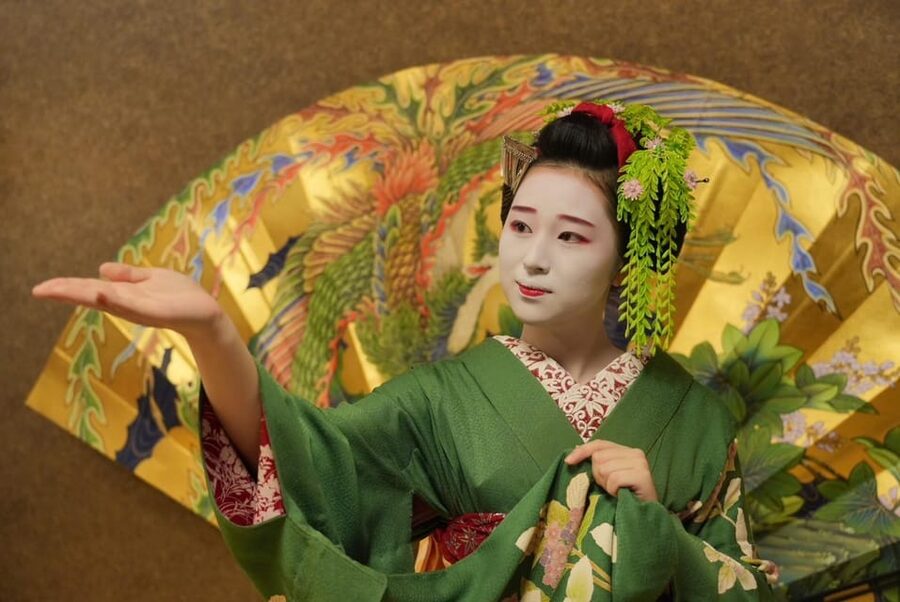
- A maiko dance in a small room: The second hour centers on a live performance, questions, photos, and a traditional fan game.
- Gion beyond the main street: The walk can include quieter lanes, a temple, local shops, and explanations of the district’s customs.
- Only six participants: The small group gives you more time to ask questions and makes translation easier.
- English support throughout: Your guide explains Gion and interprets the conversation with the maiko.
- Tea and a Japanese snack included: The performance takes place in a seated setting, with time to enjoy a simple refreshment.
- A focused two-hour outing: This fits neatly into a Kyoto evening or a day built around Gion and eastern Kyoto.
Why the maiko meeting matters
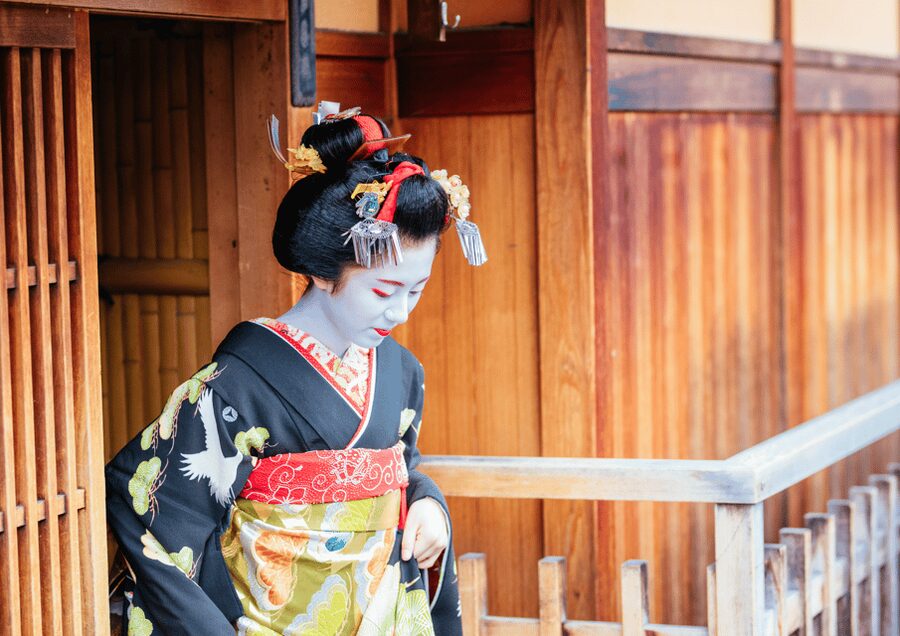
Kyoto’s maiko are apprentice entertainers trained in dance, music, conversation, and traditional arts. A short stage appearance can look beautiful, but without context, you may miss what you are seeing. This tour gives you a guide to explain the person, clothing, performance, and customs in plain English.
The dance is the visual centerpiece, but I think the question period adds more lasting value. You can ask about a maiko’s current life, training, work, and the difference between a maiko and a geiko. Your guide handles the translation, so you do not need Japanese to take part in a thoughtful conversation.
The setting also matters. This is not described as a large theater presentation. The group is limited to six, and the performance takes place in a separate room associated with a fan shop. You sit on pillows, enjoy tea and a Japanese sweet, and watch from close range.
That intimacy has a practical benefit. You can see the movement of the dance, the detail of the costume, and the careful gestures without trying to follow a performer across a large stage. It also makes the question period more relaxed. You are not trying to speak over dozens of people.
The experience remains a performance, of course. You should approach it with respect and realistic expectations. It is a one-hour encounter, not a full evening at a traditional Kyoto entertainment house. Still, the format gives you something a standard sightseeing walk cannot: a chance to meet a maiko directly and ask about her world through a translator.
Other walking tours in Kyoto people book:
- Kyoto Geisha Walking Tour: Gion District & Hidden Gems
★ 4.7 · 3,273 reviews - Kyoto: Gion Magical Night Walking Tour with Geisha Trivia
★ 4.9 · 2,393 reviews - Kyoto: Gion Geisha District Walking Tour – Stories of Geisha
★ 4.7 · 2,187 reviews
Starting at the Izumo-no-Okuni Statue
The meeting point is the Izumo-no-Okuni Statue above Gion Shijo Station. This is a useful starting place because the station is easy to identify, and the guide will hold a white board marked GuideMe Japan.
Arrive with enough time to find the statue and spot the guide. The information provided does not give a recommended arrival buffer, so allow yourself a few extra minutes, especially if you are coming through the station or meeting the group after another Kyoto activity.
The statue honors Izumo-no-Okuni, a performer traditionally associated with the early development of kabuki. You do not need to study that background before arriving, but the location provides a fitting introduction to an outing centered on traditional performance.
From here, the guide leads you into Gion. The walking portion lasts about one hour, so comfortable shoes are sensible. You are not signing up for a long city hike, but Gion’s streets and lanes are best enjoyed at an easy pace, with time to listen and look around.
One hour through Gion’s streets and side lanes
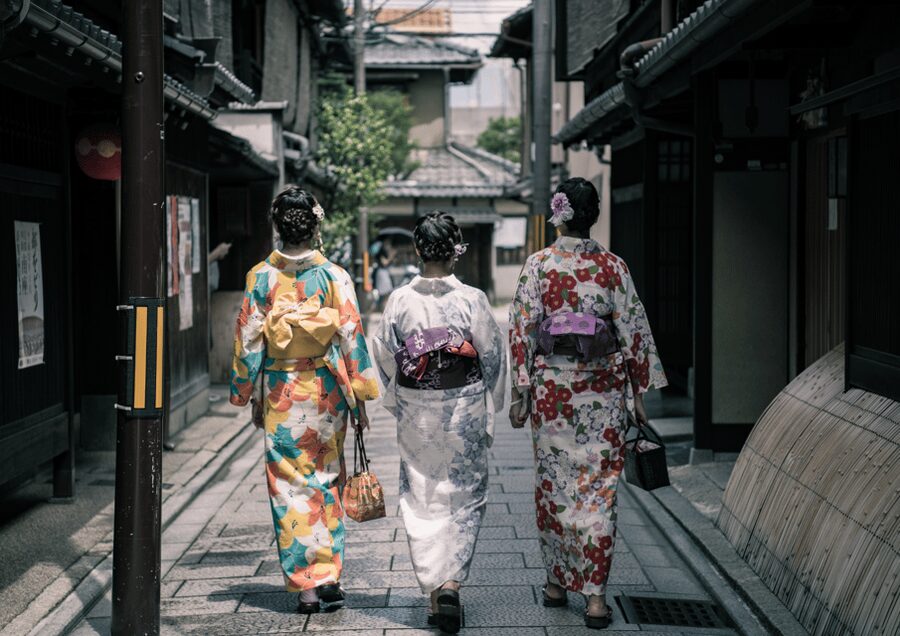
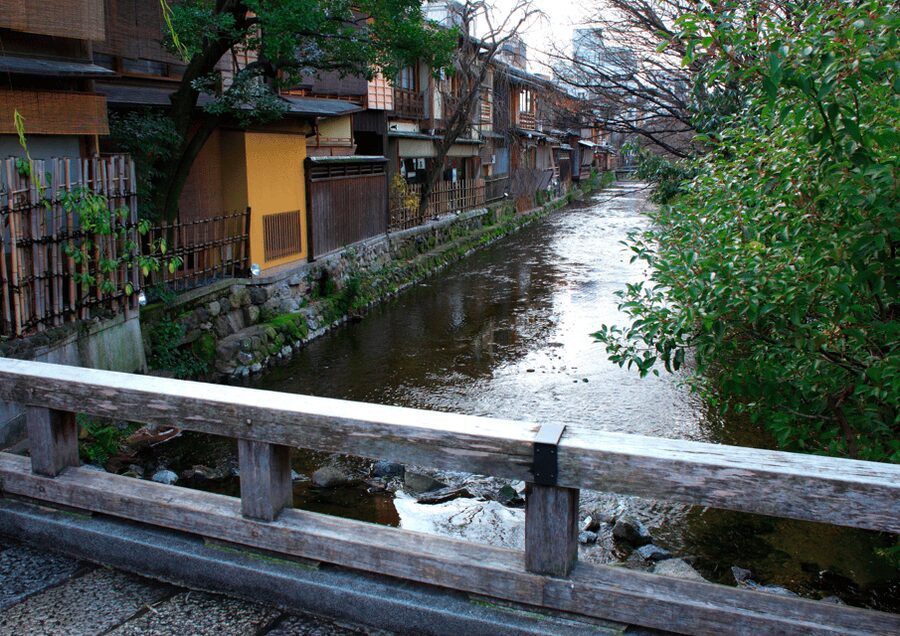
The walk is more than a route to the show. Your guide explains Gion’s connection to maiko and geiko culture, points out areas of interest, and helps you understand why the district looks and behaves differently from an ordinary shopping street.
The strongest part of the walk is the chance to move beyond the most obvious route. Ai, one of the guides, has taken participants through quieter alleyways and toward a temple, while explaining local history and customs along the way. Soichiro has also led walks that focus on less crowded streets, giving the outing a calmer feel.
You may pass shops selling engraved chopsticks, Japanese sweets, or other traditional goods. One useful detail from the walking tour is that these places are not explained only as souvenir stops. A guide can discuss the meaning these products have for local families and daily life, which gives ordinary-looking shops more context.
The guide also helps with Gion etiquette. That matters here. Maiko and geiko are working performers, not attractions available for random photographs. A guide can tell you when photos are suitable and how to behave around people working in the district.
This is where the small group helps. Six people can stay together in narrow lanes without the drag of a large procession. You can ask a quick question when the guide points out a detail, and the guide can adjust the explanation to the group.
There is one possible wrinkle. One participant disliked stops at designated shops. If you prefer a walk with no shopping-related pauses, ask yourself how much you value those local-product explanations. For many people, the shops add useful context. For others, they may feel like a detour from the main subject.
The tour does not promise every famous Gion sight. It is better understood as a guided introduction to the district’s culture and working traditions, followed by a private-feeling cultural meeting. If your goal is to cover a long list of temples, this is not the right format.
Tea, a Japanese snack, and a seated performance
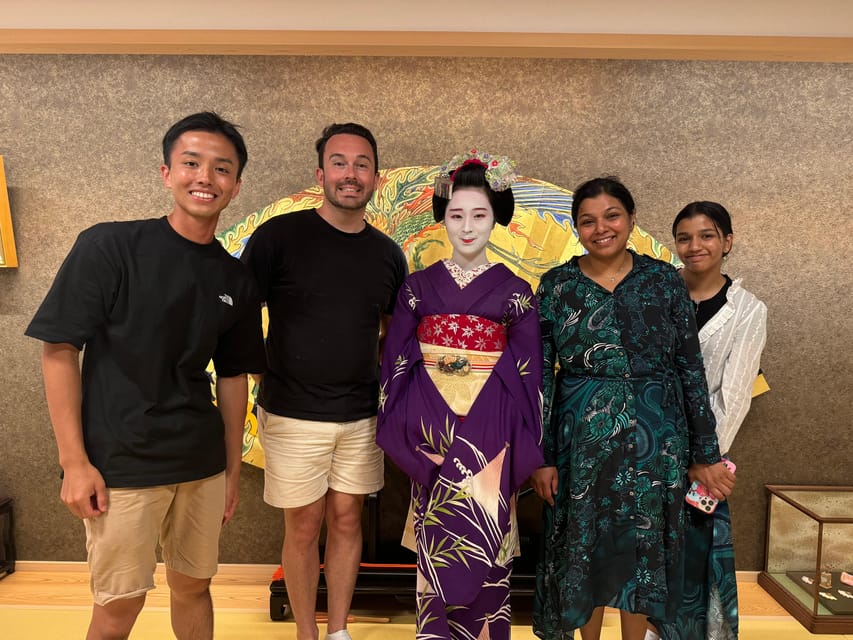
After the walk, the group moves to the performance setting for the second hour. Tea and a Japanese snack are included, and the seated arrangement gives you a chance to pause after walking.
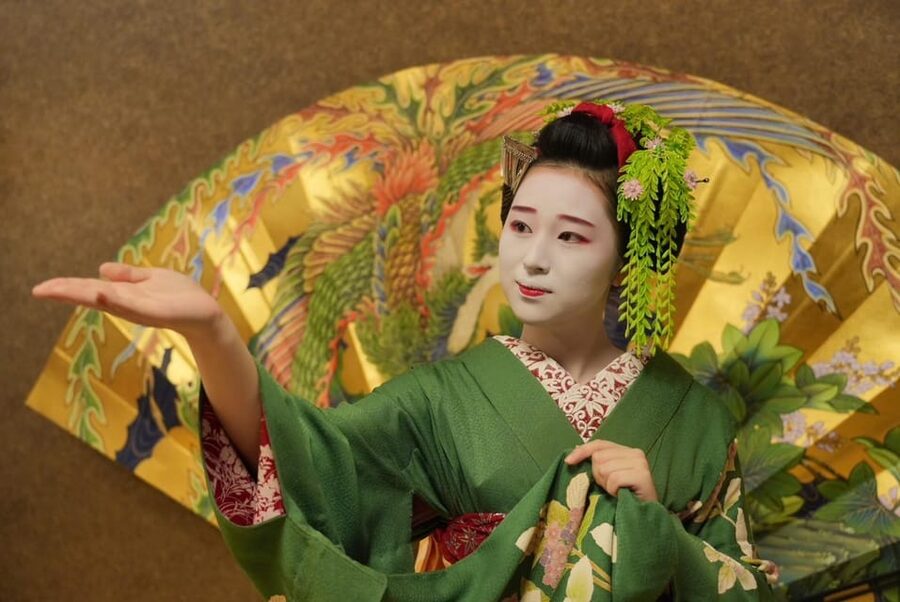
The maiko performs a traditional dance for the group. Expect elegance and restraint rather than a loud or theatrical show. The appeal is in the controlled movements, formal gestures, costume, and atmosphere.
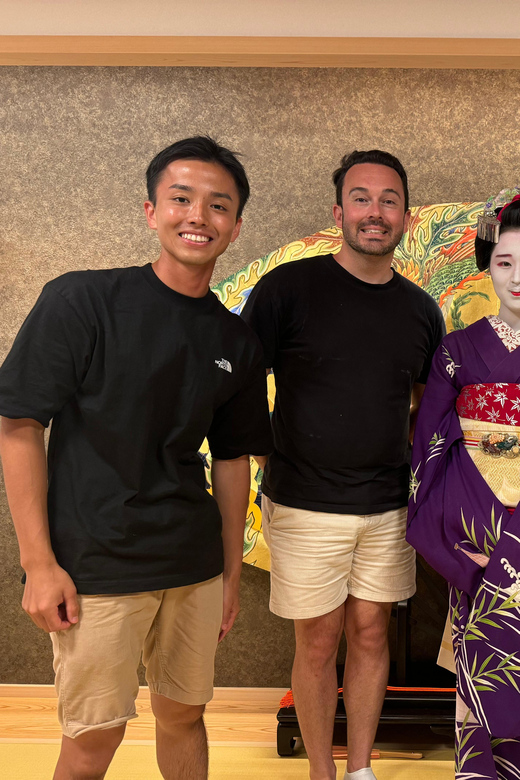
Several useful details make this more than a quick photo opportunity. You have time to watch the dance, ask questions, and play a fan game with the maiko. Photos are also part of the interaction, with the guide helping you understand the appropriate moment and manner.
The game is a traditional Japanese fan game. Each participant gets a chance to play, and it is designed to be fun rather than intimidating. You do not need prior knowledge, artistic skill, or Japanese language ability. The point is the shared moment, not your score.
That playful section is important because the formal performance could otherwise leave you sitting quietly at a distance. The game lets you interact directly, laugh a little, and see the maiko’s personality outside the dance.
The tour is suitable for families, too. A family with a tween and teen enjoyed the combination of explanation, performance, and game. Younger children may appreciate the activity more than a purely historical lecture, although the tour still asks them to behave respectfully during the dance and conversation.
Other evenings in the old entertainment quarters of Kyoto:
- Best of Kyoto: Gion, Geisha, Pagodas & Cobblestones
★ 4.9 · 2,058 reviews - Night Walk in Gion: Kyoto’s Geisha District
★ 4.5 · 2,003 reviews - Kyoto Night Foodie Tour in Gion (9+ dishes + 6 Sake tastings)
★ 5.0 · 1,762 reviews - Kyoto Gion Geisha District Walking Tour – The Stories of Geisha
★ 5.0 · 1,441 reviews
Asking questions about maiko and geiko life
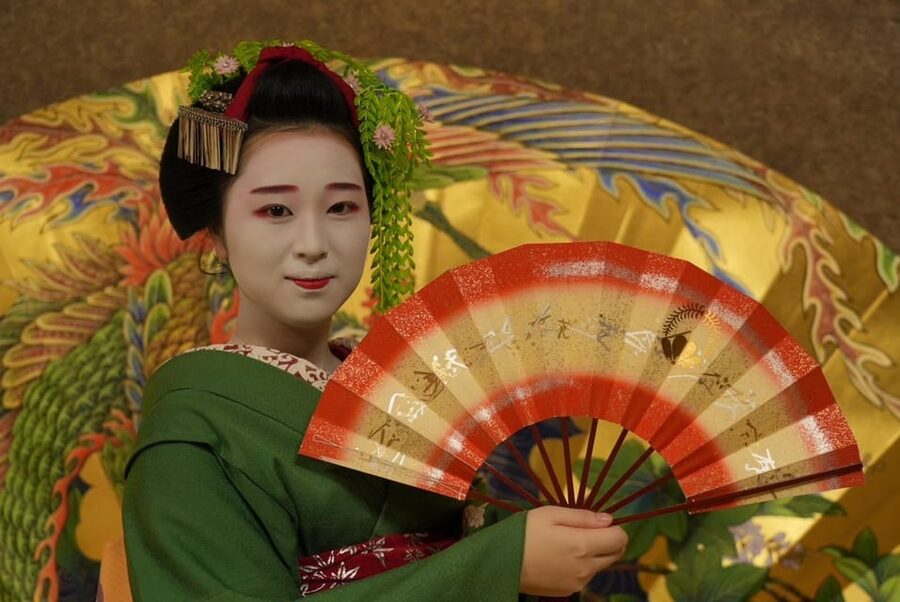
The question period is the part I would value most if you have a serious interest in Kyoto’s traditional arts. You can ask about the maiko’s current life, training, work, and culture. Your English-speaking guide interprets the conversation, often patiently and carefully.
A strong interpreter does more than change words from Japanese into English. The guide keeps the exchange moving, explains context, and helps you phrase questions respectfully. Participants have praised Ai, Rin, Yoshino, Soichiro, Tang, Hikaru, Tommy, and others for their warmth, clear explanations, and ability to make the meeting comfortable.
You should still remember that the exact guide and maiko can vary. The experience is built around the format rather than one named performer. The supplied information identifies several guides who have led the activity, but it does not promise a particular person at booking.
You may also have time for photographs with the maiko. Follow your guide’s instructions, and let the guide set the pace. The etiquette lesson during the walk is useful here because it keeps the interaction pleasant for everyone.
If you are hoping to see a geiko, note the distinction. The advertised meeting is with a maiko, or geisha apprentice, rather than a guaranteed geiko. One participant happened to see a geiko in Gion while returning to the hotel, but that was incidental and not part of the planned tour.
What $108 buys you
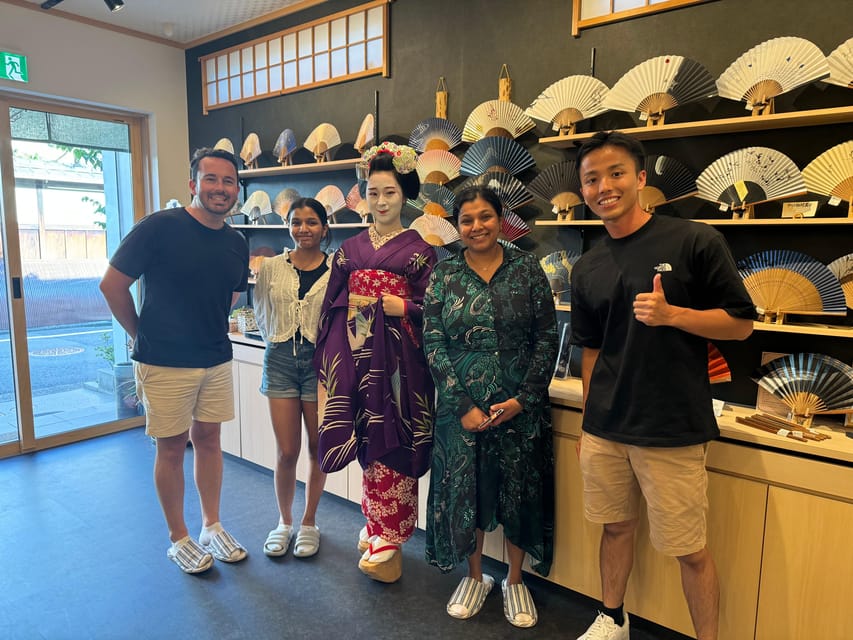
At $108 per person, this is not a bargain walking tour. You are paying for a small group, an English-speaking guide, a one-hour Gion walk, a one-hour maiko program, tea, a Japanese snack, interpretation, and the fan game.
The small maximum of six is the strongest value point. A much larger group would make the question period less useful and the performance less personal. Here, the guide can answer individual questions, keep the translation clear, and give each participant a turn in the game.
The price makes the most sense for you if the maiko meeting is a priority. If you mainly want a free stroll through Gion, you can explore the streets on your own. If you want cultural explanation, a structured encounter, and a chance to speak with a performer, the cost is easier to justify.
Food is not included beyond tea and the Japanese snack. Plan your own meal before or after the tour if you want dinner. Additional food and personal purchases are not part of the price.
The tour’s two-hour length also adds value for a tight Kyoto schedule. You can fit it into a day without giving up half a day to transportation. It works well before dinner, after visiting nearby sights, or as an evening cultural stop.
Who will enjoy this Gion experience
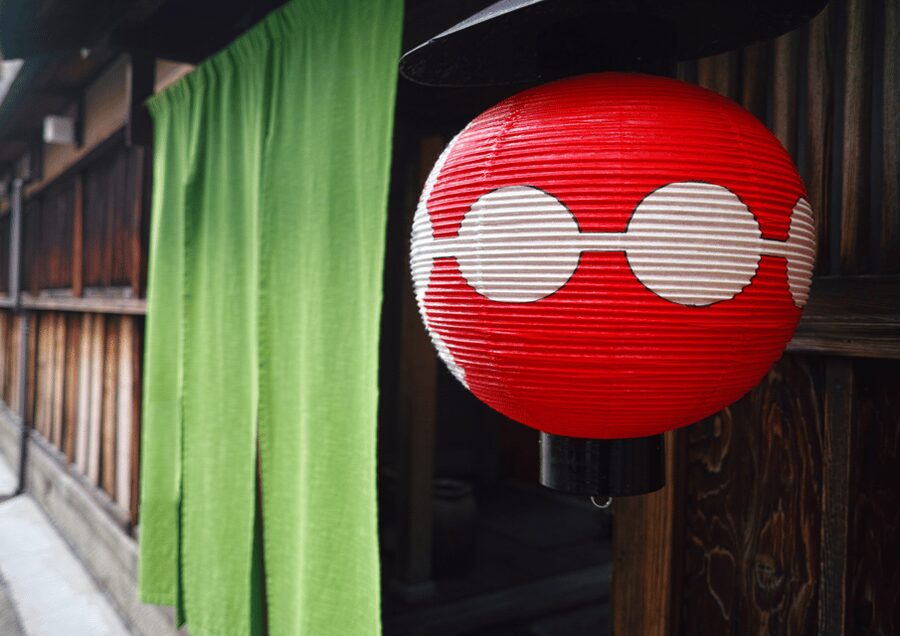
I would recommend it most strongly to:
- First-time Kyoto visitors who want an introduction to Gion with context
- People curious about maiko, geiko, dance, and traditional Japanese entertainment
- Couples looking for a memorable cultural activity
- Families with older children, tweens, or teens who enjoy interactive experiences
- Visitors who prefer small groups to large bus tours
- Anyone who wants to ask questions rather than only watch a staged performance
It may be less suitable if you want a long historical walking tour, a meal-centered evening, or complete freedom from shopping stops. It is also not the right choice if you expect a full geiko performance or a large theater production.
The walking route includes streets and lanes, while the show is seated. The provided details do not specify accessibility arrangements, so contact the operator before booking if you need particular mobility support.
Timing, meeting details, and cancellation
The activity lasts two hours, with roughly one hour on foot and one hour at the performance. The starting time varies, so check availability when choosing a date.
Meet at the Izumo-no-Okuni Statue above Gion Shijo Station. Look for the white GuideMe Japan board. The tour ends at Hangesho, so plan your next stop from there rather than assuming you will return to the station.
The live tour language is English. The group is capped at six participants. You can cancel up to 24 hours before the start for a full refund, and the reserve-now, pay-later option lets you keep your plans flexible.
FAQ
How long is the Gion walking tour and maiko experience?
The activity lasts two hours. The first hour is a guided walk through Gion, and the second hour includes the maiko dance, questions, and traditional fan game.
Where does the tour begin?
It begins at the Izumo-no-Okuni Statue above Gion Shijo Station. Your guide will hold a white board marked GuideMe Japan.
Where does the tour finish?
The tour finishes at Hangesho.
Is the tour conducted in English?
Yes. The live tour guide speaks English, and the guide interprets the conversation with the maiko.
How many people can join the group?
The group is limited to six participants.
What is included in the price?
The price includes the one-hour Gion walk, the one-hour maiko show, tea, a Japanese snack, and the traditional Japanese fan game. Additional food and other personal expenses are not included.
Should you book this Gion tour?
Book it if you want more than a look at Gion’s picturesque lanes. The best reason to go is the combination of a careful neighborhood walk, a small-group maiko meeting, open questions, and a playful traditional game.
I especially like the balance between explanation and participation. Guides such as Ai, Rin, Yoshino, and Soichiro have helped make the walk warm and useful, while the maiko encounter gives the evening its rare quality. At $108, it is a considered purchase, but the six-person limit and direct cultural exchange make it good value for the right person.
Skip it if you dislike structured stops, want a long temple tour, or are looking specifically for a full geiko performance. For everyone else, this is a focused, respectful way to understand Gion and meet a maiko without being lost in a large crowd.
More walking tours elsewhere in Japan
- Nishiki Market Brunch Walking Tour (7 Tastings + Brunch)
★ 5.0 · 1,355 reviews - Kyoto Arashiyama Walking Tour: Bamboo, Monkeys, Gardens & Secrets
★ 5.0 · 1,216 reviews - Kyoto Gion: 2-Hour Geisha Culture & History Walking Tour
★ 5.0 · 1,186 reviews - Kyoto: Izakaya Bars Guided Walking Tour
★ 4.9 · 815 reviews
Just added in Kyoto
- Private Cooking Class Udon in Kyoto Japan★ 5.0 · 23 reviews
- Your Private Vacation Photography Session In Kyoto★ 5.0 · 110 reviews
- Kyoto: Zen Meditation at a Private Temple with a Monk★ 5.0 · 25 reviews
- Private Pewter Sake Cup Experience with a Kyoto Artisan★ 5.0 · 31 reviews
- Kyoto Wagashi(Japanese sweets) Cooking Class near Fushimiinari★ 5.0 · 60 reviews
- Kyoto:Family-Friendly Kimono & Yukata Experience at WARGO★ 5.0 · 147 reviews
- Private Guided Traditional Buddhist Cooking in Japan★ 5.0 · 16 reviews
- Kyoto: Gion Geisha District & Sake-in-Hand Walking Tour★ 5.0 · 37 reviews
Geisha & Gion District Tours, compared.

Kyoto Geisha Walking Tour: Gion District & Hidden Gems
Read our review →
Gion Geisha District Walking Tour – Stories of Geisha
Read our review →
Best of Kyoto: Gion, Geisha, Pagodas & Cobblestones
Read our review →
Kyoto Night Foodie Tour in Gion (9+ dishes + 6 Sake tastings)
Read our review →
Kyoto Gion: 2-Hour Geisha Culture & History Walking Tour
Read our review →
Chopsticks Making Workshop in Gion with Engraving Option
Read our review →
Browse the lists this tour appears in