
Reviewed · COOKING CLASSES
Matsumoto Castle Tour & Soba Noodle Experience
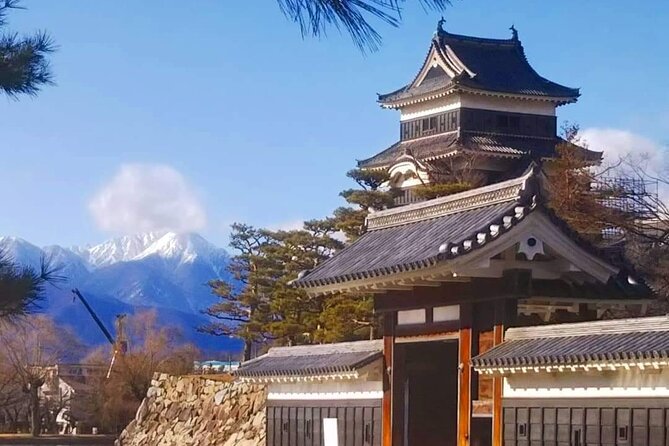
Matsumoto’s best two-hour combination is simple: walk through a National Treasure castle, then make the buckwheat noodles the city is known for. This tour joins the two without wasting time on a long bus ride or a crowded schedule.
I like the local connection and the hands-on work. You get more than a castle photo, and you do not just watch a cooking demonstration. You handle the tools, cut the noodles, and then eat what you made. Guides such as Tom, Kentaro, and Carole have also added useful town and castle context.
The main consideration is the shared batch. At least 500 grams of soba is needed, so one booking covers a serving for two or three people rather than a private bowl for each person. English ability can vary by guide, too, so the quality of the castle explanation may depend on who leads your visit.
Why this tour is worth your afternoon
- Castle interiors, not just an outside photo: You spend about an hour inside Matsumoto Castle, including its steep historic interior.
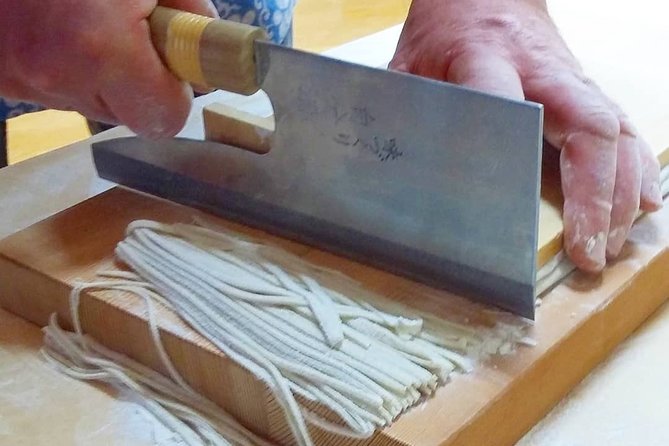
- A real soba-making lesson: A soba master guides you through the dough, rolling, and cutting instead of merely serving a finished meal.
- One shared 500-gram batch: The noodles are prepared in groups of two, with enough for two or three people.
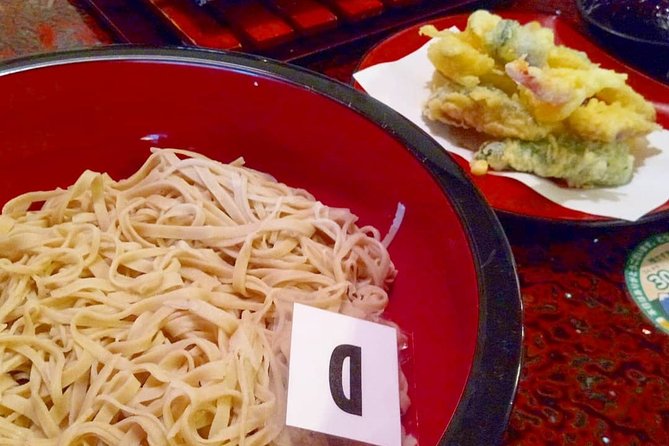
- Several ways to eat the noodles: Your soba can be served hot or chilled, with tempura and other side dishes available.
- A small group setting: The maximum is 15 people, and some departures may feel much smaller, even private.
- A useful Matsumoto introduction: The three-hour format links the city’s most famous sight with one of its best-known foods.
Start at Matsumoto Castle, where the tour earns its keep
Meet at the Matsumoto Castle admission ticket counter at 4-1 Marunouchi. The tour begins with roughly an hour at the castle, and the entrance fee is included in the price.
Matsumoto Castle is one of Japan’s National Treasures, and its black-and-white exterior gives the visit an immediate sense of place. The real value comes from going inside. You can see how the building is arranged as a defensive feudal structure rather than treating it as a quick stop for photographs.
The interior visit involves historic stairs and changing levels, as you would expect in an old castle. That is part of the appeal, but it also means you should wear comfortable shoes and allow time to move carefully. The supplied details do not promise elevator access or special mobility arrangements, so anyone who needs those should check before booking.
A guide can make a major difference here. Tom has met people at the station, walked with them toward the castle, and pointed out interesting places along the way. That extra walk is not part of the formal meeting point, so you should not count on it every time, but it shows how the experience can extend beyond the castle walls.
Guides have included Tom, Kentaro, Carole, and a guide identified as Kai in one account, with the provider referring to Kei. Several have been local residents, giving the castle a useful connection to present-day Matsumoto. English is not equally strong with every guide. One account found the guide’s English difficult to follow, even though he worked hard to explain the castle. That is a fair point to keep in mind if detailed spoken interpretation is essential to you.
Still, the structure is forgiving. Even with a shorter explanation, the castle gives you plenty to see: the exterior, the interior layout, and the feel of a surviving feudal building. A prompt start can also help you get inside quickly, especially on a busy day.
Other castle tours in Nagano people book:
- Matsumoto Castle Tour & Samurai Experience
★ 4.9 · 128 reviews - 1-Day Tour from Nagano and Matsumoto Kamikochi & Matsumoto Castle
★ 5.0 · 105 reviews - Full-Day Tour: Matsumoto Castle & Kamikochi Alpine Valley
★ 4.8 · 78 reviews
The one-hour soba lesson is practical, not theatrical
After the castle, the activity shifts from looking to doing. The soba-making portion lasts about an hour and begins with a short video introduction. You see the basic steps before working with the dough yourself.
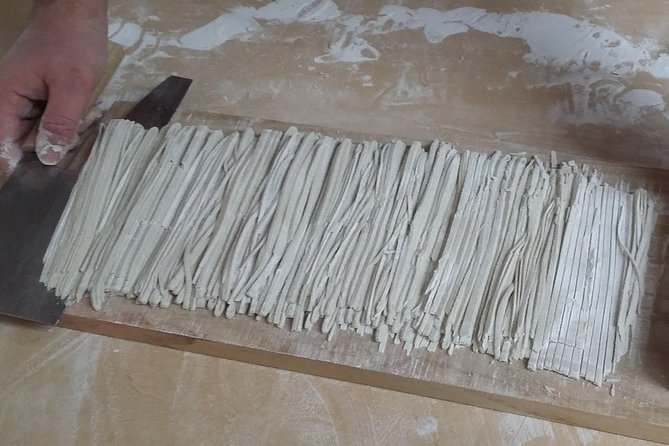
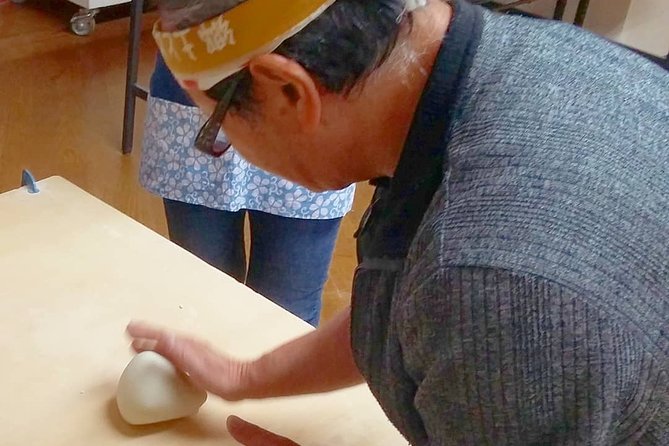
A soba master then guides you through the process. The lesson covers preparation of the dough, use of the traditional tools, and cutting the noodles. You are not expected to know the technique in advance. The point is to follow each stage closely and see how buckwheat flour becomes a proper noodle.
This is the part I like most for people who enjoy food culture. Soba is strongly tied to Matsumoto, and making it gives you a better sense of the food than simply ordering a bowl at a restaurant. The tools and hand movements make the lesson feel grounded and useful. You leave knowing more about the work behind a dish that can otherwise arrive at your table with little explanation.
The experience is arranged for groups of two. A minimum of 500 grams is needed to prepare the soba, so one bucket is shared by two people and can suit two or three diners. This is important when comparing the price. You are paying for an activity and a shared meal, not for a separate private cooking portion for every person.
If you are booking alone, clarify how the shared arrangement will work. The supplied information explains the two-person setup, but it does not state how solo bookings are paired. Couples and friends will find the format especially easy.
The group limit is 15 people. That is small enough for the lesson to remain manageable, though the actual group may be smaller. One booking became a private tour, which added flexibility and personal attention. You should treat that as a possible bonus, not a guarantee.
Eating your own noodles is the satisfying finish
Once the noodles are cut, the soba master cooks them for you in the restaurant below the preparation room. This handoff matters. You do not have to manage boiling or worry about ruining the batch after spending an hour making it.
The included tasting comes with one extra serving. You can enjoy the noodles hot or chilled, and the meal may include tempura, fried vegetables, and other side dishes. The exact extra dishes are not fully specified, and side dishes such as oyaki, snacks, and drinks cost extra.
Freshly made soba has a different texture from packaged noodles, and that contrast is one of the clearest rewards of the lesson. The earthy taste of buckwheat is central to Matsumoto’s food identity. The tasting also lets you compare the noodles in more than one form instead of treating the cooking class as a single sample.
Plan your appetite accordingly. The shared 500-gram batch is meant for two or three people, and the tasting is included, but additional drinks and snacks are not. If you want a larger meal or extra side dishes, budget beyond the advertised price.
The setting below the classroom also keeps the experience intimate. You move from preparation to eating without a separate restaurant search, and the meal gives the class a clear payoff. This is not a formal fine-dining event. It is a local cooking lesson followed by a straightforward meal made from your own work.
Three hours that balance sightseeing and food
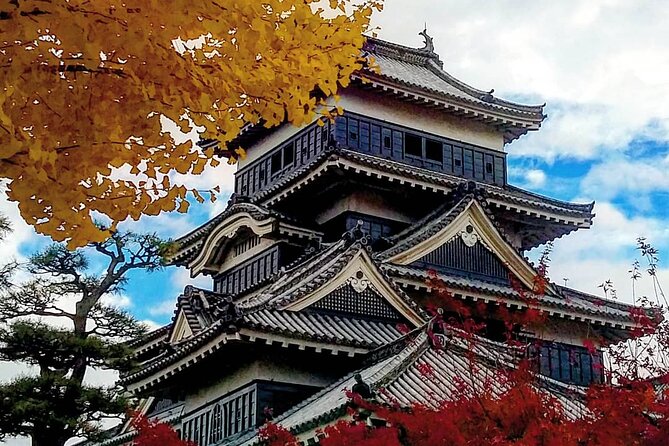
The advertised duration is about three hours:
- Around one hour at Matsumoto Castle
- Around one hour preparing and cutting soba
- Around one hour tasting the noodles and extra serving
That rhythm is well judged. The castle supplies the historical setting, the kitchen class changes the pace, and the meal lets you finish without rushing through another attraction.
I would not book this expecting a full-day introduction to Matsumoto. You get one major sight and one food activity, with no broad city tour promised. That is the strength of the schedule if you have limited time. It is also the limit if you want a long castle lecture, several neighborhoods, or a more extensive food crawl.
The meeting point is the castle ticket counter, and the activity ends back there. Public transportation is nearby, which makes the tour practical for an afternoon plan. The arrangement also avoids a complicated transfer between distant parts of town.
Weather should not ruin the main plan. The castle and indoor soba lesson provide cover, though the route between them may include outdoor walking. One group had wet weather and still found the experience enjoyable, helped by guides who were good company. Bring suitable footwear and rain protection if the forecast is poor.
More cooking in Nagano:
- 1-Day Togakushi Tour: Soba making, Ninja Town, and Hidden Shrines
★ 5.0 · 18 reviews - Snow Monkey Park, Soba Lunch and Shibu Onsen Tour
★ 5.0 · 12 reviews - Ramen Cooking Class at Ramen Factory in Kyoto
★ 5.0 · 1,937 reviews - Ramen & Gyoza Cooking Class in Tokyo with Local Supermarket Visit
★ 5.0 · 823 reviews
What the 93.93 dollar price includes
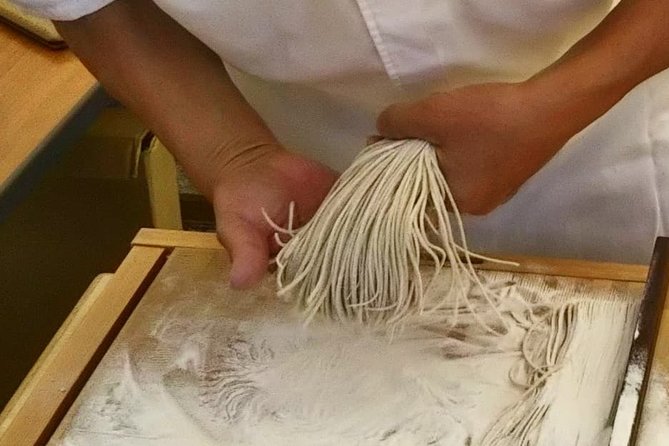
At $93.93 per person, this is not the cheapest way to see Matsumoto Castle or eat soba. The price makes more sense when you separate the inclusions from the extras.
Included are:
- Matsumoto Castle admission
- The soba-making class with a soba master
- Tasting of the soba you prepare
- One extra serving
The fee also buys a guide for the castle portion and an organized lesson. You would pay separately for castle admission and a meal if arranging the pieces yourself, but the larger value is the connection between them. The guide gives context, the master provides instruction, and the restaurant cooks your noodles afterward.
Side dishes, oyaki, snacks, drinks, souvenirs, and other miscellaneous costs are not included. Travel insurance and private insurance are also outside the price. Keep a little extra money available if you want tempura, a drink, or local snacks.
The strongest value comes for two people booking together. You share the required 500-gram batch, and both people take part in the preparation. Solo visitors may still enjoy it, but the shared serving structure is less straightforward.
The 4.7 rating from 20 reviews and 90 percent recommendation suggest a strong record, but the sample is not huge. I would give the positive feedback most weight on the tour’s central idea: combining a famous building with a hands-on regional food experience. I would give more caution to the occasional language concern and the fixed shared portion.
Who will enjoy this most
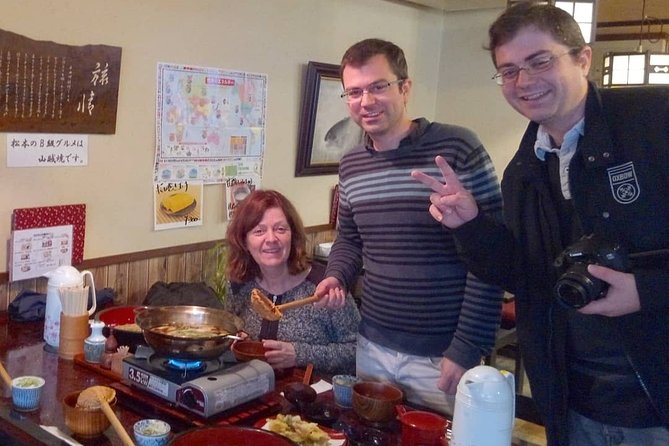
This is a good pick if you want a compact introduction to Matsumoto that includes both culture and food. Couples, friends, and families with older children who can manage castle stairs should find the format easy to follow.
It is especially suited to you if:
- You like cooking as much as eating
- You want a guided castle visit rather than a self-guided walk
- You have about three hours available
- You are happy to share a soba batch
- You value local food traditions
- You want a small-group activity near public transportation
You may want another plan if you dislike group cooking, need a highly precise English lecture, or want a large meal with drinks and many side dishes included. The castle portion is also not a full city tour, so add separate time if you want to explore more of Matsumoto.
The hands-on work is not hard to understand, but it does require participation. If you prefer to watch a chef do everything, the lesson may feel more active than expected. That is exactly why it works for people who enjoy practical experiences.
Small details that make the day easier
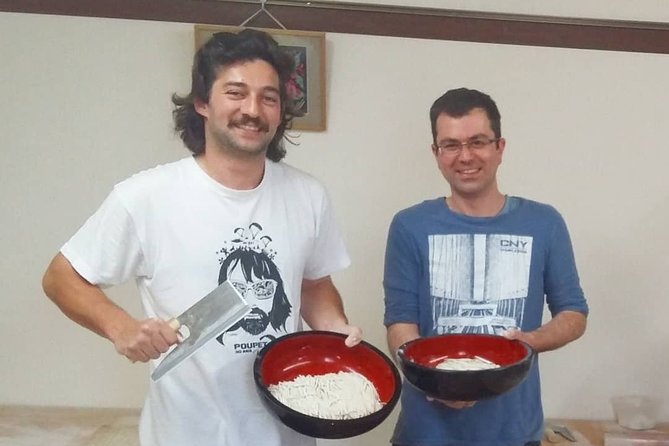
Book ahead if your schedule is fixed. The experience is booked an average of 71 days in advance, which suggests that popular dates can fill early.
Confirmation arrives at booking, and the tour accepts a mobile ticket. The meeting point is the Matsumoto Castle admission ticket counter, not a hotel pickup location. Arrive with the correct starting point in mind.
Free cancellation is available if you cancel at least 24 hours before the local start time. Changes or cancellations made inside that window are not accepted for a refund.
Because the group can include up to 15 people, tell the provider in advance if you have an important language or dietary concern. The supplied details do not list dietary substitutions, accessibility arrangements, or specific language guarantees, so do not assume those are included.
Should you book the Matsumoto Castle and soba tour?
I would book it if you want your Matsumoto visit to have a clear shape: one major sight, one local food tradition, and a meal connected to the work you just did. The castle gives the tour its historic weight, while the soba lesson keeps the afternoon from becoming a passive sightseeing loop.
The best match is two people who enjoy sharing a cooking activity and do not mind paying extra for guidance and organization. If you are watching every yen, you can visit the castle and order soba independently for less. If you want a well-paced introduction with a guide, a master, admission, and tasting in one package, the $93.93 price is reasonable.
Book early, expect a shared portion, and keep your expectations realistic about guide-to-guide English. With those points understood, this is one of the more useful ways to connect Matsumoto’s castle with its table.
FAQ
Where does the Matsumoto Castle and soba tour begin?
The meeting point is the Matsumoto Castle admission ticket counter at 4-1 Marunouchi, Matsumoto, Nagano 390-0873, Japan.
Where does the activity end?
The activity ends back at the meeting point.
How long does the experience last?
The tour lasts about three hours. Around one hour is spent at Matsumoto Castle, one hour making and cutting soba, and one hour tasting the noodles.
Is Matsumoto Castle admission included?
Yes. Entry to Matsumoto Castle is included in the tour price.
How is the soba-making activity organized?
The activity takes place in groups of two. At least 500 grams of soba is needed, so the shared preparation produces a serving suitable for two or three people.
What food is included?
The soba you make is cooked for you, and the package includes soba tasting plus one extra serving. Side dishes such as oyaki, snacks, tempura, and drinks are not generally included unless specified separately.
Can I cancel for a full refund?
Yes, if you cancel at least 24 hours before the experience start time. Cancellations or changes made less than 24 hours in advance are not refunded or accepted.
More castle tours elsewhere in Japan
- Matsumoto Castle Tour & Samurai Experience
★ 5.0 · 69 reviews - Matsumoto Castle Town Walking Tour
★ 4.8 · 58 reviews - 1 Day Tour From Nagano to Matsumoto Castle and Narai-Juku
★ 5.0 · 37 reviews - Nagano/Matsumoto: Matsumoto Castle and Narai-juku Day Trip
★ 5.0 · 23 reviews
Just added in Nagano
- Snow Monkeys, Hokusai & Sake: A Perfect Day in Nagano★ 5.0 · 19 reviews
- Wasabi Farm Walking Tour & Lunch★ 4.5 · 20 reviews
- 1-Day Tateyama-Kurobe Tour: Walking on the ‘Roof of Japan’★ 5.0 · 20 reviews
- Ski or Snowboard Lesson in Shiga Kogen (4Hours)★ 5.0 · 34 reviews
- Snow Monkey Park & Miso Production Day Tour from Nagano★ 5.0 · 18 reviews
- Snow Monkey & Shibu Onsen Afternoon Tour (Depart: Iiyama & Nozwa)★ 5.0 · 54 reviews
- Snow Monkey Park, Soba Lunch and Shibu Onsen Tour★ 5.0 · 12 reviews
- Nagano Private Two Day Tour★ 5.0 · 29 reviews
Cooking Classes, compared.
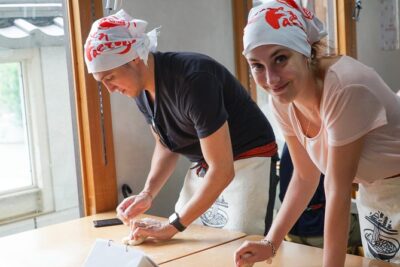
Ramen Cooking Class at Ramen Factory in Kyoto
Read our review →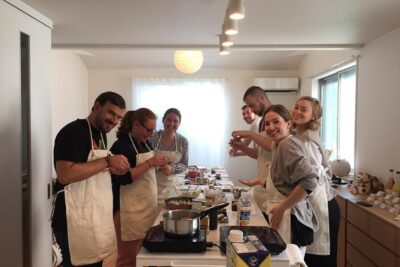
Ramen & Gyoza Cooking Class in Tokyo with Local Supermarket Visit
Read our review →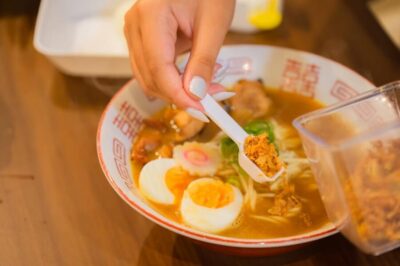
Ramen Cooking Class at a Ramen Factory with Souvenir
Read our review →
Japanese Washoku Bento Small Group Cooking Class
Read our review →
Sumo Stage Show with Bento or Snack + Fight & Photo
Read our review →
Ramen and Sushi Cooking Class with Sake Pairing Set in Tokyo
Read our review →Browse the lists this tour appears in