
Reviewed · COOKING CLASSES
Kyoto: Japanese Washoku Bento Small Group Cooking Class
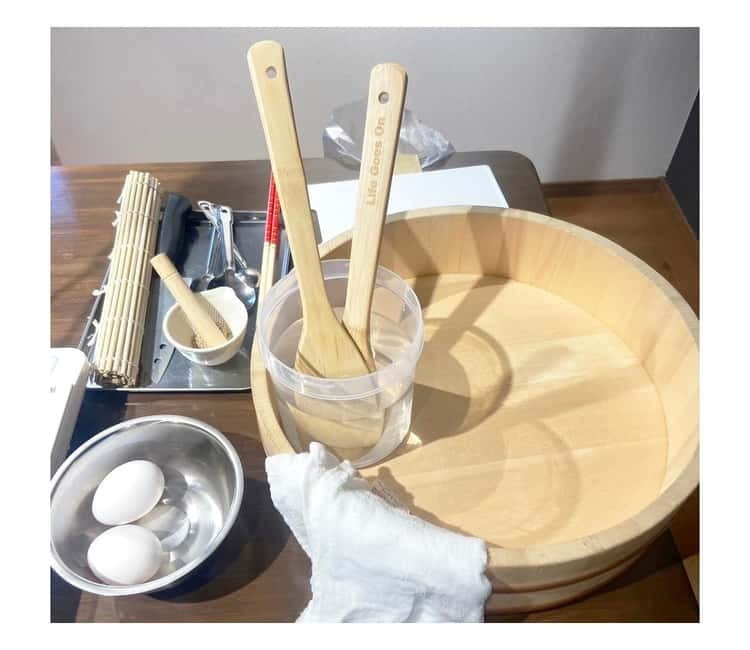
A bento box is more than lunch in a neat container. It is a small lesson in Japanese cooking, with separate dishes balanced by color, texture, seasoning, and care. In this Kyoto class, you make four traditional dishes, including sushi rolls, tempura, tofu salad, and a Japanese rolled omelette, then sit down to eat what you prepared.
I like the tiny group size, which gives you real time with the chef instead of watching from the back of a crowded room. I also like the practical focus: you learn dashi stock, knife handling, tempura frying, and rolled omelette technique, skills you can repeat at home.
The main point to consider is timing. The class lasts 150 minutes, and you must arrive at Kyoto Laundry Cafe on time for pickup. Arriving more than 15 minutes late cancels the booking without a refund, so this is not an activity to squeeze between uncertain train connections.
Key points at a glance
- Four-part bento meal: Prepare sushi rolls, tempura, tofu salad, and Japanese rolled omelette.
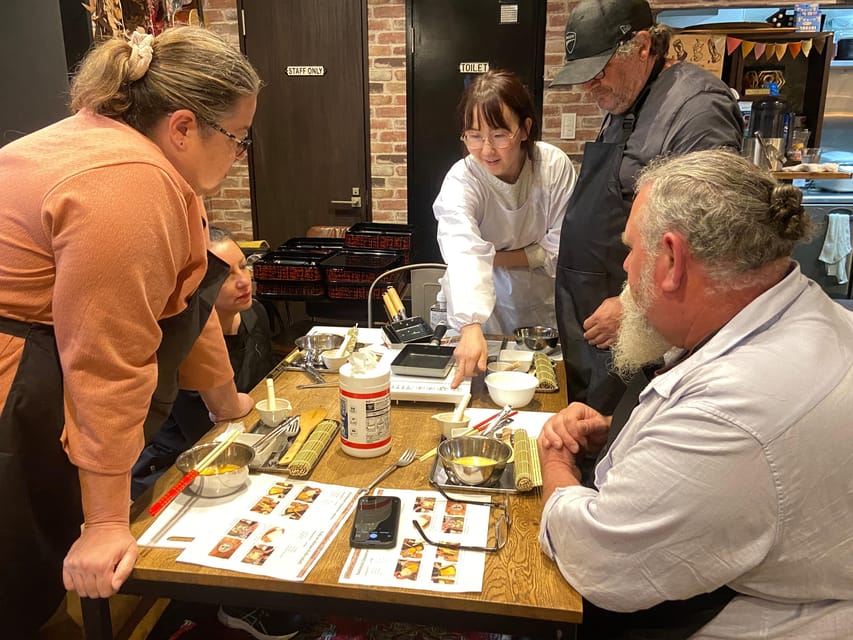
- Smallest practical group size: The class accepts no more than five participants, with some sessions becoming private or nearly private.
- Real cooking skills: Practice dashi stock, Japanese knife technique, tempura frying, and dashimaki tamago.
- Several friendly instructors: Ai, Miyu, and Chef Rie are named instructors, with Nana and Lausa assisting in some sessions.
- Near Saiin Station: Meet at Kyoto Laundry Cafe, about five minutes from Hankyu Saiin Station, then wait for the chef to collect you.
- A filling final meal: You cook a generous amount of food, so arrive hungry rather than after a large lunch.
Why a bento class makes sense in Kyoto
Kyoto gives you temples, gardens, tea houses, and a long list of famous foods. A cooking class adds something different: you get to understand how several Japanese dishes work together.
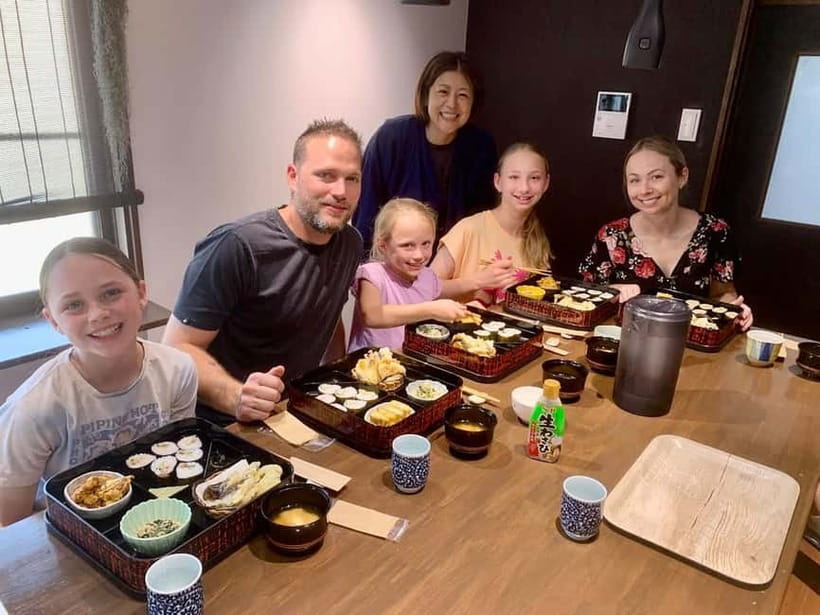
Washoku, the Japanese approach to food featured here, pays attention to freshness, seasonality, color, texture, and balance. That idea becomes easier to grasp when you are making the meal yourself. A crisp piece of tempura, a soft rolled omelette, a seasoned tofu salad, and sushi rolls do not simply fill different spaces in the box. They give the meal contrast.
I find bento especially useful as a cooking subject because it breaks Japanese food into manageable parts. You are not trying to master one elaborate restaurant dish. You are learning several modest preparations that can become a home lunch.
The class also explains the background of the bento box and how its elements fit into Japanese home cooking. That cultural context matters. Without it, the activity could feel like a standard recipe lesson. With it, you can better understand why presentation and variety matter so much in a Japanese meal.
Other cooking classes in Kyoto people book:
- Ramen Cooking Class at Ramen Factory in Kyoto
★ 5.0 · 1,937 reviews - Kyoto: Ramen Cooking Class at a Ramen Factory with Souvenir
★ 4.9 · 532 reviews - Kyoto: Ramen, Gyoza, and Onigiri Cooking Class
★ 5.0 · 445 reviews
Meeting the chef near Saiin Station
The meeting point is Kyoto Laundry Cafe, a cafe about five minutes from Hankyu Saiin Station. The chef comes to collect you there and takes you to the cooking location.
This arrangement is simple, but it requires attention. Use Google Maps rather than Instagram Maps to find the cafe. Give yourself enough time to walk from the station, locate the entrance, and settle in before the meeting time.
The late-arrival rule is strict. If you arrive more than 15 minutes after the scheduled time, the reservation is automatically canceled, and the program does not provide a refund or schedule change for lateness that day. I would plan to arrive at least 10 minutes early, especially if you are unfamiliar with Kyoto’s train stations.
The pickup system also means you should not wander off after reaching the cafe. Stay at the meeting point until the chef arrives. This is a small class, and the group cannot easily wait while one person searches nearby streets.
A close look at the 150-minute cooking session
The class runs for two and a half hours. That is long enough to prepare several dishes without turning the experience into a rushed demonstration.
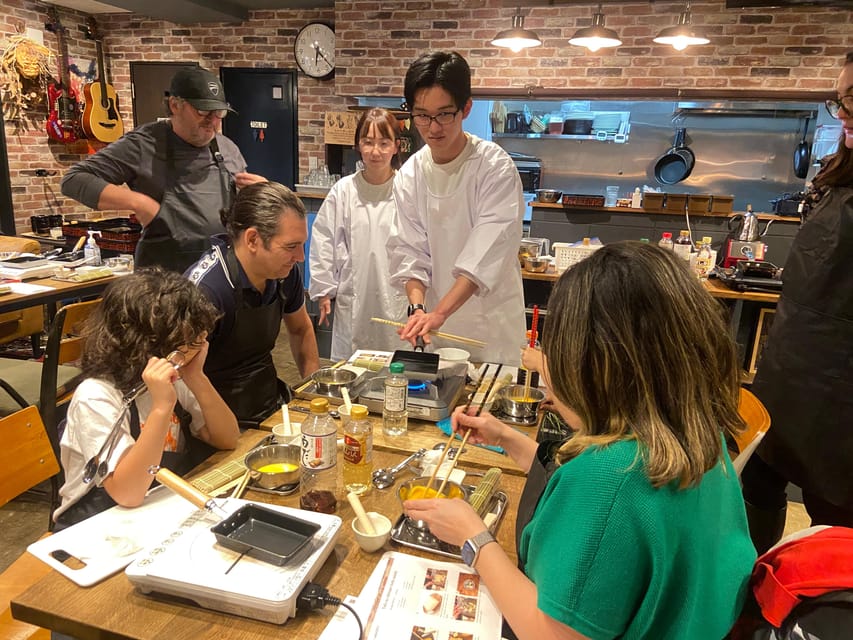
Your instructor explains the ingredients, techniques, and role of each dish as you work. Instruction is available in English and Japanese. Ai, Miyu, and Chef Rie are the instructors most often associated with the class, and some sessions also involve Nana or Lausa.
The teaching style is hands-on. You cook alongside the instructor rather than simply watching a chef prepare everything. That distinction matters. You will make mistakes, adjust your technique, and see how each step affects the result.
Participants have specifically appreciated the clear explanations and patient guidance from Ai, Miyu, and Rie. Rie is described as especially encouraging, while Ai often explains the history of bento and Japanese food culture as the class moves along. Miyu is praised for creating a relaxed, friendly session and answering questions carefully.
The class is limited to five people. This keeps the instruction personal and makes it easier to ask for help with a knife cut, rolling technique, or frying step. Families and couples can cook together, and some sessions may have only three people or even one booking party.
Making dashi, the quiet foundation of Japanese cooking
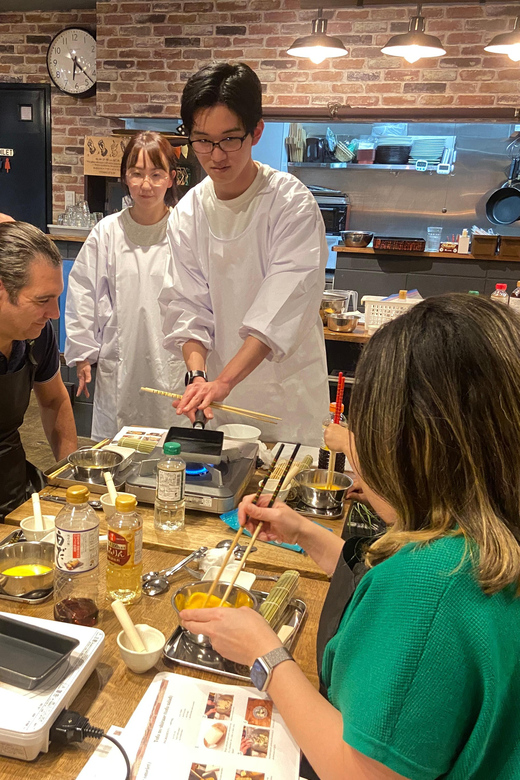
Dashi is one of the most useful parts of the lesson. It is a basic Japanese stock that provides savory depth without needing a heavy sauce.
You learn how to make it as part of the bento preparation, with the chef explaining the process and how the stock is used. This is the sort of technique that can improve many home meals, including soups, sauces, and seasoned dishes.
I like that dashi is included alongside more visible skills such as sushi rolling and tempura frying. A rolled omelette looks impressive, but learning the stock gives you a better sense of the foundation beneath Japanese cooking.
Several participants have continued making dashi and dashimaki tamago at home after the class. Recipes are also sent after some sessions, which makes it easier to repeat the dishes once you leave Japan. The useful lesson here is not only how to cook this lunch, but how to carry part of the method into your own kitchen.
More cooking in Kyoto:
- Kyoto Ramen and Gyoza Cooking Class with Professional Chefs
★ 5.0 · 282 reviews - Kyoto: Afternoon Japanese Izakaya Cooking Class
★ 4.9 · 241 reviews - Izakaya Style Cooking Class
★ 5.0 · 219 reviews - Ramen & Gyoza Cooking Class in Tokyo with Local Supermarket Visit
★ 5.0 · 823 reviews
Knife handling and the Japanese approach
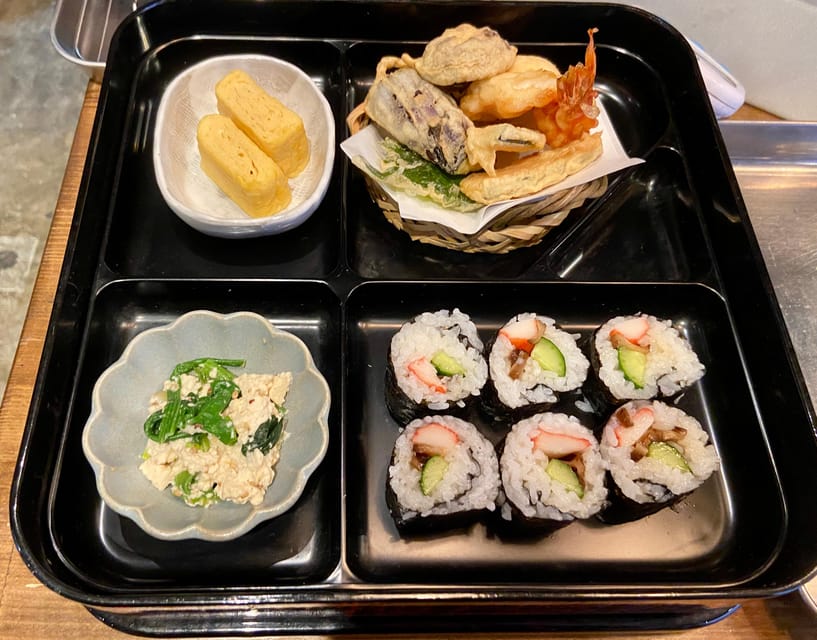
The class includes guidance on knife skills and the proper Japanese approach to preparing food. The information provided does not specify a particular knife style or cutting menu, so you should expect practical instruction rather than a formal knife seminar.
That still has real value. Japanese cooking often depends on clean cuts, careful handling, and the way an ingredient is prepared before it reaches the pan or serving plate. The instructor shows you how to work safely and neatly, then gives you a chance to practice.
This is a good fit for beginners because the class is not built around advanced restaurant skills. You work through familiar cooking actions in a Japanese setting and receive help as needed. If you already cook often, the value will be in learning a different set of habits and ingredients rather than starting from zero.
Frying tempura without losing the light texture
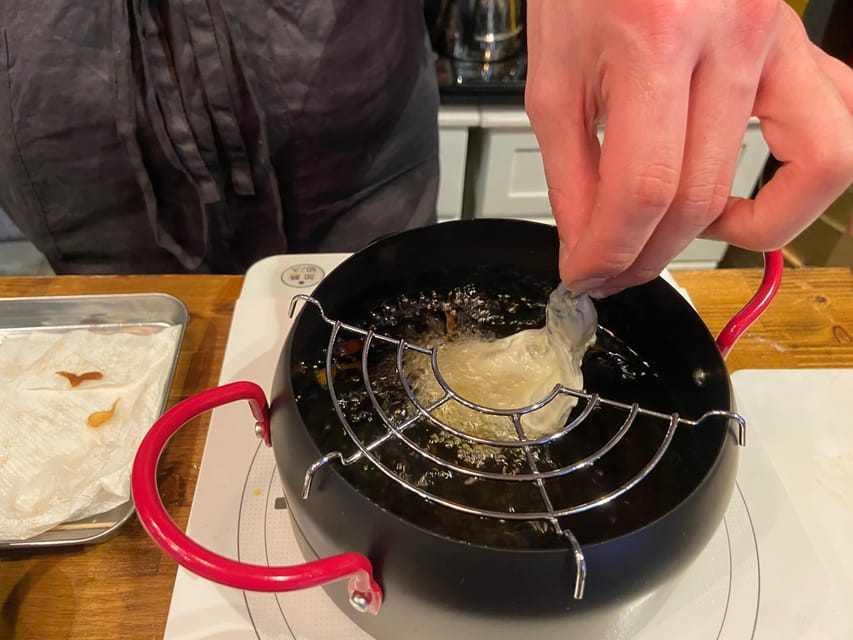
Tempura is one of the class highlights. You learn how to coat and fry ingredients, with attention to the technique that makes tempura light rather than thick and greasy.
Frying is the part of the class where hands-on instruction helps most. The chef can show you the right motions and timing, then watch as you try it yourself. It is also one of the more practical activities for a small group, since each person can take part instead of waiting for a demonstration to finish.
The class includes ingredients and equipment, so you do not need to bring cooking supplies. Aprons are provided as well. You should still wear comfortable clothing that you do not mind wearing around oil and food preparation.
Tempura is only one part of the meal, which keeps the session varied. You move between hot cooking, rolling, cutting, mixing, and arranging rather than spending the entire two and a half hours at a single station.
Sushi rolls, tofu salad, and the rolled omelette
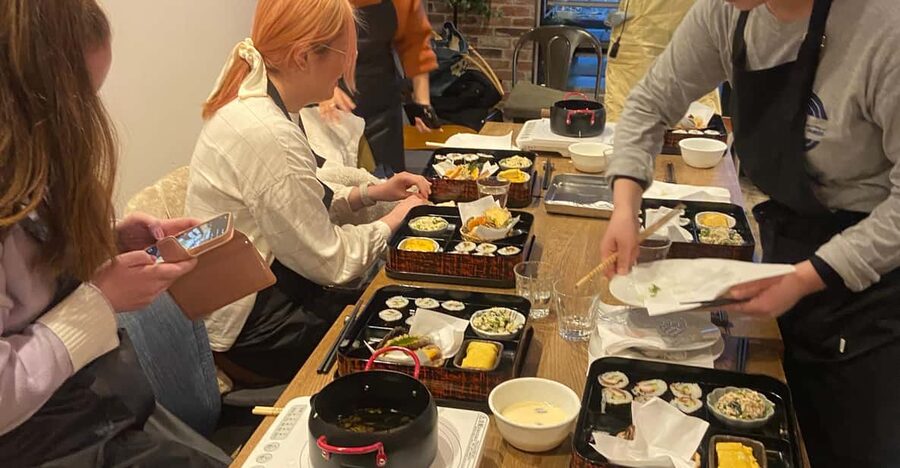
The sushi rolls give you a chance to work with rice and presentation. The tofu salad brings a different texture and seasoning, while the Japanese rolled omelette, or dashimaki tamago, requires a bit of control as you build the layers.
The omelette is often the dish people remember most because it looks simple but takes practice. Rolling it neatly is a small technical challenge, and the chef can correct your method as you go.
The tofu salad also shows the range of Japanese home cooking. It is not just about sushi or restaurant specialties. A bento can include humble ingredients treated with care and paired with the right seasoning.
The finished box is designed to look appealing as well as taste good. Color and arrangement matter in washoku, and you get to see that principle in action when you place the separate dishes together.
Sitting down to eat what you made
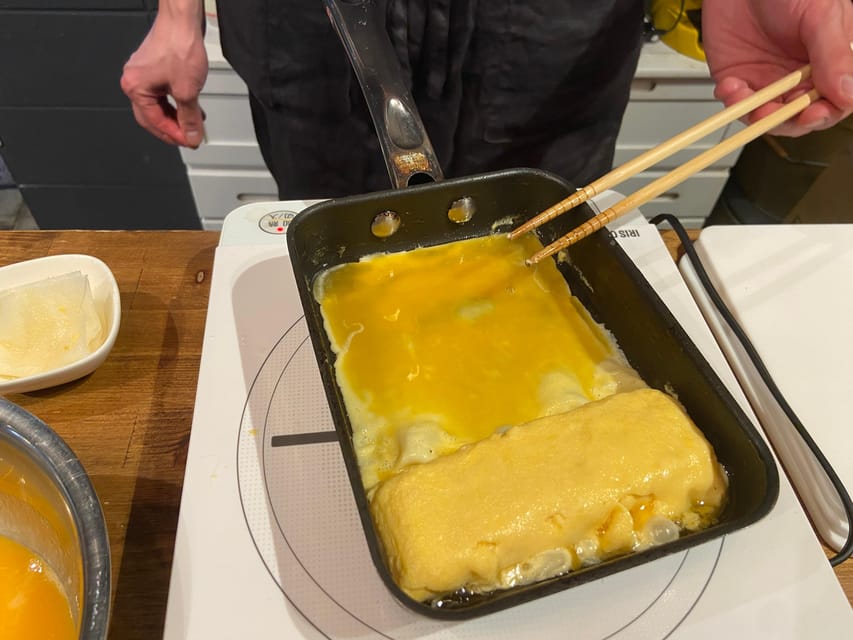
At the end, you eat the bento together and talk with the other people in the class. This shared meal is an important part of the experience. You see the results of your work all at once and get a chance to compare techniques and impressions.
The portions are generous. Several people have specifically advised arriving hungry because the group makes a large amount of food. I would avoid scheduling this immediately after a substantial lunch.
The meal is also a useful test of your new skills. You can taste the balance between dishes, notice the difference between freshly fried tempura and cold versions, and see how dashi supports the other flavors.
The social side is strongest when the group is small. You have time to chat with the instructor and fellow cooks without the noise or distance of a large tour. English-speaking participants can ask questions throughout the session, while Japanese instruction remains available too.
What makes the instruction especially useful
The strongest feature of this class is the combination of cooking and cultural explanation. Ai has explained bento history and how the different parts are prepared and eaten in Japanese homes. Other instructors, including Rie and Miyu, bring their own explanations of ingredients, methods, and food traditions.
The chefs are not only showing you recipes. They explain why the food is made in a certain way and how the dishes relate to Japanese cuisine. That makes the class more useful than a simple make-and-eat activity.
The teaching also appears adaptable. One participant with a shrimp allergy received an appropriate substitution, but you should contact the provider before booking if you have allergies or dietary restrictions. Do not assume every ingredient can be changed on the day.
Some families have brought older children and teenagers, and a nine-year-old has taken part successfully with a parent. Still, the activity is not suitable for children under four, babies, wheelchair users, or people with diabetes according to the stated restrictions. If your group includes children, the chef remains the best source for confirming suitability before you reserve.
Price and overall value at $58
At $58 per person, this class costs more than simply buying a bento at a Kyoto department store or restaurant. That comparison misses the main point, though. You are paying for 150 minutes of instruction, ingredients, equipment, an apron, four dishes, and a meal at the end.
The value is strongest if you want skills you can use later. You learn dashi, tempura, sushi rolls, tofu salad, and rolled omelette in one session. You also receive cultural background and, in some cases, recipes to make the dishes at home.
The small group helps justify the price. A group capped at five gives you more direct help than a large cooking demonstration. If the session has only your family or a few participants, the experience becomes even more personal.
I would not choose this class only because you want the cheapest possible lunch. I would choose it because you want lunch plus instruction, conversation, and a practical introduction to washoku.
Who will enjoy this class most
This is a strong choice for first-time visitors to Japan who want food culture explained in plain terms. It also suits people who already enjoy Japanese food and want to understand how common dishes are prepared.
Families with older children can use it as a shared activity. Couples and solo participants should also fit well because the group is small and the cooking gives everyone something to do.
The class works especially well early in a Kyoto trip. You can learn about Japanese ingredients and meal structure, then notice those ideas in restaurants, markets, and convenience stores during the rest of your stay.
It is less suitable if you want a silent, formal demonstration, a luxury cooking studio, or a short activity with no fixed meeting pressure. It is also not the right pick for anyone who cannot stand for or take part in ordinary kitchen work, given the stated restrictions on wheelchair users and certain medical conditions.
Practical booking advice
Reserve ahead if you have fixed sightseeing plans. The class has limited capacity, and five places is a small number.
Choose a start time that leaves room for the train journey and the walk to Kyoto Laundry Cafe. Since the chef collects the group from the cafe, late arrival creates a real problem rather than a minor inconvenience.
The booking allows free cancellation up to 24 hours before the activity, and you can reserve now and pay later. Those terms help if your Kyoto schedule is still shifting, but they do not protect against arriving late on the day.
Wear comfortable clothing and plan to eat a full meal afterward. You do not need to bring ingredients, an apron, or cooking equipment.
Should you book the Kyoto bento cooking class?
Book it if you want more than a food tasting. The class gives you a useful introduction to Japanese home cooking, a generous meal, direct contact with a local chef, and enough technique to repeat several dishes later.
I especially recommend it for people who enjoy learning by doing. The small group, named instructors such as Ai, Miyu, and Rie, and mix of cultural explanation with practical work make the session feel personal rather than mass-produced.
Skip it if your schedule cannot handle a strict meeting time, if you need wheelchair access, or if dietary and medical needs have not been confirmed with the provider. For everyone else, $58 is a fair price for two and a half hours of cooking and eating, particularly when the result is a bento you made yourself.
FAQ
Where does the cooking class meet?
You meet at Kyoto Laundry Cafe, or Kyoto Laundry Cafe, near Saiin Station on the Hankyu Railway. The cafe is about five minutes from the station.
How does the group get to the cooking location?
The chef comes to Kyoto Laundry Cafe to collect participants on the day of the class. You should remain at the meeting point until the chef arrives.
How long does the class last?
The cooking class lasts 150 minutes, or two and a half hours.
How many people can join the class?
The class is limited to five participants, making it a small-group activity.
Which languages are available?
Instruction is available in English and Japanese.
What dishes will I make?
You will prepare four dishes: sushi rolls, tempura, tofu salad, and a Japanese rolled omelette. The class also teaches you how to make dashi stock.
Are ingredients and cooking equipment included?
Yes. The price includes the instructor, cooking class, ingredients, four dishes, aprons, and other equipment.
What happens if I arrive late?
If you arrive more than 15 minutes after the scheduled meeting time, the reservation is automatically canceled. Late arrivals are not eligible for a refund or schedule change on the day.
Can I cancel the booking?
You can cancel up to 24 hours in advance for a full refund. You can also reserve now and pay later.
Is the class suitable for young children?
The activity is not suitable for children under four years old or babies under one year old. A nine-year-old has taken part with a parent, but you should confirm your child’s suitability before booking.
Is the class wheelchair accessible?
The activity is listed as not suitable for wheelchair users.
Is the class suitable for people with diabetes?
The activity is listed as not suitable for people with diabetes.
Just added in Kyoto
- Kyoto: Private Photoshoot Service★ 5.0 · 158 reviews
- Kyoto Rickshaw Tour★ 5.0 · 210 reviews
- Izakaya Style Cooking Class★ 5.0 · 219 reviews
- Kyoto: Traditional Concert at Townhouse or Bathhouse★ 4.9 · 224 reviews
- Ninja 2-hour Hands-on Lesson by Japanese master in Kyoto -Medium★ 5.0 · 218 reviews
- Kyoto: Arashiyama Bamboo, Temple, Matcha, Monkeys & secret spots★ 5.0 · 219 reviews
- Kyoto Geisha District Walking Tour in Gion★ 5.0 · 232 reviews
- The right way to know Kyoto★ 5.0 · 257 reviews
Cooking Classes, compared.
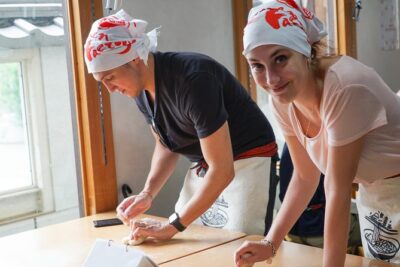
Ramen Cooking Class at Ramen Factory in Kyoto
Read our review →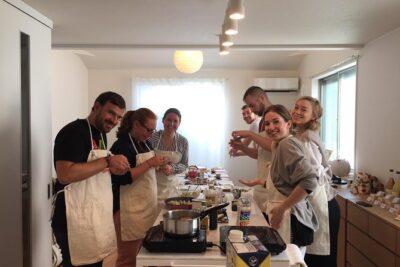
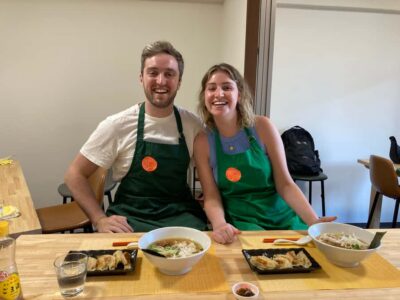
Ramen & Gyoza Cooking Class in Tokyo with Local Supermarket Visit
Read our review →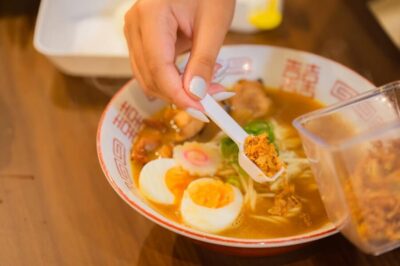
Ramen Cooking Class at a Ramen Factory with Souvenir
Read our review →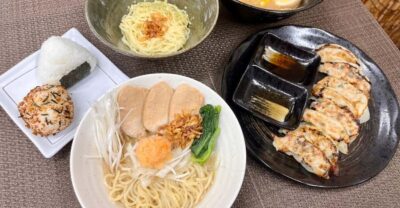
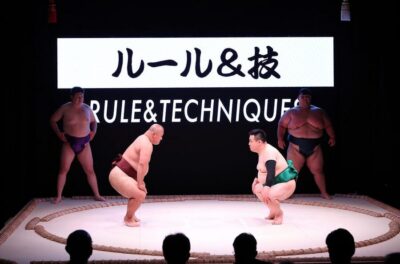
Sumo Stage Show with Bento or Snack + Fight & Photo
Read our review →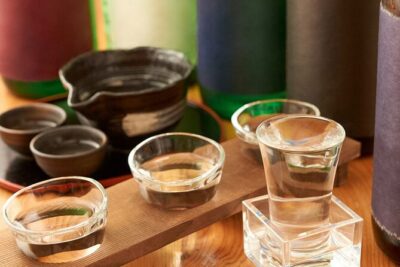
Ramen and Sushi Cooking Class with Sake Pairing Set in Tokyo
Read our review →
Kyoto Ramen and Gyoza Cooking Class with Professional Chefs
Read our review →Browse the lists this tour appears in