
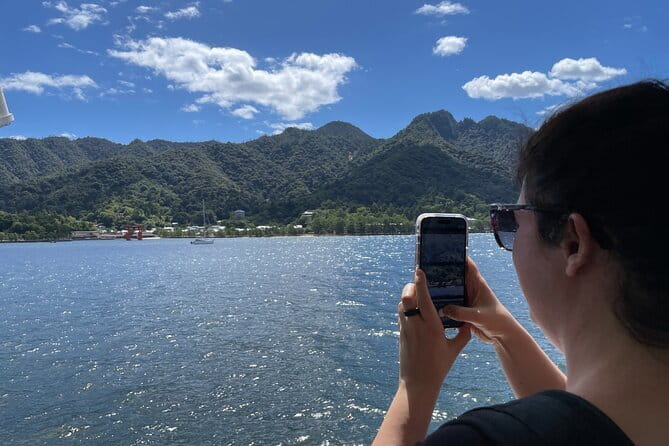
Reviewed · HIROSHIMA & MIYAJIMA DAY TRIPS
Miyajima Highlights: Itsukushima Shrine & Island Nature
Miyajima is easy to admire and surprisingly easy to misunderstand. This private tour puts Itsukushima Shrine and its floating torii gate in the hands of a Hiroshima local who can explain the island’s sacred customs, family connections, and everyday life. Guides such as Masa, Yuka, Aya, and Masayo are known for warmth, careful preparation, and strong knowledge of the area.
I like two things here. First, you get more than a checklist of shrines: the guide explains why Miyajima has been treated as sacred for centuries. Second, the private format lets you slow down for photos, nature, family questions, or quieter corners. The main consideration is time. The journey from central Hiroshima takes about an hour each way, and transportation, the Miyajima visitor tax, food, and drinks cost extra.
Key points to know before you book
- A Hiroshima guide with personal ties: Guides including Masa, Yuka, Aya, and Masayo bring local stories and family connections to the route.
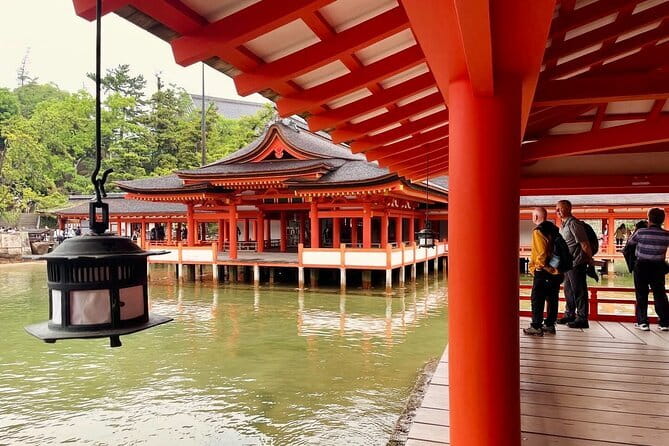
- Itsukushima Shrine at the center: See the World Heritage shrine and its famous torii gate, with an explanation of the island’s spiritual traditions.
- Daishoin gets a full hour: This is not just a quick photo stop. You have time to look around and ask questions.
- A private, adjustable pace: Focus more on history, photography, nature, or daily island life depending on your interests.
- Train and ferry are part of the day: Allow roughly 45 minutes by train and 15 minutes by ferry in each direction.
- Tide affects the torii view: The gate may be surrounded by water or reachable from the shore, depending on the tide.
Why a local guide changes Miyajima
Miyajima is one of Japan’s most recognizable sights, but recognition is not the same as understanding. You can walk from the ferry, take a picture of the torii, enter Itsukushima Shrine, and leave with a pleasant memory. You may not understand why the island was sacred, how the shrine relates to the sea, or what the place means to people in Hiroshima.
That is the real reason to consider this tour. Your guide is not simply pointing out buildings. The guides are Japanese locals connected to Hiroshima, and the strongest part of the experience is the personal context they bring. Masayo, for example, has shared family stories connected to Hiroshima’s wartime memory. Masa has helped families make sense of both Miyajima and the wider city. Yuka has shown visitors places they would likely miss alone.
You should expect a conversational tour rather than a lecture. Ask about religious customs, local food, island traditions, rebuilding, or Hiroshima itself. The guide can adjust the emphasis, although the tour information makes clear that Miyajima should be the main focus. Trying to cover both Miyajima and the Peace Memorial area in five hours would make both visits feel rushed.
Other temples and shrines in Hiroshima people book:
- Hiroshima and Miyajima Day Trip with Itsukushima Shrine & Ferry
★ 5.0 · 378 reviews - Miyajima: Cultural Experience in Zen Temple
★ 5.0 · 258 reviews - Day Trip to Hiroshima & Miyajima with Itsukushima Shrine
★ 4.6 · 124 reviews
The journey from Hiroshima to the island
Pickup is on foot from a range of central Hiroshima hotels and locations. Listed options include Hotel Granvia Hiroshima, Sheraton Grand Hiroshima, Hilton Hiroshima, RIHGA Royal Hotel Hiroshima, THE KNOT HIROSHIMA, the Hiroshima Peace Memorial Museum, Hiroshima Station, and others. If your hotel or Airbnb is elsewhere in central Hiroshima City, you can request pickup in advance.
The route uses public transportation, with a taxi possible if you prefer. The train takes about 45 minutes, followed by a ferry ride of about 15 minutes. That travel time matters when you plan your day. This is a five-hour experience, but much of that period includes getting to and from the island.
I like having a local guide during this part of the day. The transfer becomes useful time for questions and orientation instead of a simple commute. You can also discuss how much walking you want, your photography goals, or any interest in a workshop or Mount Misen hike.
Transportation is not included in the $138 price. You should budget separately for train and ferry fares, as well as the visitor’s tax to Miyajima. The exact transport cost is not provided, so check it before booking.
First walk around Miyajima
Once you arrive, the tour begins with a guided walk around Miyajima. The island is more than its postcard view. It has religious sites, wooded areas, shopping streets, and an active local community.
The guide uses this first section to help you get oriented. You may look at the island’s natural setting, hear why the area has long been treated as sacred, and learn how the tourist center fits into daily island life. This is a good time to ask for a slower pace if you want photographs or have mobility concerns.
The tour is wheelchair accessible, but the exact ease of every section can depend on the route chosen, the crowd level, and your preferred stops. Tell the provider about your needs in advance so the guide can plan appropriately.
Seeing the Floating Torii Gate
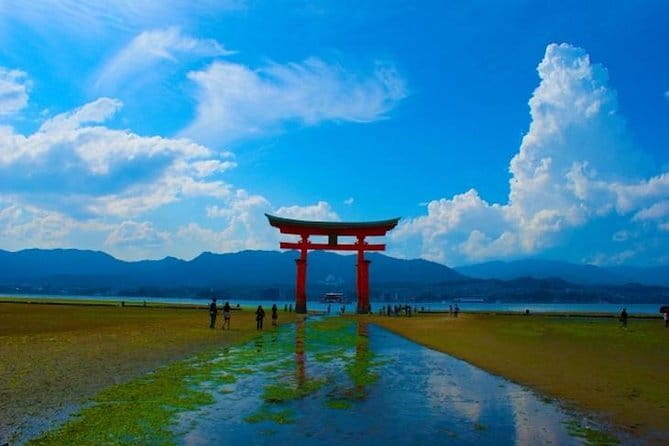
The Itsukushima Floating Torii Gate is the image most people associate with Miyajima. The tour allows about 10 minutes for a photo stop and guided explanation. That may sound brief, but the gate is part of a larger setting, not a stand-alone monument.
Your guide can explain the gate’s symbolic role and help you understand the connection between the shrine and the sea. The view changes with the tide. At higher water, the gate appears to float offshore. At low tide, the shoreline may extend toward it, changing both the photograph and the feeling of the place.
The tour provider will try to show the gate in a suitable condition, but the tide cannot be controlled. If the floating effect is your top priority, check the tide schedule for your date and discuss the timing with the guide. Do not book this experience expecting one fixed postcard view.
Other long days west of Hiroshima:
- Peaceful Hiroshima & Miyajima UNESCO 1 Day Bus Tour
★ 5.0 · 5,309 reviews - Hiroshima: Hiroshima and Miyajima UNESCO Sites 1-Day Tour
★ 4.9 · 2,330 reviews - Hiroshima / Miyajima Full-day Private Tour with Government Licensed Guide
★ 5.0 · 1,298 reviews - Hiroshima Historical Walking Tour – Why A-Bomb was Dropped
★ 4.8 · 893 reviews
Inside Itsukushima Shrine
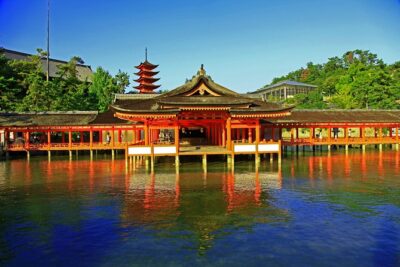
The tour then spends about 30 minutes at Itsukushima Shrine, a UNESCO World Heritage Site. This is the spiritual center of the visit and the place where the earlier discussion about sacred island traditions begins to make sense.
The shrine’s setting beside the water is central to its character. Your guide can explain the symbolism of the approach, the layout, and the traditions connected with the site. Rather than rushing through the gates for photographs, you can ask why the shrine was built here and how its relationship with the island shaped its identity.
Half an hour is enough for an introduction and a focused visit, but it is not a long, quiet study of every detail. If you are especially interested in architecture or religious history, tell your guide early. The private format makes it possible to give this stop more attention, though that may mean less time elsewhere.
Daishoin, the tour’s best extended stop
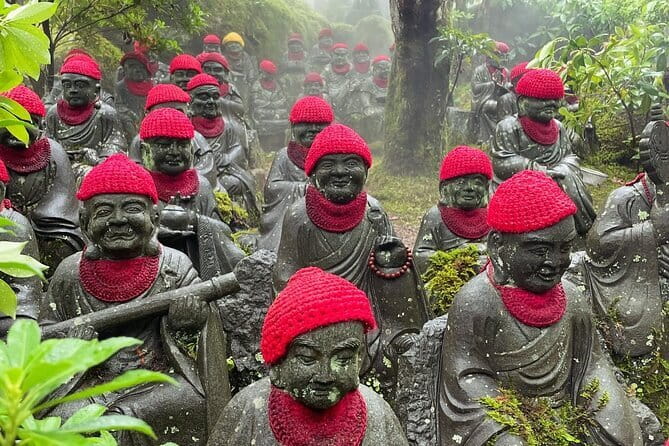
Daishoin receives about an hour, making it the most substantial stop on the itinerary. That extra time is important. A temple complex can feel like a blur when you have only ten minutes to look, photograph, and listen. Here, you have room to pause.
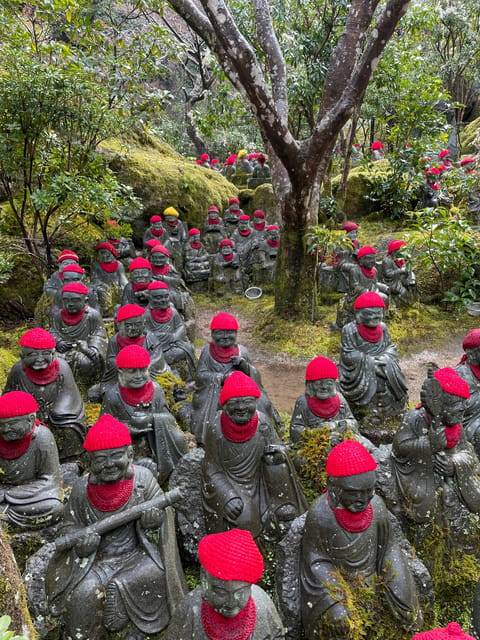
The visit includes a guided tour and time for photographs. Your guide explains the temple’s place within Miyajima’s religious life and points out details you could easily walk past. The experience is not limited to the main shrine and torii, so Daishoin gives the day more depth.
Several guides have been praised for handling family groups well and for answering questions with patience. That matters at a place like Daishoin, where different members of your party may want different levels of explanation. Children may prefer the visual details, while adults may want to discuss ritual and history.
If you want to hike Mount Misen, tell the provider before the tour. A Mount Misen hike is not part of the standard plan, and adding it would affect the time available for the listed stops.
Senjokaku Pavilion and the view of island history
Senjokaku Pavilion is a short stop of about 10 minutes, mainly for photographs and a guided explanation. The name refers to a large floor area, and the open structure gives you a different sense of scale from the more enclosed shrine spaces.
This is a quick orientation stop rather than a long visit. You will want to use your time for the view, the building’s atmosphere, and any questions about its purpose. It works well after Itsukushima Shrine and Daishoin because you have already seen two more formal religious settings.
The guide can help connect the pavilion to the wider story of Miyajima. That connection is useful because the island’s sights are close together but do not all serve the same role.
Omotesandō Street and everyday Miyajima
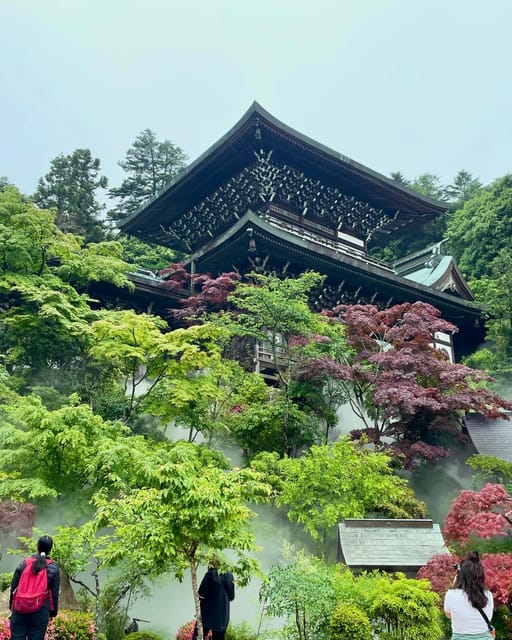
The final major stop on the island is Miyajima Omotesandō Shopping Street, with about 40 minutes to explore. This is where the tour shifts from sacred sites to food, shops, souvenirs, and the island’s modern visitor economy.
Food and drinks are not included, so this is the natural time to buy something if you wish. The schedule gives you room to browse, but not an unlimited shopping session. If you have a particular food or craft in mind, tell your guide early so the stop can be used well.
I like this part because it keeps Miyajima from feeling like an outdoor museum. You see how a living community receives visitors and how commercial streets sit beside important religious places. The guide may also point you toward quieter corners away from the main route, depending on the day and your interests.
What the private format is worth
At $138 per person, this is not the cheapest way to reach Miyajima. You still pay for transportation, the island visitor’s tax, and anything you eat or drink. If you only want the torii gate and a quick shrine visit, taking the ferry independently will cost less.
The value comes from the private guide. You are paying for local interpretation, advance communication, pickup on foot, flexible pacing, and photography with the finished data provided. The guide can also adjust the experience for a family group, a photography-focused visit, or someone who wants more context around Hiroshima.
The feedback attached to this experience is unusually consistent, with a 4.9 rating from 21 bookings. The most repeated strengths are the guides’ kindness, preparation, English ability, and personal connection to Hiroshima. One guide brought parasols and neck coolers during exceptional heat. That small detail tells you something useful about the service: the guides pay attention to comfort, not just the schedule.
Photography is included, but the details of how and when the photos are taken are not specified. Ask in advance if this matters to you, especially if you want a formal family portrait session rather than casual tour photographs.
Pace, weather, and practical limits
Five hours is enough for the core Miyajima sights, but the day is active. You will walk through shrine and temple areas, shopping streets, ferry terminals, and train stations. Summer heat can be intense, and the guides have shown good preparation with shade items and cooling supplies, but you should still wear practical shoes and bring water.
The private format helps if you need breaks. It also helps families, since the guide can manage different ages and interests more easily than a large group tour. Still, you should not expect the leisurely pace of a full-day island visit.
The tour can be conducted in English or Japanese. English ability varies naturally by guide, but the named guides have been praised for clear explanations and easy conversation. If you have complex interests, such as religious architecture, family history, or photography, communicate those before the day.
Free cancellation is available up to 24 hours before the tour for a full refund. You can also reserve and pay later, which is useful when your Hiroshima schedule may change.
Who should book this Miyajima tour?
I would choose this experience if you want Miyajima to mean more than a famous photograph. It fits first-time visitors who want a clear introduction, families who prefer a private pace, and repeat visitors who want a different view of the island.
It is especially suitable if you enjoy asking questions. The best use of a local guide is not simply following behind one. Tell the guide what interests you, then use the private setting to explore that subject properly.
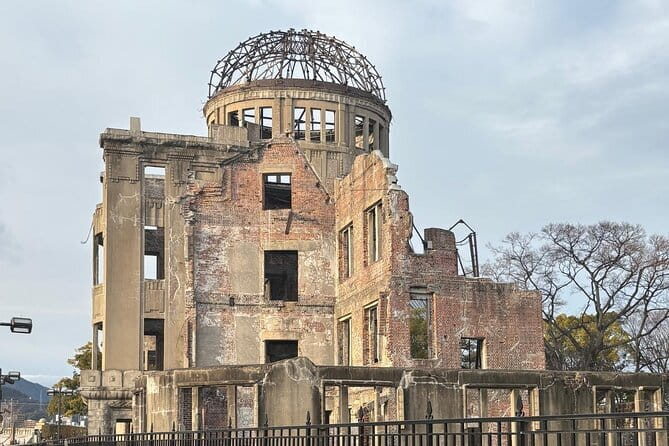
You may want another option if your main goal is a Mount Misen hike, a long shopping session, or a combined Miyajima and Peace Memorial itinerary. The provider specifically warns that trying to cover both Miyajima and Hiroshima’s Peace Memorial area in one short visit can leave you rushing. A separate day for the Peace Memorial area is the wiser plan.
Should you book it?
Book this tour if you value interpretation, personal attention, and a flexible route more than the lowest possible price. The ferry, shrine, torii, temple, pavilion, and shopping street are all accessible without a guide, but the connections between them are harder to find on your own.
I especially like the strong local element. Guides such as Masa, Yuka, Aya, and Masayo bring patience, practical care, and stories rooted in Hiroshima. Check the tide, budget for transport, and tell the provider about hikes or workshops before booking. If those details suit your plans, this is a thoughtful way to spend five hours on Miyajima.
FAQ
How long does the Miyajima tour last?
The tour lasts five hours, including the journey from central Hiroshima to Miyajima and the return trip.
How do you get to Miyajima?
The standard route uses public transportation, with about 45 minutes by train and 15 minutes by ferry in each direction. A taxi can be used if requested.
Is transportation included in the price?
No. Train or taxi fares, ferry transportation, and the visitor’s tax to Miyajima are not included.
Can the tour include the Peace Memorial area?
The tour is designed to focus on Miyajima. The provider explains that combining Miyajima with the Peace Memorial area can make both visits rushed, so plan them separately if possible.
Can I request a Mount Misen hike or workshop?
Yes, you can ask about optional activities such as a Mount Misen hike or making momiji manju by hand. You must tell the provider in advance.
Is the tour wheelchair accessible?
Yes, the activity is listed as wheelchair accessible. Contact the provider ahead of time with your specific mobility needs so the route can be planned properly.
More temples and shrines elsewhere in Japan
- Hiroshima & Miyajima 6.5h Guided Tour – Dome, Park & Shrine
★ 4.9 · 83 reviews - Miyajima: Private Rickshaw Tour to Itsukushima Shrine
★ 4.9 · 45 reviews - Miyajima Highlights: Itsukushima Shrine & Island Nature
★ 5.0 · 21 reviews - Kyoto: Tea Ceremony Ju-An at Jotokuji Temple
★ 4.9 · 3,207 reviews
Just added in Hiroshima
- Iya Valley BROMPTON Slow Cycling Tour★ 5.0 · 28 reviews
- Iya Valley All Must-Sees Private Chauffeur Full-day Tour with a Driver★ 5.0 · 20 reviews
- Shore Excursion from Hiroshima Port : Private Tour in Hiroshima★ 5.0 · 17 reviews
- Hiroshima & Miyajima All-Inclusive Tour w/Licensed guide Pancho★ 5.0 · 54 reviews
- Okunoshima Rabbit Island Cycling Tour with Local Guide★ 4.5 · 17 reviews
- The Peace Memorial to Miyajima : Icons of Peace and Beauty★ 4.5 · 31 reviews
- Private Full Day Hiroshima Tour★ 4.5 · 29 reviews
- Hiroshima Saijo Sake Tasting Tour with visit to 7 Breweries★ 5.0 · 104 reviews
Hiroshima & Miyajima Day Trips, compared.
Peaceful Hiroshima & Miyajima UNESCO 1 Day Bus Tour
Read our review →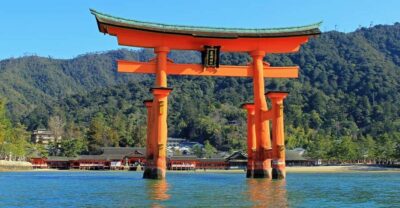
Hiroshima and Miyajima UNESCO Sites 1-Day Tour
Read our review →
Hiroshima / Miyajima Full-day Private Tour with Government Licensed Guide
Read our review →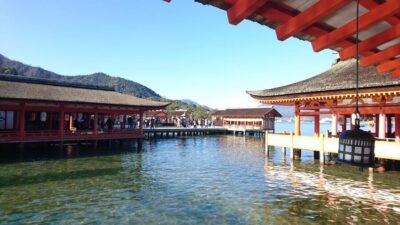
Osaka/Kyoto: Hiroshima Miyajima Bus Tour & Shinkansen Ticket
Read our review →
Hiroshima Historical Walking Tour – Why A-Bomb was Dropped
Read our review →
Hiroshima Peace (Heiwa) Walking Tour at World Heritage Sites
Read our review →
Hiroshima in a Nutshell: Morning Bike Adventure
Read our review →
Hiroshima City 4hr Private Walking Tour with Licensed Guide
Read our review →Browse the lists this tour appears in