
Reviewed · CALLIGRAPHY & CRAFT WORKSHOPS
Osaka Sushi Making Experience
Making sushi in Osaka is more fun when you stop watching a chef’s hands and start using your own. At this 90-minute class in Dotonbori, you prepare 12 pieces, learn the difference between nigiri and gunkan sushi, and eat your work at the end. It is a small, practical taste of Japanese food culture rather than a formal culinary school lesson.
I like the central Namba location and the class’s easy, social format. I also like that the instructors give specific tips, including the 10-gram rice measure mentioned by one participant, which helps beginners understand why sushi sometimes falls apart at home. The main drawback is that the experience can feel tourist-focused, and one person found the pace a little rushed.
Quick points before you book
- You make 12 pieces yourself: The core lesson covers nigiri and gunkan sushi, with hands-on shaping and assembly.
- The class is in Dotonbori: You can fit it around shopping, nightlife, and sightseeing in central Osaka.
- Instructions are multilingual: Guidance is offered in English, Chinese, and Korean.
- Special diets can be arranged: Vegetarian, vegan, and halal sushi are available when requested in advance.
- The group can reach 16 people: The class is social rather than fully private, though smaller sessions may offer more personal help.
- The price is modest: At $29.85 per person, you get the lesson, 12 sushi pieces, and taxes and fees, but alcoholic drinks are not included.
Starting near Dotonbori and Namba
The meeting point is Sushi Making Experience Namba1A at 2-chome 6-11 Nishishinsaibashi, Chuo Ward, Osaka. The class is near public transportation and sits in the part of Osaka most visitors already use as a base for food and evening walks.
The location is convenient, but give yourself extra time to find the entrance. One person had trouble locating it, and dense streets around Namba can make a short address feel less simple than it looks on a map. I would arrive early, check the exact address before leaving your hotel, and keep the activity name ready on your phone.
The class ends back at the meeting point. That matters if you are planning dinner afterward, since you will already be in one of Osaka’s best areas for food. You can also choose an afternoon or evening start, so the class does not have to interrupt your main sightseeing hours.
Other classes behind the counter in Osaka:
- Sushi Making Osaka Roll and Authentic Japanese Sushi Class
★ 5.0 · 1,220 reviews - Osaka Sushi Making Class – Hands-On Nigiri & Rolls (Same-Day OK)
★ 5.0 · 352 reviews - Osaka: Roll and Authentic Sushi Making Class in Dotonbori
★ 4.9 · 239 reviews
What happens during the 90-minute class
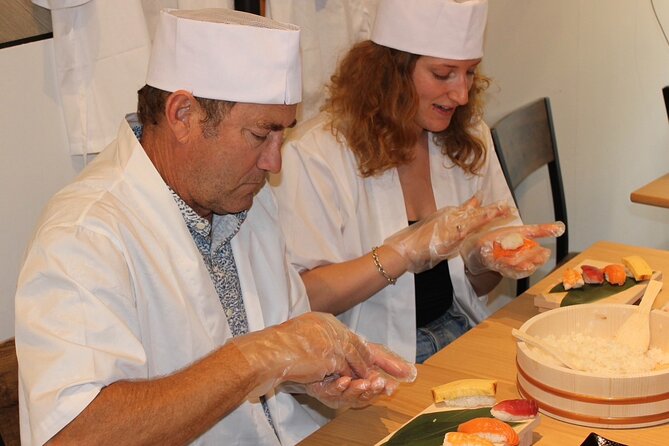
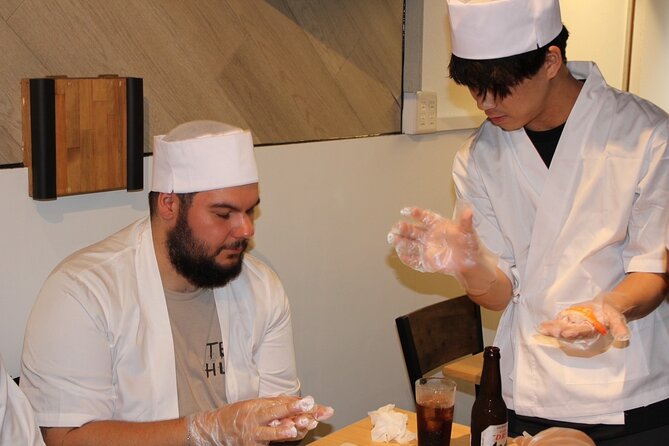
The experience is built around doing, not sitting through a long lecture. You learn about the ingredients and basic forms of sushi, watch demonstrations, and then prepare your own set of 12 pieces with help from the instructors.
The exact order can vary, but you can expect to work with two main styles:
- Nigiri: A small hand-shaped mound of rice topped with an ingredient.
- Gunkan sushi: Rice wrapped with a strip of seaweed and finished with a topping.
Some participants describe making three different types during their session, while the formal outline centers on nigiri and gunkan. The important point is that you are not simply rolling one basic item again and again. You get a look at how shape, rice, seaweed, and toppings change from one style to another.
The instructors guide you through the practical details. One useful lesson mentioned by a participant is measuring about 10 grams of rice for the right balance. That kind of tip is more helpful than a vague command to use a little rice. Sushi depends on proportion, pressure, and moisture, and small adjustments make a big difference.
You will have time to practice the shapes, correct mistakes, and make a full meal-sized set. The goal is not restaurant-level precision. It is to leave knowing how to handle the rice, form the pieces, and repeat the process at home.
Learning from young, friendly instructors
The teaching style is a major part of the appeal. Instructors named in the feedback include Mika, Kosei, Yui, Mako, Shiori, Toshiki, and Hana. You may not have the same teacher, but the experience is clearly built around friendly, direct instruction rather than a distant demonstration.
Several participants specifically valued patience and clear explanations. That is important for first-time sushi makers, since the rice can be sticky, the shapes can feel unfamiliar, and the difference between pressing and crushing is not obvious at first.
The class also leaves room for conversation. You might discuss Osaka, Japanese writing, food traditions, or the background of different sushi styles while you work. That gives the experience more character than a simple food assembly session.
Guidance is available in English, Chinese, and Korean. This makes the class practical for international visitors, especially when instructions involve hand position and pressure. A gesture can help, but clear spoken guidance makes the process easier to follow.
The tone is lively. Most people will appreciate that, especially families and couples who want an activity with some energy. If you prefer a quiet, serious chef’s lesson, the upbeat approach may feel slightly theatrical. One person found the atmosphere too commercial and felt the staff were trying to finish quickly. That is a fair caution for anyone hoping for a slow, traditional apprenticeship.
The sushi-chef costume and photo-friendly extras
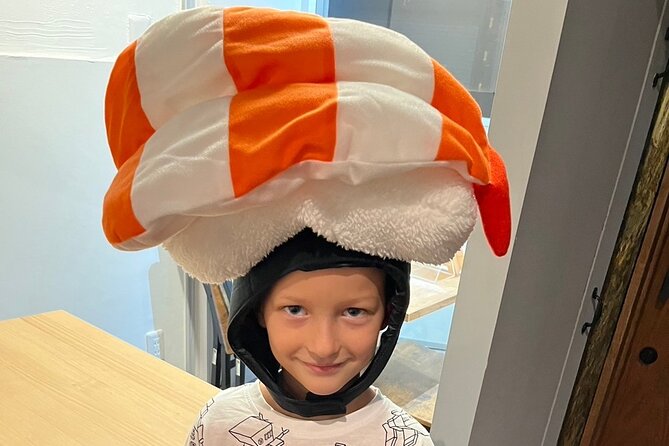
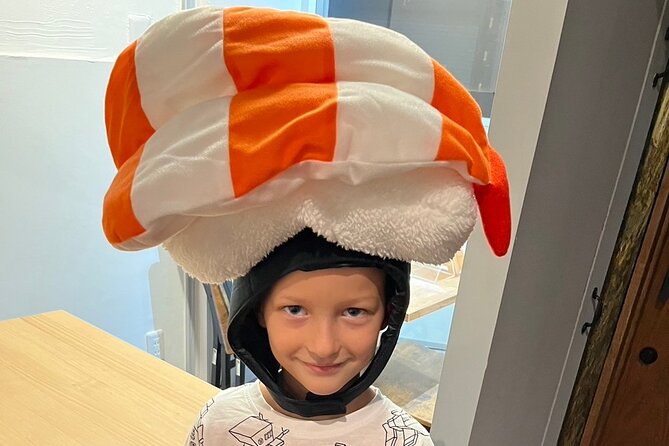
The class includes a sushi-chef costume, which adds a playful touch and gives you a few memorable photos. This is especially appealing for families and couples, though solo participants can enjoy it too.
Some sessions also include a certificate with your name written in Japanese characters, along with a photo. A participant described receiving a certificate, photo, and even a personalized name on a candy. These extras are not the main reason to book, but they help turn a short class into a keepsake.
You should see the costume and certificate as entertainment around the food lesson, not proof of professional training. The class teaches basic home techniques. It does not promise advanced knife skills, fish preparation, or the discipline of a working sushi counter.
Other things to make with your hands in Osaka:
- Chopstick Making Workshop in Ginza
★ 4.8 · 1,366 reviews - Kyoto : Chopsticks Making Workshop in Gion with Engraving Option
★ 5.0 · 958 reviews - Tokyo Chopstick Making Workshop with Artisan
★ 5.0 · 466 reviews - Tokyo: Matcha Making Experience with Mochi Sweets in Asakusa
★ 4.9 · 388 reviews
Eating the 12 pieces you prepare
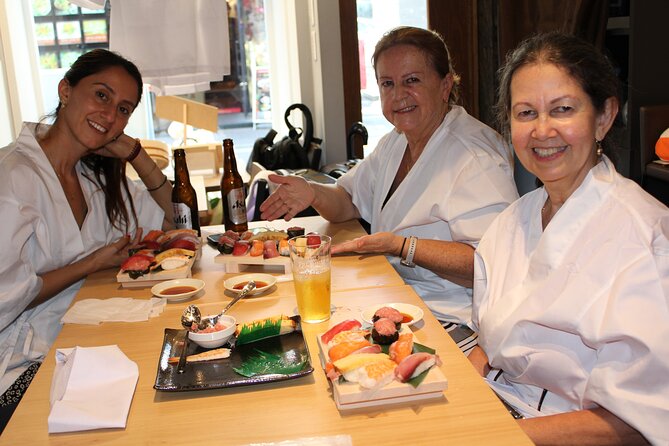
The best part comes when you sit down and eat what you made. The included food is 12 pieces of sushi, enough to make the class feel like a light meal rather than a tasting bite.
That number also gives you room to improve. Your first pieces may look uneven, then your hands begin to understand the rice. By the final pieces, you may be shaping them more confidently. The food is both the lesson and the reward.
The class focuses on making sushi from prepared ingredients. Based on the information provided, you should not expect to shop for ingredients, prepare a whole fish, or learn restaurant knife work. The value is in understanding assembly and proportions, then taking those skills home.
The sushi is intended to be eaten during the experience. If you are planning a large Osaka dinner afterward, choose your timing carefully. Twelve pieces can be satisfying, especially with snacks, but the schedule and portion may suit a light meal more than a full evening feast.
Sake, beer, and the food options
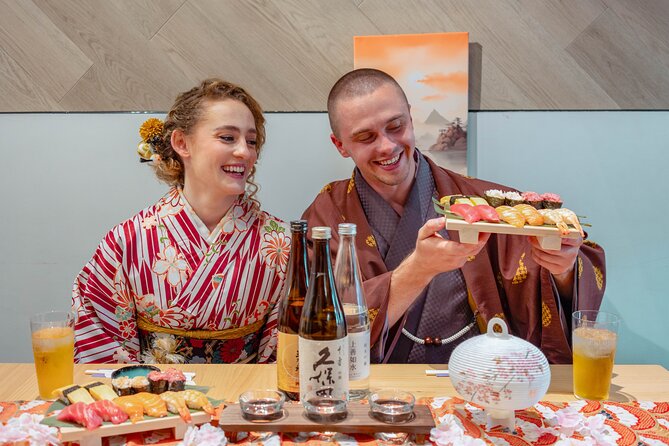
The class information mentions Japanese sake and beer, but alcoholic beverages are listed as not included. Treat any drink as an optional extra or an item requiring separate payment, and confirm the arrangement when you book if it matters to your budget.
At $29.85 per person, the price is reasonable for a central Osaka activity. You are paying for instruction, ingredients, 12 sushi pieces, and taxes and fees. The value is strongest if you want an activity as well as food. If you only want the cheapest sushi meal in Dotonbori, a restaurant will give you more choice. If you want to learn a skill and leave with a story, the class makes better sense.
Vegetarian, vegan, and halal sushi are available by request. Contact the provider before the class rather than waiting until you arrive. The options may not be identical to the standard menu. One comment noted that a vegan participant received fewer ingredients than people eating seafood, so expectations are worth setting in advance.
This is a useful point for mixed groups. Meat and seafood eaters can join the same class, while dietary requests can be handled ahead of time. Still, ask what the alternative ingredients will be and whether the portion and variety match the standard menu.
Group size, pace, and personal attention
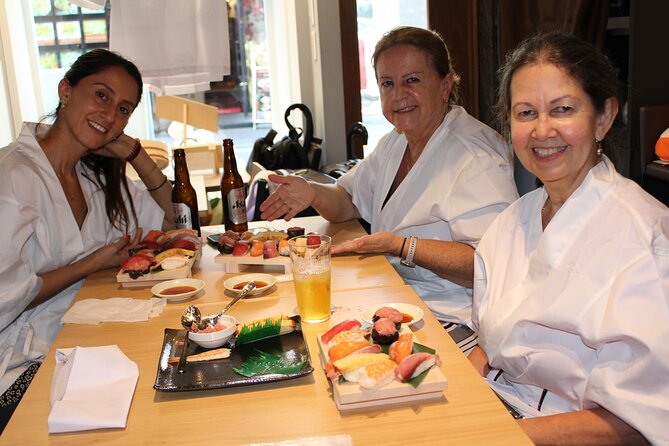
The maximum group size is 16 people. That is small enough for a shared class but large enough that the atmosphere may not feel private. The instructors appear to move around the room, demonstrate techniques, and help people as they work.
Some sessions may be very small. One participant had a private class because no one else was booked at that time. You cannot count on that, but afternoon or less popular time slots may feel quieter than a busy evening.
The pace is designed for beginners. You should have time to follow each step, but this is still a scheduled 90-minute activity. If you are slow with your hands, have children in your group, or want long cultural explanations, the time may feel short.
That is also why the class works well for a first introduction. You learn enough to make sushi without committing half a day. Families can keep children engaged, couples can work side by side, and solo visitors have an easy setting for meeting people.
Who will enjoy this Osaka activity most
I would recommend the class to:
- First-time visitors who want a hands-on food activity
- Families with children who enjoy making and eating their own food
- Couples looking for a light evening experience
- Solo visitors who like social classes
- Sushi fans who want basic skills for home cooking
- Visitors with an afternoon or evening free in Namba
It is less suitable if you want a quiet, highly traditional lesson led by a master chef. It is also not the right choice if you expect to learn fish cutting, menu design, advanced rolling, or professional sushi-counter etiquette.
The class has a cheerful, tourist-friendly style. That can be a strength when you want clear instructions and an easy time. It can be a weakness if you dislike costumes, photos, certificates, or energetic hosts.
Practical details that matter
Your booking confirmation arrives at the time of booking, and the experience offers a mobile ticket. The activity is near public transportation, but the address can be hard to spot in the busy Namba area, so do not leave navigation until the last minute.
Service animals are allowed. Vegetarian sushi is available, and the broader vegetarian, vegan, and halal options should be requested ahead of time.
You can cancel for a full refund if you do so at least 24 hours before the start time. Changes made within 24 hours are not accepted, and late cancellations are not refunded. Cut-off times use Osaka local time.
The experience is recommended by all listed ratings and has a five-star average from 400 reviews. That suggests a very reliable level of satisfaction, but the lower rating is useful too: the class is commercial, lively, and time-conscious. You should book it for fun, clear instruction, and a tasty result, not for a slow cultural seminar.
Should you book the Osaka Sushi Making Experience?
Book it if you want to make your own food in central Osaka and learn a few techniques you can repeat at home. The 12-piece set, multilingual guidance, flexible afternoon and evening timing, and modest price make it an easy addition to a Namba itinerary.
I would especially choose it for families, couples, and first-time sushi makers. Request your dietary needs early, allow extra time to find the meeting point, and remember that drinks are not included.
Skip it if you want a serious professional course or dislike a playful, tourist-oriented atmosphere. For most visitors, though, this is a practical, tasty way to spend 90 minutes, and your imperfect sushi will probably taste better because you made it yourself.
FAQ
Where does the sushi-making class meet?
It meets at Sushi Making Experience Namba1A, 2-chome 6-11 Nishishinsaibashi, Chuo Ward, Osaka, Japan. The activity ends at the same meeting point.
How long does the class last?
The experience lasts approximately 1 hour and 30 minutes.
How many pieces of sushi will I make?
You will make 12 pieces of sushi. The main styles are nigiri and gunkan sushi.
Are vegetarian, vegan, and halal options available?
Yes. Vegetarian, vegan, and halal sushi are available by request. It is best to request a special menu before the class.
Are drinks included in the price?
Alcoholic beverages are not included. The activity information mentions Japanese sake and beer, but these are listed separately from the included food and fees.
Can I cancel the booking?
You can receive a full refund if you cancel at least 24 hours before the experience start time. Cancellations or changes made less than 24 hours before the start time are not accepted for a refund.
Just added in Osaka
- Osaka Temple Cool Foot Bath & Matcha Experience〈45min〉★ 4.9 · 82 reviews
- Osaka: Mind & Spirit Balance Temple Reiki Healing★ 5.0 · 41 reviews
- Full Day Kyoto Tour : Bamboo Forest, Golden Temple, Fushimi Inari★ 5.0 · 84 reviews
- Osaka: Minoh, Katsuoji Temple, & Minoh Falls Full-day Tour★ 4.9 · 172 reviews
- Ramen and Gyoza Cooking Class in Osaka★ 5.0 · 202 reviews
- OSAKA NIGHT FUSION Japanese Taiko Kabuki Samurai Dance Show★ 4.8 · 155 reviews
- Osaka: A Modern Samurai, Kabuki, Taiko, & Dance Show★ 4.5 · 66 reviews
- Osaka: Samurai Training Experience KENDO in Osaka★ 5.0 · 111 reviews
Calligraphy & Craft Workshops, compared.
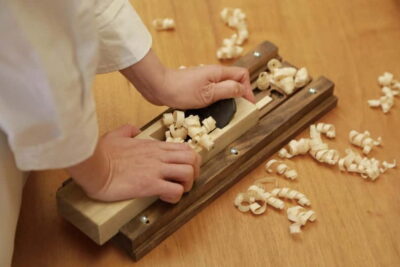
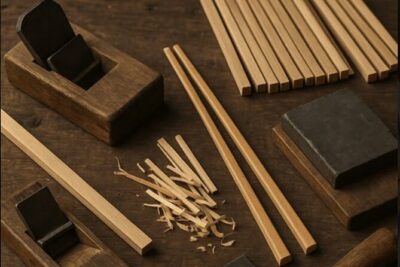
Chopsticks Making Workshop in Gion with Engraving Option
Read our review →
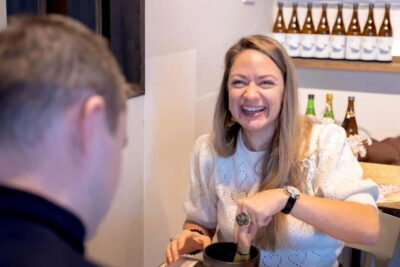
Matcha Making Experience with Mochi Sweets in Asakusa
Read our review →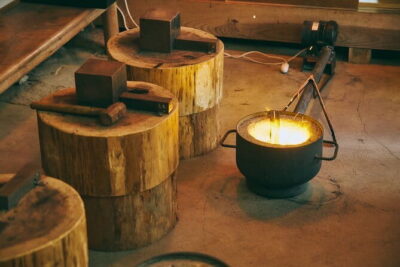
Authentic knife making experience at a blacksmith in Kyoto
Read our review →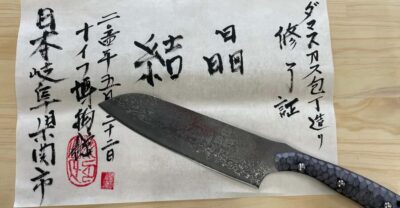
Seki: Samurai Knife Making Experience at the Knife Museum
Read our review →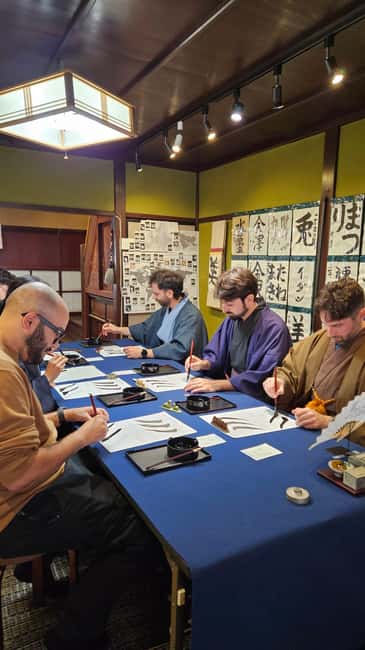
Try Mindful Calligraphy Near Kanazawa’s Ninja Temple
Read our review →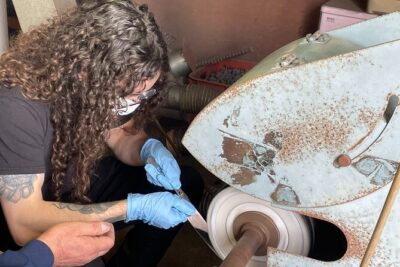
Browse the lists this tour appears in