
Reviewed · HIROSHIMA & MIYAJIMA DAY TRIPS
Hiroshima: Peace Walking Tour of World Heritage Sites
Hiroshima is best understood on foot, with the city’s most important sites tied together by a local guide who can explain what happened here and how people rebuilt. This tour moves from the solemn Peace Memorial Museum to the UNESCO-listed Atomic Bomb Dome, then toward the city’s present-day life at Orizuru Tower.
I like the personal touch. Guides such as Yasue, Yuji, Yuki, Fumiko, and Etsko have been praised for clear English, patience, and local insight. I also like the balance between hard history and hopeful details, especially folding a paper crane and sharing Hiroshima-style okonomiyaki over lunch.
The main drawback is the pace. The museum can be crowded and emotionally draining, while the schedule is full for a 270-minute tour. You need to arrive early, wear comfortable shoes, and be ready for a serious morning with little room for delay.
Key points to know before booking
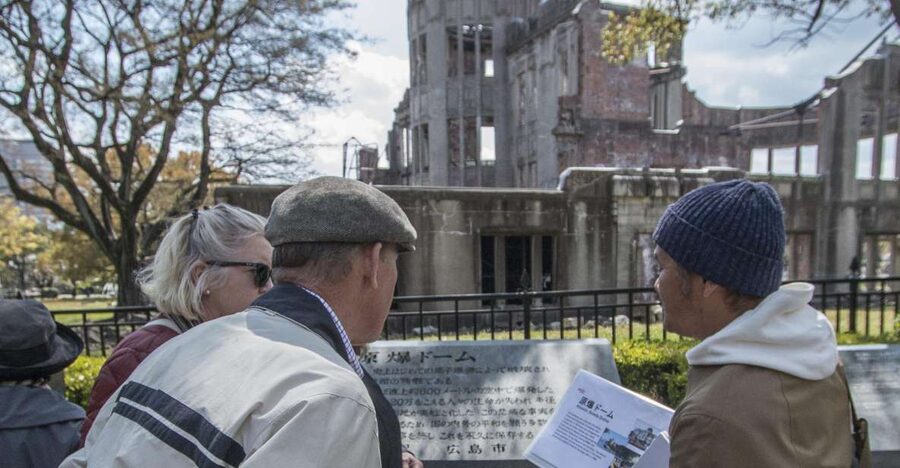
- A local guide gives the history a human voice, with some guides sharing family connections to Hiroshima.
- The Peace Memorial Museum is the emotional center, and you may need time afterward to process what you see.
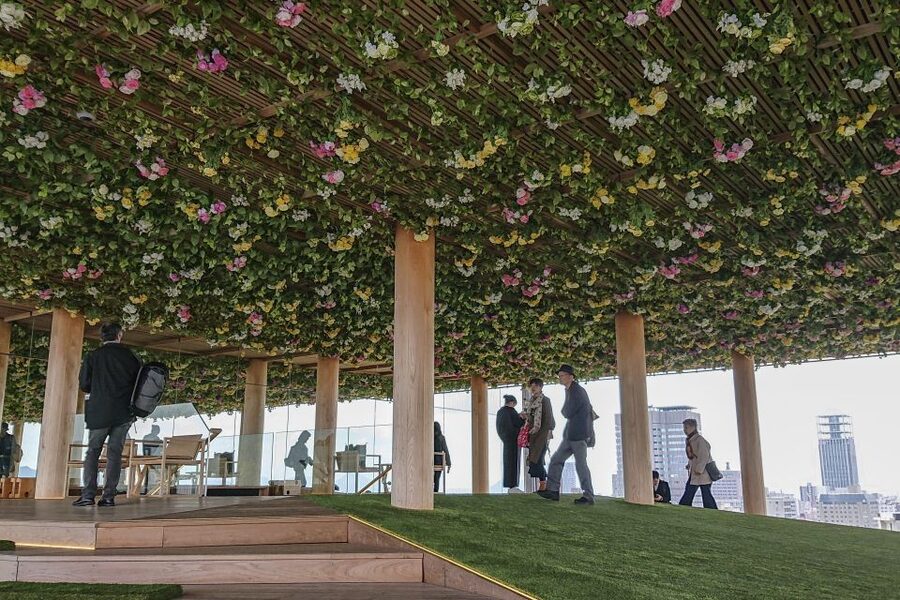
- Orizuru Tower changes the mood, with city views, paper-crane making, and a more hopeful look at Hiroshima today.
- Lunch is included, usually featuring Hiroshima’s famous okonomiyaki, though food choices are limited.
- The walking route covers several major sites, including Shirakami-sha Shrine, Peace Memorial Park, and the Atomic Bomb Dome.
- The tour suits first-time visitors, especially if you have only half a day and want context you may miss alone.
Why this Hiroshima tour works
Hiroshima’s Peace Memorial area is easy to reach, but it is not always easy to understand. You can walk through the park, read the signs, and enter the museum on your own. What you may miss is the connection between individual places, local customs, the city’s rebuilding, and the way Hiroshima speaks about peace today.
That is where this tour earns its price. For $92, you get about four and a half hours with an English-speaking guide, admission to the Peace Memorial Museum and Orizuru Tower, lunch, and tour photos. A private or small-group format is available, so the experience can feel more personal than a large coach excursion.
The strongest part is the guide. Names vary by departure, but guides including Yasue, Yuji, Yuki, Fumiko, Etsko, Kaz, Naoya, and Kippei have received especially warm praise for their explanations and kindness. Several guides have grown up in Hiroshima or have family connections to the bombing, giving the subject a local voice without turning the tour into a lecture.
You should still expect a serious experience. The museum contains personal belongings, photographs, and accounts of suffering that can be hard to absorb. A good guide helps you move through it with care, but no guide can make the material easy.
Other walking tours in Hiroshima people book:
- Hiroshima Historical Walking Tour – Why A-Bomb was Dropped
★ 4.8 · 893 reviews - Hiroshima Peace (Heiwa) Walking Tour at World Heritage Sites
★ 5.0 · 872 reviews - Hiroshima City 4hr Private Walking Tour with Licensed Guide
★ 5.0 · 437 reviews
Starting at Shirakami-sha Shrine
The meeting point is in front of the Montbell store near Kamiya-cho-nishi Station. It is about a one-minute walk from the station, and your guide carries an orange sign marked Magical Trip Tour.
The first stop is Shirakami-sha Shrine, where you spend about 25 minutes. This gives you a gentle introduction to Japanese religious customs before the tour turns toward the bombing and its aftermath. One guide, Kippei, was praised for showing the proper protocol for entering the shrine and arranging a blessing.
That small beginning matters. Hiroshima is not only a memorial city. It is also a living Japanese city with shrines, restaurants, shops, offices, and families going about daily life. Starting at a shrine helps you see the place as more than a historical site.
You will be walking through central Hiroshima, so comfortable shoes are a must. The tour does not begin at the main train station, and you should allow extra time to find Kamiya-cho-nishi Station. Arriving at least 10 minutes early is wise. Arrivals more than 15 minutes late cannot join, and no refund or rescheduling is offered.
Inside the Peace Memorial Museum
The Peace Memorial Museum receives about an hour of guided attention. This is the most difficult part of the day, and you should not treat it like a quick sightseeing stop.
The museum explains the atomic bombing through objects, photographs, personal accounts, and the experience of survivors. The focus is not only on the explosion itself, but also on what happened to ordinary people and how Hiroshima coped with the aftermath. Your guide can explain the setting and answer questions, helping you connect the displays to the places you will see outside.
Several guides have been praised for giving people space when the museum becomes overwhelming. That is an important detail. You are not expected to rush through every display or pretend the subject is easy. Some people need a quiet pause, and the better guides recognize that.
The museum can be very crowded, especially during busy periods. That may make it harder to move at your own speed. One useful question to ask before booking is how much independent viewing time the group will have. The tour includes a guided visit, but the exact rhythm can depend on the crowd and the group.
I would plan something lighter after this tour rather than another major museum. The material can stay with you for the rest of the day. The point is not simply to collect facts, but to think about the human cost of war and the city’s call for peace.
Walking through Peace Memorial Park
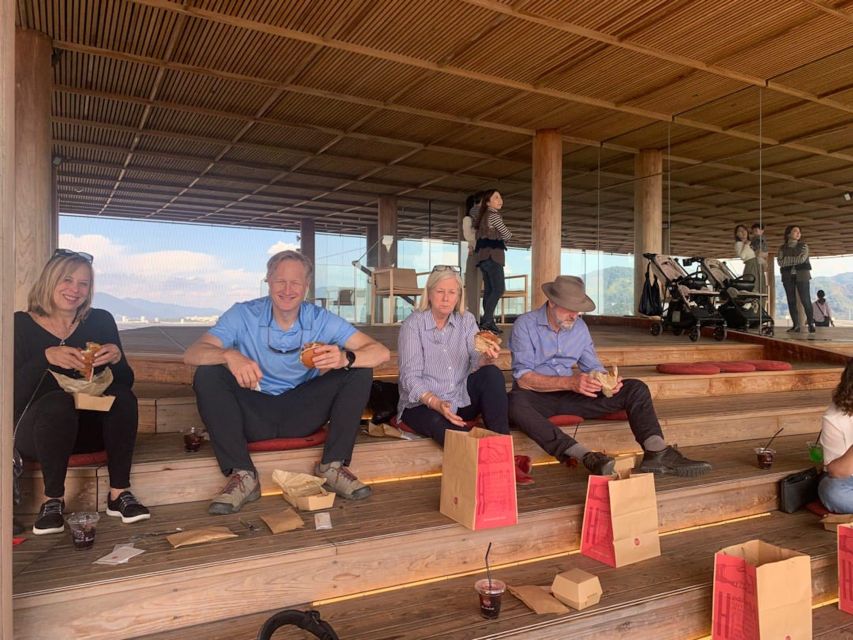
The Peace Memorial Park ties the museum to the river, memorials, and the Atomic Bomb Dome. With a guide, you get more than a stroll through open space. You learn how the different sites relate to the events of August 1945 and to Hiroshima’s efforts to remember.
This is also where the tour begins to widen its focus. The story is not only about destruction. It is about the people who survived, the city that was rebuilt, and the choice to use Hiroshima as a voice for peace.
The open-air portion provides a useful break from the museum. You can feel the breeze, look across the park, and let the information settle. At the same time, the route remains emotionally serious. Some memorials and stories may be difficult, so families with younger children should consider how well they handle painful historical material.
Guides are encouraged to answer questions, and several have been praised for offering balanced explanations on a difficult subject. That makes a difference if you want to discuss history rather than simply follow a script.
Other long days west of Hiroshima:
- Peaceful Hiroshima & Miyajima UNESCO 1 Day Bus Tour
★ 5.0 · 5,309 reviews - Hiroshima: Hiroshima and Miyajima UNESCO Sites 1-Day Tour
★ 4.9 · 2,330 reviews - Hiroshima / Miyajima Full-day Private Tour with Government Licensed Guide
★ 5.0 · 1,298 reviews - Hiroshima in a Nutshell: Morning Bike Adventure
★ 5.0 · 524 reviews
Seeing the Atomic Bomb Dome
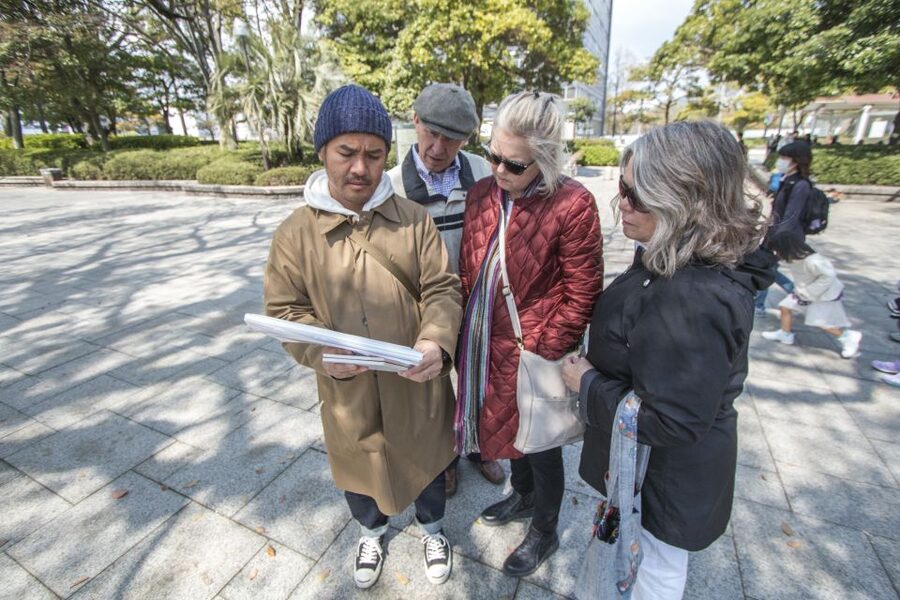
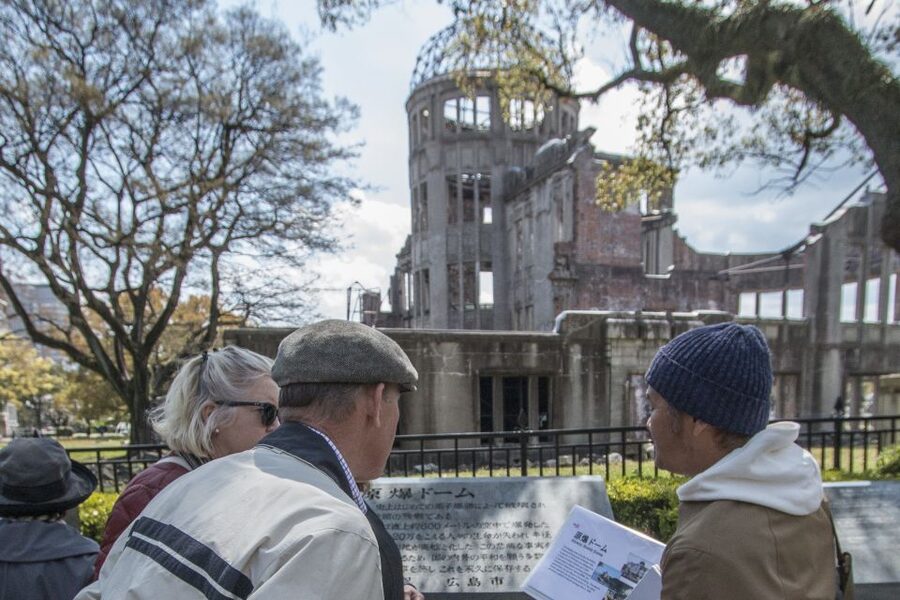
The Atomic Bomb Dome is one of Hiroshima’s clearest visual symbols. Its damaged structure remains beside the river, surrounded by a modern city that has continued to grow around it. The contrast can be jarring: one building holds the marks of destruction, while the streets nearby show ordinary daily life.
The guide explains the Dome’s connection to the bombing and why it became a UNESCO World Heritage Site. This is a short walk from other Peace Memorial Park stops, but seeing it with context makes the visit more meaningful.
You will probably want photographs here, but the setting calls for care and respect. This is not a decorative ruin or a dramatic backdrop. It is a memorial connected to real suffering, and a guide helps explain that distinction.
For many people, the Dome is the most memorable outdoor stop. The museum gives you personal evidence and testimony. The Dome gives you a physical reminder that you can see from outside, beside the river, in the middle of present-day Hiroshima.
Orizuru Tower and the paper-crane activity

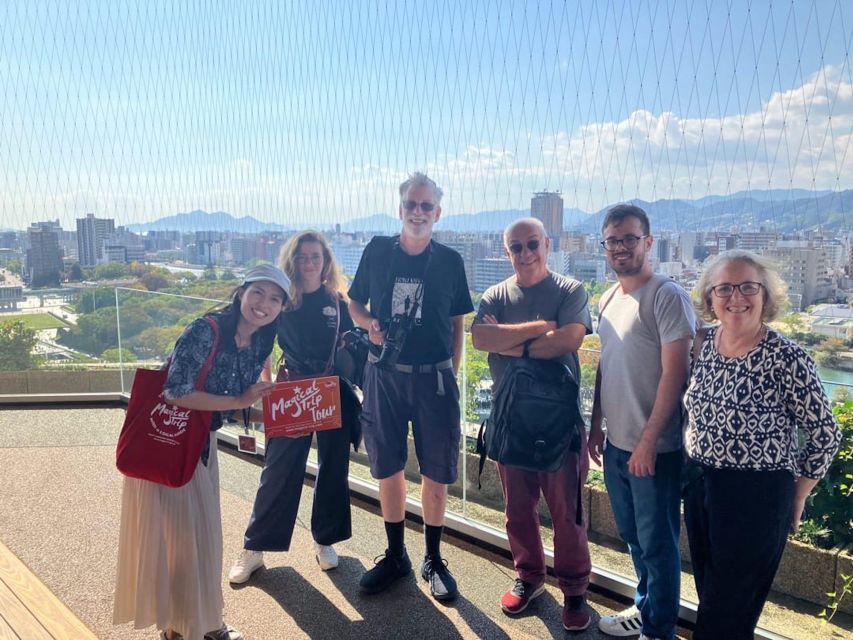
The tour then moves to Hiroshima Orizuru Tower, where you get a wide view from the observatory area. This is one of the best changes of pace in the experience. After the museum and memorials, you look out over the city and see the scale of Hiroshima today.
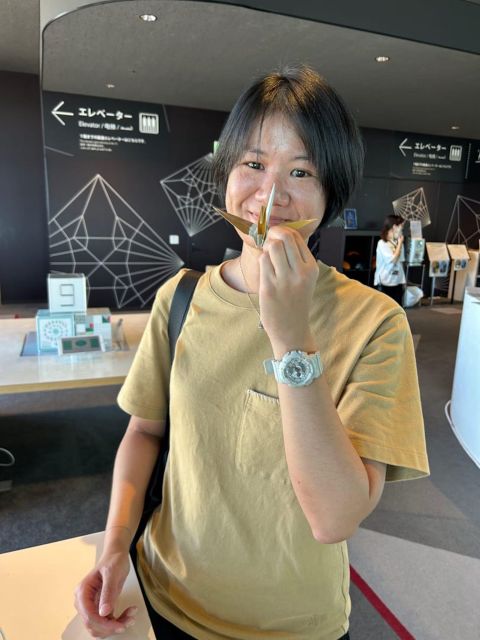
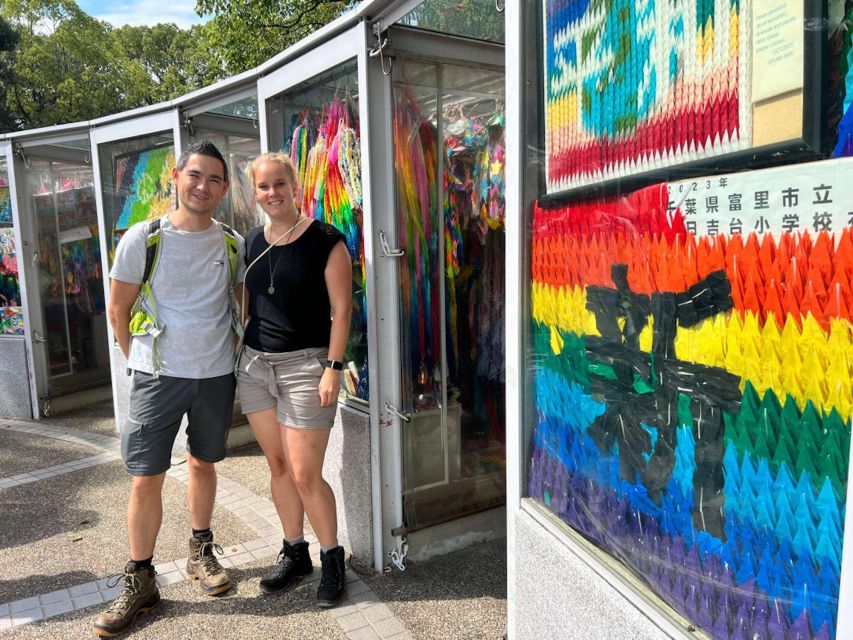
The Orizuru, or paper crane, is a symbol of peace. You learn how to fold one and make a wish for peace. The activity is simple, but it gives you something active to do after several hours of listening and looking.
One especially memorable detail is the chance to watch a completed paper crane join the many cranes displayed in the building’s glass wall. You may also have your name written in Japanese, depending on the guide and the day. These small touches give the tour a personal finish without distracting from its purpose.
The tower ticket may allow you to return for sunset. Confirm the exact entry terms with your guide, but this can add value if you have time later. The view is also useful for understanding the city’s revival. From above, Hiroshima looks like a working regional capital, not a city frozen in 1945.
Lunch with Hiroshima okonomiyaki
Lunch is included, and Hiroshima-style okonomiyaki is a common highlight. Unlike the Osaka style, Hiroshima okonomiyaki is built in layers, often with cabbage, noodles, and other ingredients cooked together. The meal gives you a taste of a local favorite while allowing time to talk with the guide and other members of the group.
Several guides have been praised for ending the serious morning with a tasty meal. That timing works well. You have time to ask follow-up questions and discuss Hiroshima beyond the museum exhibits.
Food limitations are important here. Vegetarian choices are limited because many Japanese restaurants are not fully equipped for vegetarian menus. People with gluten intolerance should not book this experience. You must report allergies or dietary requests at least one day ahead, but the operator cannot guarantee allergy-free meals or accommodate every restriction.
Additional food and drinks are not included, though they can be purchased. If you have a strict diet, contact the provider before paying rather than hoping the restaurant can make changes on the day.
The tour finishes at Akushu Cafe inside Hiroshima Orizuru Tower. This is convenient if you want to stay in the area, return to the tower, or continue exploring central Hiroshima on your own.
The guide makes the difference
The content of the tour is important, but the guide shapes the experience. The strongest feedback centers on guides who are warm, patient, and able to explain difficult material in clear English.
Yasue has been praised for her passion and for making the message of peace feel sincere. Yuji is known for strong English, wide local knowledge, and a calm way of discussing the day. Yuki has been noted for sharing personal stories and answering questions with energy. Fumiko has taken group photos and brought a friendly tone to the tour.
Other guides, including Etsko, Kaz, Aki, Risa, Kippei, Naoya, and Yasu, have also been singled out for personal attention. The exact guide is not guaranteed, so book this for the structure and local perspective rather than for one specific person.
English ability can vary slightly from guide to guide, but the overall purpose is clear: explain Hiroshima carefully, answer questions, and help you connect the past with the city you see now.
Is $92 a fair price?
At $92 per person, this is not the cheapest way to visit the Peace Memorial area. You can enter some sites independently and walk around the park at little cost.
The value comes from the package. Your price includes museum admission, Orizuru Tower admission, lunch, a five-hour local guide service, and photos. You also avoid the work of researching the memorials, planning the walking order, and deciding which details matter.
I think the price is fair for a first visit, especially if you have only one day in Hiroshima or want a small group. It is less compelling for someone who prefers to read quietly, spend several hours in the museum, or set an entirely personal pace.
The listed stop times add up to a very full schedule, while the stated tour duration is 270 minutes. In practice, you should expect a brisk half-day rather than a slow, open-ended visit. Crowds at the museum can shorten the time available for individual displays.
Free cancellation is available up to 24 hours before departure, and you can reserve now and pay later. Those terms help if your Japan schedule is still moving, but the strict late-arrival policy means you should not cut the meeting-point journey close.
Who should book this experience?
I would choose this tour if you want a clear introduction to Hiroshima’s central memorial sites and prefer learning through conversation. It is especially useful for first-time visitors, people with limited time, and anyone who wants a local guide to explain the city’s past and present.
It also suits families with older children and teenagers who can handle serious historical material. One family with three teenage sons considered the experience a major highlight of a 10-day Japan trip, but every family should judge its own comfort level.
You may prefer an independent visit if you need a vegetarian or gluten-free meal, dislike fixed schedules, or want to spend much longer inside the museum. The emotional weight is real, and the tour does not soften the subject. Its hopeful elements come from Hiroshima’s rebuilding, the paper-crane activity, the city view, and the peace message, not from avoiding the painful parts.
Should you book the Hiroshima Peace Walking Tour?
Book it if you want Hiroshima explained by a local guide rather than visited as a set of disconnected sights. The museum, Peace Memorial Park, Atomic Bomb Dome, shrine, and Orizuru Tower form a sensible half-day route, and lunch gives the experience a natural close.
I would be most likely to book this early in a Hiroshima stay, leaving the rest of the day open. Arrive early, wear good shoes, tell the operator about food needs the day before, and prepare for an emotional museum visit.
For $92, you receive structure, context, admissions, lunch, and a human connection to a difficult subject. That is a worthwhile trade for many first-time visitors, provided you accept the fixed pace and limited food flexibility.
FAQ
How long does the Hiroshima peace walking tour last?
The stated duration is 270 minutes, or about four and a half hours. The schedule includes several walking stops, the Peace Memorial Museum, Orizuru Tower, lunch, and guided visits to key memorial sites.
What language is the tour conducted in?
The live tour guide speaks English.
Where does the tour begin?
Meet in front of the Montbell store near Kamiya-cho-nishi Station. The meeting point is about a one-minute walk from Kamiya-cho-nishi Station.
Where does the tour finish?
The tour finishes at Akushu Cafe inside Hiroshima Orizuru Tower.
What admissions are included?
Admission to the Hiroshima Peace Memorial Museum and Hiroshima Orizuru Tower is included.
Is lunch included?
Yes. Lunch is included, and Hiroshima-style okonomiyaki is commonly served. Additional food and drinks are not included.
Can people with dietary restrictions join?
Vegetarian choices are limited, and people with gluten intolerance should not book this experience. Dietary requests and allergies must be reported at least one day before the tour, but allergy-free meals and all dietary restrictions cannot be guaranteed.
What happens if I arrive late?
You should arrive at least 10 minutes before the tour begins. Arrivals more than 15 minutes late cannot join, and no refund or rescheduling is offered.
More walking tours elsewhere in Japan
- Hiroshima Walking Tour Why A Bomb was dropped to Hiroshima
★ 5.0 · 347 reviews - Miyajima Half-day Trip Historical Walking Tour
★ 5.0 · 284 reviews - Hiroshima: History of Hiroshima Group Walking Tour
★ 4.8 · 266 reviews - Hiroshima: Food and Culture Guided Walking Tour with Dinner
★ 4.9 · 212 reviews
More World Heritage sites near Hiroshima
- World Heritage Shirakawa-go and Experience Tours from Kanazawa
★ 5.0 · 4,049 reviews - World Heritage Kyoto & Nara Uji Authentic Matcha Experience
★ 5.0 · 1,573 reviews - Kanazawa: World Heritage Shirakawa-go Morning Guided Tour
★ 4.9 · 988 reviews - Kanazawa: World Heritage Shirakawa-go & Two Local Experience
★ 4.9 · 274 reviews
Just added in Hiroshima
- Iya Valley BROMPTON Slow Cycling Tour★ 5.0 · 28 reviews
- Iya Valley All Must-Sees Private Chauffeur Full-day Tour with a Driver★ 5.0 · 20 reviews
- Shore Excursion from Hiroshima Port : Private Tour in Hiroshima★ 5.0 · 17 reviews
- Hiroshima & Miyajima All-Inclusive Tour w/Licensed guide Pancho★ 5.0 · 54 reviews
- Okunoshima Rabbit Island Cycling Tour with Local Guide★ 4.5 · 17 reviews
- The Peace Memorial to Miyajima : Icons of Peace and Beauty★ 4.5 · 31 reviews
- Private Full Day Hiroshima Tour★ 4.5 · 29 reviews
- Hiroshima Saijo Sake Tasting Tour with visit to 7 Breweries★ 5.0 · 104 reviews
Hiroshima & Miyajima Day Trips, compared.
Peaceful Hiroshima & Miyajima UNESCO 1 Day Bus Tour
Read our review →
Hiroshima and Miyajima UNESCO Sites 1-Day Tour
Read our review →
Hiroshima / Miyajima Full-day Private Tour with Government Licensed Guide
Read our review →
Osaka/Kyoto: Hiroshima Miyajima Bus Tour & Shinkansen Ticket
Read our review →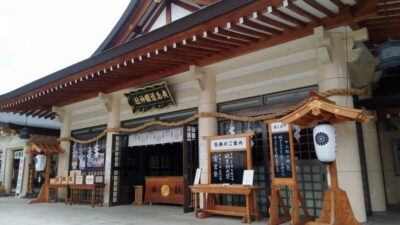
Hiroshima Historical Walking Tour – Why A-Bomb was Dropped
Read our review →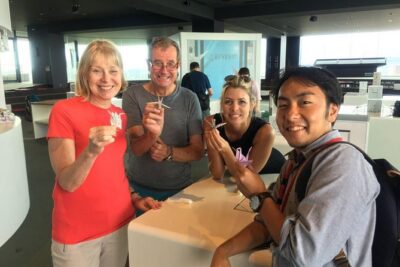
Hiroshima Peace (Heiwa) Walking Tour at World Heritage Sites
Read our review →
Hiroshima in a Nutshell: Morning Bike Adventure
Read our review →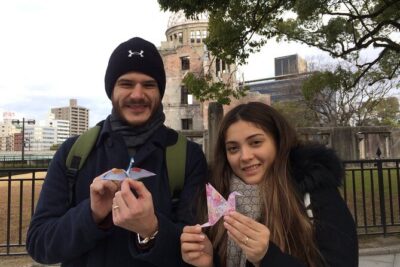
Hiroshima City 4hr Private Walking Tour with Licensed Guide
Read our review →Browse the lists this tour appears in