
Reviewed · DESSERT TOURS
Japanese Traditional Sweets making
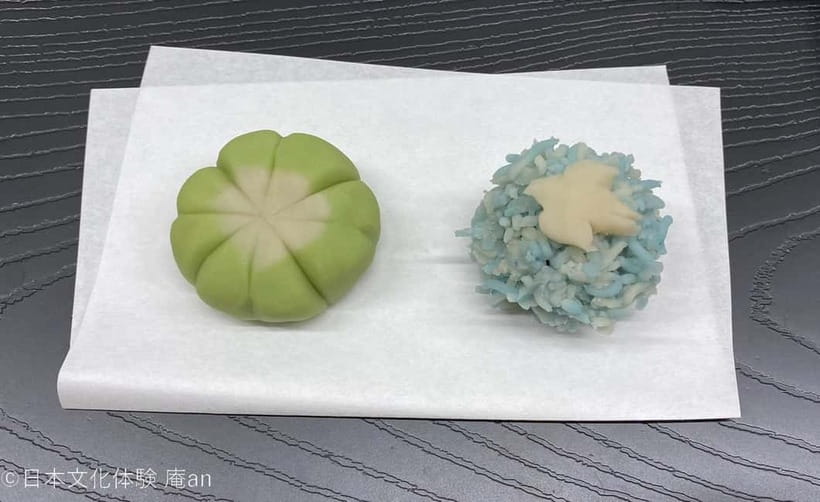
Japanese sweets making here is less about baking and more about shaping edible art. In 65 minutes, you turn Kyoto-made white and red bean paste into two seasonal nerikiri, a flower design and a kinton style sweet. I like the use of real ingredients from long-established Kyoto shops, and I like that you eat the finished pieces on the spot rather than simply watching a demonstration.
The $11 price is hard to beat for a hands-on cultural class in Tokyo. The main caution is pace. The class can move quickly, English support is limited, and people seated at the back of the large room may have trouble seeing every demonstration.
Key points to know before booking
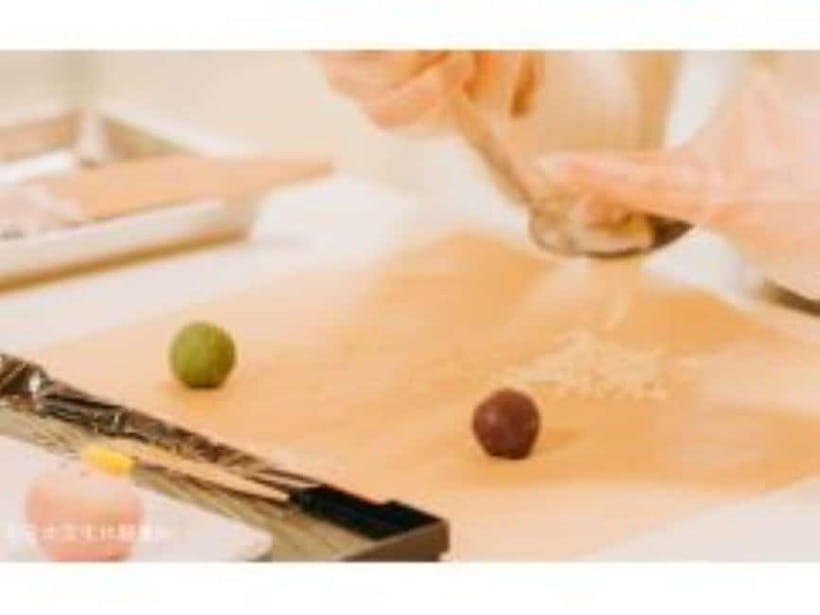
- Two sweets, not just one: You make a flower-shaped nerikiri and a kinton nerikiri, both matched to the season.
- Kyoto bean paste: The white and red bean paste comes from long-established shops in Kyoto.
- A short, hands-on class: The making portion finishes at about 55 minutes, followed by eating time before departure at 65 minutes.
- English help is limited: The instructor is Japanese, and English translation is provided as much as possible.
- Excellent low-cost value: The basic experience costs $11 per person, while a take-out box is an extra 100 JPY.
- Arrive early: The class cannot wait for late arrivals, and delays can lead to cancellation charges.
What nerikiri tells you about Japanese sweets
Nerikiri is a traditional Japanese sweet made from smooth bean paste shaped into seasonal forms. The appeal is visual as well as edible. A finished sweet may suggest a flower, leaf, snow scene, or another seasonal idea, even though the main ingredients remain simple.
This class gives you a small, practical way to understand that tradition. You are not only looking at a finished confection behind glass. You handle the paste, follow the shaping steps, and arrange the sweets on a plate. The final result becomes a little edible picture.
That seasonal focus matters. Japanese culture often pays close attention to the time of year, and nerikiri reflects that habit. The precise designs change, but this class always includes two forms: a flower-shaped sweet and a kinton nerikiri. The exact seasonal appearance can vary, so you get a different visual theme depending on when you visit.
I also appreciate the ingredient choice. The bean paste comes from long-established Kyoto shops, giving the activity a direct link to one of Japan’s strongest sweet-making traditions. This is not a craft class using artificial clay or a ready-made souvenir kit. You work with the actual food you will later eat.
A few more things to do in Tokyo worth a look
- Matcha Making Class in Tokyo with Authentic Japanese Sweets Set
★ 5.0 · 744 reviews - Tokyo: Matcha Making Experience with Mochi Sweets in Asakusa
★ 4.9 · 388 reviews - Japanese Traditional Sweets making and Tea Ceremony
★ 4.7 · 50 reviews
A 65-minute class with a clear rhythm
The schedule is simple. The experience begins with an explanation of Japanese traditional sweets, followed by the first making exercise. You then create the second sweet, take pictures, and finish by eating your work.
The advertised timing is:
- Start and explanation
- Flower-shaped nerikiri
- Kinton nerikiri
- Picture time
- Eating time
- Departure at 65 minutes
The making portion reaches its end at about 55 minutes, leaving roughly 10 minutes for eating. That tight timetable is useful if your Tokyo plans are packed. You can fit the activity between sightseeing stops without giving up half a day.
It also creates the main weakness. You need to listen carefully and keep your hands moving. One session was described as allowing only about 30 to 40 seconds for some steps before the instructor moved on. If you want a slow lesson with plenty of time to experiment, this may feel hurried.
I would treat the class as a guided introduction rather than a leisurely pastry workshop. The goal is to complete two attractive sweets within the hour, not to master every technique.
Shaping the flower nerikiri
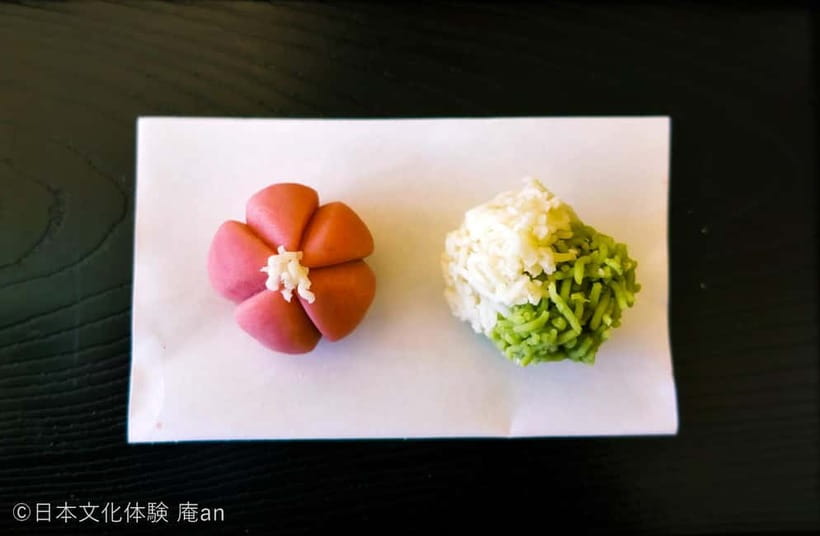
The first sweet is a flower-shaped nerikiri. This is likely the moment when the class changes from a talk about Japanese sweets into a real activity. You receive the paste and follow the instructor’s directions as it is formed and marked into a floral shape.
The work is delicate. Small changes in pressure can alter the form, so you need to copy the demonstration closely. The short time limit can be helpful here. You avoid getting stuck trying to make a perfect flower, and you leave with a finished piece even if your lines are not as neat as the instructor’s.
Try to keep your attention on the demonstration rather than on your phone. The class includes picture time later, and pausing to photograph each stage may make you fall behind. If you want a clear view, sit as close to the front as possible.
The flower design also gives you a good reason to think about presentation. Once placed on a plate, the sweet is meant to look like a tiny artwork. You will probably notice that the overall shape matters as much as the fine details.
Making the kinton nerikiri
The second project is a kinton nerikiri. The texture and appearance differ from the flower design, giving you two distinct styles in one short class.
This second sweet is a useful part of the experience because it shows that traditional Japanese sweets are not all shaped in the same way. You get another chance to work with the bean paste and another finished piece to photograph and taste.
The class format means you may not have time to redo a step. That is not necessarily a problem. Handmade sweets are supposed to show the hand that made them, and small differences give your pair of sweets some personality. I would focus on following the key steps and accepting a little imperfection.
You also do not need to worry about carrying a large food package around Tokyo if you eat the sweets at the venue. The activity includes time to taste them on the spot. If you want to save them, a take-out box is available for 100 JPY.
Same base, a different sort of day:
- Mt Fuji and Hakone 1-Day Bus Tour Return by Bullet Train
★ 5.0 · 26,383 reviews - 1-Day Tokyo Bus Tour
★ 5.0 · 14,250 reviews - Tokyo: TOKYO SKYTREE® Admission ticket
★ 4.5 · 11,192 reviews - Tokyo: teamLab Planets TOKYO Digital Art Museum Entry Ticket
★ 4.6 · 9,779 reviews
The taste is part of the lesson
The final eating time makes this more than a decorative craft. You get to see how the white and red bean paste tastes after shaping it yourself.
The ingredients are traditional, but the flavor may be different from the cakes and pastries commonly sold in Western bakeries. Bean paste can be sweet and smooth, and the appeal comes from its clean flavor and soft texture. The activity description notes that the taste is guaranteed, but personal preferences still matter. If you already enjoy Japanese wagashi, this should be familiar territory. If you are new to bean-based sweets, this is an easy way to try them in a small portion.
Eating immediately also helps explain why presentation matters. These sweets are made to be appreciated with the eyes before they are eaten. The picture time gives you a chance to record the result, then the eating time keeps the experience practical rather than turning it into a souvenir-only activity.
A take-out box costs 100 JPY, so you can choose based on your plans. If you are heading straight to another activity, eating at the venue is simplest. If you want to show the sweets to someone later, budget the small extra charge.
Instructor, language, and class size
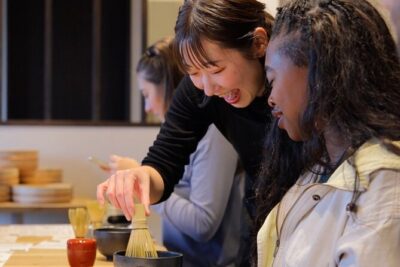
The instructor is Japanese, and English translation is provided as much as possible. That means you should expect some language support, but not necessarily a full English lesson delivered slowly from start to finish.
The class has received praise for being informative and fun, and the staff have also been described as great. At the same time, the speed of the explanations can be difficult if you are not comfortable following visual demonstrations. Watch the instructor’s hands closely, and do not hesitate to copy the shape in front of you as soon as the step begins.
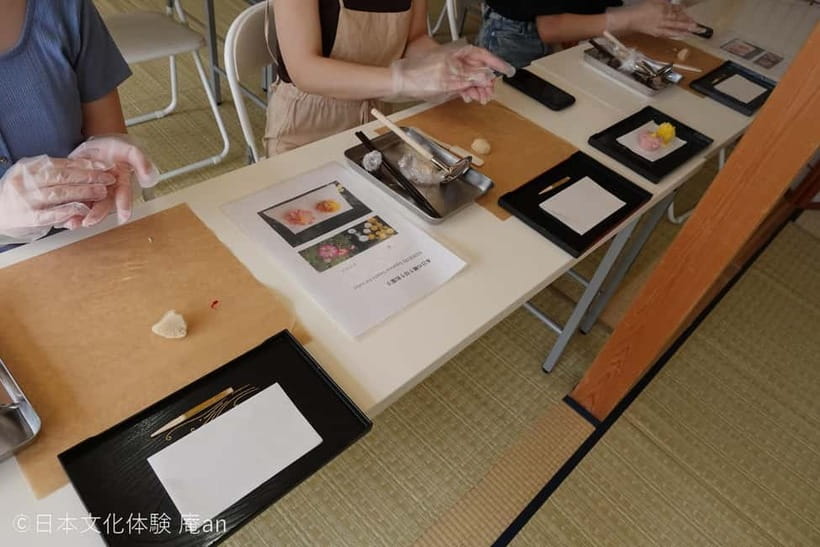
The room can hold around 30 people. In a class this size, your seat matters. Someone at the back may not see the demonstration well, especially during small shaping movements. When booking or arriving, aim for a front or central position if possible.
The space may not be arranged like a small private workshop. Coats and bags have been left on the floor because there was no coat-hanging area. Pack lightly and avoid bringing bulky luggage into the room.
The experience can work well for solo visitors because the activity gives you something direct to do with your hands. It also offers an easy social setting for people who want to meet others without needing to force conversation. Families and groups can join, but each person who participates needs a reservation.
The $11 price and what you receive
At $11 per person, this is one of the more affordable hands-on cultural activities you can add to a Tokyo itinerary. You receive the nerikiri-making experience, the ingredients, instruction, picture time, and a chance to eat the two sweets.
The value comes from participation. You are not paying mainly for a long tour or a formal lecture. You are paying for a short cultural activity with edible results. For the price of a casual snack, you get a structured introduction to a traditional Japanese art form and two sweets of your own making.
There are a few extras to remember. A take-out box costs 100 JPY, and an experience completion certificate costs 300 JPY. If you want a nominative certificate, provide the names in advance. Otherwise, the name field will be left blank.
The basic price makes this especially appealing for solo visitors, families looking for a short indoor activity, or anyone who wants a low-risk cultural stop between major Tokyo sights. The value drops if you expect a private lesson, detailed English teaching, or plenty of time to perfect each sweet.
Location, timing, and arrival advice
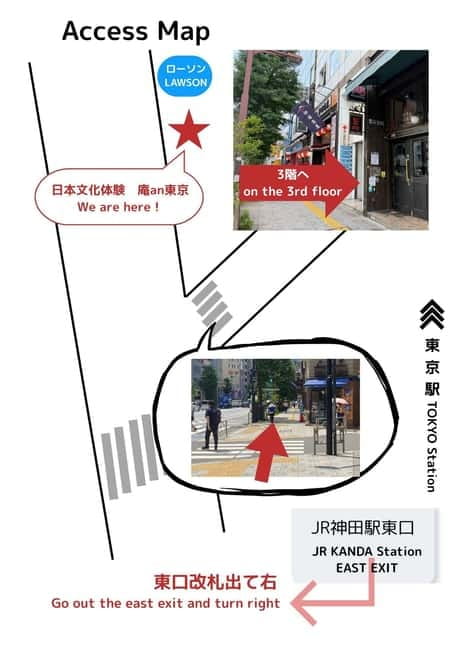
The meeting point is AN TOKYO Japanese Culture Experience at coordinates 35.6916541, 139.7715022 in Tokyo. The supplied location information identifies the venue, but it does not provide a full station-by-station route, so check the map carefully before leaving your hotel.
Operation hours are from 10:00 to 17:00. Reservations received after 17:00 are processed the next day. More important, the class will not be held for late arrivals.
Build in extra time for finding the venue. Tokyo addresses can be confusing, and a delayed train, wrong exit, or slow walk from the station will not pause the class. The cancellation rules also matter: cancellation is free up to 24 hours in advance, while cancellations after that point can incur a charge. Changing the date or time after a fee has been incurred can also bring an additional specified fee.
You should also know that travel costs to the venue are not reimbursed if you cancel. Book this as a fixed appointment, not as a loose stop you can fit in whenever the day allows.
Who will enjoy this experience most
I would recommend it most strongly to people who want a short, affordable cultural activity with something edible at the end. It suits solo visitors, couples, families with older children, and small groups who like practical activities more than passive sightseeing.
It is also a good choice for anyone curious about Japanese wagashi but unsure about committing to a long cooking course. Two sweets give you enough time to learn the basic idea without taking over your day.
You may want to skip it if you need detailed English explanations at every step, dislike fast group classes, or want a calm and spacious workshop. The large room and quick instructions can make the experience less comfortable from the back.
Children under two who sit on a parent’s lap are free. Anyone else who participates needs to be included in the reservation, and people who do not take part cannot enter the activity area.
Should you book the nerikiri class?
Book it if your priorities are price, a genuine hands-on activity, and the chance to eat something you made yourself. The Kyoto bean paste, seasonal designs, and two different sweets give the class more substance than a simple demonstration.
Go in with realistic expectations. This is a fast group lesson, not a slow private workshop. Arrive early, sit where you can see, pack lightly, and be ready to follow the instructor without long pauses.
For $11, I think it is a strong value for a compact Tokyo experience. I would choose it for a free morning or afternoon when you want to do something distinctly Japanese without spending much time or money. I would not choose it for a special occasion requiring polished English instruction and an unhurried pace.
FAQ
How long does the Japanese sweets-making experience last?
The full activity lasts 65 minutes. The making and picture time finish at about 55 minutes, followed by eating time before departure.
How many sweets will I make?
You will make two seasonal nerikiri sweets: one flower-shaped sweet and one kinton nerikiri.
What ingredients are used?
The class uses white and red bean paste produced by long-established shops in Kyoto.
Can I eat the sweets at the venue?
Yes. Eating time is included after the picture time, and you can eat your handmade sweets on the spot.
Is English instruction available?
The instructor is Japanese, and English translation is provided as much as possible. Contact the organizer if you would like to request additional English support.
Can I cancel for free?
You can cancel up to 24 hours in advance for a full refund. Late cancellations may incur a fee, and the class cannot wait for delays.
Just added in Tokyo
- The 10 Tastings of Tokyo With Locals: Private Street Food Tour★ 5.0 · 48 reviews
- Small Town in the Big City: Tasting Tokyo’s Kichijoji★ 5.0 · 195 reviews
- Small Town in the Big City: Tasting Tokyo’s Kichijoji★ 5.0 · 16 reviews
- EXCLUSIVE Tokyo Secret: Kichijoji Small-Group Food & Bar Hopping★ 5.0 · 29 reviews
- Explore Kichijoji: Walk Through One of Tokyo’s Beloved Districts★ 5.0 · 21 reviews
- :Tokyo,Shibuya/ Pro Photography in Kimono / English-Friendly★ 5.0 · 26 reviews
- 【R34】Tokyo:Private Daikoku tour in Modified R34★ 4.9 · 92 reviews
- Tokyo:Calligraphy &Make your original folding fan in Asakusa★ 5.0 · 62 reviews
Dessert Tours, compared.
Matcha Making Class in Tokyo with Authentic Japanese Sweets Set
Read our review →
Matcha Making Experience with Mochi Sweets in Asakusa
Read our review →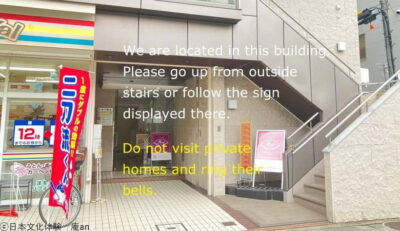
Japanese Traditional Sweets Making and Tea Ceremony
Read our review →

Kyoto Wagashi(Japanese sweets) Cooking Class near Fushimiinari
Read our review →
Traditional Tea Ceremony with Matcha & Sweets in Gion
Read our review →
Two Types of Japanese Sweets Making and Tea Ceremony
Read our review →Browse the lists this tour appears in