
Reviewed · TEA CEREMONY EXPERIENCES
Kyoto: Japanese Traditional Sweets Making and Tea Ceremony
Kyoto’s sweets are little works of art, and this class lets you make two of them before sitting down with a bowl of Uji matcha. You color white bean paste, shape it into seasonal flowers or fruit, and learn the basic manners of a tea ceremony. The result is hands-on, tasty, and far more personal than simply buying wagashi in a shop.
I like the 95-minute format, which gives you enough time to make the sweets without taking half a day. I also like the price: at $18, you get two activities and a snack-sized lesson in Kyoto food culture. The main consideration is communication. The instructor is Japanese, and English support is provided as much as possible, but some sessions rely on watching the demonstration and copying the movements.
Key points to know before booking
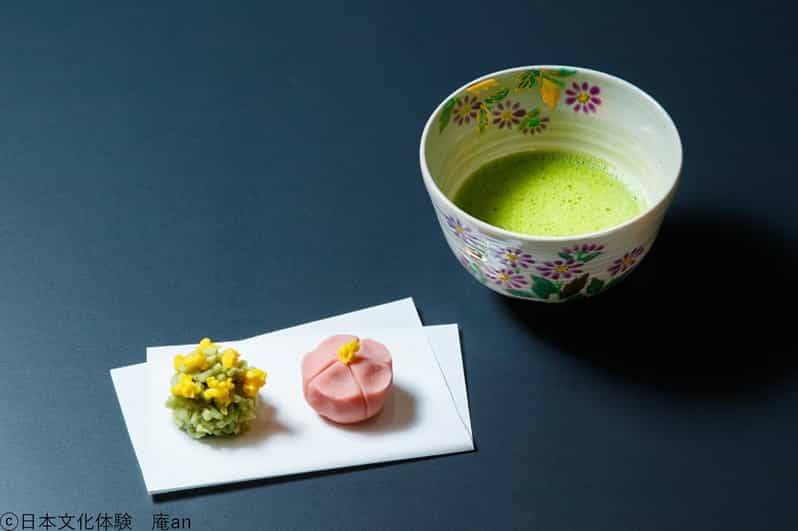
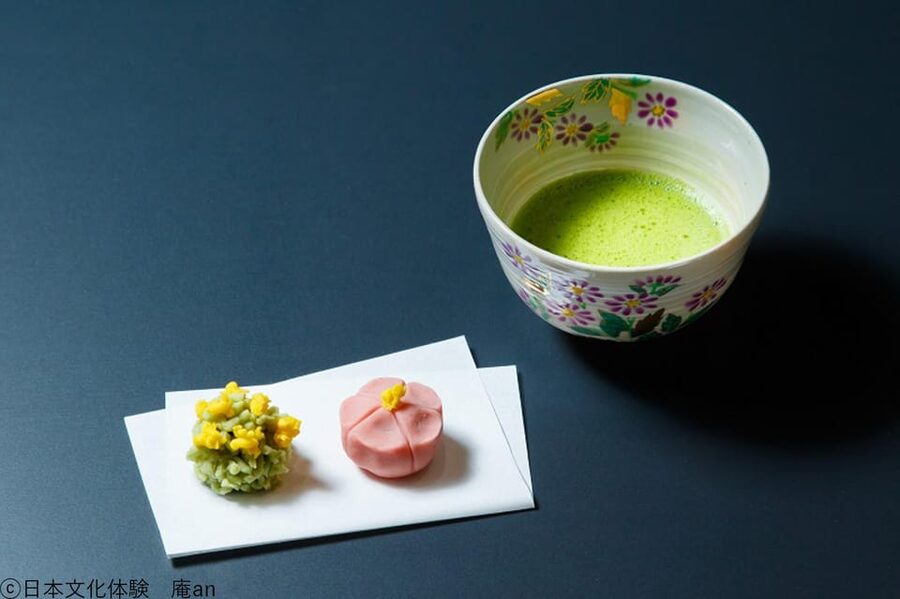
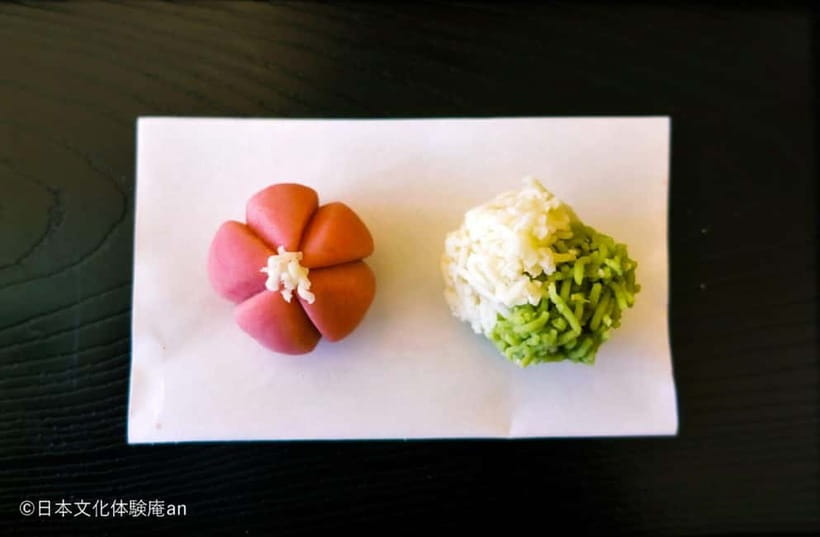
- Two seasonal nerikiri sweets: You color and shape Kyoto-style white bean paste into designs linked to the season.
- Single-origin Uji matcha: You prepare your own tea and drink it with the sweets you made.
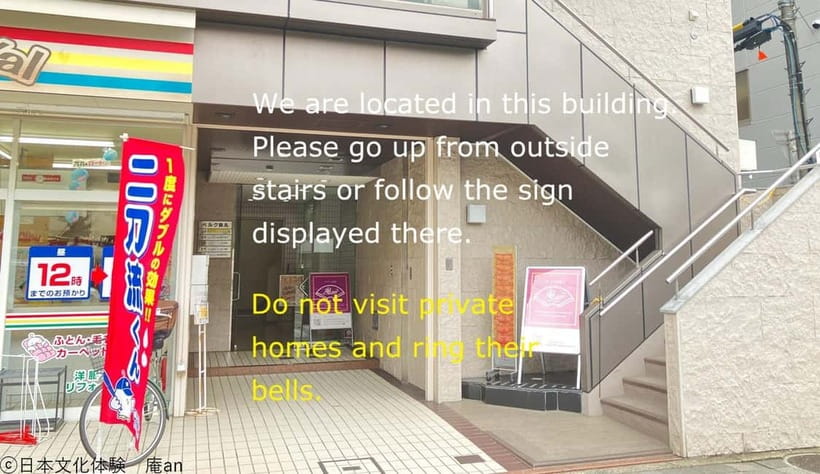
- One minute from Gojo Station: The classroom is easy to reach from Exit 1 of the Subway Karasuma Line.
- Good value at $18: A take-out box costs 100 JPY, and a completion certificate costs 300 JPY if you want either extra.
- Japanese-led instruction: English explanations are added when possible, but the amount of English can vary by instructor and group.
- A relaxed family activity: Children aged 2 and older can take part, and the sweet-making is gentle enough for children around 10 and up.
What the Kyoto sweets class actually teaches
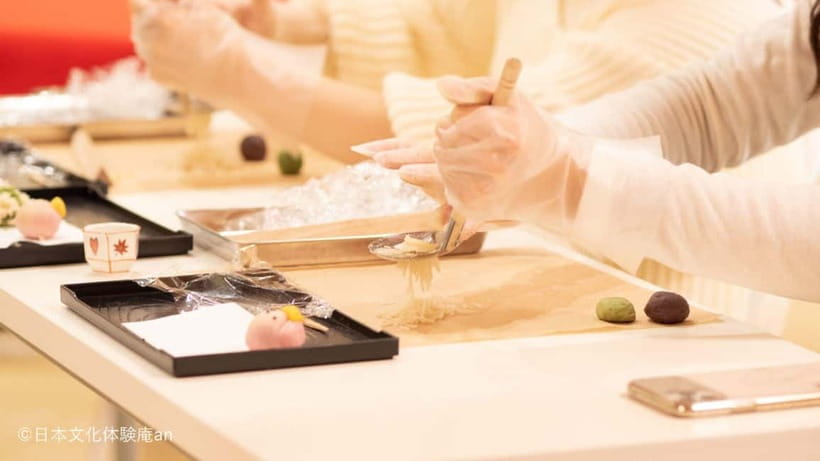
The first part focuses on nerikiri, a refined Japanese sweet made from colored white bean paste. Nerikiri is not a baked cookie or a simple piece of mochi. It is soft, smooth, and shaped by hand into flowers, leaves, fruit, or other seasonal forms.
You begin with white bean paste and add color yourself. That simple step matters because the colors are part of the design. A pale pink, green, yellow, or red tone can suggest a flower or a change of season. You then form the paste around the filling and use small tools or your fingers to create the final shape.
The class uses white and red bean paste supplied by long-established Kyoto shops. That gives the activity a useful connection to the city’s confectionery tradition. You are not just decorating an ordinary sweet with tourist-friendly toppings. You are working with the same basic ingredients associated with high-grade Japanese sweets.
I would set your expectations correctly. This is an introduction, not professional confectionery training. The instructor demonstrates the process, breaks it into manageable steps, and helps you shape the sweets, but you will not learn every technique used by a Kyoto wagashi artisan.
That is part of the fun. Your finished sweets may not look exactly like the instructor’s. The small differences are proof that you made them yourself.
Other tea ceremonies in Kyoto people book:
- Kyoto: Tea Ceremony in a Traditional Tea House in Kiyomizu
★ 4.9 · 3,519 reviews - Kyoto: Tea Ceremony Ju-An at Jotokuji Temple
★ 4.9 · 3,207 reviews - Kyoto: 45-Minute Tea Ceremony Lesson Experience
★ 4.3 · 2,378 reviews
Why the seasonal designs matter
Nerikiri changes with the calendar. The designs are chosen to match the season, so an autumn class may use autumn colors and forms, while another visit may feature spring flowers or summer motifs.
This gives the lesson more meaning than a fixed craft project. Japanese sweets often reflect the time of year through color, shape, and presentation. Even if you know little about wagashi, you can see how a tiny sweet can suggest a whole season.
The seasonal theme also makes the activity worth considering at different points in your trip. A repeat visitor in spring will not necessarily make the same designs as someone attending in late autumn. The exact sweets are not specified in advance, so you should treat the seasonal design as part of the surprise rather than booking for one particular flower or fruit.
You will make two sweets. That is enough to practice the process and still leave time for tea. It also gives you a chance to try the shaping a second time after learning from the first attempt.
The matcha lesson with Uji tea
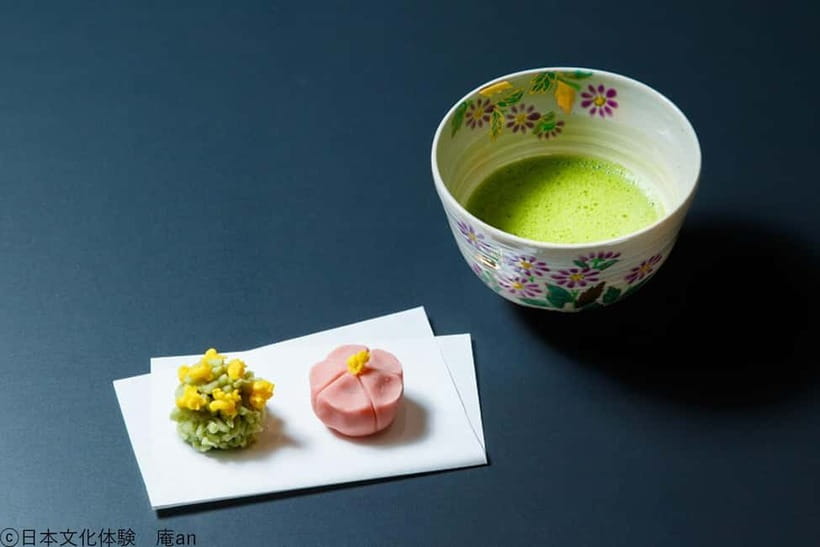
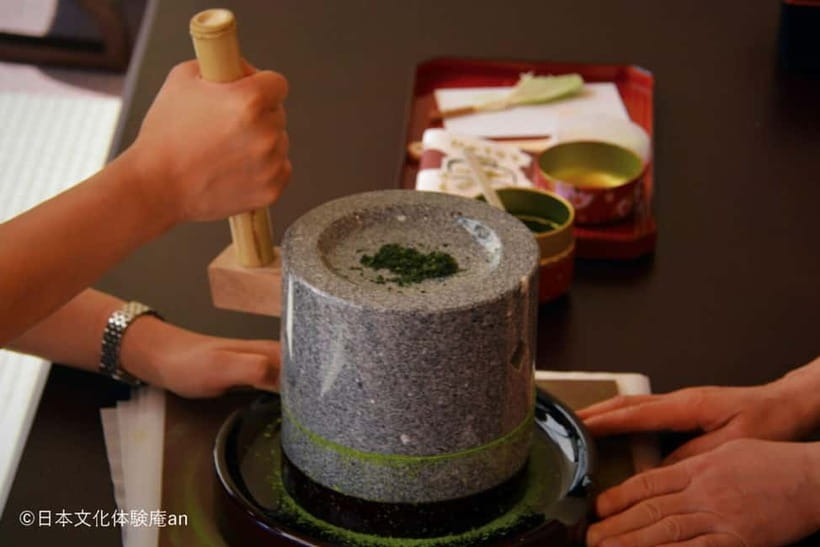
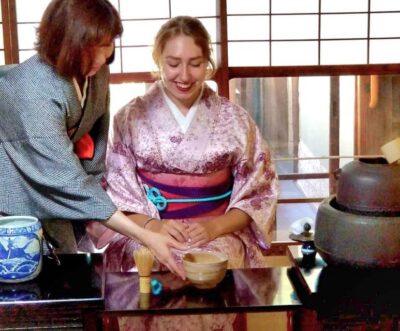
After the sweets are prepared, the class moves to matcha. You use single-origin Uji matcha and prepare the tea yourself, then eat the sweets alongside it.
The pairing makes sense. Nerikiri is sweet and smooth, while matcha has a stronger, slightly bitter taste. The sugar in the bean paste softens the tea, and the tea keeps the sweets from feeling too heavy.
This is a basic tea ceremony lesson rather than a long formal ceremony in a traditional tearoom. You learn how to prepare and drink the matcha, along with some of the etiquette, such as how to handle the bowl and turn it before drinking. The instruction gives you a practical introduction to the manners surrounding tea.
That distinction matters. If you want a highly formal ceremony with an extended sequence of rituals, this is not the right choice. Some visitors found the tea portion brief, and one session felt rushed enough that the tea cooled before it could be enjoyed. Think of it as a hands-on matcha and etiquette class with sweets, not a full ceremonial performance.
Still, I like the structure. You do not simply watch someone whisk tea while sitting quietly. You prepare your own bowl and learn enough to repeat the process at home. The activity can stay with you after Kyoto, especially if you buy matcha or already enjoy making tea.
English support and the Japanese classroom setting
The official language is Japanese, but English translation is offered as much as possible if requested. In practice, the experience can vary by instructor and by how many Japanese participants are in the room.
Several sessions used both Japanese and English, with clear demonstrations that made the steps easy to follow. Some instructors adjusted their explanations when they saw that English speakers were present. A few English-speaking instructors were especially effective at checking that everyone was keeping up.
Other sessions provided less English detail. You may need to watch the instructor’s hands closely, copy the movements, and ask for help when needed. The sweet-making process is visual, so this is usually manageable. The matcha section can be harder if you want a detailed explanation of tea production, etiquette, or history.
If English instruction is important to you, contact the provider before booking and request it. That does not guarantee a fully bilingual lesson, but it gives the staff a chance to prepare.
The Japanese setting can also be part of the appeal. One class included a group of Japanese junior high students, which gave the activity a more local classroom feel. That may be more authentic than a polished program designed only for international visitors, though it can also mean more background noise or less room for individual translation.
Other tea rooms and ceremonies in Kyoto:
- Kyoto: Table-Style Tea Ceremony at a Kyo-Machiya
★ 4.9 · 1,211 reviews - Kimono Tea Ceremony at Kyoto Maikoya, NISHIKI
★ 5.0 · 911 reviews - Kyoto: Arashiyama Bamboo Forest, Monkeys, Matcha & Temple Tour
★ 5.0 · 759 reviews - Kyoto: Tea Museum Tickets and Matcha Grinding Experience
★ 4.9 · 739 reviews
Group size, noise, and the pace of the class
Group size appears to be manageable in many sessions, and smaller classes make the hand movements easier to see. One participant especially liked having the steps broken into simple parts. That is helpful because shaping nerikiri looks easy until you try to create clean lines and balanced forms yourself.
The room may not always be quiet. Some sessions have included a private class at the same time, or a separate group leaving during the matcha portion. This can make the instructor harder to hear. One practical improvement would be a microphone or a screen showing close-up views of the instructor’s hands.
The class is generally low intensity. You sit, work with the paste, listen to demonstrations, and prepare tea. It is a good way to slow down after several hours of temples and shopping, and it works especially well on a rainy afternoon or during hot weather when you want time indoors.
Arrive early. The activity cannot be held for late arrivals, and a late start may leave the instructor rushing through the sweets or tea. The meeting point is one minute from Exit 1 of Gojo Station, with the entrance facing Gojo-dori. That makes the location simple, but you still need a little extra time to find the correct storefront.
Is the $18 price good value?
Yes, for most people. At $18 per person, you receive the sweet-making lesson, two handmade nerikiri, the matcha preparation, and the tea you drink with your sweets. In a city where formal cultural activities can become expensive quickly, this is a modest way to try two connected parts of Kyoto food culture.
The value comes from doing the work yourself. Buying two beautifully shaped sweets at a department store would be easier, but it would not teach you how the color and shape come together. Likewise, drinking matcha in a café gives you the flavor but not the etiquette or preparation.
There are two small extra charges. A take-out box costs 100 JPY, which is useful if you want to carry your sweets away instead of eating both during the class. A completion certificate costs 300 JPY. Neither is required, so the advertised price remains close to the actual cost unless you choose the extras.
Families should note that children under 2 sitting on a parent’s lap are free. The activity can suit children, though English explanations may be harder for younger participants to follow. Children around 10 and 14 have managed the level of challenge well, according to the practical feedback available.
Location and practical access
The venue is near Gojo Station on the Subway Karasuma Line. From Exit 1, the walk is about one minute, and the entrance faces the main road, Gojo-dori. This is a useful location for fitting the class between central Kyoto sightseeing stops.
The building has no elevator, and you need to use stairs to reach the activity space. The experience is listed as wheelchair accessible, but that information sits alongside the stair warning. If you use a wheelchair or have difficulty with stairs, contact the provider before reserving so you can confirm the exact arrangement.
The operating hours are 10:00 to 17:00. Reservations received after 17:00 are processed the following day. The class lasts 95 minutes, with starting times dependent on availability.
Cancellation is free up to 24 hours before the scheduled time. After that point, a fee can apply, and changing the date or time after a fee has been incurred can bring another specified charge. Your travel costs to the venue are not reimbursed if you cancel.
Who will enjoy this Kyoto activity
I would choose this class if you want a short, affordable cultural activity that involves your hands. It suits first-time visitors who want more than photos of temples, families looking for a gentle indoor activity, and anyone curious about matcha but unsure about attending a formal tea ceremony.
It is also a good pick for a rainy afternoon. The work is calm, the pace is not physically demanding, and the final tea gives the class a clear ending. If you enjoy cooking, crafts, design, or Japanese sweets, you will likely get more from it than someone who wants only a quick tasting.
You may want a different experience if your main goal is a formal tea ceremony in a traditional setting. This class teaches the basics and lets you prepare matcha, but it is not built around a long, solemn ritual. You should also think twice if you need detailed English commentary at every stage, unless the provider confirms that support in advance.
Should you book the sweets and tea class?
Book it if you want strong value, a central location, and a friendly introduction to Kyoto confectionery and matcha. The two sweets give you a creative task, while the tea portion adds context and a quiet finish.
Go in expecting a Japanese-led class with visual instruction, not a fully English course or formal tea-room ceremony. Arrive early, request English help ahead of time, and consider the inexpensive take-out box if you want to save one of your handmade sweets. For $18, this is an easy activity to add to a Kyoto day, especially when you want something hands-on and indoors.
FAQ
Where does the Japanese sweets and tea class take place?
It takes place one minute from Exit 1 of Gojo Station on the Subway Karasuma Line. The entrance faces Gojo-dori.
How long does the experience last?
The activity lasts 95 minutes.
How much does the experience cost?
The listed price is $18 per person.
What sweets will I make?
You will make two seasonal nerikiri sweets from colored white bean paste. The designs may reflect seasonal flowers or fruit.
What kind of matcha is used?
The class uses single-origin Uji matcha.
Is the class taught in English?
The instructor is Japanese, and English translation is provided as much as possible. You can contact the provider to request English support, but the amount of English may vary.
Can I take the sweets home?
A take-out box is available for 100 JPY.
Is a completion certificate included?
No. A completion certificate costs 300 JPY.
Can children and wheelchair users participate?
Children under 2 who sit on a parent’s lap are free. The experience is listed as wheelchair accessible, but the building has no elevator and stairs are required, so wheelchair users should confirm access arrangements before booking.
More sweet things to try in Kyoto
- Matcha Making Class in Tokyo with Authentic Japanese Sweets Set
★ 5.0 · 744 reviews - Matcha Making Class in Osaka with Authentic Japanese Sweets Set
★ 5.0 · 509 reviews - Tokyo: Matcha Making Experience with Mochi Sweets in Asakusa
★ 4.9 · 388 reviews
Just added in Kyoto
- Kyoto: Private Photoshoot Service★ 5.0 · 158 reviews
- Kyoto Rickshaw Tour★ 5.0 · 210 reviews
- Kyoto: Arashiyama Bamboo, Temple, Matcha, Monkeys & secret spots★ 5.0 · 219 reviews
- Izakaya Style Cooking Class★ 5.0 · 219 reviews
- Kyoto: Traditional Concert at Townhouse or Bathhouse★ 4.9 · 224 reviews
- Ninja 2-hour Hands-on Lesson by Japanese master in Kyoto -Medium★ 5.0 · 218 reviews
- Kyoto: Afternoon Japanese Izakaya Cooking Class★ 4.9 · 241 reviews
- Samurai Training with Modern day Musashi in Kyoto★ 5.0 · 256 reviews
Tea Ceremony Experiences, compared.
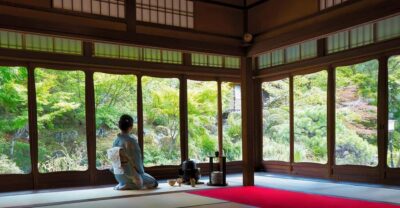
Tea Ceremony in a Traditional Tea House in Kiyomizu
Read our review →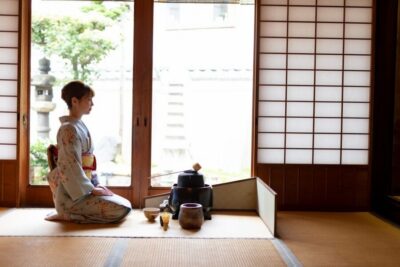
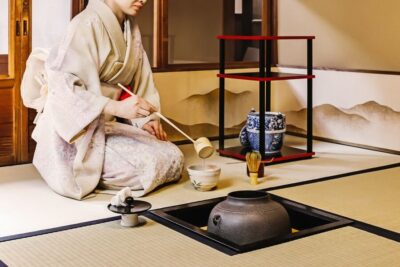
World Heritage Kyoto & Nara Uji Authentic Matcha Experience
Read our review →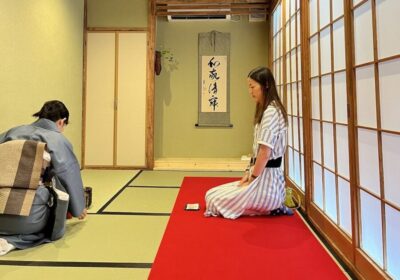
Arashiyama Bamboo Forest, Monkeys, Matcha & Temple Tour
Read our review →Browse the lists this tour appears in