
Reviewed · SAMURAI & NINJA EXPERIENCES
Ninja Experience (Family Friendly) at Samurai Ninja Museum TOKYO
Want an activity that gets your family off the sightseeing treadmill? This 75-minute ninja experience puts you in costume, gives you a few safe training challenges, and adds a treasure hunt for children. You also get a short museum visit covering samurai and ninja weapons, armor, tools, and folklore.
I like two things right away: the ninja outfit is included, so the $47.92 price does not grow with a costume rental, and the activity gives children something active to do rather than asking them to stand quietly in front of displays. The photo session is another useful touch, since you leave with a keepsake instead of only a quick look around.
The main drawback is that the experience can be shared with another family, and one family reported that a larger group of children took over some activities. If your child needs plenty of one-on-one attention, ask about the group arrangement before booking.
Key Points at a Glance
- Costume included: You dress in traditional ninja clothing without a separate rental fee.
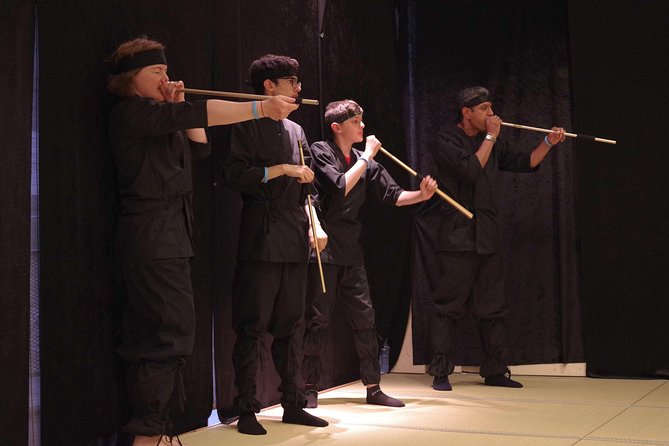
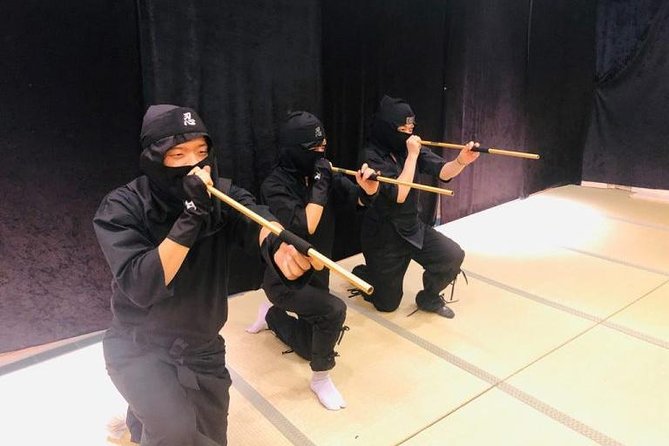
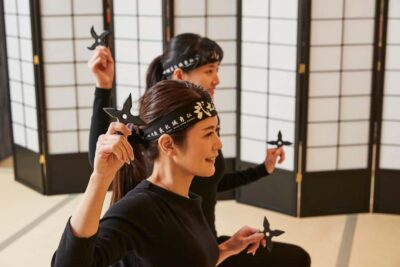
- Hands-on training: The session includes practice with ninja stars and other weapons, plus a blowpipe in at least some sessions.
- Treasure hunt for children: The hunt adds a simple game element and helps keep younger children focused.
- Photo opportunity: You pose in ninja clothing against an authentic-looking background.
- Central Asakusa location: The meeting point is Samurai Ninja Museum Asakusa Tokyo, near public transportation.
- Short, family-friendly format: The activity lasts about 1 hour 15 minutes and welcomes children aged 3 and older, with an adult required to accompany children.
What the 75-Minute Ninja Session Is Really Like
This is not a full-day martial arts class or a serious self-defense course. It is a playful introduction to ninja folklore, equipment, and training, built for families who want a lively Tokyo activity.
The session begins at Samurai Ninja Museum Asakusa Tokyo, at 1-chōme-8-13 Nishiasakusa in Taito City. From there, staff help you choose and put on ninja clothing. That first step matters more than it might sound. A child who was dragging through a museum often perks up once the costume goes on, and adults are encouraged to join rather than watch from the edge.
The staff then explain the ninja world in broad terms. You hear about deception, physical training, martial arts, climbing techniques, and the tools used on covert missions. The presentation also touches on the supernatural image of the ninja, including old beliefs that they could become invisible, fly, or walk on water.
That mix of fact and folklore is suitable for children because it explains why ninja stories remain so popular without pretending every legend is historical fact. You get a basic cultural frame before moving into the practical activities.
Other samurai and ninja experiences in Tokyo people book:
- Tokyo: Samurai Restaurant Show Ticket with 2 Drinks
★ 4.5 · 1,307 reviews - Tokyo: Samurai Ninja Museum Guided tour and Experience
★ 4.6 · 1,010 reviews - Tokyo: Samurai Sword & Archery Class from Samurai Descendant
★ 5.0 · 603 reviews
Dressing as a Ninja and Taking Photos
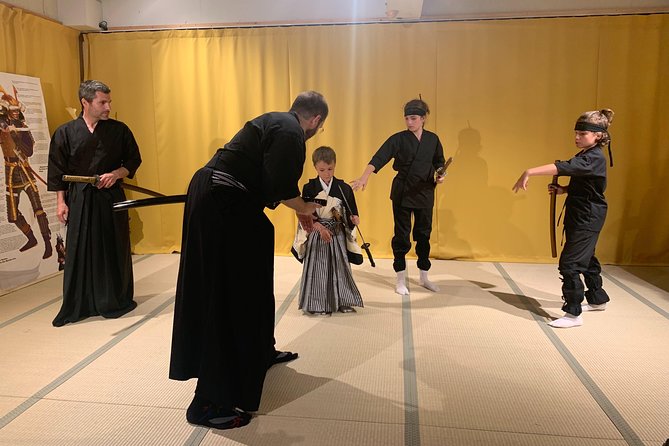
The costume portion is one of the strongest parts of the experience for families. Instead of simply looking at a display of armor and weapons, you become part of the scene for a while.
Staff assist with the traditional attire, then arrange a photo shoot. The background is designed to look authentic, which gives the photos more character than a quick snapshot beside a souvenir shop sign. You can expect this part to appeal to children who enjoy role-play, but adults can take part too.
I would bring a phone with enough storage and keep the camera ready. The supplied information confirms a photo shoot, but it does not promise a particular number of edited images or a separate professional photo package. Think of it as a costume photo opportunity included in the activity, not a studio portrait session.
The costume also helps younger children understand the difference between the ninja image in popular culture and the objects shown in the museum. They are not just hearing about a historical figure. They are seeing the clothing, handling training equipment, and posing in the setting.
Ninja Stars, Blowpipes, and Other Training Tools
The hands-on training is the part most likely to hold a child’s attention. You learn how ninja weapons and tools were used, then practice with selected equipment under staff supervision.
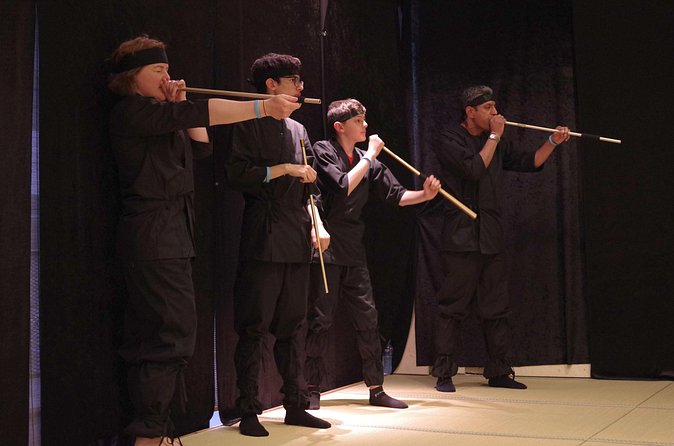
The included activity specifically mentions ninja stars and other weapons. One account also describes using a blowpipe. The exact sequence may vary, but you should expect simple target-based games rather than advanced combat instruction.
This is a good distinction to make before you book. The session is designed for fun, basic technique, and safe participation. It is not a replacement for martial arts training, and the listing does not promise that you will use every type of weapon displayed in the museum.
The activities require a moderate level of physical fitness. That does not mean you need to be athletic, but you should be comfortable standing and taking part in basic physical exercises. Children must be accompanied by an adult, and adults should be ready to participate rather than leave the whole session to the guide.
The format works well for mixed-age families. A seven-year-old can enjoy the sense of mission, while a parent can listen to the historical explanation and try the equipment too. One family booked the activity for a nine-year-old who loved ninjas, and the adult ended up enjoying it more than expected. That is a useful sign for parents who are not naturally drawn to ninja culture.
The Treasure Hunt Adds a Reason to Pay Attention
The treasure hunt is a smart addition. Young children can lose focus during explanations about weapons and samurai armor, but a search for clues or objects gives them a reason to watch and move through the space with purpose.
The available details do not specify the exact number of clues, prizes, or rules, so I would not book this expecting a large-scale puzzle game. Treat it as a child-friendly activity folded into the museum visit.
Its value is practical. A treasure hunt gives the group a shared goal and can make the historical material easier to remember. Children may not recall every term about ninja tools, but they are more likely to remember the objects connected to their hunt.
This also makes the activity useful on a rainy Tokyo day. It takes place indoors, combines movement with explanation, and lasts long enough to fill part of an afternoon without taking over your whole sightseeing plan.
Other swordplay and stealth sessions in Tokyo:
- Best Samurai Experience in Tokyo
★ 5.0 · 458 reviews - Tokyo: Samurai Entertainment Night Show in Kanda Shrine
★ 4.6 · 417 reviews - Tokyo Sword Experience – includes Museum Ticket/Ninja Experience
★ 5.0 · 314 reviews - Samurai Ninja Museum Asakusa: Samurai Sword Lesson & Tour
★ 4.8 · 306 reviews
What You See at the Samurai Ninja Museum
The museum portion covers both samurai and ninja subjects. You can expect displays of authentic weapons and armor, along with explanations of the tools associated with covert missions.
The activity description places ninja history in the context of Japanese folklore and popular stories. That means the museum experience is not limited to a dry list of dates. It looks at the image of the ninja, the skills they were said to possess, and the physical training connected with the profession.
One family described the museum tour as informative, while another appreciated learning about samurai and ninja culture before trying the darts and stars. That order makes sense. Seeing the equipment first gives the training games a little more meaning.
You should keep your expectations in check. The experience lasts only about 75 minutes, so the museum visit is an introduction rather than an exhaustive study of Japanese military history. If you want a long, quiet museum tour, this may feel too short and too active. If your priority is giving children a memorable first look at samurai and ninja culture, the balance is more useful.
Group Size Can Change the Feel of the Activity
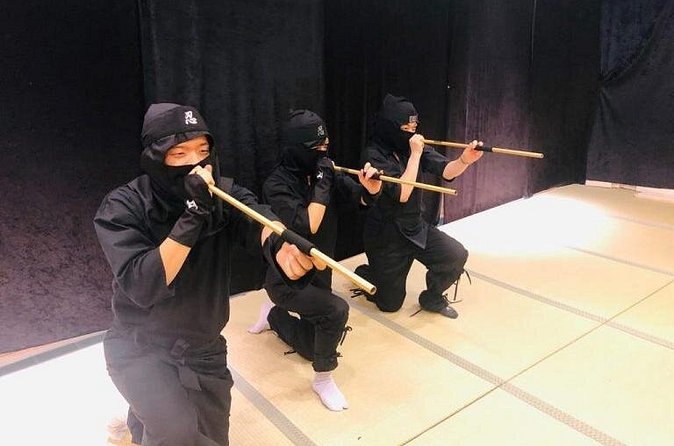
The supplied details list a maximum of 20 participants, but they also mention a maximum of 4. Because those numbers conflict, I would confirm the current group size when booking.
This matters most during the weapons practice and treasure hunt. A small group should give each child more turns and make it easier to hear the guide. A larger group may bring more energy, but you may wait longer for equipment or find that confident children take the lead.
One family had a difficult experience when another group of four children joined in and overpowered their own child during the activities. That does not mean every shared session will have the same problem, but it is a real consideration for families with shy or younger children.
If your child is easily overwhelmed, arrive ready to tell the staff that you would like clear turns and space for everyone to participate. The activity is described as interactive, so the quality of the experience depends partly on how well the group is managed.
Is $47.92 a Fair Price?
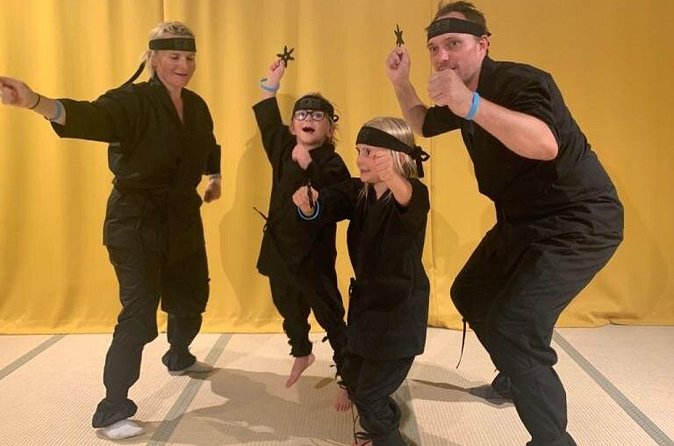
At $47.92 per person, this is not the cheapest way to spend an hour in Tokyo. The value comes from combining several small experiences into one booking: costume use, museum interpretation, hands-on weapon training, photography, and the treasure hunt.
A separate museum visit may cost less, but it would not give your child the same active role. A costume rental and photo session elsewhere could also add up, while this price includes the ninja outfit. You are paying for a short guided activity rather than simple admission.
The price makes the most sense when at least one child in your group is excited by ninja stories, samurai, role-play, or hands-on challenges. If everyone in your party prefers quiet art museums, traditional gardens, or long historical tours, the value is weaker.
The activity is also a practical choice for a tight itinerary. At roughly 1 hour 15 minutes, it fits between other Asakusa plans and does not require a full morning or afternoon. Transportation to and from the attraction is not included, so add your train or taxi cost when comparing it with other activities.
Location and Planning Tips for Asakusa
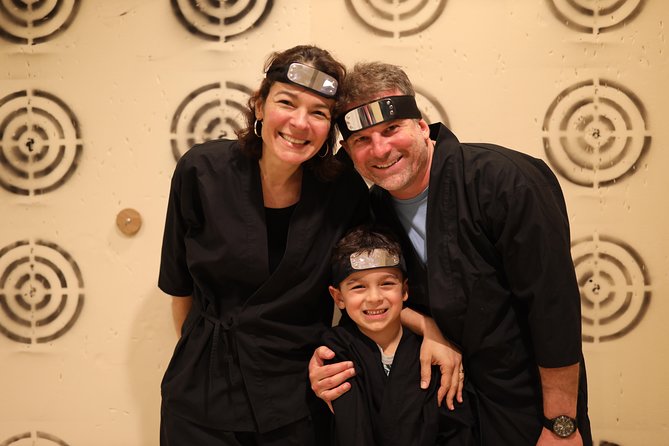
The meeting point is Samurai Ninja Museum Asakusa Tokyo at 1-chōme-8-13 Nishiasakusa, Taito City, Tokyo 111-0035, Japan. The location is near public transportation, and the activity ends back at the meeting point.
That return to the starting point makes planning easier. You do not need to arrange a separate pickup or wonder where the group will finish. It also lets you continue with nearby sightseeing after the costume session.
The ticket is mobile, and confirmation is provided at booking. I would save the ticket before leaving your hotel, especially if you are moving between train stations and busy streets.
Children under three cannot join the ninja experience, although they can enter the venue. Children must be accompanied by an adult. Since the session involves standing and hands-on practice, a moderate level of physical fitness is advised.
The activity is offered in a central part of Tokyo and is particularly useful as an indoor backup plan. Rain does not remove the main appeal: the museum, dressing, photo session, training games, and treasure hunt all take place as part of the organized visit.
Who Will Enjoy This Most?
I would recommend this for families with children from about school age upward, especially children who already like ninja stories or enjoy pretending to be characters. The activity also works for adults who are willing to dress up and try the equipment instead of treating the session as a children-only show.
It suits a family that wants a clear, guided experience with a beginning, middle, and end. You dress up, learn the background, practice with tools, take photos, and complete the treasure hunt. That structure makes it easy to follow, even if you are tired from a day of sightseeing.
It may not suit you if you want a serious lesson in martial arts, a large museum with hours of exhibits, or a private session with guaranteed personal attention. The group-size information is not fully consistent, so private-family expectations should be checked before you pay.
The experience received a 4.9 rating from 441 reviews, with 99 percent recommending it. Those numbers suggest strong satisfaction, but they do not remove the need to consider your child’s temperament and your preference for group activities.
Booking, Cancellation, and Final Advice
Free cancellation is available up to 24 hours before the start time for a full refund. Changes or cancellations made less than 24 hours before the start time are not accepted for a refund, and the cut-off follows Tokyo local time.
I would book this activity if you want a light, active cultural experience that gives children a role to play. The included costume is a real value point, and the combination of museum displays, weapon practice, photos, and a treasure hunt gives you more than a simple dress-up session.
I would hesitate only if your group needs a quiet, private experience or if your child dislikes shared activities. For most families, especially on a rainy day or during an Asakusa visit, this is a lively way to add some Japanese folklore and history to the schedule without committing half a day.
FAQ
Where does the ninja experience begin?
It begins at Samurai Ninja Museum Asakusa Tokyo, located at 1-chōme-8-13 Nishiasakusa, Taito City, Tokyo 111-0035, Japan.
How long does the activity last?
The experience lasts approximately 1 hour and 15 minutes.
Is the ninja costume included?
Yes. The experience includes wearing a ninja outfit, and there is no separate costume rental listed.
Can children under three join the ninja experience?
No. Children under three cannot join the ninja experience, although they can enter the venue.
Must children be accompanied by an adult?
Yes. Children must be accompanied by an adult.
What activities are included?
The experience includes ninja training with ninja stars and other weapons, a ninja costume, a photo shoot, a museum visit, and a ninja treasure hunt.
Can I cancel for a full refund?
Yes, if you cancel at least 24 hours before the experience start time. Cancellations or changes made less than 24 hours before the start time are not accepted for a refund.
More museums in Tokyo
- Tokyo: teamLab Planets TOKYO Digital Art Museum Entry Ticket
★ 4.6 · 9,779 reviews - Tokyo Studio Ghibli Museum and Ghibli Film Appreciation Tour
★ 4.5 · 421 reviews - Tokyo: Art Aquarium Museum GINZA Entry Ticket
★ 4.5 · 278 reviews - Osaka Castle: Museum and Tower Entry Ticket
★ 4.5 · 2,380 reviews
Just added in Tokyo
- Nikko: Edo Wonderland Edomura Cultural Theme Park Ticket★ 4.3 · 205 reviews
- 《MEMBERS-ONLY-BAR-HOPPING》Discover Your Special Whiskey in Tokyo!★ 5.0 · 29 reviews
- Japanese Whisky Hunting《HIGH-QUALITY-ONLY》Rare Tasting Class★ 5.0 · 20 reviews
- Luxury Tokyo Sake, Cocktail, Whisky and Pairing Tour★ 5.0 · 18 reviews
- Wagyu & Sake Pairing in Shinjuku – Steak, Shabu-Shabu & More★ 5.0 · 112 reviews
- Small-Group Wagyu Beef and 7 Japanese Dishes Tokyo Cooking Class★ 5.0 · 190 reviews
- From Tokyo: Private Tour to Fuji/Hakone – Onsen, Art, Nature★ 5.0 · 116 reviews
- Tokyo: KABUKI Show at Kabukiza Theatre Admission Ticket★ 4.8 · 152 reviews
Samurai & Ninja Experiences, compared.
Samurai Ninja Museum Guided tour and Experience
Read our review →
Kendo and Samurai Experience with Uniform and Gear
Read our review →
Samurai Sword Class by Experts in Traditional Arts
Read our review →
Skip the lines Basic Ticket at SAMURAI NINJA MUSEUM KYOTO
Read our review →
Samurai Sword & Archery Class from Samurai Descendant
Read our review →
Browse the lists this tour appears in