
Reviewed · TEMPLE & SHRINE TOURS
Kamakura Temples Private Guided Tour from Tokyo
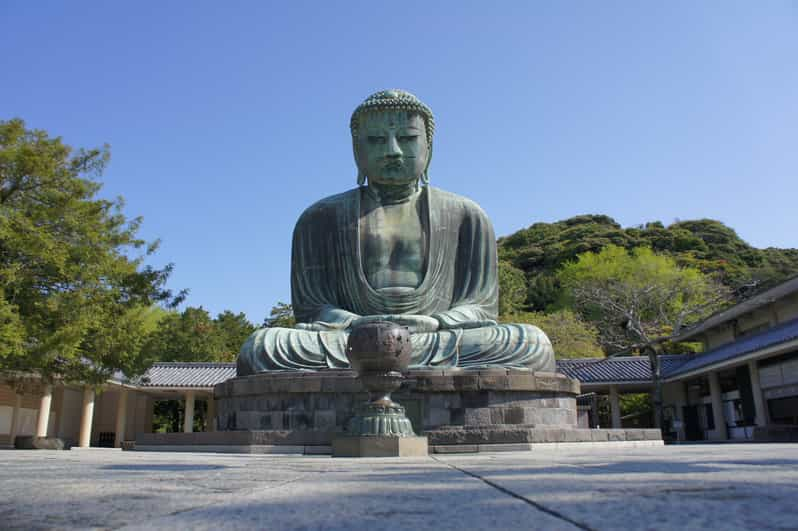
Kamakura packs temples, shrines, gardens, and one very large Buddha into an easy day from Tokyo. This private tour takes you there by train, then links Hase Temple, Kotokuin, and Tsurugaoka Hachimangu with a guide who can explain what you are seeing instead of leaving you to decode it from a sign.
I like the personal format and the clean route. I also like the chance to walk through Komachi Street and choose lunch in town rather than being locked into a fixed meal. The main drawback is price: at $145 per person, you still pay for trains, admissions, lunch, and drinks.
Key points to know before booking
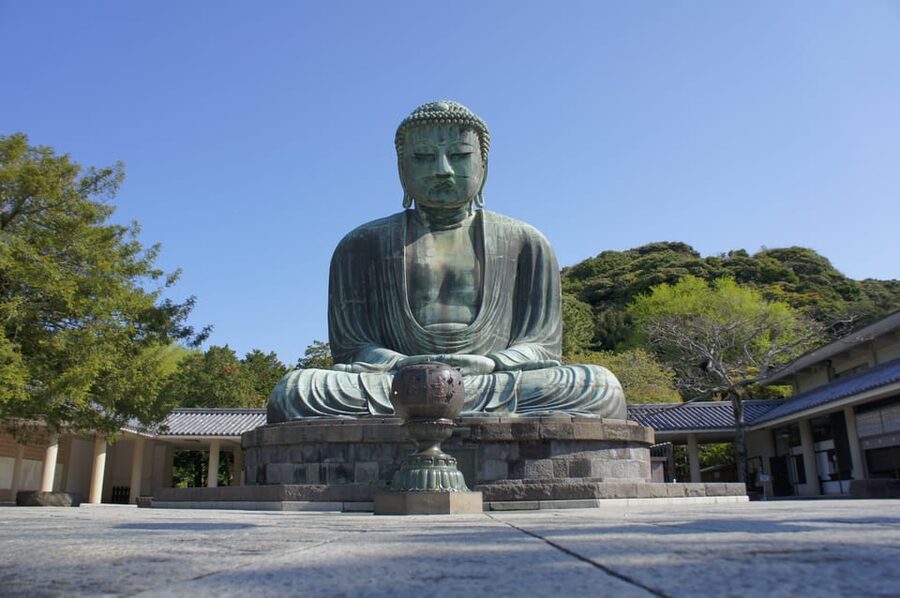
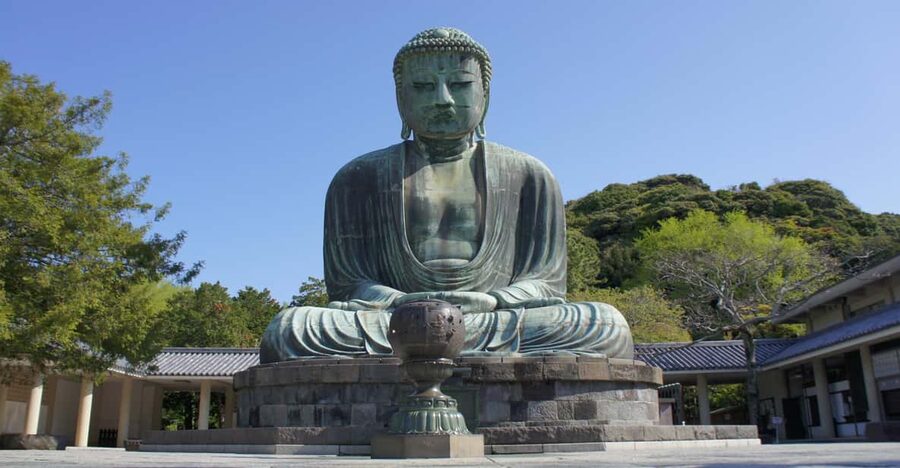
- The Great Buddha is a 13-meter bronze landmark: You visit Kotokuin Temple and learn why the statue, dating to 1292, matters to Kamakura.
- Hase Temple adds more than another photo stop: Its eleven-faced Kannon, flower gardens, and rows of Jizo statues give the morning some variety.
- The tour uses public trains: The ride from Tokyo takes about 70 minutes each way, so this is a full day out rather than a quick excursion.
- You get a private English-speaking guide: Past bookings have included guides named Mizuma-san, Steve, Take, and Richie.
- Komachi Street provides a flexible lunch break: You have about 1.5 hours for food, shopping, and a look at central Kamakura.
- Extra costs add up: Budget for roughly 2,000 yen per person for public transport, 400 yen for Hase Temple, 300 yen for the Great Buddha, plus lunch and drinks.
Why Kamakura makes a good day from Tokyo
Kamakura feels different from central Tokyo without requiring a long journey. The train ride takes about 70 minutes, and the day connects three major religious sights in a sensible order. You spend the morning around Hase, move through central Kamakura for lunch, and finish at Tsurugaoka Hachimangu.
I like this kind of day because it gives you a clear introduction without trying to cover every temple in town. Kamakura has more religious sites than you can reasonably visit in one outing. This route picks a Buddhist temple, a famous Buddha, and a major Shinto shrine, giving you three different ways to understand the city.
The private setup matters most if you want to ask questions or adjust the pace. You are not tied to a large group’s schedule, and the guide can help you manage the train connections and busy streets. At the same time, the tour is not a luxury vehicle experience. You walk to and from stations, ride regular trains, and cover about 3 to 4 kilometers on foot.
Other temples and shrines in Tokyo people book:
- Tokyo: Meiji Shrine, Asakusa, Skytree Bus Tour and Cruise
★ 4.7 · 1,986 reviews - Tokyo: Asakusa Walking Tour with Sensoji Temple Visit
★ 4.8 · 1,583 reviews - Nikko: Kegon Falls, Lake Chuzenji & Toshogu Temple
★ 4.6 · 1,577 reviews
Leaving Tokyo by train
Pickup is available from four listed locations: Tokyo Station, Tokyo, Shinjuku City, and Shinjuku Station. Hotel pickup and return are done on foot, so you should tell the operator your hotel when booking and make sure you understand where you will meet the guide.
The train ride is part of the experience, not dead time. You get a look at how easily Tokyo connects with nearby historic towns, but you also need to plan for a long day. The outbound journey takes about 70 minutes, and the return takes around an hour. The tour normally gets back to Tokyo around 4 or 5 pm.
Transportation is not included. The stated estimate is around 2,000 yen per person for public transport for you and the guide, while the practical information also gives a one-way ticket price of about 1,200 yen. Because the figures are presented differently, confirm the expected transport amount at booking and carry enough yen for the day.
Hase Temple and its eleven-faced Kannon
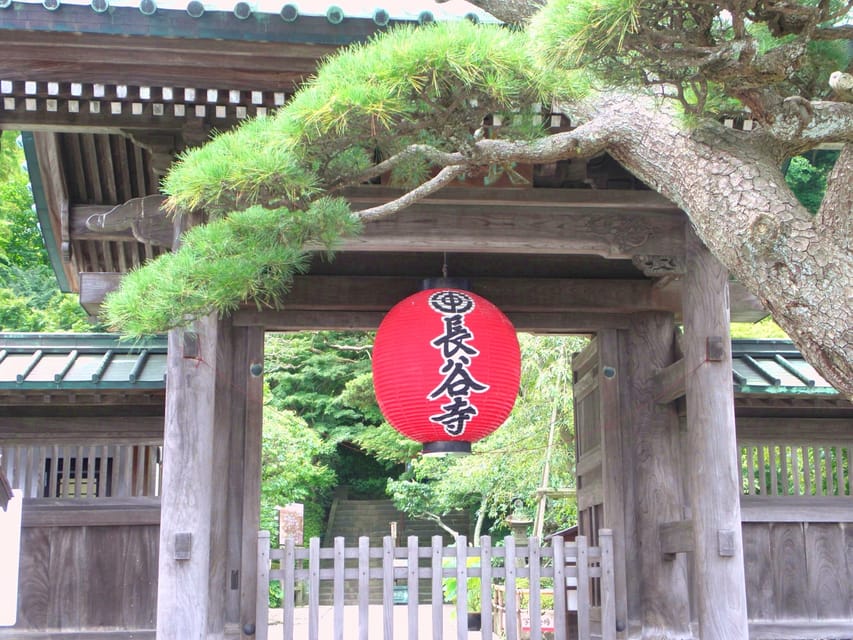
The first main stop is Hase Temple, also called Hase-dera or the Temple of Flowers. The planned guided visit lasts about 30 minutes, followed by time to look around the grounds.
The main religious focus is Hase Kannon, a Buddhist statue of Kannon, the Goddess of Mercy. The statue is described as eleven-faced, with the faces representing different stages in the search for enlightenment. That detail gives your guide something useful to explain: this is not simply a large statue in a pretty hall, but an image with a layered religious meaning.
Outside, the gardens provide a change of pace. You can also see Jizo-do Hall, known for its many small Jizo Bodhisattva figures. The little statues create a very different mood from the grand scale of the Great Buddha later in the morning.
The short scheduled visit means you should not expect an exhaustive look at every corner. Hase Temple can reward a slower pace, especially if you want time for gardens and photographs. If you are interested in Buddhist art, ask your guide to focus on the Kannon image and the role of Jizo. A good guide can turn the 30-minute stop into a useful introduction rather than a quick walk past the important objects.
Walking to Kotokuin and the Great Buddha
From Hase Temple, you walk about 10 minutes to Kotokuin Temple. This is a manageable connection, but it is one reason comfortable shoes are essential. The total walking distance for the day is listed as 3 to 4 kilometers, and the route includes station approaches, temple grounds, and central streets.
Kotokuin is home to Kamakura’s Great Buddha, a bronze statue about 13 meters high. It dates to 1292 and is the visual centerpiece of the tour. You get about 30 minutes for a guided visit and photographs.
The appeal here is scale. After the more detailed religious setting at Hase Temple, the Great Buddha gives you a single, unmistakable object to understand and remember. Your guide can explain its significance and history, which is especially useful if you want more than a photograph.
Admission to Kotokuin costs 300 yen per person and is not included. The tour description identifies this as the Great Buddha entrance fee, so keep small change or yen available. Thirty minutes is enough for the main visit, but it may feel brief if the grounds are crowded or you want to linger.
Crowds are worth taking seriously. One past booking described a very busy day, with the guide helping the group move through crowded areas and reach the key sights. That is a real advantage of a private guide in Kamakura, where the route can become slow around the most famous stops. It does not remove the crowds, but it can reduce confusion.
Other places of worship worth the walk in Tokyo:
- Tokyo: Nikko Toshogu Shrine and Kegon Waterfall Tour
★ 4.5 · 1,266 reviews - Tokyo Panoramic 1 Day: Meiji Shrine, Asakusa, Odaiba and SKYTREE®
★ 4.5 · 1,222 reviews - Tokyo: Zen Meditation at a Private Temple with a Monk
★ 5.0 · 510 reviews - Mt. Fuji Heritage Tour: Traditional Villages, Lakes & Shrine
★ 4.5 · 509 reviews
Tsurugaoka Hachimangu and Kamakura’s Shinto center
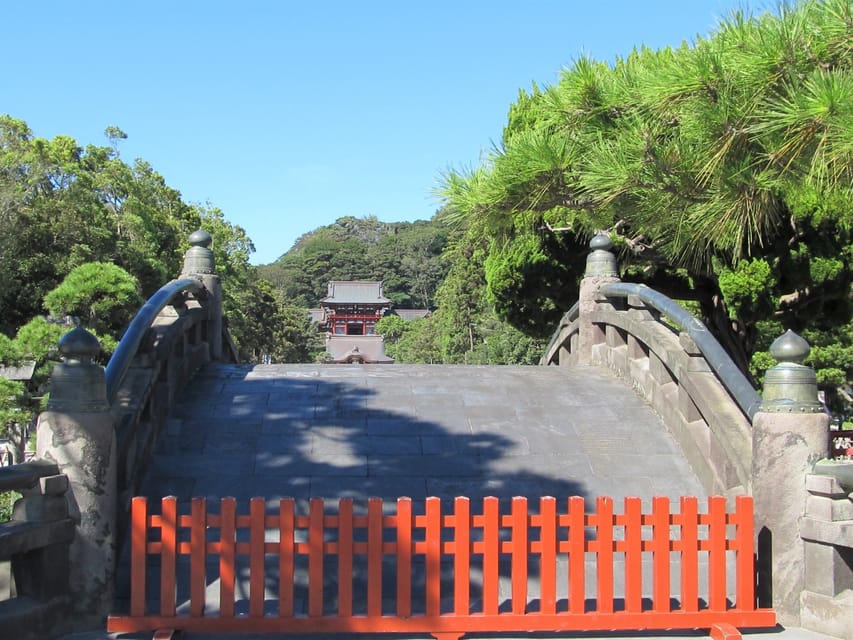
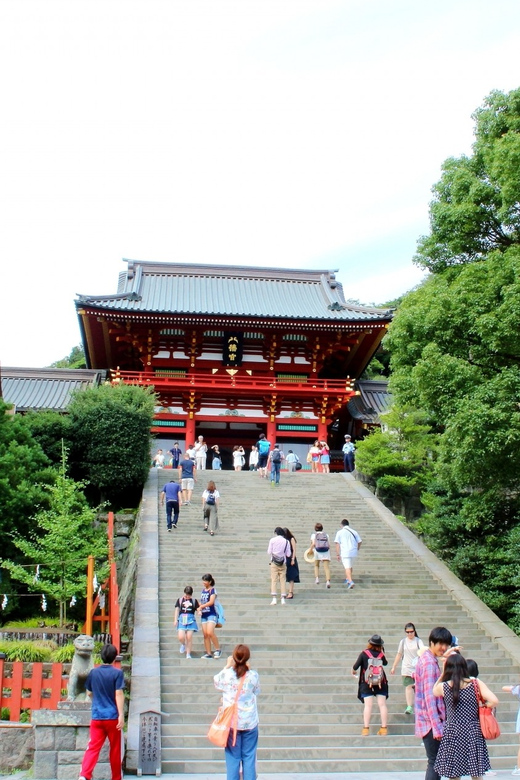
After Kotokuin, the tour continues by train for about 10 minutes to Tsurugaoka Hachimangu Shrine. The guided sightseeing time is listed as about 30 minutes.
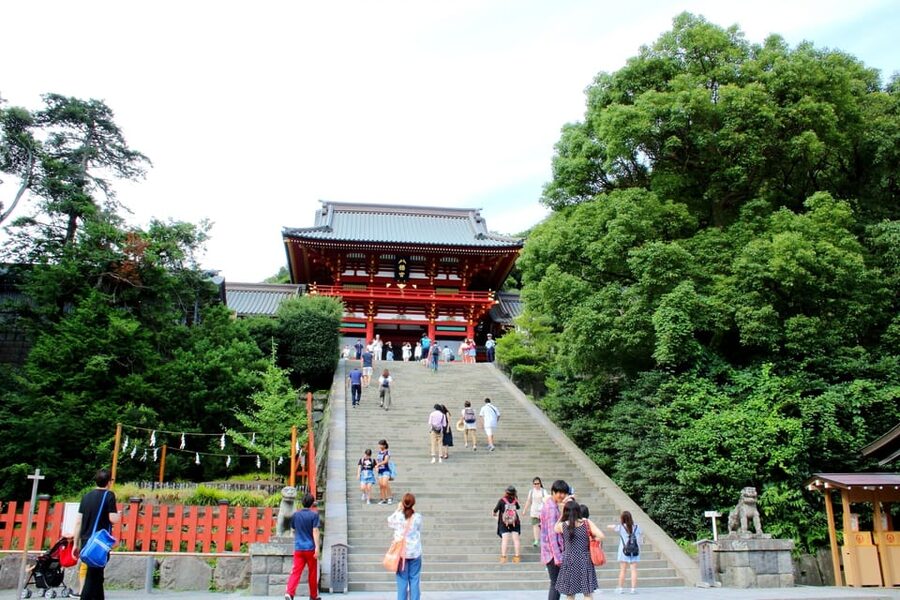
The shrine was founded in 1063 and is dedicated to Emperor Ojin, also known as the God of War. It sits at the geographical center of Kamakura and is described as the city’s most important Shinto shrine. That location helps explain why it belongs on a first visit: you are not seeing an isolated religious building, but a site closely tied to the city’s identity.
The contrast with the morning’s Buddhist locations is valuable. Hase Temple and Kotokuin introduce Buddhist worship and imagery. Tsurugaoka Hachimangu lets you see a major Shinto complex and hear how its role developed within Kamakura.
The planned visit is short, so listen closely when your guide sets the scene. You may find that the shrine’s scale and calm atmosphere are best appreciated without rushing from building to building. If you want more time for photos or quiet observation, ask your guide how much flexibility the schedule allows.
Lunch and Komachi Street
The tour allows about 1.5 hours at Komachi Street for lunch, guided time, free time, and shopping. This is one of the strongest parts of the schedule because it breaks up the sightseeing and gives you control over the middle of the day.
Lunch is not included. You also pay for your guide’s lunch and drinks, according to the tour details, so ask how the meal arrangement works before ordering. The experience promises a meal at one of Kamakura’s Japanese restaurants, but it does not name a specific restaurant or set a fixed menu.
That uncertainty can be a benefit if you want choice, but it also means the final cost varies. You may prefer a quick, modest meal, while another person in your group may want a longer restaurant stop. Komachi Street also gives you time to browse and shop instead of spending every minute in formal sightseeing mode.
A past booking specifically praised the lunch in town and a green tea experience. That detail suggests the break can include more than just eating, although green tea should not be treated as a guaranteed part of every departure. The guide can also help you make sense of the street and nearby sights, but the tour does not promise a particular food tasting.
What the private guide adds
This tour includes a National Government Licensed Guide Interpreter who speaks English. The most useful role is not simply pointing at the next building. It is explaining why Kannon has eleven faces, why the Great Buddha matters, and how Tsurugaoka Hachimangu fits into Kamakura.
The names appearing in past booking feedback include Mizuma-san, Steve, Take, and Richie. Take was described as using maps and pictures to explain Kamakura’s past, while Steve was linked with a well-organized day and a pleasant lunch stop. Mizuma-san was praised for explaining Japanese history and culture to a family.
That said, the guide experience can vary. One booking described Richie as kind and accommodating but felt the explanations at the sites were too limited for the price. This is the most important caution in the feedback: a private guide can be excellent value when the interpretation is strong, but less satisfying if the guide mainly leads you from place to place.
You can improve your odds by stating what you want when booking. Tell the operator if you care most about Buddhist art, Japanese religious practice, Kamakura history, photography, food, or a slower pace. A private tour works best when you use the guide for questions, not just directions.
The real cost of the day
The advertised price is $145 per person. That is a serious charge for a day that uses public trains, especially because several basic expenses remain separate.
At minimum, allow for:
- About 2,000 yen per person for public transportation, based on the stated estimate
- 400 yen for Hase Temple
- 300 yen for Kotokuin and the Great Buddha
- Lunch and drinks for you and the guide
- Any shopping or extra food at Komachi Street
The entry fees total 700 yen per person. The larger question is what you want the guide to provide. If you want cultural context, help with navigation, and the freedom to ask questions all day, the private format may justify the cost. If you mainly want transport and a few facts, you can visit these places independently for much less.
I would not book this tour for the price alone. I would book it for the convenience of a planned Kamakura day and the chance to have one person explain three different religious settings. The value improves for families, first-time visitors, and anyone who feels uneasy handling Japanese train routes and temple customs alone.
Who should book this Kamakura tour?
This outing suits you if you want a focused introduction to Kamakura and prefer a guide who can adjust explanations to your interests. Families may appreciate the private format, especially when the streets are crowded. The guide can also help keep the day moving between the station, temples, shrine, and lunch.
It is a good match for travelers who want a full day but do not want to plan every train, admission, and stop themselves. The route is clear, the major sights are well chosen, and you return to Tokyo the same afternoon.
Think twice if you are watching every yen, dislike walking, or want a long, quiet visit at each temple. The tour covers about 3 to 4 kilometers on foot, uses public transport, and gives the main sights roughly 30 minutes each. You may also prefer independent travel if you want to choose your own restaurants and spend more time at one site.
Cancellation is free up to 24 hours before the tour, and you can reserve now and pay later. Those terms help if your Tokyo plans are still shifting, but they do not change the extra costs on the day.
Should you book it?
Book this tour if you want Kamakura’s essential sights explained in one private day and you value help with trains, crowds, and cultural context. Hase Temple, the Great Buddha, Tsurugaoka Hachimangu, and Komachi Street make a balanced route.
Skip it if $145 feels high before adding transport, entrance fees, and lunch. Independent visitors can follow much of the same route. The private tour earns its price only when your guide provides the thoughtful explanations and flexible help that make the day easier and more meaningful.
FAQ
How long does the Kamakura tour last?
The tour lasts 8 hours. You normally return to Tokyo around 4 or 5 pm.
How do I travel from Tokyo to Kamakura?
You travel by train. The outbound journey takes about 70 minutes, and the return journey takes about 1 hour.
Where can pickup take place?
The listed pickup options are Tokyo Station, Tokyo, Shinjuku City, and Shinjuku Station. Hotel pickup can also be arranged on foot, and you should provide your hotel details when booking.
Is the tour private?
Yes. The activity is offered as a private group tour.
Is the guide English-speaking?
Yes. The tour includes a live English-speaking guide who is described as a National Government Licensed Guide Interpreter.
Which Kamakura sights are included?
The route includes Hase Temple, Kotokuin Temple and the Great Buddha, Tsurugaoka Hachimangu Shrine, and Komachi Street.
How much walking is involved?
The tour includes about 3 to 4 kilometers of walking. Comfortable shoes are recommended.
Are train fares included?
No. Public transportation for you and the guide is not included. The stated estimate is around 2,000 yen per person, and one-way train tickets are listed at about 1,200 yen.
Are temple entrance fees included?
No. Hase Temple costs 400 yen per person, and Kotokuin Temple costs 300 yen per person.
Is lunch included?
No. Lunch and drinks are not included. You have about 1.5 hours at Komachi Street for lunch, free time, and shopping.
Can I cancel the tour for a full refund?
You can cancel up to 24 hours in advance for a full refund.
Can I reserve now and pay later?
Yes. The tour allows you to reserve your place and pay later.
Just added in Tokyo
- The 10 Tastings of Tokyo With Locals: Private Street Food Tour★ 5.0 · 48 reviews
- Small Town in the Big City: Tasting Tokyo’s Kichijoji★ 5.0 · 195 reviews
- Small Town in the Big City: Tasting Tokyo’s Kichijoji★ 5.0 · 16 reviews
- EXCLUSIVE Tokyo Secret: Kichijoji Small-Group Food & Bar Hopping★ 5.0 · 29 reviews
- Explore Kichijoji: Walk Through One of Tokyo’s Beloved Districts★ 5.0 · 21 reviews
- :Tokyo,Shibuya/ Pro Photography in Kimono / English-Friendly★ 5.0 · 26 reviews
- 【R34】Tokyo:Private Daikoku tour in Modified R34★ 4.9 · 92 reviews
- Tokyo:Calligraphy &Make your original folding fan in Asakusa★ 5.0 · 62 reviews
Temple & Shrine Tours, compared.

Meiji Shrine, Asakusa, Skytree Bus Tour and Cruise
Read our review →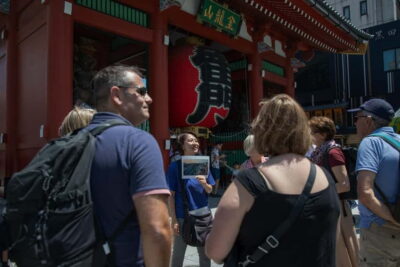
Asakusa Walking Tour with Sensoji Temple Visit
Read our review →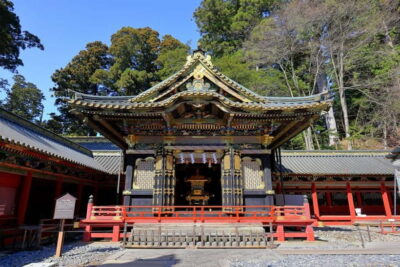
Kamakura & Enoshima Day Trip including Temple Tickets
Read our review →
Nikko Toshogu Shrine and Kegon Waterfall Tour
Read our review →
Tokyo Panoramic 1 Day: Meiji Shrine, Asakusa, Odaiba and SKYTREE®
Read our review →
1-Day Snow Monkeys, Zenko-ji Temple & Sake in Nagano
Read our review →Browse the lists this tour appears in