
Reviewed · GEISHA & GION DISTRICT TOURS
Kyoto: 2-Hour Maiko Makeover and Photo Studio Shoot
Kyoto’s maiko makeover is part costume fitting, part beauty lesson, and part studio portrait session. You choose from authentic maiko kimono, receive the distinctive white makeup and red eye accents, then pose in a professional indoor studio. The transformation is the main event, not just the final photograph.
I like the careful makeup details, including the unpainted two-stripe area at the back of the neck, and I like that former maiko work with the staff as instructors. I also appreciate the air-conditioned studio, especially in Kyoto’s heat and humidity. The main drawback is that the experience is strictly indoor, so it gives you polished portraits rather than photographs walking through Gion.
Key points to know before booking
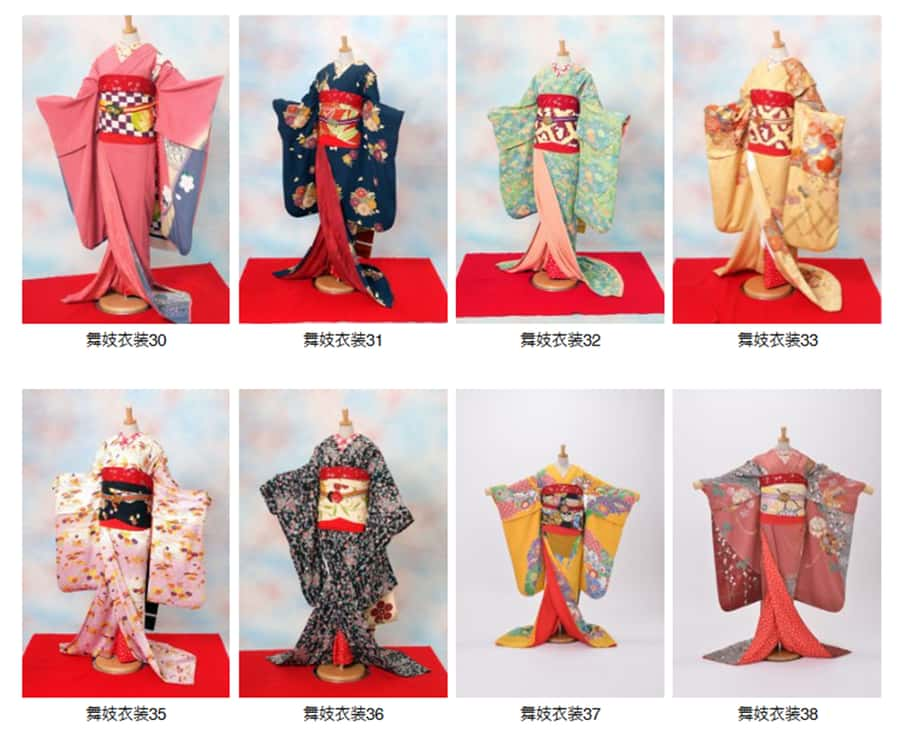
- Authentic costume choices: Select from seasonal patterns and kimono that were used by real maiko.
- Traditional makeup: White face makeup, pink shading, red eye corners, red brows, and a wig create the classic look.
- Former maiko instruction: Staff help with makeup, dressing, posing, and the details of traditional presentation.
- Five digital photos included: You receive digital images, but printed photographs cost extra and are not included.
- Two-hour indoor schedule: The studio setting keeps the heavy makeup and kimono comfortable in hot or humid weather.
- Adult-only restrictions: The published conditions exclude children under 18, pregnant women, wheelchair users, and people over 100 kilograms.
The transformation begins at Yumeyakata Gojo Shop
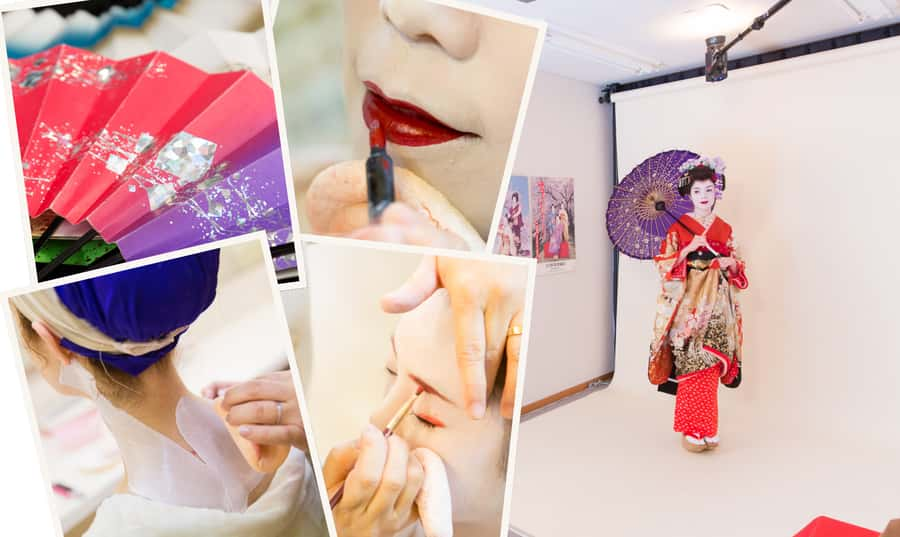
You meet at Kyoto Kimono Rental Yumeyakata Gojo Shop at your scheduled start time. The makeup artist then leads you to the studio, only about a one-minute walk away. That short transfer matters because you do not need to navigate Kyoto streets in full makeup and costume.
The first practical step is removing your own makeup. Arrive with a clean face if you can. It saves time and avoids carrying extra cosmetics into the makeover process.
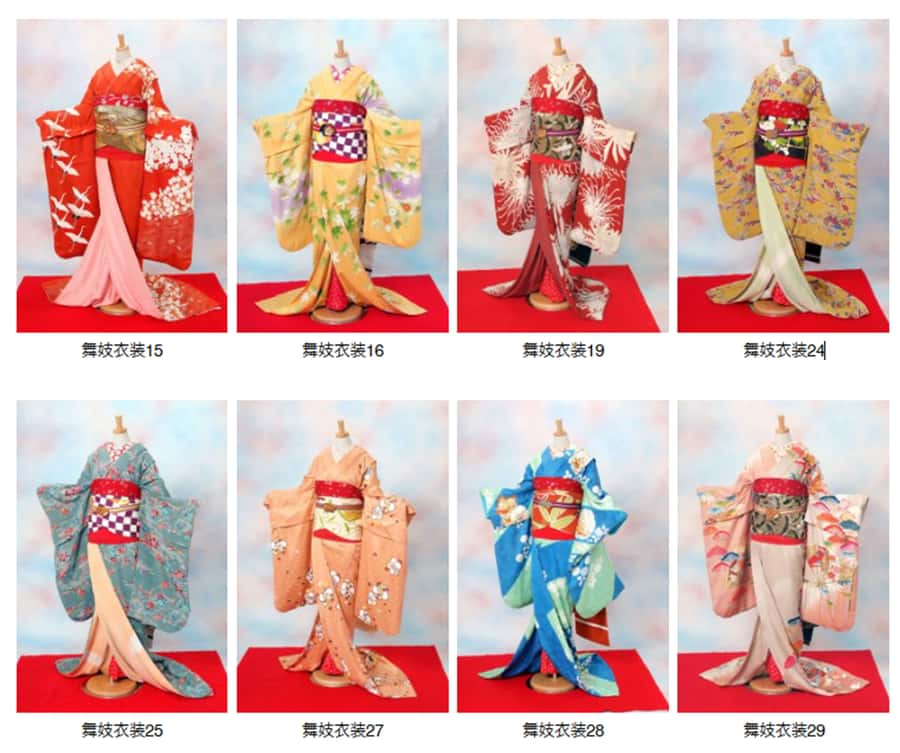
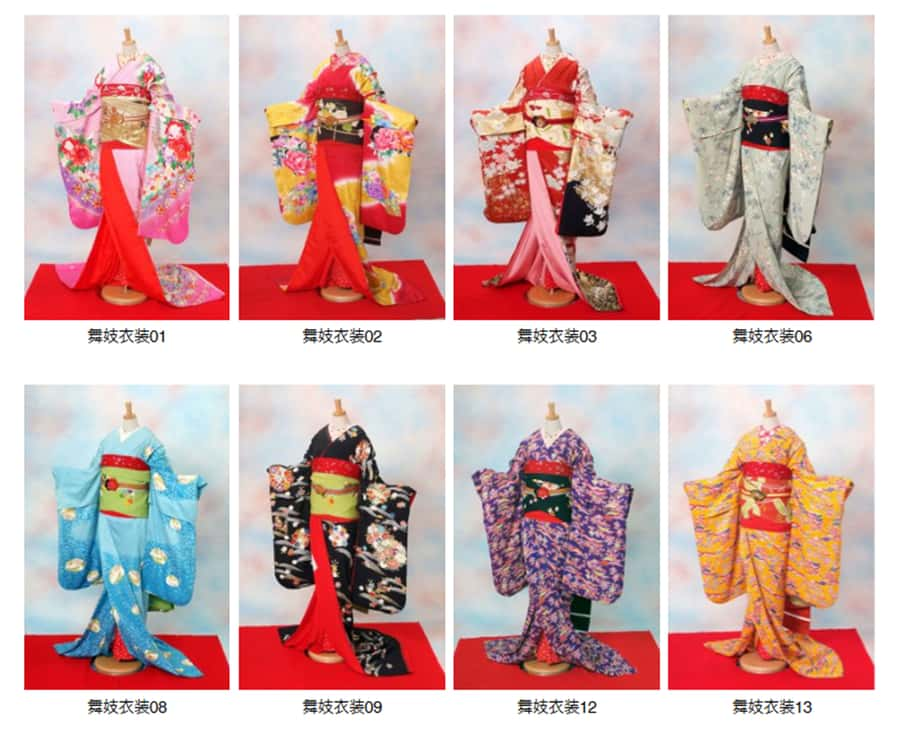
You then choose your maiko kimono. The selection includes different colors and designs, with patterns linked to the seasons. Floral motifs are common, and the exact feel of your portrait depends greatly on this choice. A soft spring pattern, a bright summer design, or a more subdued autumn style can change the entire mood of the final image.
The costumes are not simply generic robes chosen to look Japanese. Yumeyakata says it owns costumes that were actually used by maiko. That gives the dressing stage more meaning, although you should still think of the activity as a carefully prepared portrait experience rather than a working maiko apprenticeship.
Other evenings in the old entertainment quarters of Kyoto:
- Kyoto Geisha Walking Tour: Gion District & Hidden Gems
★ 4.7 · 3,273 reviews - Kyoto: Gion Magical Night Walking Tour with Geisha Trivia
★ 4.9 · 2,393 reviews - Kyoto: Gion Geisha District Walking Tour – Stories of Geisha
★ 4.7 · 2,187 reviews
Why maiko makeup takes more care than ordinary stage makeup
The white face is the image most people associate with geisha and maiko, but the makeup has several precise parts. A professional artist applies the cosmetics used for maiko and geiko, then adds color and line work to shape the face.
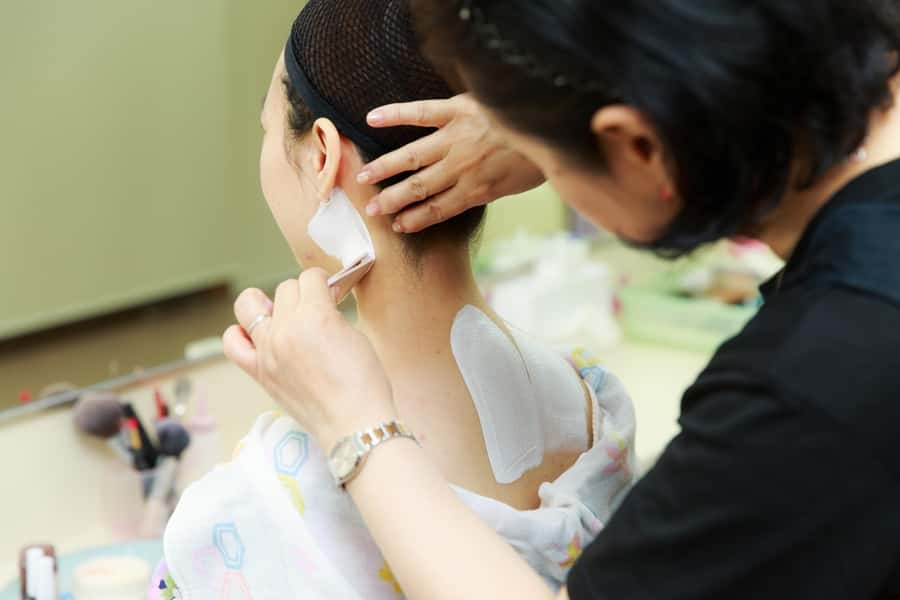
The back of your neck is left partly unpainted in the traditional two-stripe style. This is not a random gap. It is an old beauty detail meant to draw attention to the neck and create a graceful line beneath the wig and collar.
Pink is placed around the eyes and along the sides of the nose. This softens the strong white base and gives the face a younger, gentler appearance. Red at the outside corners of the eyes is linked with protection from evil, while a touch of red on the eyebrows adds another traditional accent.
The artist finishes with eyeliner to make the eyes more vivid. The result is intentionally different from ordinary beauty makeup. Maiko are associated with a youthful, cute appearance, while geiko makeup is generally clearer and more sharply defined.
Lip color has its own tradition. A new maiko may wear red only on the lower lip for a period after debut, though the timing varies by lodging house and geisha district. The activity recreates the visual style of a maiko, but it does not place you into the exact professional rules that govern a working performer.
Choosing a kimono, wig, and accessories
Once your face is ready, the dressing begins. Putting on a kimono properly involves more steps than most people expect. Several layers and adjustments help create the straight, formal silhouette seen in maiko clothing.
The staff handle the dressing so the finished look is attractive and secure. This is one of the more valuable parts of the session. A kimono can look simple when displayed on a rack, but the correct folds, collar position, belt placement, and length require skill.
The wig and hair accessories complete the change. You do not need to grow your hair or arrange an elaborate traditional hairstyle. A maiko wig gives you the recognizable outline quickly, while the ornaments add color and visual detail around the face.
Expect the finished clothing to feel substantial. The heavy kimono, layered styling, and makeup are part of the appeal, but they also explain why the indoor studio is useful. One person described the air conditioning as a major benefit during a warm and humid April visit. You may still feel warm under the costume, but you are not trying to manage it outdoors.
Learning to pose like a traditional maiko
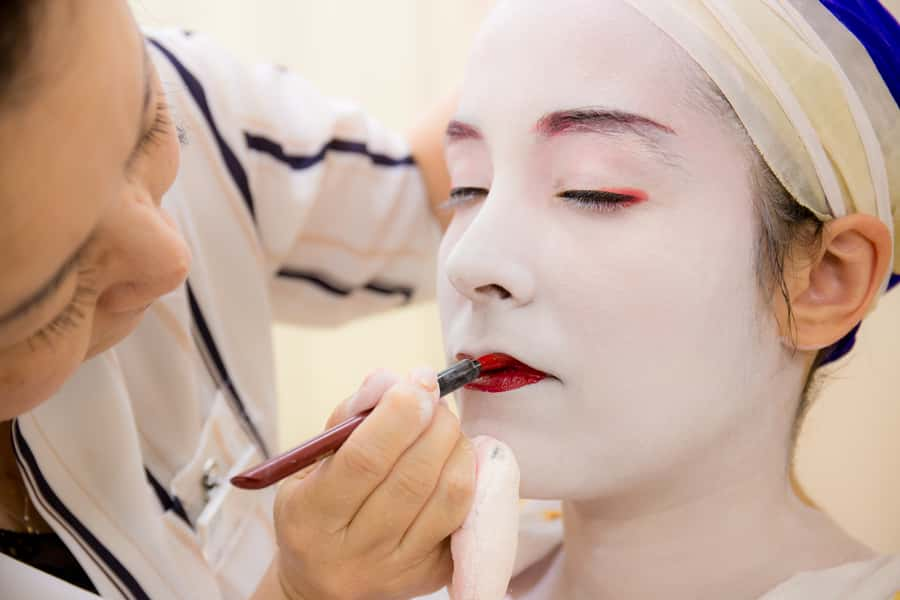
The staff do more than dress you and point a camera. They explain how to pose and walk like a maiko, with guidance on posture and presentation. Former maiko serve as instructors, which gives this stage a stronger connection to the real profession.
You should not expect a long lecture on Kyoto’s entertainment districts. The focus is practical: how to hold yourself, where to place your hands, and how to create the elegant shape needed for a portrait.
That instruction also helps if you are not used to being photographed. The makeup and costume can look striking, but an awkward stance can spoil the effect. Guidance from the staff makes it easier to settle into the role instead of guessing what to do in front of the camera.
The activity also gives you a glimpse of what maiko do professionally. Maiko are apprentice geiko, traditionally young women between 15 and 20, who train in dance, music, games, and other Japanese arts. When they become geiko, their training expands to include skills such as shamisen, singing, and additional performances.
You are not required to be within that age range. The published conditions do, however, state that the activity is not suitable for people under 18. That rule should guide your booking, even though one account described a nearly 10-year-old child enjoying the process. The formal restriction is the safer standard to follow.
Same base, a different sort of day:
- PERFECT KYOTO 1-Day Bus Tour
★ 5.0 · 13,518 reviews - Kyoto: Fushimi Inari, Kinkakuji, Bamboo Grove 1 Day Bus Tour
★ 4.8 · 4,316 reviews - Kyoto: Tea Ceremony in a Traditional Tea House in Kiyomizu
★ 4.9 · 3,519 reviews - Kyoto: Tea Ceremony Ju-An at Jotokuji Temple
★ 4.9 · 3,207 reviews
The studio shoot and the five digital photographs
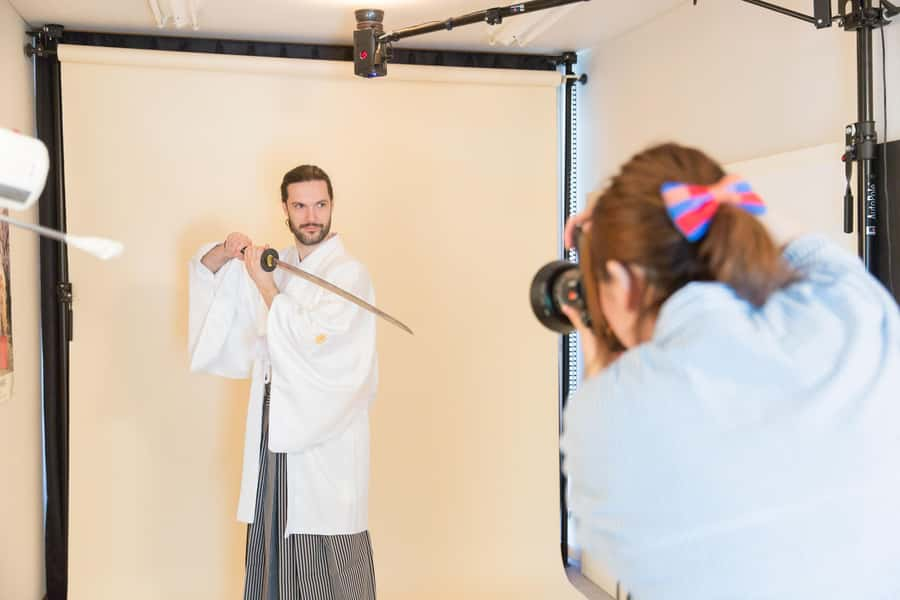
After the makeover, you move into the indoor photo studio. The photography is handled by a professional photographer, and five digital images are included in the price.
The studio setting gives you controlled conditions. You are not dealing with rain, heat, humidity, curious pedestrians, or the challenge of keeping a full face of white makeup neat on a Kyoto street. For many people, that is a real advantage.
The trade-off is atmosphere. A studio portrait cannot reproduce the feeling of walking through Gion or seeing a maiko on her way to an appointment. You receive a clean, polished souvenir rather than a candid street photograph. If your main goal is a strong portrait of the finished transformation, the studio is the better setting. If you want a day of outdoor sightseeing in costume, this is not that activity.
The photographs are delivered as digital files. Printed photos are not included, so plan to print them later if you want an album or framed image. Several people received their images earlier than expected, but delivery timing should not be treated as a guaranteed part of the schedule.
Professional cameras and video recording are not allowed. You also cannot use your own costume, record audio, wear shoes indoors, or bring strong fragrances into the activity. These rules protect the studio, costumes, makeup process, and other people using the space.
What the $152 price means in practical terms
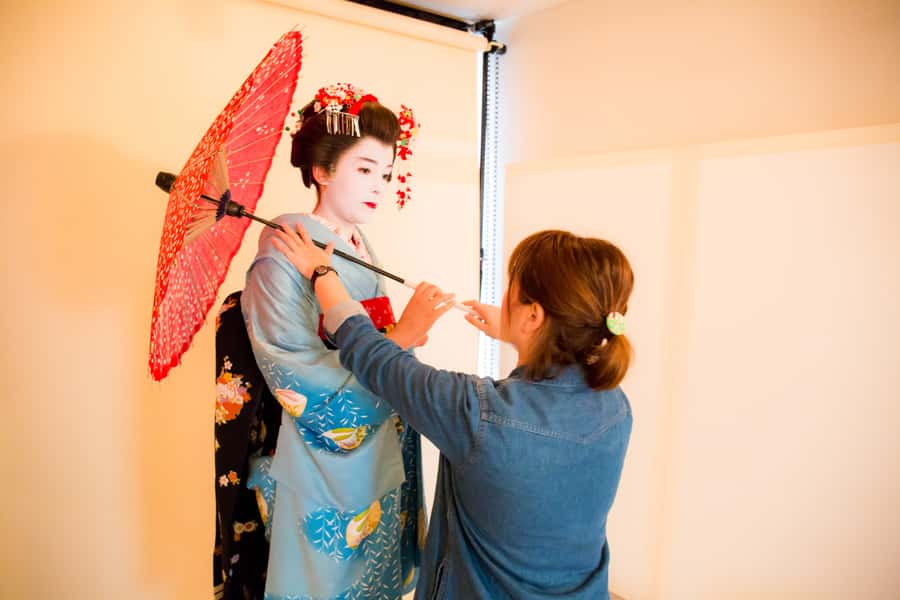
At $152 per person, this is not a cheap costume rental. You are paying for a two-hour process that includes the kimono, maiko makeup, wig, hair accessories, dressing, indoor studio time, photographer, and five digital images.
The strongest value comes from the number of separate services packed into the session. You are not simply borrowing a kimono for a quick self-guided photograph. A trained staff member applies the makeup, another part of the team handles the dressing, and the photography is directed rather than left to you.
The price makes more sense if you want a finished souvenir and enjoy the preparation as much as the final result. The makeover itself is a large part of the activity. You watch the face, clothing, and posture change step by step.
It is less compelling if you only want to wear a kimono for a walk around Kyoto. In that case, a standard kimono rental may give you more time outdoors for less money. This booking is aimed at a full transformation and professional portrait, not a flexible sightseeing outfit.
Men can add a kimono rental, samurai hakama, or montsuki hakama, depending on the option selected. Those add-ons make the activity possible for couples or family groups who want coordinated traditional clothing, but the maiko makeover itself is the central offering.
Comfort, access, and who should skip it
The activity is not suitable for pregnant women, people with mobility impairments, wheelchair users, visually impaired people, or anyone over 220 pounds, or 100 kilograms. These are important restrictions, not minor footnotes, because the makeover involves dressing, a heavy traditional costume, indoor movement, and professional photography.
The activity also excludes pets, smoking, and strong fragrances. Shoes are not worn indoors, and video or audio recording is prohibited. Bring as little extra equipment as possible, especially since professional cameras are not allowed.
Language support is available in English, Japanese, Chinese, Traditional Chinese, and Korean. That is useful during makeup and dressing, where small instructions about posture, eye direction, or clothing adjustments can affect the result.
I would recommend comfortable planning around the appointment. You need to arrive at the Gojo shop at the stated time, and the full activity ends back at the meeting point. Do not schedule something that requires you to rush away immediately after the session, particularly if you want to check the finished images or change out of the costume without pressure.
You can cancel up to 24 hours ahead for a full refund, and the booking option allows you to reserve now and pay later. Those terms help if your Kyoto schedule is still moving around.
The best reasons to choose this over a street kimono rental
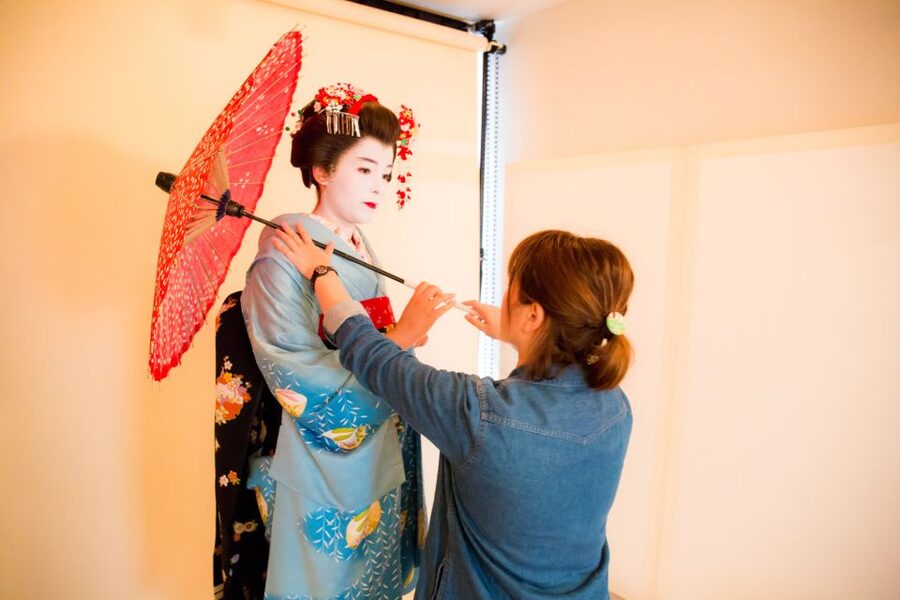
This experience suits you if you want a dramatic visual change. The white makeup, wig, seasonal kimono, and red accents produce a result far removed from an ordinary portrait in Japanese clothing.
It also suits anyone curious about the work behind the image. The dressing takes patience, the makeup has specific rules, and the posing requires instruction. You get a short look at the discipline behind maiko presentation rather than only a costume with a camera pointed at you.
The indoor studio is another strong reason to choose it. Kyoto can be hot, humid, rainy, or crowded. A controlled studio lets you keep the makeup and clothing presentable, and it gives the photographer consistent conditions.
Couples and small groups may also like the option of adding men’s traditional clothing. Friends or relatives can take part in the same general setting, though the available men’s garments are add-ons rather than part of the basic $152 package.
The main reason not to book is simple: you want outdoor photographs. You will not get a walking tour in maiko dress, a visit to Gion as a performer, or a chance to record your own video. You will also need to accept the rules around age, weight, mobility, and equipment.
Should you book the Kyoto maiko makeover?
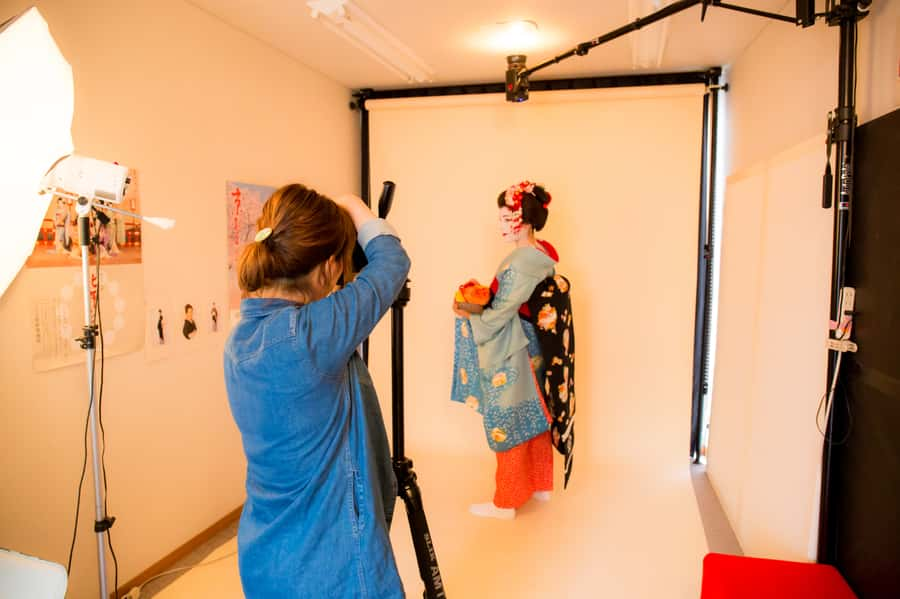
Book it if you want the transformation as much as the photograph. The most satisfying part is the chain of small changes: selecting a seasonal kimono, removing your own makeup, receiving the white base and red details, being dressed layer by layer, and learning how to hold yourself in front of the camera.
The five digital photos give you a lasting souvenir, while the air-conditioned studio keeps the session more manageable than an outdoor shoot. Former maiko instructors and multilingual staff add useful guidance, particularly if you have never worn a kimono or posed in formal Japanese clothing.
Skip it if you prefer spontaneous street scenes, dislike makeup, need wheelchair access, or want to bring your own camera or video equipment. For everyone else who meets the restrictions and sees value in a carefully staged portrait, the $152 fee is reasonable for a two-hour, all-in-one makeover and studio session.
FAQ
Where does the maiko makeover begin?
You meet at the Yumeyakata Gojo Shop in Kyoto at your scheduled start time.
How far is the studio from the meeting point?
The makeup artist guides you to the studio, which is about a one-minute walk from the shop.
How long does the activity take?
The full makeover and photo session take about two hours.
What is included in the price?
The package includes a maiko kimono rental, maiko makeup, a maiko wig and hair accessories, indoor studio photography, and five digital images.
Are printed photos included?
No. Printed photographs are not included.
Can men take part?
Men can select an add-on for a kimono rental, samurai hakama, or montsuki hakama.
Can I bring a professional camera or record video?
No. Professional cameras, video recording, and audio recording are not allowed.
Is the activity suitable for children?
The stated conditions say the activity is not suitable for people under 18. Follow that restriction when deciding who should book.
Just added in Kyoto
- Private Cooking Class Udon in Kyoto Japan★ 5.0 · 23 reviews
- Your Private Vacation Photography Session In Kyoto★ 5.0 · 110 reviews
- Kyoto: Zen Meditation at a Private Temple with a Monk★ 5.0 · 25 reviews
- Kyoto Wagashi(Japanese sweets) Cooking Class near Fushimiinari★ 5.0 · 60 reviews
- Private Pewter Sake Cup Experience with a Kyoto Artisan★ 5.0 · 31 reviews
- Kyoto:Family-Friendly Kimono & Yukata Experience at WARGO★ 5.0 · 147 reviews
- Private Guided Traditional Buddhist Cooking in Japan★ 5.0 · 16 reviews
- Kyoto: Gion Geisha District & Sake-in-Hand Walking Tour★ 5.0 · 37 reviews
Geisha & Gion District Tours, compared.

Kyoto Geisha Walking Tour: Gion District & Hidden Gems
Read our review →
Gion Geisha District Walking Tour – Stories of Geisha
Read our review →
Best of Kyoto: Gion, Geisha, Pagodas & Cobblestones
Read our review →
Kyoto Night Foodie Tour in Gion (9+ dishes + 6 Sake tastings)
Read our review →
Kyoto Gion: 2-Hour Geisha Culture & History Walking Tour
Read our review →
Chopsticks Making Workshop in Gion with Engraving Option
Read our review →
Browse the lists this tour appears in