
Reviewed · GEISHA & GION DISTRICT TOURS
Kyoto: Kimono Rental Traditional Experience at Wargo in Gion
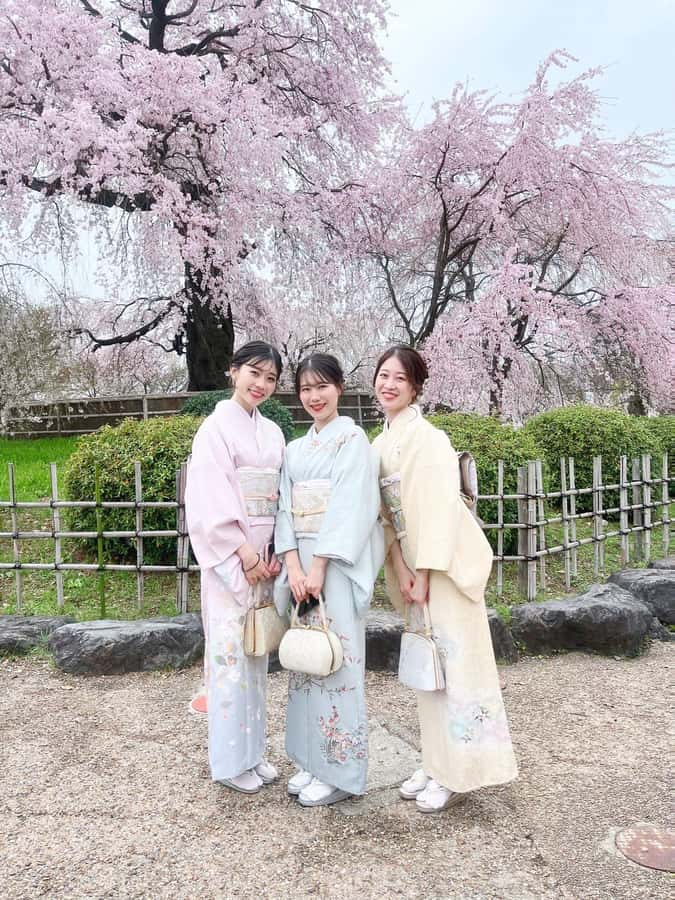
Kyoto feels different when you walk its old streets dressed in a kimono. At WARGO, you choose your pattern, then the staff wrap you into the outfit with an obi, sandals, socks, and a Japanese satchel. I like the wide choice of styles and the chance to turn an ordinary sightseeing walk into a day of photos and people-watching.
I also like the helpful, patient staff and the availability of plus-size kimonos. The main catch is time: fitting can take less than an hour when the shop is calm, but seasonal waits of 30 to 90 minutes are possible. You need to plan around that, and the kimono must normally be back by 5:30 PM.
Key points to know before you book
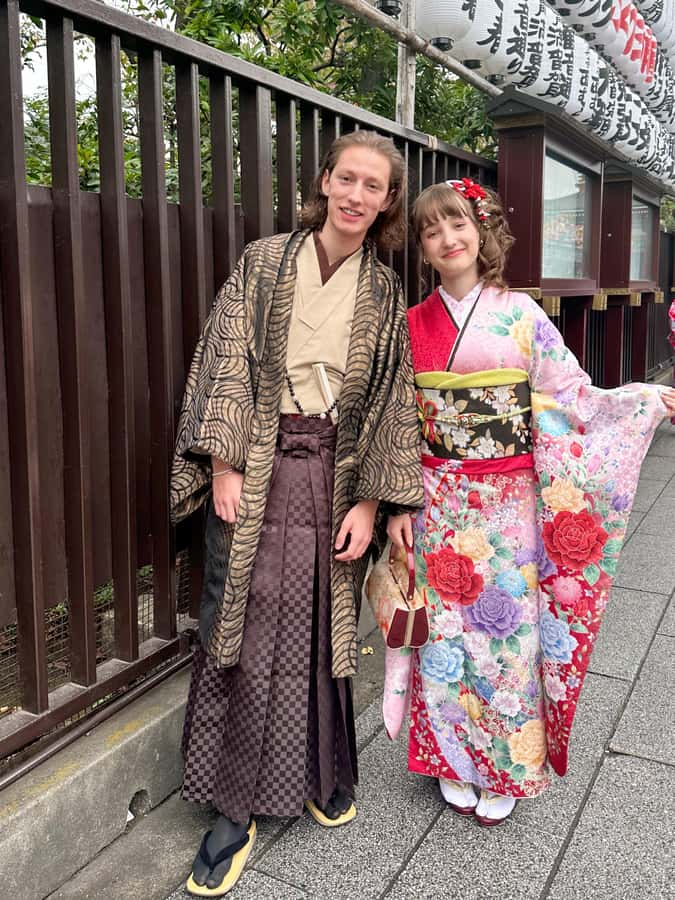
- The dressing is part of the experience: Staff handle the layers, obi, footwear, and finishing touches for you.
- The Deluxe Plan adds polish: Women receive a simple hairstyle with a kanzashi hairpin, plus access to more kimono and obi choices.
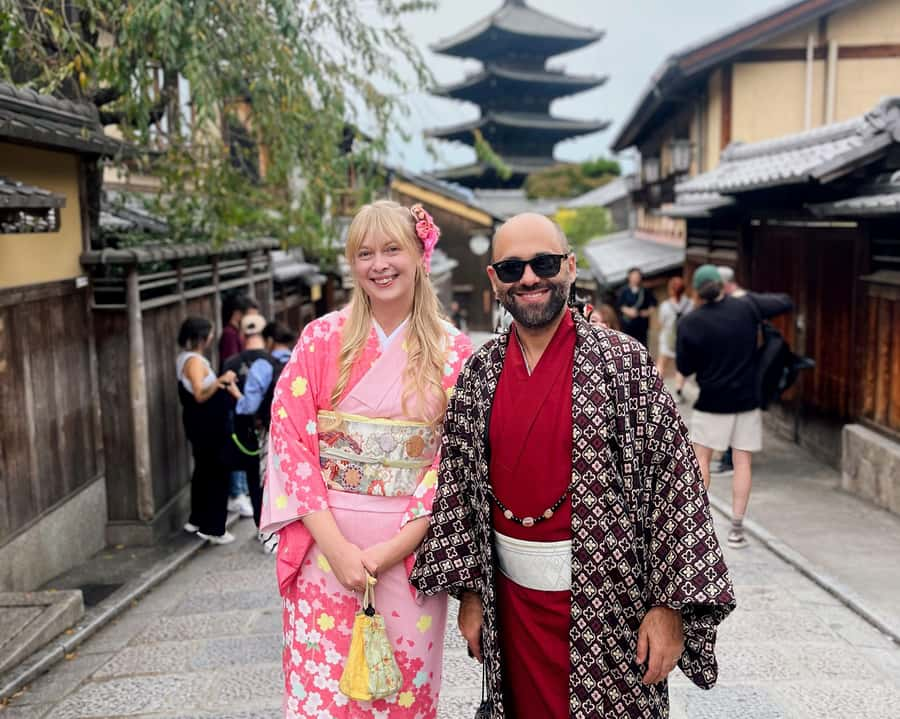
- You get a full outfit: The rental includes the kimono, obi, Japanese satchel, sandals, and socks.
- Allow extra time at the shop: Fitting may be quick, but waits of 30 to 90 minutes can occur.
- Kyoto becomes your photo setting: Gion and other historic streets provide an atmospheric backdrop for your own walk.
- Return timing matters: The regular return deadline is 5:30 PM, with next-day return available for an extra fee paid locally.
Choosing a kimono at WARGO
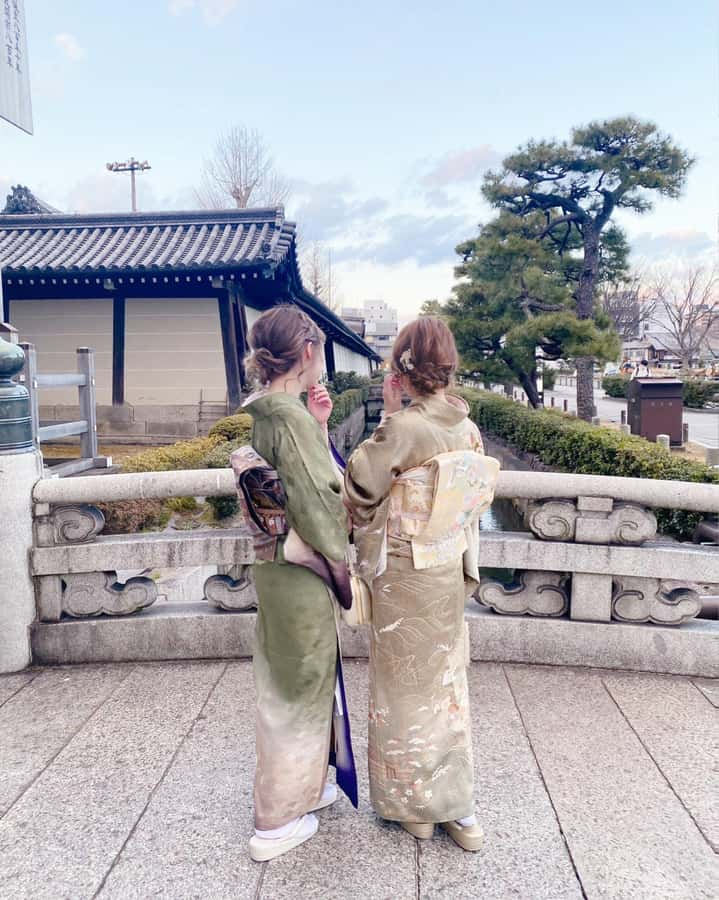
The first practical decision is the plan you want. The standard option gives you access to the regular kimono selection and the basic items needed for the day. The Deluxe Plan gives you more choice in kimono and obi grades, along with a simple women’s hairstyle.
I would choose the standard plan if your main goal is to stroll through Gion, take photos, and enjoy the novelty of traditional dress without spending more than necessary. At $33 per person, the basic package is a reasonable way to add a special Kyoto activity to a sightseeing day.
The Deluxe Plan makes more sense if appearance matters to you, especially for a couple, family, or group planning lots of pictures. The hairstyle includes a kanzashi, a traditional ornamental hairpin, which gives the outfit a more finished look. The exact kimono grades differ by shop, so do not assume every WARGO location offers the same upgrade choices.
You are not limited to one fixed pattern. The selection includes traditional designs as well as more modern styles. That range is useful because a kimono can feel formal, playful, understated, or highly decorative depending on the fabric and colors you choose.
Staff help you select and put on the outfit. You do not need to know how to tie an obi or arrange the layers yourself. The dressing process is a real part of the activity, and it gives you a closer look at how much work goes into wearing a kimono properly.
Other kimono experiences in Kyoto people book:
- Kimono Tea Ceremony at Kyoto Maikoya, NISHIKI
★ 5.0 · 911 reviews - Kyoto: Kimono Rental with Hairstyling and Accessories
★ 4.8 · 653 reviews - Kyoto: Kimono Tea Ceremony at Orizuruya Gion
★ 4.9 · 618 reviews
What happens during the fitting
Your meeting point depends on the option you book, so check the exact shop details before setting out. Once you arrive, you select your kimono and accessories, then staff begin the dressing process.
The outfit supplied with both packages includes:
- Kimono
- Obi sash belt
- Japanese satchel or clutch
- Traditional sandal-like footwear
- Socks
The staff take care of the technical work. That matters because a kimono is not simply a robe you put on and tie at the waist. Several layers and a firm obi create the proper shape, and the fit needs to be secure enough for walking.
The shop team is described as friendly, careful, and efficient. English ability may be limited, but the process is visual and hands-on, so simple instructions are generally easy to follow. I would still arrive ready to be patient and flexible. One particularly useful detail is that some appointments allow the return time to account for dressing, giving you more than a strict three-hour window in practice. Confirm this at the shop rather than counting on it.
If the shop is quiet, dressing can take under an hour. In high season or at a busy time slot, you may wait 30 to 90 minutes before or during the fitting. That is the chief drawback of this activity. A booking at a popular time can eat into your sightseeing schedule, so do not place a tea ceremony, meal, or timed attraction immediately afterward.
Reservations made after 3 PM on the day before may also involve a little waiting at the shop. That is not a reason to avoid a last-minute booking, but it is a reason to keep your schedule loose.
Taking your kimono into Gion
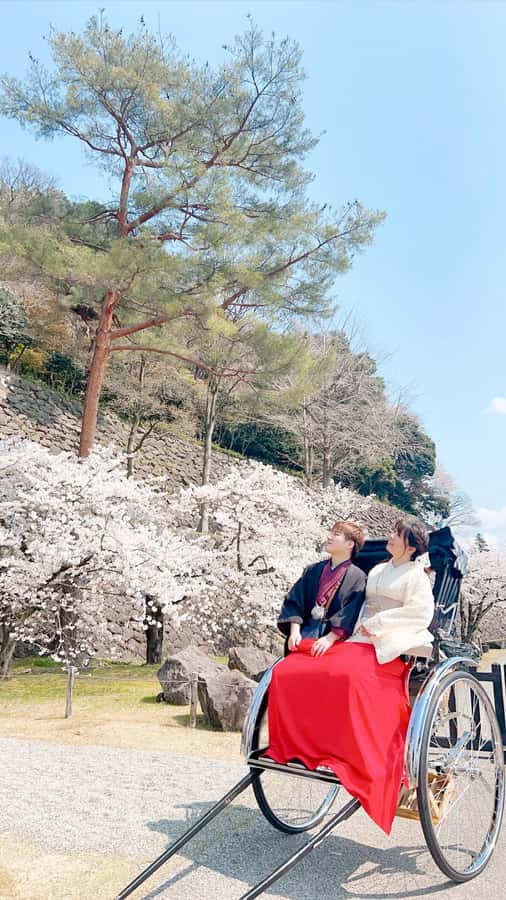
Once dressed, you are free to walk through Kyoto and use the city as your setting. The activity does not provide a guided walking tour or a fixed route, so you decide where to go and how long to stop for photographs.
Gion is a natural choice. Its traditional streets, wooden buildings, lanes, and quiet corners give the clothing a fitting setting. You can take formal portraits, casual snapshots, or simply enjoy the odd pleasure of seeing Kyoto from inside a traditional outfit.
The experience works best when you resist the urge to rush from one sight to the next. Kimono footwear is sandal-like, and the clothing is more restrictive than everyday clothes. A slow walk is more comfortable and also gives you time to notice the small details of Kyoto’s older streets.
You might pair the rental with a nearby sightseeing stop before or after the walk. One useful local tip from the experience is that a shop location near a train station can make it easy to continue elsewhere, and Kyoto Tower may be close to some locations. However, WARGO meeting points vary by booking, so check your specific address before planning that connection.
The lack of a guide is both good and bad. You have freedom to choose your route, stop for food, and take pictures at your own speed. On the other hand, nobody is leading you to particular photo spots or explaining the streets. If you want historical commentary, you will need a separate guide or walking tour.
Photos, comfort, and the practical side of dressing up
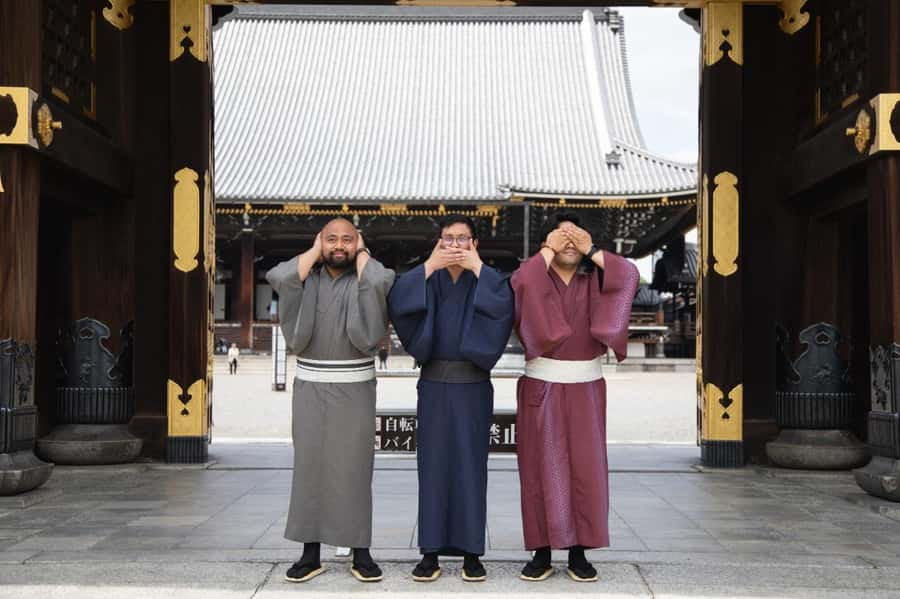
The main appeal is visual. A kimono changes the way you look in photographs, and the outfit gives even a familiar street a different mood. The staff’s attention to the final appearance is one of the strongest parts of the service. They arrange the garments carefully, and the hairstyle option adds another layer for women who want a more complete traditional look.
Comfort depends on your expectations. You can walk and sightsee, but this is not the outfit I would choose for a long-distance day of hills and rapid train connections. The clothing is structured, the sandals are not ordinary walking shoes, and the obi holds the waist firmly.
The activity is not suitable for pregnant women, people with mobility impairments, or wheelchair users. Plus-size kimonos are available, which makes the experience more welcoming for different body types, but you should still select the booking with your needs in mind.
The staff receive especially strong praise for patience and personal care. That matters when you are unfamiliar with the clothing. The dressing process can feel exposed or awkward at first, but attentive staff make it easier. Their work also helps you avoid a loose obi, misplaced layers, or a costume-like appearance.
Other evenings in the old entertainment quarters of Kyoto:
- Kyoto Geisha Walking Tour: Gion District & Hidden Gems
★ 4.7 · 3,273 reviews - Kyoto: Gion Magical Night Walking Tour with Geisha Trivia
★ 4.9 · 2,393 reviews - Kyoto: Gion Geisha District Walking Tour – Stories of Geisha
★ 4.7 · 2,187 reviews - Best of Kyoto: Gion, Geisha, Pagodas & Cobblestones
★ 4.9 · 2,058 reviews
Is $33 a fair price?
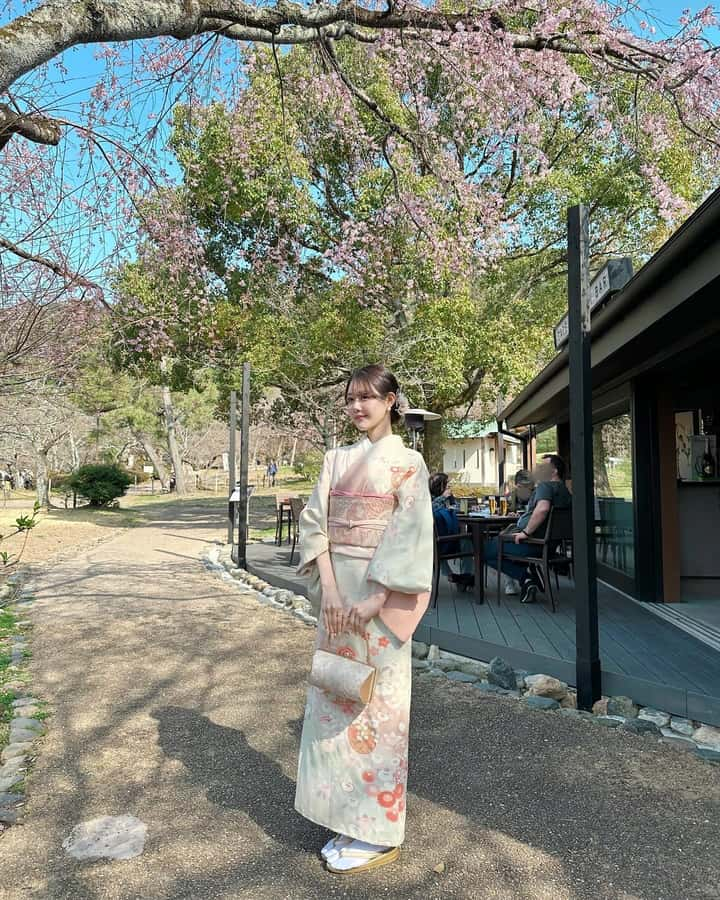
At $33 per person, the standard rental is good value if you want a memorable activity rather than another admission ticket. You receive the complete clothing set, dressing assistance, and several hours to use the outfit around Kyoto.
The price becomes even more attractive for someone who plans to take many photos. A standard sightseeing walk costs nothing, but it will not give you the same visual change or the same sense of occasion. The rental turns a free afternoon into a planned cultural activity without requiring a full-day commitment.
The Deluxe Plan costs more, though the exact upgrade price is not provided here. Its value depends on how much you care about hairstyle and selection. If you are already paying for professional photos, visiting a shrine for portraits, or marking a special occasion, the extra options may be worthwhile. If you simply want to try a kimono and walk around Gion, the standard package should do the job.
Keep in mind that an extension into the evening is not automatically included. The normal operating hours are 10 AM to 5:30 PM, and the outfit should be returned by 5:30 PM. Next-day return is possible for an additional charge paid at the shop. That option may be useful if you want sunset or evening photographs, but ask about the cost and conditions when you arrive.
Who will enjoy this experience most?
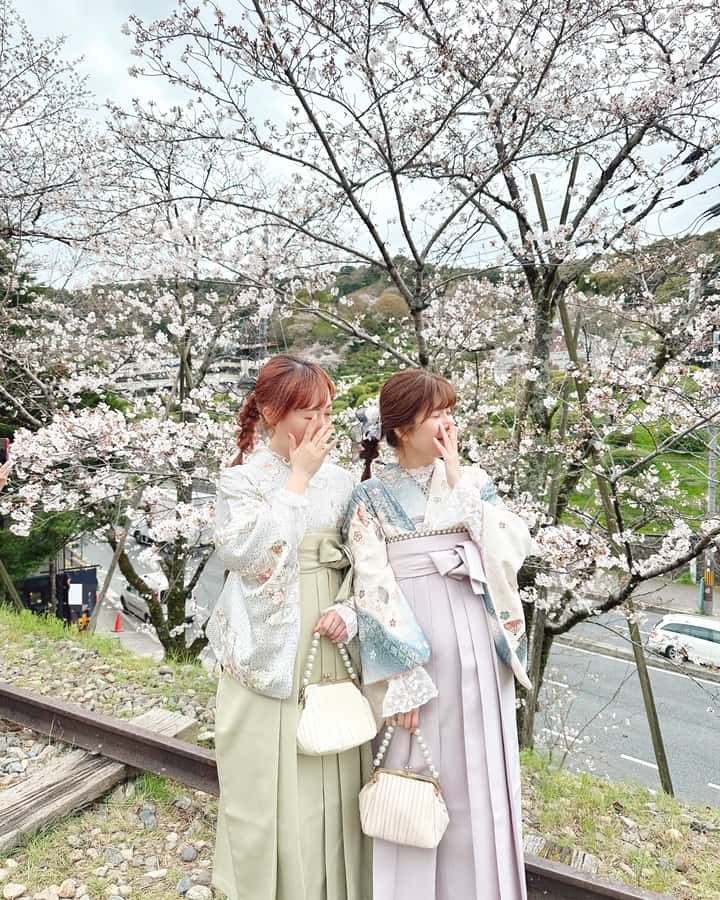
I would recommend WARGO to first-time visitors who want an easy introduction to wearing a kimono. You do not need prior knowledge, and staff handle the complicated parts. It is also a good fit for couples, friends, and families who want a shared photo activity.
Women who want a more finished look should consider the Deluxe Plan because of the hairstyle and kanzashi. Anyone focused mainly on cost can stay with the standard plan and still receive the full outfit.
This rental is less suitable if your day is packed with timed bookings. Waiting can be substantial, and the fitting takes time even when the shop runs smoothly. It is also not ideal for a long walking itinerary or anyone who needs wheelchair access.
I would schedule it on a day with one main area, such as Gion, rather than trying to cross the whole city. Leave room for the shop, dressing, photographs, lunch, and the return trip. The activity feels relaxed when you give it space.
Booking and timing advice
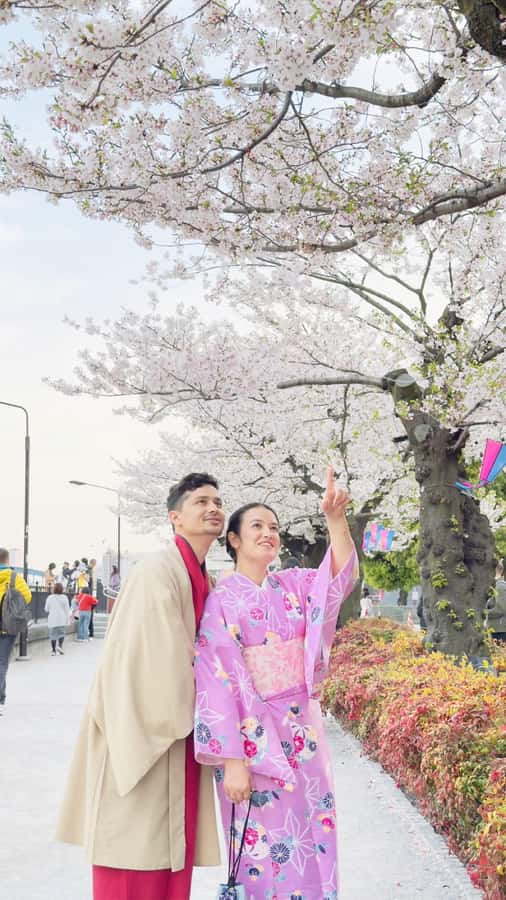
The shop operates from 10 AM to 5:30 PM. You should treat 5:30 PM as the firm return target unless the staff approve another arrangement. If you want to spend the evening in costume, ask about next-day return and the added local fee.
Book at least a day ahead when you can, especially during a busy season. Late reservations made after 3 PM on the day before may mean extra waiting. Since the meeting point changes by option, check the exact location after booking and allow time to find the store.
The cancellation policy is straightforward: you can cancel up to 24 hours ahead for a full refund. The reserve-now, pay-later option also helps if your Kyoto schedule is still changing.
I would wear or bring clothing that makes changing easy. The supplied information does not specify an exact dress code, but simple layers should make the fitting less cumbersome. Plan for a slower pace once you leave the shop, and avoid treating the rental as a quick costume stop between distant attractions.
Should you book the WARGO kimono rental?
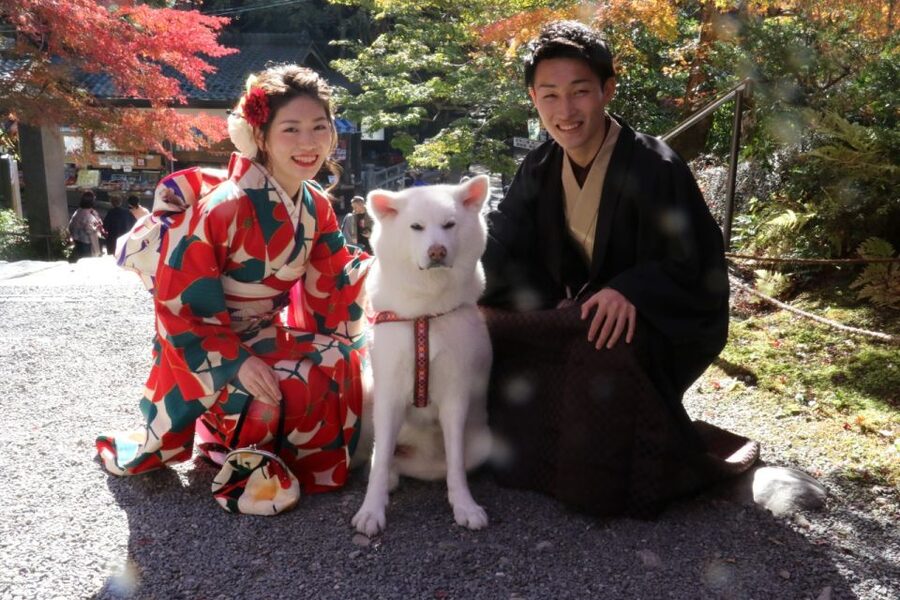
Book it if you want to do more than look at Kyoto’s traditional streets. The kimono, obi, hairstyle option, and staff assistance create a complete activity for a modest price. The strongest part is the human help: the team is careful, patient, and good at making the dressing process feel manageable.
Skip it if you dislike waiting, need full mobility access, or have a tightly timed sightseeing day. Also think twice if you want an evening experience and do not want to pay for next-day return.
For most first-time Kyoto visitors, I would choose the standard plan, reserve a calm half-day, and spend it around the selected shop and Gion. Choose Deluxe if the hairstyle and broader selection matter for your photographs. With a 4.5 rating from 125 reviews, a low starting price, and a clear cultural focus, WARGO is a practical way to add traditional dress to your Kyoto plans without committing to a formal ceremony.
FAQ
What is included in the kimono rental?
Both packages include a kimono, obi sash belt, Japanese satchel or clutch, traditional sandal-like footwear, socks, and help from staff with dressing.
Does the experience include hairstyling?
Hairstyling is included with the Deluxe Plan for women only. It is a simple hairstyle with a kanzashi ornamental hairpin.
How long does the dressing process take?
When the shop is not busy, dressing can take less than an hour. Depending on the time slot and season, waiting may last about 30 to 90 minutes.
When must the kimono be returned?
The normal return deadline is 5:30 PM. Next-day return may be possible for an additional cost paid at the shop.
Can I choose different kimono styles?
Yes. The selection includes traditional patterns and modern designs. Deluxe customers can access additional kimono and obi options, though grades vary by store.
Are plus-size kimonos available?
Yes. Plus-size kimonos are available.
Is the activity suitable for wheelchair users or pregnant women?
No. The activity is listed as unsuitable for pregnant women, people with mobility impairments, and wheelchair users.
More kimono experiences elsewhere in Japan
- KYOTO Tea Ceremony with kimono near by Imamiya Jinjya Shrine
★ 5.0 · 343 reviews - Kyoto: Kimono and Tea Ceremony Experience at Cultural Asset
★ 4.3 · 306 reviews - Kyoto: Traditional Kimono Rental
★ 4.7 · 265 reviews - Kyoto: Kimono Tea Ceremony with Matcha and Sweet
★ 4.9 · 249 reviews
Just added in Kyoto
- Private Cooking Class Udon in Kyoto Japan★ 5.0 · 23 reviews
- Your Private Vacation Photography Session In Kyoto★ 5.0 · 110 reviews
- Kyoto: Zen Meditation at a Private Temple with a Monk★ 5.0 · 25 reviews
- Private Pewter Sake Cup Experience with a Kyoto Artisan★ 5.0 · 31 reviews
- Kyoto Wagashi(Japanese sweets) Cooking Class near Fushimiinari★ 5.0 · 60 reviews
- Kyoto:Family-Friendly Kimono & Yukata Experience at WARGO★ 5.0 · 147 reviews
- Private Guided Traditional Buddhist Cooking in Japan★ 5.0 · 16 reviews
- Kyoto: Gion Geisha District & Sake-in-Hand Walking Tour★ 5.0 · 37 reviews
Geisha & Gion District Tours, compared.
Kyoto Geisha Walking Tour: Gion District & Hidden Gems
Read our review →
Gion Geisha District Walking Tour – Stories of Geisha
Read our review →
Best of Kyoto: Gion, Geisha, Pagodas & Cobblestones
Read our review →

Kyoto Night Foodie Tour in Gion (9+ dishes + 6 Sake tastings)
Read our review →
Kyoto Gion: 2-Hour Geisha Culture & History Walking Tour
Read our review →
Chopsticks Making Workshop in Gion with Engraving Option
Read our review →
Browse the lists this tour appears in