
Reviewed · GEISHA & GION DISTRICT TOURS
Kyoto: Gion Sunset Walking Tour with Local Guide
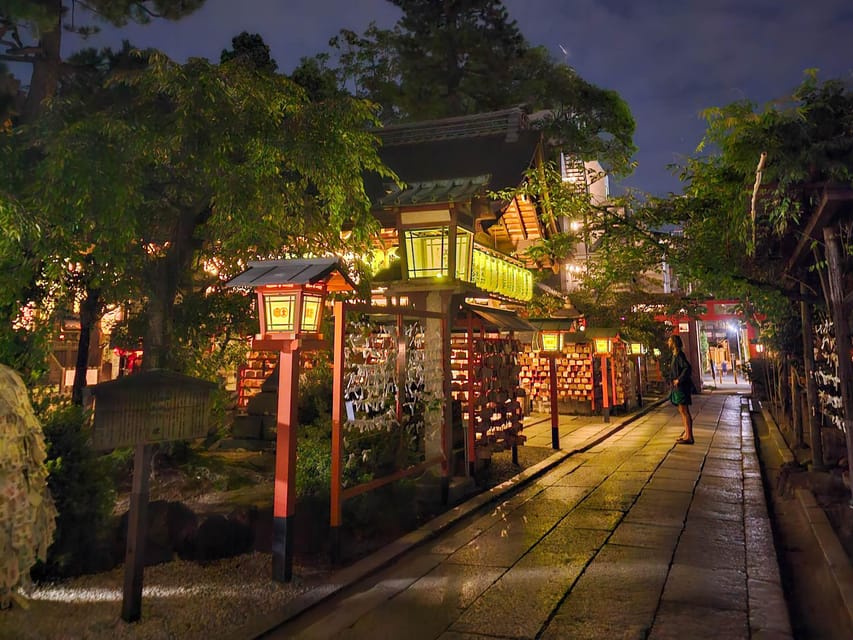
Gion is at its most atmospheric after sunset, when lanterns glow along old lanes and the polished fronts of teahouses begin to look almost theatrical. This three-hour evening walk takes you from Kyoto Kawaramachi Garden through Hanamikoji Street, Maruyama Park, Yasaka Shrine, and Pontocho, with a local guide explaining what you are seeing.
I like the small groups of no more than nine and the useful snack stop, which can include matcha sweets or another local choice. I also like the range of guides, including Jasmine, Vincent, Alex, Katz, and Naoki, who bring different local stories and may adjust the pace or route to the group.
The main caution is simple: you will walk for nearly three hours, often on busy streets and uneven lanes, so comfortable shoes matter. A geiko or maiko sighting is possible but never promised, and the tour is not suited to people with mobility, respiratory, or heart problems, or to pregnant women.
Key points to know before you book
- Gion after dark: See Hanamikoji Street, Yasaka Shrine, and old lanes as lanterns and shop lights come on.
- A local view of geiko culture: Learn about geiko, maiko, teahouses, etiquette, and the working life behind the costumes.
- Small-group format: Groups are limited to nine, allowing time for questions and occasional pace adjustments.
- A snack built into the walk: The 20-minute stop may feature matcha desserts or another local snack, with spending described as up to ¥1,000 per person.
- A practical Kyoto orientation: The route begins near Kyoto Kawaramachi Garden and ends at Sanjo Bridge, useful locations for continuing your evening.
- Flexible booking: Same-day and last-minute reservations are accepted when space remains, with free cancellation up to 24 hours ahead.
Why Gion works especially well at sunset
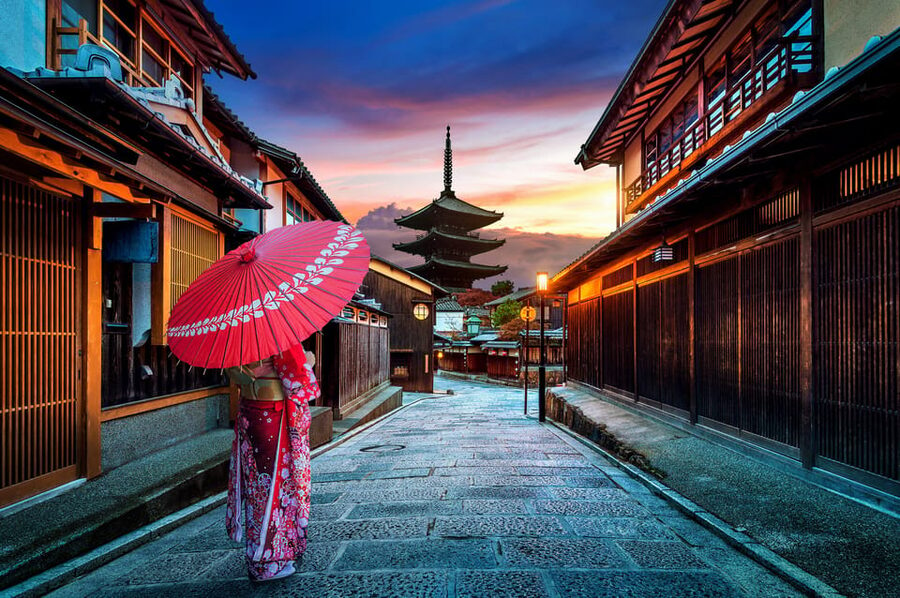
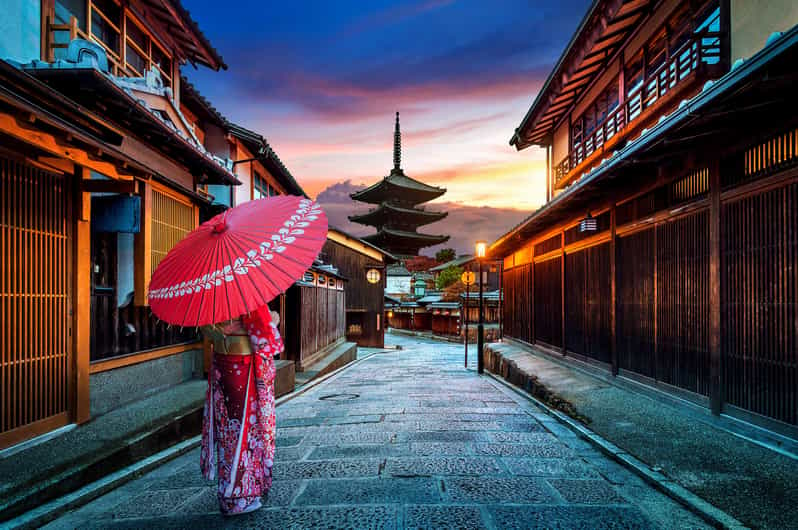
Gion is one of Kyoto’s historic entertainment districts, and the transition from daylight to evening gives the area two different moods. You begin with enough light to see the architecture and street layout clearly. As the walk continues, lanterns, restaurant fronts, bars, and teahouses take over the scene.
That timing is the heart of the experience. During the day, Gion can feel like a photo stop. At night, you get a better sense of its continuing role as a place for dining, performance, and traditional entertainment. You are not simply looking at old buildings. You are hearing how the district functions and why certain streets are treated with special care.
The tour is also a useful choice if you have only one free evening in Kyoto. Three hours is long enough to give the district shape, but short enough to fit before or after dinner. I would not expect a full study of Kyoto, yet you should come away knowing where Gion begins, how it connects with Pontocho, and which customs deserve respect.
Other walking tours in Kyoto people book:
- Kyoto Geisha Walking Tour: Gion District & Hidden Gems
★ 4.7 · 3,273 reviews - Kyoto: Gion Magical Night Walking Tour with Geisha Trivia
★ 4.9 · 2,393 reviews - Kyoto: Gion Geisha District Walking Tour – Stories of Geisha
★ 4.7 · 2,187 reviews
Starting at Kyoto Kawaramachi Garden
The meeting point is at the corner of Kyoto Kawaramachi Garden, in front of the large black world map. Look for a guide wearing a TripGuru shirt or holding a TripGuru sign.
This is a central starting point, but do not cut it close. Arrive at least 10 minutes early. The guide waits no more than 10 minutes after the scheduled start, and a missed meeting point can ruin a short evening tour.
Bring cash, since you may want to buy something during the snack stop or later in Pontocho. A camera is useful, but the best images will come from patient observation rather than chasing people through the lanes. The guide can also help with photos in suitable places, as Jasmine did for one group.
A brief look at Minami-za Theatre
The route passes Kyoto Minami-za, one of the city’s best-known kabuki theatres, for about 10 minutes. You do not enter, but the stop gives useful context before the walk reaches Gion.
Kabuki is part of the wider performing-arts world connected with Kyoto’s traditional entertainment districts. This is a good point to ask your guide about theatre, geiko and maiko, or the difference between public cultural performance and private entertainment. Guides such as Vincent and Yugi have been praised for explaining those connections clearly.
Because this is a pass-by rather than an interior visit, do not book the tour expecting a theatre tour. Its value is orientation and context.
Hanamikoji Street, where presentation matters
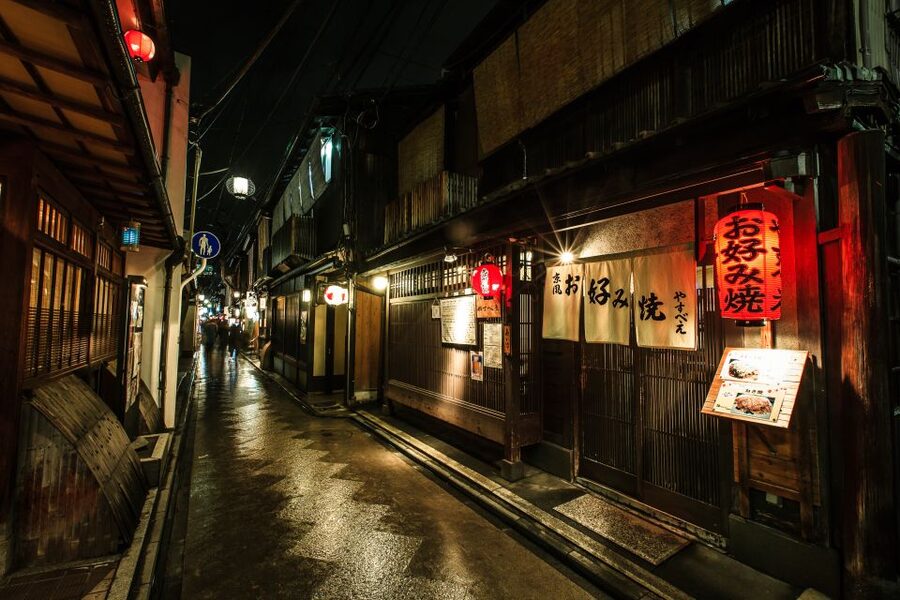
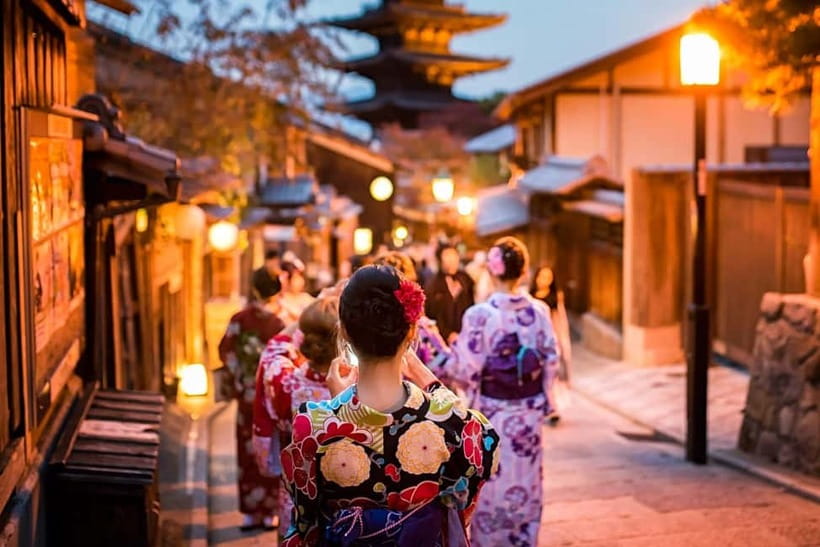
Hanamikoji Street receives about 30 minutes of guided attention. It is one of Gion’s best-preserved historic streets, lined with traditional facades and entrances to restaurants and teahouses.
This is likely to be one of the tour’s most photogenic sections, especially as the light fades. It is also where respectful behavior matters most. A guide can explain the signals built into the architecture, the role of the district’s businesses, and why a quiet manner is more appropriate than treating the street like a stage set.
You may see a geiko or maiko heading to an appointment. Several people on past tours had this good fortune, sometimes seeing more than one. Still, I would treat that as an extra, not the reason to book. If you see one, keep your distance, do not block the path, and avoid touching or interrupting her. A longer camera lens is better than stepping close. If she comes near, move aside, offer a smile or brief bow, and let her continue.
The guide’s explanation is what makes Hanamikoji worthwhile even without a sighting. Jasmine, Naoki, Katz, and Vincent have each been singled out for clear explanations of Gion and the geiko world. Guide quality can vary from person to person, but the consistently useful feature is the chance to ask questions in a small group.
Other evenings in the old entertainment quarters of Kyoto:
- Best of Kyoto: Gion, Geisha, Pagodas & Cobblestones
★ 4.9 · 2,058 reviews - Night Walk in Gion: Kyoto’s Geisha District
★ 4.5 · 2,003 reviews - Kyoto Night Foodie Tour in Gion (9+ dishes + 6 Sake tastings)
★ 5.0 · 1,762 reviews - Kyoto Gion Geisha District Walking Tour – The Stories of Geisha
★ 5.0 · 1,441 reviews
Side lanes, temples, and shrines beyond the main street
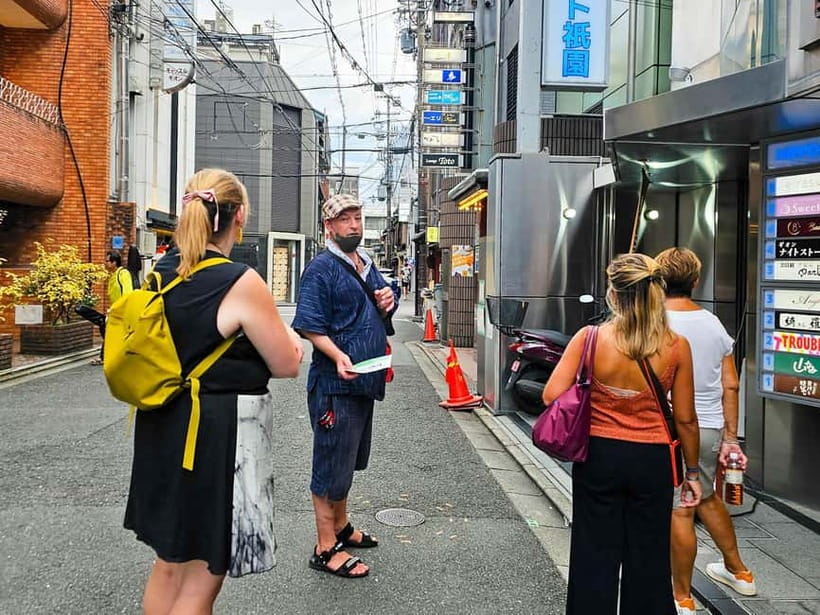
After Hanamikoji, the route continues through traditional backstreets and quieter religious sites. The supplied schedule allows roughly 30 minutes for one guided sightseeing section, followed by scenic views along the way. The exact side streets may vary, which is sensible in a district where crowd levels and local activity change by evening.
This is where a guided walk earns its modest price. On your own, you can photograph a lane and move on without knowing why it matters. A local guide can point out architectural details, explain customs, and connect everyday sights with Japanese religious practice.
Several guides have also used this part of the route to discuss Shinto and Buddhism. That is especially helpful in Kyoto, where shrines and temples can sit close together and visitors may not know how to behave at either. Expect practical instruction rather than a formal lecture: what the gates mean, how to approach a shrine, and why certain gestures are made.
The route may include offbeat temples and shrines, but this is not a temple-admission tour. You should expect exterior sightseeing and explanations rather than extended indoor visits.
Maruyama Park at night
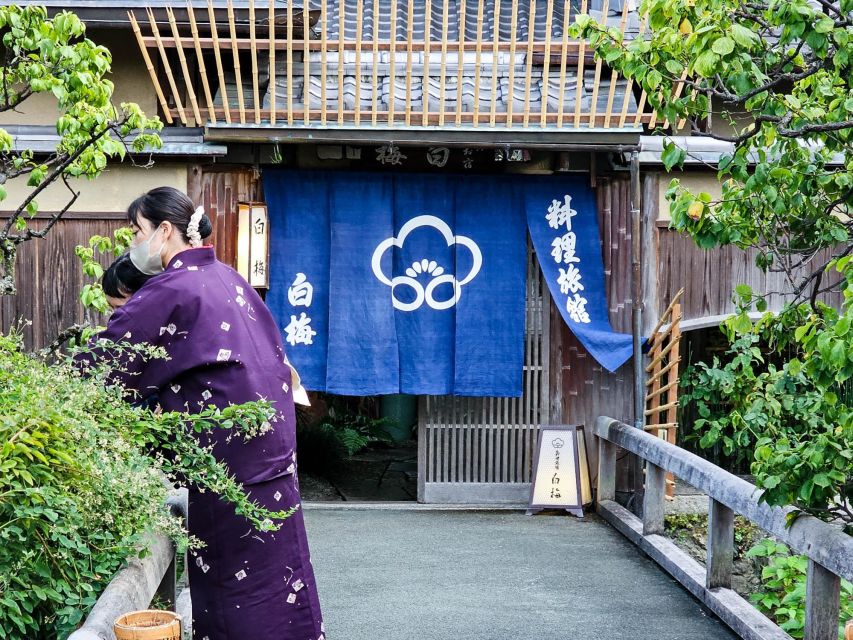
The walk reaches Maruyama Park for about 15 minutes. In daylight, the park is a major sightseeing area, but at night its value is more about atmosphere and the transition between Gion’s lanes and Yasaka Shrine.
Your guide may point out scenic views or explain how the park fits into the surrounding district. This is a short stop, so do not expect a long nature walk. Instead, use it as a breather and a chance to see how quickly Kyoto changes from commercial streets to open parkland and religious grounds.
The pace has generally worked well for mixed groups. One guide, Raphael, adjusted the walk for an older couple, while other guides have been praised for keeping the route easy to follow. Even so, the tour remains a walking activity, not a gentle sightseeing bus ride.
Yasaka Shrine under evening lights
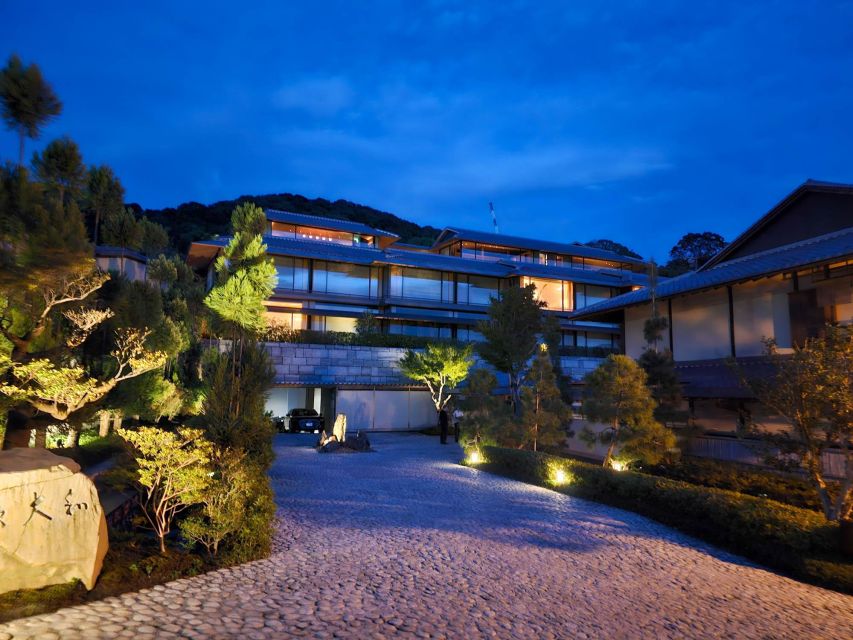
Yasaka Shrine, also called Gion Shrine, receives about 20 minutes. Its gates, grounds, and illuminated details create one of the walk’s strongest nighttime scenes.
The shrine is more than a pretty stop. It helps explain why Gion developed where it did and gives you a practical setting for learning about Japanese religious customs. Your guide can show you how the space is used and explain the difference between a shrine and a temple.
I especially like this stop for first-time visitors because it turns abstract cultural information into something you can see and practice. You are not just hearing about Japanese religion in a classroom. You are standing in a real place of worship, with a guide reminding you to be considerate.
The lighting also makes this portion feel distinct from a daytime Gion walk. If your schedule allows only one visit to the district, sunset is a smart choice.
The included snack stop
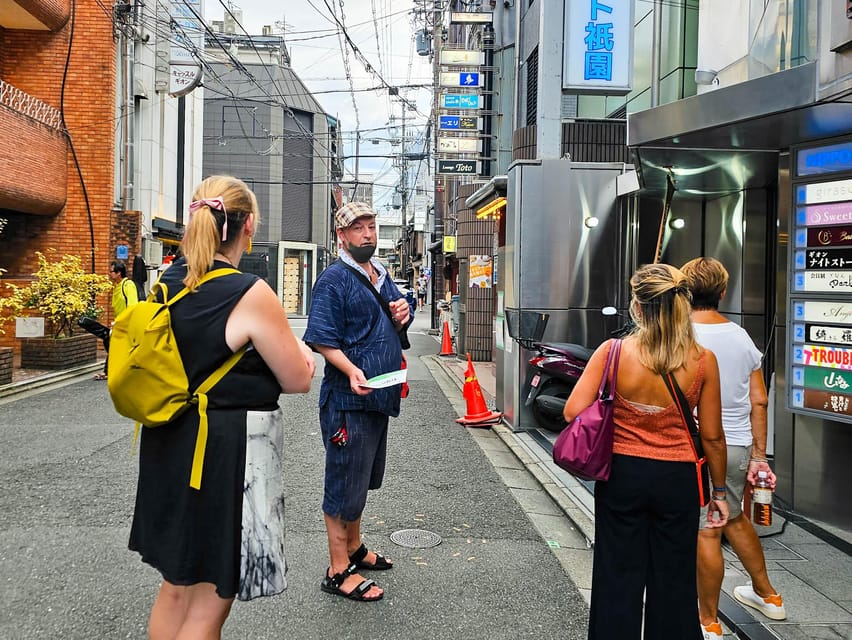
About 20 minutes are set aside for a local snack. The exact format can vary. Past stops have included matcha desserts, a cafe with views, or a local supermarket where the guide helped participants choose a snack and drink.
The stated spending limit has been up to ¥1,000 per person, though the included item may cost less. Meals and additional drinks are not covered, so think of this as a tasting pause, not dinner.
This small break has practical value. It gives your feet a rest, lets you try something local without committing to a full restaurant meal, and creates a relaxed moment for questions. One person particularly appreciated warm matcha during cold weather, while another enjoyed matcha desserts. If you have dietary needs, ask the guide before choosing, since the supplied information does not promise specific ingredients or alternatives.
Pontocho and the walk to Sanjo Bridge
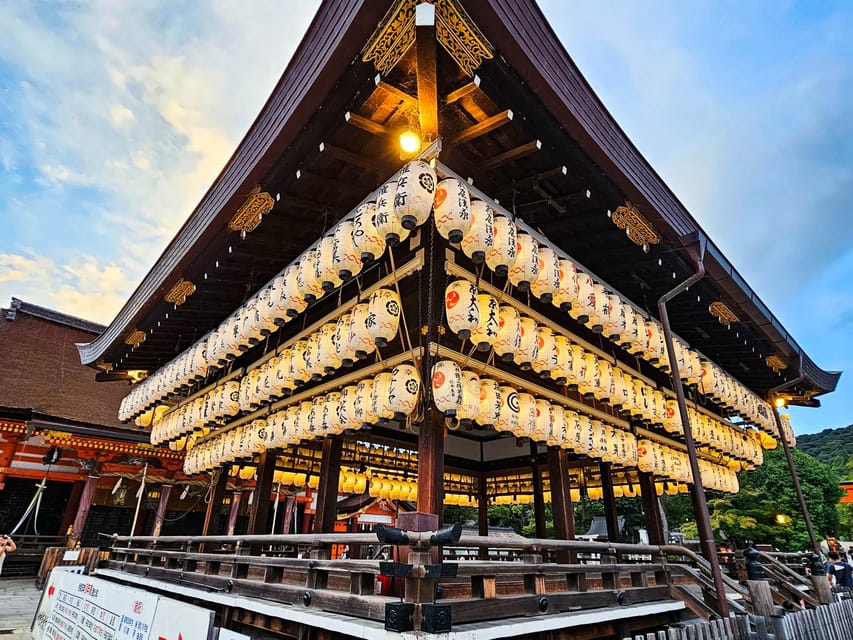
The final main stop is Pontocho, with about 20 minutes of guided sightseeing before the tour ends at Sanjo Bridge. Pontocho is known for its narrow lane, restaurants, bars, and evening activity, giving you a useful contrast with Hanamikoji Street.
By this point, you will have seen two famous Kyoto entertainment districts and several religious sites. The route makes sense geographically, ending near a major bridge rather than returning you to the starting point. That is convenient if you want to continue with dinner, find a bar, or make your own way back to your hotel.
The end point also makes this tour a good first-evening option. You can use the guide’s suggestions immediately, while the streets are still active. Just remember that the tour includes only a snack, so plan a proper meal separately if you are hungry.
The guides make the difference
The strongest part of this experience is the human element. Guides such as Jasmine, Vincent, Alex, Raphael, Katz, Naoki, Zied, Gustavo, Atsushi, and Yugi have been praised for different strengths: local knowledge, humor, clear English, cultural explanations, photo help, and flexibility.
That variety means your experience can have a slightly different personality depending on who leads it. Jasmine has been especially effective at answering questions and shaping the walk around group interests. Vincent has explained Gion, religion, and geiko culture in detail. Katz and Naoki bring the useful perspective of people raised in or closely connected with Kyoto. Alex has been praised for hidden spots and city history.
The small group helps here. With nine people or fewer, you can ask about a shrine, a restaurant, or a custom without holding up a large crowd. Guides have also adjusted speed for older participants and adapted plans during wet weather. Do not expect a private tour, but you should get more personal attention than on a large city walk.
Languages available are English, Spanish, and French. The information provided does not guarantee a particular guide, so book for the route and format rather than trying to secure one named person.
Is $22 a good value?
At $22 per person, I consider this a strong value if you want an introduction to Gion rather than a luxury cultural program. The price includes a three-hour guided walk, a small-group format, and a snack. You are paying for interpretation and local direction, not entry tickets or a meal.
The value improves if you have limited time or are nervous about navigating Gion after dark. A guide can show you more than you might notice alone and explain etiquette before you make an awkward mistake. The route also ends in a useful part of town, so you can continue your evening without paying for a separate transfer.
The value is weaker if you want a private guide, a formal tea ceremony, inside access to teahouses, or guaranteed geiko sightings. None of those are promised. You should also budget separately for dinner, drinks, transport to the meeting point, and personal purchases.
Who should book this evening walk?
I would choose this tour for a first visit to Kyoto, especially on the first or second evening. It gives you a working map of Gion, introduces the local customs, and points out streets you may want to revisit in daylight.
It suits solo visitors, couples, families with older children, and anyone who prefers a social walk without a huge group. It is also useful for people who have already wandered Gion alone but feel they missed the meaning behind the buildings and rituals.
I would skip it if you dislike walking, need step-free access, or want a slow restaurant-centered evening. It is not suitable for pregnant women or people with mobility, heart, or respiratory problems. Wear comfortable shoes and prepare for changing weather, since the walk takes place outdoors.
Free cancellation is available up to 24 hours before the start, and you can reserve now and pay later. Same-day bookings are accepted when places remain, which is handy if the weather or your Kyoto schedule changes.
Should you book the Gion Sunset Walking Tour?
Book it if you want atmosphere plus explanation for a reasonable price. The lantern-lit streets, Yasaka Shrine, Hanamikoji, and Pontocho are rewarding on their own, but the guide is what turns a pleasant stroll into a more useful introduction to Kyoto.
Do not book it for a guaranteed geiko sighting or a full meal. Book it for the chance to understand Gion respectfully, ask direct questions, sample a local snack, and finish near Sanjo Bridge with the rest of your evening still open.
FAQ
How long does the Gion Sunset Walking Tour last?
The walking tour lasts three hours, including sightseeing stops and the local snack break.
Where does the tour begin?
It begins at Kyoto Kawaramachi Garden corner, in front of the large black world map.
How will I recognize the guide?
The guide will be wearing a TripGuru shirt or holding a TripGuru sign.
Where does the tour finish?
The tour finishes at Sanjo Bridge.
Which languages are available?
Guided tours are available in English, Spanish, and French.
How large is the group?
The small-group option has no more than nine participants.
Is a snack included?
Yes. A local snack is included. Meals and other drinks are not included.
Can I see a geiko or maiko?
You might see a geiko or maiko traveling to an appointment, but sightings are not guaranteed.
What should I bring?
Bring comfortable shoes, a camera, and cash.
Can I cancel the booking?
You can cancel up to 24 hours in advance for a full refund. Reserve now and pay later is also available.
More walking tours elsewhere in Japan
- Nishiki Market Brunch Walking Tour (7 Tastings + Brunch)
★ 5.0 · 1,355 reviews - Kyoto Arashiyama Walking Tour: Bamboo, Monkeys, Gardens & Secrets
★ 5.0 · 1,216 reviews - Kyoto Gion: 2-Hour Geisha Culture & History Walking Tour
★ 5.0 · 1,186 reviews - Kyoto: Izakaya Bars Guided Walking Tour
★ 4.9 · 815 reviews
Just added in Kyoto
- Kyoto: Private Photoshoot Service★ 5.0 · 158 reviews
- Kyoto Rickshaw Tour★ 5.0 · 210 reviews
- Izakaya Style Cooking Class★ 5.0 · 219 reviews
- Kyoto: Traditional Concert at Townhouse or Bathhouse★ 4.9 · 224 reviews
- Ninja 2-hour Hands-on Lesson by Japanese master in Kyoto -Medium★ 5.0 · 218 reviews
- Kyoto: Arashiyama Bamboo, Temple, Matcha, Monkeys & secret spots★ 5.0 · 219 reviews
- Kyoto Geisha District Walking Tour in Gion★ 5.0 · 232 reviews
- The right way to know Kyoto★ 5.0 · 257 reviews
Geisha & Gion District Tours, compared.
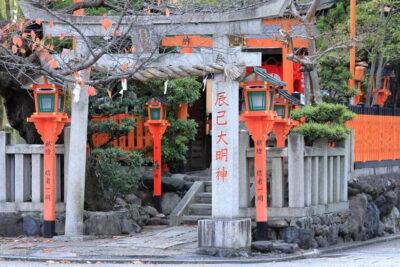
Kyoto Geisha Walking Tour: Gion District & Hidden Gems
Read our review →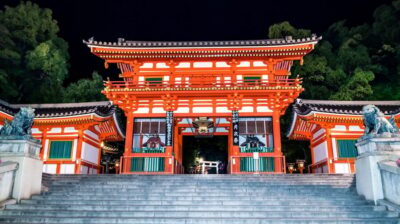
Gion Geisha District Walking Tour – Stories of Geisha
Read our review →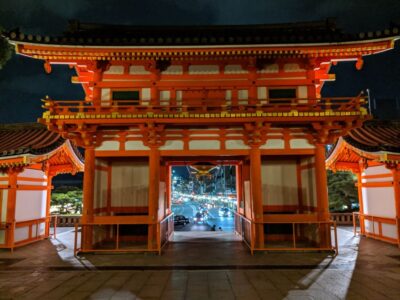
Best of Kyoto: Gion, Geisha, Pagodas & Cobblestones
Read our review →
Kyoto Night Foodie Tour in Gion (9+ dishes + 6 Sake tastings)
Read our review →
Kyoto Gion: 2-Hour Geisha Culture & History Walking Tour
Read our review →
Chopsticks Making Workshop in Gion with Engraving Option
Read our review →
Browse the lists this tour appears in