
Reviewed · GEISHA & GION DISTRICT TOURS
Kyoto Night All-Inclusive Eats and Streets, Gion and Beyond
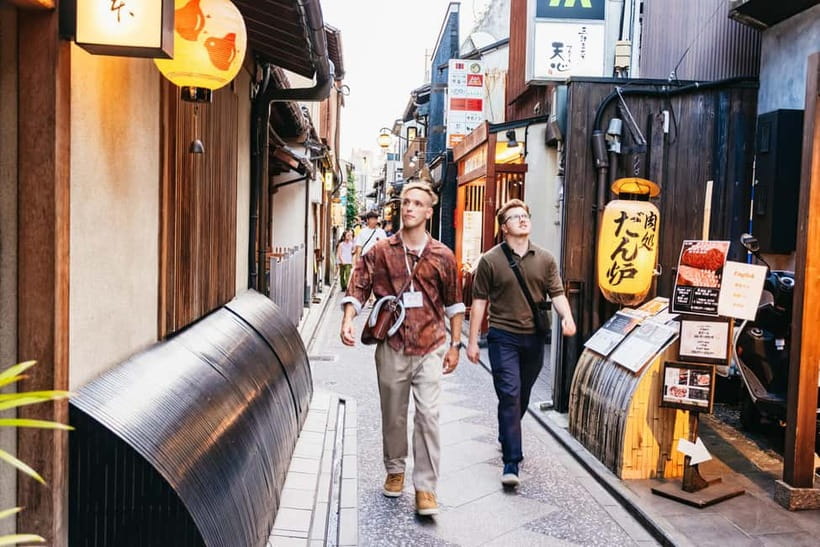
Kyoto’s evening personality comes alive on this three-hour walk from Yasaka Shrine through Gion and Pontocho, where quiet temple grounds give way to narrow lanes, small bars, and local restaurants. The best part is the mix: this is not only a food outing, and it is not only a history walk.
I like the small group of six or fewer, which makes it easier to ask questions and follow your guide through tight streets. I also like the two-stop dinner format, since you get a wider sample of Kyoto food than you would at one restaurant.
The main caution is that some dining rooms or bars may allow indoor smoking. Portions can also feel modest at the first stop, even though the two-restaurant meal is usually filling overall.
At a glance
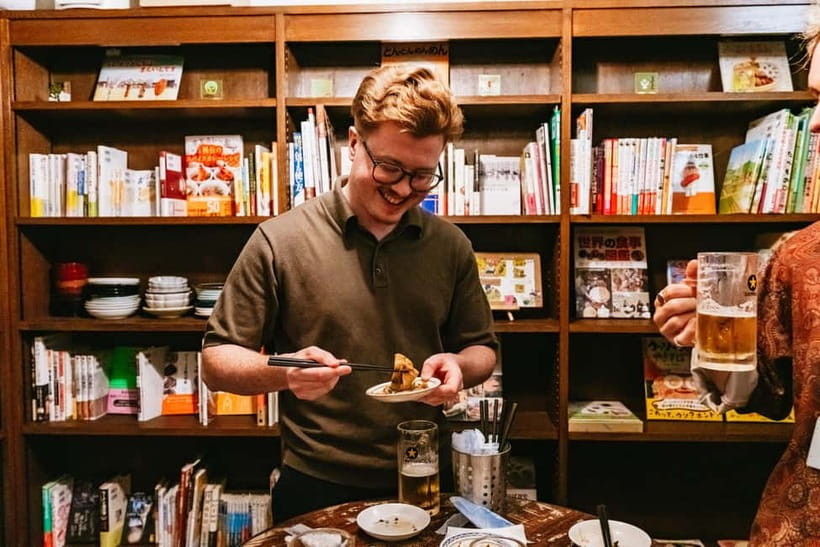
- Two restaurant stops: Share a broad selection of local dishes with two included drinks, alcoholic or non-alcoholic.
- A useful Kyoto introduction: Learn about Gion, geisha traditions, Yasaka Shrine, Kiyamachi, Pontocho, and the Kamo River.
- Small groups: No more than six participants, with private bookings also available.
- Guides who shape the evening: Guides including Ferdinand, Maya, Jamie, Laura, Lito, Hugo, and Andres are praised for humor, local insight, and easy conversation.
- A central start and finish: Meet at street level outside Minamiza Theatre, by exit 6 of Gion Shijo Station.
- A few practical limits: Comfortable shoes are important, and the experience is not suitable for children under 18 or people with mobility impairments.
Why this evening works so well in Kyoto
Gion can be confusing at night. You may see graceful wooden facades, discreet entrances, restaurant signs, tourists taking photos, and ordinary local life all sharing the same few lanes. Without context, it is easy to see only the surface.
This experience gives you a guide to explain how the district functions. You learn about geisha culture, the difference between historic streets and modern nightlife areas, and the customs that shape behavior around entertainment districts. The tone is intended to stay light, so the evening does not feel like a formal lecture.
I especially like this format for your first night in Kyoto. It gives you a basic map of the central nightlife area, introduces you to Japanese dining habits, and points out places you could return to later. Several guides, including Jamie, Laura, and Ferdinand, have been singled out for keeping the pace relaxed while still offering plenty of cultural detail.
The price is $92 per person. That is not a cheap dinner, but it includes food at two restaurants, two drinks, a three-hour guided walk, and gratuities. Since tipping is not customary in Japan, there is no need to add a separate tip at the end. For someone who wants a social introduction to Kyoto’s food and nightlife without having to choose restaurants alone, the cost is reasonable.
Other evenings in the old entertainment quarters of Kyoto:
- Kyoto Geisha Walking Tour: Gion District & Hidden Gems
★ 4.7 · 3,273 reviews - Kyoto: Gion Magical Night Walking Tour with Geisha Trivia
★ 4.9 · 2,393 reviews - Kyoto: Gion Geisha District Walking Tour – Stories of Geisha
★ 4.7 · 2,187 reviews
Starting outside Minamiza Theatre
The meeting point is in front of Minamiza Theatre, directly at street level by exit 6 of Gion Shijo Station. This is a sensible place to begin because it is easy to reach and puts you near the main evening districts from the first minute.
You should arrive ready to walk. The route includes temple grounds, narrow streets, commercial lanes, and nightlife areas, so comfortable shoes matter more than dressing up. The tour returns to the same theater after the second restaurant.
The tour lasts three hours, but the exact start time depends on availability. That makes it easy to fit around a day at Kiyomizu-dera, the Philosopher’s Path, or another Kyoto sight.
Yasaka Shrine after dark
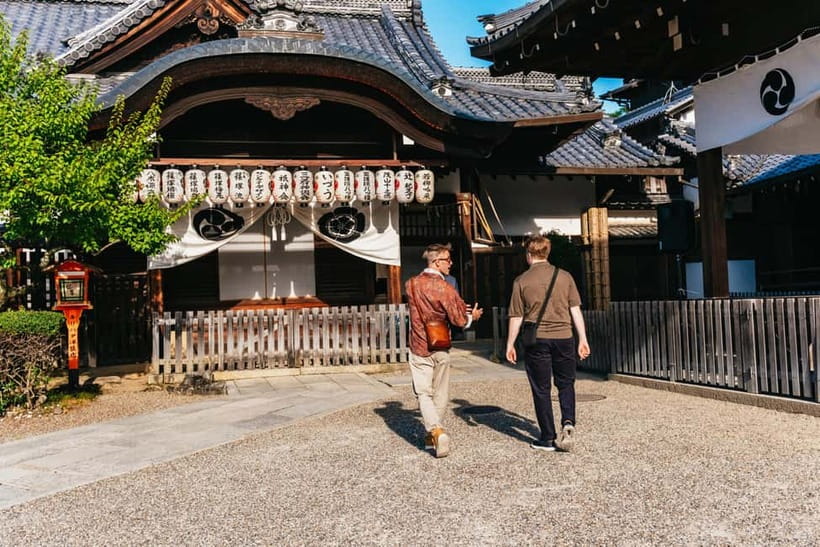
The first major stop is Yasaka Shrine, with about 15 minutes for guided sightseeing. The shrine has a different feel in the evening than during the daytime. Lights, open space, and the movement of people through the grounds give you a chance to see a calmer, more atmospheric side of central Kyoto.
Your guide explains the Shinto setting and points out details that can be easy to miss when you walk through on your own. The stop is short, so do not expect a full shrine tour. Instead, think of it as a useful introduction before the evening moves into Gion.
This is one of the strongest parts of the route for first-time visitors. You get a cultural setting before entering the entertainment district, which helps put the later streets in context.
Gion, geisha traditions, and local etiquette
From Yasaka Shrine, the route continues into Gion for another guided walk of about 15 minutes. Gion is famous for geisha culture, but the subject deserves more care than the usual postcard version.
Your guide explains the traditions surrounding geisha and the way the district operates today. You also hear about local customs and why visitors need to be respectful in narrow residential and entertainment streets. Guides such as Laura, Andres, and Jamie have been praised for explaining these points clearly and answering questions without making the subject feel stiff.
Do not expect guaranteed geisha sightings. The value lies in understanding the district rather than treating it as a stage. You will see a mix of traditional architecture, restaurants, bars, and everyday city life.
The group size matters here. A party of six or fewer can stop without blocking a lane, and you can hear the guide more easily than you would in a large group. That also gives the walk a more personal feel.
Same base, a different sort of day:
- PERFECT KYOTO 1-Day Bus Tour
★ 5.0 · 13,518 reviews - Kyoto: Fushimi Inari, Kinkakuji, Bamboo Grove 1 Day Bus Tour
★ 4.8 · 4,316 reviews - Kyoto: Tea Ceremony in a Traditional Tea House in Kiyomizu
★ 4.9 · 3,519 reviews - Kyoto: Tea Ceremony Ju-An at Jotokuji Temple
★ 4.9 · 3,207 reviews
Kamo River and Kyoto’s evening rhythm
The route includes time around the Kamo River before the first meal. The river area helps connect the different parts of central Kyoto. It is a change from the enclosed lanes of Gion and offers a more open view of the city at night.
The exact amount of time at the river is not specified, so this should not be treated as a long riverside stroll. It is part of the wider route between cultural sights and restaurants.
I like this transition because it keeps the evening from becoming a sequence of indoor stops. You get brief changes of scenery, and the walk helps you understand how Gion, Kiyamachi, Pontocho, and the river relate to one another.
The first restaurant: small plates and a drink
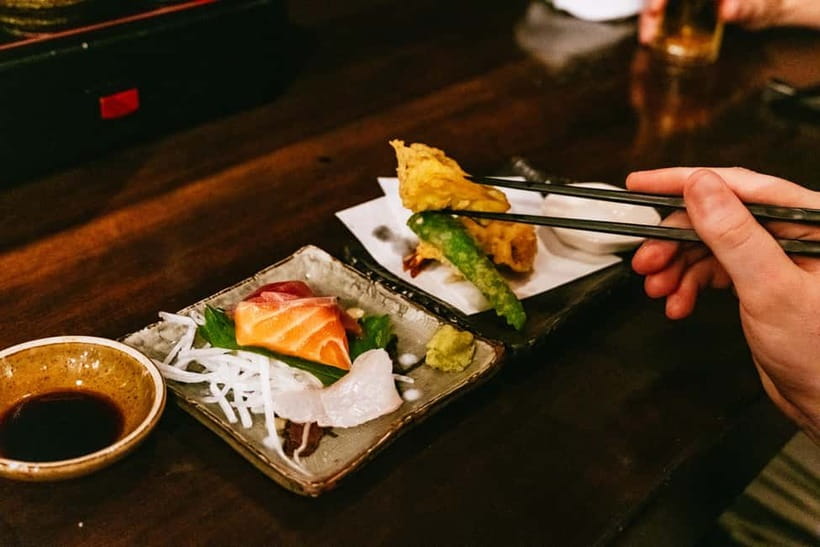
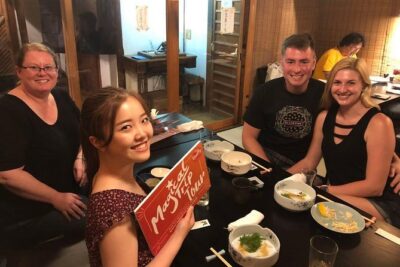
The first restaurant stop lasts about 45 minutes and includes beer, cocktails, spirits, and dinner. The meal is served in a Japanese small-plate style, with several dishes shared across the group.
This is a good way to try foods you may not recognize. Rather than ordering one large dish, you can sample a range of flavors and textures. The exact menu changes with the season and restaurant availability, so you should not book this expecting a fixed list of dishes.
Some people may find the portions at the first stop small. One useful tip is not to judge the full meal by the opening plates, since another restaurant follows. Still, if you have a large appetite, keep in mind that this is a tasting-style dinner rather than a single oversized entrée.
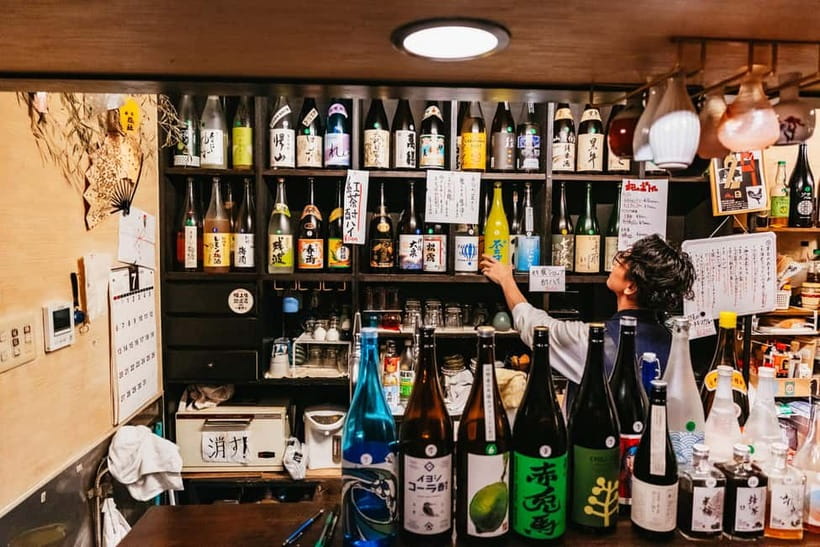
The first stop is also where the included drink usually becomes part of the evening. You can choose an alcoholic or non-alcoholic drink, but extra drinks are not included. The food and drink are handled by the guide, which removes much of the uncertainty that can come with ordering in an unfamiliar izakaya.
Kiyamachi and Pontocho after dinner
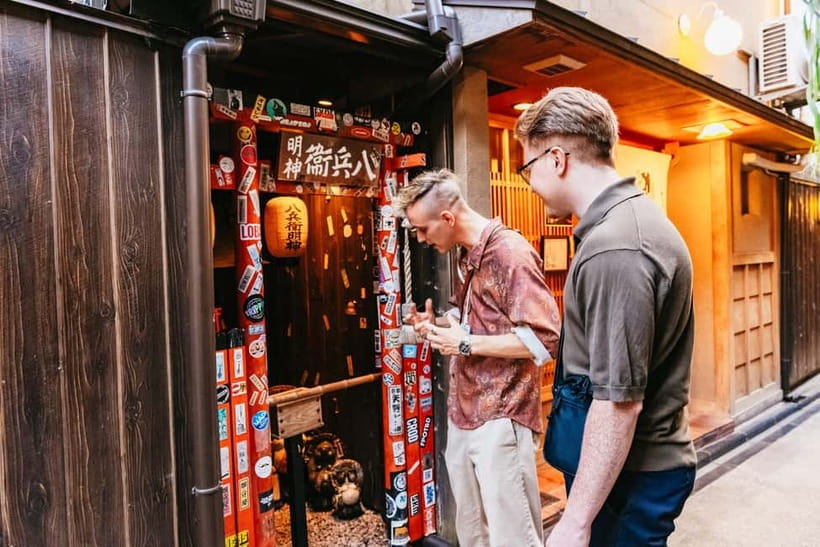
After the first restaurant, you walk through Kiyamachi and continue toward Pontocho. This section is one of the reasons to choose the experience instead of booking a standalone dinner.
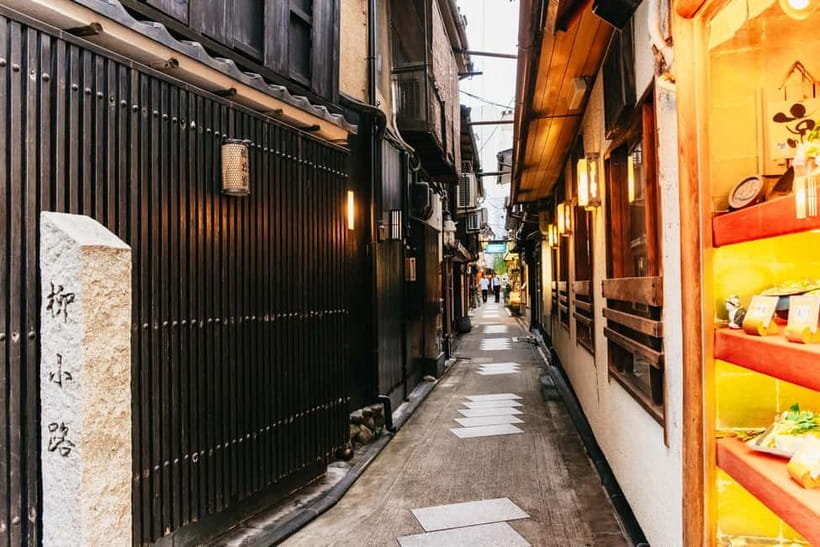
Pontocho is known for its narrow lane of restaurants and bars, while Kiyamachi has its own mix of dining, nightlife, and older streets. Your guide shows you how these areas differ and points out the contrast between historic Kyoto and its modern entertainment side.
The walk through Pontocho lasts about 30 minutes. That gives you enough time to get a feel for the area, but not enough for an exhaustive tour of every lane. The guide’s local perspective is useful here because many entrances are discreet, and a restaurant that looks ordinary from outside may have a very different atmosphere inside.
This is also a good point to ask about places you might return to later. Guides including Lito, Hugo, and Andres have been praised for combining food explanations with stories about Kyoto and local culture.
The second restaurant and the rest of dinner
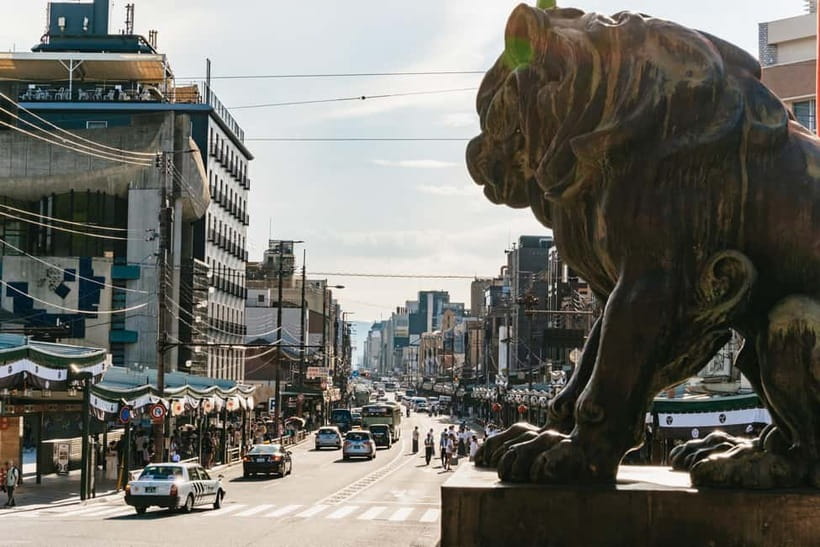
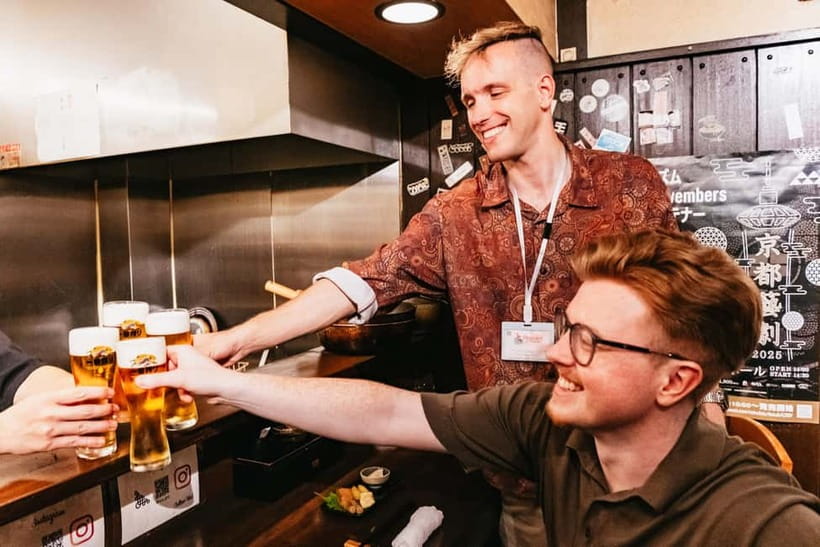
The second restaurant stop lasts about 30 minutes and includes more food and another drink. The setting may differ from the first restaurant, giving you two distinct views of Kyoto dining rather than repeating the same experience twice.
The food is served for the group to share. You may try dishes that are unfamiliar, and not every item will suit every palate. That is part of the point, but diners with strict preferences should discuss restrictions when booking or with the guide at the start.
Vegetarian alternatives have been arranged successfully, and food restrictions have been accommodated in some cases. Still, the menu changes, so you should not assume every dietary need can be handled unless it has been confirmed in advance.
The second stop is often where the evening feels most social. A small group sharing dishes and comparing reactions creates easy conversation, particularly if you have just arrived in Japan and want company without joining a large bus tour.
A Kobe beef or nearby-sourced beef option may be available for an extra charge when requested at least 10 hours ahead. This is worth considering if premium beef is a priority, but it is not necessary for the main experience.
What the guides add
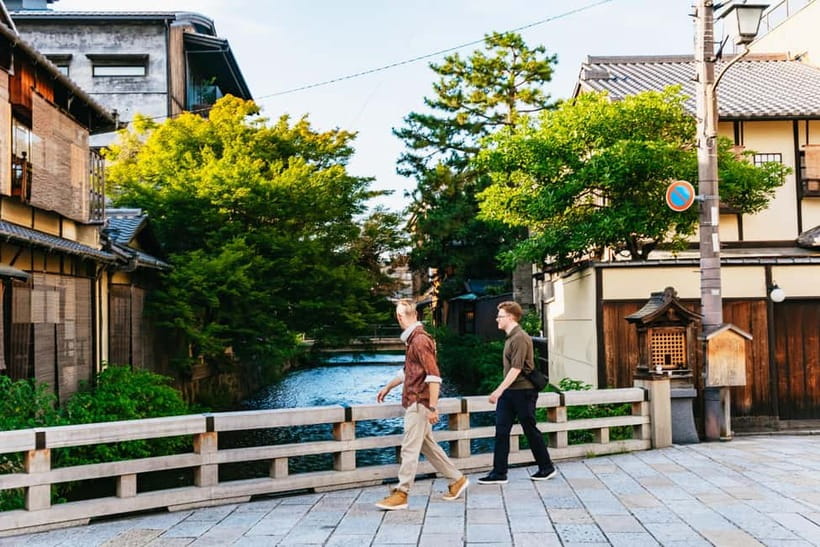
The guide can make or break a food walk, and this experience appears to depend heavily on the individual leading it. Named guides include Ferdinand, Maya, Jamie, Laura, Lito, Hugo, Andres, Bryan, Damien, Kota, Joshua, and Diogo.
The most important quality is not simply language ability. The guide needs to manage the walking pace, explain unfamiliar food, keep the group talking, and handle restaurant logistics. Ferdinand is often praised for combining cultural explanations with humor. Maya is noted for enthusiasm and local customs, while Laura is remembered for stories about Japanese traditions. Jamie and Andres are also described as warm, engaging guides who help groups relax quickly.
Guides are available in English, French, and Spanish. If you are booking a private option, you may have more control over the group dynamic, but the standard small-group format already limits the party to six people.
Food, drinks, and dietary expectations
The tour includes a full dinner across two restaurants and two drinks. The word full should be understood as a meal made of many shared plates, not necessarily a large individual dinner at each stop.
The dishes are intended to reflect local and Japanese eating styles, but there is no fixed sample menu. Seasonal ingredients, restaurant availability, and the guide’s selections can change what appears on the table.
You should expect variety more than predictability. Some diners have found the food generous and filling, while others have considered the portions closer to tapas. If you enjoy trying several things, this format should suit you. If you want one substantial bowl, steak, or set meal, it may feel less satisfying.
Smoking is the clearest comfort issue. Some restaurants or bars may allow smoking indoors, and this has been a concern for non-smokers, people with health conditions, and pregnant diners. Ask about the current restaurant arrangements before you go if this could affect your choice.
Is $92 a fair price?
At $92, you are paying for more than dinner. The fee covers two restaurant visits, two drinks, a local guide, cultural interpretation, neighborhood orientation, and gratuities.
You could certainly eat for less in Kyoto, especially if you are happy to choose casual restaurants yourself. The extra value comes from access and confidence. You do not need to decipher every menu, find two suitable places, or work out how Gion and Pontocho connect after dark.
The price makes the most sense early in your Kyoto stay. You can use the evening to decide which areas you want to revisit and which foods deserve another try. It is less compelling if you already know central Kyoto well and prefer to dine independently.
Who should book this experience?
I would choose this for a first visit to Kyoto, especially if you want food and culture in the same evening. It suits solo visitors, couples, and small groups who enjoy walking, sharing dishes, and meeting other people.
It is also a good fit if you feel uncertain about entering small Japanese restaurants on your own. The guide provides a bridge into places you might otherwise pass by.
I would hesitate if you have limited mobility, since the experience involves walking through streets and shrine areas and is not designed for people with mobility impairments. It is also for adults only, with an age limit of 18 and above.
Book with care if smoking is a serious concern or if you need a tightly controlled diet. The menu changes, and the restaurant choice is not guaranteed in advance.
Cancellation is free up to 24 hours before the start, and you can reserve while paying later. Those terms are helpful when your Kyoto plans are still shifting.
Should you book the Gion night food tour?
Book it if you want a friendly, well-organized first look at Kyoto’s evening food districts, with enough history to make the streets meaningful. The best features are the small group, the two different restaurants, the central route, and guides who can explain both the food and the customs around Gion.
Skip it if you prefer a quiet private dinner, dislike shared plates, need guaranteed smoke-free venues, or want a fixed menu. For most adults who enjoy trying unfamiliar dishes and walking after sunset, the $92 fee buys a useful and enjoyable introduction to Gion, Kiyamachi, and Pontocho.
FAQ
Where does the tour meet?
Meet in front of Minamiza Theatre, at street level by exit 6 of Gion Shijo Station.
Where does the tour finish?
The tour returns to Minamiza Theatre after the second restaurant stop.
How long does the experience last?
The experience lasts three hours. Starting times vary, so you need to check availability when booking.
How many people are in each group?
The group has no more than six participants. Private options are also available.
Which languages are offered?
Guides are available in English, French, and Spanish.
What is included in the price?
The price includes a full dinner across two restaurants, two alcoholic or non-alcoholic drinks, and gratuities.
Are extra drinks included?
No. Extra drinks are not included in the tour price.
Can I request Kobe beef?
A Kobe beef or nearby-sourced beef option may be available for an additional charge. You must request it at least 10 hours before the booking.
Is the tour suitable for children or people with mobility impairments?
No. The experience is not suitable for children under 18 or people with mobility impairments. Comfortable walking shoes are recommended.
Just added in Kyoto
- Kyoto: Private Photoshoot Service★ 5.0 · 158 reviews
- Kyoto Rickshaw Tour★ 5.0 · 210 reviews
- Izakaya Style Cooking Class★ 5.0 · 219 reviews
- Kyoto: Traditional Concert at Townhouse or Bathhouse★ 4.9 · 224 reviews
- Ninja 2-hour Hands-on Lesson by Japanese master in Kyoto -Medium★ 5.0 · 218 reviews
- Kyoto: Arashiyama Bamboo, Temple, Matcha, Monkeys & secret spots★ 5.0 · 219 reviews
- Kyoto: Gion & Pontocho Food Tour with 13 Dishes★ 4.9 · 235 reviews
- Kyoto: Afternoon Japanese Izakaya Cooking Class★ 4.9 · 241 reviews
Geisha & Gion District Tours, compared.
Kyoto Geisha Walking Tour: Gion District & Hidden Gems
Read our review →
Gion Geisha District Walking Tour – Stories of Geisha
Read our review →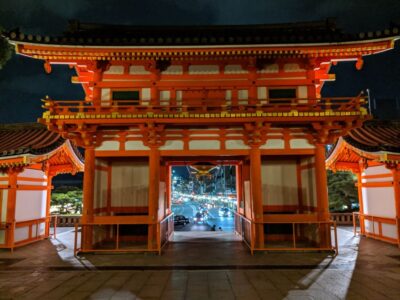
Best of Kyoto: Gion, Geisha, Pagodas & Cobblestones
Read our review →
Kyoto Night Foodie Tour in Gion (9+ dishes + 6 Sake tastings)
Read our review →
Kyoto Gion: 2-Hour Geisha Culture & History Walking Tour
Read our review →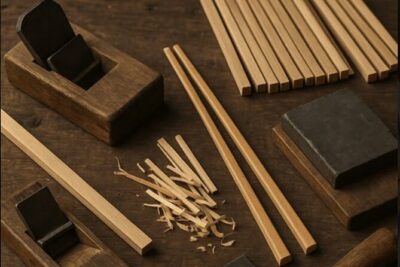
Chopsticks Making Workshop in Gion with Engraving Option
Read our review →
Browse the lists this tour appears in