
Reviewed · CALLIGRAPHY & CRAFT WORKSHOPS
Kyoto: Sushi Making Experience in Kawaramachi
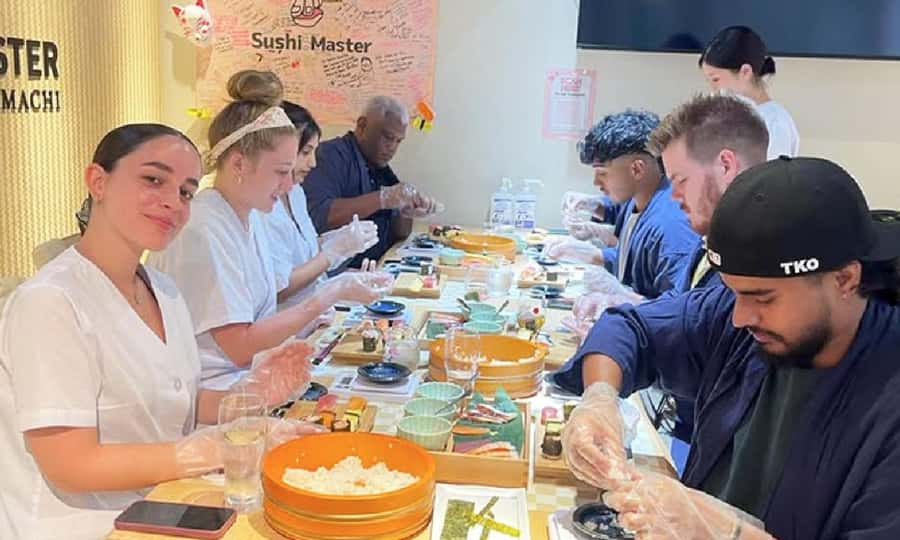
Kyoto’s Kawaramachi district gives you a hands-on way to understand sushi, not just order it. In 90 minutes, you hear about Japanese cuisine and sushi, shape your own pieces with guidance from friendly English-speaking staff, then eat what you made. I like the clear choice between nigiri and gunkan sushi or the more playful temari course, and I like that the class includes a souvenir.
The $40 price is fair for a meal, instruction, ingredients, and a small keepsake in central Kyoto. The main catch is dietary flexibility: the class only accommodates shellfish allergies, with octopus and squid substitutions, and cannot prepare special meals for vegetarians, vegans, or halal diners.
Key points at a glance
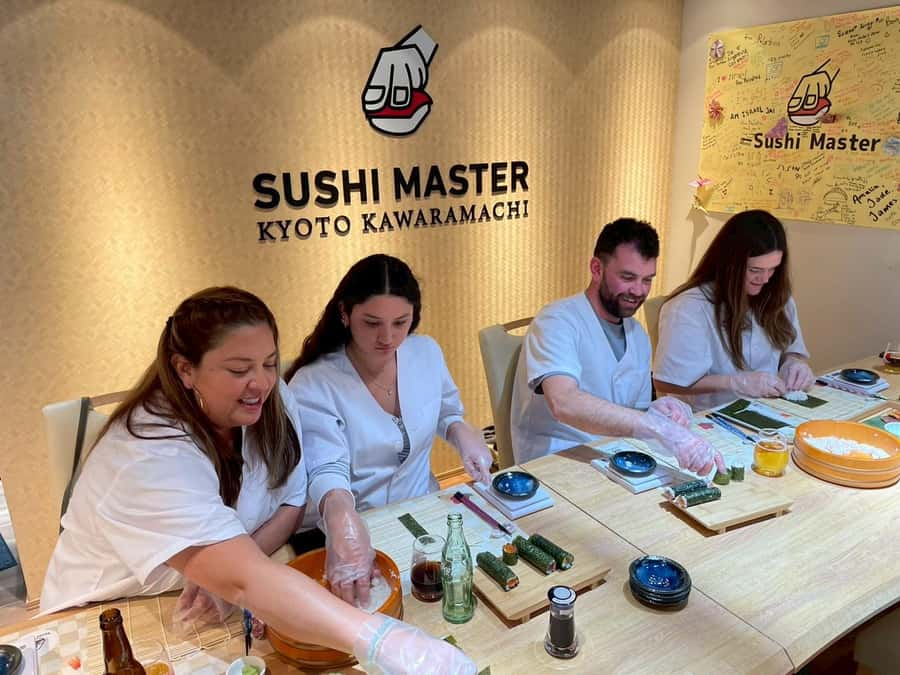
- Two sushi courses: Make 9 pieces of nigiri and 3 pieces of gunkan-maki, or choose 10 pieces of temari sushi with 2 pieces of gunkan-maki.
- A 90-minute format: The session combines a short lecture, hands-on preparation, and time to eat your sushi.
- Five minutes from Kawaramachi Station: The class fits neatly into a day of shopping and sightseeing in central Kyoto.
- Fluent English-speaking staff: You can follow the explanation and ask questions without relying on translation apps.
- Food and souvenir included: Ingredients and the sushi meal are covered in the price, while drinks cost extra.
- Important diet limit: Shellfish allergies can be accommodated, but vegetarian, vegan, and halal menus are not offered.
Making sushi in the heart of Kawaramachi
I like this experience because it turns a familiar Japanese food into an activity you can understand from the inside. You are not only served sushi at the end. You learn a little about its place in Japanese cuisine, then work through the basic process with help from the staff.
The setting matters. Kawaramachi is one of Kyoto’s easiest areas for visitors to reach, and the class is about a five-minute walk from Kyoto Kawaramachi Station on the Hankyu Kyoto Line. You can pair the activity with shopping, a meal, or a walk through central Kyoto without giving up most of your day.
The meeting point can vary by the option you book, so check your confirmation carefully before setting out. Hotel pickup and drop-off are not available. You go directly to the class meeting point.
Other classes behind the counter in Kyoto:
- Sushi Making in Kyoto! Same-day bookings welcome!
★ 5.0 · 713 reviews - The Original Small-Group Sushi Making Class in Kyoto
★ 5.0 · 436 reviews - Kyoto: Small-Group Authentic Sushi Making Workshop
★ 5.0 · 137 reviews
What happens during the 90-minute class
The experience begins with a lecture on the history of Japanese cuisine and sushi. This is a useful opening because it gives the food some context before you start handling the ingredients. The information is presented in English, and the staff speak English fluently.
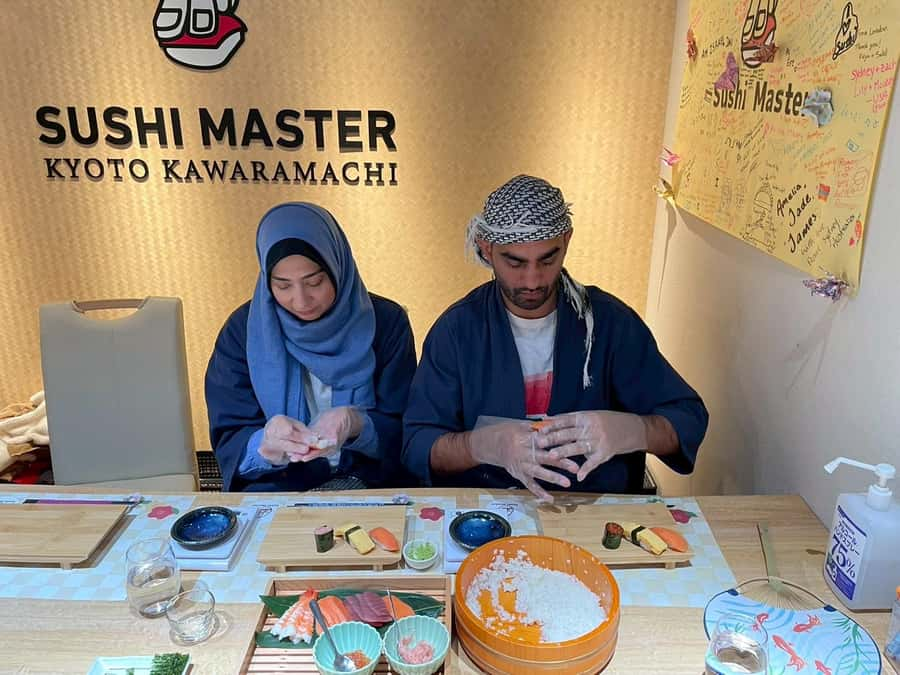
The lecture is followed by the practical part of the class. You are guided through the sushi-making process by Japanese staff, with the focus on traditional techniques and steady instruction rather than a cooking competition. That makes the class suitable for beginners and for people who have made sushi before but want to work with a more traditional format.
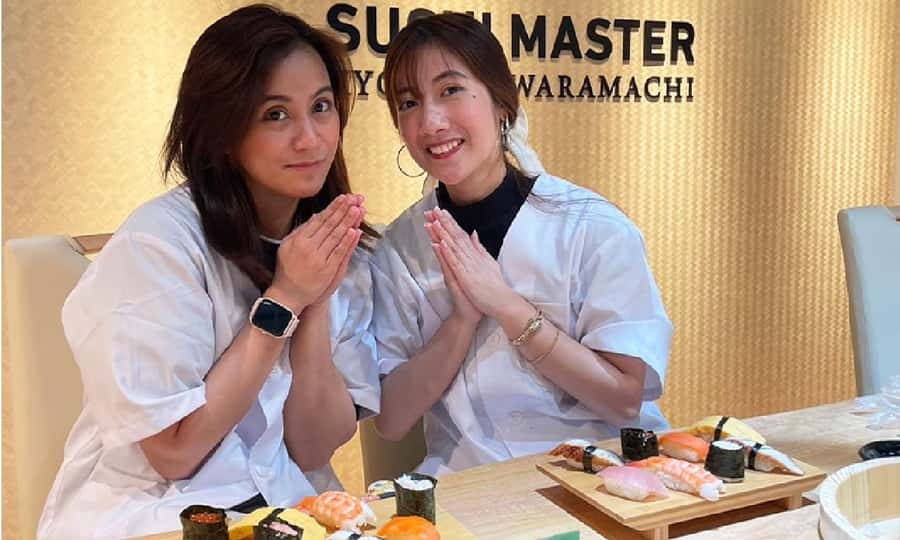
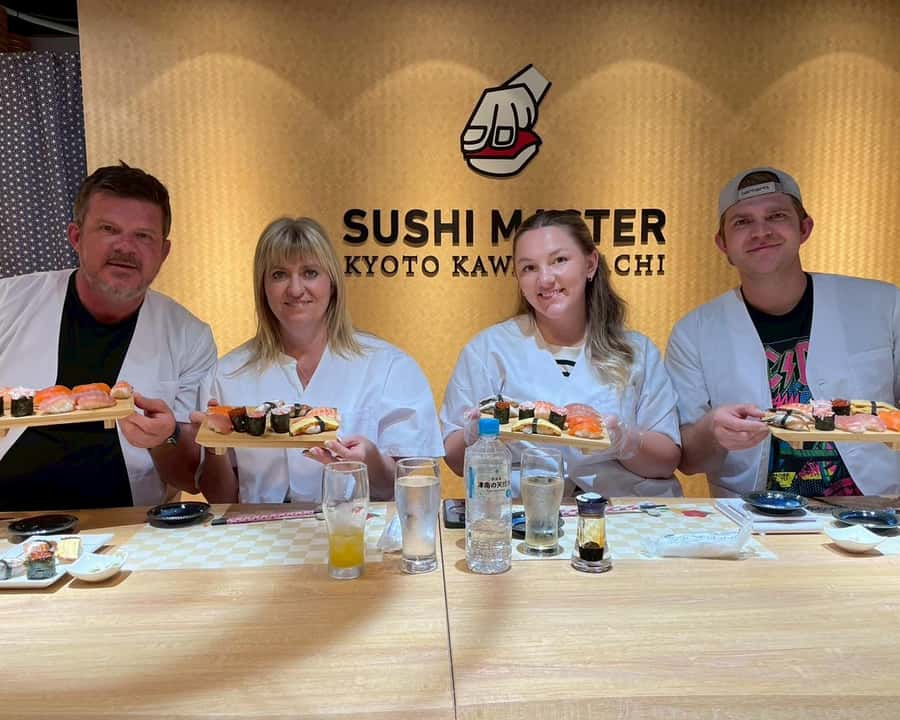
The final part is the payoff: you eat the sushi you made. That changes the feel of the meal. The pieces may not look perfect, but you have a direct connection to them, and you can see how the preparation steps affect the finished food.
The full session lasts 90 minutes. I consider that a good length for a food activity in Kyoto. It is long enough to include instruction and practice, but short enough to fit around temples, shopping, or an evening reservation.
Choosing between nigiri and temari sushi
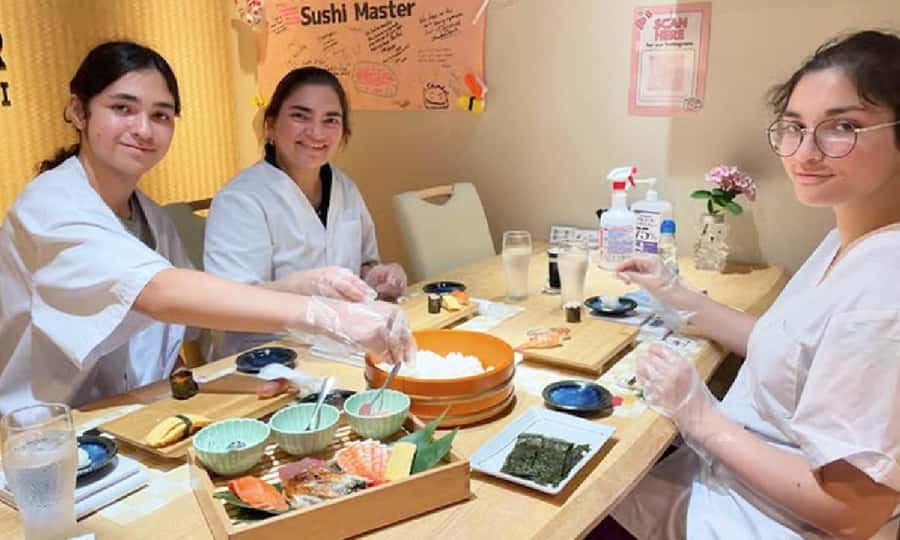
The regular Sushi Making Experience Course includes 9 pieces of nigiri sushi and 3 pieces of gunkan-maki. This is the choice I would make if you want the most familiar introduction to sushi-making. Nigiri gives you practice with the classic sushi form, while the gunkan-maki adds a second style to the meal.
The Temari Sushi Making Course includes 10 pieces of temari sushi and 2 pieces of gunkan-maki. Choose this option if you prefer a more decorative and playful presentation. The information provided does not specify which fillings or toppings are used in either course, so check the current option details if particular ingredients matter to you.
Both courses include enough food to make the meal feel like the center of the activity, rather than a quick sample. You are making multiple pieces, not simply shaping one item for a photograph.
The course names are important when booking. Do not assume the two options offer the same number or type of pieces. The nigiri course has 12 pieces in total, while the temari course has 12 pieces as well, divided differently between temari sushi and gunkan-maki.
Why the English instruction helps
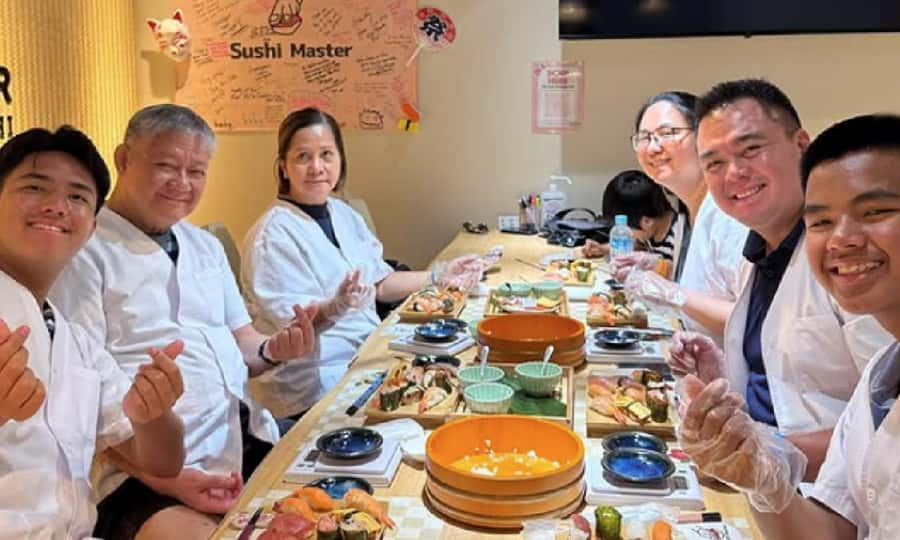
Food classes can become frustrating when the directions are hard to follow. Here, the staff speak English fluently, so you can follow the lecture and the demonstrations more comfortably. That is especially useful when you are learning hand movements or trying to understand the order of each step.
The staff are described as friendly, which suits the social nature of the activity. You are encouraged to make the sushi yourself, but you are not left to guess what to do next. For children and first-time cooks, that support can make the experience feel relaxed rather than technical.
I would still keep your expectations sensible. This is a 90-minute introduction, not professional culinary training. You will learn about sushi and practice making it, but the class is designed for a fun meal and a memorable activity, not for mastering every sushi technique.
Other things to make with your hands in Kyoto:
- Kyoto : Chopsticks Making Workshop in Gion with Engraving Option
★ 5.0 · 958 reviews - Authentic knife making experience at a blacksmith in Kyoto
★ 4.8 · 350 reviews - Kyoto: Calligraphy class at Buddhist temple in city center
★ 5.0 · 167 reviews - Kyoto: Japanese Calligraphy Class
★ 4.8 · 89 reviews
The meal you make is part of the value
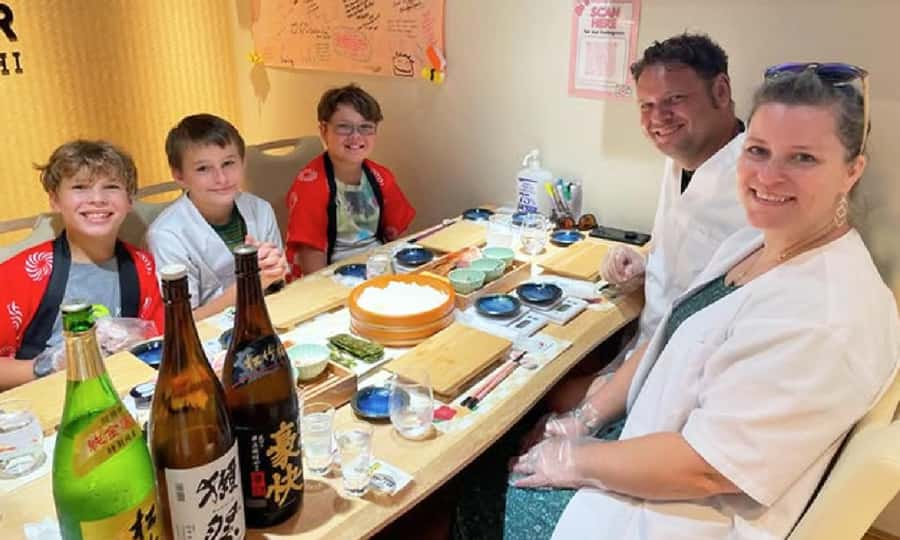
At $40 per person, the price includes the sushi ingredients, the sushi meal, the instruction, and a special gift. In central Kyoto, that is a reasonable package for an activity that also serves as lunch or a light meal.
The food is more valuable here because it is part of the lesson. You are paying for the process as well as the finished pieces. If you simply want to eat sushi, a restaurant may offer a wider selection. If you want a meal with a story and something to do, this class gives you more for the same portion of your day.
Drinks are not included. You can order soft drinks and alcohol during the class, but you should budget extra if you want something beyond the included sushi. That is a small cost difference, but it is worth knowing before you arrive.
The special gift adds a pleasant final touch. It is not described in detail, so I would treat it as a small souvenir rather than a major part of the value. Still, it gives you something physical to take home after the meal.
Dietary limits you should take seriously
This is not a flexible menu for every diet. The class accommodates shellfish allergies, and octopus and squid can be substituted. If you have a shellfish allergy, state it clearly when booking and confirm the substitution arrangements.
Vegetarian, vegan, and halal meals are not available. You should not book this class hoping the staff can remove fish or adjust the menu on the day. The published food options are built around sushi ingredients, and the class does not offer special dishes for those diets.
The same advice applies to other allergies not specifically covered by the information provided. Ask before paying if you need an accommodation beyond shellfish-related substitutions. That simple check can prevent an uncomfortable surprise during the class.
Best timing for a Kawaramachi day
The location makes this experience easy to place in a central Kyoto schedule. You could attend before shopping in Kawaramachi, use it as a midday meal, or fit it between other activities near the station.
Because the session is 90 minutes, you do not need to reserve an entire afternoon. I would still leave extra time around it for finding the meeting point, since the exact meeting location may vary by booking option. Arriving at the station with a few spare minutes is wiser than trying to rush from another part of Kyoto.
The area has many convenient shops, so the class works well on a day when you want food and shopping close together. It is also a practical choice if you are staying elsewhere in Kyoto and using the Hankyu Kyoto Line to reach the center.
There is no hotel transportation. You are responsible for getting to the meeting point and returning from it after the class. The activity ends back at the meeting point, which makes onward planning simple once you have finished.
Who will enjoy this experience most
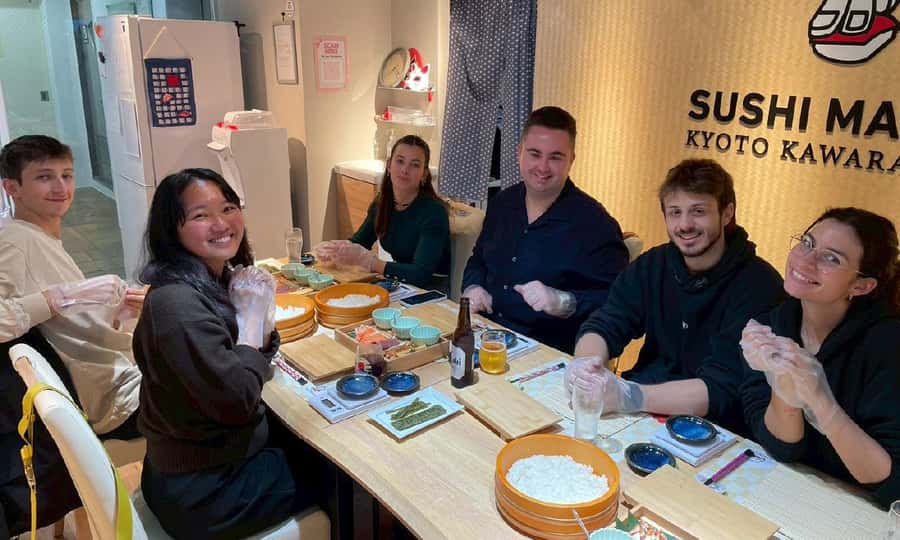
I would recommend this class to first-time visitors who want a food activity with a clear structure. It suits couples, families, and small groups looking for something more active than a standard restaurant meal.
It is also a good pick for anyone curious about Japanese food but unsure about taking a longer cooking course. The 90-minute format keeps the commitment modest, and the final meal means you do not have to arrange a separate lunch around it.
The class may be especially useful for visitors who want an English-led activity. Fluent English-speaking staff mean you can focus on the food rather than decoding instructions.
I would be more cautious if you are a serious sushi student. The class teaches traditional techniques, but the short format and broad audience mean it is likely an introduction rather than an advanced workshop. I would also skip it if your diet is vegetarian, vegan, or halal, since no suitable menu is offered.
Booking details that affect your decision
You can reserve a place and pay later, which helps if your Kyoto schedule is still changing. Cancellation is allowed up to 24 hours in advance for a full refund. Those terms make the class easier to fit into a trip with uncertain weather or shifting plans.
The activity is offered in English. The meeting point may vary depending on the option booked, so look at the exact booking information rather than assuming every session starts in precisely the same place.
The experience provider is WILL Co., Ltd. No hotel pickup or drop-off is provided, and drinks are separate from the $40 price.
Should you book the sushi class?
Book it if you want a central Kyoto activity that combines a short cultural lesson, hands-on food preparation, and a meal you helped create. The best reasons to choose it are the fluent English instruction, the easy Kawaramachi location, the two course formats, and the fact that the session fits into 90 minutes.
Skip it if you need a vegetarian, vegan, or halal meal, or if you want a long professional-level sushi workshop. For most visitors who eat the included menu and want a practical food memory from Kyoto, $40 is a sensible price, especially with the ingredients, meal, and souvenir included.
FAQ
Where does the sushi-making experience take place?
It takes place in Kawaramachi, Kyoto, about a five-minute walk from Kyoto Kawaramachi Station on the Hankyu Kyoto Line.
How long does the class last?
The full session lasts 90 minutes, including the lecture, sushi-making practice, and time to eat your sushi.
Which sushi courses are available?
You can choose the Sushi Making Experience Course, with 9 pieces of nigiri sushi and 3 pieces of gunkan-maki, or the Temari Sushi Making Course, with 10 pieces of temari sushi and 2 pieces of gunkan-maki.
Is the experience offered in English?
Yes. The staff speak English fluently, and English is the listed language for the experience.
What is included in the $40 price?
The price includes the sushi ingredients, the sushi meal, and a special gift.
Are drinks included?
No. Soft drinks and alcohol can be ordered during the class, but they cost extra.
Can the class accommodate dietary restrictions?
The class accommodates shellfish allergies, and octopus and squid can be substituted. It does not offer special dishes for vegetarians, vegans, or halal diets.
Is hotel pickup and drop-off available?
No. You must travel directly to the class meeting point, and the activity ends back at that meeting point.
Can I cancel or pay later?
You can reserve and pay later. Cancellation up to 24 hours in advance qualifies for a full refund.
Just added in Kyoto
- Kyoto: Zen Meditation at a Private Temple with a Monk★ 5.0 · 25 reviews
- Private Cooking Class Udon in Kyoto Japan★ 5.0 · 23 reviews
- Your Private Vacation Photography Session In Kyoto★ 5.0 · 110 reviews
- Private Pewter Sake Cup Experience with a Kyoto Artisan★ 5.0 · 31 reviews
- Kyoto Wagashi(Japanese sweets) Cooking Class near Fushimiinari★ 5.0 · 60 reviews
- Kyoto:Family-Friendly Kimono & Yukata Experience at WARGO★ 5.0 · 147 reviews
- Private Guided Traditional Buddhist Cooking in Japan★ 5.0 · 16 reviews
- Kyoto: Gion Geisha District & Sake-in-Hand Walking Tour★ 5.0 · 37 reviews
Calligraphy & Craft Workshops, compared.
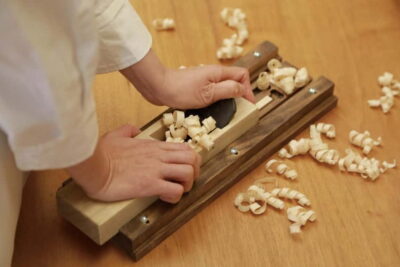
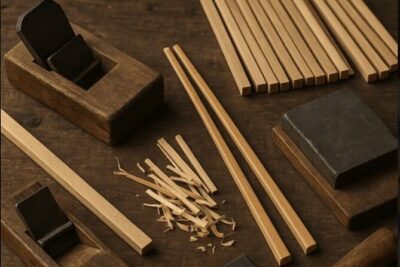
Chopsticks Making Workshop in Gion with Engraving Option
Read our review →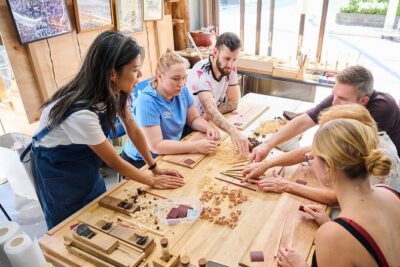

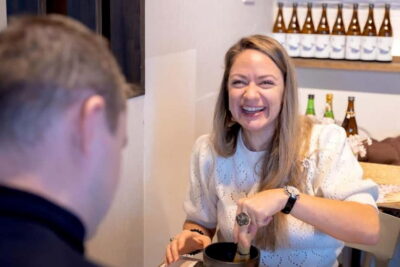
Matcha Making Experience with Mochi Sweets in Asakusa
Read our review →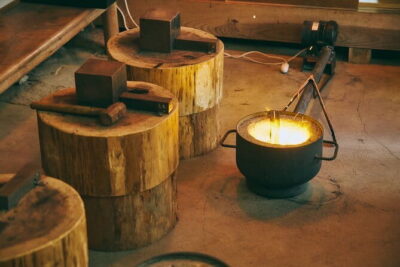
Authentic knife making experience at a blacksmith in Kyoto
Read our review →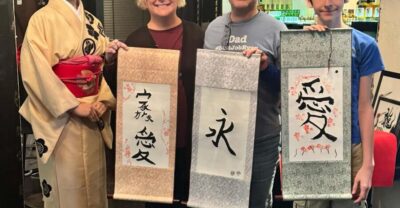
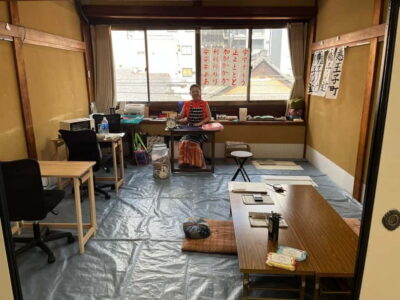
Calligraphy class at Buddhist temple in city center
Read our review →Browse the lists this tour appears in