
Reviewed · CALLIGRAPHY & CRAFT WORKSHOPS
Kyoto: Small-Group Authentic Sushi Making Workshop
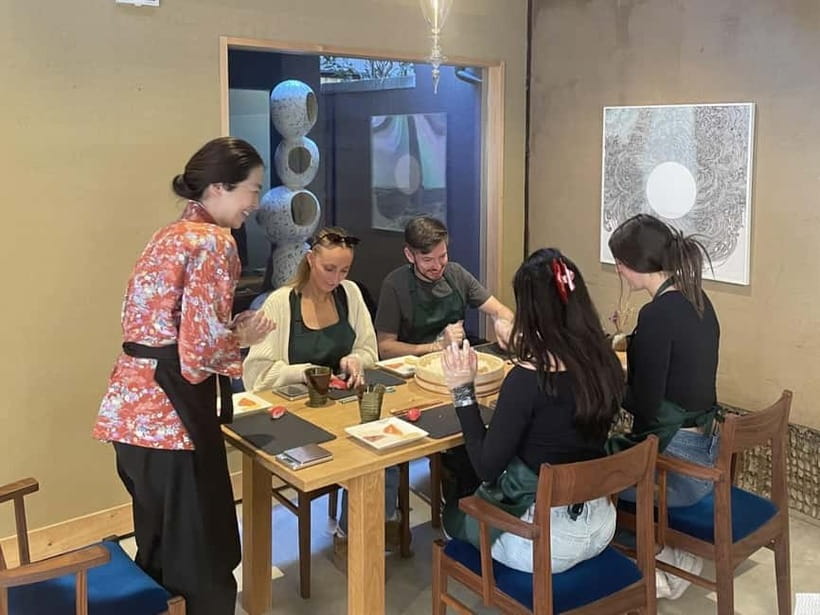
Kyoto’s small-group sushi class turns lunch into a hands-on lesson. In a restored townhouse near Kiyomizu-Gojō Station, Kana and her team show you how to season rice and shape nigiri, gunkan, and maki. I like the eight-person limit and the calm setting, which leave room for questions instead of a rushed production line.
I also like that you eat the sushi you make, with miso soup, and take home a rolling mat, chopsticks, and recipe card. The main consideration is practical: this class is not suitable for vegetarians or wheelchair users, and raw fish is part of the meal.
Key points
- Small class, real instruction: The workshop is limited to eight people and takes place in English.
- Fresh Kyoto ingredients: Fish is sourced locally, including from Nishiki Market, and the rice may come from Kana’s family farm.
- More than maki rolls: You learn nigiri, gunkan, and maki, with guidance on rice, shaping, and presentation.
- A peaceful townhouse setting: The class takes place in the Kyoto Wand building, a short walk from Kiyomizu-Gojō Station.
- A generous lunch: Your handmade sushi is served with miso soup, soy sauce, wasabi, and ginger.
- Useful parting gift: The bag includes a sushi mat, chopsticks, and a recipe card for trying it again at home.
Why this Kyoto sushi class is worth your lunch hour
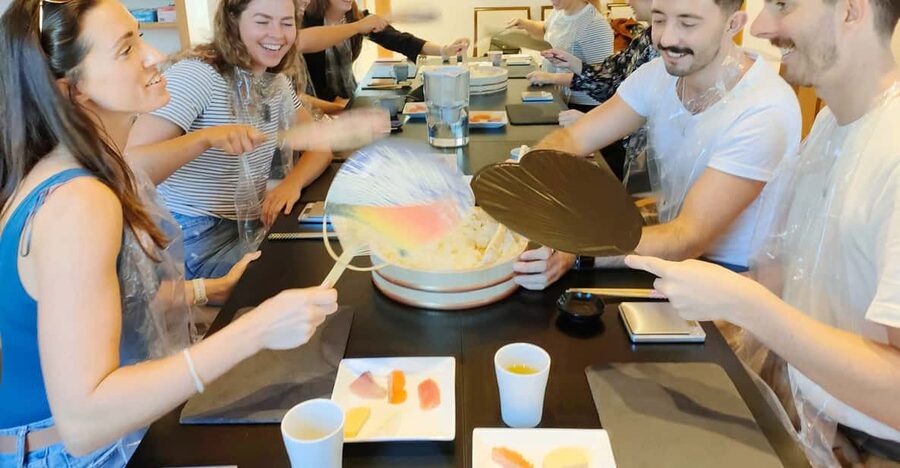
At $60 per person for 90 minutes, this is not the cheapest meal you can find in Kyoto. It is a good value if you want food, instruction, and a cultural exchange in one compact activity.
You are not simply watching a chef prepare sushi behind a counter. You handle the rice, shape the pieces, roll the maki, and sit down to eat your own work. That practical element gives the price a purpose, especially since the class includes a meal and a small kit for home use.
The class also fills a useful gap in a Kyoto sightseeing schedule. After walking through Gion, Kiyomizu-dera, or the lanes around Higashiyama, 90 minutes at a table can feel like a welcome pause. You still get a proper activity, but without committing half a day to a cooking school.
Other classes behind the counter in Kyoto:
- Sushi Making in Kyoto! Same-day bookings welcome!
★ 5.0 · 713 reviews - The Original Small-Group Sushi Making Class in Kyoto
★ 5.0 · 436 reviews - Kyoto: Sushi Making Class with Sushi Chef
★ 4.8 · 64 reviews
Finding Kyoto Wand near Kiyomizu-Gojō
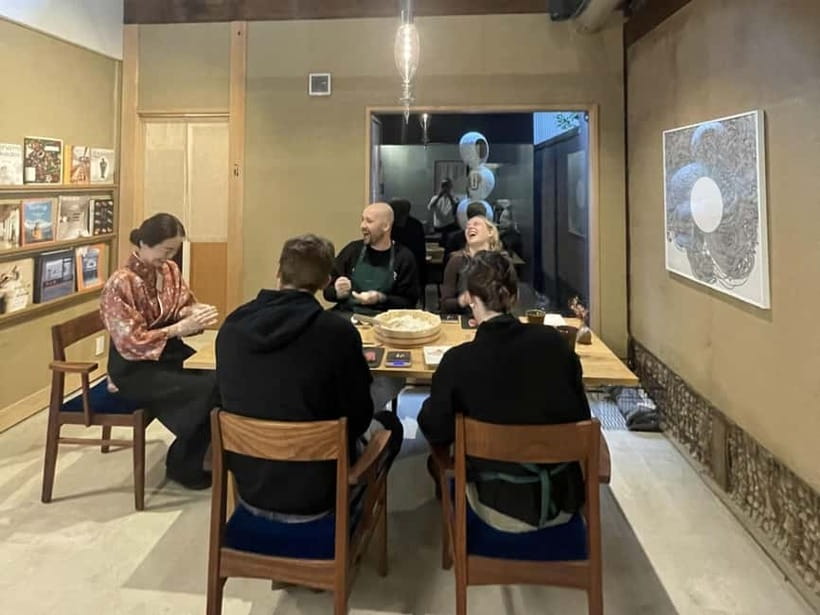
The workshop is held in the Kyoto Wand building, within walking distance of several central sights and districts. The meeting point is only a few minutes on foot from Kiyomizu-Gojō Station on the Keihan Main Line.
That location is useful if you are spending the day around Gion or Kiyomizu-dera. You will not need a hotel transfer, and the class can fit before or after temple visits. Use the Google Plus Code XQVC+J7 Kyoto if your map app has trouble locating the building by name.
The area is part of what makes this activity appealing. You arrive in a central part of Kyoto, then step into a quieter, traditional space for the class. It is a simple change of pace from the city streets.
Allow enough time to find the entrance, particularly if you are unfamiliar with Kyoto’s narrow streets. Hotel pickup and drop-off are not included, so you make your own way to the building.
A calm welcome from Kana and her team
The class begins with an introduction to the hosts and the ingredients. Kana is the main instructor, while other members of the team may assist. Her husband Karim has helped with classes, and other instructors named in the experience include Aya, Ayumi, and Kenneth.
The teaching style is personal and unhurried. Kana has been described as greeting people by name, answering questions about Japan, and sharing stories about Osaka, Kyoto, Japanese history, and local customs. That conversation is not a separate lecture. It comes naturally while you prepare rice and shape sushi.
This matters if you want more than a recipe. Sushi is tied to technique, presentation, seasonality, and respect for ingredients. A good explanation of why the rice is handled a certain way gives you a better sense of the food than simply copying hand movements.
English is the teaching language. The clear demonstrations suit beginners, and people with some home sushi experience can ask about traditional methods and improve their technique.
Preparing rice and learning the basic movements
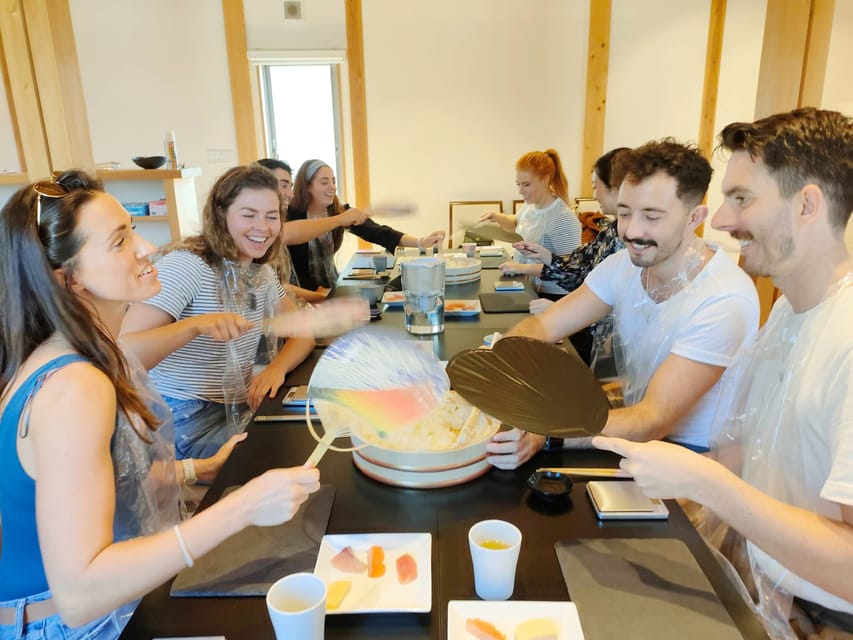
Rice is the foundation of this class. You learn how to season properly cooked rice and work with it without crushing or overhandling it. That may sound simple, but rice texture is one of the details that decides whether homemade sushi holds together.
The demonstrations are repeated slowly enough for you to follow. You work through each step at your own place, with the instructor or an assistant nearby to correct your grip and shape.
The class provides disposable gloves and an apron. Those details keep the process tidy and make the activity easier for people who have never made sushi before.
One particularly appealing detail is the rice itself. The class has used rice grown by Kana’s family, adding a personal connection to an ingredient that is often treated as an afterthought. The exact ingredients may vary, but the focus is on carefully selected local products.
Other things to make with your hands in Kyoto:
- Kyoto : Chopsticks Making Workshop in Gion with Engraving Option
★ 5.0 · 958 reviews - Authentic knife making experience at a blacksmith in Kyoto
★ 4.8 · 350 reviews - Kyoto: Calligraphy class at Buddhist temple in city center
★ 5.0 · 167 reviews - Kyoto: Japanese Calligraphy Class
★ 4.8 · 89 reviews
Shaping nigiri, gunkan, and maki
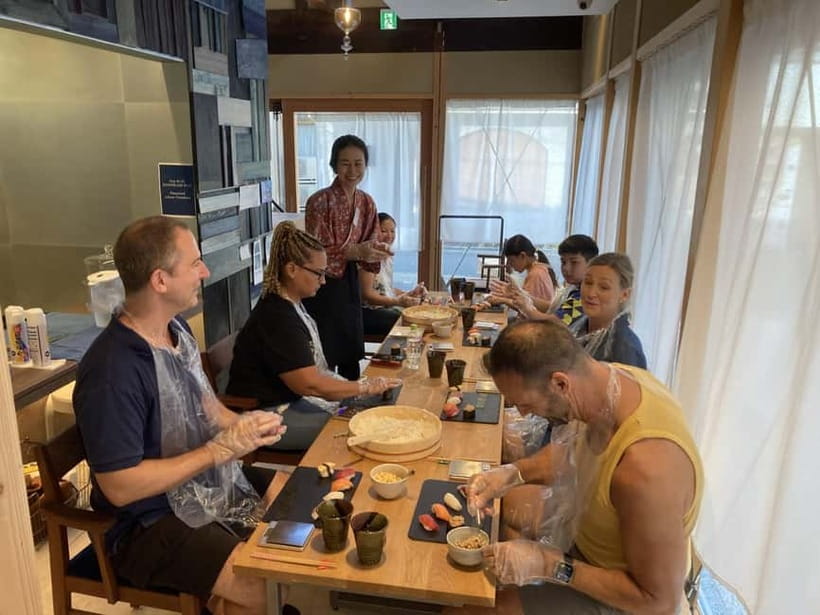
The class covers several sushi styles, so you get more than one repeated exercise.
Nigiri teaches you to form a small portion of rice and place fish on top. The technique looks effortless at a sushi counter, but the class helps you understand the pressure and shape needed to keep the piece together.
You may work with fish such as salmon, tuna, squid, or yellowtail, along with egg omelette. The exact selection depends on what is available, but the experience uses fresh fish and other prepared ingredients. The fish has been sourced from Kyoto’s local market, including Nishiki Market.
Gunkan sushi gives you another shape to manage. The rice is wrapped so that a topping can sit above it. Examples used in the class have included corn and tuna salad, which add variety for people who want something beyond raw fish.
Maki rolls are the most familiar part for many beginners, but they still require care. You learn how to spread the rice, place fillings, roll with the mat, and cut the finished cylinder. Salmon and avocado have been used in the class, though fillings can change.
I like this mix because it gives you several skills to repeat at home. You learn how to form individual pieces, contain softer toppings, and roll a larger piece cleanly.
Eating what you made, with enough for lunch
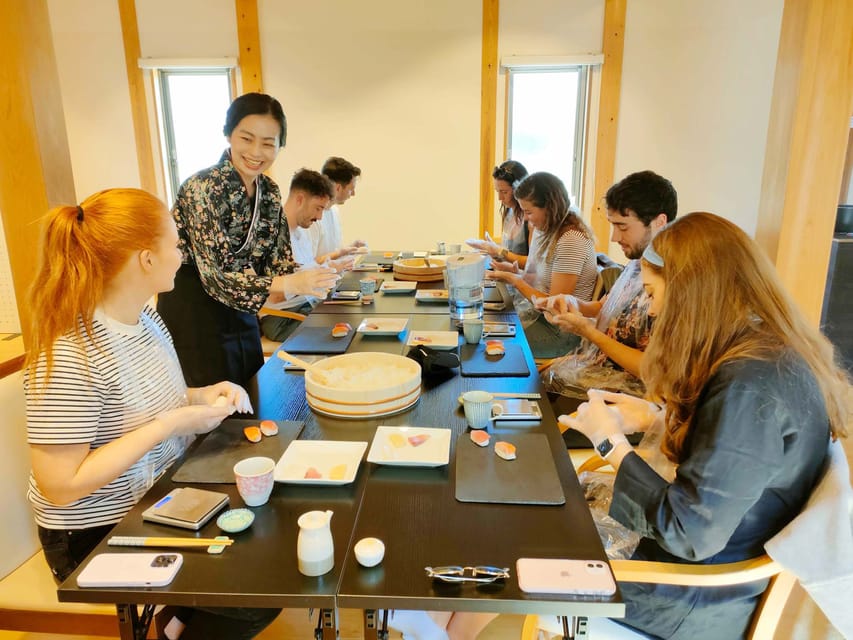
After the preparation, you sit down and eat your sushi with miso soup. Soy sauce, wasabi, and ginger are also part of the meal.
The portion is generous. Some participants have produced around 16 pieces each, and several people have found the amount more than enough for lunch. You may want to arrive hungry, especially if you have a full sightseeing day ahead.
Eating your own work changes the meal. Uneven pieces and imperfect rolls become part of the fun, while the fresh fish and well-prepared rice give you a fair chance of making something genuinely delicious.
This is also a good point to ask final questions. You can compare techniques, talk with the other people at the table, and get suggestions for making sushi at home. The setting is relaxed rather than formal, so the meal feels social without requiring you to perform for the group.
What the eight-person limit changes
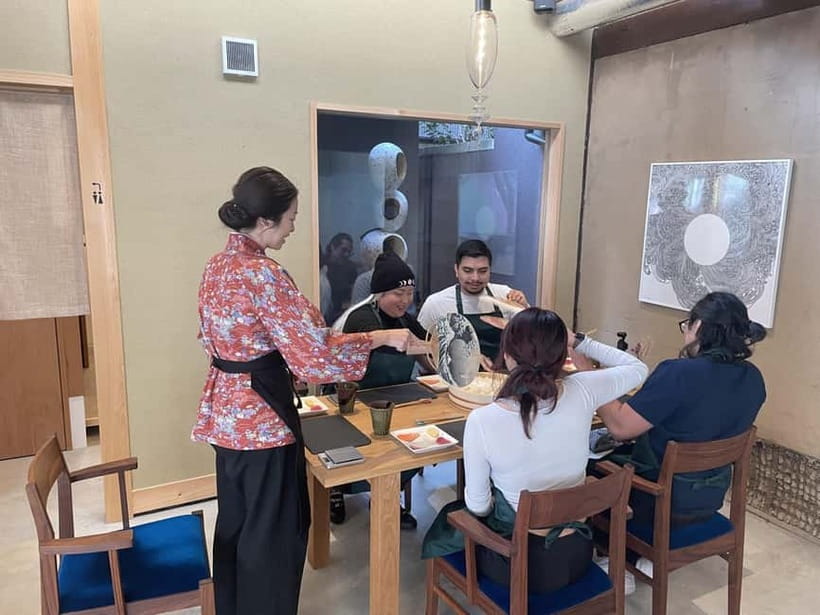
The maximum group size is eight, but the class may be smaller. A couple once found themselves as the only two participants, while another family of seven booked the full experience together.
A small group gives the instructor time to watch each person work. That is especially helpful when you are shaping nigiri or making your first roll. You do not have to wait long for help, and questions about ingredients or Japanese culture are easier to fit in.
The format also works for families. A family group ranging from a grandmother to young children enjoyed making both nigiri and maki together. Another parent attended with a 10-year-old, who took an active role throughout the process.
Children still need to be comfortable handling food and following instructions. The activity is not presented as a special children’s program, but the patient demonstrations and hands-on format can suit older children and teenagers.
Solo visitors and couples can also fit in easily. Because the group is small, you have a natural chance to chat with people from other countries without the class becoming noisy or impersonal.
The traditional setting and the Kyoto connection
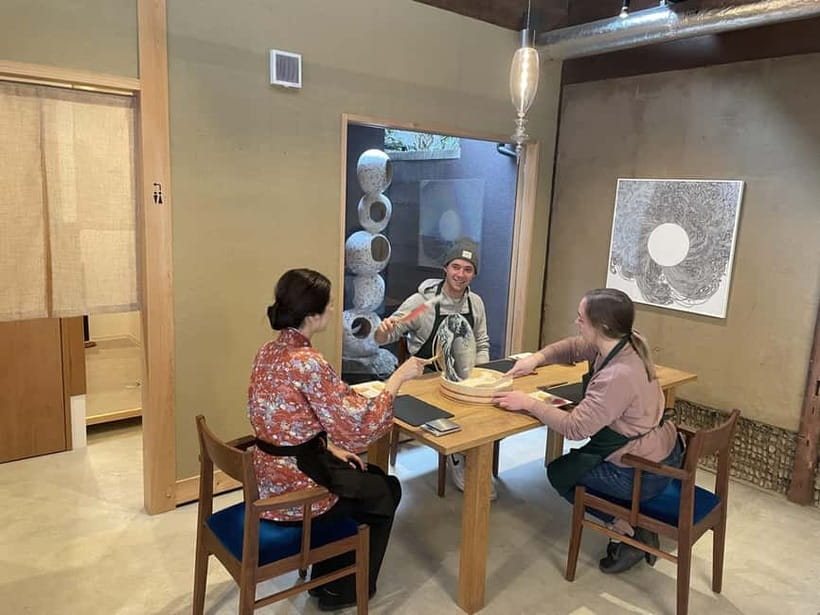
The workshop takes place in a beautifully restored townhouse rather than a large commercial kitchen. The house gives the class a sense of place and helps connect the meal to Kyoto’s older architectural style.
This is not a sightseeing tour of the building, so you should not expect a long architectural presentation. Its value is in the mood: you are preparing a classic Japanese food in a setting that feels more personal than a generic cooking studio.
The cultural conversation adds another layer. Kana has shared information about growing up in Osaka and moving to Kyoto, while discussions can cover Japanese history, food customs, and local recommendations. If you have questions about your itinerary, this is a useful chance to ask someone who lives in the area.
That exchange is one of the strongest reasons to choose this class over a basic sushi lesson. You leave with a method for making sushi and a little more understanding of the city around you.
The take-home bag is more useful than a souvenir
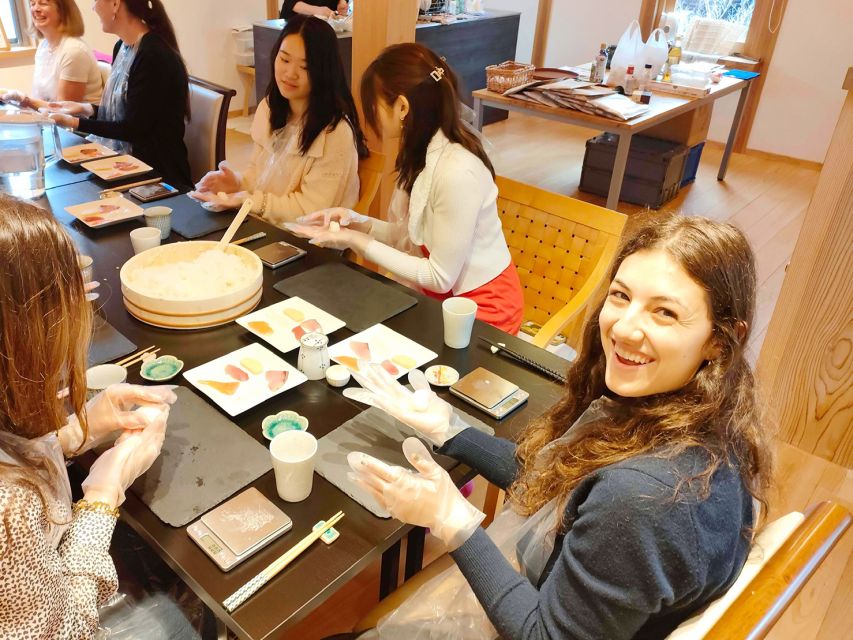
At the end, you receive a gift bag with a sushi rolling mat, chopsticks, and a recipe card. Disposable gloves and an apron are supplied for the workshop, while the mat and recipe give you something practical to use later.
The recipe card matters because sushi can seem easy during a demonstration and less obvious once you return home. Having the steps in writing helps you remember the rice seasoning and rolling method.
The gift does not transform the class into a professional training course. You will not leave ready to work at a sushi counter, and you do not cut the fish yourself. One participant specifically wished for a chance to prepare the fish, though the ingredients are already cleaned and portioned for safety and timing.
For a home cook, that is a fair trade. The class concentrates on the parts you can realistically repeat in your own kitchen.
Price, timing, and practical limits
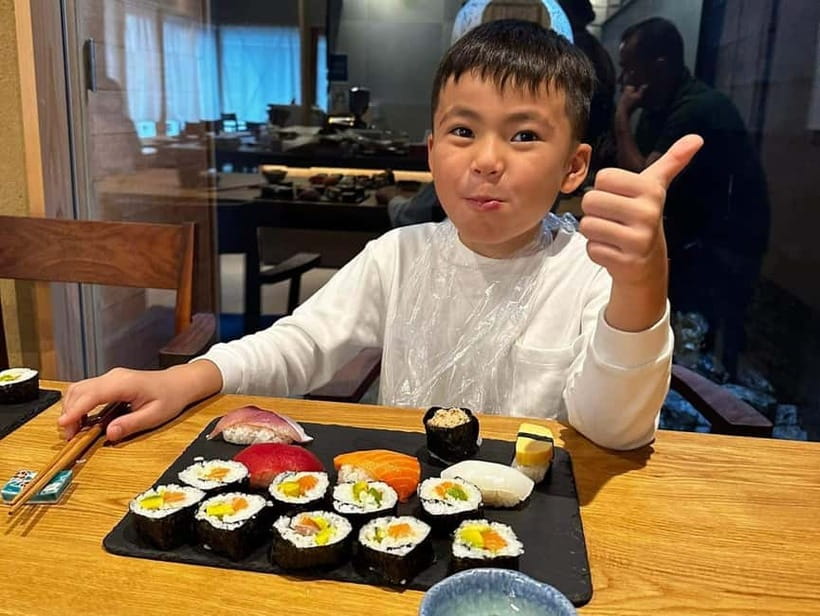
The $60 price includes the workshop, the sushi you make for lunch, miso soup, and the take-home kit. Since the activity lasts 90 minutes, you are paying for a focused lesson rather than a long cooking course.
I consider the value strongest for people who would otherwise pay separately for lunch and a cultural activity. It is less compelling if you only want to eat sushi, since Kyoto has many restaurants where you can sit down and order it without doing the preparation.
Free cancellation is available up to 24 hours before the start time, and you can reserve without paying immediately under the pay-later option. Starting times vary, so check availability when choosing your date.
The main restrictions deserve attention. The class is not suitable for wheelchair users or vegetarians. You should report dietary restrictions when booking, but do not assume the menu can be changed to meet every need. Raw fish is central to the experience.
Who should book this class
I would choose this for first-time sushi makers, families, couples, and food-focused visitors who want an activity that feels social but not hectic. It is also a good choice after several days of temple visits, since the pace is restful while still giving you something to do.
People with home sushi experience can still enjoy it, particularly if they want to learn local methods or ask about traditional preparation. The class may be less useful if you already make nigiri and maki confidently and are seeking advanced knife skills or professional fish preparation.
It is a strong fit for anyone who values conversation. Kana and her team make space for questions about Japan, Kyoto, food, and history, and the small group helps those discussions feel natural.
Should you book the Kyoto sushi workshop?
Book it if you want to eat a generous lunch, learn practical sushi skills, and spend time with friendly English-speaking instructors in a traditional Kyoto setting. The fresh fish, family-grown rice, small group, and useful gift bag give the $60 price real substance.
Skip it if you are vegetarian, use a wheelchair, dislike raw seafood, or want an advanced chef-level course. For everyone else, this is a well-paced way to connect food with place, and you leave with both a full stomach and a recipe you can try again at home.
FAQ
How long does the Kyoto sushi-making workshop last?
The workshop lasts 90 minutes. Check available start times when booking.
Where does the class take place?
It takes place in the Kyoto Wand building, a short walk from Kiyomizu-Gojō Station on the Keihan Main Line. The building is centrally located near areas including Gion and Kiyomizu-dera.
Is the class taught in English?
Yes. The workshop includes an English-speaking host and English instruction.
What types of sushi will I make?
The class covers nigiri and maki rolls, and sessions have also included gunkan sushi. The exact ingredients may vary, with examples including salmon, tuna, squid, yellowtail, egg omelette, avocado, corn, and tuna salad.
Is food included?
Yes. You eat the sushi you make for lunch, and miso soup is included. Soy sauce, wasabi, and ginger are also used with the meal.
Is the workshop suitable for vegetarians or wheelchair users?
No. The activity is listed as unsuitable for vegetarians and wheelchair users. You should advise the provider of any dietary restrictions when booking.
Just added in Kyoto
- Kyoto: Zen Meditation at a Private Temple with a Monk★ 5.0 · 25 reviews
- Private Cooking Class Udon in Kyoto Japan★ 5.0 · 23 reviews
- Your Private Vacation Photography Session In Kyoto★ 5.0 · 110 reviews
- Private Pewter Sake Cup Experience with a Kyoto Artisan★ 5.0 · 31 reviews
- Kyoto Wagashi(Japanese sweets) Cooking Class near Fushimiinari★ 5.0 · 60 reviews
- Kyoto:Family-Friendly Kimono & Yukata Experience at WARGO★ 5.0 · 147 reviews
- Private Guided Traditional Buddhist Cooking in Japan★ 5.0 · 16 reviews
- Kyoto: Gion Geisha District & Sake-in-Hand Walking Tour★ 5.0 · 37 reviews
Calligraphy & Craft Workshops, compared.
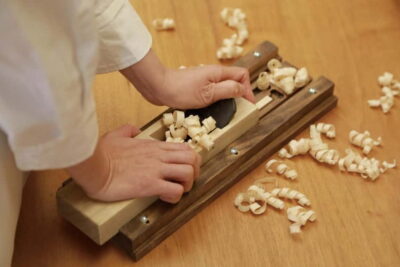
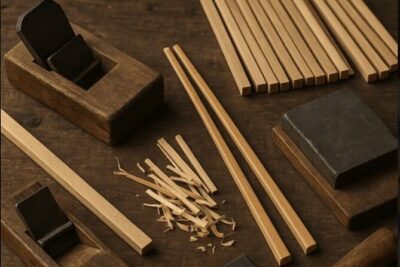
Chopsticks Making Workshop in Gion with Engraving Option
Read our review →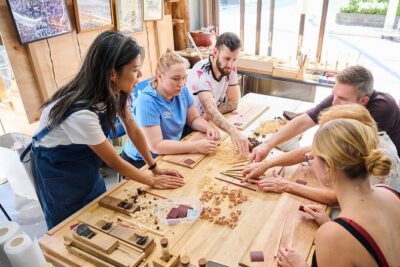

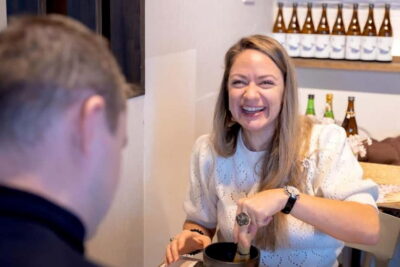
Matcha Making Experience with Mochi Sweets in Asakusa
Read our review →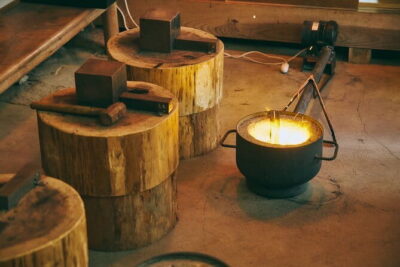
Authentic knife making experience at a blacksmith in Kyoto
Read our review →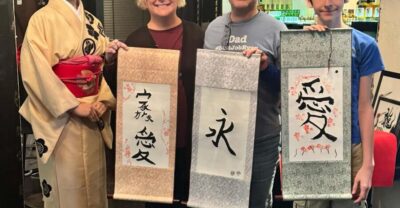
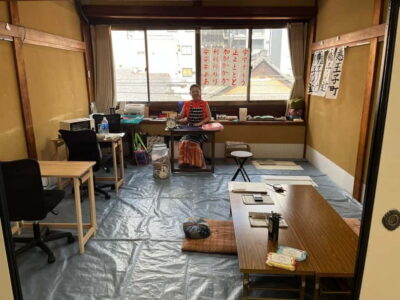
Calligraphy class at Buddhist temple in city center
Read our review →Browse the lists this tour appears in