
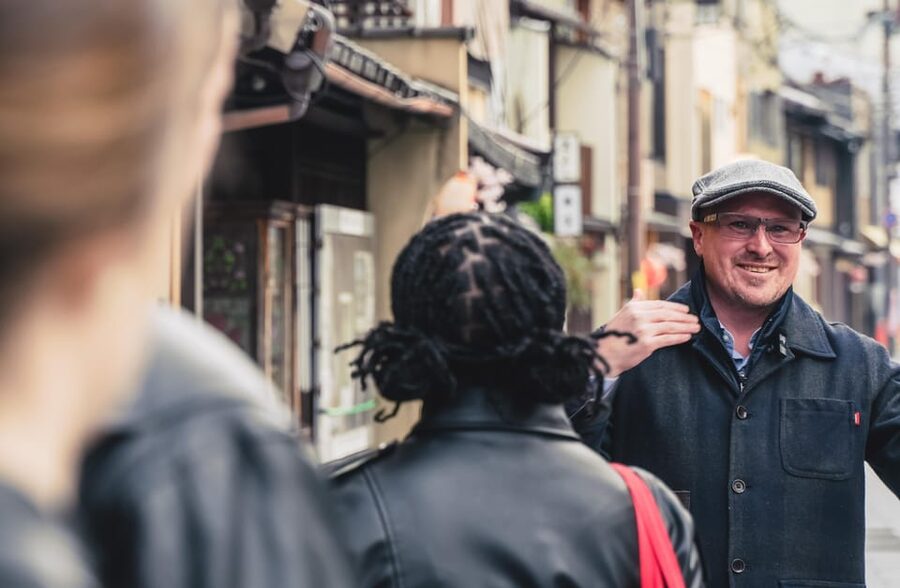
Reviewed · GEISHA & GION DISTRICT TOURS
Kyoto: The Geisha Districts of Kyoto Walking Tour
Kyoto’s geisha districts are best understood on foot, where narrow lanes, wooden tea houses, and quiet side streets tell more than a quick photo stop ever could. This two-hour tour begins inside a traveler lounge in Miyagawacho, with a drink, slideshow, and games linked to geisha entertainment.
I like the small-group format and the chance to learn indoors before walking outside. I also like that the route connects several districts and major sights instead of staying on one crowded street. The main drawback is weather: two hours on foot can feel long in steady rain, and the route is not suitable for people with mobility impairments.
Key points
- Begins in Miyagawacho: Start with a welcome drink, slideshow, and games before heading into the geisha quarter.
- Covers four of Kyoto’s five hanamachi districts: The tour gives you a wider view than a short walk through Gion alone.
- Includes major Higashiyama sights: Kenninji Temple, Yasui Kompira-Gu Shrine, Ninenzaka, and Yasaka Shrine are part of the route.
- Explains tea-house customs: You learn how the entertainment districts work, not just where to take pictures.
- Offers English and French guides: Private and small-group options are available.
- Costs $38 per person: That is fair value if you want cultural context along with your walking route.
Starting inside Miyagawacho

The tour starts at Kyoto Fun, with the exact meeting point depending on the option you book. One listed location is 河松マンション, so check your confirmation carefully before setting out.
The first part takes place in a traveler lounge in Miyagawacho, one of Kyoto’s central geisha districts. This is a smart way to begin. Instead of asking you to absorb unfamiliar customs while standing on a busy sidewalk, the guide gives you a calm introduction first.
You can enjoy a welcome drink while learning about the world of geisha and the role of the tea house. An interactive slideshow helps put faces, clothing, performance, and daily customs into context. The tour also includes games associated with geisha entertainment, giving you a small sense of the social setting rather than treating the subject as a distant museum display.
Food and drinks are not generally included, so think of the welcome drink as part of the opening lounge session, not as a meal or an open refreshment service. If you want dinner afterward, the guide can suggest places to eat near the end of the walk.
Other walking tours in Kyoto people book:
- Kyoto Geisha Walking Tour: Gion District & Hidden Gems
★ 4.7 · 3,273 reviews - Kyoto: Gion Magical Night Walking Tour with Geisha Trivia
★ 4.9 · 2,393 reviews - Kyoto: Gion Geisha District Walking Tour – Stories of Geisha
★ 4.7 · 2,187 reviews
Miyagawa-chō and the five hanamachi districts
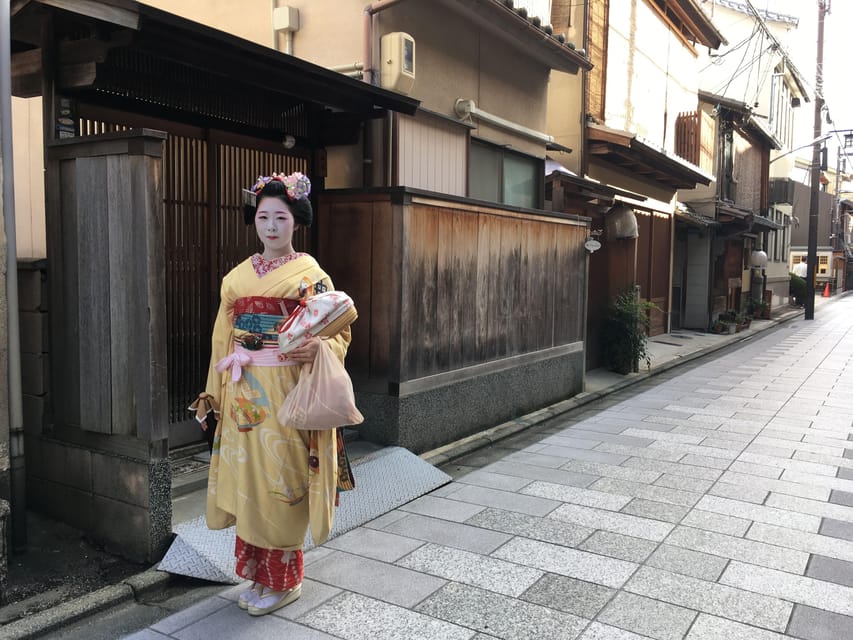
Miyagawa-chō is the first district explored in detail. The word hanamachi refers to Kyoto’s traditional geisha quarters, and Kyoto has five recognized districts. This tour visits four of them, giving you a broader view of the city’s entertainment culture than a Gion-only outing.
That wider coverage is one of the tour’s strongest points. Gion is the name most people know, but Kyoto’s geisha culture is spread across several historic quarters. Walking between them helps you see that this is not one staged street built for sightseeing. It is a network of working neighborhoods, tea houses, shrines, temples, and ordinary city streets.
Your guide explains the difference between the public view of geisha and the private customs of the tea house. You may catch sight of women in full costume, but that should be treated as a possibility, not the main promise of the tour. The real value is learning how to read the area respectfully.
The streets can be narrow, and the atmosphere changes quickly. A lane that feels quiet may open onto a more active road, while a plain-looking entrance may lead to a tea house with a long local tradition. Your guide helps point out these details, which are easy to miss when you are walking alone.
Kenninji Temple after the tea houses
The route includes a visit to Kenninji Temple, with about 15 minutes listed for the stop. This is Kyoto’s oldest Zen temple, according to the tour information, and its inclusion adds a useful religious and artistic counterpoint to the entertainment districts.
You should not expect a long temple visit or extended time for quiet reflection. The stop is brief, so the guide’s explanation is likely to focus on what helps you understand the surrounding neighborhood and the connection between Kyoto’s cultural institutions.
I like this pairing of temple and tea-house culture. It reminds you that Kyoto’s old quarters were shaped by many forms of art, ceremony, and social life. The tour does not present geisha culture as an isolated curiosity. It places it within a larger walk through central Kyoto.
Because this is a walking tour, the temple stop also breaks up the pace. You get a chance to pause after the first stretch through Miyagawa-chō before continuing toward the next sites.
Yasui Kompira-Gu Shrine and local customs
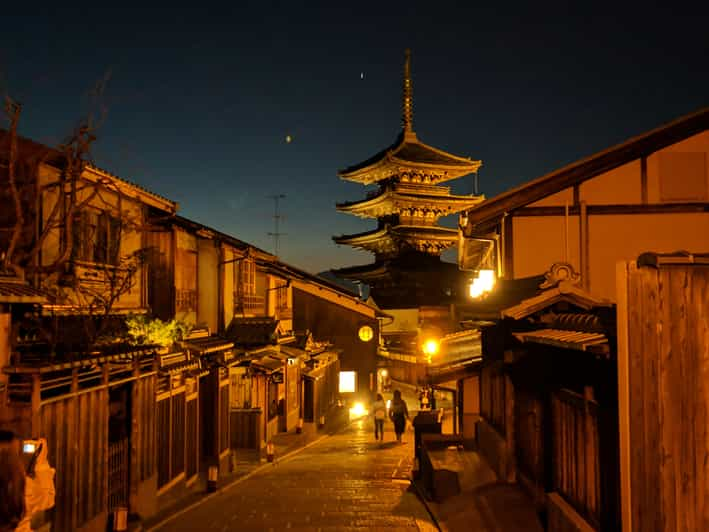
The next listed stop is Yasui Kompira-Gu Shrine, with around 15 minutes for a visit. The shrine is known for a large stone associated with breaking unwanted ties and forming better ones, though the supplied tour details do not specify how much time will be spent on that practice.
What matters for this tour is the way the shrine adds another layer to the neighborhood. You are not walking from one photo spot to another. You are seeing religious places alongside tea houses and traditional streets, with your guide explaining how these spaces fit together.
A short stop means you should keep your expectations measured. This is not a full temple and shrine tour. It is a guided introduction woven into a longer route about Gion, Higashiyama, and geisha culture.
Comfortable shoes are important. The route includes narrow historic streets and several separate stops, and the tour is not suitable for people with mobility impairments. I would also bring rain protection during wet weather. One recent participant completed the walk in rain and found the two hours uncomfortable by the end.
Other evenings in the old entertainment quarters of Kyoto:
- Best of Kyoto: Gion, Geisha, Pagodas & Cobblestones
★ 4.9 · 2,058 reviews - Night Walk in Gion: Kyoto’s Geisha District
★ 4.5 · 2,003 reviews - Kyoto Night Foodie Tour in Gion (9+ dishes + 6 Sake tastings)
★ 5.0 · 1,762 reviews - Kyoto Gion Geisha District Walking Tour – The Stories of Geisha
★ 5.0 · 1,441 reviews
Ninenzaka and the old streets of Higashiyama
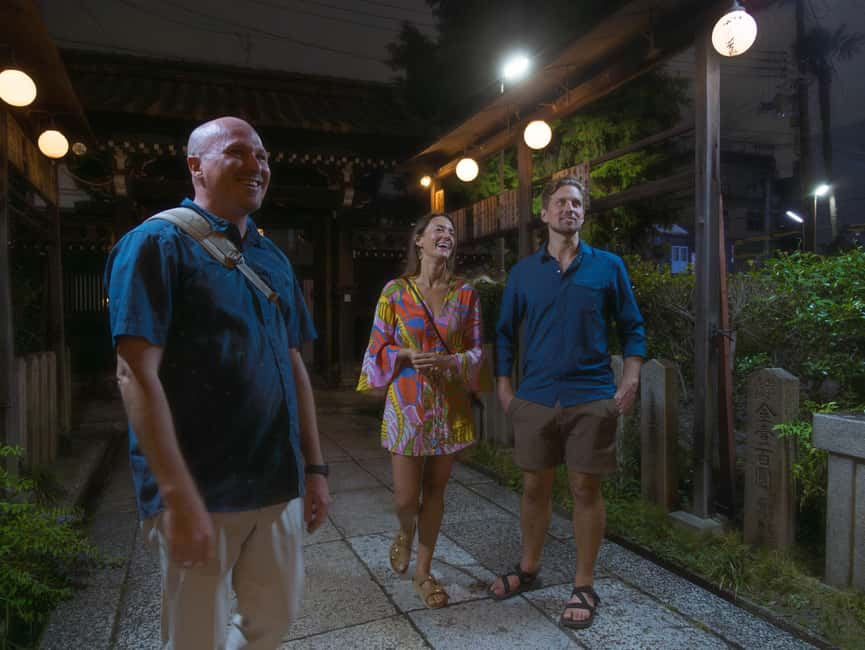
Ninenzaka receives about 20 minutes of guided time. Its sloping lanes and traditional buildings make it one of the most recognizable parts of Higashiyama, and it gives you the kind of setting many people hope to see when they picture old Kyoto.
The attraction is not only the view. It is the chance to understand how the district connects the formal sights with the entertainment quarters. Your guide can explain what you are seeing while you walk, rather than leaving you to guess which buildings are tea houses, shops, residences, or religious sites.
This is also likely to be one of the more crowded portions of the route. The tour information does not promise an empty street, and Ninenzaka is a well-known area. If you want peaceful photography, the group pace and public setting may limit your time.
Still, the guided explanation makes the stop more useful than a quick pass through. You get historical and cultural context while moving through a street that can otherwise become a backdrop for photographs.
Yasaka Shrine and the final stretch
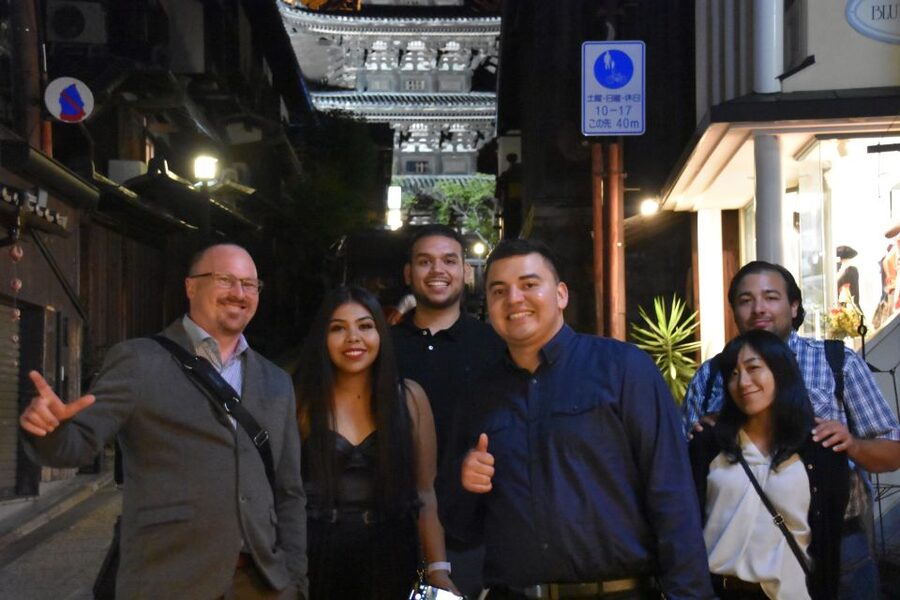
The walk finishes with a guided visit to Yasaka Shrine, listed at about 20 minutes. This is one of Kyoto’s best-known shrines and a natural ending point for a route through Gion and Higashiyama.
By this stage, you have seen the districts from several angles: the tea-house streets of Miyagawa-chō, the temple setting at Kenninji, the shrine at Yasui Kompira-Gu, and the old lanes around Ninenzaka. Yasaka Shrine gives the route a clear finish and leaves you near places where you can continue sightseeing or find dinner.
The tour lasts two hours, but the listed stop times add up to more than the walking portion described in the introduction. The practical takeaway is that the schedule is structured around short visits and explanations rather than long stays at each site. The walk itself is said to take close to one hour, with the remaining time used at the lounge and stops along the way.
That format works well if you want an overview. It will feel too quick if you hope to study each temple or shrine in detail.
What the guides add
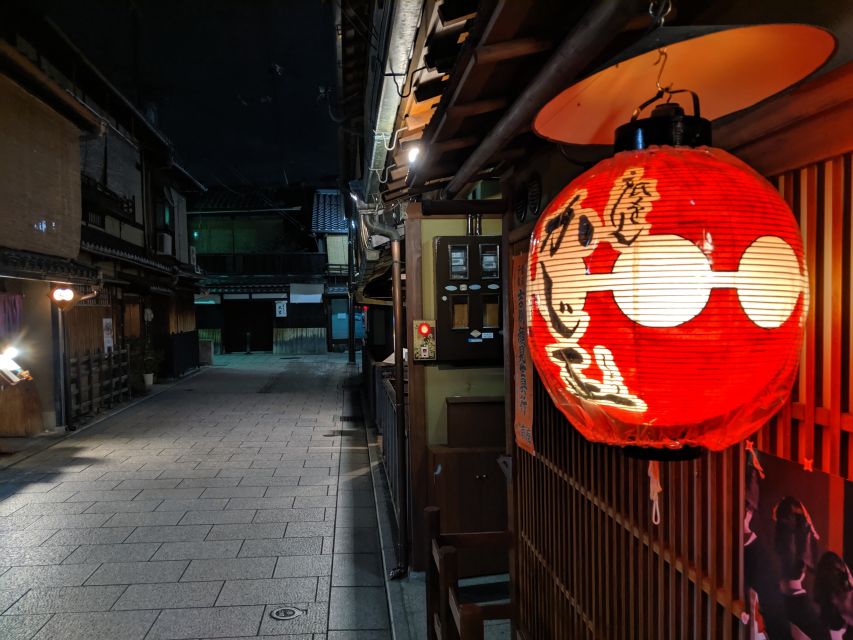
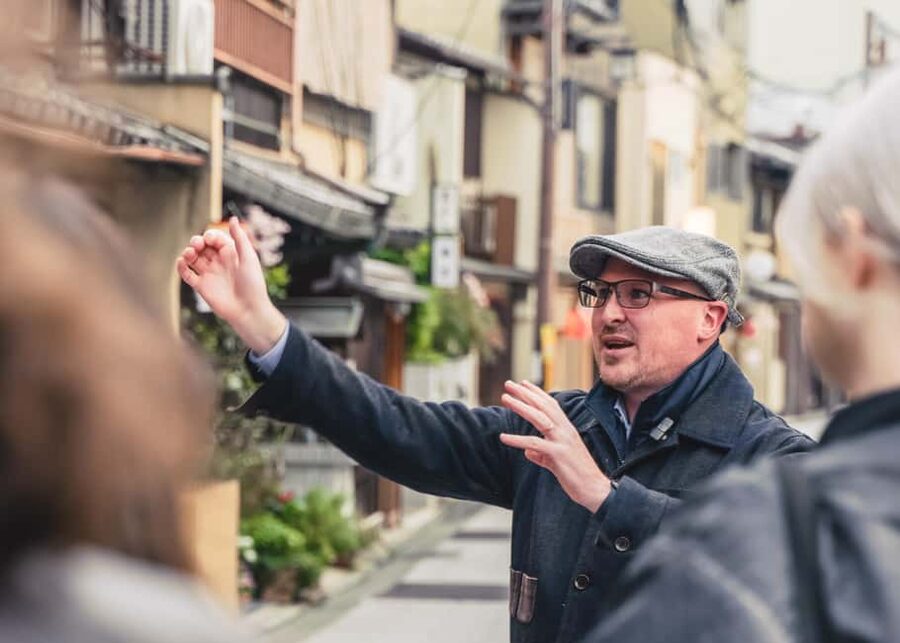
The guide is central to this experience. The tour is offered in English and French, and the provider offers private or small-group arrangements. A small group should make it easier to hear explanations and ask questions in narrow streets.
Two guides praised by name in the supplied feedback are Ben and Kevin. Kevin was especially appreciated for covering Japanese history and culture beyond the geisha subject. That wider knowledge matters because geisha districts can be misunderstood when presented as a single, theatrical theme.
Ben was described as warm and engaging, which suits a tour that begins with games and discussion in a lounge. You should not assume that either person will lead your specific departure, but those names give you a sense of the guide style the provider aims for.
I would choose this tour for explanation rather than for guaranteed sightings. You might see a geisha or maiko in costume, but the timing is not controlled. The guide can show you where the tea houses are and explain local customs, but respectful observation is more realistic than expecting a close encounter.
Is $38 a fair price?
At $38 per person, this tour offers reasonable value for a two-hour cultural walk. You are paying for a bilingual guide, the lounge introduction, a welcome drink, the slideshow and games, and a route through four of Kyoto’s five geisha districts.
The price makes the most sense if you are new to Kyoto or if you want context before exploring Gion on your own. A free walk can show you the same streets, but it cannot easily explain the customs behind the tea houses or help you distinguish the different districts.
The value is lower if you mainly want photographs. You will spend time listening, moving with a group, and visiting sites for limited periods. Food and drinks beyond the welcome drink are not included, so budget separately for dinner.
Private and small-group options may suit people who want more chances to ask questions. The exact price and format may vary by booking choice, so check the option details before paying.
Who should book this Kyoto walk?
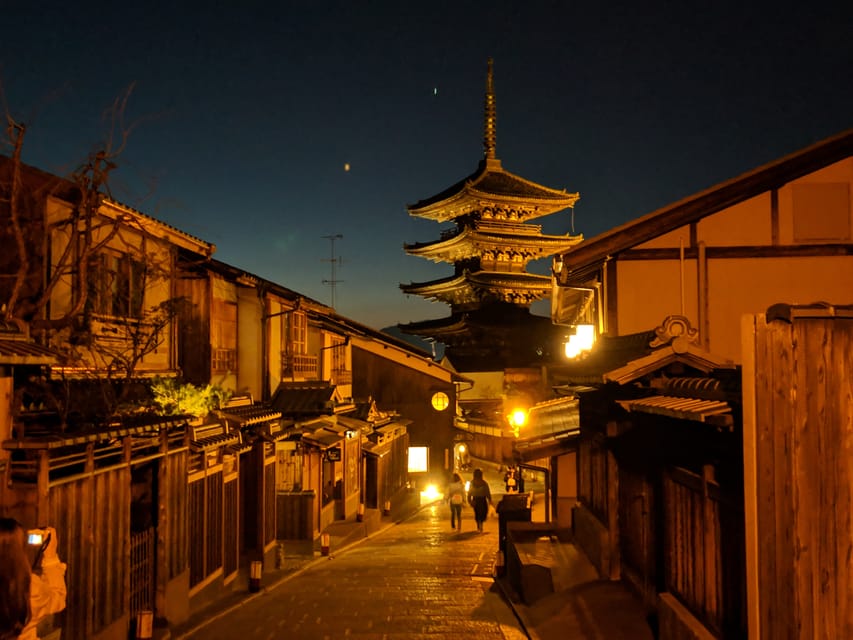
I would recommend it to first-time Kyoto visitors, people curious about geisha culture, and anyone who wants a guided introduction before returning to Gion independently. It also suits travelers who prefer a short activity that combines cultural explanation with major Higashiyama sights.
The tour is a good match if you enjoy history, local customs, and street-level observation. The lounge presentation is particularly useful for anyone who knows little about geisha and wants a respectful starting point.
I would hesitate if you have difficulty walking, dislike narrow or crowded streets, or want a slow temple visit. Rain can also make the route less pleasant, since you are outdoors for much of the experience.
The tour offers free cancellation up to 24 hours before departure, and you can reserve now and pay later. Those terms help if your Kyoto plans are still shifting, but they do not change the need to confirm the meeting point and start time.
My verdict on the experience
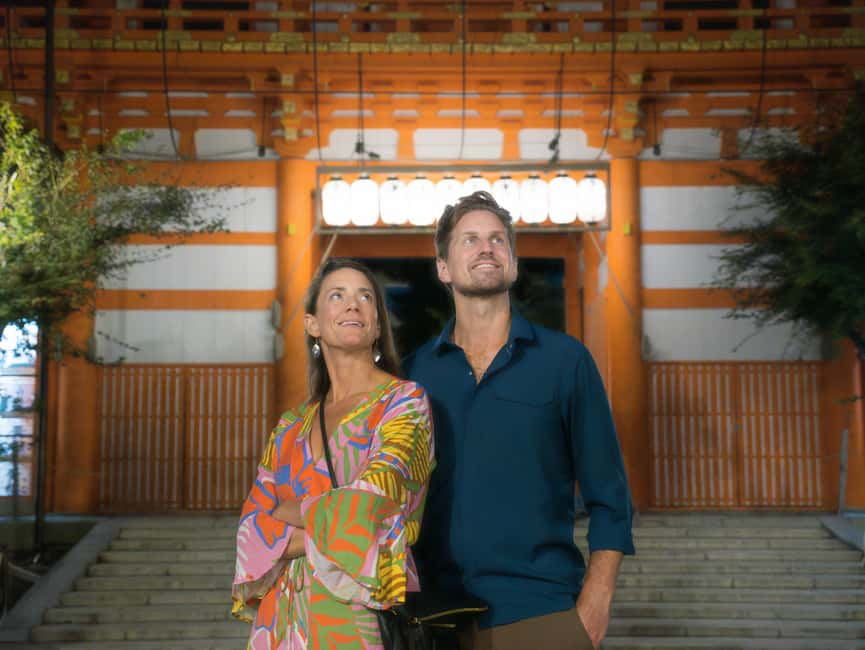
This is a well-priced introduction to Kyoto’s geisha districts, with more substance than a simple Gion photo walk. I like the mix of lounge presentation, cultural games, tea-house background, and visits to temples, shrines, and old streets.
Book it if you want to understand what you are seeing. Skip it if you want an unhurried shrine tour or a guaranteed geisha sighting. For most visitors, the best use of the experience is to take the lessons from the first two hours and then explore Gion and Higashiyama with sharper eyes afterward.
FAQ
How long does the Kyoto geisha districts walking tour last?
The tour lasts two hours. The walking portion takes close to one hour, with additional time at the traveler lounge and at stops along the route.
What areas does the tour visit?
The route covers Miyagawa-chō, Gion, and Higashiyama. Listed stops include Kenninji Temple, Yasui Kompira-Gu Shrine, Ninenzaka, and Yasaka Shrine.
Does the tour visit all five geisha districts?
No. The tour visits four of Kyoto’s five hanamachi geisha districts.
Is a drink included?
A welcome drink is provided at the traveler lounge at the start. Food and other drinks are not included.
What languages are available?
The tour is available with live guides in English and French.
Is the tour suitable for people with mobility impairments?
No. The activity is listed as unsuitable for people with mobility impairments because it involves walking through historic streets and between several stops.
More walking tours elsewhere in Japan
- Nishiki Market Brunch Walking Tour (7 Tastings + Brunch)
★ 5.0 · 1,355 reviews - Kyoto Arashiyama Walking Tour: Bamboo, Monkeys, Gardens & Secrets
★ 5.0 · 1,216 reviews - Kyoto Gion: 2-Hour Geisha Culture & History Walking Tour
★ 5.0 · 1,186 reviews - Kyoto: Izakaya Bars Guided Walking Tour
★ 4.9 · 815 reviews
Just added in Kyoto
- Private Cooking Class Udon in Kyoto Japan★ 5.0 · 23 reviews
- Your Private Vacation Photography Session In Kyoto★ 5.0 · 110 reviews
- Kyoto: Zen Meditation at a Private Temple with a Monk★ 5.0 · 25 reviews
- Private Pewter Sake Cup Experience with a Kyoto Artisan★ 5.0 · 31 reviews
- Kyoto Wagashi(Japanese sweets) Cooking Class near Fushimiinari★ 5.0 · 60 reviews
- Kyoto:Family-Friendly Kimono & Yukata Experience at WARGO★ 5.0 · 147 reviews
- Private Guided Traditional Buddhist Cooking in Japan★ 5.0 · 16 reviews
- Kyoto: Gion Geisha District & Sake-in-Hand Walking Tour★ 5.0 · 37 reviews
Geisha & Gion District Tours, compared.

Kyoto Geisha Walking Tour: Gion District & Hidden Gems
Read our review →
Gion Geisha District Walking Tour – Stories of Geisha
Read our review →
Best of Kyoto: Gion, Geisha, Pagodas & Cobblestones
Read our review →
Kyoto Night Foodie Tour in Gion (9+ dishes + 6 Sake tastings)
Read our review →
Kyoto Gion: 2-Hour Geisha Culture & History Walking Tour
Read our review →
Chopsticks Making Workshop in Gion with Engraving Option
Read our review →
Browse the lists this tour appears in