
Reviewed · GEISHA & GION DISTRICT TOURS
Gion Nocturno: Secretos y Leyendas de las Geishas
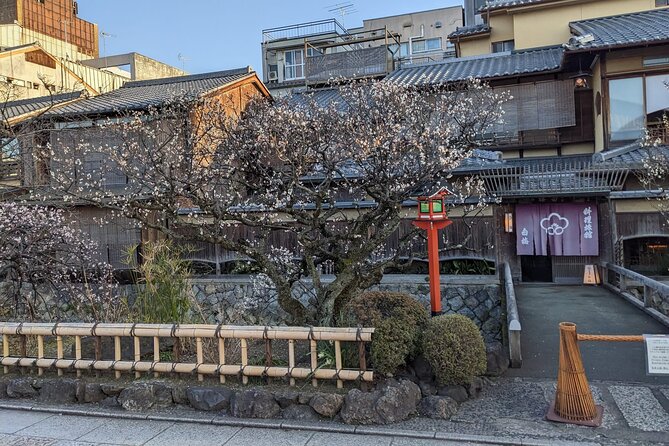
Gion changes after dark. The daytime crowds thin out, the wooden machiya houses look more graceful, and the narrow lanes around the old entertainment district feel easier to read. I like this tour for its small group of up to 15 people and its route through several of Gion’s key sights, all for a modest price.
I also like that the walk gives you context for geisha life instead of treating the district as a photo backdrop. The main caution is simple: this is a walking and storytelling experience, not a guaranteed geisha encounter or a ticket to a performance. One past note also raised concerns about occasional historical errors, so listen with interest but keep your own judgment.
Key points to know before booking
- Nighttime Gion: See the district after the day’s main crowds have gone.
- Five central stops: The route includes Minamiza Theater, Tatsumi Bridge, Hanamikoji Street, Gion Corner, and Yasaka Shrine.
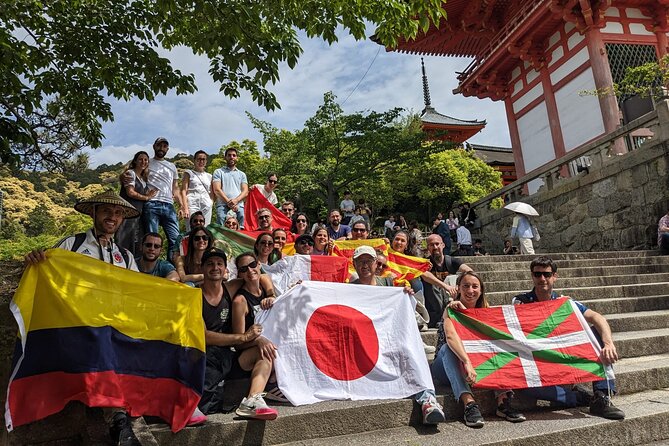
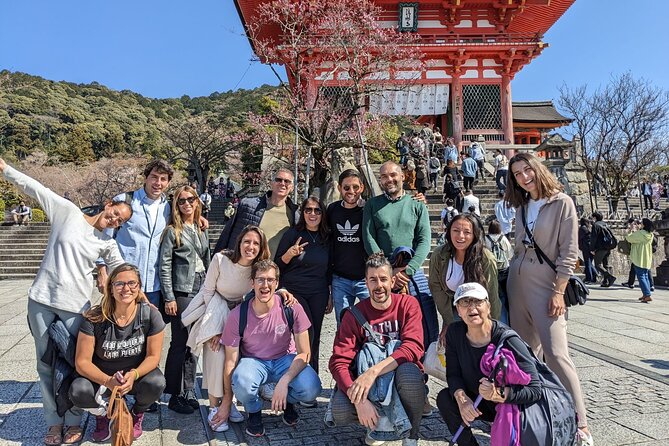
- Small-group format: No more than 15 people can join, giving the guide room to answer questions.
- Geisha-focused storytelling: The walk explains the work, training, and life of geisha and maiko.
- Good value: At $21.80 per person, you pay mainly for local explanation and a carefully planned route, not admission to a show.
- Easy meeting plan: Start at Minamiza Theater and finish across from Gion Corner, near public transportation.
Why Gion works better after sunset
Gion is one of Kyoto’s most photographed districts, but daylight can make it hard to appreciate. Tour groups, cameras, and people moving from one stop to the next can overwhelm the quiet wooden streets. This walk begins after dark, when the mood changes and the old tea-house quarter becomes easier to notice.
You still need to respect the area. Gion is not an open-air stage built for photographs. Its traditional buildings house working restaurants, tea houses, and private spaces. A good guide helps you understand that distinction, explaining what you are seeing without encouraging intrusive behavior.
The walk is especially useful if Gion is your first introduction to Kyoto’s geisha culture. The term geisha refers to trained performers who entertain through arts such as music, dance, conversation, and ceremony. You may also hear about maiko, the apprentices whose dress and appearance are often associated with Kyoto. The exact subjects will depend on the guide, but the tour is designed to explain the world behind the costumes.
The evening setting does not guarantee that you will see a geisha. That is important. You might notice one moving between appointments, but the value of the tour should rest on the places and explanations, not on a sighting.
Other evenings in the old entertainment quarters of Kyoto:
- Kyoto Geisha Walking Tour: Gion District & Hidden Gems
★ 4.7 · 3,273 reviews - Kyoto: Gion Magical Night Walking Tour with Geisha Trivia
★ 4.9 · 2,393 reviews - Kyoto: Gion Geisha District Walking Tour – Stories of Geisha
★ 4.7 · 2,187 reviews
Starting at Minamiza Theater
The meeting point is Minamiza Theater, at the eastern end of Shijo Bridge in Kyoto’s Higashiyama Ward. This is a practical place to begin because it is near public transportation and easy to identify in the busy central area.
Minamiza is closely linked with kabuki, one of Japan’s best-known traditional theater forms. Kabuki uses elaborate costumes, dramatic makeup, stylized movement, and stories built for the stage. The theater gives the tour a useful opening point because Kyoto’s performance culture is connected to the entertainment districts that grew around it.
You spend about 10 minutes here, with no admission ticket included or needed for the stop. Do not expect a theater performance as part of the walking tour. Instead, this is a chance to understand why Gion developed as a place where food, music, dance, and formal entertainment came together.
Arrive with enough time to find the theater before the start. The booking confirmation is issued when you reserve, and the mobile ticket makes the process simple, but a phone screen is less useful when you are rushing through Kyoto streets.
Tatsumi Bridge and the Shinbashi quarter
From Minamiza, the route continues toward Tatsumi Bridge and Gion Shinbashi. This section is one of the most attractive parts of the walk, with narrow lanes, stone paving, and traditional buildings that preserve the look many people hope to find in old Kyoto.
The stop lasts about 10 minutes. That may sound brief, but a short pause can work well here. The point is not to cover every lane in the district. It is to give you a clear explanation of how the area functions and why its buildings matter.
At night, the bridge and nearby streets can feel calm and atmospheric. You might find this is the point where the tour shifts from a general city walk to a closer look at Gion’s social world. The guide can help you distinguish a tea house from other traditional buildings and explain why the district has such a strong connection with geisha culture.
Keep your camera ready, but use it carefully. The pleasure here comes from looking at details: a dark wooden facade, a lantern, a narrow entrance, or the way the street bends away from the main road. The tour’s small size should make it easier to pause without forming a large crowd.
Hanamikoji Street and the old wooden facades
Hanamikoji Street is the most recognizable part of the route. Its machiya houses, tea houses, restaurants, and carefully maintained fronts create the classic image of Gion. The street is also one of the places where expectations need a little adjustment.
You are not walking through a museum. Hanamikoji remains part of a working neighborhood, and some doors open onto businesses or private areas. A guide can explain the difference between the public street and the private world behind the entrances. That context makes the buildings more meaningful than a quick photograph would.
The stop lasts about 10 minutes. You will probably want longer if you are interested in architecture, but the tour needs to keep moving to cover the full route. Think of this as a strong introduction rather than a detailed architectural survey.
The geisha theme is most visible here, but the walk should not reduce the women who work in this tradition to costumes alone. Their training involves performance skills and social customs, and the guide may discuss the career path and daily life associated with the profession. Sergio, one of the guides connected with this experience, has been described as especially experienced in explaining geisha careers and history.
Same base, a different sort of day:
- PERFECT KYOTO 1-Day Bus Tour
★ 5.0 · 13,518 reviews - Kyoto: Fushimi Inari, Kinkakuji, Bamboo Grove 1 Day Bus Tour
★ 4.8 · 4,316 reviews - Kyoto: Tea Ceremony in a Traditional Tea House in Kiyomizu
★ 4.9 · 3,519 reviews - Kyoto: Tea Ceremony Ju-An at Jotokuji Temple
★ 4.9 · 3,207 reviews
Gion Corner and what the price includes
Gion Corner is the end point of the walk and one of its five planned stops. It is a cultural center where several Japanese traditional arts may be presented together, making it a useful place to connect Gion’s streets with the performances that support its identity.
The tour spends about 10 minutes here. Admission to Gion Corner is not included, so you should treat the visit as an outside stop unless you arrange a separate ticket. The walking tour does not become a performance package simply because it finishes at this venue.
That distinction matters when you assess the $21.80 price. You are paying for a guided evening walk, the route planning, and explanations at the sites. You are not paying for theater admission, a meal, or a private geisha appearance.
For many people, that is fair value. A self-guided walk through Gion costs nothing, but it will not tell you why the district developed, how the entertainment system works, or what separates a tourist image from the working culture of the area. If you already know Kyoto’s history well, the price may feel less essential. If you want a clear introduction without committing to an expensive private guide, it is a reasonable buy.
The tour ends in front of Gion Corner, at 570-2 Gionmachi Minamigawa. This is helpful because you can continue exploring the area afterward, find a restaurant, or head back toward public transportation.
Yasaka Shrine, a fitting final stop
Yasaka Shrine is the last listed stop and another 10-minute visit. Also called Yasaka Jinja or Gion Shrine, it is one of Kyoto’s best-known Shinto shrines and has more than a thousand years of history.
Its location at the edge of Gion makes it a natural finish. The shrine shows that the district is not only about tea houses and geisha traditions. Religious life, seasonal celebrations, commerce, and entertainment have long existed close together in this part of Kyoto.
You can visit the shrine grounds without paying an admission fee. The tour does not include a special ceremony or private access, so the guide’s interpretation is the main reason to include it. The stop can also help you understand the contrast between Gion’s quiet lanes and the more open shrine grounds.
Because the official end point is across from Gion Corner, the exact practical flow may place Yasaka Shrine near the end of the walk before the final return to Gion Corner. Confirm the precise order with your guide on the night, but the important point is that the route covers both the entertainment district and its major shrine.
What the small group changes
A maximum of 15 people is a useful middle ground. You get the social ease of a shared tour without the size of a large coach group, and the guide has a better chance of hearing questions.
A small group also matters in Gion’s narrow streets. Fifteen people can still take up space, so courtesy remains important, but the group should be easier to move and manage than a much larger crowd. The evening setting adds to that advantage.
The experience has been led by guides including Michael and Sergio. Michael has been described as polite and engaging, while Sergio has been noted for his strong background in geisha history. Guide quality can vary from one departure to another, and one account raised concerns about some historical claims. That is a useful reminder to separate the tour’s strong route from the accuracy of every spoken detail.
If a fact sounds surprising, ask a follow-up question. A good guide should welcome that. You can also treat the walk as an introduction and use a museum, book, or official cultural source later for finer points.
Timing, walking effort, and what to bring
The advertised duration is about two to three hours. That gives the guide enough time to cover the five stops while moving through the streets between them. The exact length may depend on group questions, walking speed, and how long each explanation takes.
Most people can participate, but you should be comfortable walking outdoors for the duration. The route includes city streets and traditional lanes, so wear shoes you can use on pavement and uneven surfaces. The supplied details do not promise seating, indoor shelter, or a weather backup, so plan for an outdoor evening.
Bring a charged phone for the mobile ticket. A small layer is sensible because the temperature can change after sunset, though the experience details do not specify a required dress code or equipment.
You do not need to pay admission at Minamiza Theater, Tatsumi Bridge, Hanamikoji Street, or Yasaka Shrine. Gion Corner admission is not included. The tour price also does not list food, drinks, or a performance.
Who gets the most from this Gion walk
I would choose this tour if you want a short, affordable introduction to Kyoto’s most famous geisha district. It suits first-time visitors who want more than photographs but do not want to spend heavily on a private cultural experience.
It also works well for people who prefer evenings. Gion during the day can feel crowded, while the night route offers a calmer setting and more attention to small details. The 99 percent recommendation rate and 4.9 out of 5 rating from 140 ratings suggest that the route and guiding style have worked well for most bookings, though no rating can guarantee that every guide or departure will feel the same.
I would be less likely to book it if you expect a geisha sighting, a full theater show, or a long stop at each landmark. The tour offers explanations and atmosphere, not guaranteed access to private tea houses or a formal performance.
The price also makes it a useful add-on. You can spend the day at Kyoto’s temples and museums, then use this evening walk to understand the district where traditional entertainment still has a public presence. At $21.80, you are paying a small amount for structure and local interpretation.
Booking, cancellation, and the final call
You can cancel for a full refund up to 24 hours before the scheduled start time. Changes or cancellations inside that 24-hour window are not accepted for a refund, and the cut-off uses Kyoto local time. The experience requires a minimum number of bookings, so if the operator cancels for that reason, you are offered another date or experience, or a full refund.
I would book this tour if your goal is to see Gion at night, understand the geisha tradition in plain terms, and walk the district with a small group. I would skip it only if you already know Gion well or need guaranteed performance admission.
For most first-time visitors, the combination of a two to three-hour route, five central stops, mobile ticket, and low price makes this a sensible way to begin exploring Gion. Just keep your expectations realistic: the real reward is learning how the district works, not collecting a single dramatic sighting.
FAQ
How much does the Gion Nocturno tour cost?
The listed price is $21.80 per person.
How long does the tour last?
The walk lasts approximately two to three hours.
Where does the tour begin?
It begins at Minamiza Theater, at the eastern end of Shijo Bridge in Kyoto’s Higashiyama Ward.
Where does the tour end?
The tour ends in front of Gion Corner at 570-2 Gionmachi Minamigawa, Higashiyama Ward.
What places are included on the route?
The route includes Minamiza Theater, Tatsumi Bridge, Hanamikoji Street, Gion Corner, and Yasaka Shrine.
Is admission to Gion Corner included?
No. Admission to Gion Corner is not included in the tour.
How many people can join the tour?
The group is limited to a maximum of 15 people.
Is the tour available with a mobile ticket?
Yes. A mobile ticket is available, and confirmation is issued when you book.
Can I cancel for a full refund?
Yes. You can cancel at least 24 hours before the scheduled start time for a full refund. Cancellations made less than 24 hours ahead are not refunded.
Just added in Kyoto
- Private Cooking Class Udon in Kyoto Japan★ 5.0 · 23 reviews
- Your Private Vacation Photography Session In Kyoto★ 5.0 · 110 reviews
- Kyoto: Zen Meditation at a Private Temple with a Monk★ 5.0 · 25 reviews
- Private Pewter Sake Cup Experience with a Kyoto Artisan★ 5.0 · 31 reviews
- Kyoto Wagashi(Japanese sweets) Cooking Class near Fushimiinari★ 5.0 · 60 reviews
- Kyoto:Family-Friendly Kimono & Yukata Experience at WARGO★ 5.0 · 147 reviews
- Private Guided Traditional Buddhist Cooking in Japan★ 5.0 · 16 reviews
- Kyoto: Gion Geisha District & Sake-in-Hand Walking Tour★ 5.0 · 37 reviews
Geisha & Gion District Tours, compared.

Kyoto Geisha Walking Tour: Gion District & Hidden Gems
Read our review →
Gion Geisha District Walking Tour – Stories of Geisha
Read our review →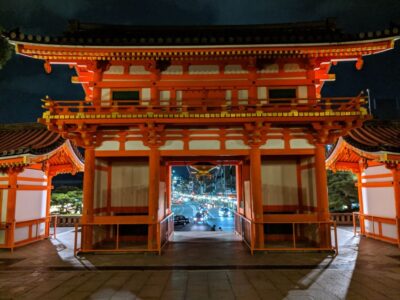
Best of Kyoto: Gion, Geisha, Pagodas & Cobblestones
Read our review →
Kyoto Night Foodie Tour in Gion (9+ dishes + 6 Sake tastings)
Read our review →
Kyoto Gion: 2-Hour Geisha Culture & History Walking Tour
Read our review →
Chopsticks Making Workshop in Gion with Engraving Option
Read our review →
Browse the lists this tour appears in