
Reviewed · GEISHA & GION DISTRICT TOURS
Gion Walking Tour by Night
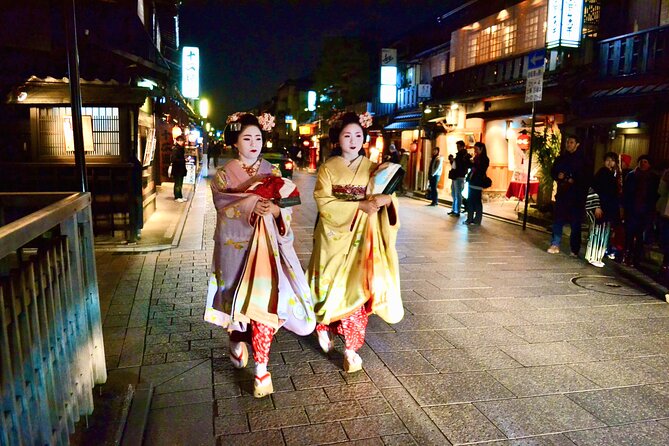
Gion looks its best after sunset, when lanterns glow along quiet lanes and the old wooden buildings take on a softer mood. This two-hour walk helps you find the district’s tucked-away streets without wandering in circles, while guides such as Mia, Mai, and Cheko explain the customs behind Kyoto’s geiko and maiko traditions.
I like the walk beside the Shirakawa River, an especially pretty stretch connected with Memoirs of a Geisha. I also like the clear cultural explanation, from kimono and makeup to the role of house mothers and the way tea houses operate. The main consideration is group size: the regular tour can feel crowded, so choose the smaller option if personal attention matters to you.
Key points
- Gion after dark: See the district when lanterns light the traditional lanes and evening appointments begin.
- Shirakawa River: Walk beside one of Gion’s most scenic areas, featured in Memoirs of a Geisha.
- Geiko and maiko explained: Learn the difference between the two, plus details about dress, training, makeup, and daily routines.
- English-speaking guides: Guides including Mia, Mai, and Cheko are praised for clear explanations, humor, and local insight.
- Two-hour format: Long enough for an introduction to Gion without taking up an entire evening.
- Group-size choice: The standard tour may be fairly large, while a smaller option with fewer than 12 people is available for an added cost.
Why Gion makes sense after sunset
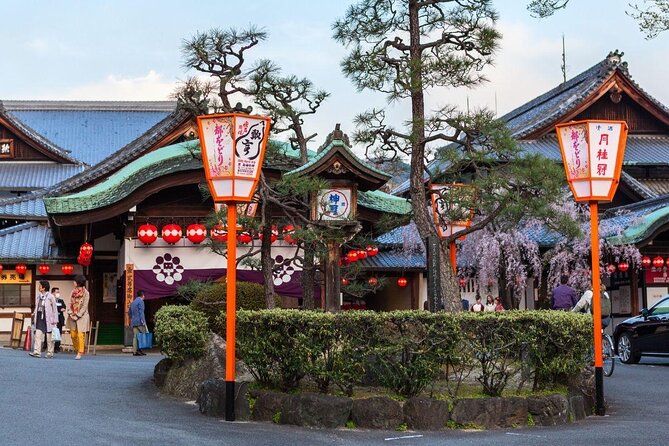
Gion is Kyoto’s traditional entertainment district, but it is not a single attraction with a gate and a clear route. It is a network of narrow streets, stone paving, wooden facades, restaurants, tea houses, and small lanes that are easy to miss.
That layout is the main reason to consider a guided walk. You can certainly stroll through the area by yourself, but a guide gives the streets a purpose. Instead of seeing only attractive buildings, you learn which parts relate to geiko and maiko culture, how the district developed, and what you should and should not expect to see.
The tour begins at 5:30 pm, with reception from 5 pm. That timing is useful because you enter Gion as daylight fades and the evening activity begins. It also makes the tour easy to pair with dinner afterward, although the walk itself does not include a meal or a meeting with a geiko or maiko.
The atmosphere is the main attraction. Lanterns, narrow lanes, and the Shirakawa River create a very different setting from Kyoto’s temples and daytime shopping streets. I would treat this as a cultural orientation walk, not a guaranteed sighting tour.
Other walking tours in Kyoto people book:
- Kyoto Geisha Walking Tour: Gion District & Hidden Gems
★ 4.7 · 3,273 reviews - Kyoto: Gion Magical Night Walking Tour with Geisha Trivia
★ 4.9 · 2,393 reviews - Kyoto: Gion Geisha District Walking Tour – Stories of Geisha
★ 4.7 · 2,187 reviews
Following the Shirakawa River
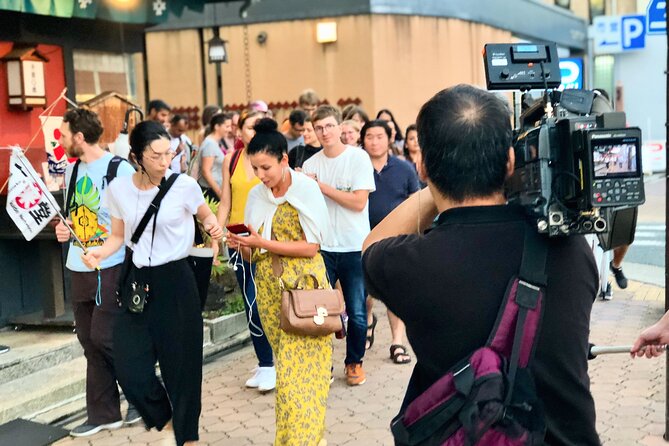
The route includes a walk beside the Shirakawa River, one of Gion’s most attractive stretches. The waterway runs through a classic section of the district, with cobbled streets and traditional buildings close to the bank.
This is also the part associated with Memoirs of a Geisha. The connection adds a film and literary angle, but the setting is worth seeing even if you have never read the novel or watched the movie. The river, paving, and old facades give you a strong sense of the visual character that draws people to Gion.
Your guide explains what you are seeing as you walk. Expect information about the district’s past, the role of tea houses, and the differences between geiko and maiko. The best guides make the details practical rather than turning the evening into a list of dates and names.
The pace appears suited to a normal walking evening, but you still need moderate physical fitness. You will be on your feet for about two hours, and comfortable shoes are a smart choice. The streets can be narrow, so the group may pause often to keep everyone together.
Understanding geiko and maiko culture
The most useful part of this experience is the explanation of what geiko and maiko actually do. The terms are often used loosely outside Japan, and a good guide can correct common misunderstandings.
You learn about the visible details first: traditional kimono, elaborate hairstyles, makeup, and accessories. The guide also explains how these elements can relate to a maiko’s stage of training and public role. That context helps you look at the clothing with more respect and curiosity instead of treating it as a costume.
The discussion also covers daily life, education, house mothers, and the way tea houses operate. These points give you a better sense of the work behind an evening appearance. Geiko and maiko are not simply people posing for photographs. They are trained entertainers working within a specific cultural setting.
Guides such as Mia and Mai have been particularly praised for making this subject approachable and fun. Cheko is also noted for combining clear English with a friendly manner. Guide assignments can change, so you should not book expecting a particular person, but the experience has several guides with strong feedback for explaining Gion well.
You may see geiko or maiko heading to evening appointments, but there is no guarantee. That uncertainty is important. If you do see one, the correct approach is to watch quietly and avoid blocking the street or asking for a photograph. The tour is more valuable when it teaches you how to respect the district, not when it treats people as a photo opportunity.
What the two-hour route gives you
The experience stays within Gion and returns to the starting point. You are not being driven between several distant sights. That keeps the evening simple and lets the guide focus on the district’s streets, customs, and stories.
A typical flow begins with meeting the guide and group, followed by an introduction to Gion. From there, the walk moves through narrow lanes and toward the Shirakawa River. Along the way, the guide points out places that are easy to overlook and explains how the area works.
There are stops for history and cultural detail rather than formal admission visits. Admission is free, but that does not mean the walk lacks substance. The value comes from interpretation: the guide helps you understand why certain streets matter and how to read the district.
The route also offers practical help with language. Japanese terms such as geiko and maiko can be confusing, and the guide can explain them in English as they come up. This is especially useful if you have not had time to study Kyoto’s traditional arts before arriving.
One drawback is that a walking tour cannot provide unrestricted access to private tea houses or an inside look at every part of geiko life. The experience takes place on public streets, so its focus is observation and explanation. For a more personal cultural encounter, the operator offers a longer private option, though the supplied details do not specify its exact price or duration.
Other evenings in the old entertainment quarters of Kyoto:
- Best of Kyoto: Gion, Geisha, Pagodas & Cobblestones
★ 4.9 · 2,058 reviews - Night Walk in Gion: Kyoto’s Geisha District
★ 4.5 · 2,003 reviews - Kyoto Night Foodie Tour in Gion (9+ dishes + 6 Sake tastings)
★ 5.0 · 1,762 reviews - Kyoto Gion Geisha District Walking Tour – The Stories of Geisha
★ 5.0 · 1,441 reviews
Group size can shape the evening
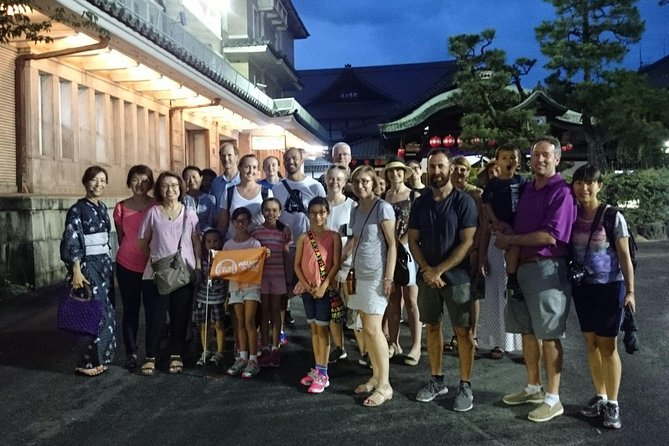
The standard booking information gives two different limits: no more than 15 passengers per booking, and up to 20 people for the activity overall. One account also described a group larger than 20, so I would not assume the walk will always feel intimate.
That matters in Gion. Narrow streets make it harder for a large group to stay close to the guide, and you may need to stand near the front to hear every explanation. A large group can also make pauses feel less personal.
The small-group option guarantees fewer than 12 people for a different price. I would choose it if you care about asking questions, hearing every story, or keeping a relaxed pace. It is also a sensible choice for anyone who finds it difficult to follow a guide in a crowd.
The regular option still offers good value when the price is about $19.82 per person. For roughly two hours, you receive a guided introduction to one of Kyoto’s most distinctive districts, with no additional attraction fees. At that price, the tour works well as a first-night orientation.
If you already know Gion well and prefer wandering alone, you may find the standard walk less necessary. One participant felt the area could be explored independently and found the route too fast and general. That is a fair point. The tour pays off most when you want cultural background, not simply directions.
Meeting point, timing, and practical details
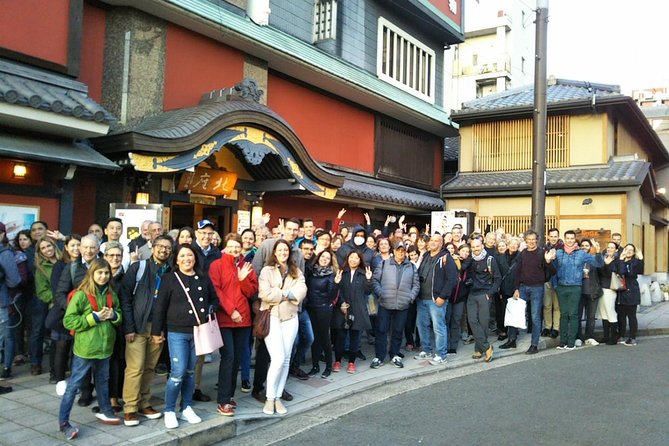
The meeting point is 178 Tokiwacho, Higashiyama Ward, Kyoto, postal code 605-0079. The location is near public transportation, but the tour does not include transport to or from the meeting point. You need to make your own way there and back.
Reception begins at 5 pm, and the walk starts at 5:30 pm. The operator states that late arrivals cannot be accommodated, so do not plan to arrive at the last minute. The start-time issue deserves special attention because the supplied information includes both the reception time and the tour start time. Check your booking message carefully and follow the current start time shown there.
The walk ends back at the meeting point. That makes it easier to arrange dinner nearby, but it does not provide hotel pickup or drop-off.
Children must be accompanied by an adult. The tour is not recommended for people with serious medical conditions, and all participants should be comfortable walking for around two hours. Wear shoes you can use on cobbled streets and narrow lanes.
The experience requires good weather. If poor weather causes cancellation, you are offered another date or a full refund. You can cancel for a full refund up to 24 hours before the start time. Cancellations or changes made within 24 hours are not refunded or accepted.
How the price compares with other Kyoto evenings
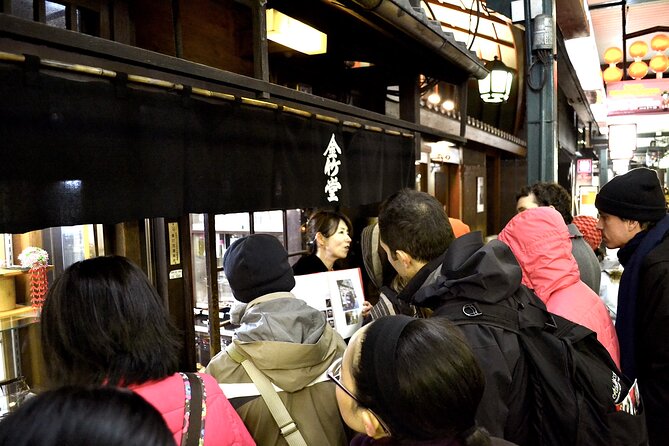
At $19.82 per person, this is a low-cost way to add structure to an evening in Kyoto. You are paying for an English-speaking guide rather than entrance to a monument, food, or a staged performance.
I think the price is strongest for first-time visitors. A guide can help you understand the difference between a geiko and maiko, explain the purpose of the traditional clothing, and show you where the district’s most atmospheric streets are. Those details can be difficult to pick up from a short solo walk.
The value is less clear if you want a quiet, private experience. The main price includes a group walk, and the group can be larger than expected. In that case, the smaller or private upgrade may be worth the extra cost.
You should also keep your expectations realistic. The tour does not guarantee a geiko or maiko sighting, and it does not include a meal, transport, or hotel service. Its value rests on the guide’s explanations and the chance to see Gion at night with a clear route.
Who should book this Gion walk
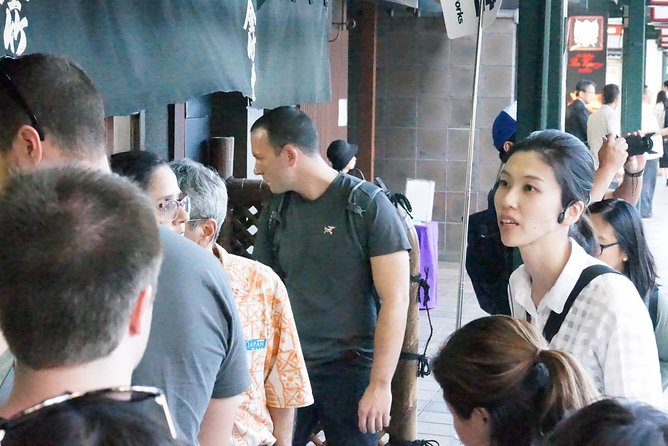
I would recommend it to first-time Kyoto visitors, people curious about traditional Japanese entertainment, and anyone who wants an easy introduction before exploring Gion alone. It also suits travelers who enjoy cultural context more than a long list of photo stops.
The tour can work well on your first evening in Kyoto. It gives you a sense of the area, teaches you the basic terms, and leaves you free to arrange dinner afterward. The two-hour length is also manageable if you have spent the day visiting temples.
I would be more cautious if you dislike groups, walk slowly, or want lengthy conversations at every stop. Choose the smaller option in those cases. If you prefer complete independence, a self-guided walk may be enough, though you will miss the explanations about the district’s customs and working life.
Should you book the Gion Walking Tour by Night?
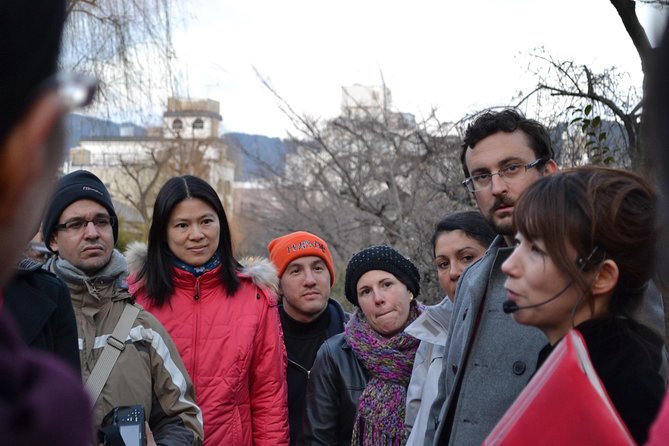
Book it if you want an affordable, guided introduction to Gion with a strong focus on geiko and maiko culture. The Shirakawa River route, evening atmosphere, and clear explanations from guides such as Mia, Mai, and Cheko give the walk more purpose than simply strolling through pretty streets.
Choose the smaller option if you can afford it and care about hearing every detail. Arrive well before 5:30 pm, wear comfortable shoes, and treat any geiko or maiko sighting as a bonus rather than the main goal. With those expectations, this is a sensible first look at Kyoto’s most famous traditional district.
FAQ
Where does the Gion Walking Tour by Night begin?
The tour begins at 178 Tokiwacho, Higashiyama Ward, Kyoto, 605-0079, Japan.
What time does the tour start?
Reception starts at 5 pm, and the walking tour starts at 5:30 pm.
How long does the tour last?
The walking tour lasts approximately two hours.
Where does the tour end?
The tour ends back at the meeting point.
Is transportation included?
No. Transportation to and from the attractions or meeting point is not included, and there is no hotel pickup or drop-off.
Is the tour conducted in English?
Yes. A professional, English-speaking guide leads the tour.
Will I definitely see a geiko or maiko?
No. The tour may pass geiko or maiko heading to evening appointments, but sightings are not guaranteed.
Does the tour include access to tea houses?
The tour explains tea houses and geiko culture from the public streets, but the supplied information does not include admission to a tea house.
How many people can join the tour?
The booking information allows up to 15 passengers per booking, while the activity has a stated maximum of 20 travelers. A small-group option with fewer than 12 people is also available for a different price.
Can I cancel for a refund?
Yes. You can cancel at least 24 hours before the start time for a full refund. Cancellations within 24 hours are not refunded, and poor-weather cancellations offer a different date or a full refund.
More walking tours elsewhere in Japan
- Nishiki Market Brunch Walking Tour (7 Tastings + Brunch)
★ 5.0 · 1,355 reviews - Kyoto Arashiyama Walking Tour: Bamboo, Monkeys, Gardens & Secrets
★ 5.0 · 1,216 reviews - Kyoto Gion: 2-Hour Geisha Culture & History Walking Tour
★ 5.0 · 1,186 reviews - Kyoto: Izakaya Bars Guided Walking Tour
★ 4.9 · 815 reviews
Just added in Kyoto
- Kyoto: Private Photoshoot Service★ 5.0 · 158 reviews
- Kyoto Rickshaw Tour★ 5.0 · 210 reviews
- Izakaya Style Cooking Class★ 5.0 · 219 reviews
- Kyoto: Traditional Concert at Townhouse or Bathhouse★ 4.9 · 224 reviews
- Ninja 2-hour Hands-on Lesson by Japanese master in Kyoto -Medium★ 5.0 · 218 reviews
- Kyoto: Arashiyama Bamboo, Temple, Matcha, Monkeys & secret spots★ 5.0 · 219 reviews
- Kyoto: Gion & Pontocho Food Tour with 13 Dishes★ 4.9 · 235 reviews
- Kyoto: Afternoon Japanese Izakaya Cooking Class★ 4.9 · 241 reviews
Geisha & Gion District Tours, compared.
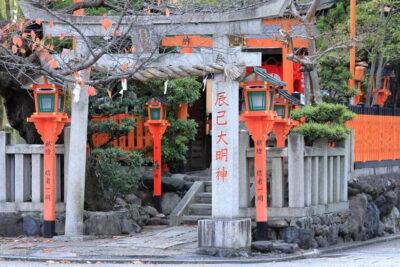
Kyoto Geisha Walking Tour: Gion District & Hidden Gems
Read our review →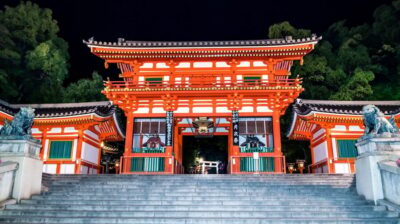
Gion Geisha District Walking Tour – Stories of Geisha
Read our review →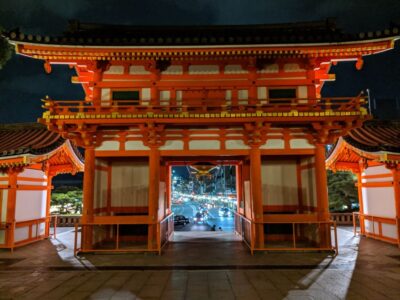
Best of Kyoto: Gion, Geisha, Pagodas & Cobblestones
Read our review →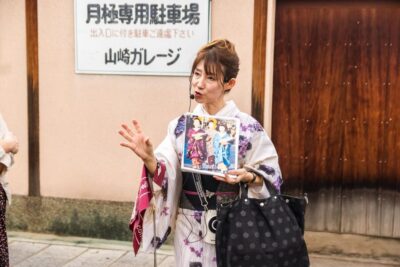
Kyoto Night Foodie Tour in Gion (9+ dishes + 6 Sake tastings)
Read our review →
Kyoto Gion: 2-Hour Geisha Culture & History Walking Tour
Read our review →
Chopsticks Making Workshop in Gion with Engraving Option
Read our review →
Browse the lists this tour appears in