
Reviewed · HIROSHIMA & MIYAJIMA DAY TRIPS
Half Day Private Guided Walking Tour in Hiroshima City
Hiroshima is best understood on foot, with someone who can connect its memorials to a family story. Guide Pancho, whose full name is Tetsuo Hamano, is the son of A-bomb survivors and brings that personal link to the shrine, temples, Peace Park, and Atomic Bomb Dome. This is not a quick photo tour. It is a serious four-hour look at what happened and how the city rebuilt.
I like the family perspective and the way Pancho adds small human touches, including origami crane folding and time for questions. I also like the flexible lunch stop, where you can request Hiroshima-style okonomiyaki, ramen, sushi, or food suited to vegetarian, vegan, and gluten-free diets. The main drawback is cost: at $200 per person, you still pay separately for food, transport, and the Hiroshima Peace Memorial Museum.
Key points to know before booking
- Pancho, also called Tetsuo Hamano, ties Hiroshima’s history to his family’s A-bomb experience.
- The four-hour route covers the hypocenter, Atomic Bomb Dome, Peace Flame, Children’s Peace Monument, and memorial cenotaph.
- A private tour lets you ask questions and adjust the conversation to your interests.
- Lunch is arranged around your preferences, but the meal is not included in the price.
- Public transportation or a taxi may be needed from your hotel or Hiroshima Station.
- The tour is best for visitors who want context and personal conversation, not only sightseeing photos.
A personal introduction to Hiroshima
Many Hiroshima tours begin at the Peace Memorial Park and stay there. This one takes a wider route, beginning with Hiroshima Station or your hotel before moving through a shrine, temple, atomic-bomb hypocenter, and memorial park. That order helps you see the city as more than one famous dome.
Pancho’s family connection changes the tone. He is not presenting Hiroshima as a distant event from a textbook. He can explain the city through his own family background while still making room for the wider story of Hiroshima’s residents, survivors, and rebuilding.
The subject is emotionally heavy, and you should expect that. The tour is not designed as light entertainment. Still, the pace includes conversation, lunch, an origami activity, and space to reflect, which keeps the visit from becoming one long succession of painful facts.
Other walking tours in Hiroshima people book:
- Hiroshima Historical Walking Tour – Why A-Bomb was Dropped
★ 4.8 · 893 reviews - Hiroshima Peace (Heiwa) Walking Tour at World Heritage Sites
★ 5.0 · 872 reviews - Hiroshima City 4hr Private Walking Tour with Licensed Guide
★ 5.0 · 437 reviews
Meeting at Hiroshima Station or your hotel
You have three meeting possibilities, including a meeting on the bullet train platform at Hiroshima Station if you arrive from Osaka, Kyoto, or Tokyo. You can also arrange a meeting at your hotel. Confirm the exact meeting point carefully, especially if you are meeting at the station, since large Japanese railway stations can be confusing when you are carrying luggage.
The first stop is allocated about 20 minutes for meeting and getting oriented. That time matters because this is not a private vehicle tour with a driver waiting outside every stop. The tour uses public transportation or a taxi from your hotel or Hiroshima Station, unless you pay extra for private transport.
Public transportation costs about $4 per person according to the supplied details. That is modest, but you should build it into your budget. If you prefer a car, private transportation can be arranged for an additional charge.
Shirakami Shrine and the city before the bomb
Shirakami Shrine receives about an hour, making it one of the longer stops. At first glance, it may look like a familiar Shinto shrine. Pancho uses it to explain its particular connection to Hiroshima and the reasons tied to the city’s selection as an atomic-bomb target.
This is a useful opening because it gives you context before the memorial sites. You are not simply looking at a shrine and then rushing to the next monument. You are hearing how an ordinary religious place fits into the wartime city and how the bomb changed the meaning of the surrounding area.
The shrine also provides a chance to see trees that survived the bombing. These living remnants give the tour a different emotional note. A photograph of a damaged building can feel remote, but a surviving tree makes the passage of time easier to grasp. The focus here is not only destruction. It is also endurance and recovery.
The hypocenter, where the story becomes physical
The hypocenter monument marks the ground-level location directly beneath the bomb’s detonation point. The stop takes about 10 minutes, but its importance is much greater than its length.
Pancho can show you the monument and related images of Hiroshima after the explosion. This is where the scale of the event becomes tied to one exact place. You are no longer thinking only of the Peace Park as a broad memorial area. You are standing at the point used to locate the blast.
The short visit can feel stark. There is not a long list of attractions here, and that is part of the point. You look, listen, and consider what the marker represents. If you prefer a leisurely stop at every site, the 10-minute timing may feel brief. If you are traveling on a tight schedule, it keeps the morning moving.
Other long days west of Hiroshima:
- Peaceful Hiroshima & Miyajima UNESCO 1 Day Bus Tour
★ 5.0 · 5,309 reviews - Hiroshima: Hiroshima and Miyajima UNESCO Sites 1-Day Tour
★ 4.9 · 2,330 reviews - Hiroshima / Miyajima Full-day Private Tour with Government Licensed Guide
★ 5.0 · 1,298 reviews - Hiroshima in a Nutshell: Morning Bike Adventure
★ 5.0 · 524 reviews
Saiko-ji Temple and physical evidence of the blast
Saiko-ji Temple is another short stop, with about 10 minutes planned. The purpose is to show how far the bomb’s heat and blast reached and to point out evidence connected with what happened.
This stop adds variety to the route. The hypocenter gives you the exact location, while the temple helps explain the force of the explosion through surviving traces. The two sites work better together than either would alone.
Do not expect a long temple visit or a full religious tour. This is a focused historical stop. Pancho’s explanation is the main reason to come here, rather than the building by itself.
Atomic Bomb Dome, Hiroshima’s most recognizable symbol
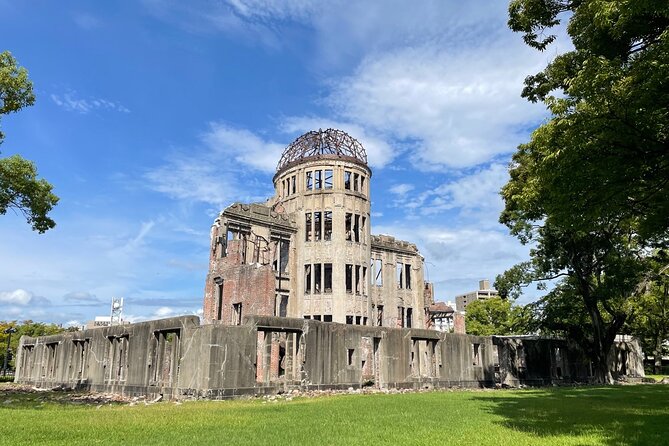
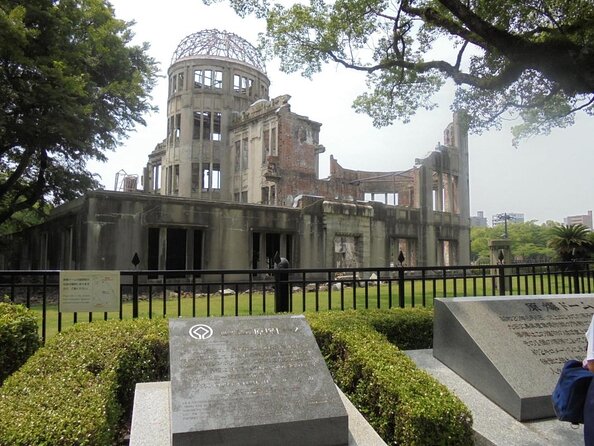
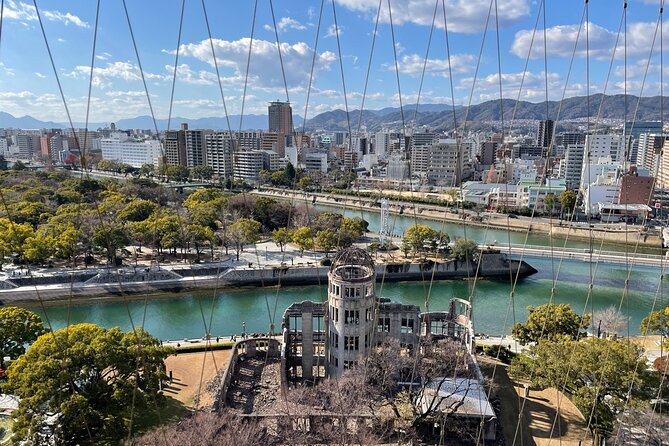
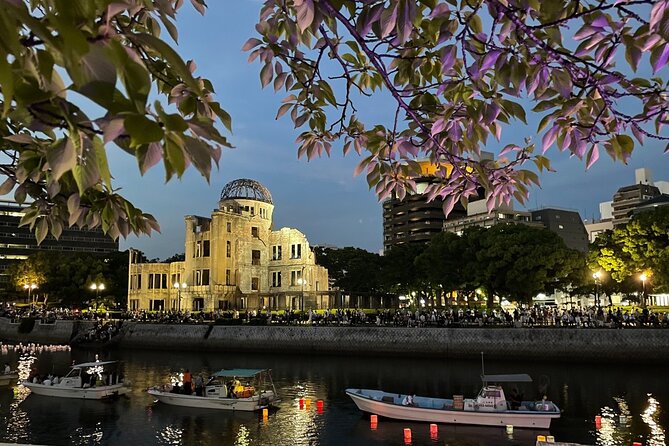
The Atomic Bomb Dome receives roughly 20 minutes. It is the most recognizable stop on the route, but the guide’s context helps you look beyond the familiar image.
The building was used at the time of the bombing and remains a reminder of the first atomic-bomb attack. Its damaged structure can be photographed from several angles, but the important part is understanding why it was preserved and what it represents within Hiroshima’s memorial area.
Pancho’s personal and local perspective is particularly useful here. A photograph of the dome is easy to take without understanding the surrounding story. A guide can connect the building to the hypocenter, the city’s destruction, and the later work to make Hiroshima a place of peace.
Because this is a private tour, you can ask questions as they arise. That is a real advantage at a site where a standard group tour may keep moving according to a fixed schedule.
Peace Flame and the meaning of a continuing fire
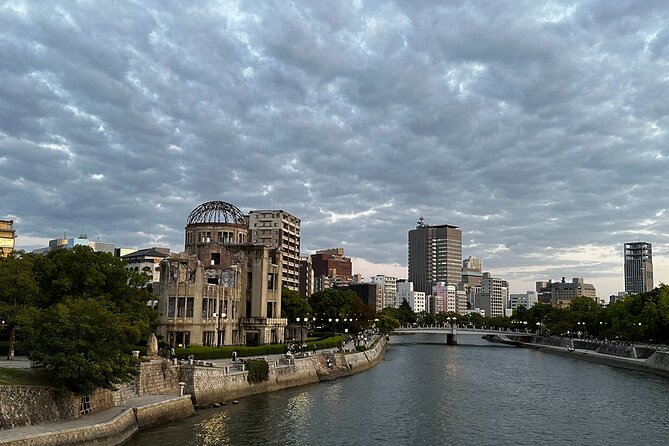
The Peace Flame is a very brief stop, planned for about five minutes. The flame has a special meaning, and Pancho explains why it continues to burn.
Five minutes may sound too short for a memorial, but this stop works as a pause between the more physical remains and the larger Peace Park monuments. It shifts the focus from what was destroyed to the continuing wish for peace.
The short timing also reflects the tour’s overall design. You are not spending the entire four hours inside one museum or at one monument. You are moving among several places, each offering a different way to think about Hiroshima.
Lunch near Peace Memorial Park
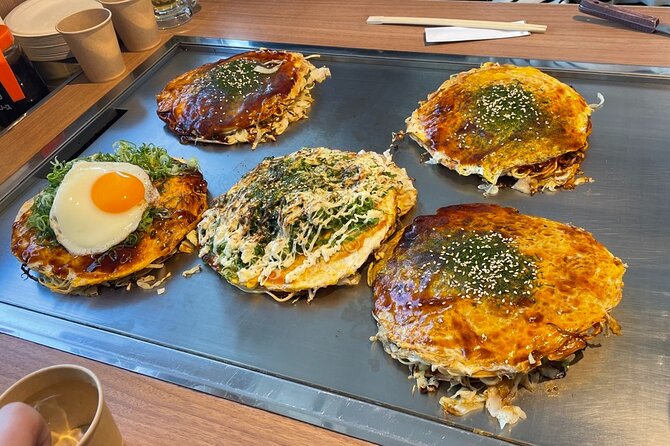
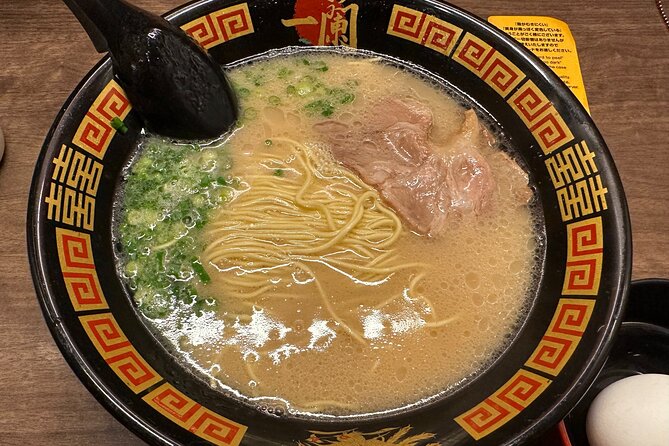
Lunch is planned for about 50 minutes near Peace Memorial Park. You can request Hiroshima-style okonomiyaki, ramen, or sushi, and the guide can suggest restaurants with vegetarian, vegan, or gluten-free options.
This meal is not included in the $200 price, so you should budget separately. That may feel less convenient than an all-inclusive tour, but it gives you more control over what you eat. It also makes lunch part of the local experience rather than a generic meal selected for an entire bus group.
Hiroshima-style okonomiyaki is an especially fitting choice if you want a local specialty. Ramen and sushi offer familiar alternatives, and dietary planning can be discussed in advance. One useful tip is to tell Pancho your food needs before the tour, not when you are already hungry and standing outside a restaurant.
The lunch break is also valuable emotionally. Hiroshima’s memorial sites deserve attention, but four hours of uninterrupted discussion about the bombing could be exhausting. A meal gives you a natural pause and lets you talk with the guide about daily life, food, and the city today.
Rest House and a small museum option
The Rest House of Hiroshima Peace Park is a surviving building from the A-bomb and now serves tourist information needs. You may use it as a rest stop or visit its small museum and take part in an origami experience.
This is one of the most distinctive details of the tour. Pancho has taught visitors to fold paper cranes, connecting a simple hands-on activity with the story of a girl who hoped to recover from leukemia by folding cranes according to Japanese belief.
The origami activity offers a gentler way to engage with Hiroshima’s memory. It does not replace the difficult history, but it gives you something to do with your hands while thinking about the people represented by the nearby memorials. Families may find this particularly meaningful, though adults traveling without children can appreciate it too.
The 15-minute timing means you should not expect a long museum visit. If you want a fuller museum experience, save time for the Hiroshima Peace Memorial Museum, whose entrance fee is ¥200 per person and is not included.
Children’s Peace Monument and the paper crane story
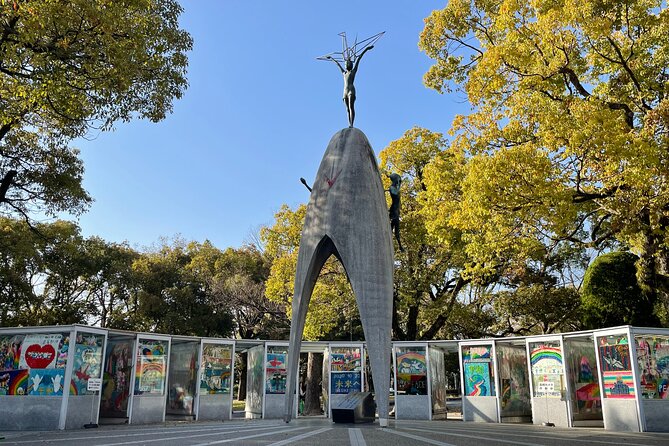
The Children’s Peace Monument receives about 10 minutes. Pancho explains the story of a girl who folded paper cranes while hoping to recover from leukemia, based on the Japanese belief associated with cranes.
The monument gives a human face to the effects of radiation and illness. It also helps you understand why paper cranes have become such a strong symbol around Hiroshima. The story is simple, but the setting gives it weight.
Families may want a little extra time here for quiet reflection, even though the scheduled stop is short. Since this is a private tour, you can ask Pancho to explain the story in more detail if it is important to you.
Cenotaph and the design of the memorial park
The Hiroshima Peace City Monument, also called the Cenotaph for the Atomic Bomb Victims, is the final listed stop. Pancho explains the monument’s history, its shape, and the ideas behind its design.
This is a fitting place to finish because it brings together the tour’s main themes: remembrance, the victims of the bombing, and Hiroshima’s call for peace. The stop is planned for about 10 minutes, so you receive a focused explanation rather than a long lecture.
You can also use the final section of the tour to ask questions that came up earlier. The route has moved from an ordinary shrine and surviving trees to the exact hypocenter, damaged buildings, living memorials, children’s stories, and the cenotaph. Ending with the monument gives the experience a clear arc.
What $200 per person really covers
At $200 per person, this is a costly half-day tour. The price covers the guide fee, and the activity is private, so only your group takes part. That private format is the main value. You can ask questions freely, discuss your own interests, and communicate dietary needs or preferences without adapting to a large group.
The price does not cover lunch, public transport, private transportation, or the Hiroshima Peace Memorial Museum. Public transportation is listed at about $4 per person, and museum admission is ¥200 per person. A taxi or private vehicle costs extra.
For one or two people, the price may feel high compared with a self-guided visit. You can reach the Peace Park on your own and read the signs for far less money. But you would not receive Pancho’s family account, his explanations at the shrine and temple, or the same opportunity to connect separate sites into one story.
For a family or small group, the calculation improves because you are paying for a private guide rather than several separate seats on a group excursion. The strongest value comes if you care about personal interpretation and want to discuss the subject rather than simply collect photos.
Who will get the most from this tour
I would choose this tour if Hiroshima is an important stop on your Japan trip and you want help handling its difficult subject. It suits first-time visitors who want a clear route and visitors who have already seen the main sites but want more context.
It is also a good choice for families, since the origami activity and flexible lunch can make the day more approachable. Pancho’s communication by text before the tour can help you sort out the meeting place, dietary restrictions, and interests in advance.
You should think twice if you want a cheap, fast walk with minimal conversation. The experience is built around explanation, questions, and personal storytelling. It may also feel emotionally demanding, particularly if you want a purely light sightseeing morning.
The route is described as a walking tour, but it may involve public transportation or a taxi from your hotel or Hiroshima Station. Ask about the exact transport plan when arranging the tour. Service animals are allowed, and the activity is near public transportation. Most people can participate, but the supplied information does not give a detailed accessibility plan for every stop.
Booking timing and cancellation
The tour is often booked about 108 days ahead, so advance planning makes sense, especially if your Hiroshima dates are fixed. Confirmation is sent within 48 hours of booking, subject to availability.
You can cancel for a full refund up to 24 hours before the start time. Cancellations or changes made less than 24 hours before the tour are not accepted for a refund. The cutoff uses Hiroshima local time.
Should you book it?
Book this tour if you want Hiroshima explained by a local guide with a direct family connection to the A-bomb, and if you value private conversation more than a low-cost sightseeing route. Pancho’s strongest contribution is not simply knowing where the monuments are. It is connecting the shrine, surviving trees, hypocenter, temples, memorials, children’s story, and lunch into one thoughtful morning.
Skip it if your budget is tight or you plan to spend most of your day inside the Peace Memorial Museum. A self-guided visit can cover the main locations for much less. But if you want a human account, help with the city’s memorial sites, and a more personal understanding of Hiroshima’s past and recovery, the extra cost has a clear purpose.
FAQ
How long does the Hiroshima walking tour last?
The tour lasts approximately four hours.
Who guides the tour?
The guide is Pancho, also known as Tetsuo Hamano. He is described as the son of A-bomb survivors and shares personal family insight during the tour.
Where can I meet the guide?
You can meet at the bullet train platform in Hiroshima Station, at your hotel, or at another arranged meeting point listed among the tour’s options. Confirm the exact location in advance.
Is private transportation included?
No. The tour uses public transportation or a taxi from your hotel or Hiroshima Station. Private transportation is available for an additional charge.
How much does public transportation cost?
Public transportation is listed at about $4 per person.
Is lunch included?
No. Food and drinks are not included. Lunch choices may include Hiroshima-style okonomiyaki, ramen, or sushi.
Can the guide help with dietary restrictions?
Yes. Restaurant options are available for vegetarian, vegan, and gluten-free guests, and you can discuss dietary needs with the guide.
Is admission to the Hiroshima Peace Memorial Museum included?
No. Museum admission costs ¥200 per person and is paid separately.
Is this a private activity?
Yes. Only your group participates in the tour.
Can I cancel for a full refund?
Yes, if you cancel at least 24 hours before the experience start time. Cancellations or changes made less than 24 hours before the start time are not accepted for a refund.
More walking tours elsewhere in Japan
- Hiroshima Walking Tour Why A Bomb was dropped to Hiroshima
★ 5.0 · 347 reviews - Miyajima Half-day Trip Historical Walking Tour
★ 5.0 · 284 reviews - Hiroshima: History of Hiroshima Group Walking Tour
★ 4.8 · 266 reviews - Hiroshima: Food and Culture Guided Walking Tour with Dinner
★ 4.9 · 212 reviews
Just added in Hiroshima
- Iya Valley BROMPTON Slow Cycling Tour★ 5.0 · 28 reviews
- Iya Valley All Must-Sees Private Chauffeur Full-day Tour with a Driver★ 5.0 · 20 reviews
- Shore Excursion from Hiroshima Port : Private Tour in Hiroshima★ 5.0 · 17 reviews
- Hiroshima & Miyajima All-Inclusive Tour w/Licensed guide Pancho★ 5.0 · 54 reviews
- Okunoshima Rabbit Island Cycling Tour with Local Guide★ 4.5 · 17 reviews
- The Peace Memorial to Miyajima : Icons of Peace and Beauty★ 4.5 · 31 reviews
- Private Full Day Hiroshima Tour★ 4.5 · 29 reviews
- Hiroshima Saijo Sake Tasting Tour with visit to 7 Breweries★ 5.0 · 104 reviews
Hiroshima & Miyajima Day Trips, compared.
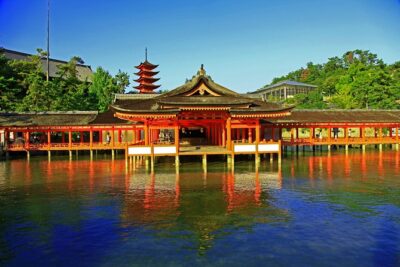
Peaceful Hiroshima & Miyajima UNESCO 1 Day Bus Tour
Read our review →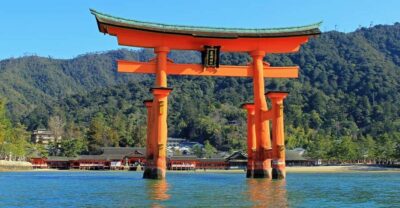
Hiroshima and Miyajima UNESCO Sites 1-Day Tour
Read our review →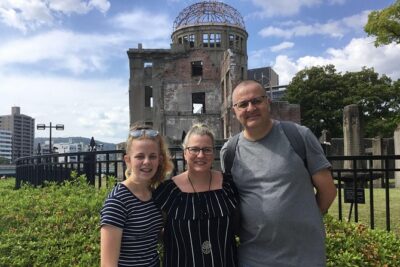
Hiroshima / Miyajima Full-day Private Tour with Government Licensed Guide
Read our review →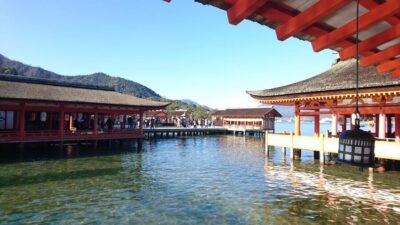
Osaka/Kyoto: Hiroshima Miyajima Bus Tour & Shinkansen Ticket
Read our review →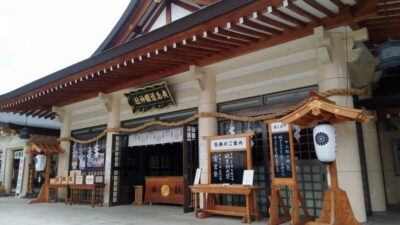
Hiroshima Historical Walking Tour – Why A-Bomb was Dropped
Read our review →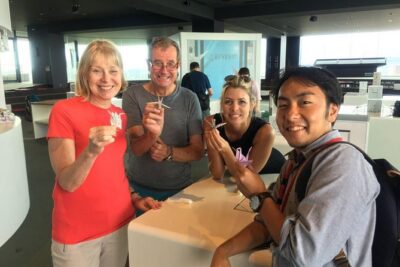
Hiroshima Peace (Heiwa) Walking Tour at World Heritage Sites
Read our review →
Hiroshima in a Nutshell: Morning Bike Adventure
Read our review →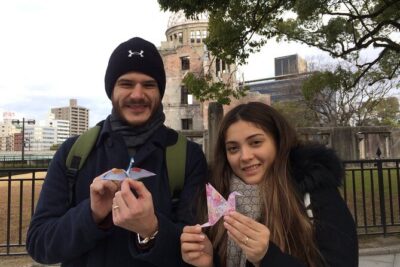
Hiroshima City 4hr Private Walking Tour with Licensed Guide
Read our review →Browse the lists this tour appears in