
Reviewed · CALLIGRAPHY & CRAFT WORKSHOPS
Ikebana Traditional Japanese Art of Flower Arranging
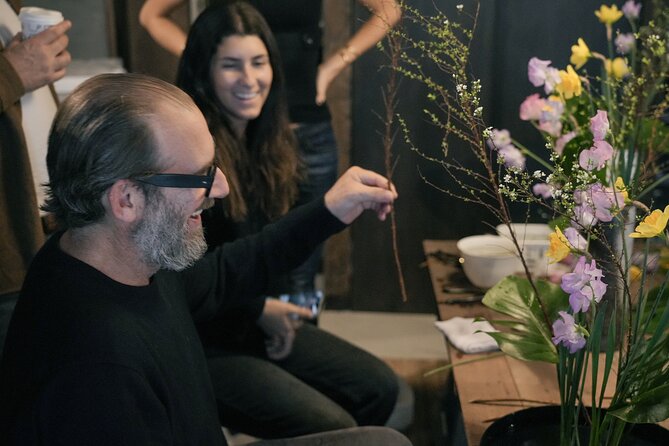
Ikebana turns a handful of fresh flowers into a study of balance, space, and feeling. In this Kyoto class, Mana teaches two beginner styles, Nageire and Moribana, then gives you time to make your own arrangements with seasonal flowers.
I like the small maximum of six people, which should give you useful one-on-one guidance. I also like the practical flower-care advice, including ways to help an arrangement last up to two weeks. The main limitation is time: 90 minutes leaves room for making flowers, but not a long lesson on every ikebana school or its full 300-year story.
Key points before you book
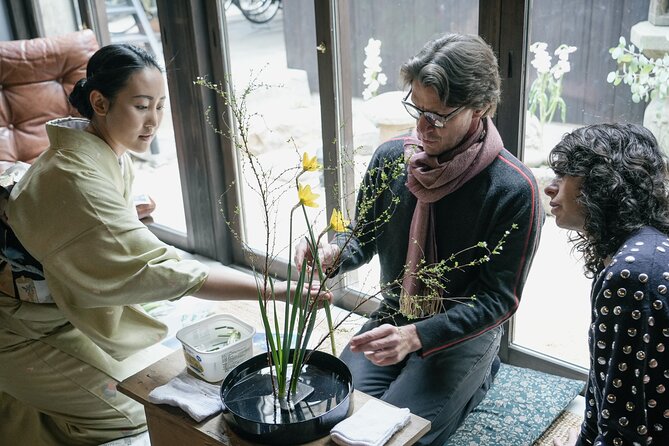
- Two traditional styles in one class: Mana demonstrates Nageire and Moribana, giving you two different ways to build an arrangement.
- A hands-on lesson: You do not simply watch. After the demonstrations, you create your own flower arrangement.
- A very small group: The class accepts no more than six people, a useful size for questions and personal help.
- Seasonal flowers: The materials change with the time of year, so each class has a slightly different natural palette.
- Mindfulness through flowers: The lesson links ikebana with wabi-sabi, balance, restraint, and attention to the character of each stem.
- A central Kyoto meeting point: The class begins and ends at 3481 Symphony Kitano Higashi, Tanbayacho, Kamigyo Ward.
What ikebana asks you to notice
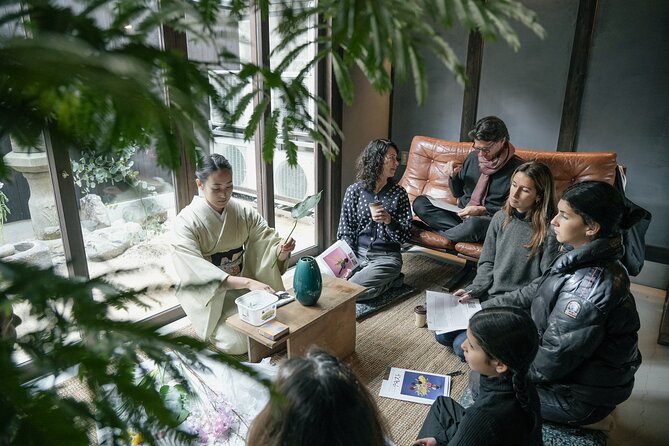
Ikebana is not simply flower arranging in the Western sense. The goal is not to fill a vase with as many blooms as possible. Instead, you work with the natural direction of each stem, the shape of each branch, and the empty space around the flowers.
The Japanese word ikebana is often explained as living flowers. That idea gives the class its central mood. Freshly cut flowers are not treated as identical decorations. Each one has a line, weight, angle, and personality that can help shape the whole arrangement.
You will also encounter the wabi-sabi idea of quiet, imperfect beauty. A bent stem may be more useful than a perfectly straight one. A gap between flowers can matter as much as a flower itself. This makes the activity slower and more thoughtful than a standard craft workshop.
I like this approach because it gives you something to watch for after the class. A branch that first looks awkward may become the most important part of the design once you change its angle. You begin to see structure in ordinary plants, not just color.
Other things to make with your hands in Kyoto:
- Kyoto : Chopsticks Making Workshop in Gion with Engraving Option
★ 5.0 · 958 reviews - Authentic knife making experience at a blacksmith in Kyoto
★ 4.8 · 350 reviews - Kyoto: Calligraphy class at Buddhist temple in city center
★ 5.0 · 167 reviews
A 90-minute class with real practice time
The experience lasts about one hour and 30 minutes. That is enough time for an introduction, two demonstrations, and your own arrangement, but it is still a compact activity that fits neatly into a Kyoto sightseeing day.
The class starts with an explanation of ikebana and its basic principles. Mana introduces the idea of working with the flowers rather than forcing them into a fixed shape. She also explains how balance comes from the relationship between the stems, the container, and the open space.
Next comes the useful part: demonstrations. Mana shows two arrangements, one in the Nageire style and one in the Moribana style. Seeing both before you begin helps you understand that ikebana is not one rigid formula.
Nageire generally gives the flowers a freer, more upright presentation. Moribana uses a shallower style of arrangement and allows flowers and branches to spread across a wider surface. You will learn the basic logic of both during the lesson, though the short format is aimed at beginners rather than advanced study.
After the demonstrations, you make your own arrangement. This is where the class becomes personal. You choose how to respond to the material in front of you, while Mana provides guidance and corrections. You can expect practical help with placement, angle, balance, and the relationship between the flowers.
The structure works well for couples and friends because you can make separate arrangements while sharing the experience. It also suits solo participants who want a quiet creative hour without committing to a full-day workshop.
Mana’s teaching style and the small group setting
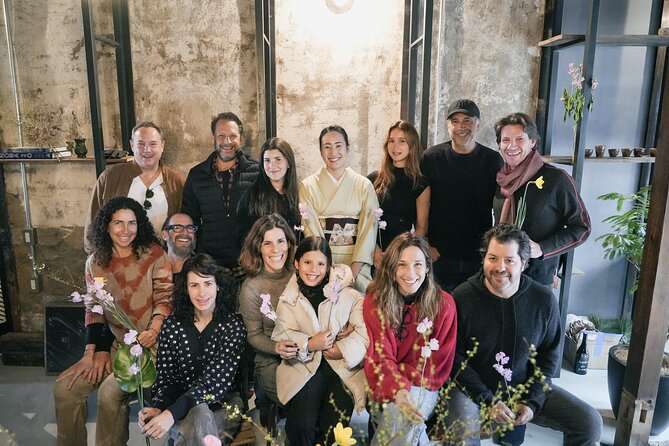
The class is conducted in English by Mana, an ikebana instructor who explains the ideas and then demonstrates them clearly. The small group limit of six matters here. Flower arranging depends on seeing small changes in angle and spacing, so a crowded room would make personal advice harder.
You should have a chance to ask questions as you work. The class is designed for beginners, and the instructions are practical rather than overly formal. You do not need to arrive with artistic training or prior knowledge of Japanese flower schools.
The small setting also supports the calmer side of the activity. You are not being rushed through a large commercial demonstration. You can pause, reconsider a branch, and adjust the arrangement as you go.
At the same time, keep your expectations sensible. This is an introduction, not a full course in ikebana theory. One hour and 30 minutes cannot cover every school, rule, historical period, and technical variation. If you are especially interested in the different schools of ikebana, you may want to ask Mana about them during the class, since the main focus is learning Nageire and Moribana.
Why the seasonal flowers matter
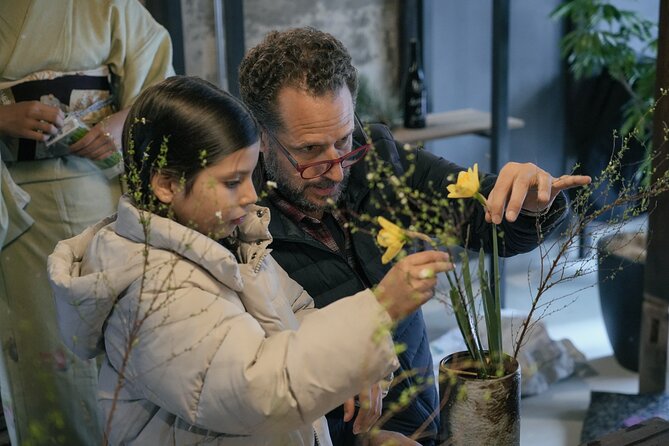
The class uses seasonal flowers, which gives the lesson a direct connection to Kyoto’s natural calendar. The exact flowers are not fixed in the available details, and that is part of the appeal. Your materials depend on what is in season rather than on a single permanent kit.
Seasonal material also reinforces the central idea of ikebana. Flowers are temporary. Their color, shape, and condition change with time. Instead of hiding that fact, ikebana works with it.
You may find that one flower is open while another is still partly closed, or that a branch has an unusual curve. Rather than treating these differences as problems, the class encourages you to use them. The result is less about producing identical arrangements and more about noticing what the flowers are already offering.
That makes this a good choice if you want a hands-on cultural activity, not just a photo stop. You leave with a better sense of how Japanese aesthetics can come through small choices: fewer materials, deliberate spacing, and respect for natural form.
Same base, a different sort of day:
- PERFECT KYOTO 1-Day Bus Tour
★ 5.0 · 13,518 reviews - Kyoto: Fushimi Inari, Kinkakuji, Bamboo Grove 1 Day Bus Tour
★ 4.8 · 4,316 reviews - Kyoto: Tea Ceremony in a Traditional Tea House in Kiyomizu
★ 4.9 · 3,519 reviews - Kyoto Geisha Walking Tour: Gion District & Hidden Gems
★ 4.7 · 3,273 reviews
Flower care that continues after Kyoto
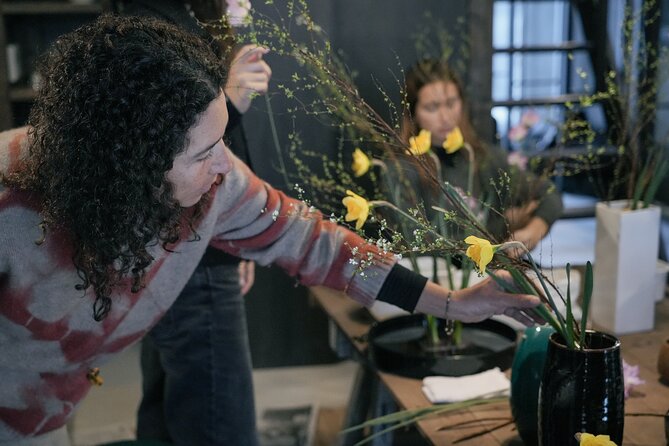
One of the most useful parts of the class is the advice on keeping fresh flowers in good condition. You learn methods that may help an arrangement last up to two weeks.
The exact care steps are taught during the session, but the value is clear. You are not only making something for the next hour. You are learning how to look after it once you return to your accommodation or home.
This is an important difference between a quick craft activity and a skill-based class. The arrangement can continue to remind you of Kyoto after the sightseeing day is over. It may also help you repeat the basic practice with flowers you buy later.
Do not read the two-week figure as a guarantee for every flower or every climate. Freshness depends on the material and its care. Still, learning how to extend the life of the flowers adds practical value to the price.
Location, timing, and getting there
The meeting point is in Kyoto’s Kamigyo Ward at:
3481 Symphony Kitano Higashi, Tanbayacho, Kyoto 602-8287, Japan
The activity begins and ends at this same point. It is near public transportation, which makes it easier to fit into a day around central Kyoto, though you should check the exact route and allow time to find the building.
The mobile ticket is convenient. Keep the booking confirmation easy to open on your phone, and check the address carefully before leaving. Japanese addresses can be difficult to match with map pins, especially when a building name and local street information are both used.
Because the group is small and the class has a set starting time, arriving early is wise. A late arrival could reduce your practice time. The meeting point is the one practical detail to handle carefully before you set out.
The class ends back at the starting point. That saves you from arranging a separate return transfer and makes it easier to plan a meal or another activity afterward.
Is $72.26 a fair price?
At $72.26 per person, this is not a bargain-basement craft session. The value comes from the combination of instruction, flowers, a small group, and a cultural activity that teaches a skill rather than simply presenting information.
The maximum of six helps justify the cost. You are paying for access to an English-speaking instructor who can watch your work and offer corrections. That is more useful than a large demonstration where you only see the finished result.
The two-style format also adds value. Learning both Nageire and Moribana gives you a clearer picture of ikebana’s range than making one arrangement from a single method.
Still, the price may feel high if you mainly want a souvenir or a short photo opportunity. You could spend less on a casual flower activity elsewhere, but it might not include the same attention, philosophy, or care instruction. This class makes the most sense if you want to understand the process and take the skill home.
The activity is booked an average of 30 days ahead, so planning early is sensible if your Kyoto dates are fixed. Its small capacity means popular times may fill before larger sightseeing activities do.
Who will enjoy this Kyoto experience?
I would recommend this class to you if you like quiet, focused activities. It works especially well for:
- People interested in Japanese art and design
- Couples looking for a shared activity
- Solo visitors who want a calm break from temples and busy streets
- Beginners who prefer practical instruction
- Anyone who enjoys flowers, plants, or simple creative work
- Visitors who want a skill they can repeat at home
It is also a good choice for people who find traditional sightseeing tiring. For 90 minutes, your attention moves away from maps, queues, and crowded streets and toward a few stems on a table.
Families may be able to participate, since most participants can take part, but the supplied information does not give a specific minimum age. If you are booking for children, confirm suitability before paying.
This may not be the best choice if you want a long lecture on Japanese history or a formal study of every ikebana school. The class gives you a practical introduction to two styles, not a full academic course.
A balanced look at the experience
The strongest part of the activity is its combination of clear instruction and freedom to create. Mana demonstrates the work, then lets you make your own choices. That balance helps beginners avoid feeling lost while still allowing the final arrangement to feel personal.
The small setting is another clear advantage. A class of six or fewer should feel more like instruction than a performance. You can ask about a branch, a flower, or a placement decision while the arrangement is still in progress.
The main weakness is the limited time for background. If you want more discussion of the history of ikebana, its different schools, and its formal rules, you may find the lesson brief. The focus is on doing, with enough explanation to support the practice.
There is also a practical need to pay close attention to the meeting point. Save the mobile ticket, confirm the address, and plan your route in advance. That simple preparation protects the short class from an avoidable late start.
Should you book the ikebana class?
Book it if you want a small, hands-on Kyoto activity with an English-speaking teacher, seasonal flowers, and a calm creative focus. The two demonstrations, personal practice, and flower-care advice give you more than a one-off arrangement.
Skip it if your main goal is a detailed lecture about ikebana history or if $72.26 feels too high for a 90-minute activity. For everyone else, especially couples, solo visitors, and people who enjoy Japanese aesthetics, this is a thoughtful way to spend part of a Kyoto day.
FAQ
How long does the ikebana class last?
The experience lasts approximately one hour and 30 minutes.
Where does the activity take place?
It begins at 3481 Symphony Kitano Higashi, Tanbayacho, Kamigyo Ward, Kyoto 602-8287, Japan.
Where does the activity end?
It ends back at the same meeting point.
Who teaches the class?
The class is taught in English by Mana, an ikebana instructor.
Which ikebana styles will I learn?
Mana demonstrates and teaches the beginner styles called Nageire and Moribana.
Are flowers included in the experience?
The class uses seasonal flowers for the arranging activity.
How many people can join the class?
The activity accepts a maximum of six participants.
Can I cancel for a full refund?
Yes. You can cancel at least 24 hours before the local start time for a full refund. Cancellations or changes made less than 24 hours before the start time are not refunded or accepted.
Just added in Kyoto
- Private Cooking Class Udon in Kyoto Japan★ 5.0 · 23 reviews
- Your Private Vacation Photography Session In Kyoto★ 5.0 · 110 reviews
- Kyoto: Zen Meditation at a Private Temple with a Monk★ 5.0 · 25 reviews
- Private Pewter Sake Cup Experience with a Kyoto Artisan★ 5.0 · 31 reviews
- Kyoto Wagashi(Japanese sweets) Cooking Class near Fushimiinari★ 5.0 · 60 reviews
- Kyoto:Family-Friendly Kimono & Yukata Experience at WARGO★ 5.0 · 147 reviews
- Private Guided Traditional Buddhist Cooking in Japan★ 5.0 · 16 reviews
- Kyoto: Gion Geisha District & Sake-in-Hand Walking Tour★ 5.0 · 37 reviews
Calligraphy & Craft Workshops, compared.
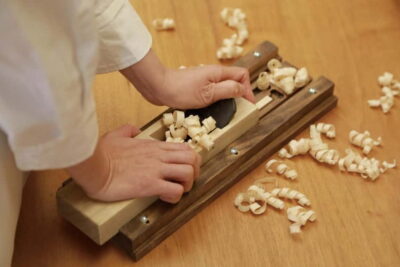
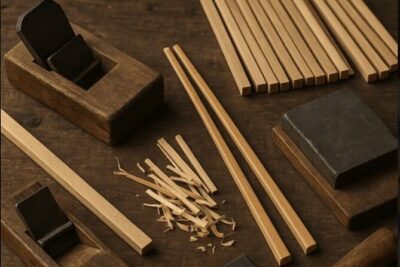
Chopsticks Making Workshop in Gion with Engraving Option
Read our review →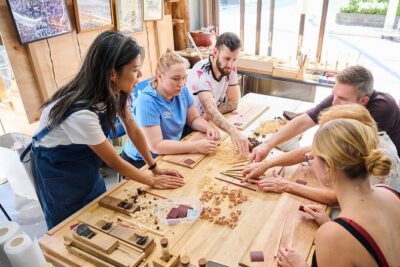


Matcha Making Experience with Mochi Sweets in Asakusa
Read our review →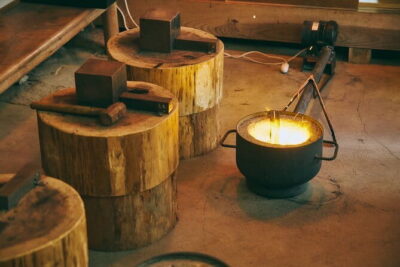
Authentic knife making experience at a blacksmith in Kyoto
Read our review →
Calligraphy class at Buddhist temple in city center
Read our review →Browse the lists this tour appears in