
Reviewed · HIROSHIMA & MIYAJIMA DAY TRIPS
Kimono and Tea Ceremony in Miyajima
Miyajima has its famous torii gate, deer, and busy shopping streets, but this experience takes you to a quieter corner of the island. At Tokuju-ji Temple, you choose a kimono from more than 100 options, learn the basic manners of matcha, and prepare your own tea in a calm temple setting. It is a compact introduction to Japanese culture, not just a costume photo stop.
I especially like the small-group feel and the care given to dressing. I also like that you do more than watch: after a tea master demonstrates the ritual, you make your own matcha and learn enough to repeat it at home. The main consideration is time. At about one hour, this is a taste of tea ceremony rather than a full study of its many traditions, and the ceremony uses tables rather than floor seating.
Key points
- More than 100 kimonos: Choose your preferred color and style before staff dress you for the ceremony.
- Tokuju-ji Temple setting: The activity takes place near a small temple and garden, away from Miyajima’s busiest streets.
- You make your own matcha: Watch the formal demonstration, then prepare and taste your own tea.
- Maximum of 10 people: The intimate format makes it easier to see the details and ask questions.
- Photos are part of the experience: Staff take pictures during the dressing and ceremony, with access provided after completing a questionnaire.
- A practical Miyajima stop: The meeting point is near the ferry port, and the activity returns to the same location.
A quiet temple start near Miyajima’s ferry port
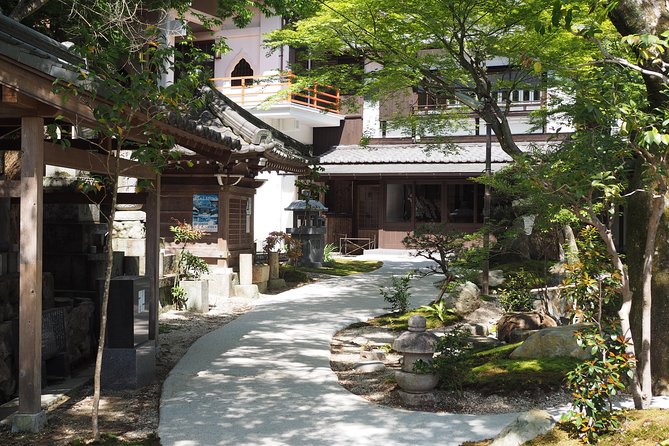
Your meeting point is Tokuju-ji Temple, officially listed as 徳寿寺, a Sodo Zen temple at 741-1 Miyajimachō. It is near the ferry port, so you can fit the activity into a day on Miyajima without making a separate trip far across the island.
The setting matters. Miyajima’s central streets can fill quickly with people browsing souvenirs and local sweets. Tokuju-ji offers a calmer place for an activity built around silence, attention, and careful movement. The temple grounds and garden also give you a pleasant background for photographs after you are dressed.
You return to the same meeting point at the end. That makes the logistics simple, especially if you are planning to visit Itsukushima Shrine, walk around the island, or catch an afternoon ferry afterward. Still, allow enough time to find the temple. The meeting point is near the port, but a mobile ticket and clear directions are useful when you are navigating Miyajima for the first time.
Other long days west of Hiroshima:
- Peaceful Hiroshima & Miyajima UNESCO 1 Day Bus Tour
★ 5.0 · 5,309 reviews - Hiroshima: Hiroshima and Miyajima UNESCO Sites 1-Day Tour
★ 4.9 · 2,330 reviews - Hiroshima / Miyajima Full-day Private Tour with Government Licensed Guide
★ 5.0 · 1,298 reviews
Choosing a kimono from more than 100 options
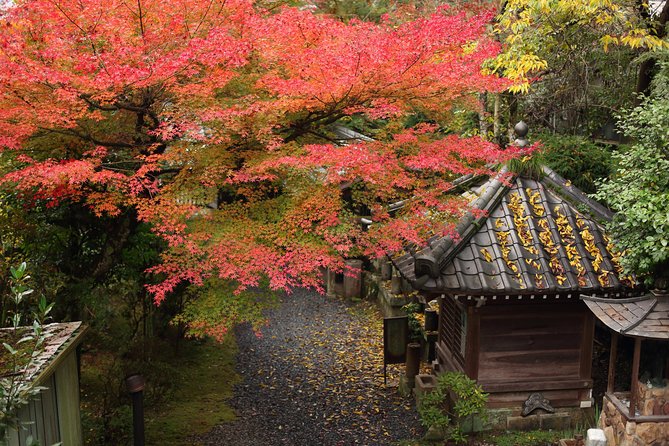
The activity begins with dressing, and this is more involved than putting on a loose outer robe for a quick picture. You choose from more than 100 kimonos, then staff help you with the layers and fitting. The careful dressing is one of the strongest parts of the experience because it gives the clothing its proper shape and makes the ceremony feel more meaningful.
You do not need to purchase or bring a kimono. The price includes the clothing needed for the activity, and both women and men can be dressed. One especially useful detail is the range of sizes. A participant who described herself as tall and a size 18 said the staff were able to fit her comfortably, so you do not need to assume that the experience is limited to a narrow body type.
The staff also help children. Families with several children have found the dressing process patient and manageable. The minimum age is six, making this a possible choice for families looking for something more hands-on than sightseeing. Children may not enjoy every formal detail of tea ceremony, but the chance to choose clothing, see the ritual, and make matcha gives them several ways to take part.
The dressing itself takes time, so do not think of the listed one-hour duration as one uninterrupted tea lesson. You are paying for a sequence: selecting clothing, being dressed, watching the demonstration, making tea, tasting it, and taking pictures. That makes the hour feel active, but it also means the tea instruction is necessarily focused and concise.
What the tea ceremony teaches you
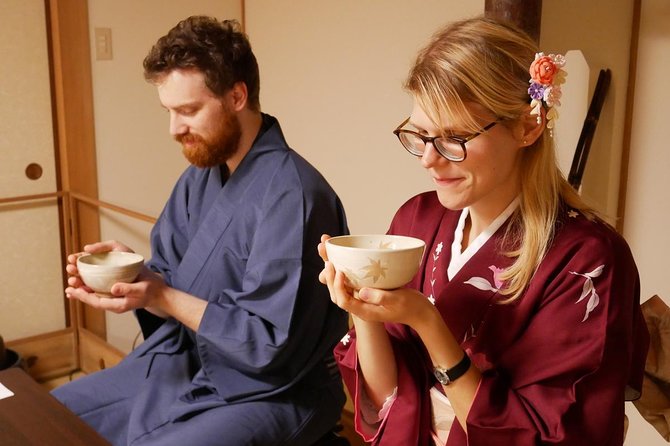
Once dressed, you watch a tea master conduct the ceremony. The staff explain how to drink matcha with the proper manners, including the small gestures and order of actions that can be easy to miss when you only see a ceremony from a distance.
The experience also introduces the Buddhist principles connected with tea ceremony. One lesson focuses on the four principles of tea making, giving you a little cultural context instead of treating the ceremony as a series of decorative movements. The explanations are provided in English, and the staff are used to answering questions about the practice and its meaning.
The best part is that you then prepare your own matcha. You are not simply seated while someone else performs the ritual. You get to handle the process, taste the tea you made, and see why the technique matters. The instruction is designed to be repeated at home, so you leave with a basic understanding of how to recreate matcha for friends.
A sweet is served with the tea. Chocolate is also part of the welcome and has become a memorable detail for many people, especially the original Miyajima chocolate. If you enjoy Japanese sweets, this small pairing adds to the pleasure. If you are new to matcha, the sweet gives you a pleasant contrast to its earthy, bitter flavor.
Keep your expectations in proportion. This is not a full professional tea ceremony course, and you will not master every rule in an hour. It is better understood as a respectful introduction that lets you observe, practice, and ask questions without committing half a day to a formal school.
Tables instead of sitting on the floor
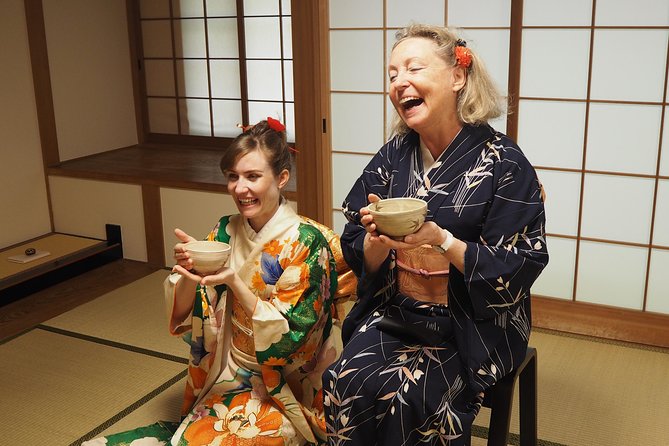
One point deserves special attention because it may affect your expectations. The tea ceremony is performed at tables rather than on the floor. If you imagined kneeling on tatami, you may find the arrangement less traditional than expected.
That does not make it a poor experience. Table-style tea practice has been used in Japan for more than 100 years, and it is more comfortable for many people than sitting on the floor. It also makes the activity easier for children and for anyone who has difficulty kneeling or rising.
The table arrangement changes the visual feel of the ceremony, though. You will not get the exact posture or setting associated with every formal tea school. If floor seating is essential to you, this is worth knowing before booking. If comfort and participation matter more, the tables are a sensible choice.
Other dressing and photo sessions in Hiroshima:
- An Amazing set of Cultural experience: Kimono, Tea Ceremony and Calligraphy
★ 5.0 · 69 reviews - Cultural Activities :Kimono, tea ceremony, Calligraphy and Amulet
★ 5.0 · 44 reviews - Kimono and Calligraphy Experience in Miyajima
★ 5.0 · 16 reviews - Kimono Tea Ceremony at Kyoto Maikoya, NISHIKI
★ 5.0 · 911 reviews
Photos in the temple garden
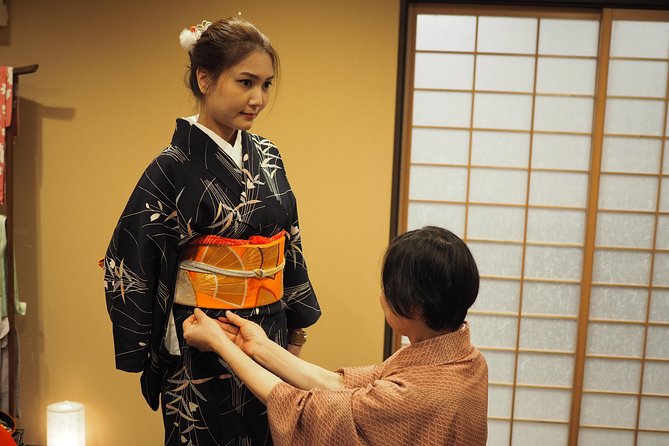
Staff take photos while you are being dressed and during the ceremony. You can also use the temple grounds and garden for your own pictures. The setting gives you more than a posed indoor portrait, with room to show the kimono and the quiet surroundings.
Access to the staff’s photos is provided after you answer a questionnaire. Bring your phone if you want to take your own pictures as well. The staff have been especially helpful with solo participants, taking photos so nobody has to miss out simply because they arrived alone.
The photo time is not just an add-on. For many people, the kimono is the part they will remember most clearly, and a few garden pictures make a better souvenir than a rushed snapshot near the ferry port. Still, be mindful of the one-hour schedule. You have time for photos, but this is not a dedicated professional portrait session.
Why the group size affects the experience
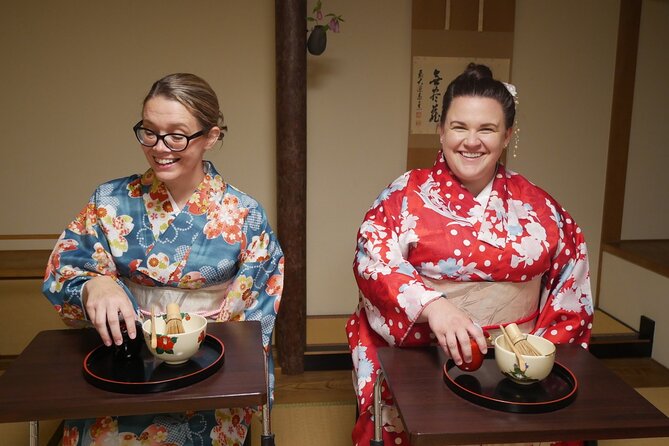
The activity is marketed as an intimate experience, with a maximum of 10 people. The stated highlights describe a small group of six, while some sessions may include another small party. In practical terms, you should expect a personal setting rather than a large class.
That size is useful during the tea demonstration. You can sit close enough to see the hand movements, and the staff can help with the kimono fitting and answer individual questions. Several people have also appreciated the patience shown to families and groups with children.
A group of up to 10 is not private, so do not book it expecting a one-on-one ceremony. Your experience may include other visitors. Even so, it is considerably more focused than a large sightseeing activity, and the format gives you a reasonable chance to participate rather than simply watch from the back.
The value of $85.89
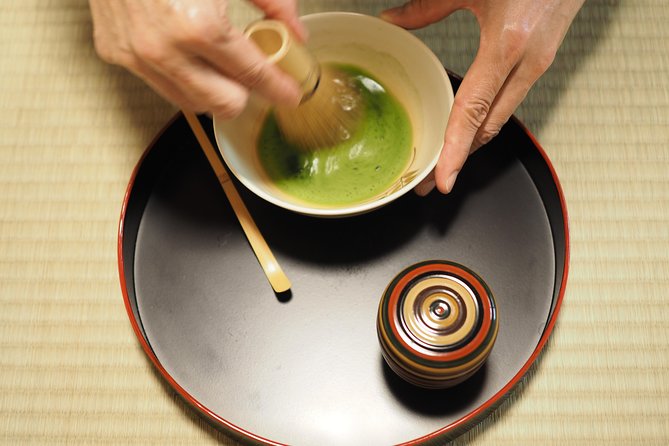
At $85.89 per person, this is not the cheapest activity on Miyajima. You can walk through the town, visit the shrine, and take your own photographs without paying an admission fee for those simple pleasures.
The value here comes from the combination of services. The price covers access to the kimono collection, professional dressing, a tea ceremony demonstration, guided matcha preparation, a sweet, a temple setting, and staff photos. You are also paying for the time and skill required to dress you properly. A quick kimono rental without instruction would offer a different experience.
I think the price makes the most sense if you already want three things: to wear a real kimono, to learn about tea ceremony, and to leave with photographs. Paying separately for each element could take more time and planning. If you only want a kimono photo, the tea lesson may feel like extra cost. If you are mainly interested in formal tea practice, the short duration may feel limited.
The activity also works well as a special event for couples, friends, parents with children, or solo visitors. You are not buying a full-day tour. You are buying a carefully contained cultural stop that can fit around the rest of your Miyajima plans.
Who should book it
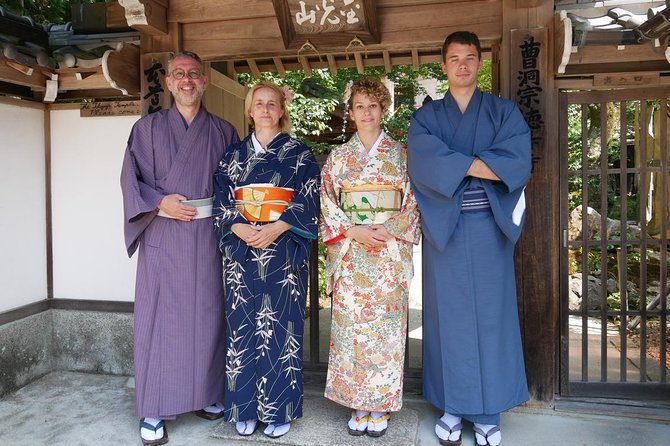
I would choose this for a first visit to Japan when you want a structured cultural activity but do not want a lecture. You get to see the ritual, hear an explanation, practice it, and ask questions. The kimono makes the experience visual and memorable, while the matcha lesson gives it real participation.
Families with children aged six and older should consider it, especially if the children enjoy dressing up and trying new foods. The staff’s patience is a real advantage here. Couples and friends will also have plenty of chances to take photographs of one another in the garden.
Solo visitors are not left out. Staff can take pictures during the dressing and ceremony, and the small setting makes it easier to join in without feeling lost. The activity also suits visitors who want a quieter stop away from the central streets.
You may want to skip it if you dislike formal instruction, do not want to wear layered clothing, or have no interest in matcha. You should also think twice if sitting on the floor is a major part of what you hope to experience, since the activity uses tables.
The experience requires good weather. If poor weather causes cancellation, you can choose another date or receive a full refund. For your own plans, remember that the ferry schedule and Miyajima’s weather can affect the rest of your day, so avoid booking this as the final minute before a fixed departure.
Practical details before you book
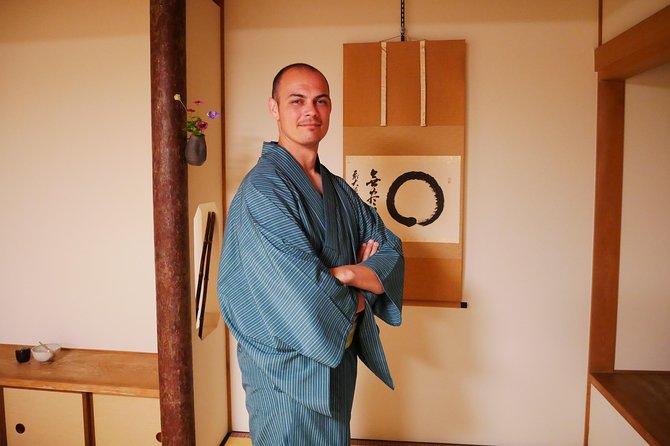
The activity lasts about one hour and begins and ends at Tokuju-ji Temple. It is near public transportation and close to the ferry port, though you should still allow time to walk to the exact temple entrance.
The minimum age is six. Confirmation is provided at booking, and the ticket is mobile, so you can keep it on your phone. Free cancellation is available until 24 hours before the start time. Cancellations or changes made within 24 hours are not refunded or accepted.
Wear something that allows staff to dress you comfortably. The kimono is provided, but you will still want to arrive ready for careful fitting and a formal activity. If you have dietary concerns, the supplied details only confirm that a sweet is served with the tea, so ask the provider before booking if that matters to you.
Should you book this Miyajima tea ceremony?
Book it if you want more than a costume photograph. The best parts are the careful kimono fitting, the quiet Tokuju-ji setting, the chance to make your own matcha, and the friendly English-speaking support. The photos and Miyajima chocolate are welcome extras.
I would not call it a complete lesson in tea ceremony, and the table seating may disappoint anyone expecting a floor-based ritual. But for about an hour, it offers a thoughtful and practical way to connect with Japanese culture between ferry rides and shrine visits. If your Miyajima day has room for one planned activity, this is a strong choice for a personal souvenir and a skill you can try again at home.
FAQ
Where does the kimono and tea ceremony take place?
The activity takes place at Tokuju-ji Temple, also written as 徳寿寺, at 741-1 Miyajimachō, Hatsukaichi, Hiroshima 739-0513, Japan.
How long does the experience last?
The activity lasts approximately one hour.
How many people can join?
The activity has a maximum of 10 participants. The experience is also described as an intimate small-group activity, with some sessions planned for about six people.
What is included in the kimono experience?
You can choose from more than 100 kimonos, and staff provide everything needed to dress you for the ceremony. Both male and female kimonos are available.
Do I make my own matcha?
Yes. You first watch a tea master demonstrate the ceremony and learn how to drink matcha properly. You then prepare and taste your own tea, with a sweet served alongside it.
Are photographs taken during the activity?
Yes. Staff take photographs during the dressing and lessons. You can receive the photographs by answering a questionnaire, and you can also take pictures in the temple garden.
What is the cancellation policy?
You can cancel up to 24 hours before the start time for a full refund. Changes or cancellations made less than 24 hours before the start time are not accepted or refunded. If poor weather causes the activity to be canceled, you can choose another date or receive a full refund.
More tea ceremonies elsewhere in Japan
- Hiroshima Local guided Hiking Tour&Open-air Tea Ceremony
★ 5.0 · 213 reviews - Hiroshima: Morning Hiking Tour with Open-air Tea Ceremony
★ 4.8 · 58 reviews - Kyoto: Tea Ceremony in a Traditional Tea House in Kiyomizu
★ 4.9 · 3,519 reviews - Kyoto: Tea Ceremony Ju-An at Jotokuji Temple
★ 4.9 · 3,207 reviews
Just added in Hiroshima
- Iya Valley BROMPTON Slow Cycling Tour★ 5.0 · 28 reviews
- Iya Valley All Must-Sees Private Chauffeur Full-day Tour with a Driver★ 5.0 · 20 reviews
- Shore Excursion from Hiroshima Port : Private Tour in Hiroshima★ 5.0 · 17 reviews
- Hiroshima & Miyajima All-Inclusive Tour w/Licensed guide Pancho★ 5.0 · 54 reviews
- Okunoshima Rabbit Island Cycling Tour with Local Guide★ 4.5 · 17 reviews
- The Peace Memorial to Miyajima : Icons of Peace and Beauty★ 4.5 · 31 reviews
- Private Full Day Hiroshima Tour★ 4.5 · 29 reviews
- Hiroshima Saijo Sake Tasting Tour with visit to 7 Breweries★ 5.0 · 104 reviews
Hiroshima & Miyajima Day Trips, compared.
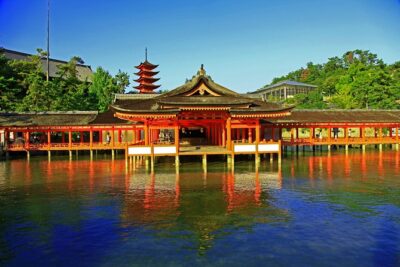
Peaceful Hiroshima & Miyajima UNESCO 1 Day Bus Tour
Read our review →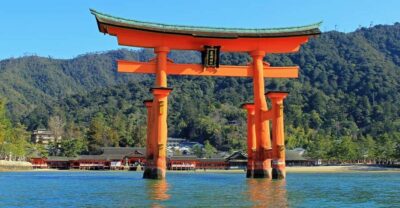
Hiroshima and Miyajima UNESCO Sites 1-Day Tour
Read our review →
Hiroshima / Miyajima Full-day Private Tour with Government Licensed Guide
Read our review →
Osaka/Kyoto: Hiroshima Miyajima Bus Tour & Shinkansen Ticket
Read our review →
Hiroshima Historical Walking Tour – Why A-Bomb was Dropped
Read our review →
Hiroshima Peace (Heiwa) Walking Tour at World Heritage Sites
Read our review →
Hiroshima in a Nutshell: Morning Bike Adventure
Read our review →
Hiroshima City 4hr Private Walking Tour with Licensed Guide
Read our review →Browse the lists this tour appears in