
Reviewed · GEISHA & GION DISTRICT TOURS
Kyomai Dance by Maiko Geiko and Visits of Gion Art Museum Kyoto
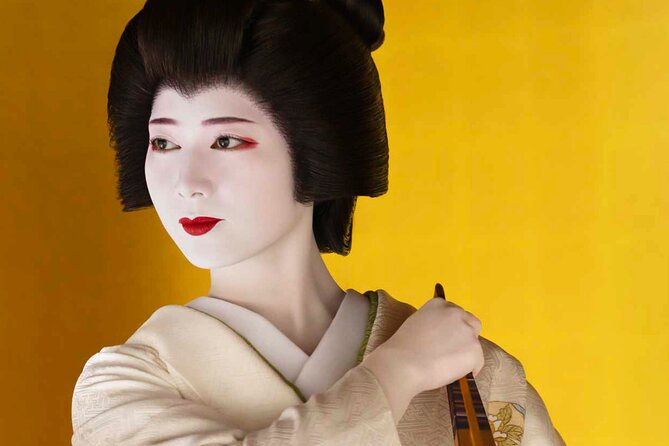
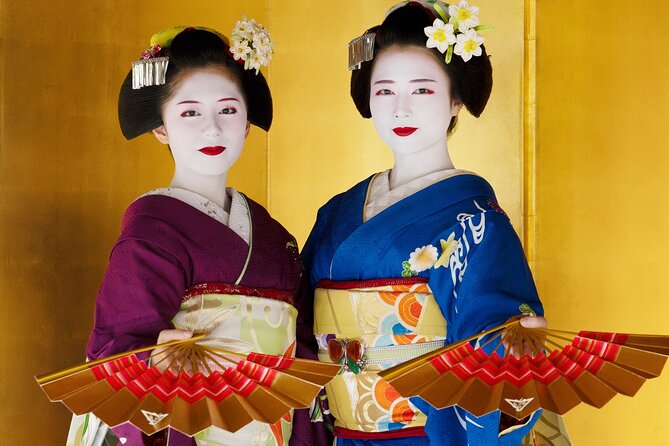
A maiko or geiko performing Kyomai dance in Gion gives you a brief, close look at one of Kyoto’s most carefully protected traditions. The performance lasts about 15 minutes and includes two songs, but the small museum adds useful context before or after the dance.
I like the low $20 price, which includes both museum admission and the show. I also like the chance to see hand-painted Yuzen kimono, Nishijin brocade obi, seasonal kanzashi hair ornaments, and maiko makeup items. The main drawback is the short running time. If you expect a full evening of entertainment, this may feel too simple.
Key points
- Two Kyomai dances in about 15 minutes: A maiko or geiko performs in the Inoue style.
- Museum entry is included: See kimono, obi, hair ornaments, makeup tools, and personal items.
- A useful first taste of Gion culture: The museum gives meaning to the costumes and movements.
- Good value at $20: Admission and the performance are covered in one mobile ticket.
- Plan around the setting: Shoes must be removed before entering, and quiet children will get more from the dance.
- Optional photo session: A photo session costs 2,000 yen per group of up to five people.
A Short Kyomai Performance in Gion
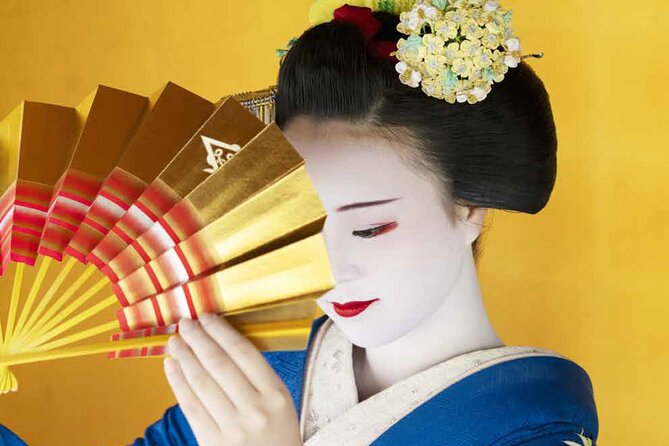
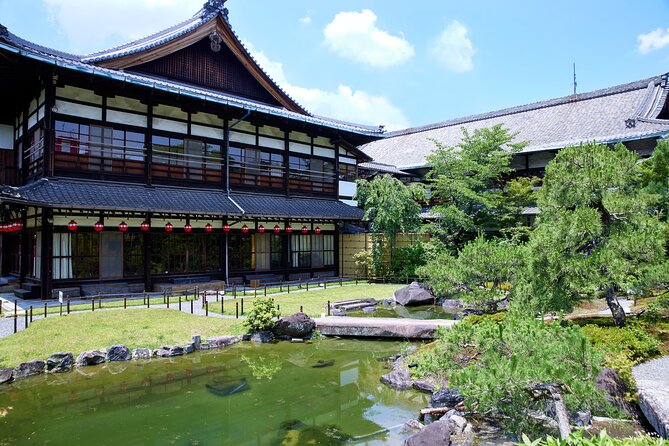
This experience takes place at the Gion Kagai Art Museum, located at Yasaka Club in Gion-machi Minamigawa. The setting connects you with Gion Kobu, one of Kyoto’s traditional kagai districts, where geiko and maiko arts have been passed down for centuries.
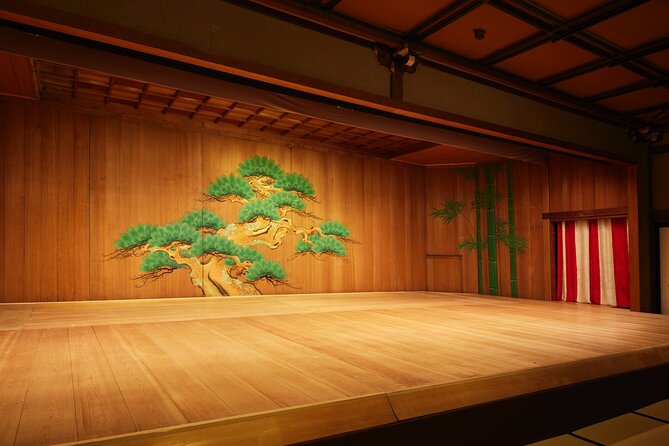
The main event is Kyomai, or Kyoto-style dance. A geiko or maiko performs in the Inoue style, the school associated with Gion Kobu. You watch two songs in a performance of roughly 15 minutes, with the entire visit usually taking around 20 minutes if you move through the museum quickly.
That short format is both the appeal and the limitation. You can fit it into a busy Kyoto day without giving up half an afternoon. At the same time, you should arrive with realistic expectations. This is a formal cultural presentation, not a theatrical show with a long story, narration, or changing scenes.
The dancing is restrained and precise. Small movements matter. The kimono, posture, fan work, music, and controlled pace carry the meaning. If you enjoy observing detail, the performance can be captivating. If you need action or explanation in English to hold your attention, the quiet style may feel spare.
Other evenings in the old entertainment quarters of Kyoto:
- Kyoto Geisha Walking Tour: Gion District & Hidden Gems
★ 4.7 · 3,273 reviews - Kyoto: Gion Magical Night Walking Tour with Geisha Trivia
★ 4.9 · 2,393 reviews - Kyoto: Gion Geisha District Walking Tour – Stories of Geisha
★ 4.7 · 2,187 reviews
Start at the Gion Kagai Art Museum
The museum is the heart of the visit, even though many people will arrive mainly for the dance. I recommend allowing time to see the exhibits before the performance if your schedule permits. Understanding the clothing and objects first makes the dance easier to appreciate.
The permanent exhibit introduces the world of geiko, maiko, and kagai culture through objects connected with daily work and formal appearances. You may see:
- Hand-painted Yuzen kimono
- Nishijin brocade obi sashes
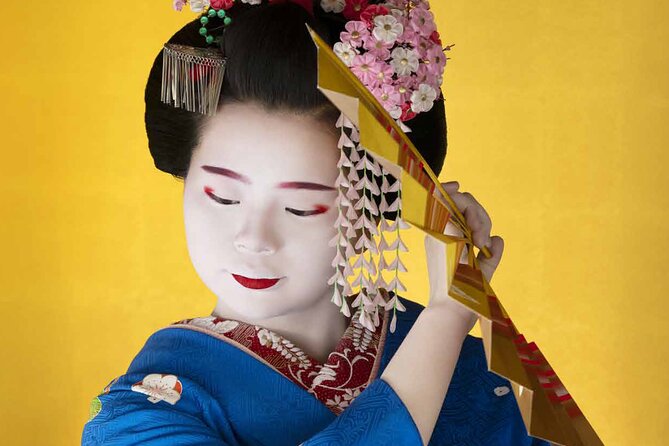
- Seasonal kanzashi hair ornaments
- Personal belongings
- Makeup used by maiko
- Black crested formal kimono
These are not generic costume displays. They show the care, expense, and seasonal detail behind a public appearance by a maiko or geiko. The kanzashi are especially useful to see up close because hair ornaments change with the seasons and can be difficult to inspect during a street sighting.
The museum also gives you a chance to look at items that are rarely visible in ordinary Gion life. You may see a maiko walking through the district, but you will not usually get a close look at the fabrics, accessories, or makeup process. Here, those objects are presented for inspection.
A beautiful garden adds another quiet pause to the visit. It is also helpful if you are visiting with children who need a little space after the dance, though the cultural displays themselves may not hold a young child’s attention for long.
Watching Two Songs in the Inoue Style
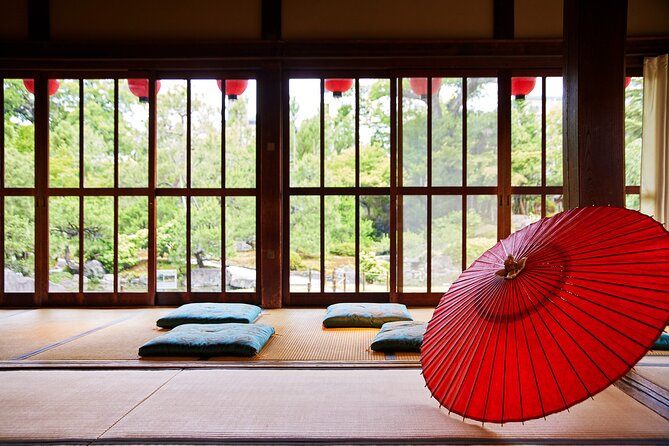
The Kyomai performance takes place in an atmospheric banquet-room setting. You sit close enough to notice the details of the costume and movement, rather than watching from a distant stage. The performance lasts about 15 minutes and includes two songs.
The word dance can create the wrong picture if you imagine constant motion. Kyomai uses controlled gestures, deliberate pauses, and carefully shaped posture. A turn of the head or the handling of a fan can be as important as a larger movement.
The performer may be a maiko or a geiko. The experience is not built around meeting a named guide or receiving a long personal introduction. The focus stays on the art itself. That makes the presentation feel more formal and traditional, but it also means you should not expect a question-and-answer session.
The short length works well for a first encounter. You get a clear sample of the style without needing to commit to a long performance. One practical point is important: photography of the dance is not allowed. If you want a keepsake with the performer, the optional photo session costs 2,000 yen per group, with a maximum of five people.
That extra fee is not part of the $20 ticket, so budget for it only if the photo matters to you. The basic admission still includes the museum and performance.
Why the Museum Makes the Dance Better
Seeing the dance alone might leave you admiring the costume without knowing what you are looking at. The museum helps fill in that gap. It gives you a visual introduction to the objects that support the geiko and maiko tradition.
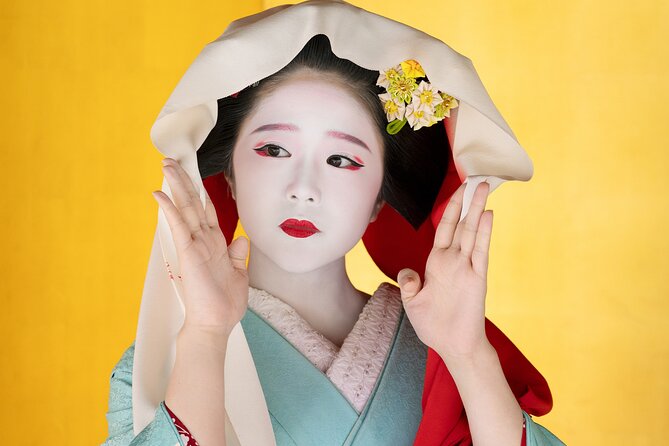
The obi shows how much structure and pattern can be hidden in a formal outfit. The kimono displays reveal painted design and seasonal references. The kanzashi explain why the hair is not simply decorative. Makeup tools and personal belongings bring the tradition closer to daily practice.
I find this useful because Gion culture is easy to reduce to a photograph of a woman in a beautiful kimono. The exhibits show the work behind that image. They also help you see why a performance can look simple while still demanding years of training and strict attention to detail.
The museum is not a large attraction, so do not expect hours of galleries. It is best understood as a focused cultural stop paired with a live demonstration. You can walk through quickly before the show, or stay longer to read and examine the objects.
The grounds add value, especially if you want a calm break from central Kyoto. The setting is part of the experience. You are not watching the dance in a standard tourist theater and then leaving without context.
A few more things to do in Kyoto worth a look
- Kyoto: Tea Museum Tickets and Matcha Grinding Experience
★ 4.9 · 739 reviews - Skip the lines Basic Ticket at SAMURAI NINJA MUSEUM KYOTO
★ 4.5 · 632 reviews - Kyoto : Geiko Maiko Dance of Kyoto & Visits of Gion Museum
★ 4.6 · 415 reviews - Kyoto Sword Experience – includes Museum Ticket/Ninja Experience
★ 4.5 · 149 reviews
Timing, Shoes, and Group Size
The published duration is approximately 20 minutes. That estimate appears to describe the performance and a short museum visit, not a leisurely examination of every display. If you like museums, arrive early and give yourself extra time.
The venue is near public transportation, and the activity begins and ends at Gion Kagai Art Museum, Yasaka Club, at 570-2 Gionmachi Minamigawa in Kyoto’s Higashiyama Ward. There is no separate transfer between stops. You simply visit the museum and attend the performance at the same site.
You must remove your shoes before entering the building. Wear socks you are comfortable in, particularly during cooler weather. This is a small point, but it can catch you off guard if you arrive in shoes meant to be worn without socks.
The booking information lists a maximum of 25 participants. A smaller group can make a quiet dance easier to see, though the exact room arrangement may affect your view. Since the show is short, arrive with enough time to settle in rather than rushing through the door at the last moment.
Children can attend, and most people can participate. The dance asks for quiet, so very young children may get more from the garden than from the performance. Older children who can sit still for 15 minutes may enjoy the costume and the unusual setting.
Service animals are allowed. The experience is near public transportation, but the supplied details do not describe specific step-free routes or seating arrangements. If you need a particular accessibility setup, contact the museum before booking.
Is $20 Good Value?
At $20, this is a reasonable way to add a traditional arts experience to a Kyoto itinerary. You are paying for two parts: admission to the Gion Kagai Art Museum and a live Kyomai performance. The combination matters because a short dance alone might feel expensive, while the museum gives you something to explore before or after the show.
The value is strongest if you already plan to visit Gion and want a structured cultural stop. You can see the museum, watch the dance, and continue exploring the district without losing a full morning or afternoon.
The value is weaker if you want an extended performance or a personal encounter with a geiko or maiko. The show is formal and brief. There is no included photo session, and there is no promise of a particular performer.
Buying online gives you a mobile ticket and includes admission and all listed fees and taxes. The information also indicates that tickets may be available directly at the museum, with several performance times during the day. That can be useful if you are already walking through Gion, but buying ahead gives you a confirmed place and a clear time in your schedule.
The Best Way to Plan Your Visit
I would place this experience early in a Gion visit. See the museum before the dance if possible, then let the performance give movement and sound to the objects you just examined.
If your schedule is tight, you can treat it as a compact cultural stop between other sights. The venue is near public transportation, and the activity returns you to the same meeting point. You do not need to arrange a separate end location.
Try not to schedule it only a few minutes before another timed attraction. The performance itself is short, but you still need time to find Yasaka Club, remove your shoes, and enter quietly.
Do not plan to take photographs during the dance. You can focus on the performance instead, then consider the paid photo session if a group picture is important to you. The photo option allows up to five people per group and costs 2,000 yen.
The cancellation policy is generous if your plans change early. You can receive a full refund by canceling at least 24 hours before the local start time. Cancellations or changes inside that 24-hour window are not refunded or accepted.
Who Will Enjoy This Most?
I recommend this for a first introduction to geiko and maiko culture. It gives you a live performance without the cost or time commitment of a long evening program, and the museum provides background that a street sighting cannot.
It suits adults who enjoy traditional arts, costume, design, and quiet observation. It also works well for families with older children who can remain quiet during the performance. The garden may help younger children enjoy the visit, but the exhibit portion may feel slow to them.
This is less suited to anyone expecting a large-scale cultural show. The performance is intentionally restrained. You will not see a long plot, a series of performers, or a modern stage production.
I also would not choose it as your only Gion experience. Pair it with time in the surrounding district, where you can appreciate the setting and better understand why this neighborhood remains associated with Kyoto’s geiko culture.
Should You Book the Kyomai Dance Experience?
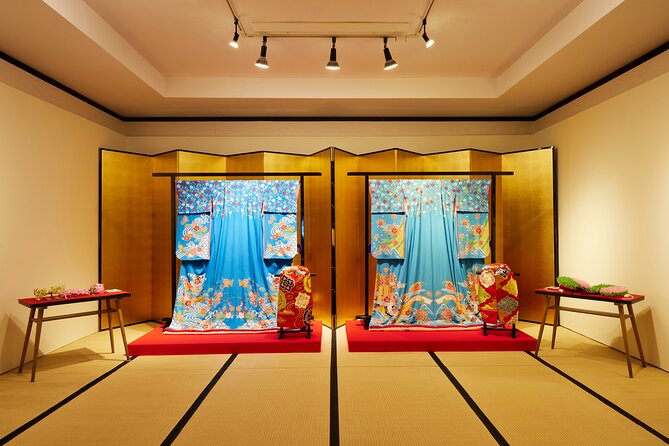
Book it if you want a short, affordable, well-focused introduction to Gion’s traditional performing arts. The $20 ticket covers the museum and live dance, and the exhibits give useful meaning to the costumes, hair ornaments, and formal objects.
Skip it if you want a long or highly interactive show. The 15-minute performance can feel too simple for some people, particularly if they expect a full theatrical production.
For most first-time visitors with an interest in Kyoto culture, I think it is a sound choice. Arrive early, see the museum first, wear suitable socks, keep children quiet, and treat the dance as a close look at a formal art rather than a stage spectacle.
FAQ
Where does the experience take place?
It takes place at the Gion Kagai Art Museum, Yasaka Club, at 570-2 Gionmachi Minamigawa in Kyoto’s Higashiyama Ward.
How long does the experience last?
The activity lasts approximately 20 minutes. The Kyomai dance itself lasts about 15 minutes and includes two songs.
What kind of dance will I see?
You will see Kyomai, or Kyoto Mai, performed in the Inoue style by a geiko or maiko.
Is museum admission included?
Yes. Admission to the Gion Kagai Art Museum and the dance performance are included in the ticket.
What can I see in the museum?
The permanent exhibit includes Yuzen kimono, Nishijin brocade obi sashes, seasonal kanzashi hair ornaments, maiko makeup items, personal belongings, and black crested formal kimono.
Can I take photographs during the dance?
Photography during the dance is not allowed. An optional photo session costs 2,000 yen per group of up to five people.
Do I need to remove my shoes?
Yes. Shoes must be removed before entering the building.
Is the activity suitable for children?
Most people can participate, but children should remain quiet during the dance. The garden may be more engaging for younger children after the performance.
Is the venue near public transportation?
Yes. The museum is near public transportation.
What is the cancellation policy?
You can cancel at least 24 hours before the experience for a full refund. Cancellations or changes made within 24 hours are not refunded or accepted.
Just added in Kyoto
- Private Cooking Class Udon in Kyoto Japan★ 5.0 · 23 reviews
- Your Private Vacation Photography Session In Kyoto★ 5.0 · 110 reviews
- Kyoto: Zen Meditation at a Private Temple with a Monk★ 5.0 · 25 reviews
- Private Pewter Sake Cup Experience with a Kyoto Artisan★ 5.0 · 31 reviews
- Kyoto Wagashi(Japanese sweets) Cooking Class near Fushimiinari★ 5.0 · 60 reviews
- Kyoto: Gion Geisha District & Sake-in-Hand Walking Tour★ 5.0 · 37 reviews
- Kyoto:Family-Friendly Kimono & Yukata Experience at WARGO★ 5.0 · 147 reviews
- Private Guided Traditional Buddhist Cooking in Japan★ 5.0 · 16 reviews
Geisha & Gion District Tours, compared.

Kyoto Geisha Walking Tour: Gion District & Hidden Gems
Read our review →
Gion Geisha District Walking Tour – Stories of Geisha
Read our review →
Best of Kyoto: Gion, Geisha, Pagodas & Cobblestones
Read our review →

Kyoto Night Foodie Tour in Gion (9+ dishes + 6 Sake tastings)
Read our review →
Kyoto Gion: 2-Hour Geisha Culture & History Walking Tour
Read our review →
Chopsticks Making Workshop in Gion with Engraving Option
Read our review →
Browse the lists this tour appears in