
Reviewed · GEISHA & GION DISTRICT TOURS
Kyoto Gion Cultural Walk & Geisha Show with Dining Options
A walk through Gion is only half the story. The memorable part comes later, when you sit with a maiko, Kyoto’s apprentice geiko, hear her answer questions, and watch one or two traditional dances. The guide translates and explains the customs, which turns a pretty evening into a lesson in a living art.
I like the small group size, capped at nine, and the way the walk links Kabuki, Shinto, Zen, and geiko culture. I also like the guides’ personal touch. Ken, Kenta, and Akari are repeatedly praised for clear explanations, warm hosting, and helping people feel included.
The main caution is the dining option. Some people found the meal excellent and plentiful, while one diner felt the portion was too small for the added cost. If dinner matters to you, confirm what your selected package includes. The walking route also has several stops, so it is not ideal if you have leg problems.
Key points to know before booking
- Meet a real maiko apprentice: The 45-minute gathering includes questions, conversation, and one or two dances.
- Walk through several sides of Gion: The route covers Gion Shirakawa, Hanamikoji Street, Tatsumi-jinja, Kennin-ji, and a small subtemple.
- Learn the difference between geiko and maiko: Guides explain the training, customs, clothing, and work behind the public image.
- Keep the group personal: A maximum of nine people allows time for questions and translation.
- Allow three hours: The walk takes about 1.5 to 2 hours, followed by a 45-minute maiko meeting and show.
- Check the meal details: Dining is offered with selected options, but the meal is not clearly listed among the standard inclusions.
Why the maiko meeting is the heart of the evening
Kyoto’s geiko culture can be easy to misunderstand. From the street, you may see an elegantly dressed woman moving quickly between appointments, but you learn little about her training or daily work. This experience gives you a more respectful frame before you meet a maiko.
The walking tour comes first for a good reason. Your guide explains the terms geiko and maiko, the traditions of the district, and the connection between performance arts and Kyoto’s old entertainment quarters. In Kyoto, geiko is the local term commonly used for a professional geisha, while maiko refers to an apprentice.
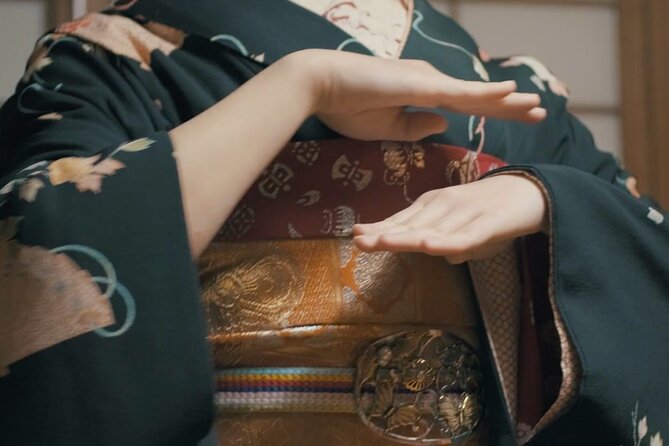
The meeting itself lasts about 45 minutes. You can ask questions, listen to the guide translate, and watch the maiko perform one or two dances. Tea is part of the gathering, and the format is much more personal than watching a stage show from a distant seat.
I would book this for the chance to ask questions. The dance is beautiful, but the conversation gives the evening its value. You can learn about customs directly, while your guide helps explain points that might otherwise be lost in translation.
The guides are an important part of this. Ken is praised for his thoughtful explanations and respectful approach. Kenta is often singled out for handling interpretation during the maiko meeting. Akari is described as warm and attentive, including making solo participants feel welcome and helping people with practical needs during the evening.
Do remember that the maiko is not simply a costumed performer brought in for photographs. The setting calls for courtesy. A tip for the maiko is not included, so bring that extra expense into your planning.
Other evenings in the old entertainment quarters of Kyoto:
- Kyoto Geisha Walking Tour: Gion District & Hidden Gems
★ 4.7 · 3,273 reviews - Kyoto: Gion Magical Night Walking Tour with Geisha Trivia
★ 4.9 · 2,393 reviews - Kyoto: Gion Geisha District Walking Tour – Stories of Geisha
★ 4.7 · 2,187 reviews
Starting with Kabuki at Izumo-no-Okuni
The tour begins at the Statue of Izumo-no-Okuni, near Kawabatacho in Higashiyama Ward. This is a useful opening because it introduces the connection between women, performance, and Kyoto’s theater traditions.
Here you learn about Izumo-no-Okuni and the early roots of Kabuki. Modern Kabuki is performed by men, but its beginnings were linked to women performers. The stop lasts about 15 minutes and costs nothing to enter.
That short lesson gives the rest of the evening a stronger frame. Geiko and maiko culture is not just about clothing or entertainment. It belongs to a wider tradition of dance, music, theater, hosting, and disciplined performance.
Minamiza Theater and Kyoto’s stage traditions
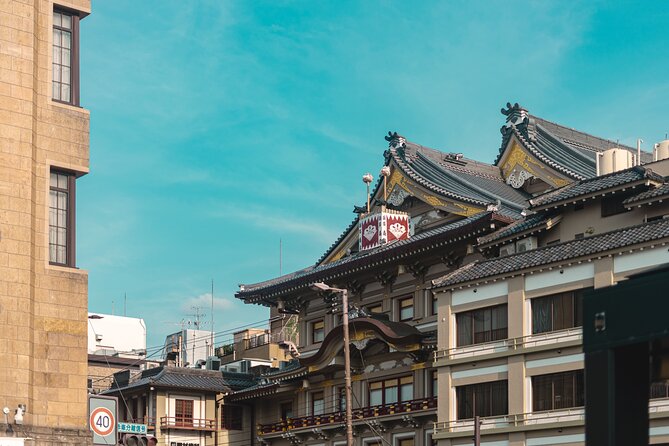
The next stop is Minamiza Theater, the oldest Kabuki theater in Kyoto. You spend about 10 minutes looking at the building and hearing about its role in the city.
The stop also includes an unusual modern note: the use of virtual reality alongside Kabuki. That contrast is useful. Kyoto’s performing arts are old, but they are not frozen in the past. The guide helps connect traditional forms with newer ways of presenting them.
You do not enter the theater as part of the standard walk, so keep your expectations in check. This is an exterior look and a spoken explanation, not a full Kabuki performance.
Gion Shirakawa, where the setting does much of the work
Gion Shirakawa is one of the prettiest portions of the route. The area follows the river and includes old-style buildings, traditional theaters, and narrow streets that show why Gion has such a strong place in Kyoto’s image.
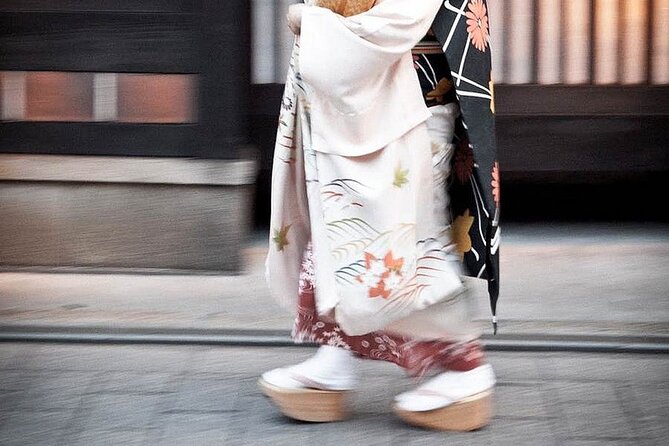
You spend around 15 minutes here. Your guide explains the geiko district and the customs that visitors often miss. This is also one of the places where you might see a geiko or maiko walking to an appointment, but there is no guarantee.
That uncertainty is worth accepting. The tour is not built around chasing sightings. Your guide can explain the area without treating performers as photo opportunities, and that makes the walk feel more respectful.
Gion Shirakawa is also a good place to take in the atmosphere without rushing. The walk is short, but the narrow streets and riverside setting provide a clear sense of place before the later meeting.
Same base, a different sort of day:
- PERFECT KYOTO 1-Day Bus Tour
★ 5.0 · 13,518 reviews - Kyoto: Fushimi Inari, Kinkakuji, Bamboo Grove 1 Day Bus Tour
★ 4.8 · 4,316 reviews - Kyoto: Tea Ceremony in a Traditional Tea House in Kiyomizu
★ 4.9 · 3,519 reviews - Kyoto: Tea Ceremony Ju-An at Jotokuji Temple
★ 4.9 · 3,207 reviews
Tatsumi-jinja and the Shinto side of Gion
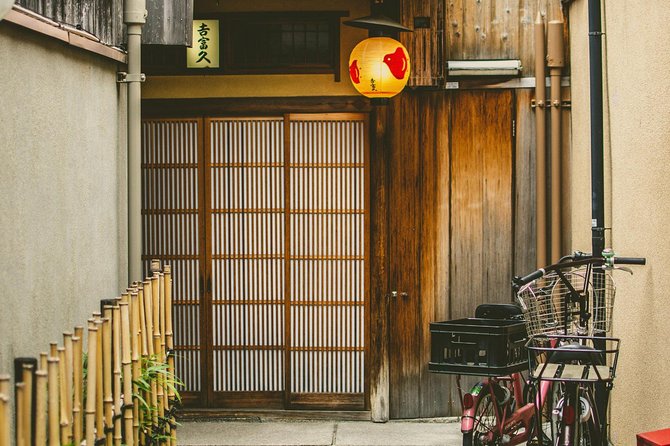
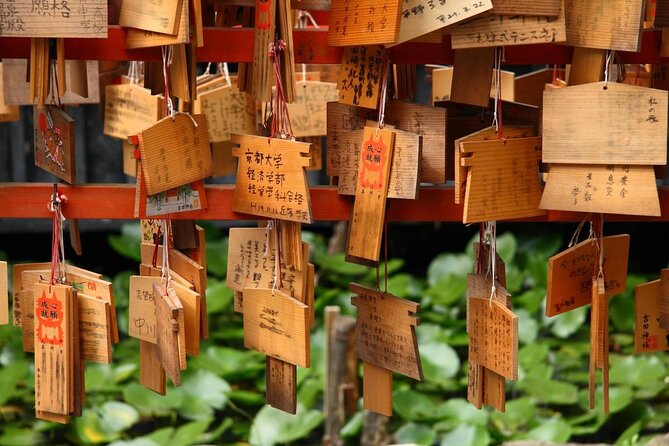
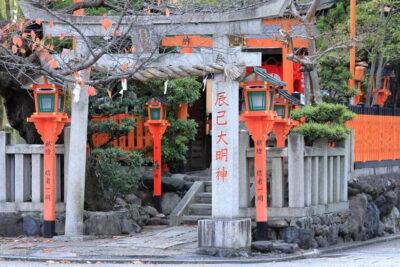
At Tatsumi-jinja, also called Tatsumi Dai-myojin, the guide introduces Shinto, Japan’s native religious tradition. The explanation includes the idea that Japan is home to eight million gods, a phrase that helps convey the many spirits and sacred presences found in Shinto belief.
The shrine stop lasts about 15 minutes and is free to enter. It adds balance to the tour. You are not only learning about entertainment districts, but also about the religious customs that shape everyday life in Japan.
You should treat the shrine as a place of worship, not just a scenic pause. The guide’s explanation helps, but simple behavior matters too: keep voices low and follow the group’s lead.
Hanamikoji Street and the most famous Gion view
Hanamikoji Street is the main road through Gion and one of the best-known places associated with geiko culture. The stop takes about 10 minutes, with the guide pointing out the district’s layout and explaining what happens here.
You may see a geiko or maiko passing by, but sightings depend on timing. Do not plan the tour around getting a close photograph. Kyoto has made strong efforts to protect performers from intrusive behavior, and a good guide will help you understand the difference between observing respectfully and getting in someone’s way.
This is also where the earlier explanations begin to come together. The street is attractive, but the important detail is the working nature of the district. These are not merely preserved movie-set lanes. They are places where appointments, training, dining, and performances continue.
Kennin-ji, Zen, and a change of pace
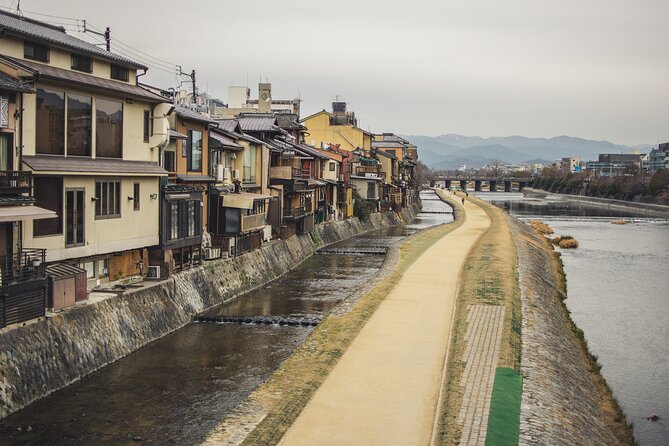
The route continues to Kennin-ji, a Zen Buddhist temple founded in 1202. The stop lasts about 15 minutes, and admission is not included.
Kennin-ji gives the walk a different mood. After the theater and entertainment districts, the temple offers a chance to discuss Zen Buddhism and the religious setting of Kyoto. The visit is brief, so think of it as an introduction rather than a full temple tour.
Because entry is not included, check the day’s arrangements and bring the proper admission money if required. The supplied details do not specify the exact fee or whether every departure enters the temple, so you should not assume a full interior visit is part of every booking.
Zenkyo-an and the boar guardians
The final listed stop is Zenkyo-an, also known as Marishitendo, a Kennin-ji subtemple. It is known for boar guardians and associations with luck and safety.
This 15-minute stop is small but distinctive. The boar imagery gives you something unusual to look for, and the subtemple adds another layer to the religious side of Gion. Admission is not included here either.
The tour itinerary lists the walking stops as roughly 10 to 15 minutes each. In practice, the guide’s explanations are the reason to come, not the hope of spending a long time inside every site. If you want extensive temple visits, you will need separate time in Kyoto.
What the 1.5 to 2-hour walk feels like
The first part is a steady walk through central Kyoto. You move between streets, a riverfront district, shrines, theaters, and temple grounds. The guide leads the way, which is useful in Gion, where small lanes and similar-looking streets can make self-guided exploring confusing.
The route is not recommended for people with leg problems. The overall activity lasts about three hours, and the walking portion may feel tiring in hot or wet weather. One guide, Kenta, was praised for bringing cold cloths and icy drinks during a hot outing, while another account describes umbrellas and rain ponchos appearing during a sudden storm. Those touches may depend on conditions, but they show why a local guide can matter.
Wear comfortable shoes and plan for weather. The experience requires good weather, and poor conditions can lead to a different date or a full refund. The exact end point is different from the starting point, so avoid scheduling a tight connection immediately afterward.
Dining options, tea, and the question of value
The listed price is $121.37 per person. For three hours, a guided Gion walk, a small group, interpretation, tea, a maiko meeting, and a live dance, that can be fair value for someone specifically interested in geiko culture.
The price is harder to judge if you mainly want a meal. Dining options appear to vary, and the standard inclusions clearly list the walking tour plus the 45-minute meeting and show, but do not clearly spell out a meal as part of every booking.
That distinction matters. Several accounts describe the food as delicious, high quality, or served family style with plenty of choice. Dietary restrictions were handled well in one meal experience. Another diner felt the food portion was too small for the extra amount paid and left hungry.
My advice is simple: compare the dining and non-dining choices carefully before paying. If your main goal is the maiko conversation and performance, choose the option that gives you that access and treat dinner as secondary. If you want a substantial evening meal, check what dishes and serving format are included rather than assuming the package is a full restaurant dinner.
Tea and conversation are the central hospitality here. The meal, when selected, can make the evening feel more complete, but it should not be the only reason you book.
The guides make the difference
This experience depends heavily on the person leading it. The strongest feedback centers on Ken, Kenta, and Akari, each praised for explaining the culture clearly and handling questions with care.
Ken is described as respectful toward geiko, geisha, and maiko traditions. He connects Kabuki and geiko culture, explains the different districts, and keeps the walk from becoming a string of disconnected facts.
Kenta is especially useful if you want help during the maiko meeting. His role includes interpreting questions and answers, which lets you take part instead of simply watching a conversation in Japanese.
Akari brings a warmer, more personal style. She has helped solo participants feel included, answered questions throughout the meal, and assisted with photographs and practical requests. If you are traveling alone, the small group and attentive hosting can make a real difference.
Guide assignments can change, so you cannot assume a particular person will lead your departure. Still, the repeated pattern is clear: the guide is not just there to point out streets. The guide supplies the cultural context, manages the meeting, and helps you behave appropriately.
Who should book this Kyoto experience?
I would recommend it to you if you want a focused introduction to geiko and maiko culture without committing to a formal theater production. It suits first-time visitors who want an organized route through Gion and people who prefer asking questions to simply taking photographs.
It is also a strong choice for families with older children or teenagers who can manage the walking. The live meeting gives the subject a human dimension, and the Kabuki, Shinto, and Zen stops help place the evening in a wider Kyoto setting.
Solo visitors can also do well here. The group is limited to nine, and Akari’s hosting in particular has helped solo participants feel part of the conversation.
I would look elsewhere if you want a long temple visit, a full Kabuki show, or a guaranteed geiko sighting on the street. I would also be cautious if you have difficulty walking or expect a large, elaborate dinner for the listed price.
Cancellation and practical details
You receive confirmation when booking, and the experience is close to public transportation. Most people can take part, but leg problems are a concern because of the walking.
Free cancellation is available up to 24 hours before the start time for a full refund. Changes or cancellations inside that 24-hour window are not accepted for a refund. Cutoff times use Kyoto local time.
The activity may be canceled if the weather is poor or if the minimum number of people is not reached. In those cases, you are offered another date or experience, or a full refund.
Should you book it?
Book this tour if meeting a maiko and asking thoughtful questions is high on your Kyoto list. The walk gives you the context to understand what you are seeing, and the small group makes the final conversation feel personal rather than staged for a crowd.
I would choose it for the cultural access, the translation, and the guides’ careful explanations. Just check the dining option, prepare for a fair amount of walking, and remember that the tip for the maiko is extra. For the right audience, the live meeting and dance are worth far more than another quick photo stop in Gion.
FAQ
How long does the Kyoto Gion cultural walk and maiko show last?
The experience lasts about three hours. The guided walk takes approximately 1.5 to 2 hours, followed by a 45-minute maiko meeting and show.
What does the walking portion include?
The route includes the Statue of Izumo-no-Okuni, Minamiza Theater, Gion Shirakawa, Tatsumi-jinja Shrine, Hanamikoji Street, Kennin-ji Temple, and Zenkyo-an.
Will I meet a real geisha?
The experience includes a meeting with an apprentice geisha, more accurately called a maiko. A maiko answers questions and performs one or two dances.
Is a meal included in the price?
Dining options are available, but the standard inclusions clearly list the Gion walk and the 45-minute maiko meeting and show. Check your selected booking option to confirm whether a meal is included and what it contains.
Is the group size limited?
Yes. The activity has a maximum of nine participants, which allows more time for questions and translation.
Is the tour suitable for people with mobility problems?
It is not recommended for people with leg problems because the experience includes 1.5 to 2 hours of walking through Gion and nearby temple areas.
Can I cancel for a full refund?
Yes, if you cancel at least 24 hours before the experience begins. Cancellations or changes made less than 24 hours in advance are not refunded. Poor weather or failure to meet the minimum group size may result in another date or a full refund.
Just added in Kyoto
- Kyoto: Private Photoshoot Service★ 5.0 · 158 reviews
- Kyoto Rickshaw Tour★ 5.0 · 210 reviews
- Kyoto: Traditional Concert at Townhouse or Bathhouse★ 4.9 · 224 reviews
- Ninja 2-hour Hands-on Lesson by Japanese master in Kyoto -Medium★ 5.0 · 218 reviews
- Kyoto: Arashiyama Bamboo, Temple, Matcha, Monkeys & secret spots★ 5.0 · 219 reviews
- Izakaya Style Cooking Class★ 5.0 · 219 reviews
- Kyoto: Gion & Pontocho Food Tour with 13 Dishes★ 4.9 · 235 reviews
- Kyoto: Afternoon Japanese Izakaya Cooking Class★ 4.9 · 241 reviews
Geisha & Gion District Tours, compared.
Kyoto Geisha Walking Tour: Gion District & Hidden Gems
Read our review →
Gion Geisha District Walking Tour – Stories of Geisha
Read our review →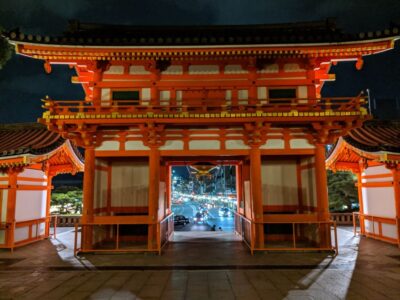
Best of Kyoto: Gion, Geisha, Pagodas & Cobblestones
Read our review →
Kyoto Night Foodie Tour in Gion (9+ dishes + 6 Sake tastings)
Read our review →
Kyoto Gion: 2-Hour Geisha Culture & History Walking Tour
Read our review →
Chopsticks Making Workshop in Gion with Engraving Option
Read our review →
Browse the lists this tour appears in