
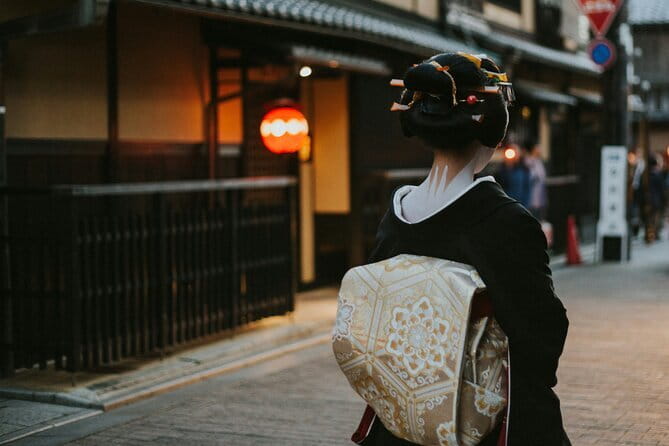
Reviewed · GEISHA & GION DISTRICT TOURS
Kyoto Gion Early Morning Walking Tour
Kyoto’s most famous streets and temples are much easier to appreciate before the day gets moving. This three-hour early walk takes you from quiet Gion lanes to Kiyomizu-dera, Sannenzaka, Yasaka Pagoda, and Yasaka Shrine before the afternoon crowds arrive. I like the calm start and the chance to see Kyoto’s old wooden streets without constantly dodging tour groups. I also like the small maximum of 12 people, which gives you a fair shot at asking questions.
The main tradeoff is timing. You must get up early, and even then Kiyomizu-dera can become crowded by the time you reach it. The route also covers several uphill and stone-paved sections, so comfortable shoes matter.
Key points at a glance
- Early access to Gion: Begin with Shirakawa and Hanamikoji Street while the district is quieter.
- Six classic Kyoto stops: See Gion Shirakawa, Hanamikoji, Kiyomizu-dera, Sannenzaka and Ninenzaka, Yasaka Pagoda, and Yasaka Shrine.
- Small group of up to 12: You get more room to ask the guide about customs, architecture, and local life.
- Strong guide element: Caleb, Hiro, and Vincent are praised for clear English, humor, historical context, and thoughtful answers.
- Useful value for a morning: The $49.42 price includes the guide and about three hours of walking, but not the ¥500 Kiyomizu-dera admission.
- A walk, not a ride: There is no hotel pickup, and the tour begins and ends at the Statue of Izumo-no-Okuni.
Why the early start matters in Gion
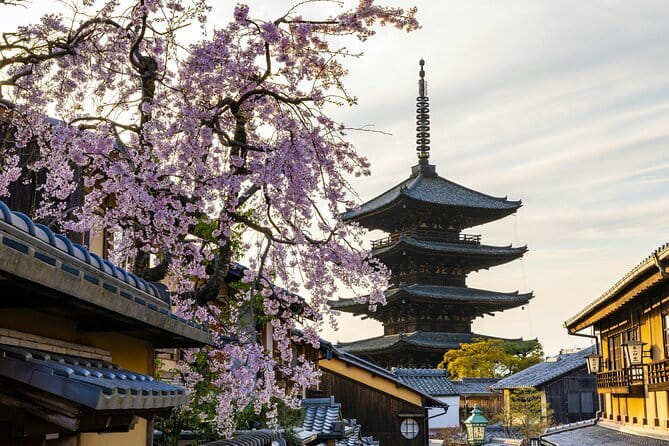
Gion is one of Kyoto’s most photographed areas, but its beauty can be diluted by crowds. Early morning gives you more space to notice the details: timber-fronted machiya houses, the narrow Shirakawa River, willow trees, shrine gates, and quiet lanes that can feel almost theatrical before shops and tour groups fill them.
I especially like the timing for photography. You may get cleaner views of the streets and pagoda, and your guide can explain what you are seeing before the area becomes noisy. This is not a private, empty Kyoto. The city is still awake, and popular temples are never guaranteed to be quiet, but an early departure improves your odds.
The meeting point is the Statue of Izumo-no-Okuni in Kawabatacho, in Kyoto’s Higashiyama Ward. Since hotel pickup is not included, you need to make your own way there. The location is near public transportation, and a mobile ticket makes check-in simple.
Other walking tours in Kyoto people book:
- Kyoto Geisha Walking Tour: Gion District & Hidden Gems
★ 4.7 · 3,273 reviews - Kyoto: Gion Magical Night Walking Tour with Geisha Trivia
★ 4.9 · 2,393 reviews - Kyoto: Gion Geisha District Walking Tour – Stories of Geisha
★ 4.7 · 2,187 reviews
Gion Shirakawa and the calm side of Kyoto
The first stop is Gion Shirakawa, where the Shirakawa River runs beside traditional machiya houses and drooping willow trees. You have about 15 minutes here, enough for an introduction and photographs rather than a long historical lecture.
This is a good place for the guide to set the tone. Kyoto can look like a polished film set, but the older houses and narrow waterway also point to the way the district developed around traditional entertainment and tea culture. Your guide can help separate what is still part of everyday Kyoto from what is mainly preserved for its appearance.
The short stop is both a strength and a limitation. It gives you a peaceful beginning without using up too much of the three-hour schedule, but anyone hoping for a long stroll along the canal may want to return independently later.
Hanamikoji Street and Kyoto’s geisha district
From Shirakawa, the walk continues to Hanamikoji Street for about 20 minutes. This is one of the best-known streets in Gion, lined with wooden townhouses and traditional teahouses called ochaya.
The guide adds value here because the street can be easy to admire without understanding. You will learn more about the setting of Kyoto’s geisha and maiko traditions, along with the difference between a historic entertainment district and a theme park designed for sightseers.
Your guide also helps you behave well in a sensitive neighborhood. Gion is not simply a backdrop for photographs. People live and work here, and the most enjoyable visit is a respectful one. Keep your voice down, follow photography guidance, and do not treat anyone in traditional dress as a public display.
The guide makes a real difference on this walk. Caleb is described as friendly and passionate about history. Hiro is praised for combining Japanese history with wider world context, while Vincent is noted for taking time with questions, including questions beyond the planned route. Those details suggest that the experience depends partly on who leads your group, but all three names appear in the tour feedback as capable English-speaking guides.
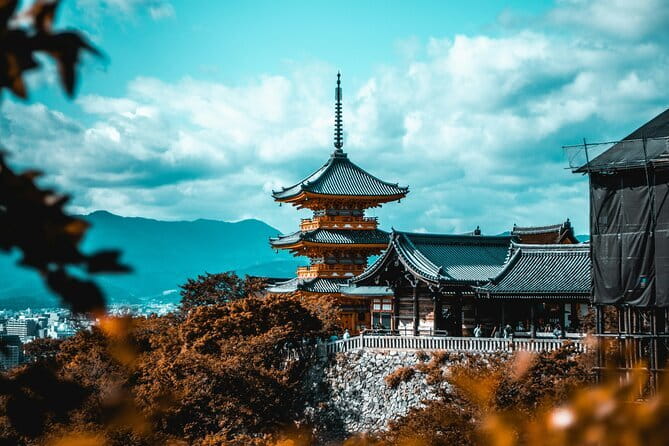
Kiyomizu-dera after the quiet streets
Kiyomizu-dera receives the longest stop, about one hour, and it is the centerpiece of the route. Admission is not included, so budget an additional ¥500 per person.
The temple is famous for its large wooden stage, which looks out over Kyoto. The view changes with the season, with cherry blossoms in spring and colorful autumn foliage later in the year. The temple is also an important place to understand Kyoto’s religious traditions, and the guide can explain more than you would get from a quick photo stop.
The one issue is crowd control. Starting early helps, but it does not guarantee an empty temple. One tour participant specifically wished the group had started an hour earlier because Kiyomizu-dera was already swarming by the time the group arrived. That is useful advice, not a reason to reject the tour. It simply means you should see the early departure as a practical advantage, not a promise of solitude.
If avoiding crowds is your top priority, ask yourself how much you value having a guide at the temple compared with arriving independently at opening time. The tour’s benefit is that you do not have to plan the route or interpret the temple alone. Its weakness is that the fixed pace may put you at Kiyomizu-dera after the quietest period has passed.
Other evenings in the old entertainment quarters of Kyoto:
- Best of Kyoto: Gion, Geisha, Pagodas & Cobblestones
★ 4.9 · 2,058 reviews - Night Walk in Gion: Kyoto’s Geisha District
★ 4.5 · 2,003 reviews - Kyoto Night Foodie Tour in Gion (9+ dishes + 6 Sake tastings)
★ 5.0 · 1,762 reviews - Kyoto Gion Geisha District Walking Tour – The Stories of Geisha
★ 5.0 · 1,441 reviews
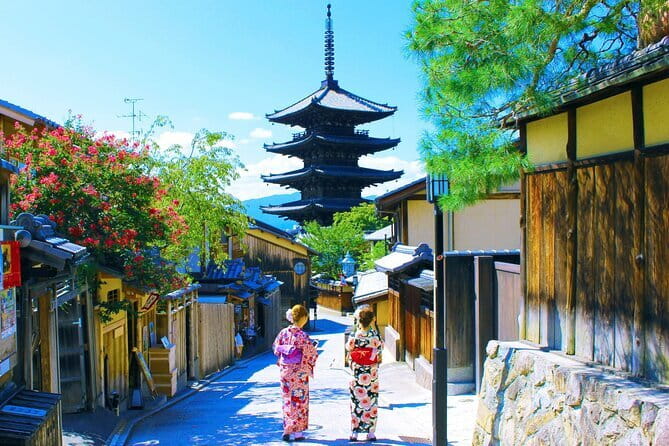
Sannenzaka and Ninenzaka on foot
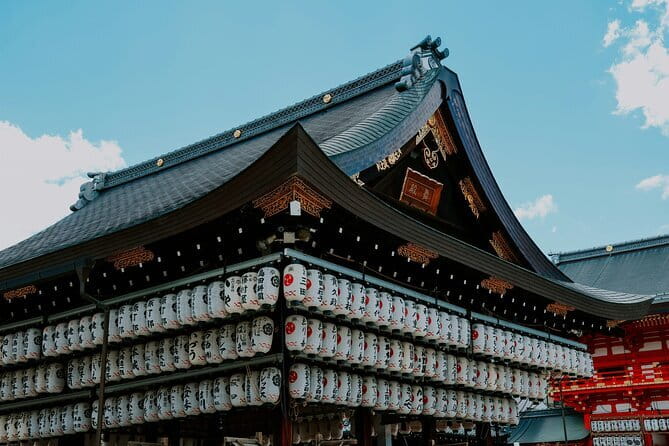
After Kiyomizu-dera, the route spends about 30 minutes on Sannenzaka and Ninenzaka. These stone-paved lanes are lined with traditional wooden buildings, small shops, and food stops. They lead toward the temple and are among Kyoto’s most recognizable old streets.
This section is visually rewarding, but it is not a flat, effortless stroll. The stone paving and slopes can be tiring, especially after an hour at Kiyomizu-dera. Wear shoes with a firm grip, and do not expect to browse every shop in detail. The group has more ground to cover.
I like this part because it connects the temple to the neighborhood around it. Instead of treating Kiyomizu-dera as an isolated sight, you see how the approach streets shape the experience. You might also spot items or snacks worth returning for later, when you can shop at your own pace.
The walk also gives your guide room to explain how Kyoto preserves its traditional appearance while remaining a working city. That balance is more interesting than simply collecting photographs of old facades.
Yasaka Pagoda and the classic Kyoto view

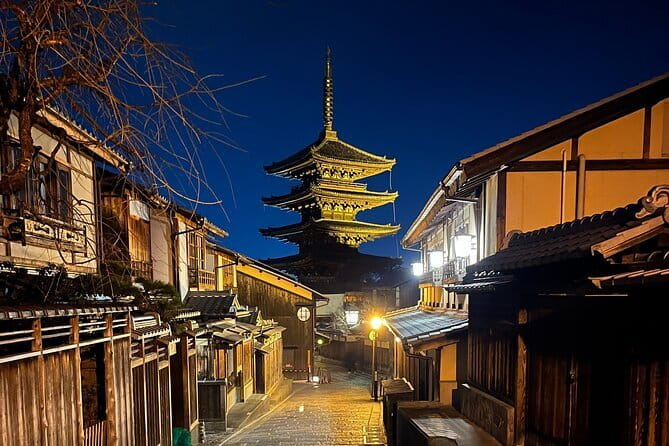
Yasaka-no-To, usually called Yasaka Pagoda, receives about 10 minutes. It is one of Kyoto’s most familiar sights, rising above the historic streets near Higashiyama.
Ten minutes is enough for a quick explanation and photographs, but it is not a full visit inside the pagoda. The schedule treats it as a viewpoint and landmark along the route. That works well if you want to see the classic silhouette without spending too much time on one small stop.
Morning light can make this section especially appealing. The narrow streets and pagoda create the sort of scene that many people associate with old Kyoto, but the early timing gives you a better chance of framing it without a solid wall of people.
Yasaka Shrine and the end of the walk
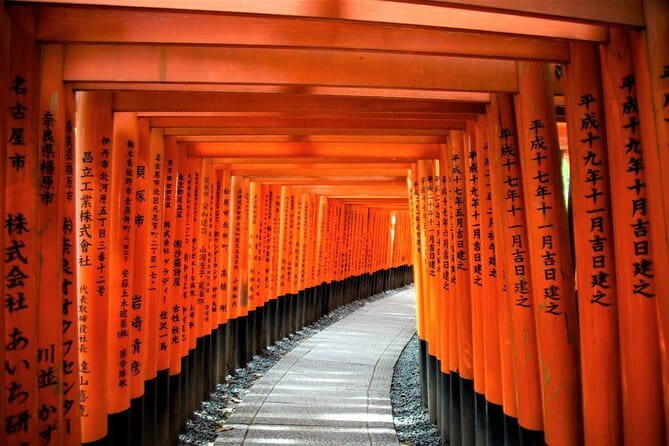
The final major stop is Yasaka Shrine, with about 30 minutes set aside for the visit. This Shinto shrine is known for its vermilion gate and lantern-covered dance stage. It has protected Kyoto for centuries and remains one of the city’s major places of worship.
The shrine is a useful contrast to Kiyomizu-dera. The morning route takes you through Buddhist and Shinto sites, historic entertainment streets, and older residential architecture, giving you a broad introduction to Kyoto rather than focusing on only one temple.
A guide is particularly useful at a shrine because the details are not always obvious. You can ask about the layout, the lanterns, and the customs connected with the site. Hiro is praised for explaining Japanese history in a wider context, while Vincent is known for welcoming questions. If your guide enjoys conversation, Yasaka Shrine may become more than a final photo stop.
The tour ends back at the original meeting point. That is convenient if you want to continue exploring Gion afterward, though you will need to arrange your own next stop.
What the guide adds to the $49.42 price
At $49.42 per person, this is not the cheapest way to walk through Gion. You are paying for route planning, an English-speaking guide, local context, and the convenience of moving between several major sights without stopping to check maps.
The value is strongest if this is your first visit to Kyoto or if you want a clear orientation early in your stay. Three hours gives you a useful introduction, and you can return later to the places that deserve more time. The price also looks more reasonable for a small group capped at 12, especially if you ask questions and make use of the guide’s local knowledge.
You still need to pay ¥500 for Kiyomizu-dera. Food, drinks, and hotel pickup are not included. One person enjoyed a coffee at Here after the walk, but that stop is not part of the official itinerary, so treat it as an optional idea rather than a scheduled feature.
The route is also a good way to get your steps in early. One morning can cover a surprising amount of ground, so do not schedule a demanding activity immediately afterward unless you are comfortable with a full day on your feet.
Which guide style may suit you
The listed guides include Caleb, Hiro, and Vincent, and the comments about them point to slightly different strengths.
Caleb is described as friendly, enthusiastic about history, and good at making the early start feel worthwhile. He may suit you if you like a warm guide who brings energy to historical details.
Hiro is praised for strong English, historical depth, humor, and the ability to place Japan in a wider global setting. Choose this tour if you want more context than a simple list of dates and names.
Vincent is described as patient and willing to answer questions beyond the route. He may be a good fit if you prefer a conversational walk and want room to ask about subjects that catch your attention along the way.
The exact guide is not guaranteed, so book for the structure of the experience rather than for one named person. The repeated praise for guide quality is still important because this tour’s value depends heavily on explanation.
Who should book this Kyoto morning walk
I would recommend it to first-time Kyoto visitors who want to see the essential Gion and Higashiyama sights without spending half a day planning directions. It also suits people who enjoy history, photography, and walking at a steady pace.
You should also consider it if crowds worry you. The early timing is the tour’s central idea, and it genuinely improves the first part of the route. Just keep your expectations realistic at Kiyomizu-dera, where the crowd may have built by the time you arrive.
This is less suitable if you dislike early mornings, want a slow shopping trip, or need hotel pickup. It is also not the right choice if you prefer to spend a full hour at every shrine and temple. The route covers many places, so some stops are intentionally brief.
Free cancellation is available up to 24 hours before the start time for a full refund. Changes or cancellations inside that window are not accepted, so check your schedule before booking.
Should you book it?
Book this tour if you want a well-organized first look at Gion, prefer having history explained as you walk, and can manage an early start plus several hours on foot. The small group, capable guides, and smart route make the $49.42 reasonable for many visitors.
Skip it if you are determined to see Kiyomizu-dera at the quietest possible hour, since independent arrival may give you more control over timing. For most people seeking a practical introduction to Kyoto’s old streets, temples, and customs, this is a strong morning choice with one clear warning: get up early and wear good shoes.
FAQ
How long does the Kyoto Gion Early Morning Walking Tour last?
The tour lasts approximately three hours.
Where does the tour begin?
It begins at the Statue of Izumo-no-Okuni in Kawabatacho, Higashiyama Ward, Kyoto.
Where does the tour end?
The activity ends back at the original meeting point.
Is hotel pickup included?
No. Hotel pickup is not included, so you must make your own way to the meeting point.
What is the maximum group size?
The group is limited to a maximum of 12 people.
Is Kiyomizu-dera admission included?
No. Admission to Kiyomizu-dera costs ¥500 per person and is paid separately.
Is the tour conducted in English?
Yes. An English-speaking guide is included.
Can I cancel for a full refund?
Yes. You can cancel at least 24 hours before the experience start time for a full refund. Cancellations or changes made less than 24 hours in advance are not accepted.
More walking tours elsewhere in Japan
- Nishiki Market Brunch Walking Tour (7 Tastings + Brunch)
★ 5.0 · 1,355 reviews - Kyoto Arashiyama Walking Tour: Bamboo, Monkeys, Gardens & Secrets
★ 5.0 · 1,216 reviews - Kyoto Gion: 2-Hour Geisha Culture & History Walking Tour
★ 5.0 · 1,186 reviews - Kyoto: Izakaya Bars Guided Walking Tour
★ 4.9 · 815 reviews
Just added in Kyoto
- Private Cooking Class Udon in Kyoto Japan★ 5.0 · 23 reviews
- Your Private Vacation Photography Session In Kyoto★ 5.0 · 110 reviews
- Kyoto: Zen Meditation at a Private Temple with a Monk★ 5.0 · 25 reviews
- Private Pewter Sake Cup Experience with a Kyoto Artisan★ 5.0 · 31 reviews
- Kyoto Wagashi(Japanese sweets) Cooking Class near Fushimiinari★ 5.0 · 60 reviews
- Kyoto:Family-Friendly Kimono & Yukata Experience at WARGO★ 5.0 · 147 reviews
- Private Guided Traditional Buddhist Cooking in Japan★ 5.0 · 16 reviews
- Kyoto: Gion Geisha District & Sake-in-Hand Walking Tour★ 5.0 · 37 reviews
Geisha & Gion District Tours, compared.

Kyoto Geisha Walking Tour: Gion District & Hidden Gems
Read our review →
Gion Geisha District Walking Tour – Stories of Geisha
Read our review →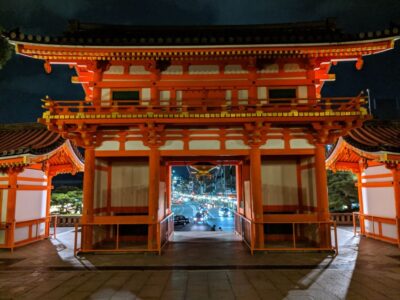
Best of Kyoto: Gion, Geisha, Pagodas & Cobblestones
Read our review →
Kyoto Night Foodie Tour in Gion (9+ dishes + 6 Sake tastings)
Read our review →
Kyoto Gion: 2-Hour Geisha Culture & History Walking Tour
Read our review →
Chopsticks Making Workshop in Gion with Engraving Option
Read our review →
Browse the lists this tour appears in