
Reviewed · DESSERT TOURS
Kyoto: Wagashi (Japanese sweets) Cooking near Fushimiinari
The best part of this Kyoto class is that you do not just watch a demonstration. You make about three kinds of wagashi yourself, then sit in a traditional Japanese room and eat them with matcha while looking into the garden. It feels more like being welcomed into a home than joining a standard cooking session.
I like the small group size, capped at six, and the personal teaching from Miho, whose English is clear and whose lessons include practical tips on ingredients and techniques. I also like that you can often take some sweets home, since the portions may be generous.
The main consideration is the price: at $84 per person, this is not a cheap snack stop. You are paying for two and a half hours of instruction, cultural context, tea, ingredients, and a calm home setting. Children under six cannot participate, and anyone aged 12 or below must attend with a guardian.
Key points to know before booking
- You make the sweets yourself: This is a hands-on class, not a demonstration where you simply watch.
- The setting is part of the experience: You cook and eat in an authentic Japanese house with a garden view.
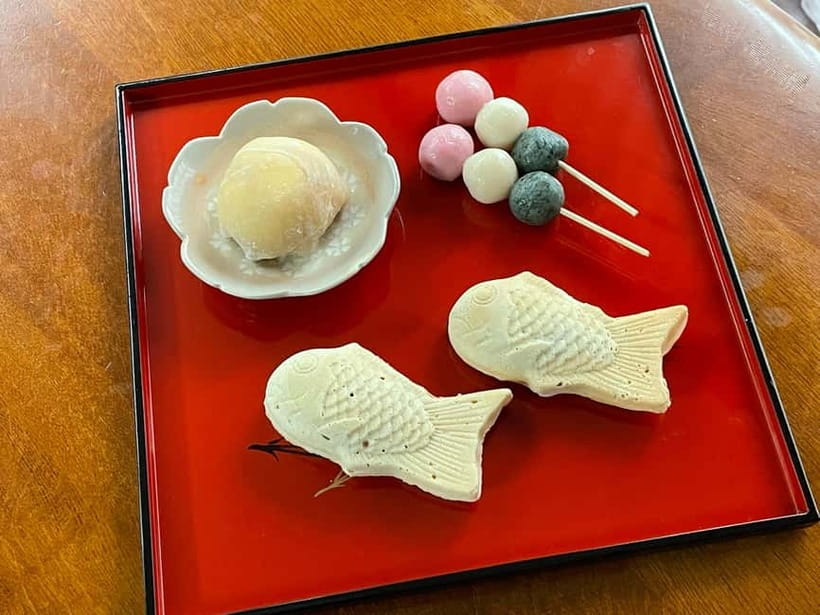
- The menu changes with the season: Dango, mochi, dorayaki, and mochi ice cream have appeared in the classes, but the exact sweets can vary.
- Miho teaches in English: Her instruction covers recipes, cooking methods, ingredients, and bits of Japanese culture.
- The class ends with matcha: You prepare or learn about whisked matcha, then pair it with the sweets you made.
- It suits small groups and families: The maximum is six people, but children under six are not accepted and younger participants need a guardian.
A Kyoto sweet-making class with a real home setting
Wagashi are Japanese sweets with strong ties to tea culture, the seasons, and careful presentation. Some are familiar from Japanese manga and anime, while others are easier to appreciate once you learn what goes into them. This class gives you a practical introduction without requiring professional cooking skills.
You meet at iroHa cooking studio, near Fushimi Inari. The activity lasts 150 minutes, long enough to cover several sweets without turning the session into a rushed kitchen exercise. The setting matters here. Instead of cooking in a bright commercial studio, you spend time in a traditional Japanese room and later enjoy your food with a view of the garden.
I like this kind of experience because it gives you a break from Kyoto’s busy sightseeing routes. Fushimi Inari is one of the city’s most popular areas, and a quiet indoor class can be a welcome change after walking around the shrine grounds. The activity does not include hotel pickup or drop-off, so you need to make your own way there.
A few more things to do in Kyoto worth a look
- Kyoto: Japanese Traditional Sweets Making and Tea Ceremony
★ 4.4 · 314 reviews - Kyoto Wagashi(Japanese sweets) Cooking Class near Fushimiinari
★ 5.0 · 60 reviews - Kyoto: Traditional Tea Ceremony with Matcha & Sweets in Gion
★ 4.9 · 27 reviews
Settling in with tea before the cooking begins
The session begins with time to relax in the Japanese room. Tea and a small sweet, such as sweet potato, may be served before the cooking gets underway. This opening helps explain the tone of the class: you are being introduced to wagashi as part of a wider tea and home culture, not simply shown how to prepare sugary food.
Miho teaches in English, and the class is designed to be easy to follow for English speakers. Her role is not limited to reading out recipe steps. She explains what you are doing, answers questions, and can add context about Japanese ingredients and customs.
The small format makes a real difference. With no more than six participants, you should have room to ask for help and time to handle the ingredients yourself. On quieter dates, the class may have only one or two participants, which can turn it into a nearly private lesson. That is a useful possibility if you value conversation and a slower pace, though you cannot count on having the class to yourself.
Making about three kinds of wagashi by hand
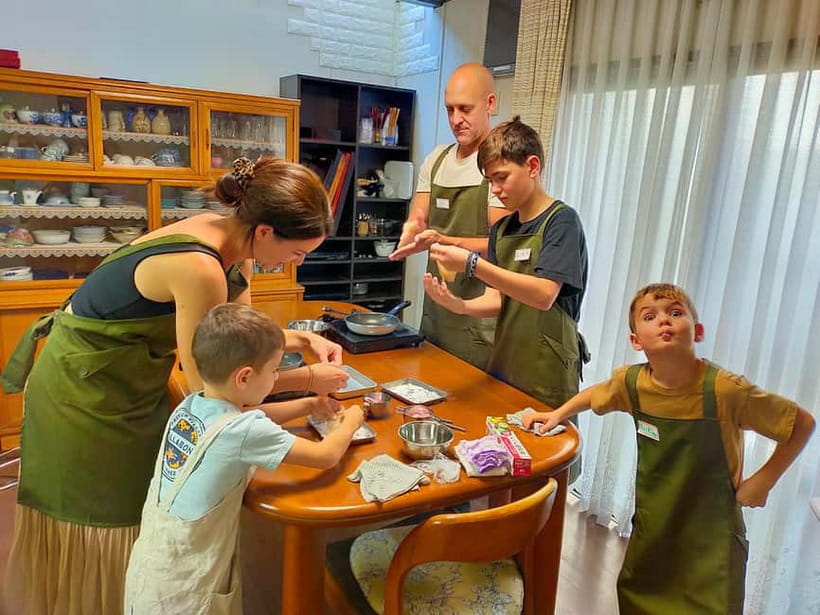
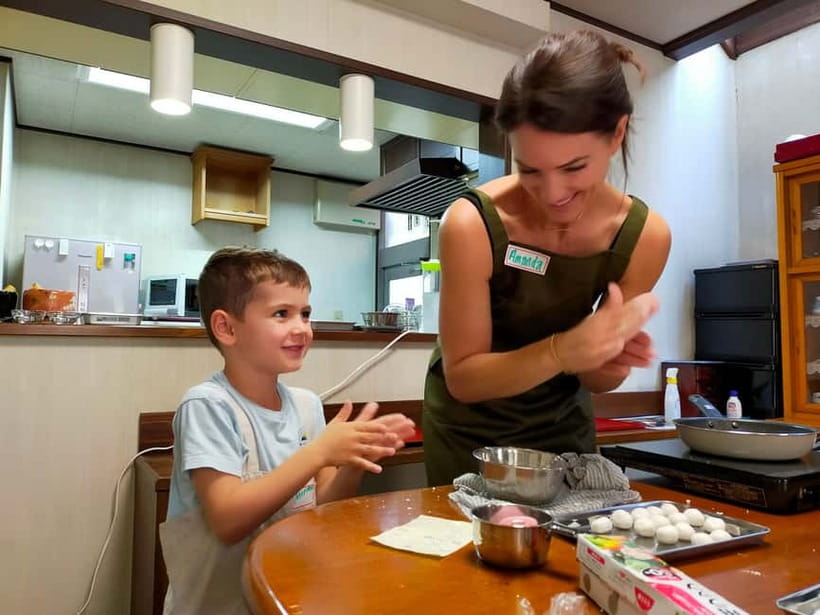
The central part of the activity is practical. Miho first demonstrates the steps, then you prepare the sweets yourself or work with a partner. The aim is not to produce restaurant-perfect shapes on your first attempt. It is to learn the basic methods and see how simple ingredients become familiar Japanese treats.
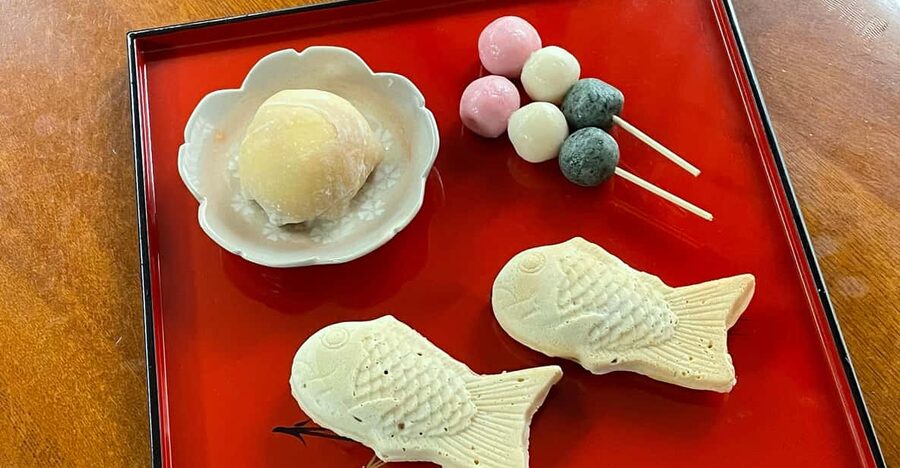
The menu changes by season, so you should not book expecting one fixed set of recipes. Sweets made in past sessions have included dango, mochi, dorayaki, and mochi ice cream. The exact combination depends on the time of year and the class plan.
Dango gives you a chance to work with a soft dough and shape it into small pieces. Mochi helps you understand why texture and handling matter. Dorayaki offers a different style of sweet, with preparation that feels closer to making small filled pancakes. These examples also show why the class is more interesting than a single-recipe workshop: you get to compare different textures, methods, and presentations.
The instruction is hands-on. You are not left to guess how much pressure to use or when a mixture has reached the right consistency. Miho explains the steps and lets you carry them out, offering help when needed. This is especially useful for mochi, which can seem intimidating until you try it with guidance.
Vegetarians are welcome, and the activity is vegan friendly. You must share any food restrictions in advance. Since the menu can change, this advance notice is important rather than a minor formality.
Learning the small tricks that recipes leave out
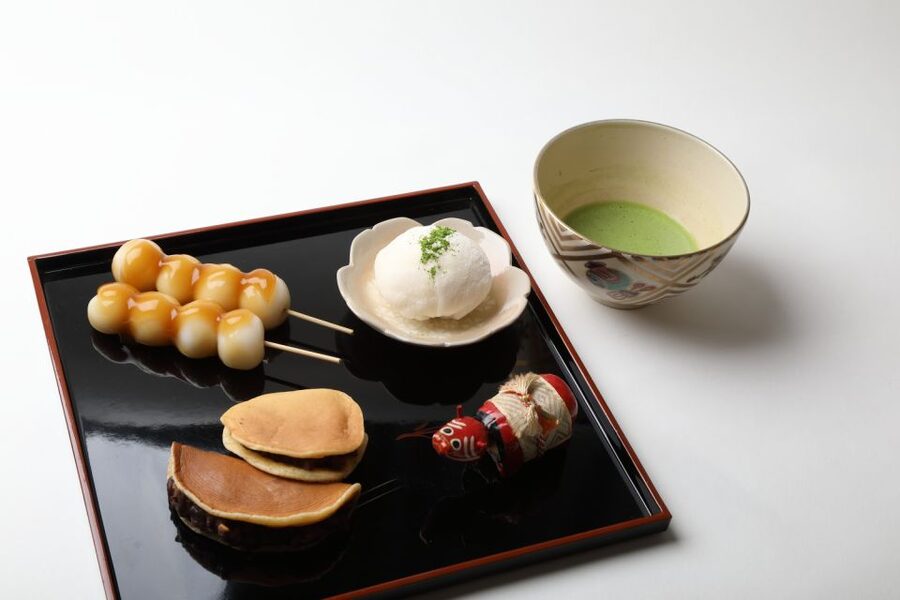
A recipe can tell you what to combine, but it cannot always show you how the mixture should feel or how to fix a small mistake. That is where this class earns much of its value. You learn the practical details that are hard to pick up from a cookbook or online video.
Miho can explain where to buy ingredients and how the sweets can be recreated at home. The recipes are considered manageable for home cooks, although you may need to visit an Asian supermarket to find some ingredients. If you enjoy cooking, this is a useful souvenir because the lesson stays with you after the trip.
The class also gives you a better sense of wagashi as part of Japanese culture. You learn not just what you are eating, but why the sweets are served with tea and how their appearance and texture matter. The lesson remains relaxed and conversational, with room for questions about food and Japan.
This cultural side is one reason I would choose the class over simply buying a box of sweets. A shop lets you taste the finished product. Here, you understand more about how it is made and why the experience is often paired with tea.
Same base, a different sort of day:
- PERFECT KYOTO 1-Day Bus Tour
★ 5.0 · 13,518 reviews - Kyoto: Fushimi Inari, Kinkakuji, Bamboo Grove 1 Day Bus Tour
★ 4.8 · 4,316 reviews - Kyoto: Tea Ceremony in a Traditional Tea House in Kiyomizu
★ 4.9 · 3,519 reviews - Kyoto Geisha Walking Tour: Gion District & Hidden Gems
★ 4.7 · 3,273 reviews
Matcha, garden views, and the finished sweets
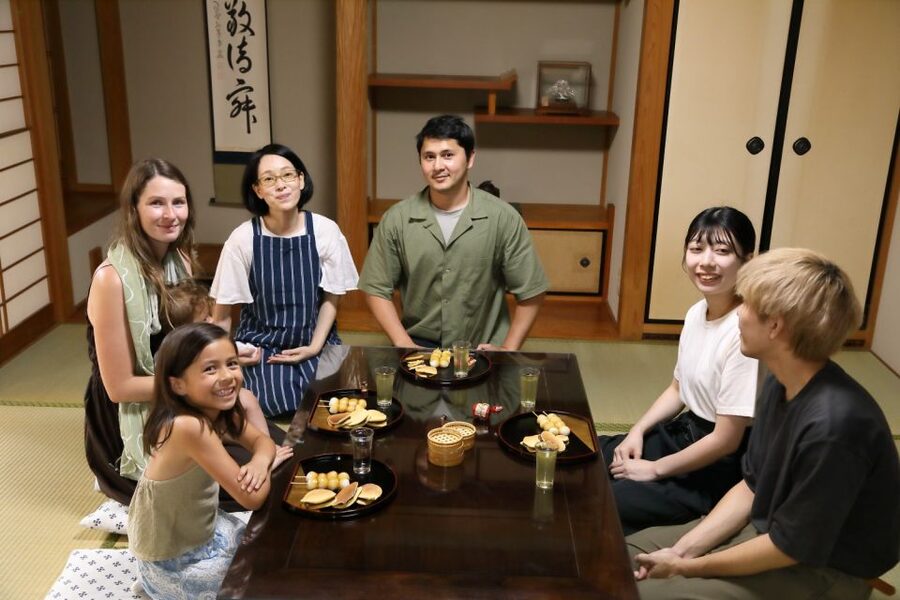
After cooking, you sit down together in the traditional room to eat what you have made. You enjoy the sweets with tea, and the setting gives the final part of the activity a calm, ceremonial feel without making it stiff or formal.
A matcha lesson is included in the experience. You may learn how the tea is whisked, and Miho prepares matcha for you to enjoy with the finished wagashi. The bitter, grassy flavor of matcha works well with the sweetness of mochi, dango, or dorayaki.
The garden view is more than a backdrop for photographs. It gives you time to slow down and notice the contrast between the busy streets around Fushimi Inari and the quiet rhythm of a Japanese tea room. You eat the food you prepared, look out at the garden, and have space to talk with the instructor and other participants.
Some of the sweets may be available to take away. This is helpful because making three types can leave you with more than you want to eat in one sitting. Pack them carefully and follow any advice given during the class about keeping them fresh.
Why the $84 price can make sense
At $84, this activity costs more than buying wagashi at a shop or ordering a matcha dessert in a café. The comparison is fair, but it misses what you are paying for.
The fee includes all ingredients and seasonings, the English-speaking instructor, tea, and taxes. More importantly, it covers 150 minutes of instruction in a traditional home, with a group limited to six. You are paying for access to a teacher, not just for a plate of sweets.
I think the value is strongest for people who enjoy active experiences. If you want to understand how Japanese sweets are made, ask questions, and try the techniques yourself, the price is reasonable. If you mainly want a quick taste of wagashi, a shop or tea house will be cheaper and more efficient.
The occasional small group or private-class feel also improves the value. When only one person or one party books, Miho can adjust the pace and spend more time answering questions. That is a pleasant possibility, but the advertised experience remains a small group rather than a guaranteed private lesson.
Who will enjoy this class most
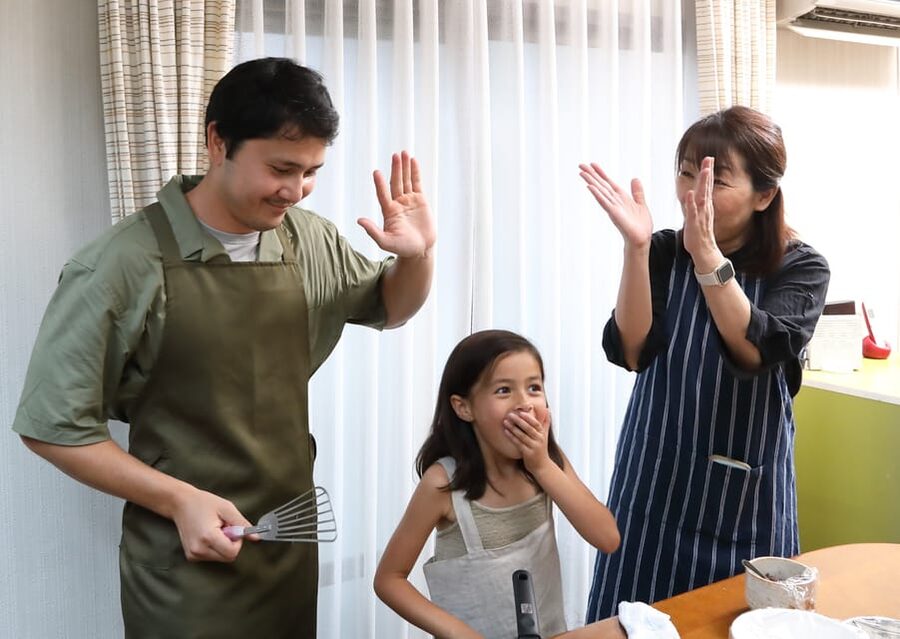
This is a good choice for anyone with an interest in Japanese food, cooking, tea, or everyday culture. You do not need advanced kitchen skills. The class works well for beginners because each recipe is demonstrated before you begin.
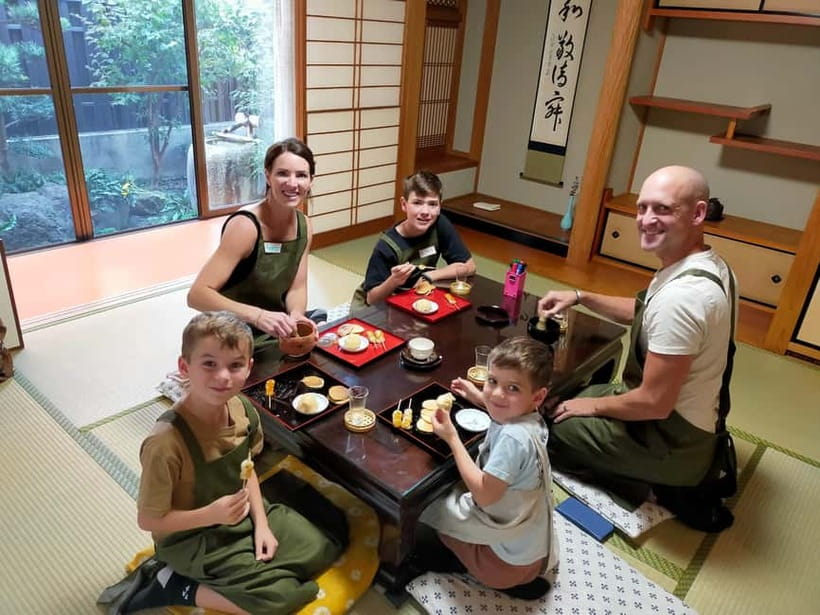
It is also a strong family option for older children. Children aged 12 and below must attend with a guardian, and children under six cannot take part. Families with children aged eight and ten have been able to enjoy the activity, with tasks adapted to keep younger participants involved.
Couples, friends, and solo visitors can all fit comfortably into the small format. A solo booking may offer extra one-on-one time if the class is not full. Couples can work together, while a group of friends can share the preparation without losing access to the instructor.
I would be less likely to recommend it to someone using a wheelchair, since the activity is not suitable for wheelchair users. It is also not the right pick if you need hotel transportation, since pickup and drop-off are not included.
Timing the class around Fushimi Inari
The location near Fushimi Inari makes the class easy to pair with sightseeing in that part of Kyoto, but you should allow enough time to reach the meeting point without rushing. Starting times vary, so check the available schedule when you book.
You could plan the class before or after visiting the shrine, depending on your schedule. The cooking session itself takes two and a half hours, so it is longer than a quick food stop. Give yourself enough time for the lesson, the tea service, and the final sitting in the Japanese room.
The class can also serve as a useful rest period during a full Kyoto day. After shrine walks and city streets, sitting down to prepare food at a measured pace may feel more refreshing than adding another crowded attraction.
Free cancellation is available up to 24 hours before the activity for a full refund. You can also reserve and pay later, which helps if you are still arranging a Kyoto itinerary.
My recommendation: book it if you want to make, not just taste
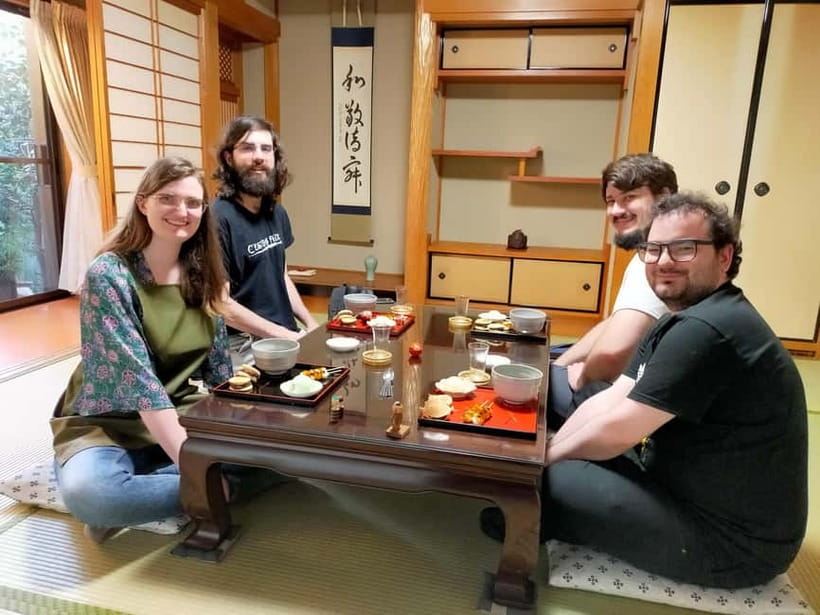
Book this class if you want a personal, hands-on look at wagashi and like the idea of spending time in a Japanese home. The combination of three sweets, English instruction, matcha, garden views, and a small group gives the experience more substance than a simple dessert tasting.
I especially recommend it for people who enjoy bringing home a skill as well as a souvenir. Miho’s guidance can help you repeat the recipes, and the chance to ask about ingredients and Japanese culture adds useful context.
Skip it if you want a low-cost snack, dislike structured cooking, or need wheelchair access. For everyone else, the $84 price is justified by the time, personal teaching, and setting. Near Fushimi Inari, this is a thoughtful way to spend an afternoon, with something sweet to eat and something practical to remember.
FAQ
Where does the wagashi cooking class take place?
The class takes place at iroHa cooking studio in a traditional Japanese home near Fushimi Inari in Kyoto.
How long does the activity last?
The class lasts 150 minutes, or two and a half hours.
How many people can join the class?
It is a small-group activity limited to six participants.
Is the class taught in English?
Yes. The class is conducted in English, and the instructors are licensed guide interpreters.
What sweets will I make?
You will prepare about three types of wagashi. The menu changes by season and may include sweets such as mochi, dango, dorayaki, or mochi ice cream.
Is matcha included?
Yes. Tea is included, and the experience includes enjoying the sweets with matcha. You may also learn how to prepare whisked matcha.
Are vegetarian and vegan participants welcome?
Yes. Vegetarians are welcome, and the class is vegan friendly. You should provide details of any food restrictions in advance.
Can children join the class?
Children under six cannot participate. Children aged 12 and below must attend with a guardian.
Is hotel pickup included?
No. Hotel pickup and drop-off are not included, so you must arrange your own transportation to and from the activity.
Just added in Kyoto
- Private Cooking Class Udon in Kyoto Japan★ 5.0 · 23 reviews
- Your Private Vacation Photography Session In Kyoto★ 5.0 · 110 reviews
- Kyoto: Zen Meditation at a Private Temple with a Monk★ 5.0 · 25 reviews
- Private Pewter Sake Cup Experience with a Kyoto Artisan★ 5.0 · 31 reviews
- Kyoto Wagashi(Japanese sweets) Cooking Class near Fushimiinari★ 5.0 · 60 reviews
- Kyoto:Family-Friendly Kimono & Yukata Experience at WARGO★ 5.0 · 147 reviews
- Private Guided Traditional Buddhist Cooking in Japan★ 5.0 · 16 reviews
- Kyoto: Gion Geisha District & Sake-in-Hand Walking Tour★ 5.0 · 37 reviews
Dessert Tours, compared.
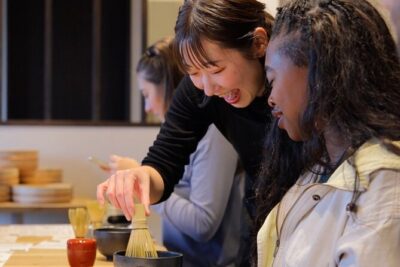
Matcha Making Class in Tokyo with Authentic Japanese Sweets Set
Read our review →
Matcha Making Experience with Mochi Sweets in Asakusa
Read our review →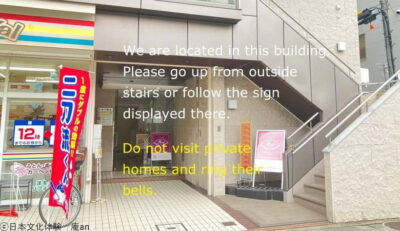
Japanese Traditional Sweets Making and Tea Ceremony
Read our review →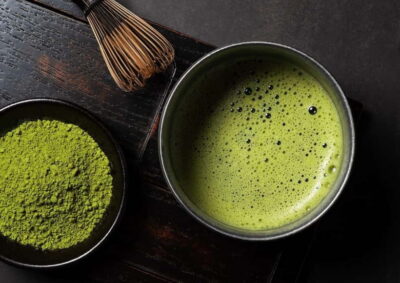

Kyoto Wagashi(Japanese sweets) Cooking Class near Fushimiinari
Read our review →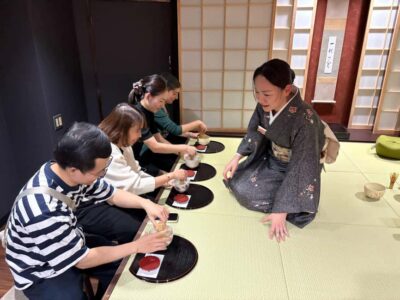
Traditional Tea Ceremony with Matcha & Sweets in Gion
Read our review →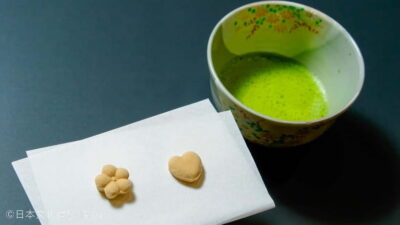
Two Types of Japanese Sweets Making and Tea Ceremony
Read our review →Browse the lists this tour appears in