
Reviewed · SUSHI-MAKING CLASSES
Kyoto: Sushi Making Class with Sushi Chef
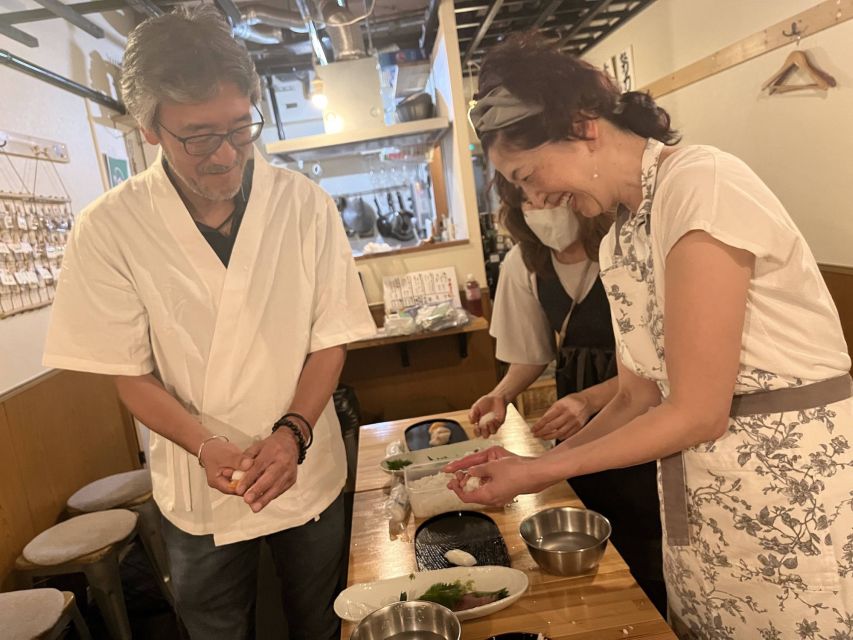
Sushi making here starts with fish bought early that morning at Kyoto Central Wholesale Market, not with a prepacked tourist kit. A chef guides you through nigiri and maki, then you sit down to eat the plate you made. I like the market-fresh ingredients and the patient, hands-on teaching from chefs such as Hide, Yune, Nami, and Yutaka.
I also like the small group size, capped at eight, and the photo service, which lets you focus on shaping sushi instead of holding your phone. The main consideration is that the venue changes between two locations around Shijo Karasuma, and the class may last anywhere from 90 minutes to three hours, so check your confirmation carefully.
Key points at a glance
- Fresh fish from Kyoto Central Wholesale Market: Fish is purchased early each morning and prepared before class.
- A clear progression for beginners: You practice with a sushi sample toy before handling real ingredients.
- Three useful skills in one class: Learn nigiri, sushi rolls made with a special tool, and basic sushi presentation.
- Patient English instruction: The class is offered in English or Japanese, with teachers including Hide, Yune, Nami, Yutaka, and Yukihide.
- A meal, not just a demonstration: You arrange your sushi on a plate, then eat it with tea or water and Japanese-style dashi soup.
- Small and family-friendly: Groups are limited to eight, and several families found the instruction suitable for young children and teenagers.
Why this class feels more useful than a sushi demonstration
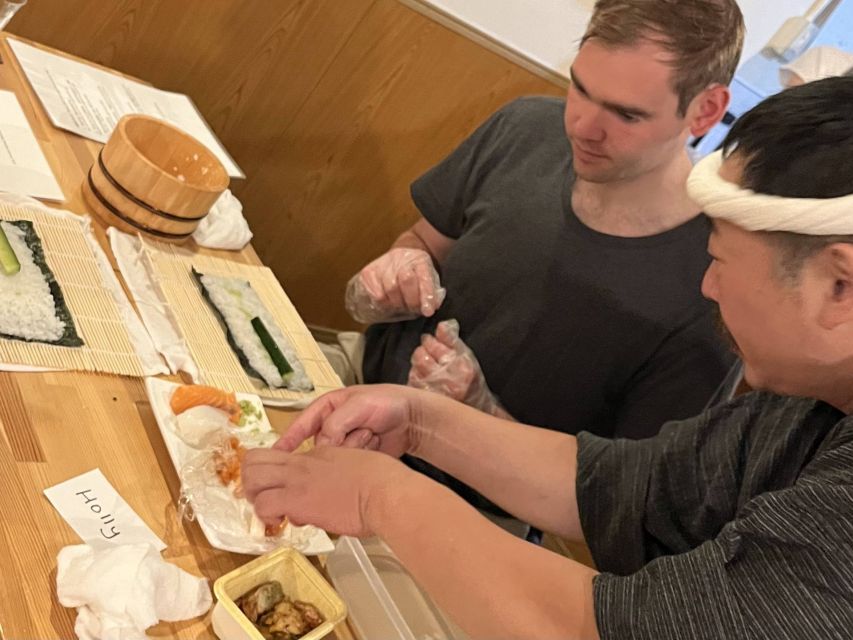
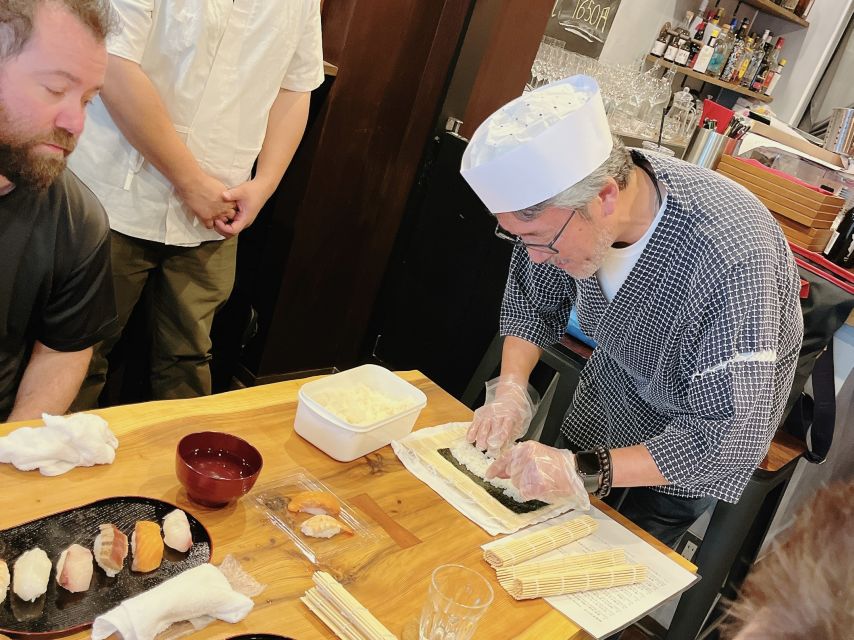
The best part of this experience is that you do the work. A chef does not simply stand behind a counter and prepare a beautiful platter while you watch. You handle the rice, fish, seaweed, and tools under close instruction, then eat the results at the end.
That matters because sushi looks simple until you try to make it. A neat piece of nigiri depends on the amount of rice, the shape of your fingers, and the way you place the fish. The class gives you a better sense of the craft and may make you more attentive the next time you sit at a sushi counter.
You also receive a little context beyond the mechanics. Hide, one of the named instructors, has explained the different fish, the knives used for particular jobs, Japanese dining etiquette, and how to eat sushi properly. Other instructors, including Nami and Yutaka, have been praised for calm, clear instruction. The exact chef depends on the session, but the teaching style is designed for beginners.
Other classes behind the counter in Kyoto:
- Sushi Making in Kyoto! Same-day bookings welcome!
★ 5.0 · 713 reviews - The Original Small-Group Sushi Making Class in Kyoto
★ 5.0 · 436 reviews - Kyoto: Small-Group Authentic Sushi Making Workshop
★ 5.0 · 137 reviews
Starting with a sushi model before touching the real fish
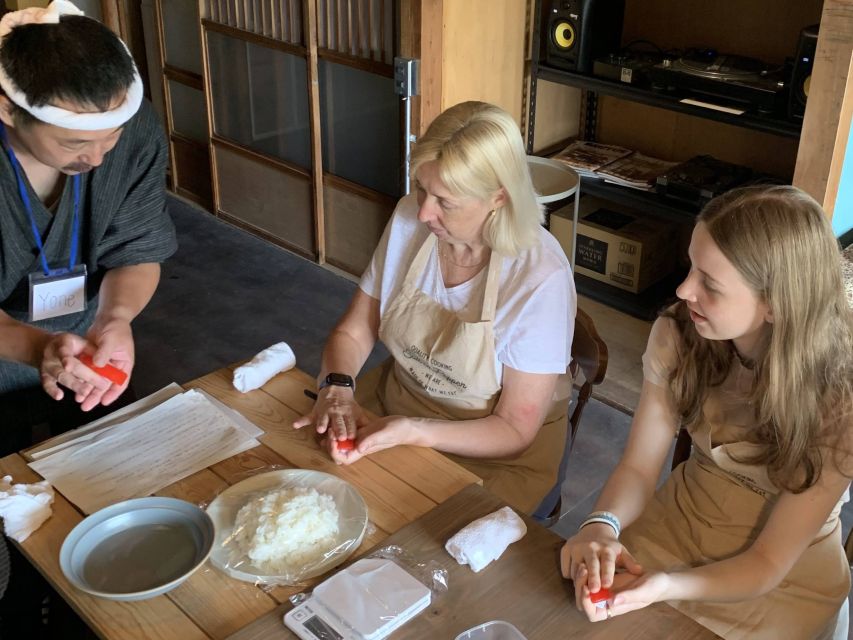
The class begins with practice using a sushi sample toy. This may sound basic, but it is a smart way to remove the first bit of pressure. You can get used to the movement of forming rice before trying to make something you will eat.
After that warm-up, you move to real nigiri sushi. The chef demonstrates the process step by step, then gives you time to copy it. You are not expected to know how much rice to use or how firmly to shape it. The instruction is aimed at first-timers, and children can take part with help from the adults in their group.
The hands-on format also makes the class more social. You can compare your first pieces with the next ones and see the shape improve as you work. Do not expect every piece to look like a chef’s, though. The point is to learn the basic method, not produce a professional sushi counter display in one sitting.
Fresh fish and what you can learn from the ingredients
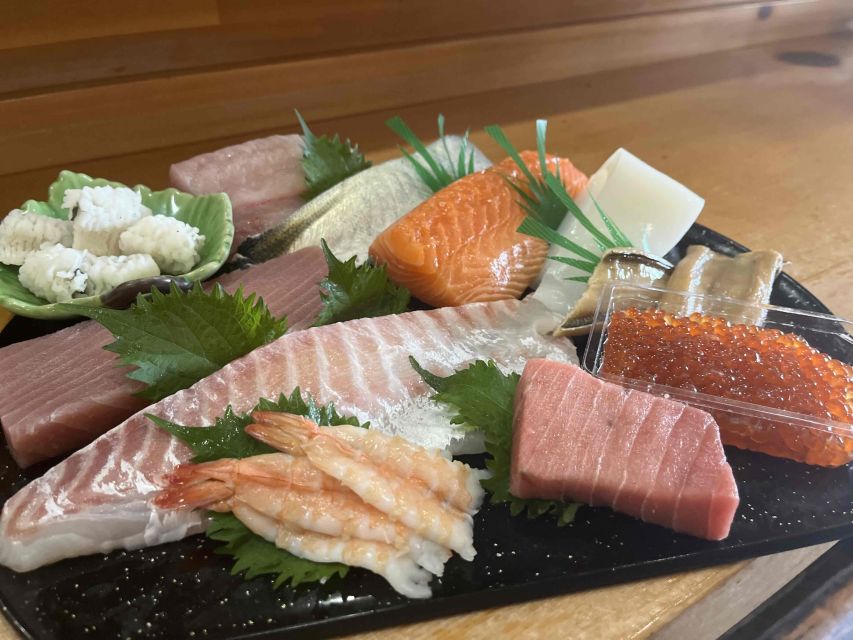
The fish is bought early in the morning at Kyoto Central Wholesale Market and prepared before the class. That gives the meal a useful connection to Kyoto’s food trade, even though you are not touring the market itself.
You may learn about the types of fish placed in front of you and how a sushi chef handles them. One especially useful part of the instruction is the chance to hear why different knives have different purposes. This turns the class into more than a cooking activity. You begin to see that sushi depends on preparation, proportion, and presentation as much as on the fish itself.
The quality of the ingredients matters here because you eat what you make. Several participants specifically praised the freshness of the fish, and one person who does not usually enjoy raw fish still liked the finished meal. That does not mean the class will suit every palate, but the ingredients are a strong part of the value.
Food safety and hygiene also receive attention. One participant noted that the staff placed great importance on clean preparation. You should still take the allergy warning seriously: the activity is not considered suitable for people with food allergies. A separate experience with gluten-free needs was handled successfully, but that should not be treated as a guarantee for every allergy or dietary restriction.
Making nigiri, then rolling maki
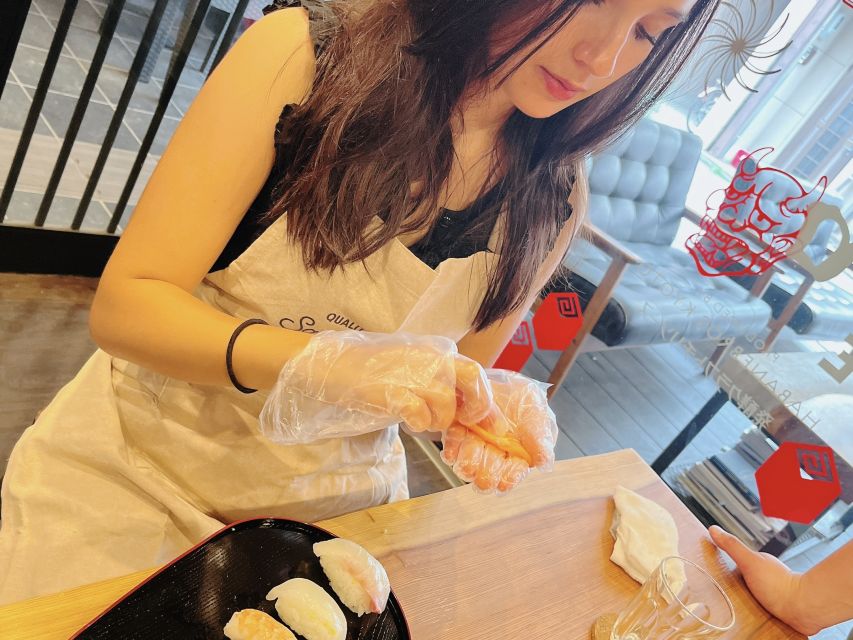
The class moves from nigiri to sushi rolls. Nigiri teaches control and shape, while maki gives you a different task: arranging ingredients and rolling them with a special tool.
The tool makes the rolling stage less intimidating. You are guided through the process rather than left to guess how tightly to roll or where to place the fillings. You then make three types of sushi in total, according to one detailed account of the class, although the exact selection may vary.
This is a good balance for a short activity. Nigiri feels traditional and precise. Maki is more forgiving and often easier for children to enjoy. Together, the two formats show you why sushi preparation is a craft rather than a single recipe.
One point to keep in mind is that the class does not appear to include preparing the rice or cutting the fish yourself. The ingredients are prepared for you before the session. One participant would have preferred the option to prepare the rice and cut the fish, even for an additional fee. If you want a full professional kitchen lesson, this may feel limited. If you want to learn how to assemble and shape sushi without spending hours on preparation, it is a sensible format.
Same base, a different sort of day:
- PERFECT KYOTO 1-Day Bus Tour
★ 5.0 · 13,518 reviews - Kyoto: Fushimi Inari, Kinkakuji, Bamboo Grove 1 Day Bus Tour
★ 4.8 · 4,316 reviews - Kyoto: Tea Ceremony in a Traditional Tea House in Kiyomizu
★ 4.9 · 3,519 reviews - Kyoto Geisha Walking Tour: Gion District & Hidden Gems
★ 4.7 · 3,273 reviews
Arranging the plate and eating your own work
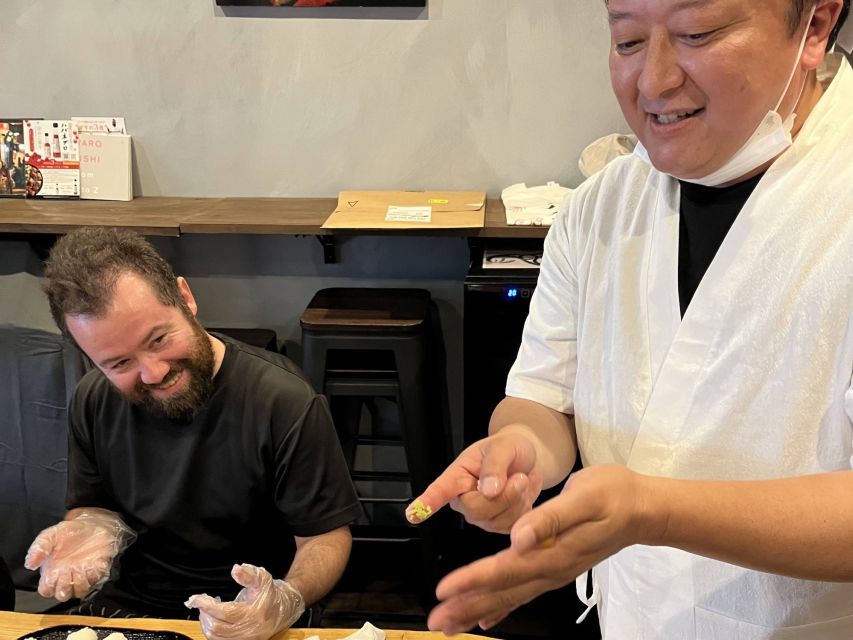
After making the sushi, you decorate your plate and sit down to eat. This final step gives the class a satisfying finish: you are not packing your work away or watching someone else serve lunch.
Tea or water and Japanese-style dashi soup are included. The soup is a useful accompaniment because it rounds out the meal without distracting from the sushi. The food you prepare is the main event, and you can see how presentation affects the meal before taking the first bite.
The class also includes instruction on sushi etiquette. You may learn how sushi is traditionally handled and eaten, along with practical manners for a sushi restaurant. That information has value long after the class ends, especially if you plan to visit a more formal sushi counter during your Japan trip.
Do not expect a large restaurant meal with many courses. This is a hands-on lunch built around your own sushi. For most people, the pleasure comes from the process and the fresh fish as much as from the quantity of food.
A small class with several proven instructors
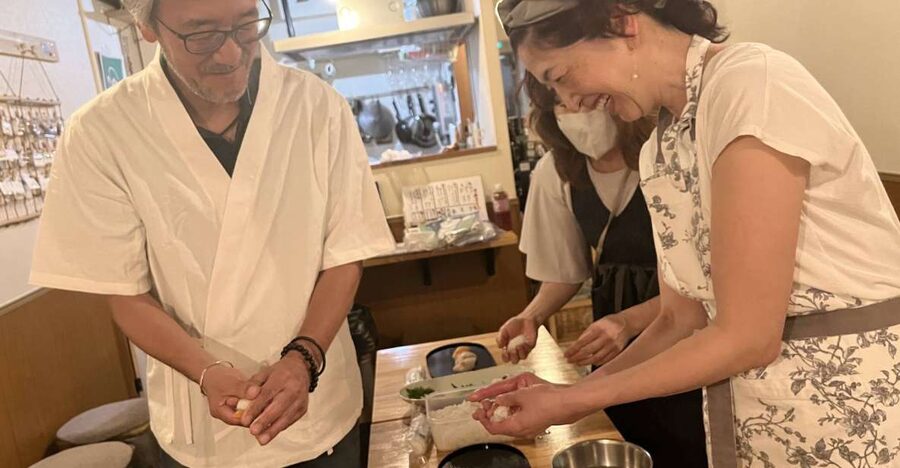
The group limit is eight people. That is small enough for the chef to watch your technique and correct you without turning the session into a crowded assembly line.
The named instructors vary. Hide has been singled out for decades of sushi experience, patience, and relaxed explanations. Yune and Yone have been described as friendly and easy to follow, while Nami was especially good with a five-year-old participant. Yutaka also received praise for clear teaching and high-quality food. Yukihide has been described as an excellent host who made the meal enjoyable after the preparation.
These details matter if you are booking for a mixed-age group. Parents with young children may appreciate the sample toy and patient pace. Teenagers can take the activity seriously without it feeling like a formal lecture. Adults who want more detail can ask about fish, knives, and etiquette.
The chef will not necessarily be the same person for every session. If you have a particular instructor in mind, ask before booking rather than assuming that person will lead your class.
Finding the venue near Shijo Karasuma
The meeting point is around Shijo Karasuma, a convenient central area of Kyoto. There are two possible venues, and the organizers choose between them based on the number of participants.
You receive the selected location and a Google Maps link by email. At the meeting time, look for the welcome board. This arrangement is practical, but it means you should not simply navigate to a venue printed on an old screenshot or assume that every class takes place at the same address.
One location has been described as cozy and overlooking the river, while another was praised for being easy to find and close to Kyoto-Kawaramachi Station. Since the venue can change, use the current map link and allow a little extra time to locate the entrance.
The central location also makes this easy to pair with sightseeing in Kyoto. Still, avoid booking it so tightly against another timed activity that a longer three-hour session would cause trouble. The stated duration ranges from 90 minutes to three hours, depending on the class arrangement and available starting time.
Is $74 a fair price?
At $74 per person, this is not the cheapest meal in Kyoto. You could buy sushi for less, and a short cooking lesson at home may cost less still. The value comes from combining fresh fish, a chef-led lesson, a full hands-on meal, soup and drinks, and the shared photo data.
The photo and video service is a useful extra. Someone from the class records parts of the experience and shares the files afterward, so you can keep your attention on the food and instruction. You should not assume that every moment will be professionally filmed, but it removes the usual choice between learning and documenting.
The price also makes more sense for a family or couple who wants a shared activity rather than another restaurant stop. A family of three can spend the same afternoon eating a meal somewhere else, but here each person takes part in making it. Several families found the experience especially memorable, and one five-year-old reportedly preferred it to the other activities on the trip.
For a solo visitor, the small group size helps justify the cost because you still receive direct instruction. For someone mainly seeking a large quantity of sushi, it is less compelling. You are paying for the lesson and the setting as much as for the food.
Who should book it, and who should skip it
I would recommend this class to first-time sushi makers, families with children, couples, and food-focused visitors who want a practical Kyoto activity. It also suits people who enjoy learning a skill they can try again at home. The instruction is structured enough for beginners, and the chefs appear comfortable adjusting their pace for children and adults.
It is a particularly good match if you want to understand sushi etiquette and ingredients, not just roll something quickly for a photograph. The market-sourced fish, knife discussion, and meal at the end give the session more substance.
You may want to skip it if you have food allergies, strongly dislike raw fish, or want to prepare every ingredient from the beginning. The class focuses on shaping and assembling sushi, not on shopping at the market, cooking the rice, or cutting the fish yourself. Also skip it if your schedule cannot handle a possible three-hour session.
Strong fragrances are not allowed. That is a small but important rule in a food-preparation space, so avoid perfume or heavily scented products on the day.
FAQ
How long does the sushi class last?
The stated duration ranges from 90 minutes to three hours. Check the available start times and your booking details for the length of your specific session.
How much does the experience cost?
The listed price is $74 per person.
Where does the class meet?
The class meets at one of two venues around Shijo Karasuma in Kyoto. The organizers choose the venue based on the group size and email you a Google Maps link.
How many people are in each group?
The class is limited to eight participants.
Which languages are available?
Instruction is available in English and Japanese.
What types of sushi will I make?
You will practice making nigiri sushi and then make sushi rolls using a special tool. You will also arrange the sushi on a plate before eating it.
Is food included after the class?
Yes. You eat the sushi you make, with tea or water and Japanese-style dashi soup.
Can people with food allergies attend?
The activity is listed as unsuitable for people with food allergies. Strong fragrances are also not allowed. A gluten-free request was accommodated in one case, but you should confirm any dietary concern before booking.
Should You Book This Kyoto Sushi Class?
Book it if you want a small, practical lesson with fresh fish and a meal you make yourself. The strongest reasons are the patient chef instruction, the market-sourced ingredients, and the chance to learn both sushi technique and dining etiquette.
At $74, it is good value for a family or food-loving couple, especially with photos and soup included. Just confirm the venue, allow up to three hours, and be realistic about the limits: the fish and rice are prepared before you arrive, and the class is not suited to food allergies.
Just added in Kyoto
- Private Cooking Class Udon in Kyoto Japan★ 5.0 · 23 reviews
- Your Private Vacation Photography Session In Kyoto★ 5.0 · 110 reviews
- Kyoto: Zen Meditation at a Private Temple with a Monk★ 5.0 · 25 reviews
- Private Pewter Sake Cup Experience with a Kyoto Artisan★ 5.0 · 31 reviews
- Kyoto Wagashi(Japanese sweets) Cooking Class near Fushimiinari★ 5.0 · 60 reviews
- Kyoto:Family-Friendly Kimono & Yukata Experience at WARGO★ 5.0 · 147 reviews
- Private Guided Traditional Buddhist Cooking in Japan★ 5.0 · 16 reviews
- Kyoto: Gion Geisha District & Sake-in-Hand Walking Tour★ 5.0 · 37 reviews
Sushi-Making Classes, compared.
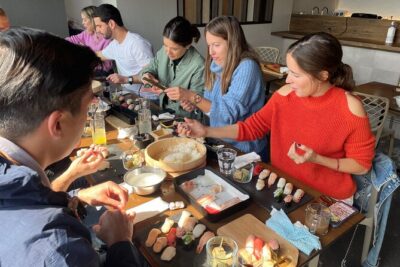
Sushi Making Tokyo Roll and Authentic Japanese Sushi Class
Read our review →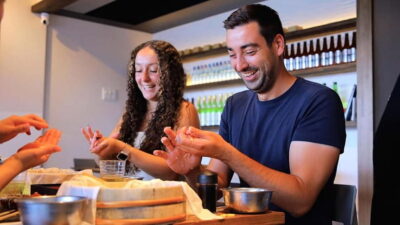
Roll and Authentic Sushi Making Class in Asakusa
Read our review →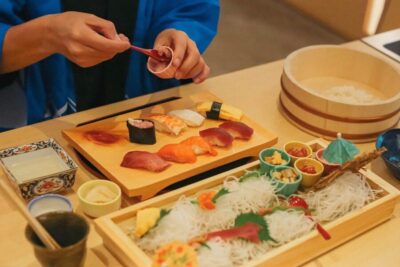
Sushi Making Class in a Happi Coat near a Famous Spot
Read our review →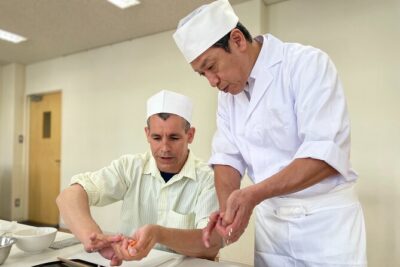
Tokyo Sushi Making Class in Tsukiji with Professional Chef
Read our review →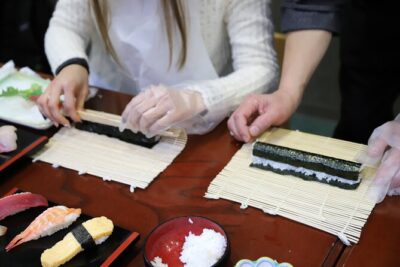
Tsukiji Fish Market Guided Tour and Sushi Making with Pro Chef
Read our review →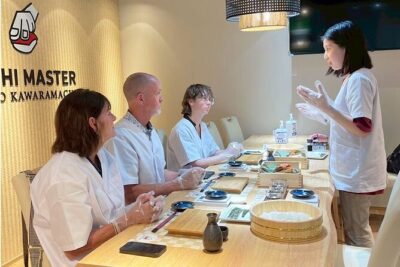
Sushi Making in Kyoto! Same-day bookings welcome!
Read our review →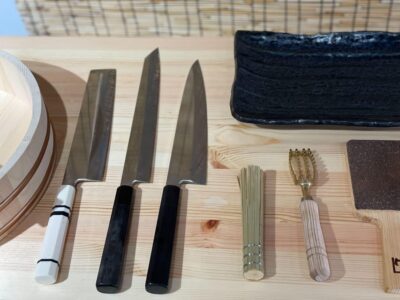
Tsukiji Fish Market Sushi Making Class with Pro Chef
Read our review →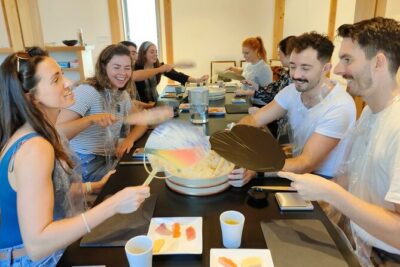
The Original Small-Group Sushi Making Class in Kyoto
Read our review →Browse the lists this tour appears in