
Reviewed · CALLIGRAPHY & CRAFT WORKSHOPS
Kyoto Sushi Making Experience with a Professional Sushi Chef
The best part of this Kyoto experience is the chance to work beside a professional Taisho sushi chef, not simply watch a cooking demonstration. You’ll shape nine pieces of nigiri, make rolled sushi, and eat your work with tempura, sake, and other Japanese treats.
I like the small group, capped at eight people, and the way the food lesson grows into a wider look at Japanese dining. I also like the gentle finish: whisking matcha in a Kyoto-style garden with sweets you selected earlier. The main consideration is the price, $163.30 per person, which is a serious spend for a three-and-a-half-hour activity.
Key points at a glance
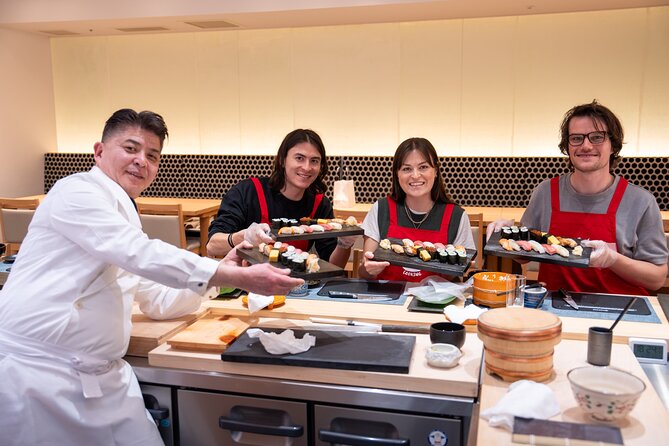
- Nine nigiri pieces and roll sushi: You make your own sushi under the chef’s guidance, with the chef handling the precise slicing.
- A real sushi restaurant setting: Watch a professional Taisho chef demonstrate knife work and nigiri preparation.
- More than a cooking class: The experience includes a tempura set, two drinks, sake tasting, Japanese sweets, and matcha.
- A small group of up to eight: This gives you a better chance to follow the lesson and ask questions.
- English support from the guide: No Japanese language skills are required, and guides such as Ayuri help keep the session easy to follow.
- A convenient afternoon schedule: Meet at 3:30 pm at Diesel604 Banochō in central Kyoto, then finish back at the meeting point.
Making sushi with a Kyoto Taisho chef
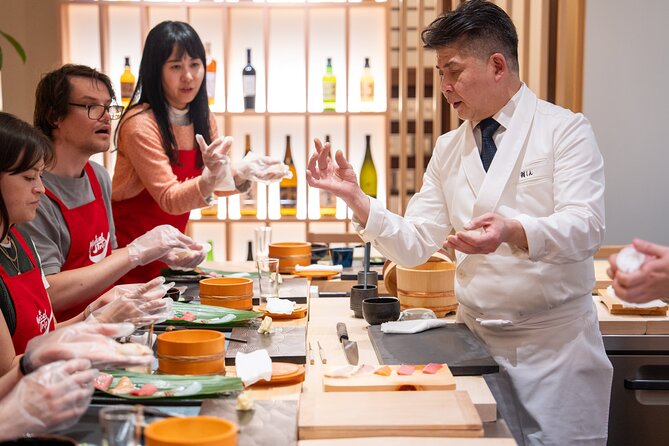
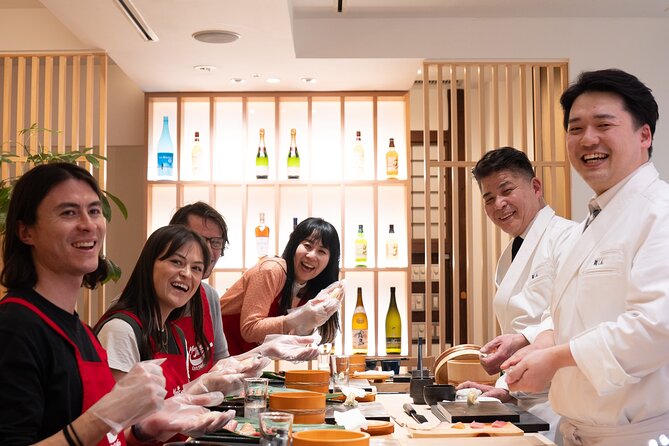
This is not a class built around a large demonstration where you sit far from the action. You meet a professional sushi chef in an authentic restaurant setting and watch the small movements that make sushi look simple.
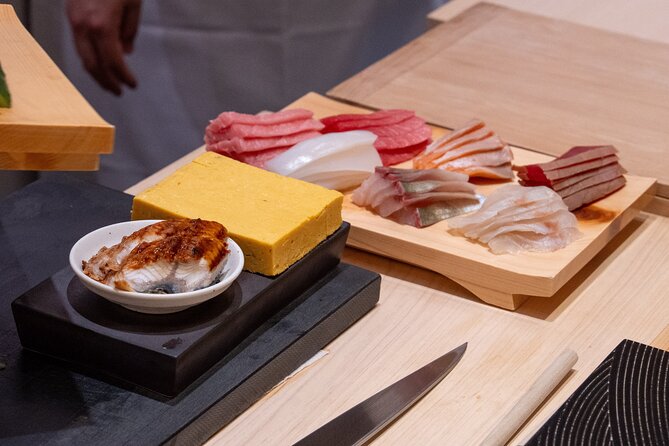
The chef demonstrates knife work and the formation of nigiri. That matters because sushi preparation is not just a matter of putting fish on rice. The pressure, shape, rice portion, and handling all affect the final bite. You get a close look at that process before trying it yourself.
You will make nine nigiri pieces and a sushi roll. The class is designed for participation, but you do not need to worry about managing every difficult step. The chef handles the slicing, so you can focus on shaping and assembling the sushi without working around sharp knives.
That arrangement makes the class suitable for families and first-time cooks. Children from age four can join, and the activity welcomes solo participants as well as food-focused adults. If you already know how to make sushi, you may find the pace introductory, but the professional setting and chef demonstration still give the lesson value.
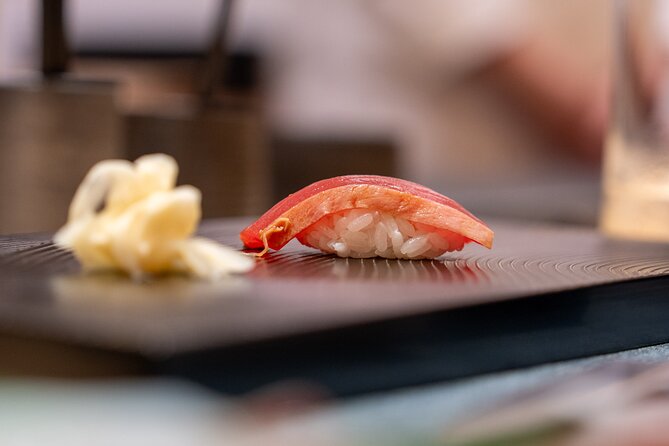
The sushi is served fresh after you make it. The quality of the fish is an important part of the experience, and the meal is not treated as a token sample. You get enough food to make the cooking lesson feel like lunch or an early dinner, especially with the tempura set and drinks included.
Other classes behind the counter in Kyoto:
- Sushi Making in Kyoto! Same-day bookings welcome!
★ 5.0 · 713 reviews - The Original Small-Group Sushi Making Class in Kyoto
★ 5.0 · 436 reviews - Kyoto: Small-Group Authentic Sushi Making Workshop
★ 5.0 · 137 reviews
The sweets stop gives the afternoon a local start
The experience begins with a visit to a local shop for traditional Japanese sweets. Your guide helps you choose the sweets that you will later enjoy with matcha.
This is a smart detail in the itinerary. It gives you something to do before entering the sushi restaurant, and it connects the final tea lesson to a choice you made earlier. You are not simply handed a sweet at the end. You carry part of the afternoon forward to the matcha session.
The available information does not specify the shop’s name or the exact sweets offered, so you should treat this as a guided introduction rather than a guaranteed chance to select a particular confection. Still, it adds a useful contrast to the savory sushi and tempura course.
Traditional Japanese sweets are often made to work with tea, so the timing is practical. You first learn about the sweets, then later prepare matcha and taste them in a calmer setting. That change of pace helps the experience feel like more than a single cooking demonstration.
Tempura and sake turn the lesson into a meal
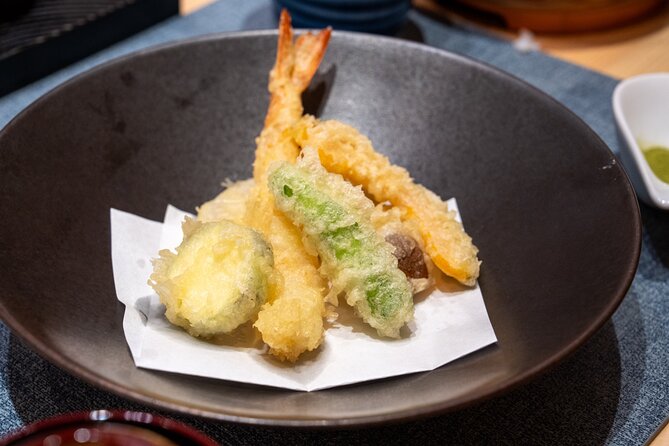
After the sushi preparation, the chef serves a tempura set. This is one of the strongest value points in the package. You are not paying only for instruction and a few pieces of sushi. You also get food prepared by the chef, including tempura that has been praised for its quality.
The tempura gives you a useful comparison with the sushi. Sushi depends on clean handling, rice texture, and the balance between fish and seasoning. Tempura offers a different lesson in Japanese cooking, with the chef presenting it fresh rather than asking you to manage another cooking station.
The package includes two drinks and sake tastings. The sake portion comes with pairing advice, so you can think about how different styles work with sushi instead of treating the tasting as a separate drinking stop.
The exact sake varieties are not specified, and the information does not promise a large formal tasting flight. You should expect an introduction to several sake options and guidance on pairing, not a specialist certification course. For most people, that is the right level for an afternoon food experience.
If you do not drink alcohol, check the arrangements before booking because the supplied details list sake tastings and two drinks but do not explain substitute beverages. The same practical caution applies to food allergies or dietary restrictions, since no specific accommodation policy is provided.
Matcha in a Kyoto-style garden
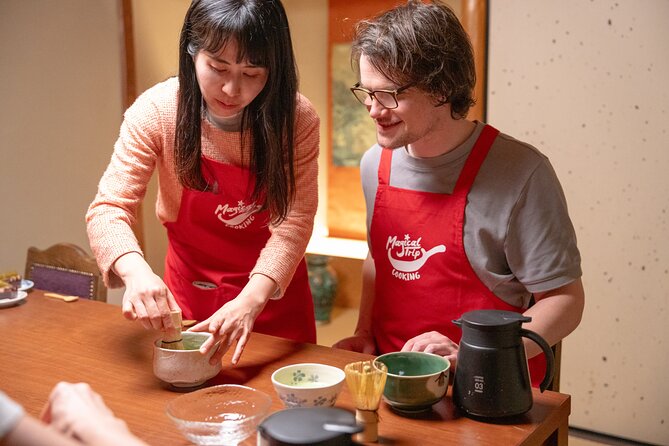
The final part moves away from the restaurant meal and into a Kyoto-style garden. Your guide teaches you how to whisk matcha, then you drink it with the traditional sweets chosen earlier.
I like this ending because it slows the experience down. Sushi making can be active and precise, while matcha requires a quieter rhythm. You get a chance to practice a familiar Kyoto ritual rather than only watching a chef work.
The matcha lesson is hands-on. You whisk your own tea, so you can expect a simple introduction to the motion and preparation rather than a formal tea-school ceremony. The garden setting adds atmosphere without requiring a separate sightseeing stop.
The garden is also a good reason to plan your afternoon carefully. The activity begins at 3:30 pm and lasts about three hours and 30 minutes. Since the end point is the same as the meeting point, you can arrange your evening from that central Kyoto location after the tea portion is finished.
Other things to make with your hands in Kyoto:
- Kyoto : Chopsticks Making Workshop in Gion with Engraving Option
★ 5.0 · 958 reviews - Authentic knife making experience at a blacksmith in Kyoto
★ 4.8 · 350 reviews - Kyoto: Calligraphy class at Buddhist temple in city center
★ 5.0 · 167 reviews - Kyoto: Japanese Calligraphy Class
★ 4.8 · 89 reviews
Why a group of eight makes a difference
The maximum group size is eight people. That is small enough to make a real difference during the sushi lesson, especially when the chef is showing hand position, rice shaping, and rolling technique.
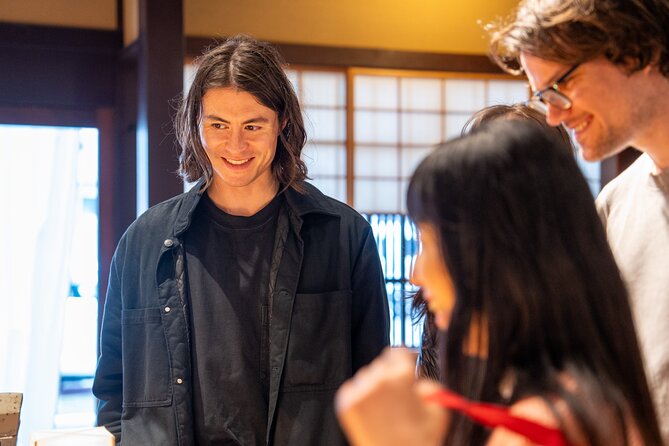
A small group also helps if you are nervous about making sushi in front of others. You can watch the person beside you, ask the guide for clarification, and correct your technique before moving on. The English-speaking guide is there to keep communication clear, and Ayuri is named as one of the guides connected with this experience.
The group limit does not mean you will have a private class. Other people will take part, and the chef’s attention will be shared. Still, eight is a manageable number for a demonstration that depends on seeing hand movements and getting practical help.
Solo participants should find the format workable because the class is built around a shared activity rather than a private family booking. Families can also join, with children age four and older accepted. Younger children are not included in the stated age range.
What the $163.30 price includes
At $163.30 per person, this experience belongs in the special-activity part of your Kyoto budget. It is not a cheap meal, and you should not book it if your only goal is to eat sushi at the lowest possible price.
The value comes from combining several elements that would otherwise be separate:
- A professional chef demonstration
- Hands-on preparation of nine nigiri pieces and roll sushi
- A tempura set
- Two drinks
- Sake tasting with pairing guidance
- Traditional Japanese sweets
- A matcha lesson in a Kyoto-style garden
- An English-speaking guide
- A small group capped at eight
The price makes more sense if you want food, instruction, and cultural context in one booking. You are also paying for the structure: a guide brings you to the sweets shop, helps you follow the restaurant lesson, explains sake pairings, and leads the matcha activity.
The price makes less sense for someone who already has strong sushi-making skills or who dislikes guided group activities. You may prefer to spend the same money on a restaurant meal if your main priority is tasting a wider range of high-end sushi.
The included food is a major part of the calculation. Fresh fish, chef-prepared tempura, drinks, sake, sweets, and matcha mean you are not adding a separate meal immediately afterward. Appetite varies, of course, but the included menu is substantial enough to make this a central food event for the day.
Timing and meeting point in Kyoto
The meeting point is Diesel604, Banochō, in Nakagyo Ward, Kyoto, with a 3:30 pm start. The activity ends back at that meeting point.
The tour is near public transportation, which helps with planning, but the information does not specify the closest station or give a walking route. I would allow extra time to find Diesel604, especially if you are coming from another part of Kyoto and need to navigate the central streets.
The afternoon timing works well for a day that includes morning sightseeing. You can visit another part of Kyoto earlier, take a break, and arrive for the cooking class in time for the 3:30 pm start. Since the activity lasts about three and a half hours, expect to finish around 7 pm, although the exact end time may vary.
This is not a quick drop-in lesson. Set aside the full afternoon and evening window. The sweets visit, sushi class, meal, sake tasting, and matcha session each take time, and rushing away for a separate dinner would undercut the value of the package.
A mobile ticket is provided, and booking confirmation is received at the time of booking. The experience is typically reserved about 24 days ahead, so I would not wait until the last minute if your Kyoto dates are fixed.
Who will get the most from this experience
This is a strong choice for you if you want to do something active with food rather than simply sit at a restaurant. It suits first-time visitors to Japan, curious cooks, families with children aged four and older, and solo participants who enjoy a small social setting.
It is also a good fit if you want several Japanese experiences in one afternoon. You make sushi, taste sake, eat tempura, choose sweets, and prepare matcha. That variety gives you more cultural context than a class focused only on rolling maki.
The activity may be less suitable if you need a private class, have strict dietary restrictions, or do not drink alcohol and require a clearly stated substitute. The supplied details do not explain vegetarian, vegan, allergy, or nonalcoholic arrangements, so contact the provider before paying if any of those issues matter to you.
You should also consider your interest level. If you want a quiet tea ceremony with no cooking, this is too food-focused. If you want a serious sushi apprenticeship, it is too short and too broad. Its strength is the middle ground: an approachable cooking lesson with a professional chef and several linked Japanese food traditions.
Cancellation and booking advice
You can cancel for a full refund up to 24 hours before the local start time. Cancellations made less than 24 hours before the start are not refunded, and changes within that period are not accepted.
That policy is fairly workable, but your 3:30 pm start matters. If your Kyoto schedule depends on weather, train connections, or another timed attraction, keep those plans flexible enough to protect the 24-hour deadline.
The activity has a five-star rating based on 16 ratings and a 100 percent recommendation figure. The strongest praise centers on the friendly guide Ayuri, the fresh fish, the sushi lesson, and the tempura. Those details match the design of the experience: personal instruction, a real chef, and a full meal rather than a brief sample.
Should you book this Kyoto sushi class?
Book it if you want a hands-on food experience with a professional chef and enough extras to fill an afternoon. The combination of nine nigiri, roll sushi, tempura, sake, sweets, and matcha gives you a broad taste of Japanese food culture in one compact activity.
At $163.30, it is best viewed as a special Kyoto outing rather than an everyday meal. I would recommend it most strongly to families, first-time visitors, and anyone who wants an easy English-language introduction to sushi and Japanese tea customs.
Skip it if you want the cheapest sushi meal, a private lesson, or a highly technical chef-training session. For everyone else, the small group, careful chef guidance, and peaceful matcha finish make this a well-rounded choice with real food value.
FAQ
Where does the Kyoto sushi experience start?
It starts at Diesel604, Banochō, in Nakagyo Ward, Kyoto, 604-8172, Japan.
What time does the experience begin?
The stated start time is 3:30 pm.
How long does the experience last?
It lasts approximately three hours and 30 minutes.
Where does the activity end?
It ends back at the meeting point.
How many people can join?
The maximum group size is eight travelers.
Is an English-speaking guide provided?
Yes. An English-speaking guide leads the experience, and no Japanese language skills are required.
What food and drink are included?
The experience includes nine nigiri sushi pieces, roll sushi, a tempura set, two drinks, sake tastings, Japanese sweets, and matcha.
Can children join the experience?
Yes. Families are welcome, and children aged four and older can participate.
Just added in Kyoto
- Private Cooking Class Udon in Kyoto Japan★ 5.0 · 23 reviews
- Your Private Vacation Photography Session In Kyoto★ 5.0 · 110 reviews
- Kyoto: Zen Meditation at a Private Temple with a Monk★ 5.0 · 25 reviews
- Private Pewter Sake Cup Experience with a Kyoto Artisan★ 5.0 · 31 reviews
- Kyoto Wagashi(Japanese sweets) Cooking Class near Fushimiinari★ 5.0 · 60 reviews
- Kyoto:Family-Friendly Kimono & Yukata Experience at WARGO★ 5.0 · 147 reviews
- Private Guided Traditional Buddhist Cooking in Japan★ 5.0 · 16 reviews
- Kyoto: Gion Geisha District & Sake-in-Hand Walking Tour★ 5.0 · 37 reviews
Calligraphy & Craft Workshops, compared.
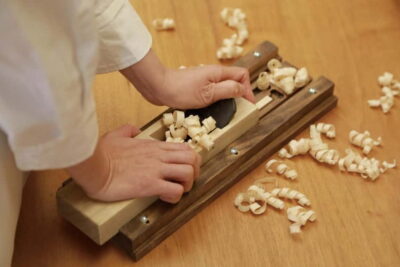
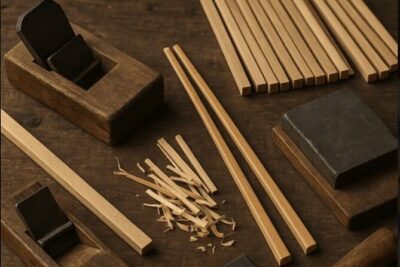
Chopsticks Making Workshop in Gion with Engraving Option
Read our review →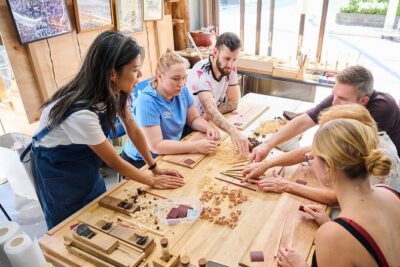

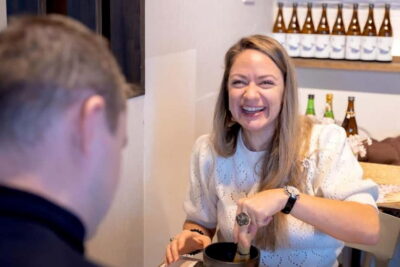
Matcha Making Experience with Mochi Sweets in Asakusa
Read our review →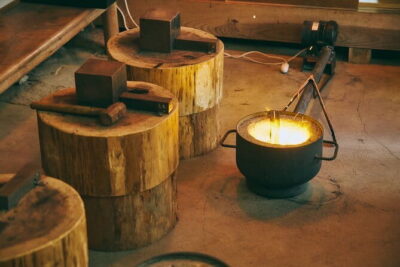
Authentic knife making experience at a blacksmith in Kyoto
Read our review →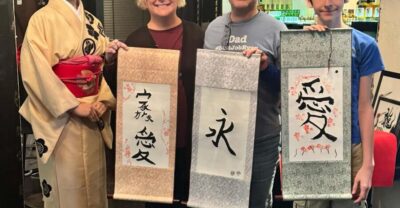
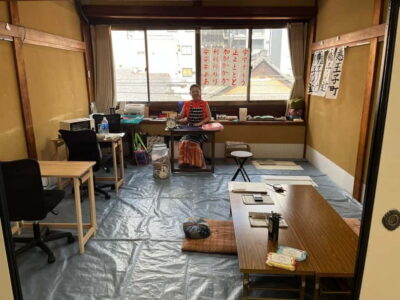
Calligraphy class at Buddhist temple in city center
Read our review →Browse the lists this tour appears in